I have a soft spot for lamps, but less patience for the way we buy them. Pick a shape, pick a spot, and hope both still make sense after the next move or furniture shuffle. If they don’t, the lamp goes into a closet and we start shopping again. Joanne Odisho’s Mod-u offers another option: a light designed to be rearranged as a room changes. Its most surprising feature is that the pieces are made from discarded eggshells.
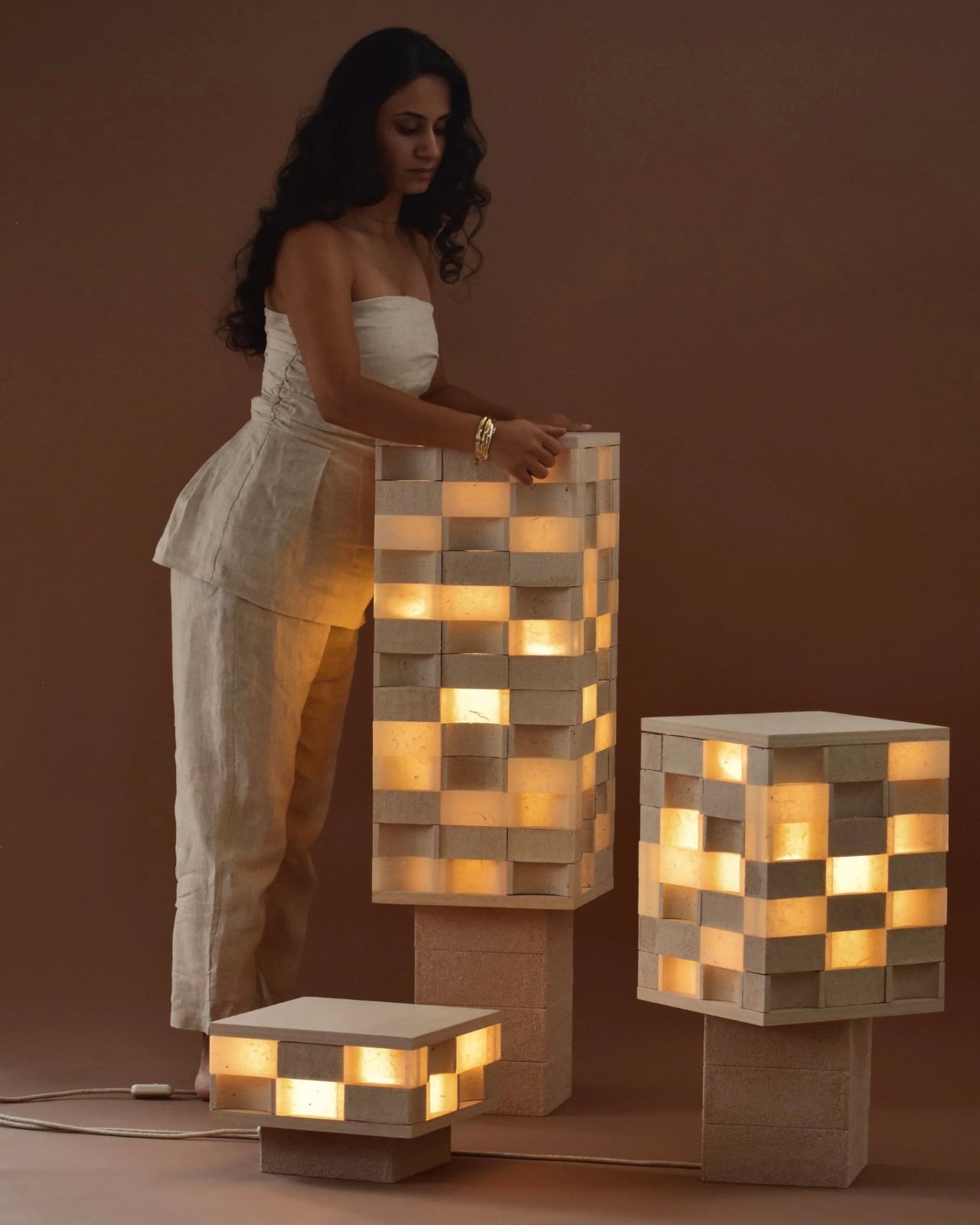
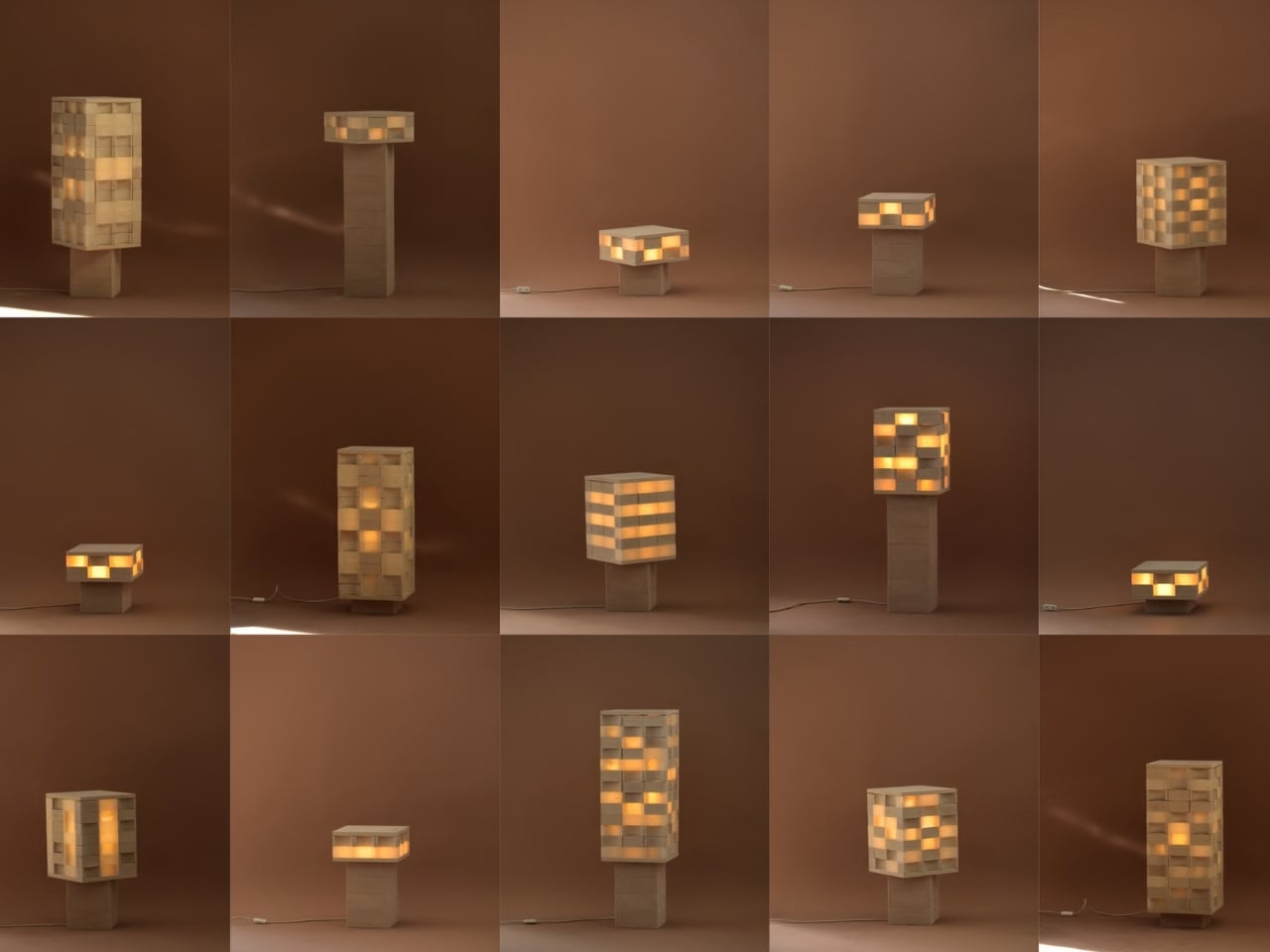
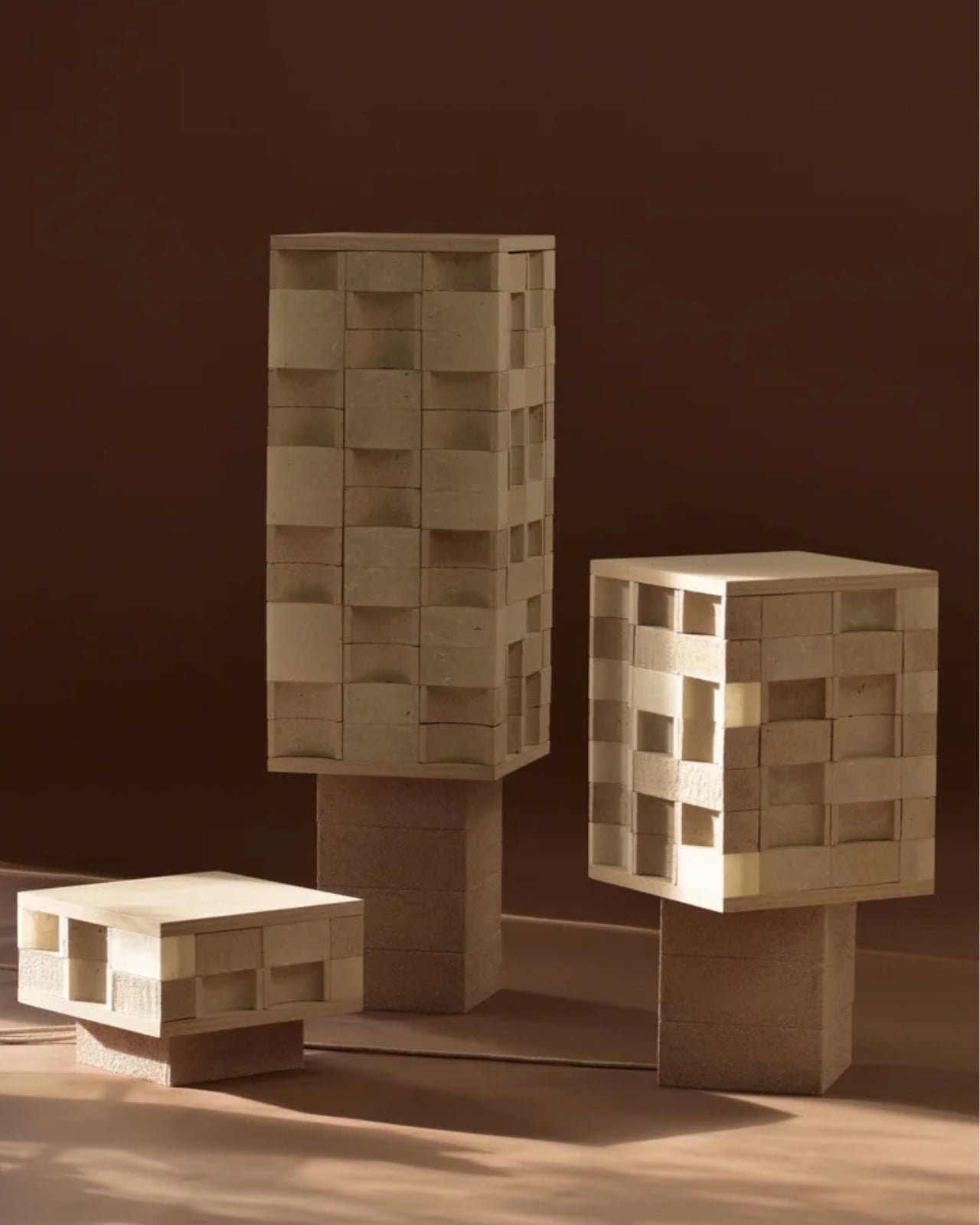
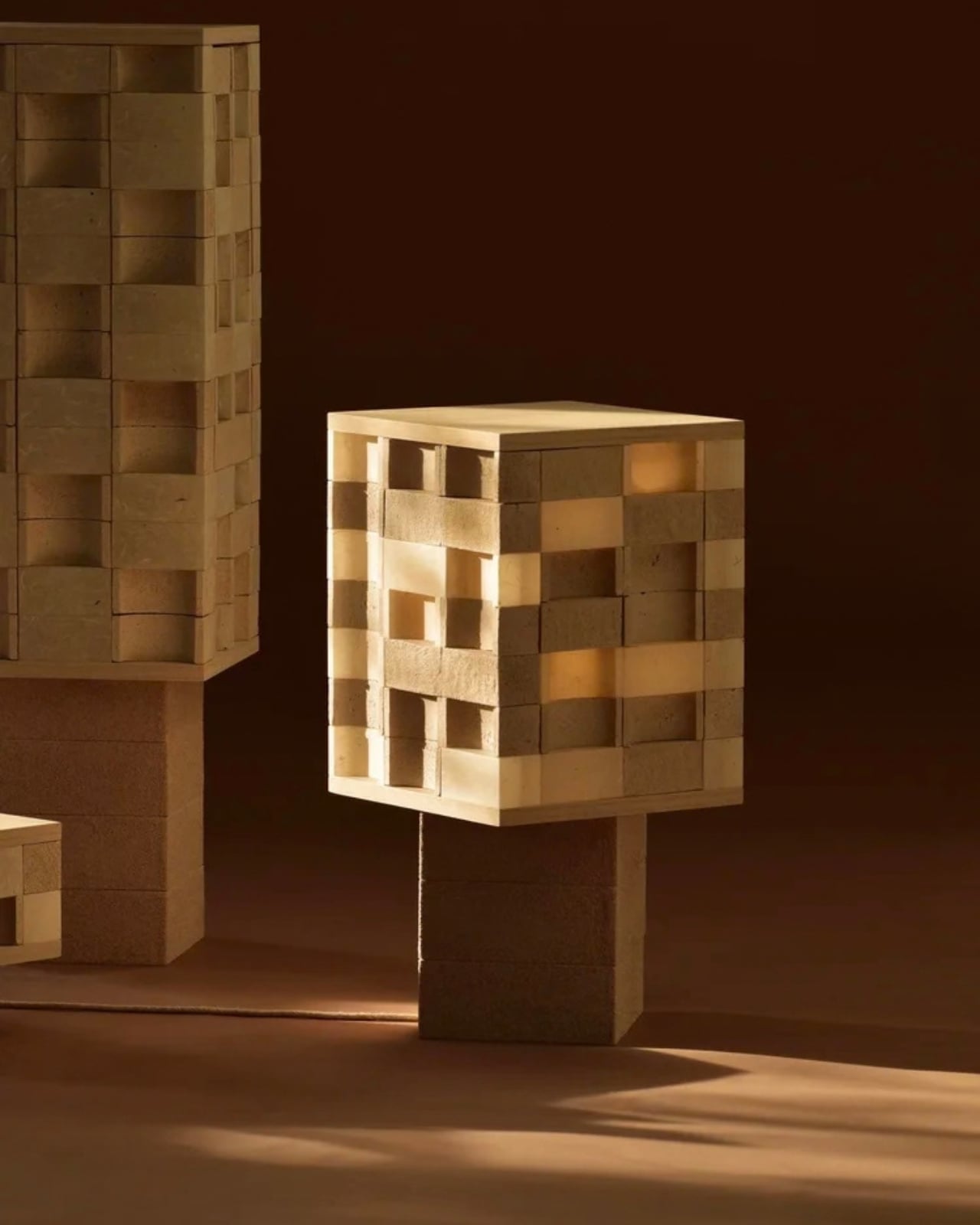
Mod-u takes its name from “modular” and “you,” which tells you where Odisho wants the creative control to sit. The lamp is made from rearrangeable blocks, so its silhouette isn’t fixed when you first bring it home. One arrangement might feel right beside a sofa; another could give a bedroom a different focal point. I like that the design makes room for a change of mind. With most lighting, choosing the object means accepting its shape for as long as you own it. Here, that decision can be revisited.
Designer: Joanne Odisho
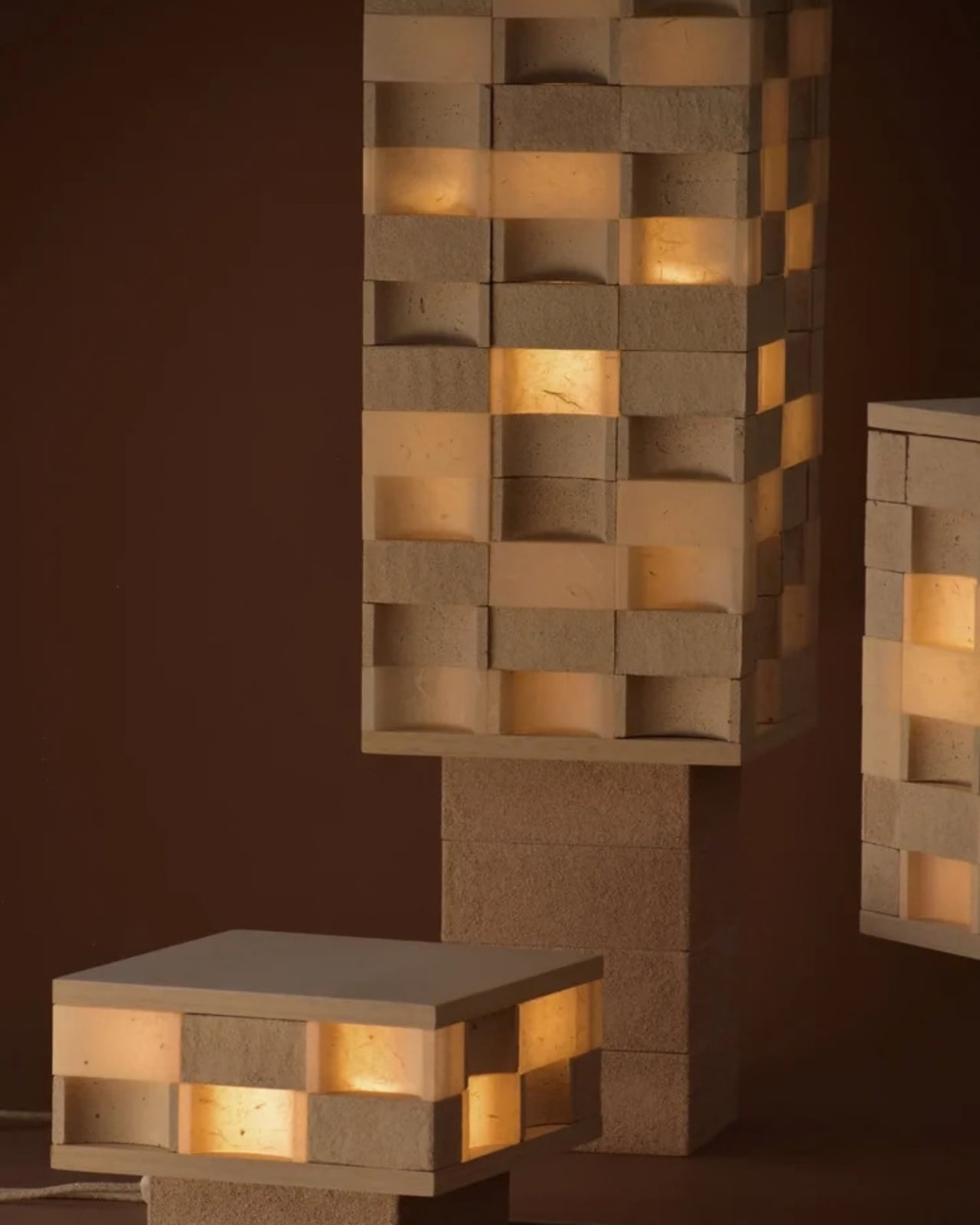
The blocks have a chunky, stacked quality that makes Mod-u look almost like a tabletop sculpture. That playfulness matters. Modular furniture can sometimes feel like a puzzle you have to solve before you’re allowed to enjoy it, but this looks inviting even before you understand how it works. Odisho has described the project as a lamp that can grow, shrink, and change with the spaces people inhabit. It’s easy to imagine adjusting it after a move, but also after a much smaller shift, like deciding that a corner needs less visual weight.
Then there are the eggshells. Odisho collects them from local cafés, sterilizes and dries them, and grinds them into a powder. Mixed with a biopolymer, the powder becomes a moldable material that sets without firing. She leaves the pieces to dry naturally for about a week. The finished blocks retain the subtle variations of the shells because she doesn’t add dye. That seems like the right call to me. The material has an origin worth seeing, and its warm, uneven tones give the lamp more character than a perfectly uniform finish would.
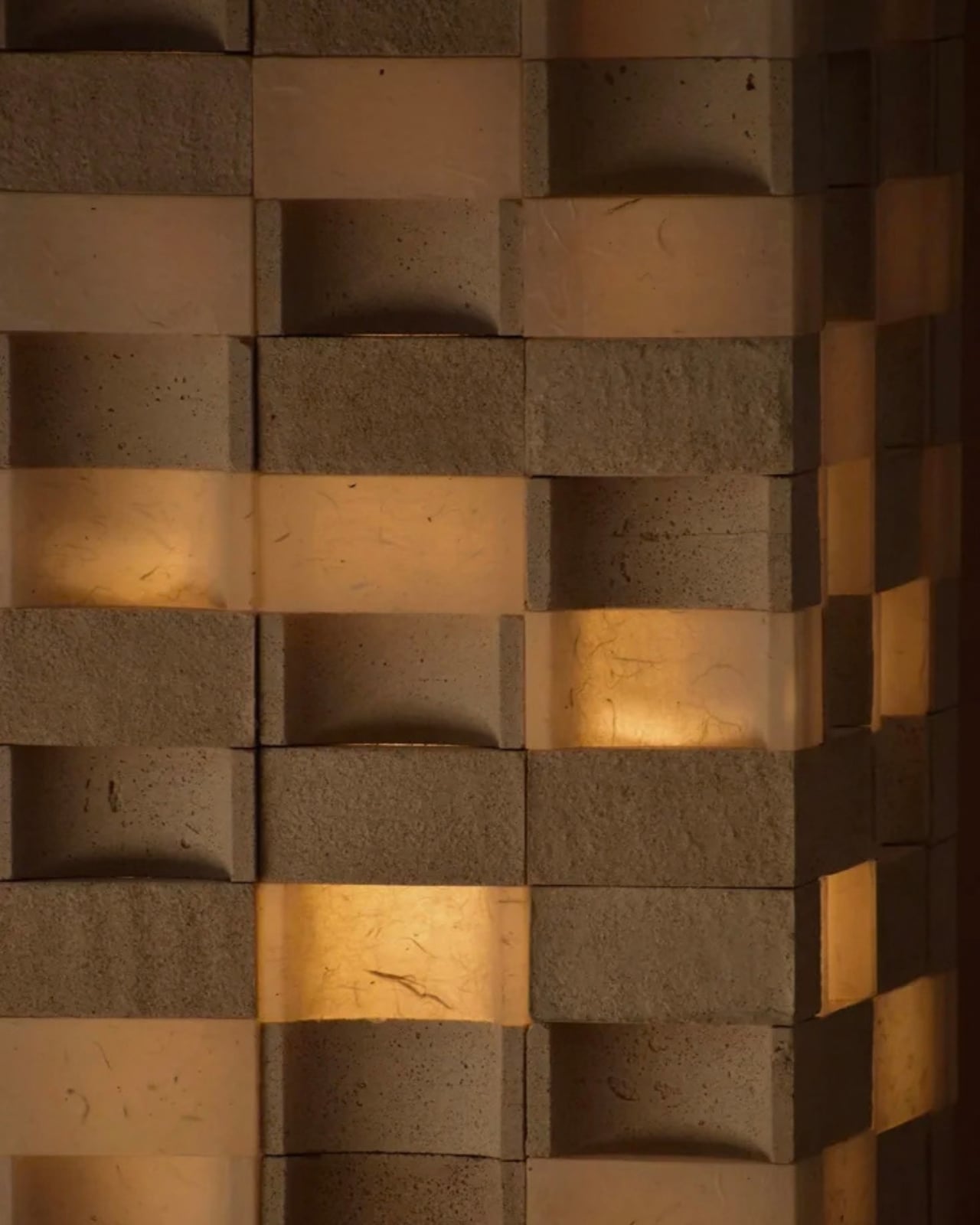
Eggshells are an appealing starting point, but they aren’t the whole story. A product can use discarded material and still become another object we tire of quickly. Mod-u’s more convincing sustainability argument is that its design gives an owner a reason to keep using it. Reconfiguration won’t make a lamp fit every room or every taste, and it doesn’t remove the need to think about the complete product at the end of its life. It does, however, challenge the assumption that wanting a fresh look requires buying a fresh object.
That’s also why Mod-u feels more interesting to me than a lamp that simply advertises its unusual ingredients. The eggshell composite catches your attention, but the invitation to rearrange the blocks is what might hold it. We often talk about adaptable design as though it’s purely functional, all efficiency and clever engineering. This has a more personal appeal. You can respond to your own space rather than trying to preserve the exact arrangement a designer photographed. The result may be less polished, but it would be yours.
Odisho’s idea has already received significant recognition: Mod-u won the 2026 Australian Furniture Design Award. The award includes an opportunity to work with furniture company Stylecraft toward commercial production, which makes the next step especially interesting. A compelling design concept has to survive the realities of making, selling, and using it at a larger scale. I’d be curious to see how much of Mod-u’s tactile, experimental quality carries through if it reaches more homes. That quality is central to its appeal, not a detail to smooth away.
For now, Mod-u offers a useful way to rethink a familiar household purchase. A lamp is often treated as the finishing touch, something you choose after the room is settled. But rooms rarely stay settled for long, and neither do the people living in them. Odisho has made a light that acknowledges both changes. The eggshells give it a memorable story; the movable pieces give it a reason to stay. Between those two ideas, Mod-u makes a thoughtful case for keeping what we own interesting a little longer.