
PROS:
- Distinctive design with a genuinely useful back display
- Fun, surprisingly capable back display GenAI Apps
- Excellent main and telephoto cameras
- Flagship performance
CONS:
- Weaker ultra-wide camera
- Higher starting prices, especially for the Pro Max
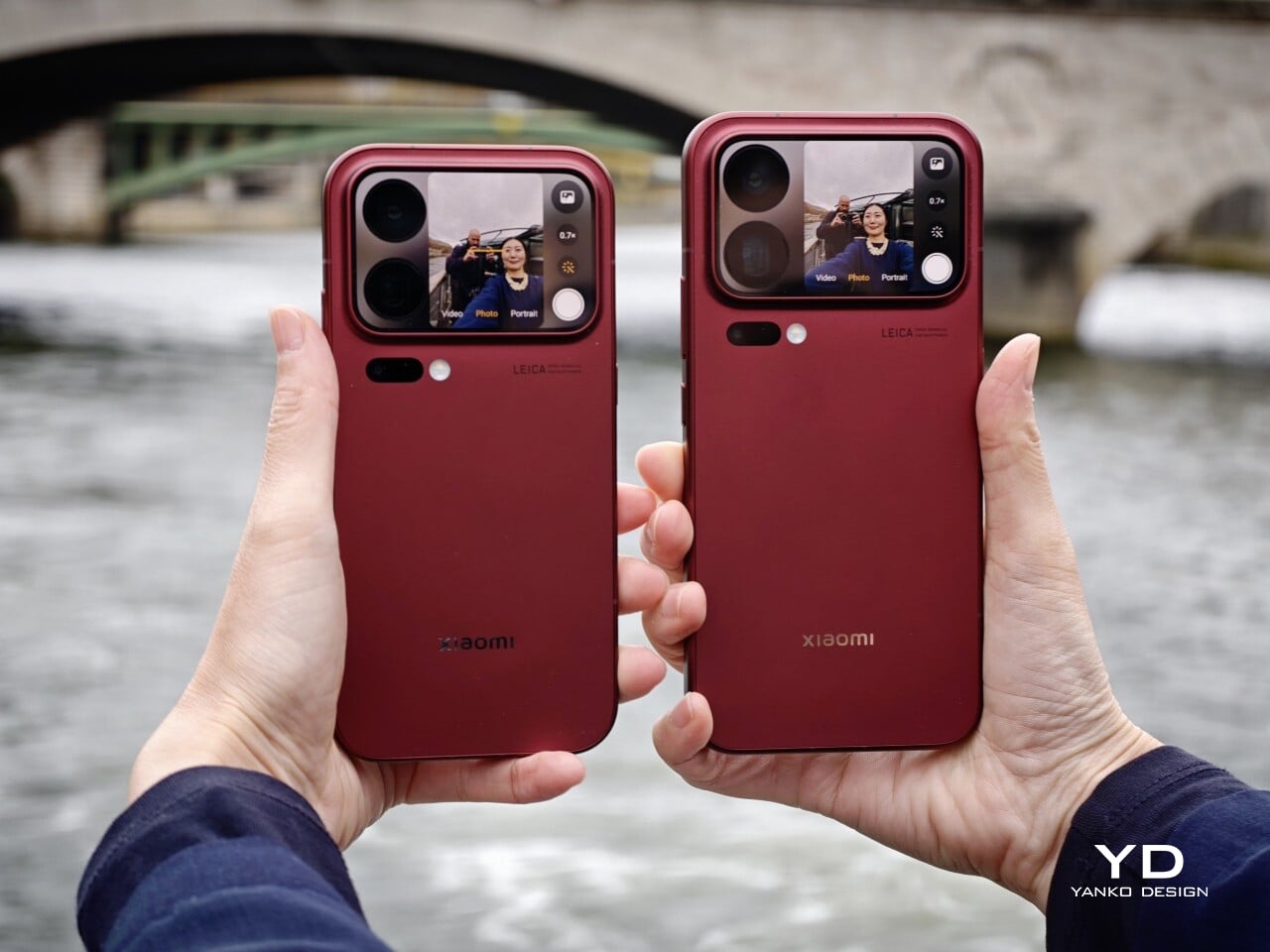
Last year, Xiaomi gave its flagship Xiaomi 17 Pro Max a distinctive twist by putting a display right on the camera plate. It immediately caught my attention, but there was a catch. The phone was officially available only in China, leaving the rest of us looking on from a distance. This time, Xiaomi is bringing the Xiaomi 18 Pro and Xiaomi 18 Pro Max to global markets, and I’m glad more people will get to experience that approach.
The back display is undeniably the defining feature of the Xiaomi 18 Pro series, but there is more here than an attention-grabbing screen. GenAI Apps lets you turn your ideas into mini-apps for that display, while the main screen’s built-in privacy controls help keep what you’re viewing to yourself. These are the kinds of features that make me curious to try a phone rather than simply read its specifications. The bigger question is how well each model brings together design, performance, photography, and battery life, and whether it stays enjoyable once the novelty wears off.
Designer: Xiaomi
Aesthetics
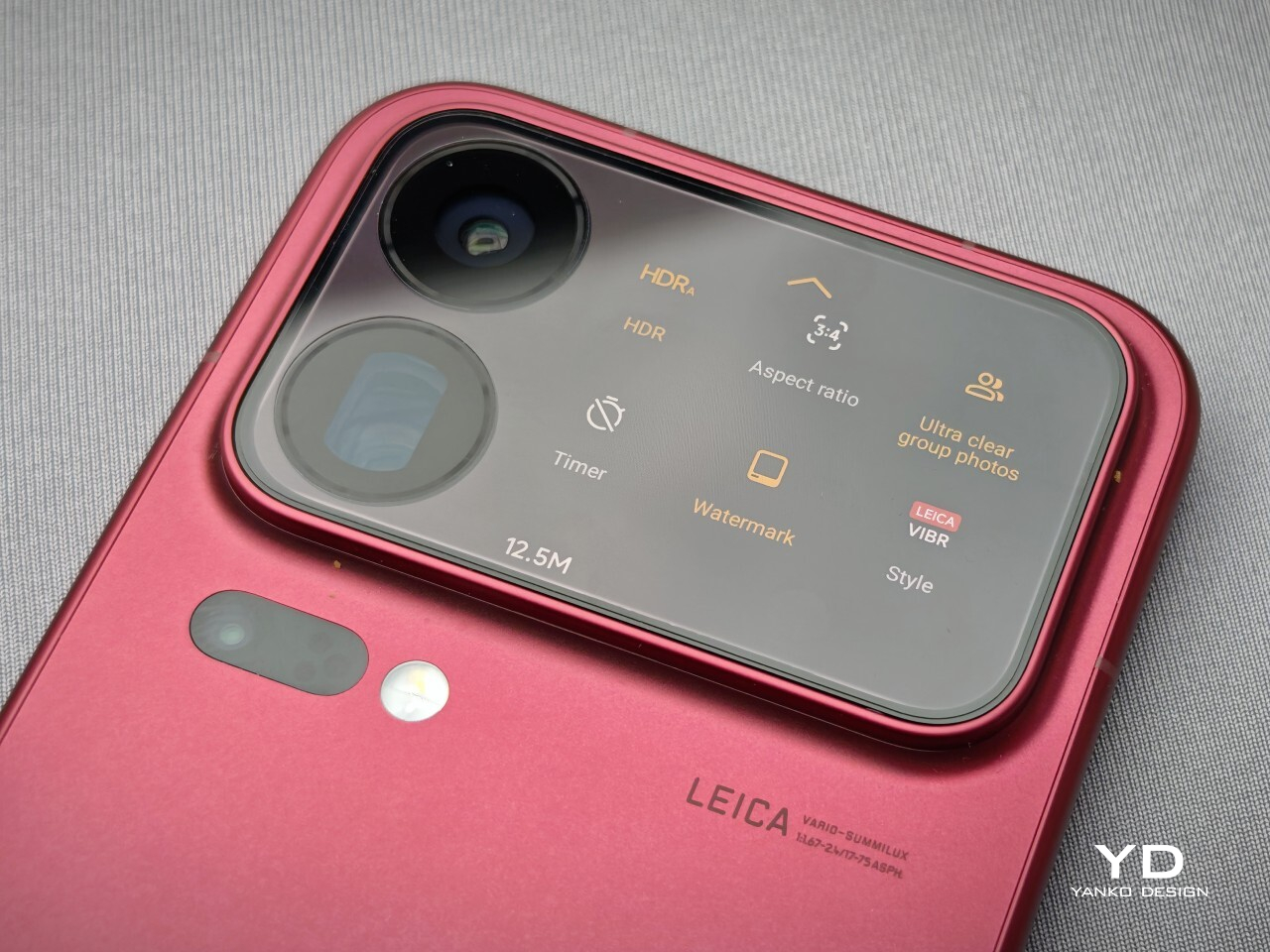
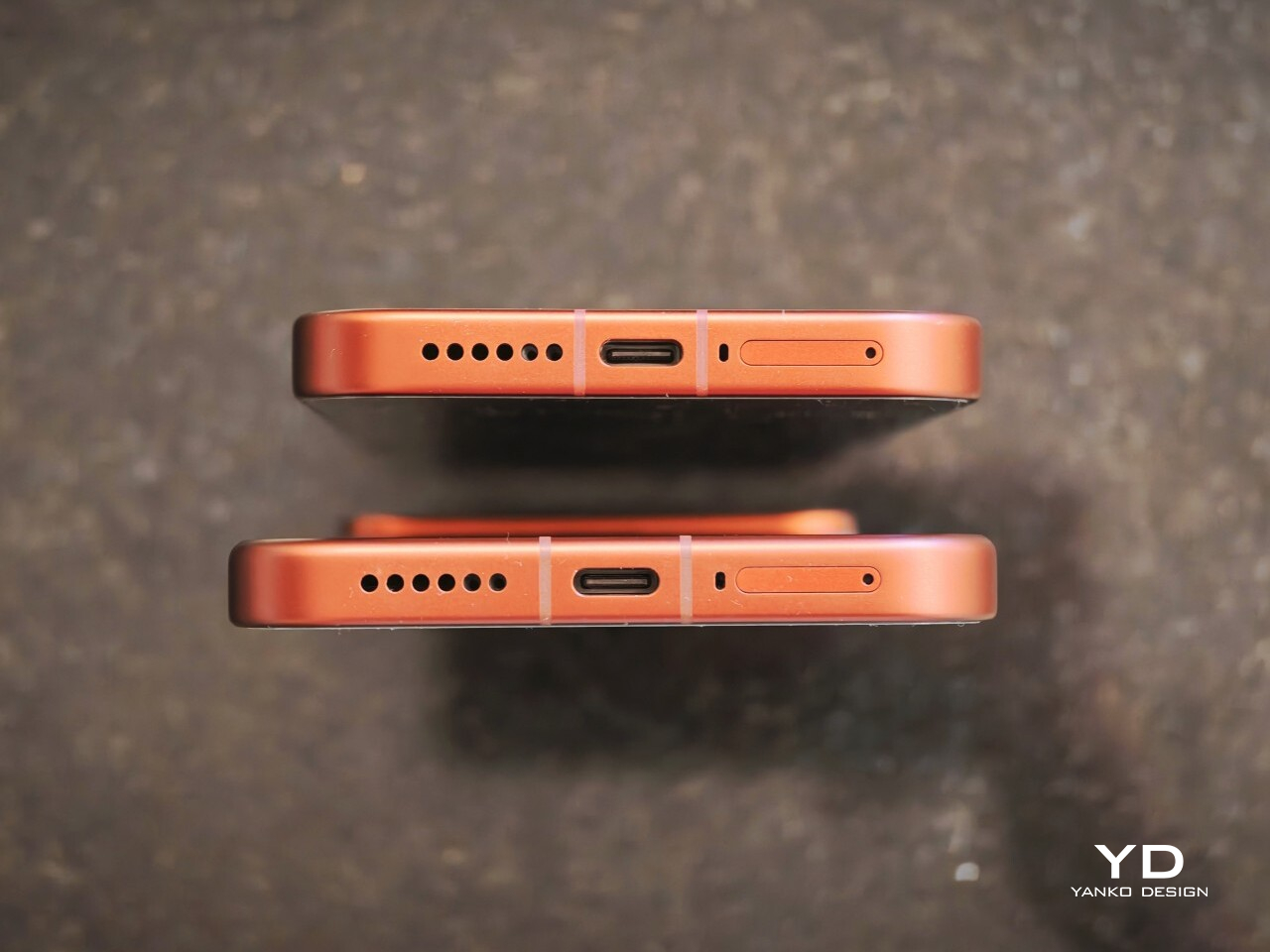
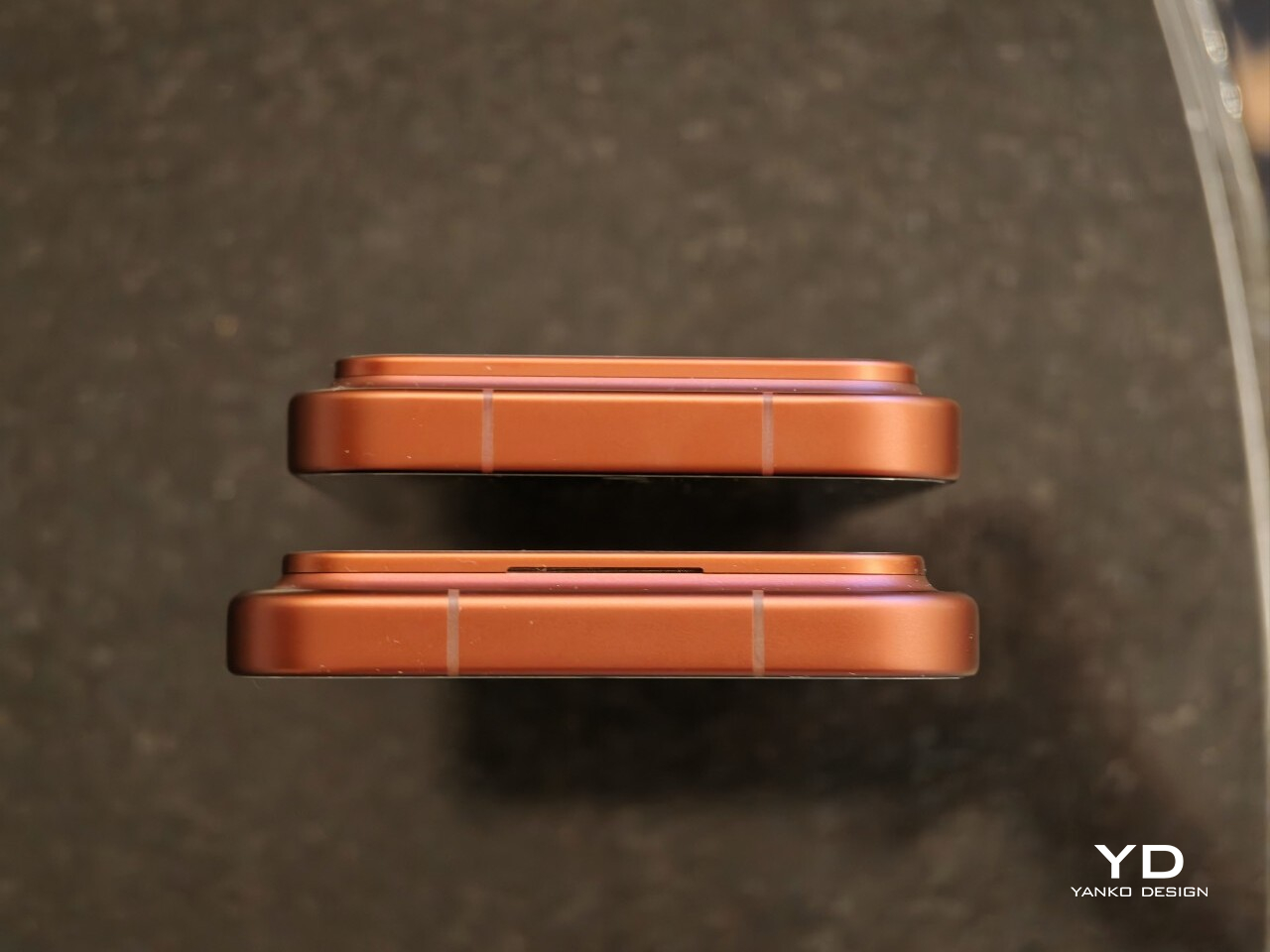
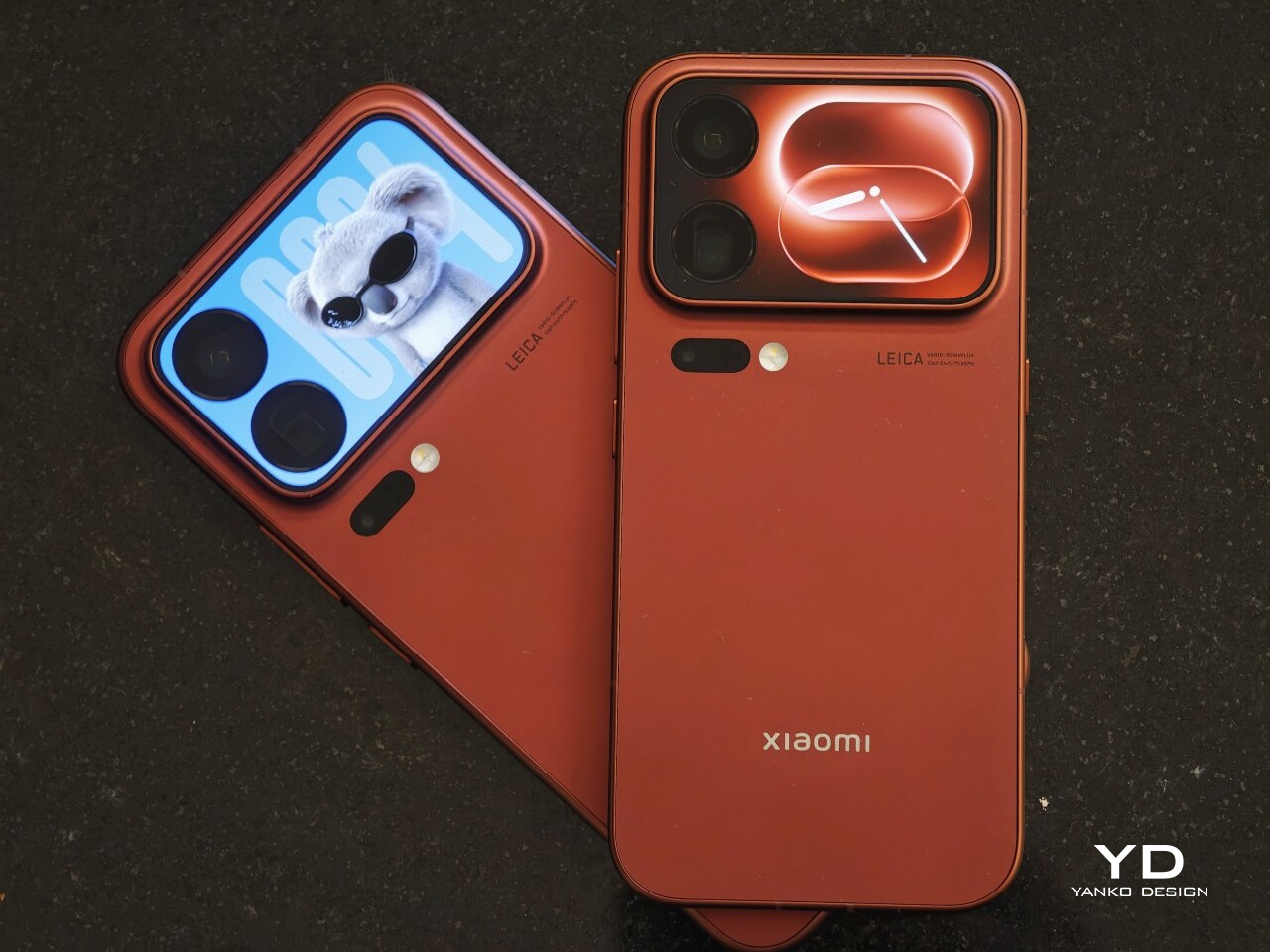
The Xiaomi 18 Pro and 18 Pro Max share the same design, with the Pro offering a more compact take on the Pro Max. On both phones, the camera plateau is the centerpiece. A broad, rounded rectangle stretches across the upper back panel, bringing the back display and two prominent camera lenses together within a dark, glossy surface. The back display also gives the design a more personal touch. Xiaomi’s selection of wallpapers turns this area into something more expressive than a conventional camera surround, letting you change the phone’s character without reaching for a different case.
The four color options bring distinct personalities to that shared design. Cosmic Blue features a glossy back panel scattered with star-like, shimmering speckles, while Velvet Red, Black, and White have a matte texture. Black visually softens the transition between the body and the dark camera plateau, while White emphasizes their contrast. Velvet Red is the more dramatic choice, with a redder tone than the iPhone 18 Pro Max’s Burgundy. The frame and buttons share the back panel’s color, creating a cohesive, monolithic look across all four finishes. That visual consistency brings a welcome sense of restraint to a design whose camera plateau already commands plenty of attention.
Ergonomics
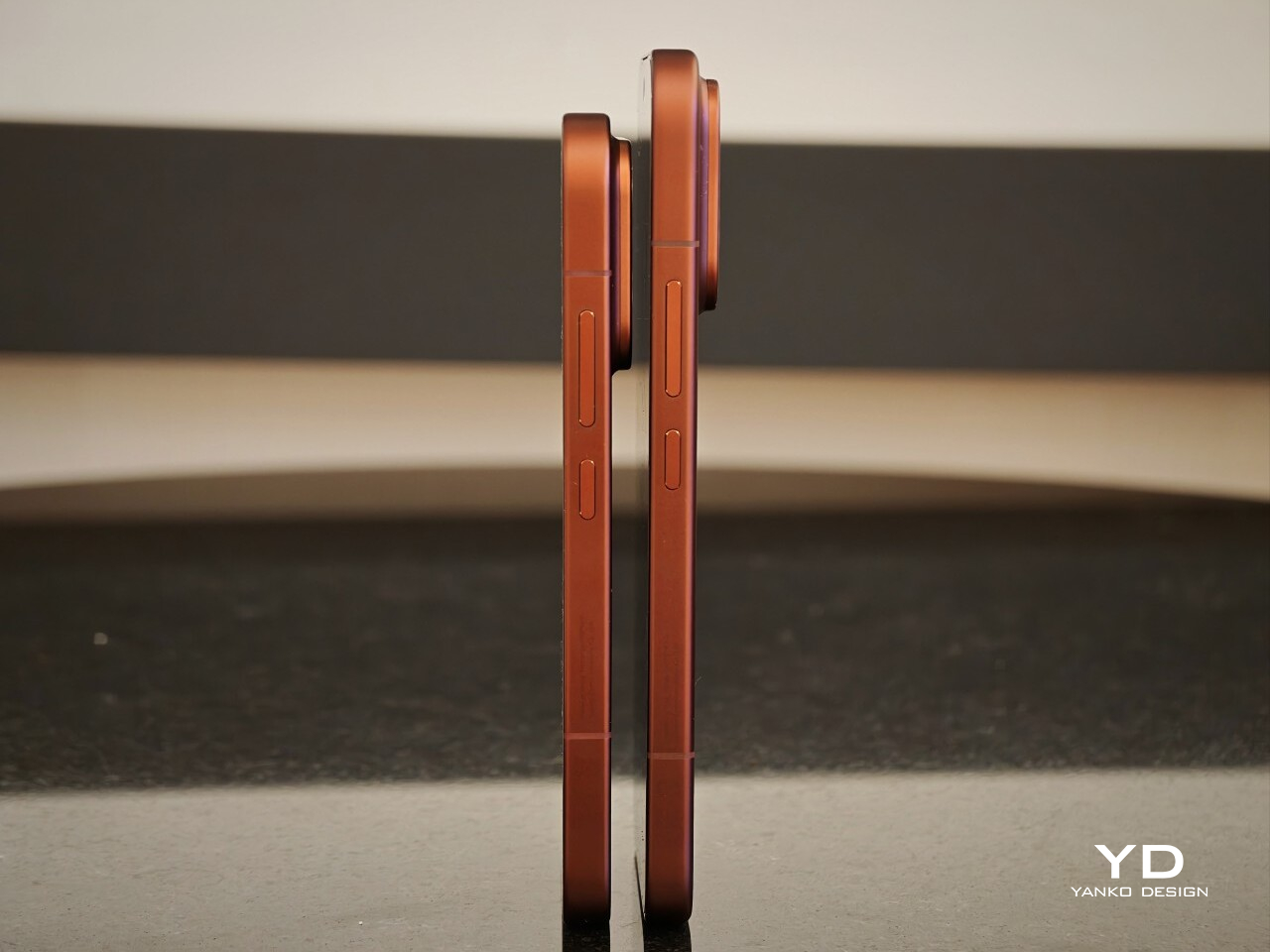
The Xiaomi 18 Pro and 18 Pro Max share the same design, but their size difference has a significant impact on everyday handling. The Pro measures 151.8 × 72 × 8.49 mm (5.98 × 2.83 × 0.334 inches) and weighs 198 g (6.98 ounces). The Cosmic Blue version is slightly thicker and heavier at 8.56 mm (0.337 inches) and 203 g (7.16 ounces). For me, the Pro is the perfect size, sitting comfortably in my hand without feeling cumbersome. Its narrower body makes one-handed use feel natural, and that everyday convenience is a big part of its appeal.
The Pro Max measures 163.39 × 77.6 × 8.39 mm (6.43 × 3.06 × 0.330 inches) and weighs 229 g (8.08 ounces). Cosmic Blue comes in at 8.47 mm (0.333 inches) thick and weighs 234 g (8.25 ounces). Although it is slightly thinner than the Pro, its wider body is a bit too much for me to use comfortably with one hand. It also weighs 31 g (1.09 ounces) more than the equivalent Pro, adding to its overall heft. Both models have the same visual appeal, but the smaller Pro is the better fit for me.
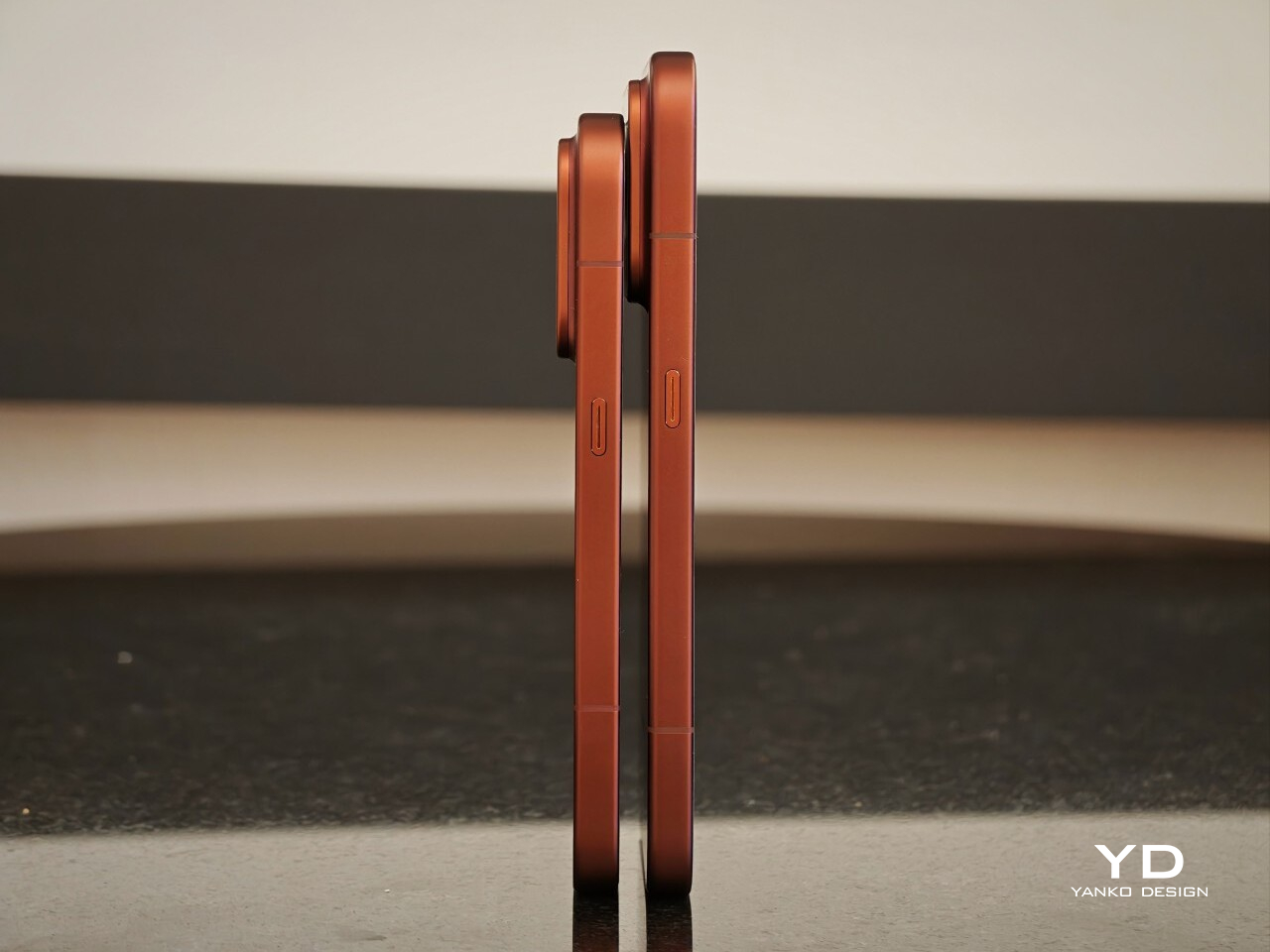
The buttons sit lower than on many other phones, making them easier to reach without shifting my grip. The AI button is on the left, while the power button and volume rocker are on the right. That placement helps with one-handed use, even if it does not entirely overcome the Max’s width. The AI button lets you assign separate actions to a press and a press and hold, but the customization options are fairly limited. The available shortcuts cover silent mode, Do Not Disturb, the device-wide privacy display, voice notes, and AI conversation translation. I would like to see more options to make better use of that dedicated button.
Performance
Chipset and Software
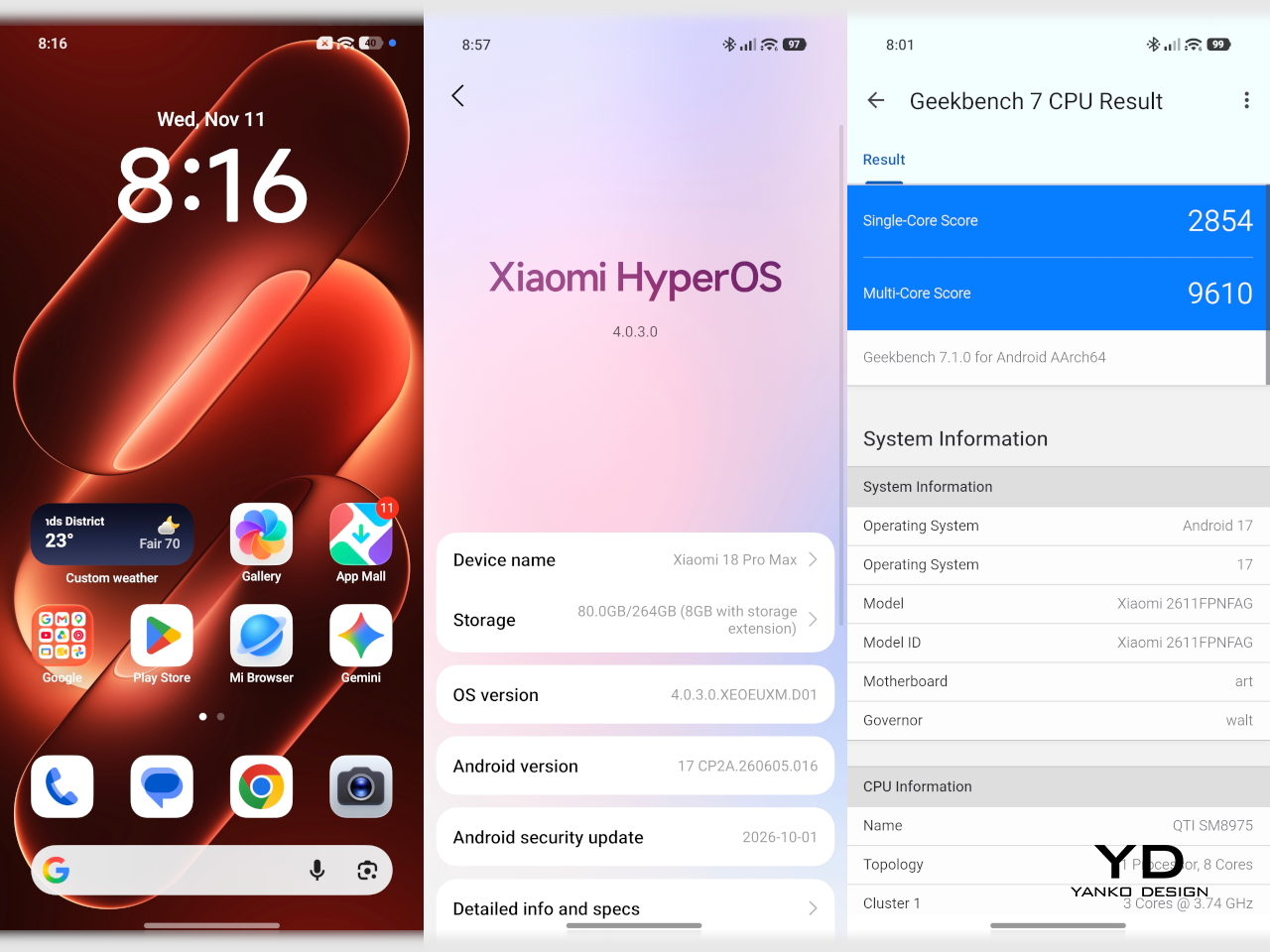
Xiaomi 18 Pro Max
Xiaomi equips both models with Qualcomm’s 2nm flagship processors. The Xiaomi 18 Pro runs on the Snapdragon 8 Elite Gen 6, while the Pro Max gets the Snapdragon 8 Elite Extreme Gen 6. The Pro comes with 12GB of RAM and either 256GB or 512GB of storage, while the Max adds a configuration with 16GB of RAM and 1TB of storage.
In everyday use, both phones felt quick and responsive. They delivered the speed I expect from a flagship, without making me think much about what was powering them. The chipset differences may matter for more demanding tasks, but for my daily use, neither phone left me wanting more.
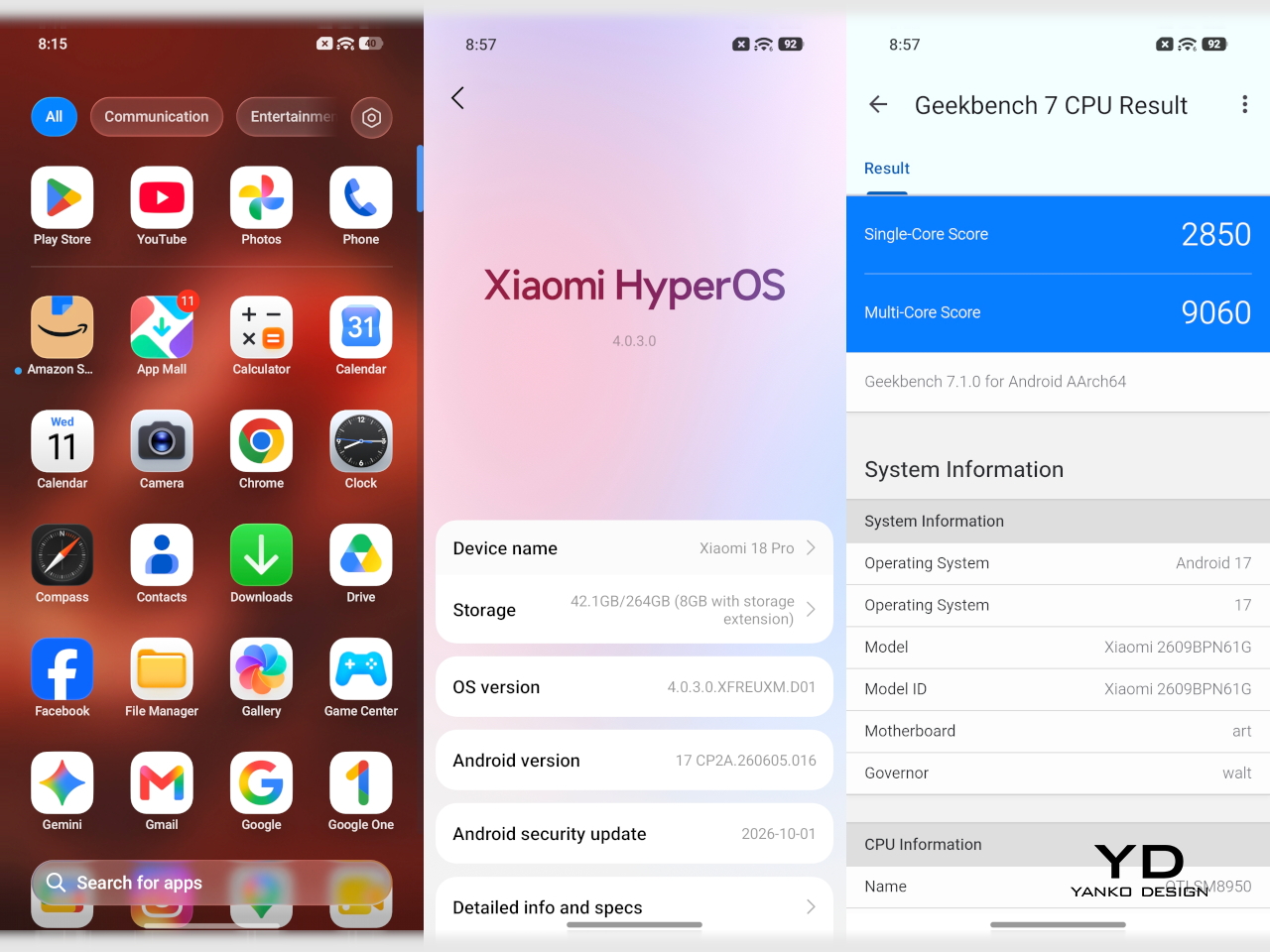
Xiaomi 18 Pro
Both phones run Xiaomi HyperOS 4, which introduces a glass-like appearance that takes a cue from Apple’s interface. Home screen customization is more flexible, with more freedom to adjust app icon and folder sizes. You can also stack widgets, keeping several within reach without having to dedicate a separate spot to each one.
Display
The Xiaomi 18 Pro has a 6.4-inch display with a 2436 × 1120 resolution, while the Pro Max gets a 6.9-inch panel at 2624 × 1208. Both use LTPO AMOLED panels with adaptive 1Hz to 120Hz refresh rates, Dolby Vision, and HDR10+ support. Xiaomi claims up to 4,000 nits of peak brightness. Both screens look bright and vibrant, with slim, symmetrical bezels that make the viewing experience feel more immersive.
Both phones feature Xiaomi Privacy Display, which uses built-in hardware to limit side-angle visibility without a privacy screen protector. You can enable it across the screen, set it to activate automatically for selected apps, or apply it to sensitive notifications and individual split-screen or floating windows. An optional Privacy Notice feature uses the front camera to detect onlookers and alert you. At least that’s the theory. In practice, however, it only ever so slightly darkened the display when looked at from an angle, nothing mind-blowing.
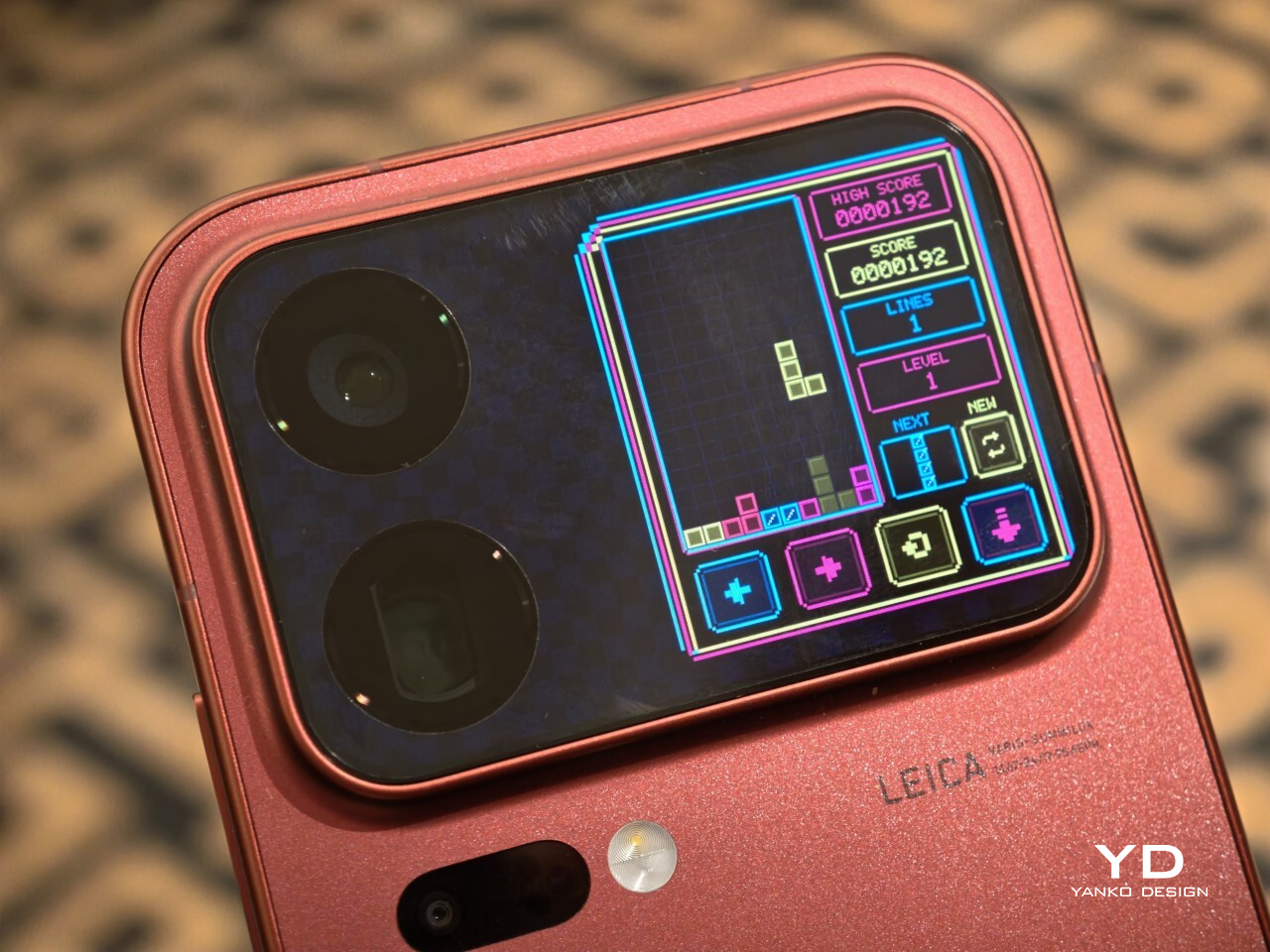
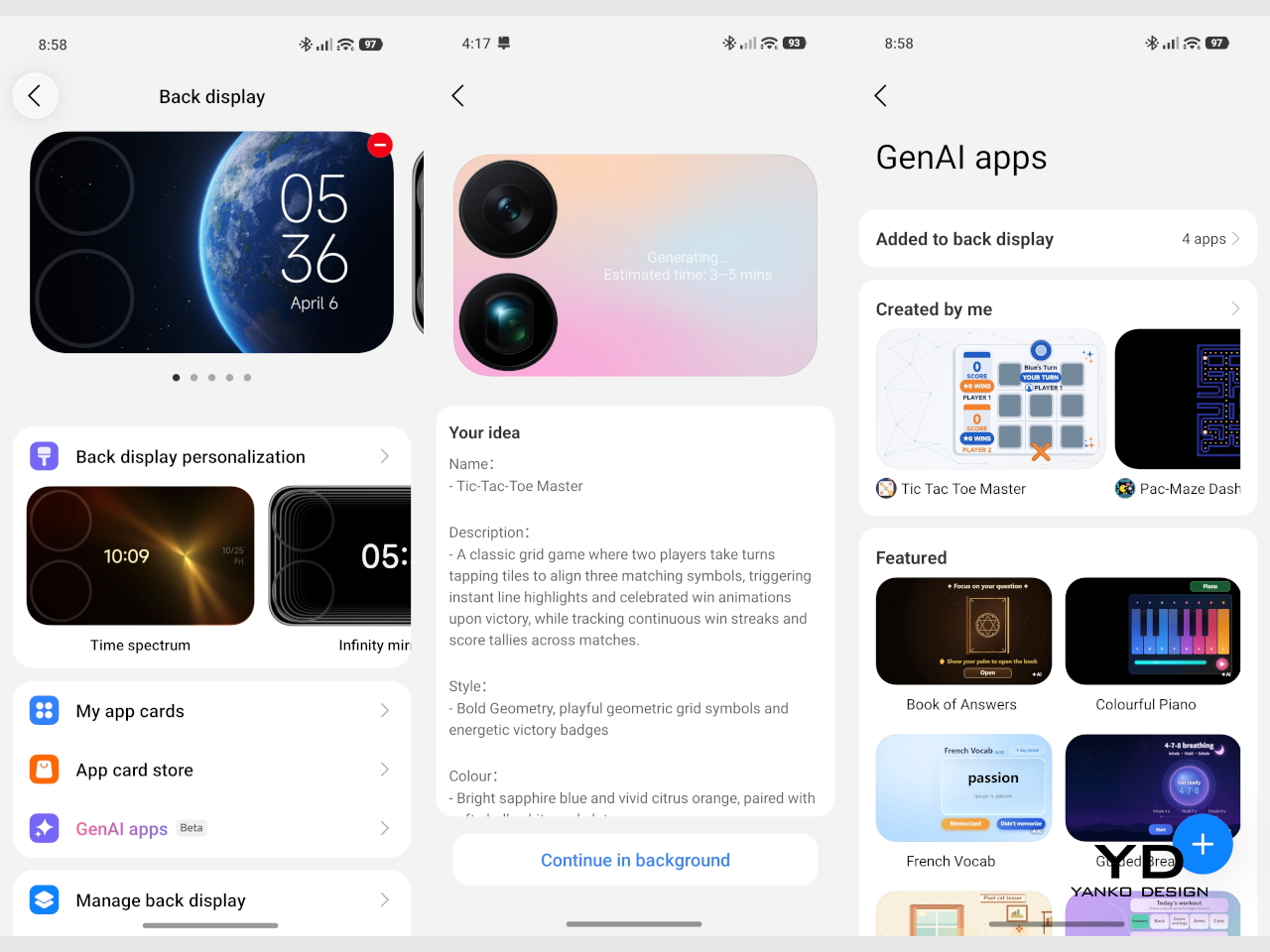
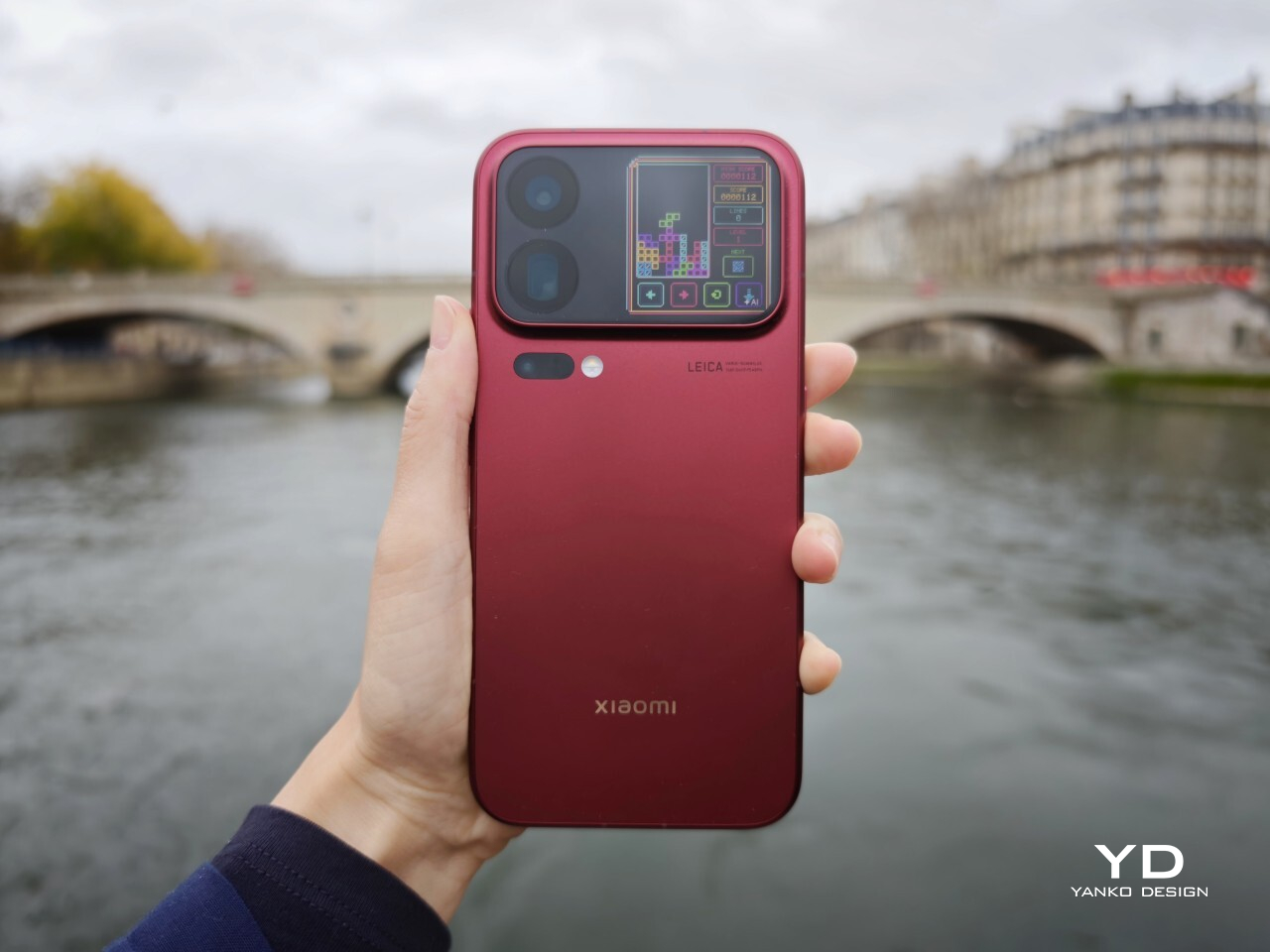
The back displays measure 2.7 inches on the Pro and 2.9 inches on the Pro Max, with resolutions of 912 × 596 and 976 × 596, respectively. Both use LTPO AMOLED panels with adaptive 1Hz to 120Hz refresh rates and always-on display support. They double as rear-camera viewfinders and show music controls, notifications, and pinned content. Notifications disappear rather quickly unless you pin them, however. Xiaomi has confirmed upcoming support for Spotify, Google Maps, and YouTube Music, which should make the screens more useful day-to-day.
GenAI Apps is a highlight for me, making the back display both more fun and genuinely useful. You describe a tool or game in plain language, and it turns your description into a polished prompt before generating a mini-app right on the phone. Among the apps I created were a Tetris-like block game, a Magic 8 Ball, a unit converter, and a currency converter. The feature is still in beta, but it already works very well. Being able to turn an idea into something I can actually use makes me want to keep experimenting with what this little screen can do.
Camera
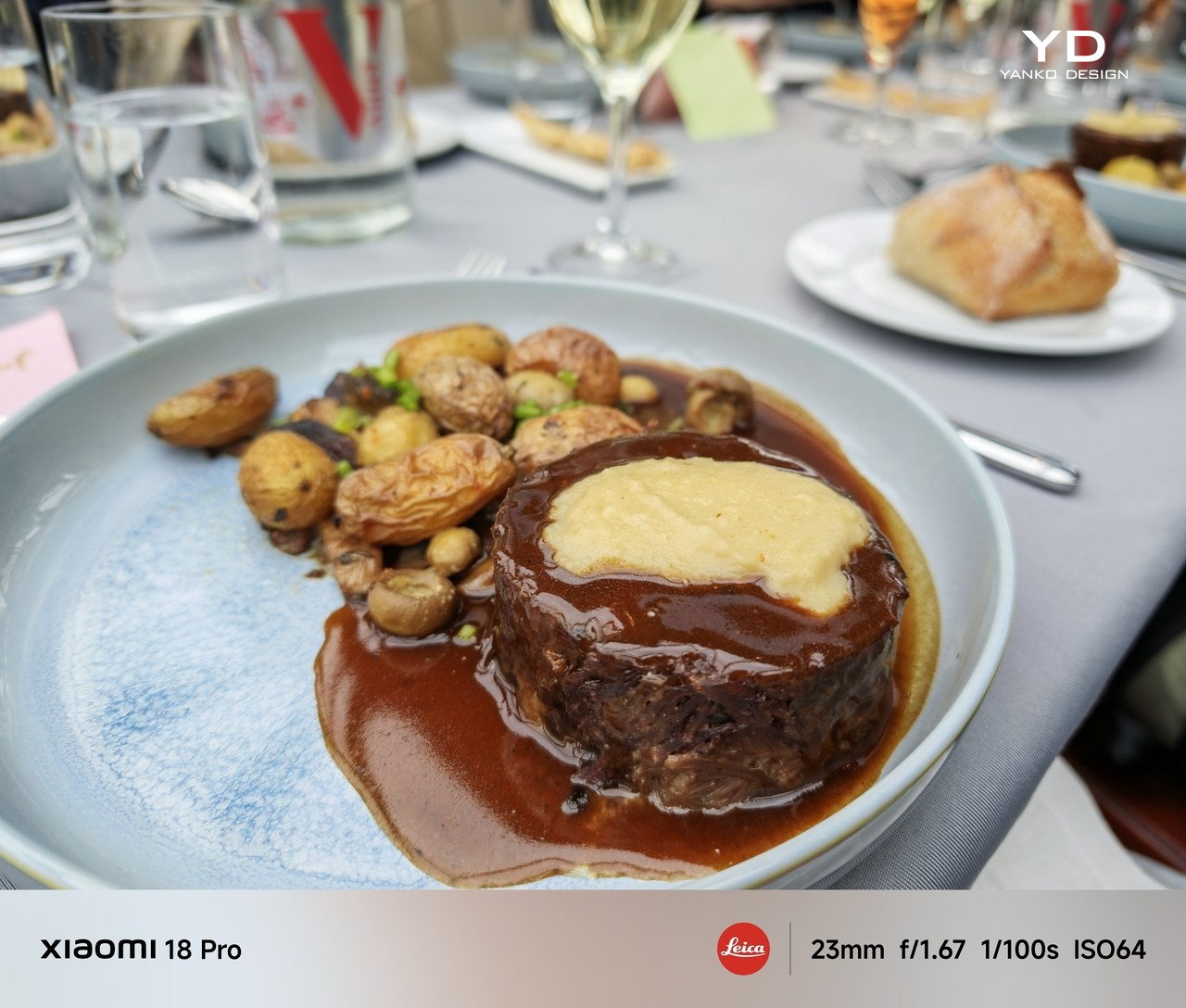
Xiaomi 18 Pro, Main Camera, 1x
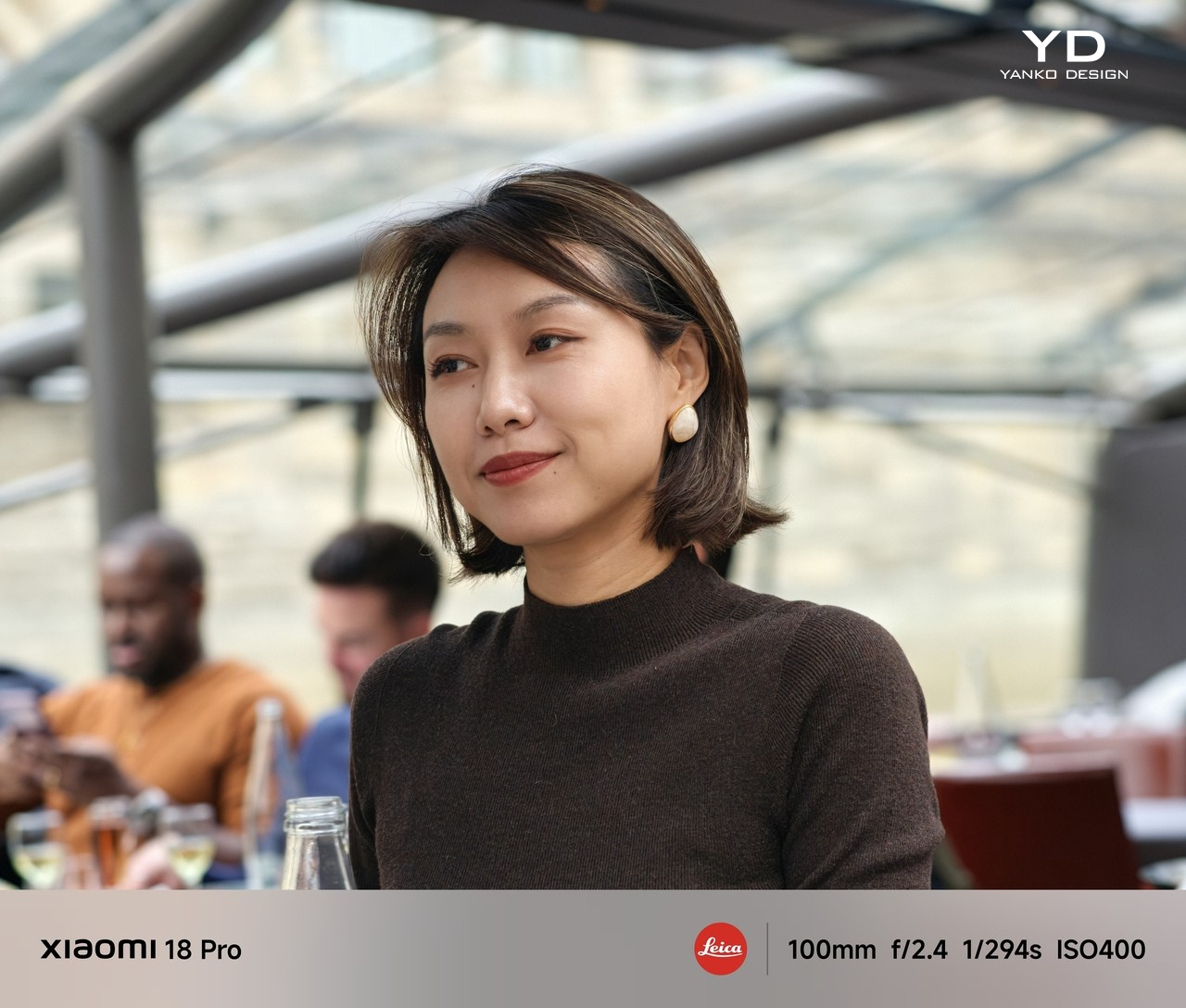
Xiaomi 18 Pro, Portrait Mode, Telephoto Camera, 4.3x
Both phones pair a 200MP 23mm f/1.67 main camera with a 200MP 75mm f/2.4 periscope telephoto, both with optical image stabilization. A 50MP 17mm ultrawide and a 50MP autofocus front camera complete the setup. The main cameras use 1/1.28-inch sensors, with the Pro getting the Light Fusion 960 and the Max using the Light Fusion 960L. The Max adds LOFIC HDR, which Xiaomi says improves highlight and shadow detail in supported modes. The shared telephoto offers 3.2× optical magnification and focuses as close as 12 cm, or about 4.7 inches.
The main and telephoto cameras deliver excellent detail and dynamic range, with vibrant, saturated colors that stop short of looking unnatural. The ultrawide is the weaker link, and its 17mm-equivalent focal length is not particularly wide. It feels like a compromise made to accommodate the back display. Photo mode offers Original, Leica Vibrant, and Leica Authentic styles, while Portrait mode has Original, Master Portrait, and Leica Portrait. You can also choose from a range of filters and adjust parameters such as saturation, tone, and sharpness. There is plenty of flexibility to make the photos your own.
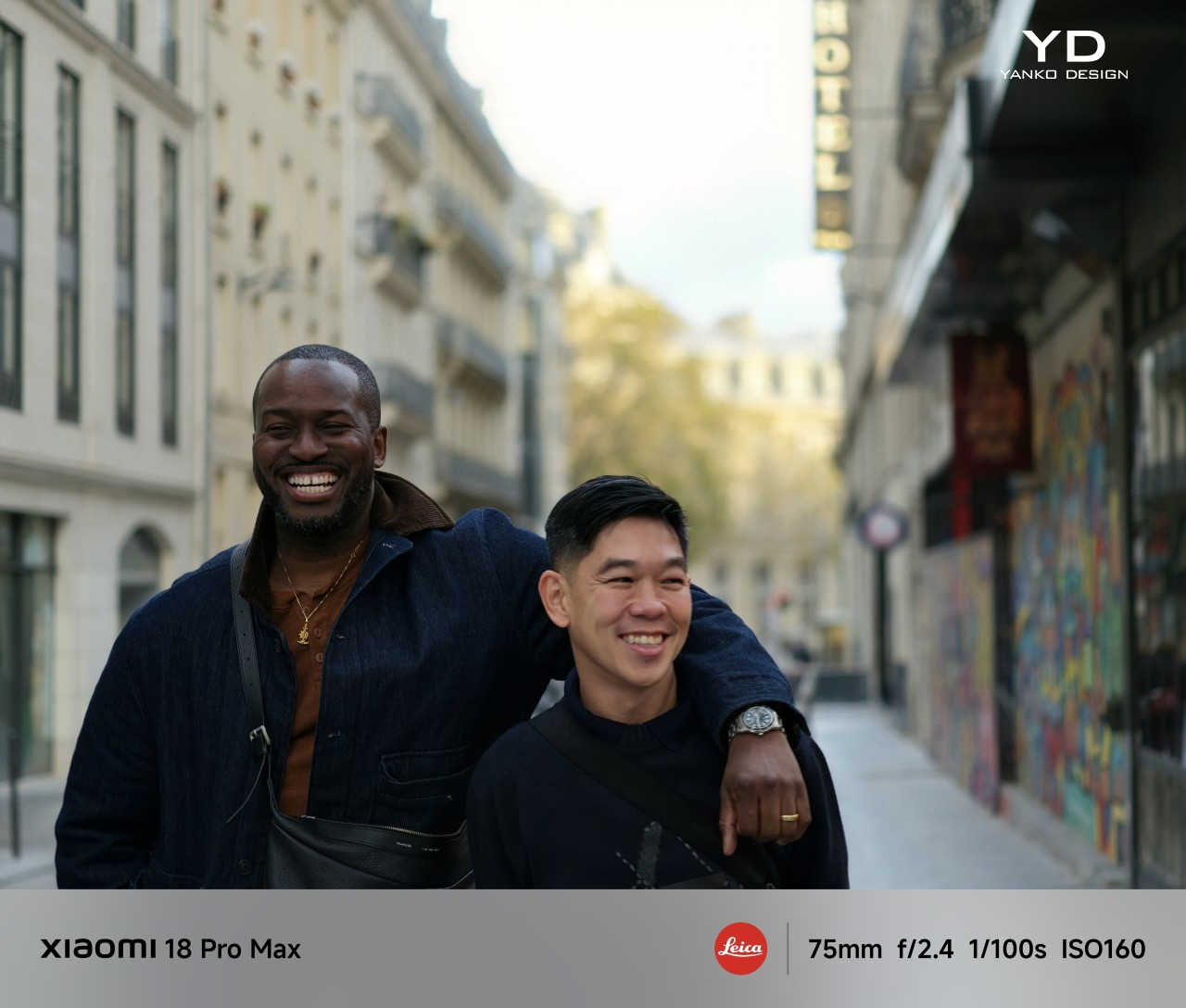
Essential Moment, Modern retro style, 75mm Portrait Lens Effect
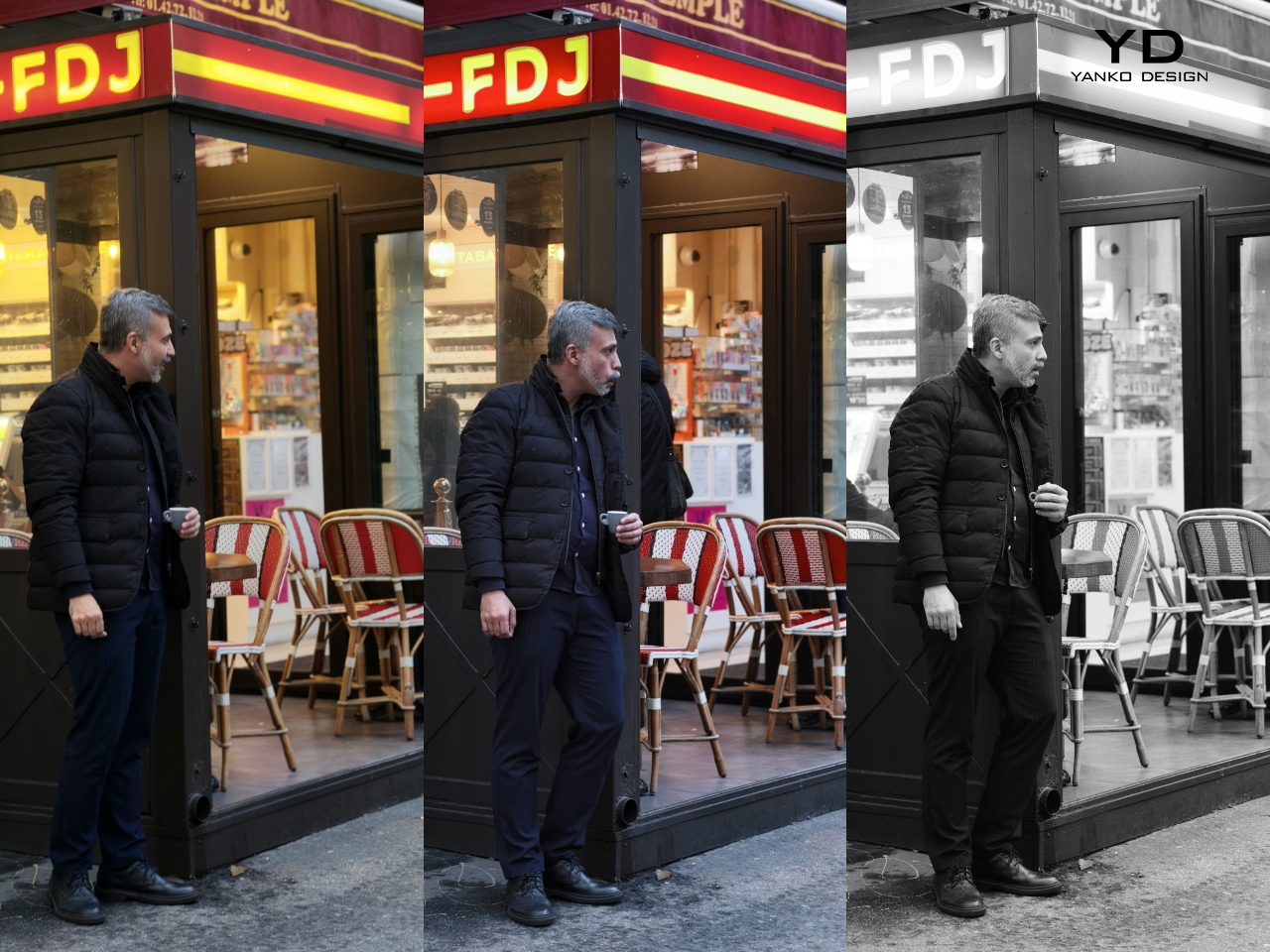
Essential Moment Styles: Modern retro (left), Iconic CCD (center), B&W film (right)
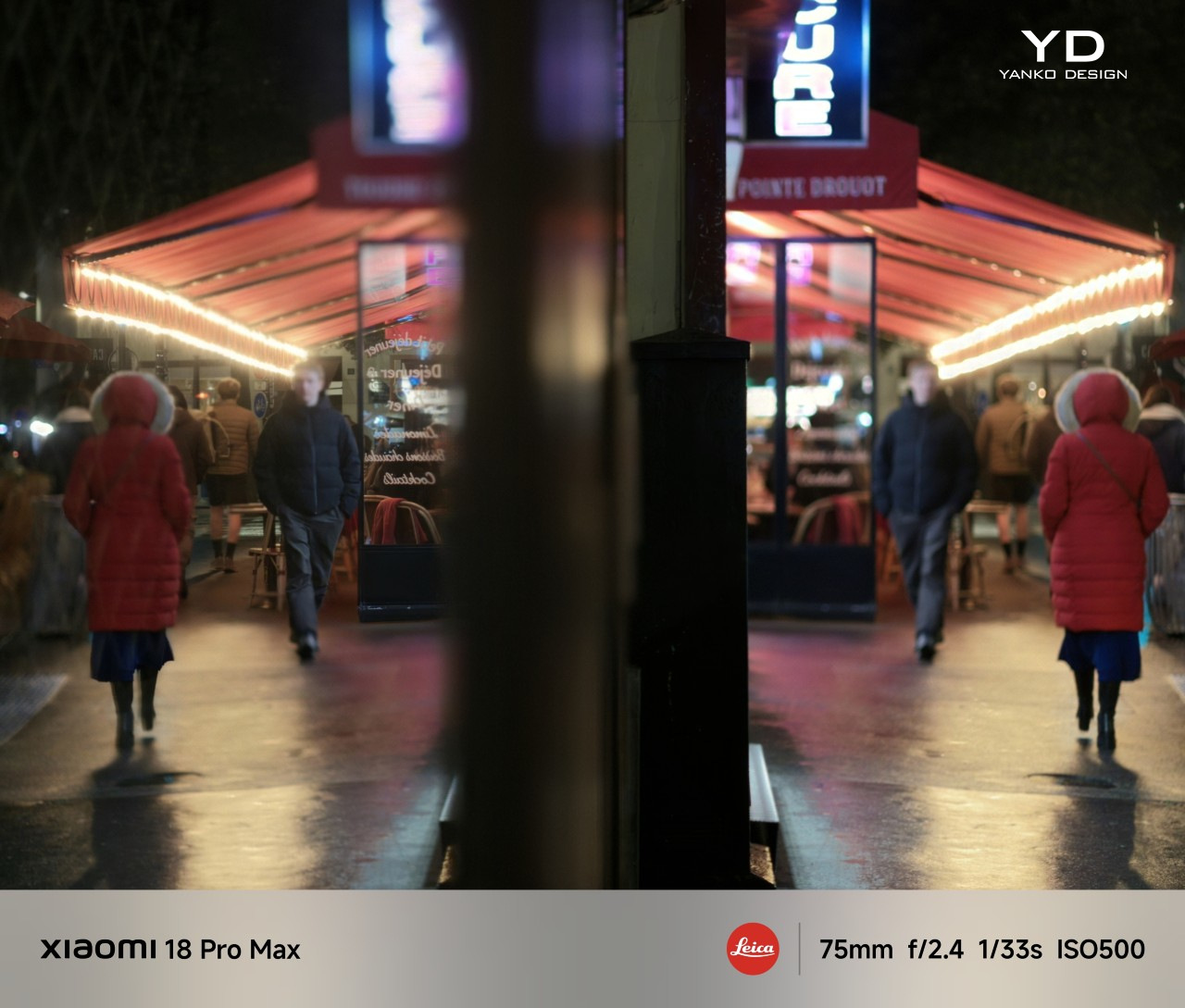
Essential Moment, Modern Retro style, 75mm Portrait Lens Effect (Low Light)
I was initially unsure about Essential Moment, Xiaomi’s latest exploration of computational photography. Its B&W Film, Modern Vintage, and Iconic CCD styles work with or without the optional 35mm Documentary and 75mm Portrait lens simulations, which add pleasant bokeh. The results surprised me with their natural appearance. They had character without looking heavily processed, with styling that complemented rather than overwhelmed the image.
The back display also won me over. I expected it to be too small for photography, especially since I rarely take selfies, even while traveling. Separate remote selfie screens have been useful, but carrying and pairing another device felt cumbersome. With the screen built in, I found myself taking selfies naturally rather than stopping to set them up.
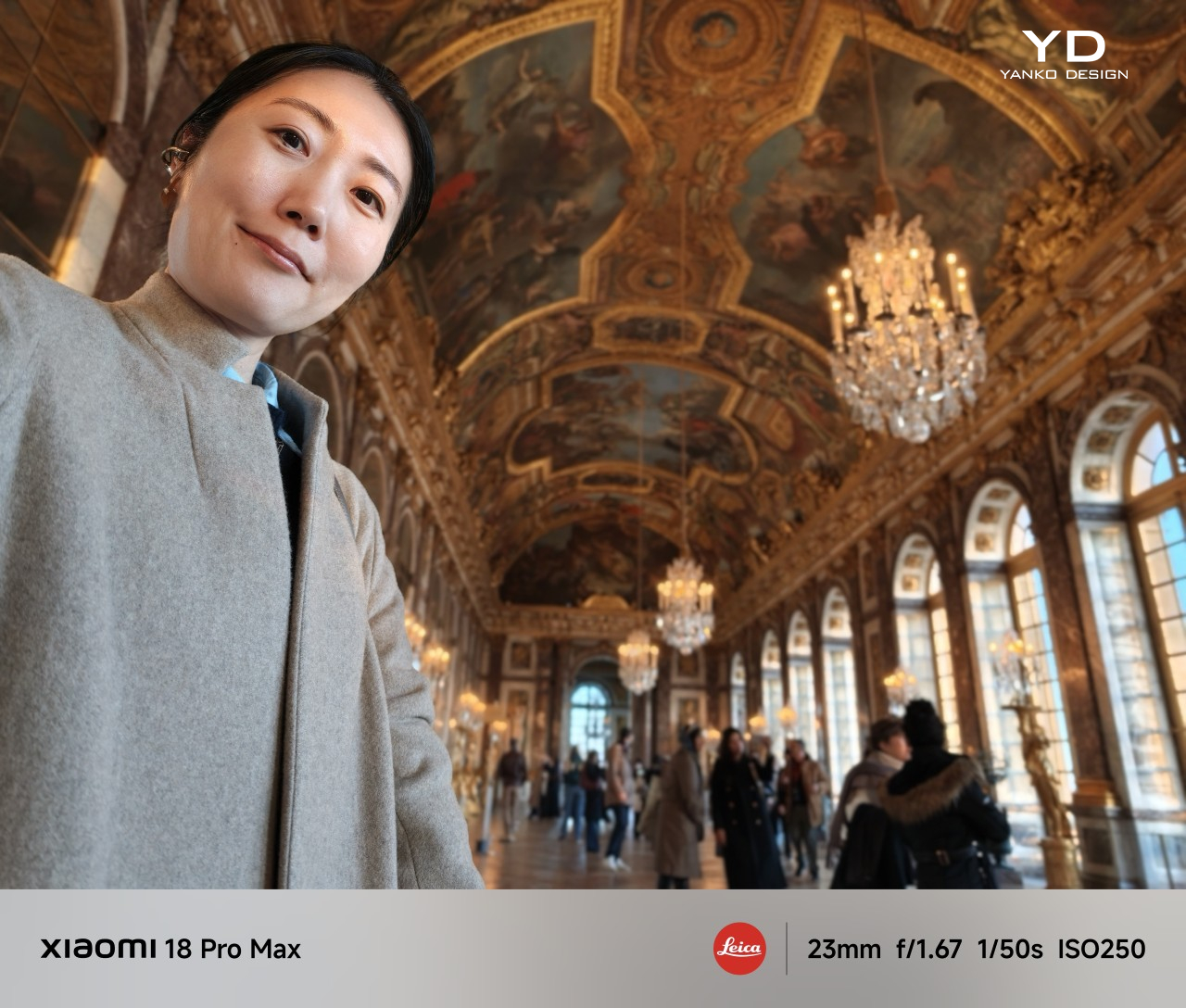
Main Camera, 1x
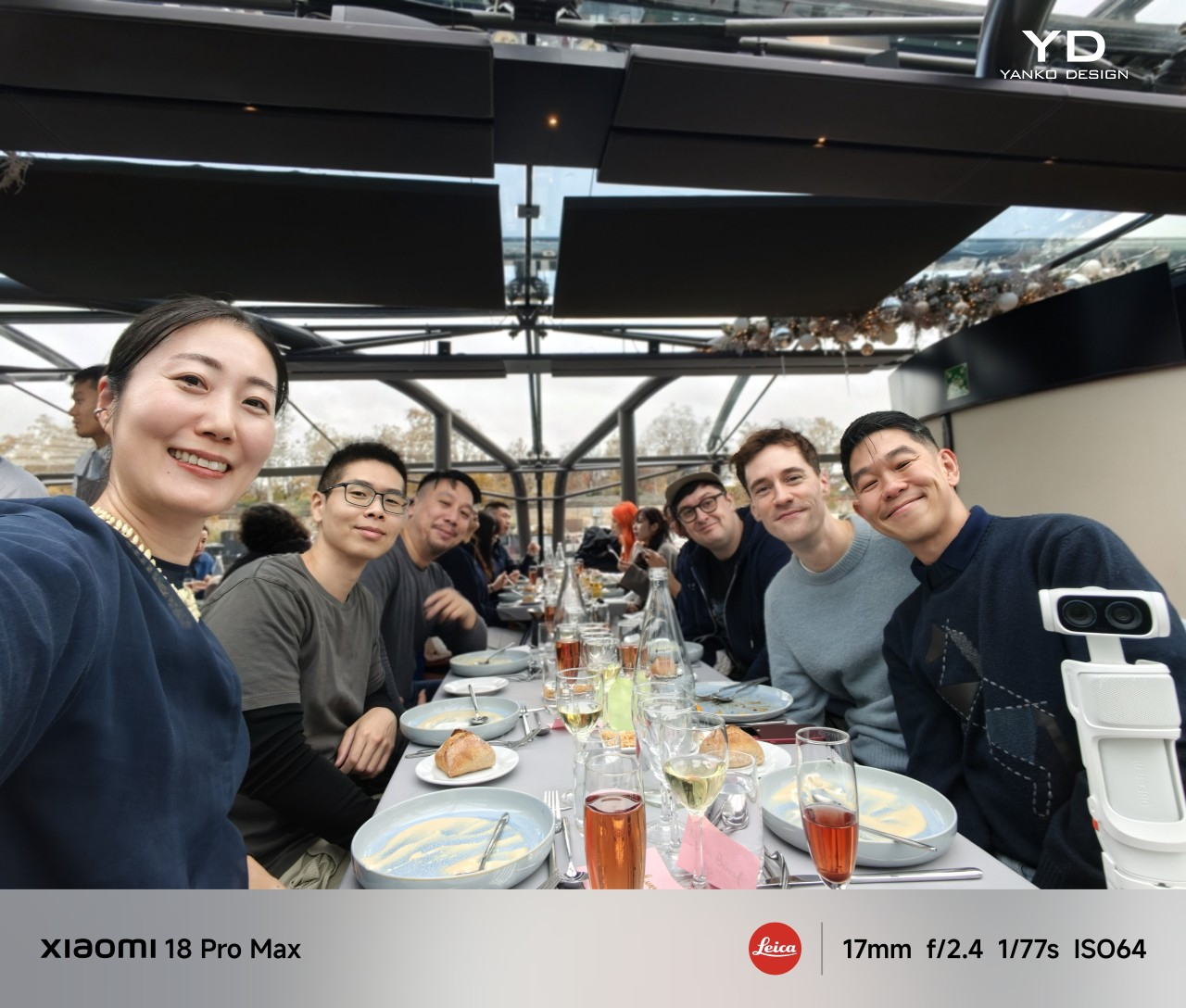
Ultra-wide, 0.7x
You can mirror the main camera interface so your subject can check their framing and expression. Alternatively, launching the camera directly from the back display gives you Video, Photo, Portrait, and Photo Booth modes. When it detects three or more people, the camera can automatically switch to the ultrawide, making group selfies easier. Shooting from the back display also uses independent settings, so your style, filter, and HDR choices can differ from those used on the main display.
Both phones support video recording at up to 8K at 30fps or 4K at 120fps on the main and telephoto cameras. Those recording options remain available when using the back display as a viewfinder. The ultrawide and front cameras top out at 4K at 60fps. Stabilization is excellent, keeping footage steady, and dynamic range is impressive. Exposure can lean a little bright, though.
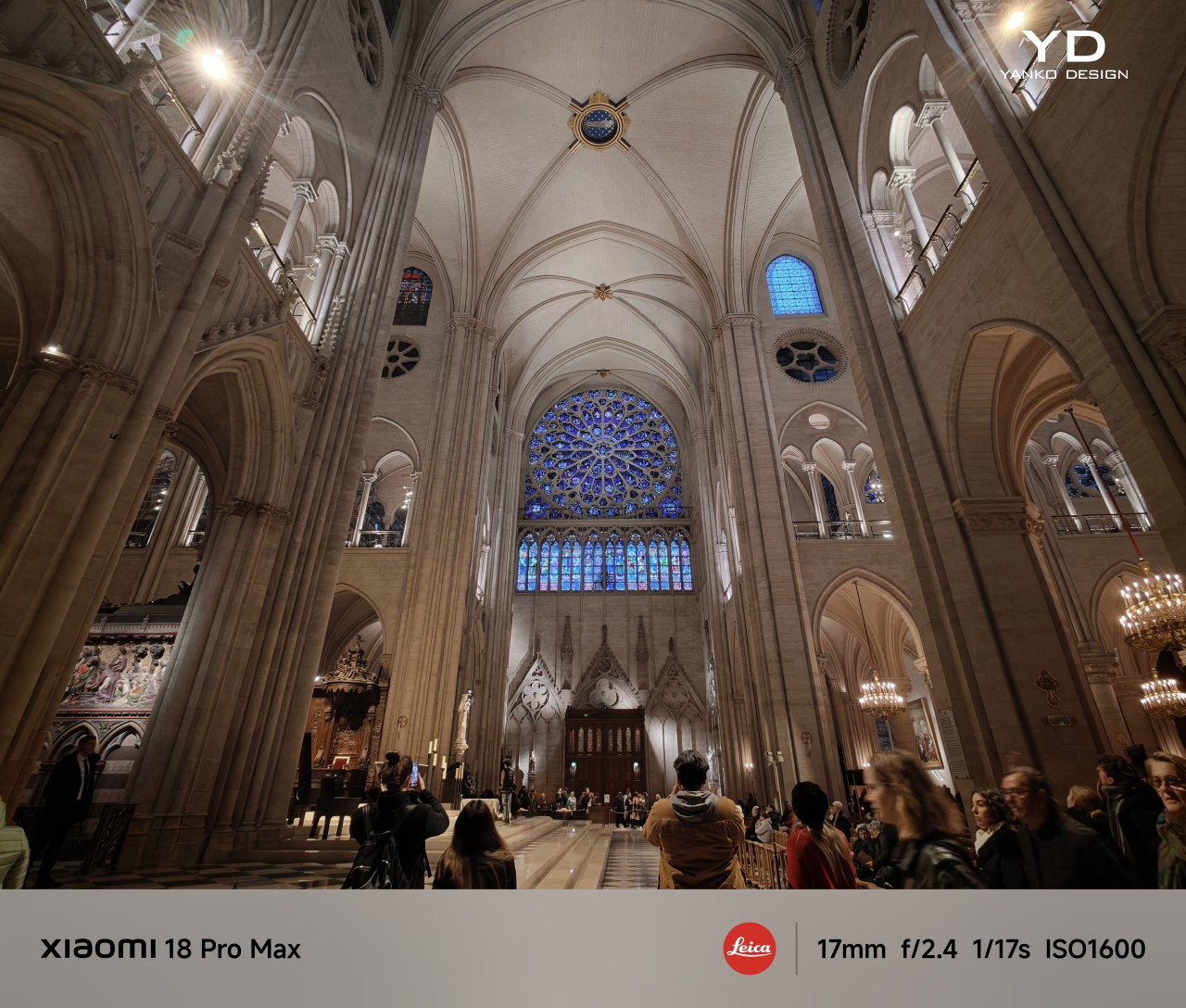
Ultra-wide, 0.7x
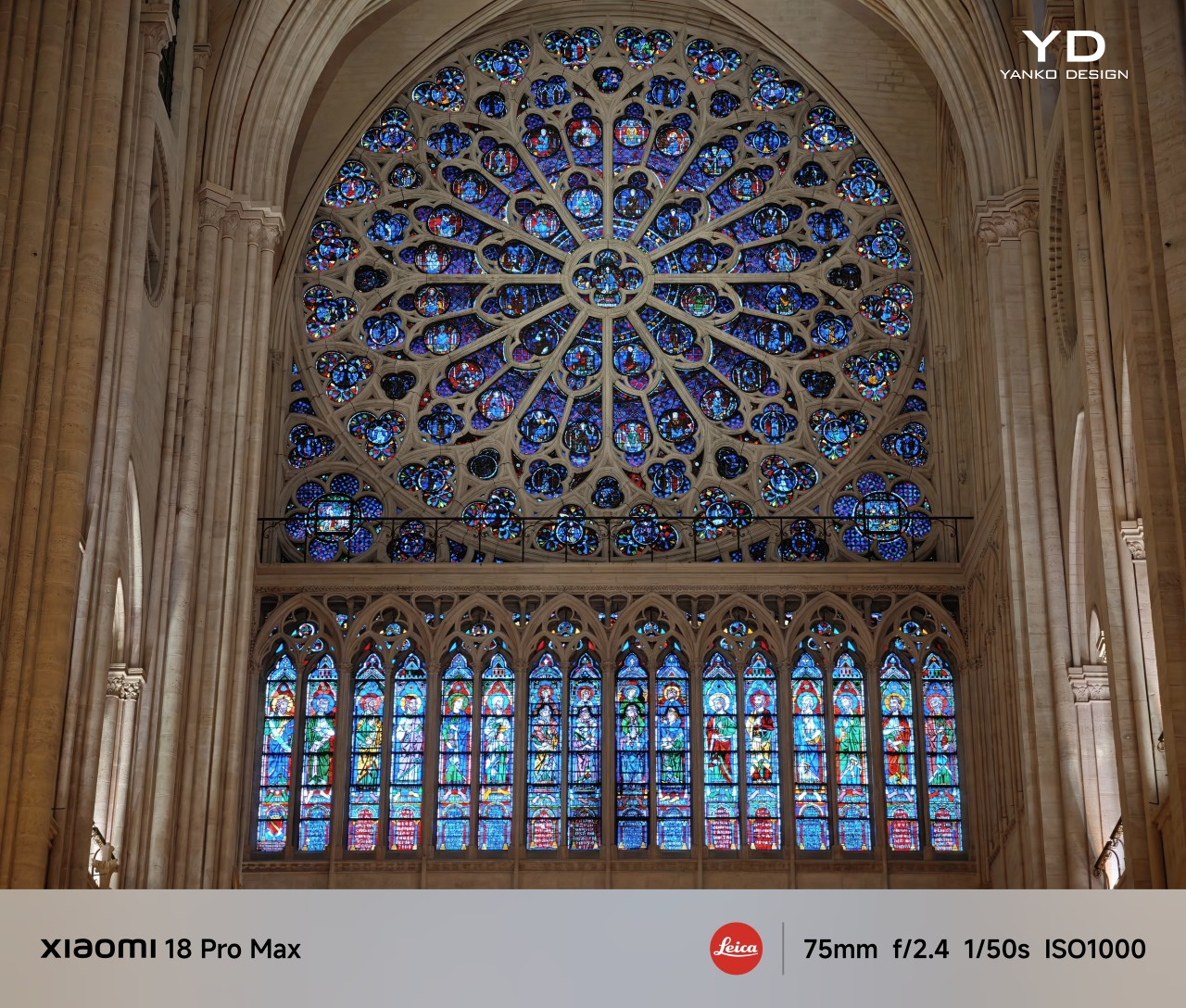
Telephoto camera, 3.2x
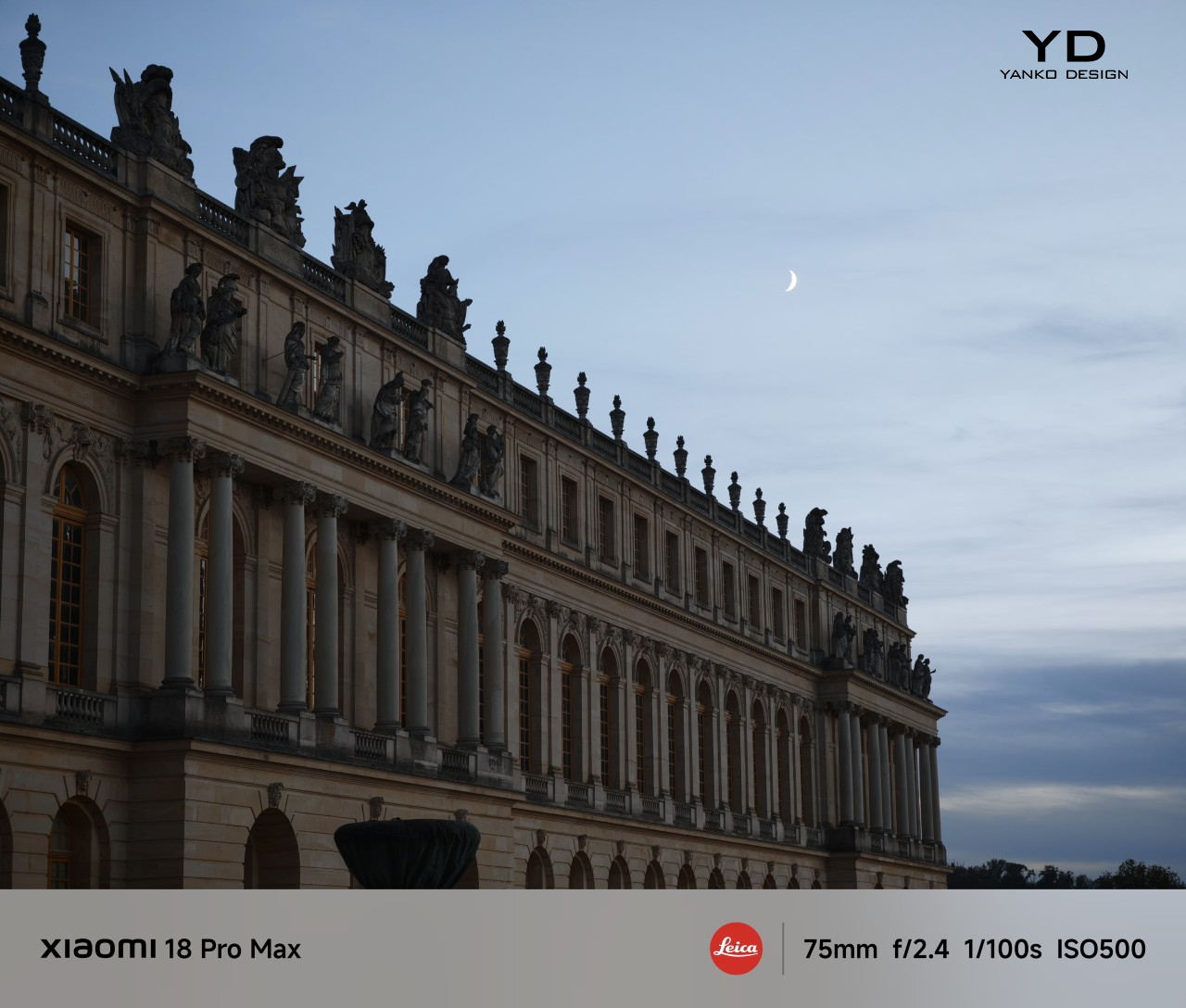
Telephoto camera, 3.2x
Battery
The Xiaomi 18 Pro packs a 6,000mAh battery, while the Pro Max steps up to 7,050mAh. Those capacities may not stand out among today’s flagships, but endurance is still solid. Both phones lasted a full day of heavy use, giving me little reason to worry about finding a charger before the evening.
The Pro supports up to 90W wired HyperCharge, while the Pro Max reaches 100W. Both offer up to 50W wireless HyperCharge and support PPS fast charging with compatible third-party USB-C chargers. Reverse wired and wireless charging also let you share power with compatible devices and accessories.
Sustainability
Both phones carry an IP68 rating for dust and water resistance. Xiaomi Shield Glass 3.0 protects the main display, while Corning Gorilla Glass Victus 2 covers the back display. These are welcome protections for phones with screens on both sides, though they do not make either device damage-proof.
Xiaomi promises five years of OS upgrades and six years of security patches, making long-term ownership a practical option. Together, these durability and software commitments are broadly in line with what I expect from a flagship today. As with other flagships, though, I would like to see Xiaomi go further in its use of recycled and other more sustainable materials. Keeping a phone useful for longer matters, but so does what goes into making it.
Value
Like phones from other brands, the Xiaomi 18 Pro series has become more expensive, driven largely by rising RAM costs. The Xiaomi 18 Pro starts at €1,399 (about US1,540)with12GBofRAMand256GBofstorage,whiletheProMaxstartsat€1,599(aboutUS1,760) with the same configuration. That puts the entry-level Pro Max €100 (about US$110) above the Xiaomi 17 Ultra with 16GB of RAM and 512GB of storage, making the price increase particularly noticeable.
At least Xiaomi still offers the Pro Max with 16GB/1TB configuration globally, while many brands reserve their highest-capacity options for China. That is welcome for buyers who want more memory and storage without importing a China-market model, though it does not soften the higher starting prices. Between the two, the €200-cheaper (about US$220) Pro makes the stronger value case for me, delivering much of the same experience in a size I prefer.
Verdict
The Xiaomi 18 Pro and 18 Pro Max are among the most distinctive flagships I have used, and they are genuinely fun. I expected the back display to be a novelty, but it changed how I used the phone, encouraging me to take selfies I would otherwise have skipped. GenAI Apps made it even more engaging, letting me turn ideas into little tools and games that kept me experimenting. Together with the characterful results from Essential Moment, these features gave me more reasons to pick up the phone beyond my usual routine.
That sense of discovery comes with excellent main and telephoto cameras, responsive performance, and battery life that held up through heavy days. The ultrawide is a compromise, and the higher prices make both phones a substantial investment. For me, the smaller Pro is the better choice, delivering much of what makes the series special in a size I love, while saving €200. The Pro Max makes more sense if you want the larger screen and upgraded hardware, but either way, Xiaomi has made a flagship that feels refreshingly different and keeps being enjoyable after the initial curiosity wears off.