
Reducing energy demand, storing carbon in materials, and designing products for reuse address different parts of the same problem. The five approaches below explore those distinctions through housing, experimental construction materials, everyday objects, and transportation. They shouldn’t all be labeled carbon-negative: reducing emissions and removing carbon from the atmosphere are different achievements.
1. Sustainable Urban Development
Lower-carbon housing begins before anyone moves in. The materials used for foundations, walls, and roofs carry an environmental cost from extraction, manufacturing, and construction. Reducing that impact means considering what a building is made from alongside the energy it will eventually consume. UNEP identifies responsibly sourced bio-based materials and greater material reuse as important routes toward decarbonizing construction.
At the neighborhood scale, those choices also need to work within ordinary housing budgets. A construction method demonstrated in an expensive private home hasn’t necessarily answered the needs of a housing association. Applying it to rental housing tests a different proposition: whether the materials, building process, and maintenance requirements can serve residents who aren’t commissioning bespoke architecture.
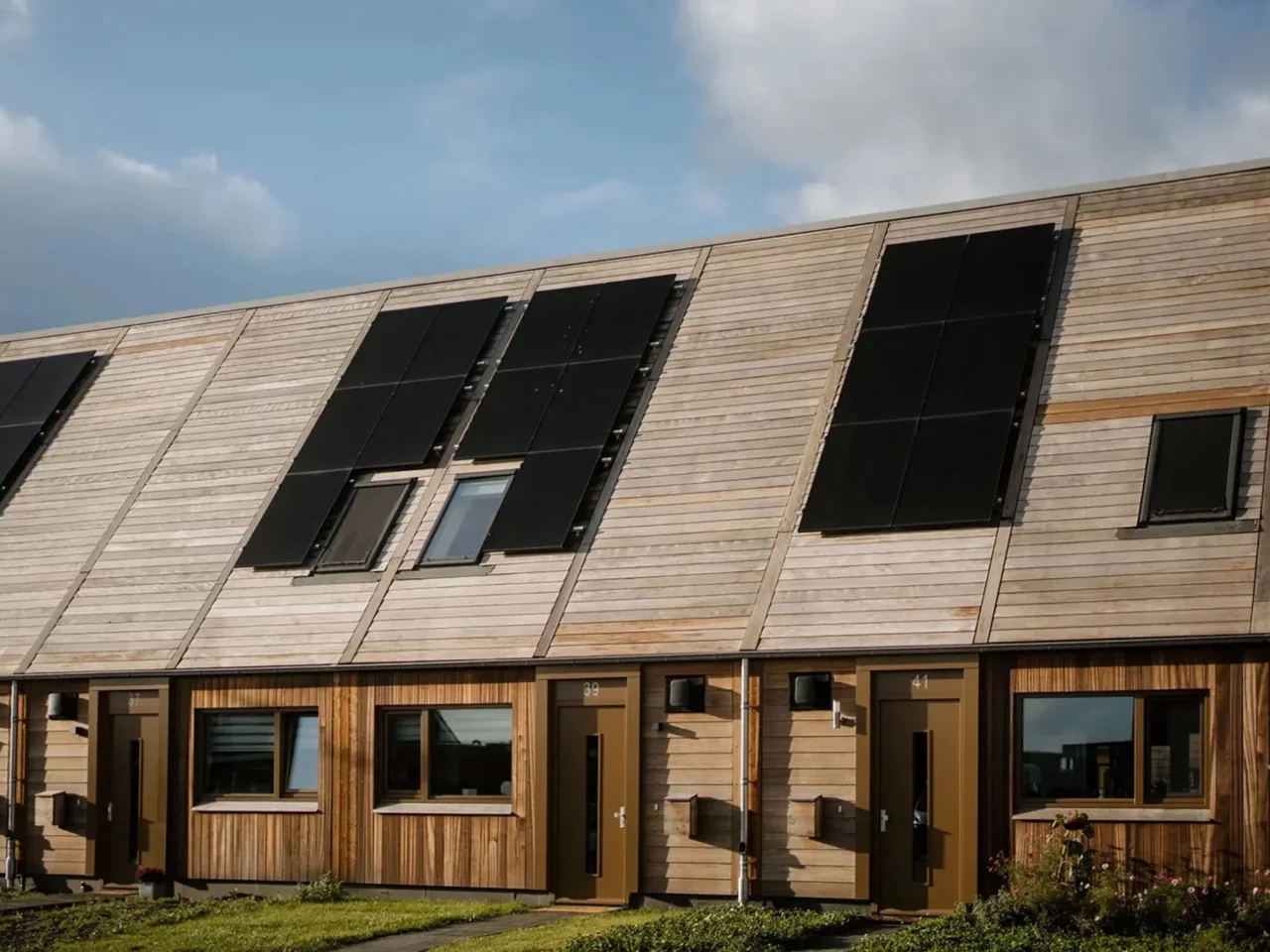
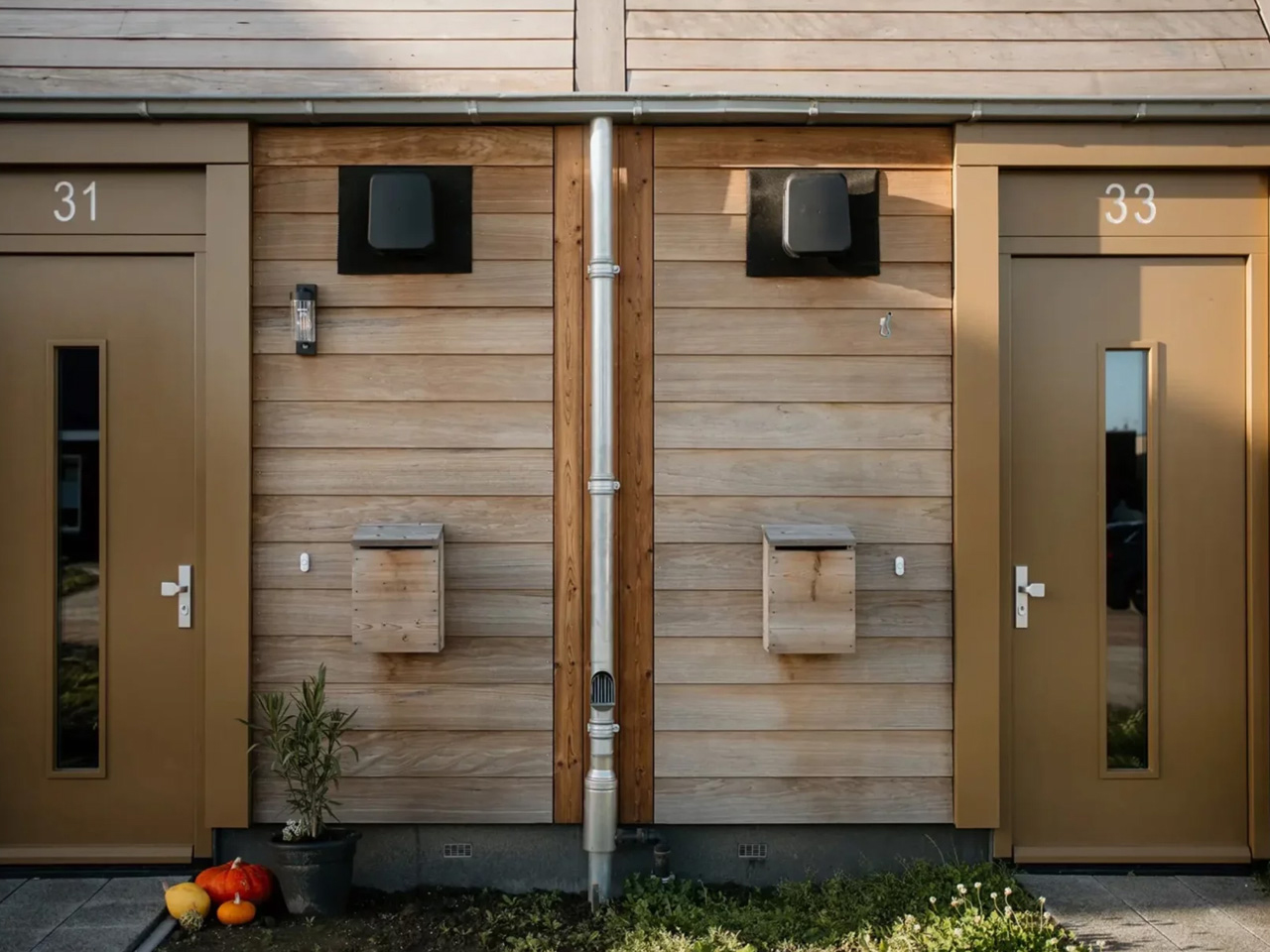
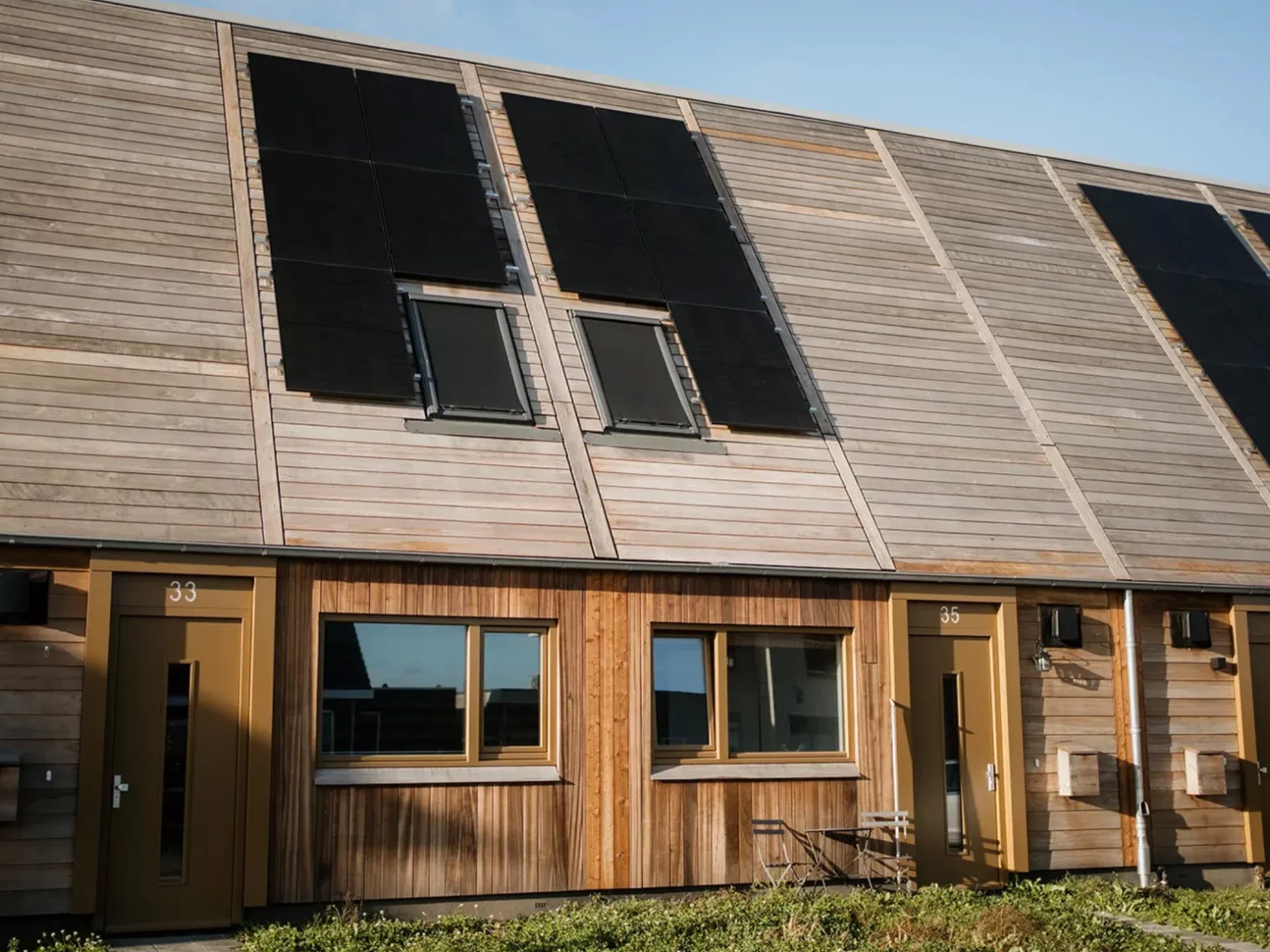
ORGA, an architecture studio based in the Netherlands, is redefining sustainable housing with an innovative carbon-negative neighborhood prototype in Marknesse. Developed for housing association Mercatus, the project features 12 affordable rental homes intended for first-time buyers and lower-income residents. Rather than treating sustainability as an added feature, the design team embedded environmental responsibility into every aspect of the development. Inspired by the region’s traditional “Delft Red” architectural character, the homes reinterpret local design heritage using renewable, low-carbon materials that significantly reduce environmental impact while maintaining a strong connection to the surrounding community.
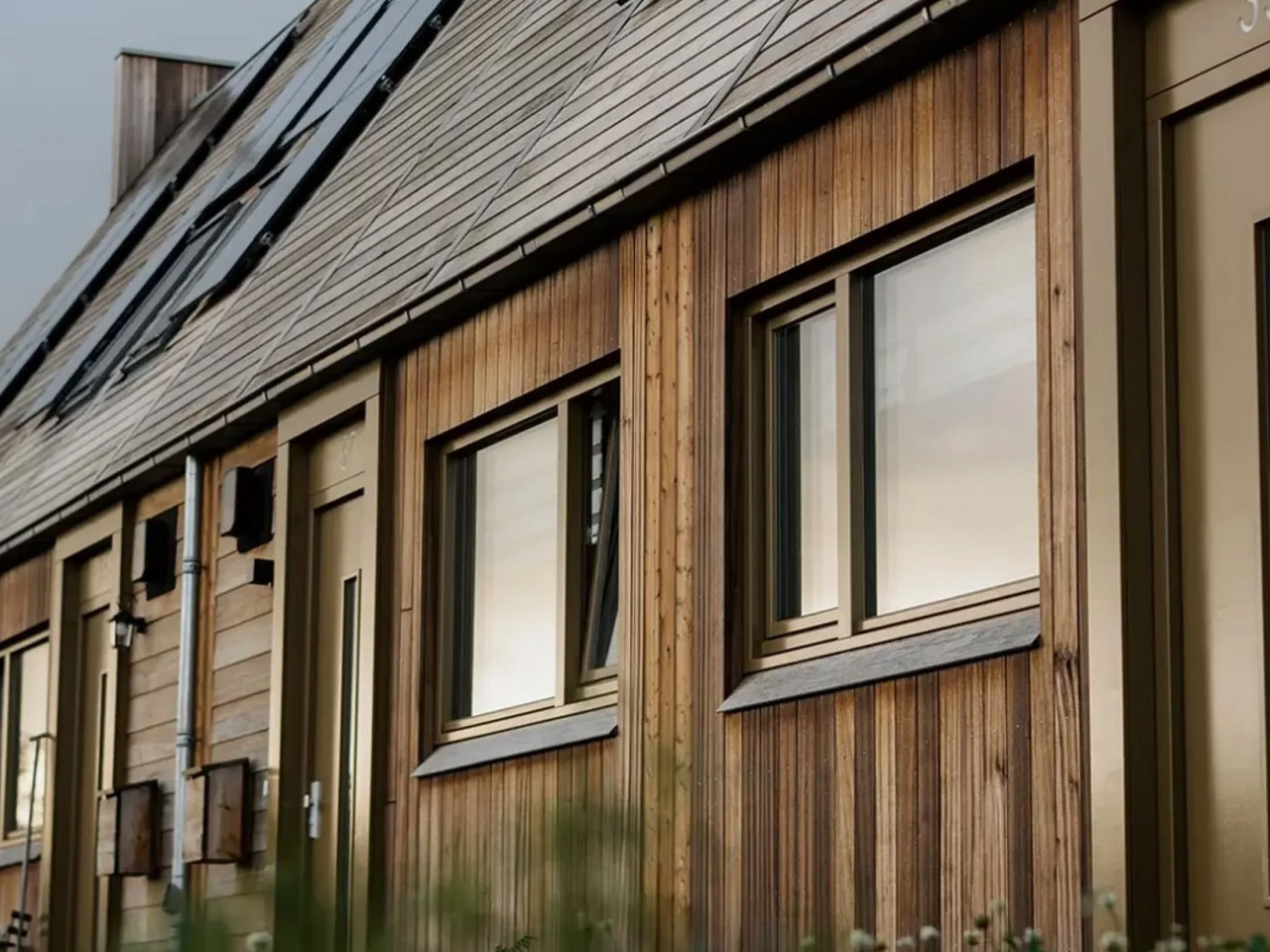
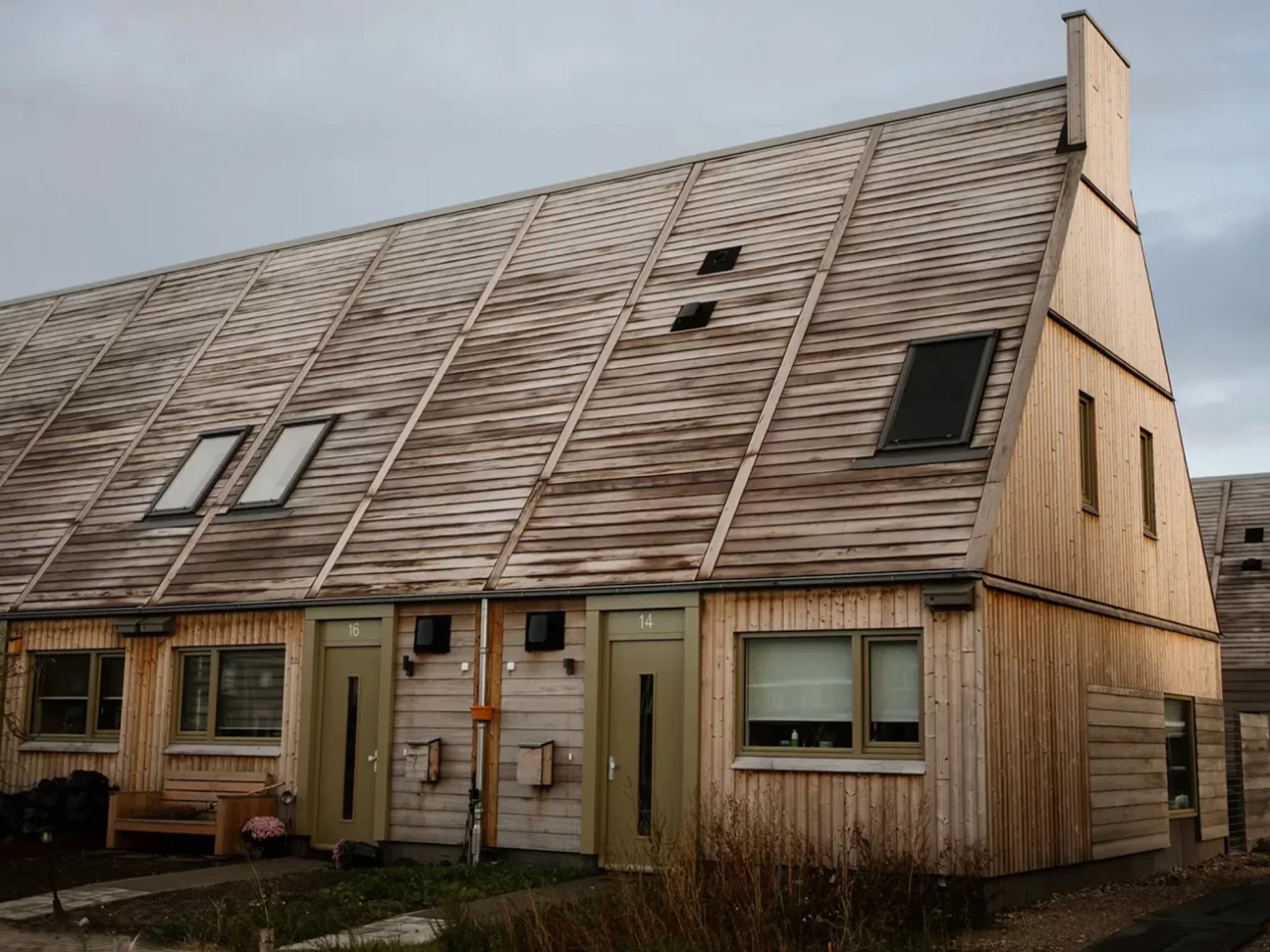
The project stands out for its impressive use of bio-based and circular materials, with 76% of the structure built from renewable resources. Prefabricated timber components speed up construction and minimize site disruption, while natural insulation and breathable wall systems help regulate indoor temperatures without relying heavily on mechanical cooling. The homes also include material passports that document every component for future reuse and maintenance. By combining affordability, ecological responsibility, and innovative construction methods, ORGA demonstrates that carbon-negative housing can be practical and accessible, setting a powerful example for the future of sustainable residential architecture.
2. Carbon-Absorbing Construction Materials
Some experimental materials take a more active approach to carbon storage. Researchers are incorporating photosynthetic microorganisms into printable structures, where they absorb carbon dioxide as they grow. Certain cyanobacteria can also encourage carbonate minerals to form, storing carbon in a more stable form than living biomass alone.
That biological activity introduces a new design requirement: keeping the material alive. Light, moisture, nutrients, and the geometry of the printed structure affect how the organisms function. A promising laboratory result therefore raises architectural questions about maintenance and placement, as well as strength. A carbon-absorbing surface still needs suitable conditions to do its work.
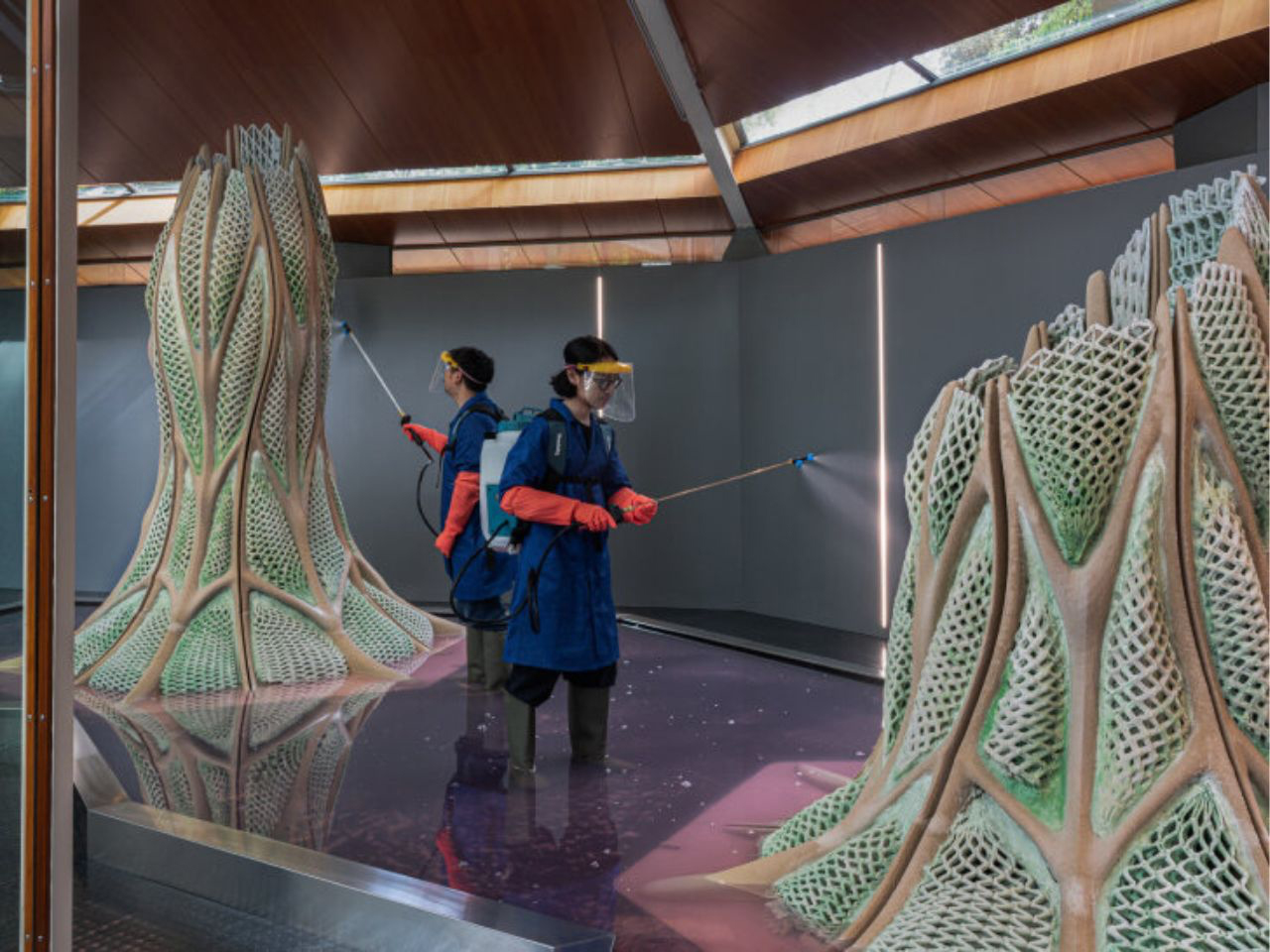
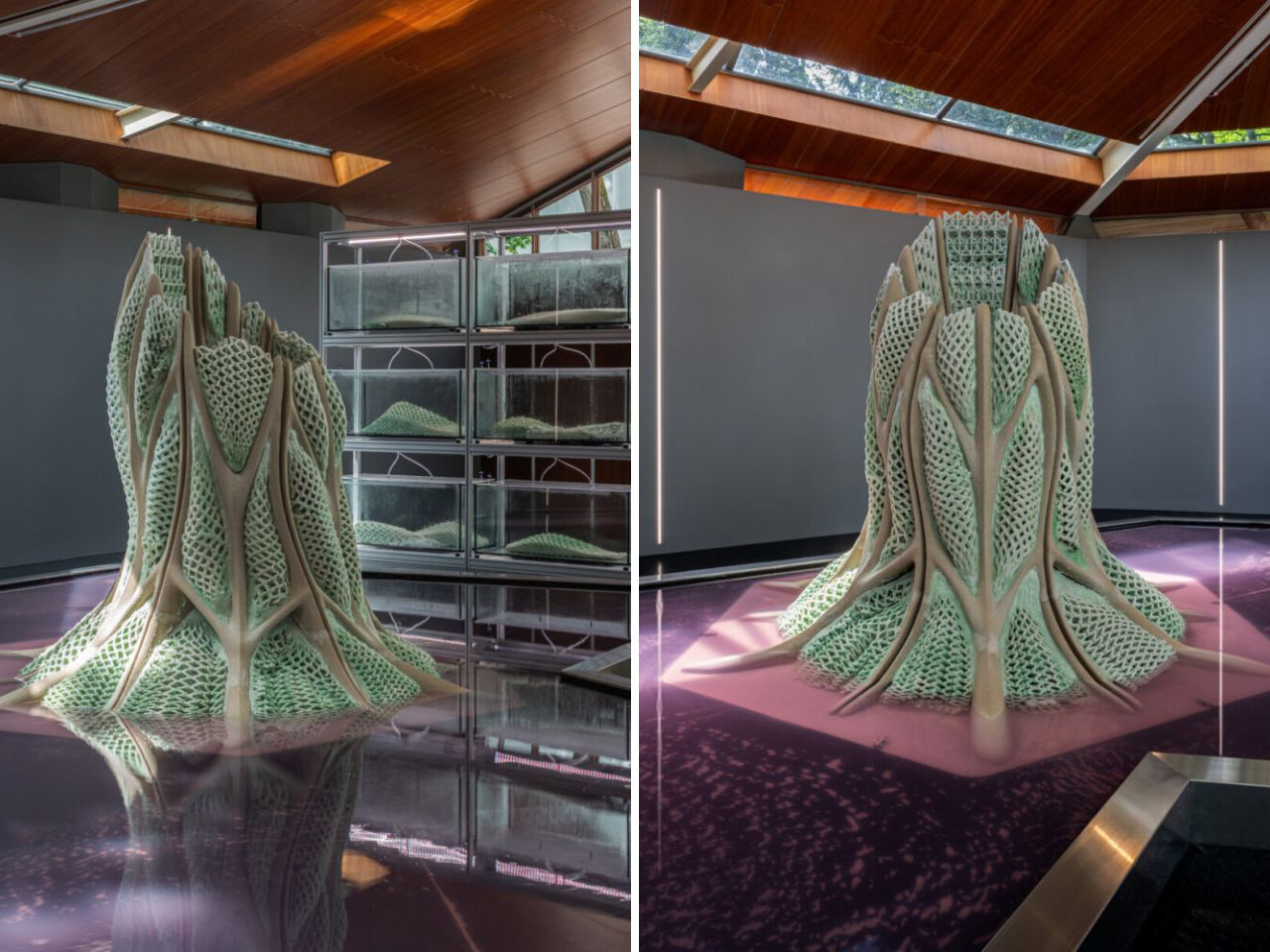
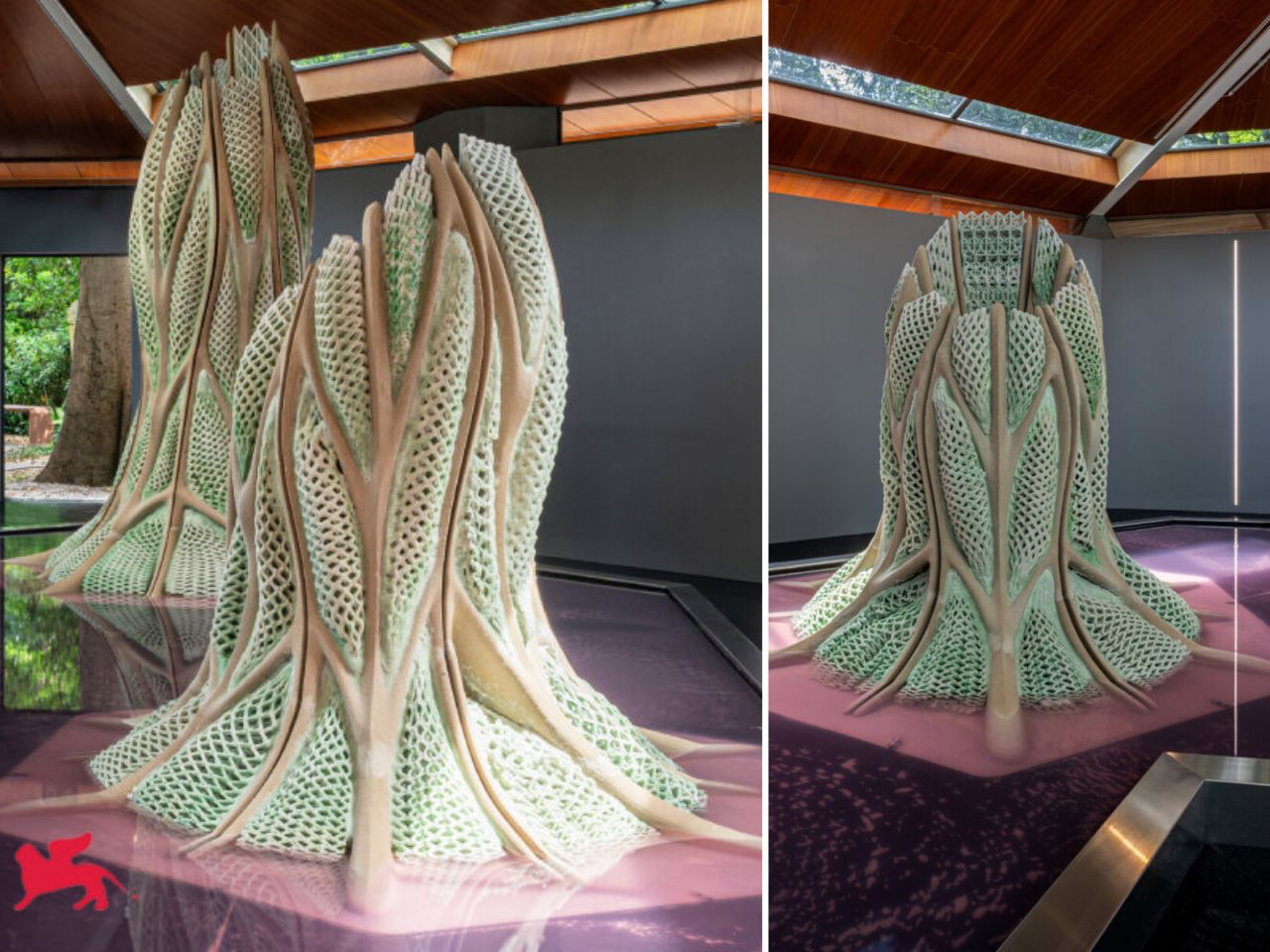
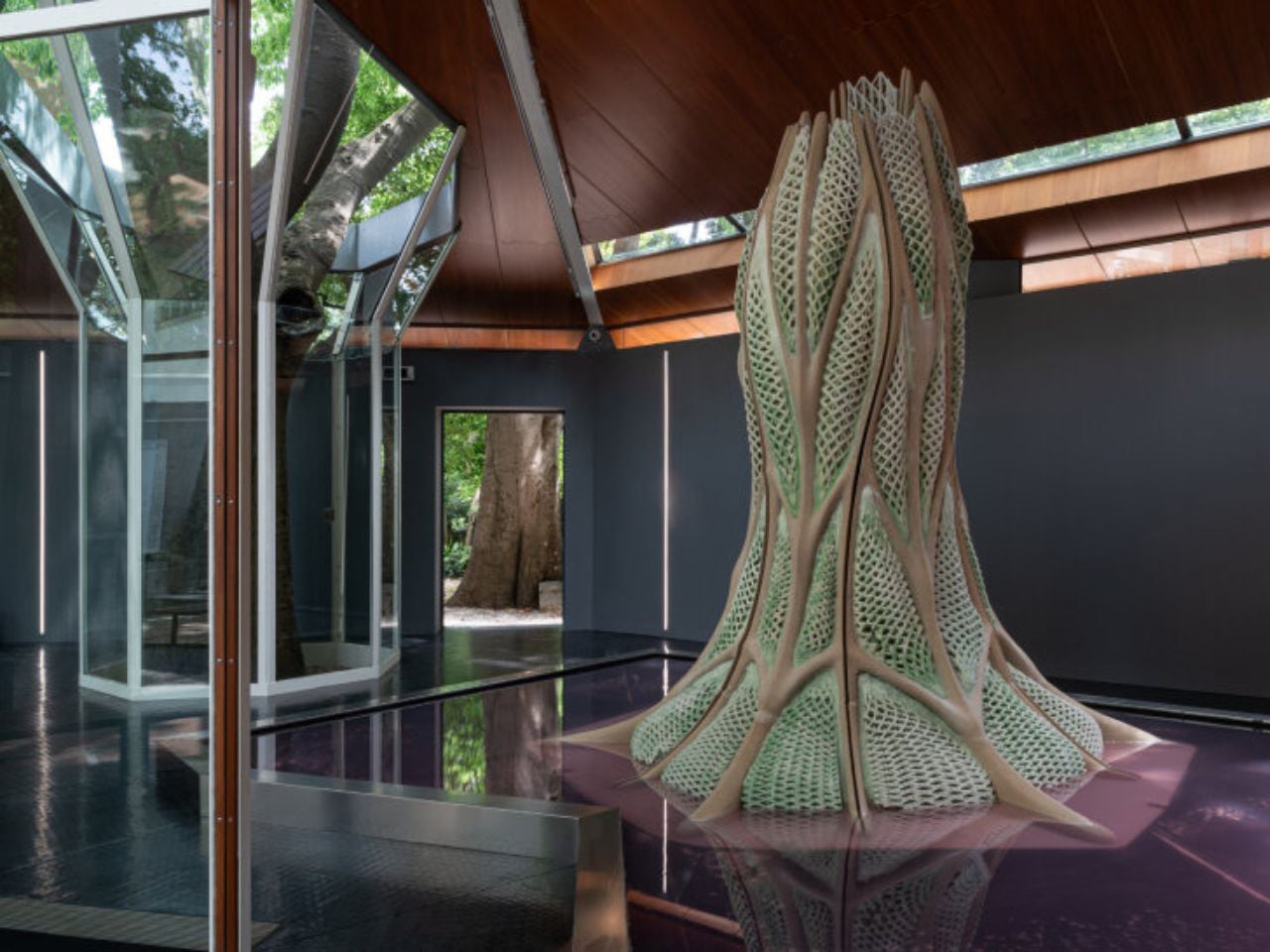
Picoplanktonics is an innovative architectural product that redefines how buildings can contribute to a net-zero future. Developed by the Living Room Collective and led by architect and biodesigner Andrea Shin Ling, it incorporates living cyanobacteria into 3D-printed biostructures that actively capture carbon dioxide from the atmosphere. Unlike conventional construction materials that simply aim to reduce environmental harm, these living materials help remove carbon while producing oxygen, transforming architecture into a regenerative system. By combining biology, technology, and design, Picoplanktonics demonstrates how the built environment can play an active role in addressing climate change.
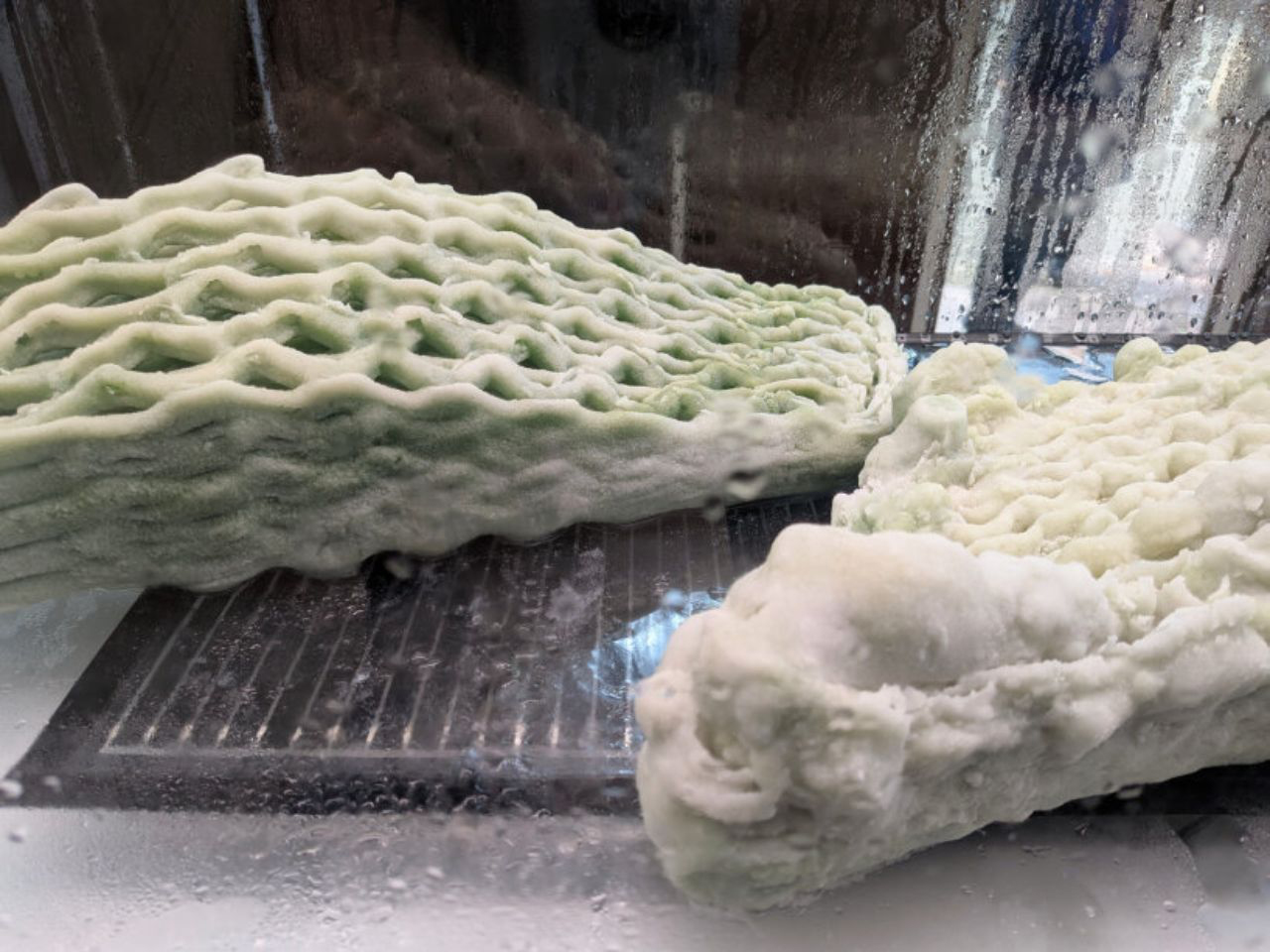
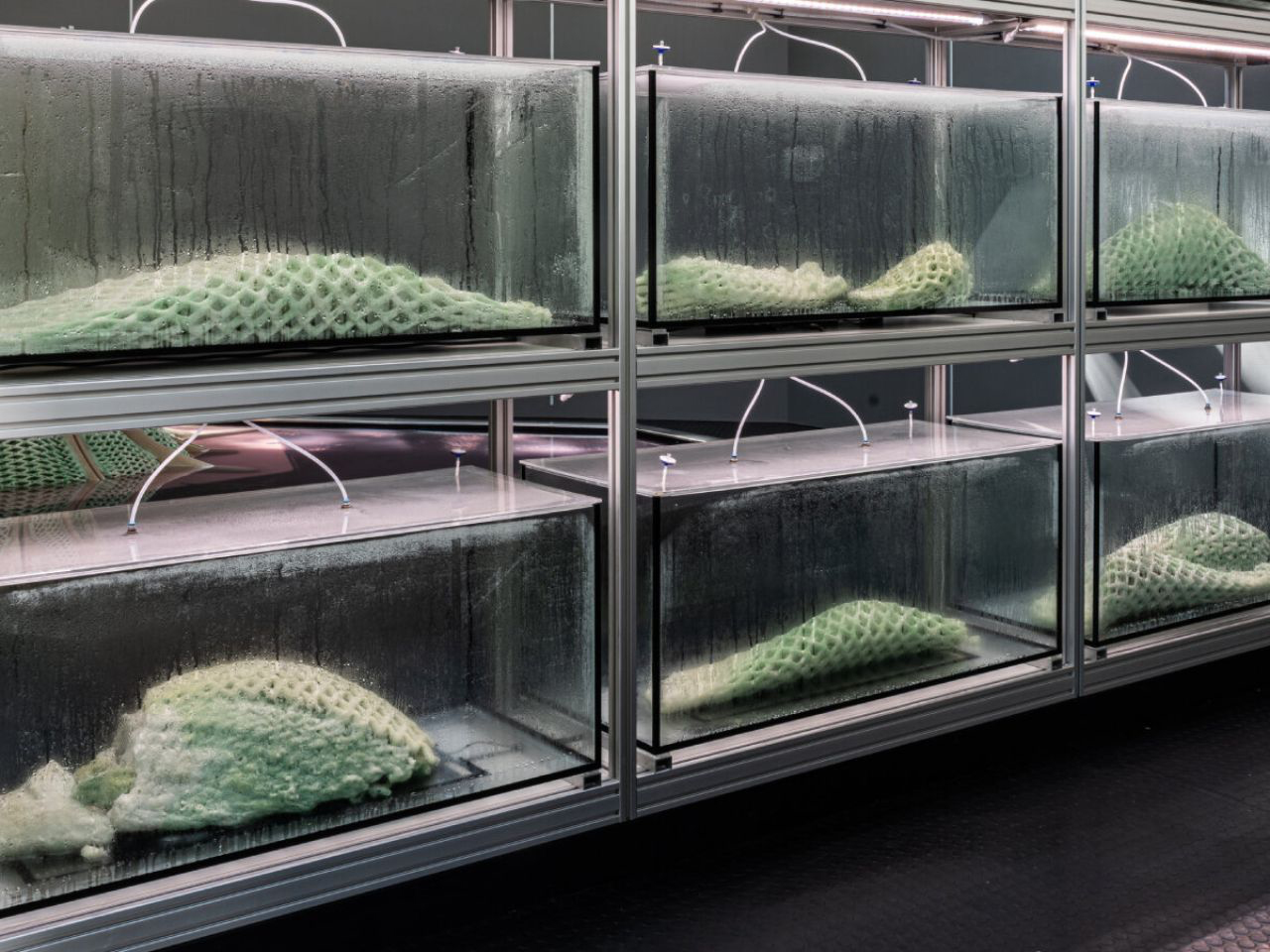
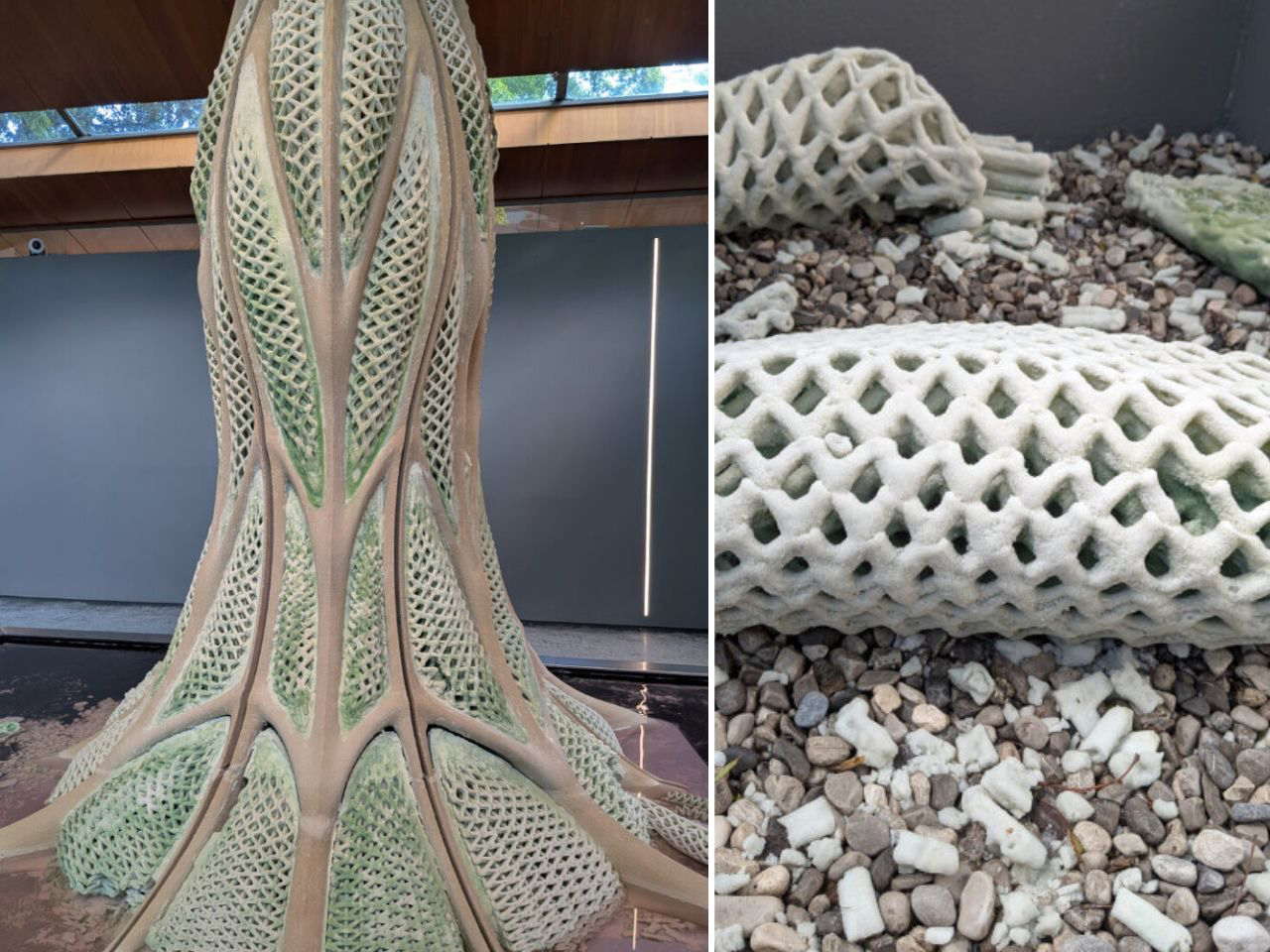
The product integrates photosynthesis and biocementation, enabling captured carbon to be converted into stable mineral compounds and permanently stored within the structure. This process creates carbon-negative materials that offer a sustainable alternative to traditional cement, one of the largest sources of construction-related emissions. With its ability to absorb, store, and lock away carbon, Picoplanktonics presents a promising solution for net-zero construction, showcasing how future buildings could function as living carbon sinks while supporting healthier and more resilient ecosystems.
3. Reusable Consumer Products
For everyday objects, material selection and repeated use need to be considered together. Replacing a petroleum-based feedstock with a plant-based one changes where a material comes from, but it doesn’t automatically make the finished product biodegradable or compatible with every recycling system. Those properties depend on its chemistry and the available processing infrastructure.
Reuse addresses a separate question: how much service an object provides before it becomes waste. A bottle intended for refilling needs to remain useful beyond its first drink, while its eventual disposal requires clear instructions. The EPA’s materials-management hierarchy places source reduction and reuse ahead of recycling, a useful reminder that recyclability isn’t the only design goal.


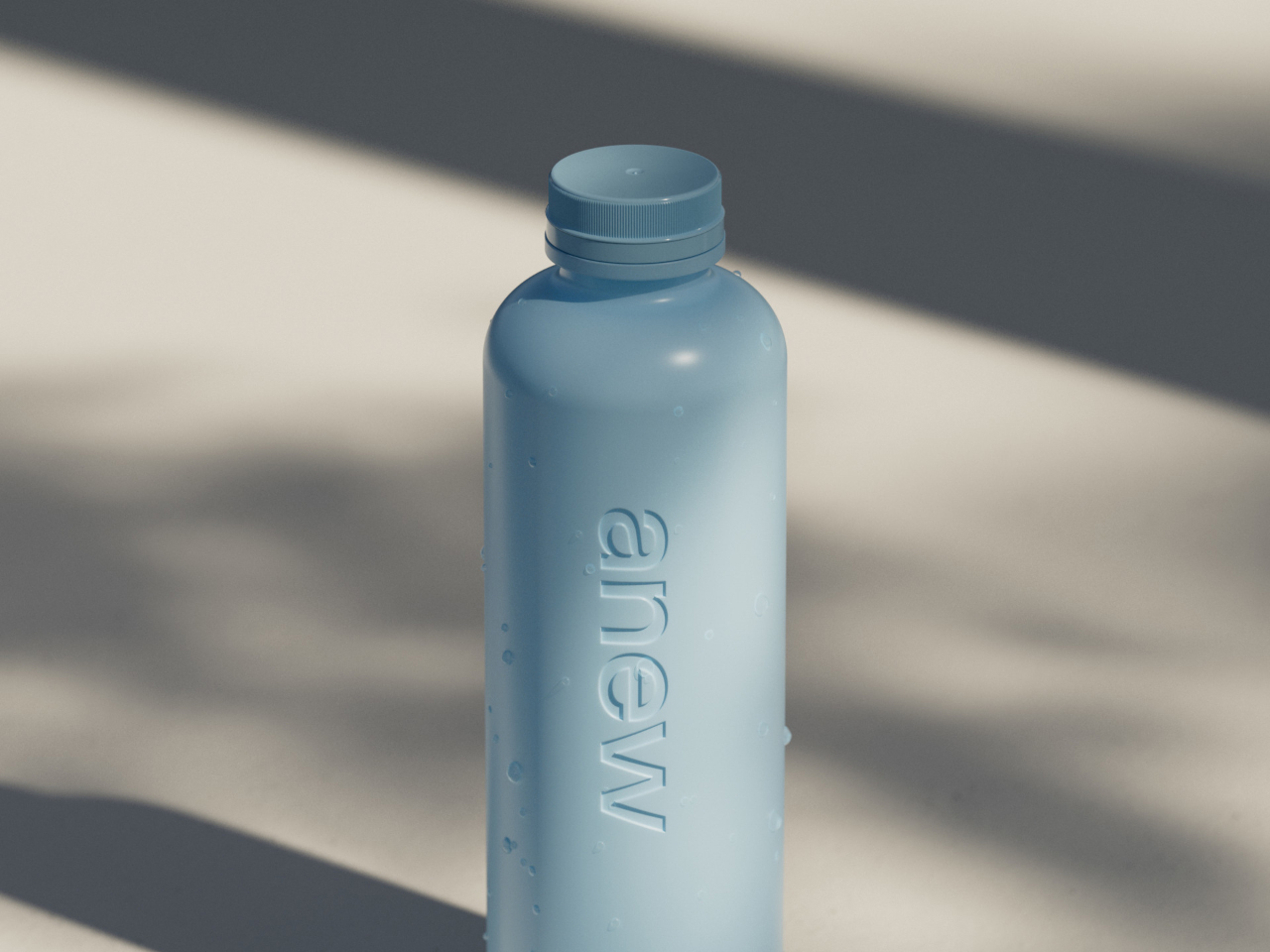
Anew is a plant-based water bottle designed to support net-zero and carbon-negative goals without compromising convenience or performance. Made entirely from renewable plant materials, the bottle looks and functions like conventional plastic but has a significantly lower environmental impact. As the raw materials grow, they absorb more carbon dioxide than is emitted during production, resulting in a carbon-negative product. Each bottle removes approximately 0.0765 pounds of CO₂ from the atmosphere and contributes to reducing greenhouse gas emissions.
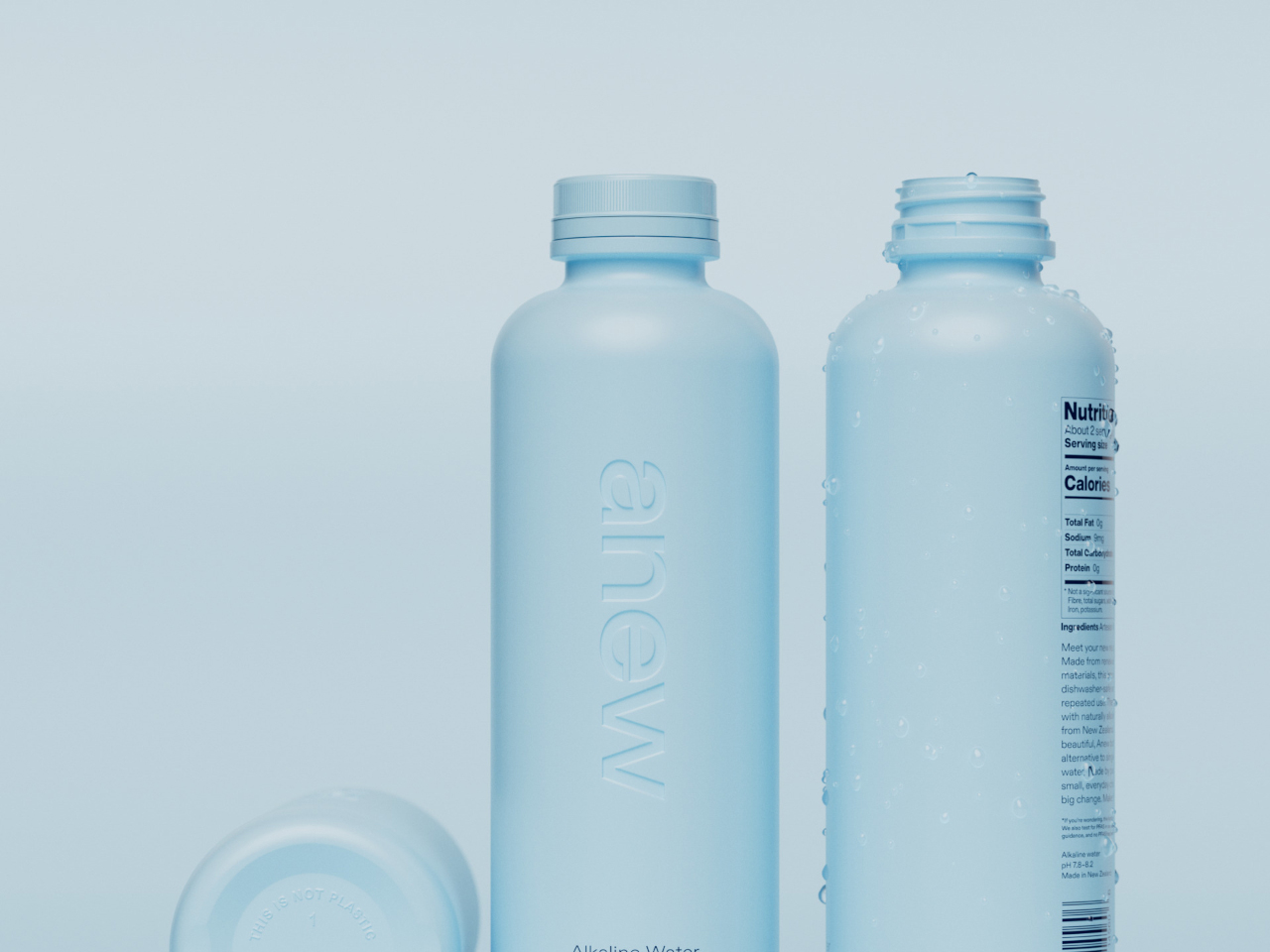
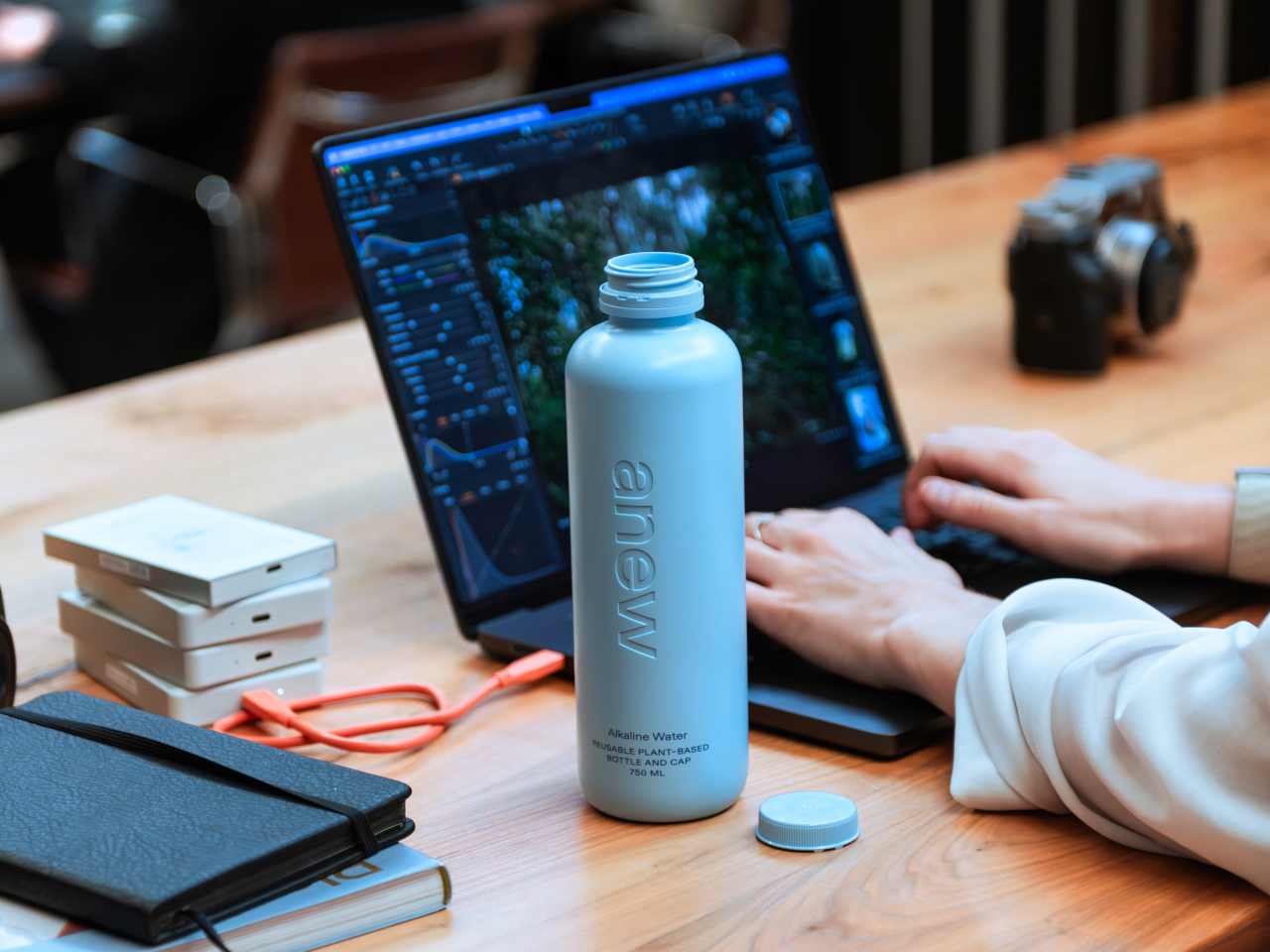

The bottle features a mono-material design, with both the cap and body made from the same plant-based material, making recycling simpler and more efficient. Free from BPA, BPS, PFAS, and microplastic shedding, it also offers a safer alternative for consumers. Designed within a circular system, Anew bottles can be reused for years and recycled through existing collection networks to create new bottles. By replacing fossil-fuel-based plastics with renewable materials, Anew presents a practical and scalable solution for advancing sustainable consumption and supporting the transition toward a net-zero future.
4. Net-Zero Energy Homes
A net-zero energy home aims to balance its annual energy consumption with renewable energy generation. The annual balance matters: the term doesn’t mean that the building uses no electricity or generates exactly what it needs at every moment. The approach combines reducing demand with producing renewable energy.
That makes the building envelope as important as the rooftop equipment. Insulation, airtightness, glazing, and shading belong in the same design conversation as solar panels. The practical aim is to reduce the energy the house needs before sizing the system that supplies it. Net-zero energy also shouldn’t be confused with eliminating the emissions associated with construction materials.
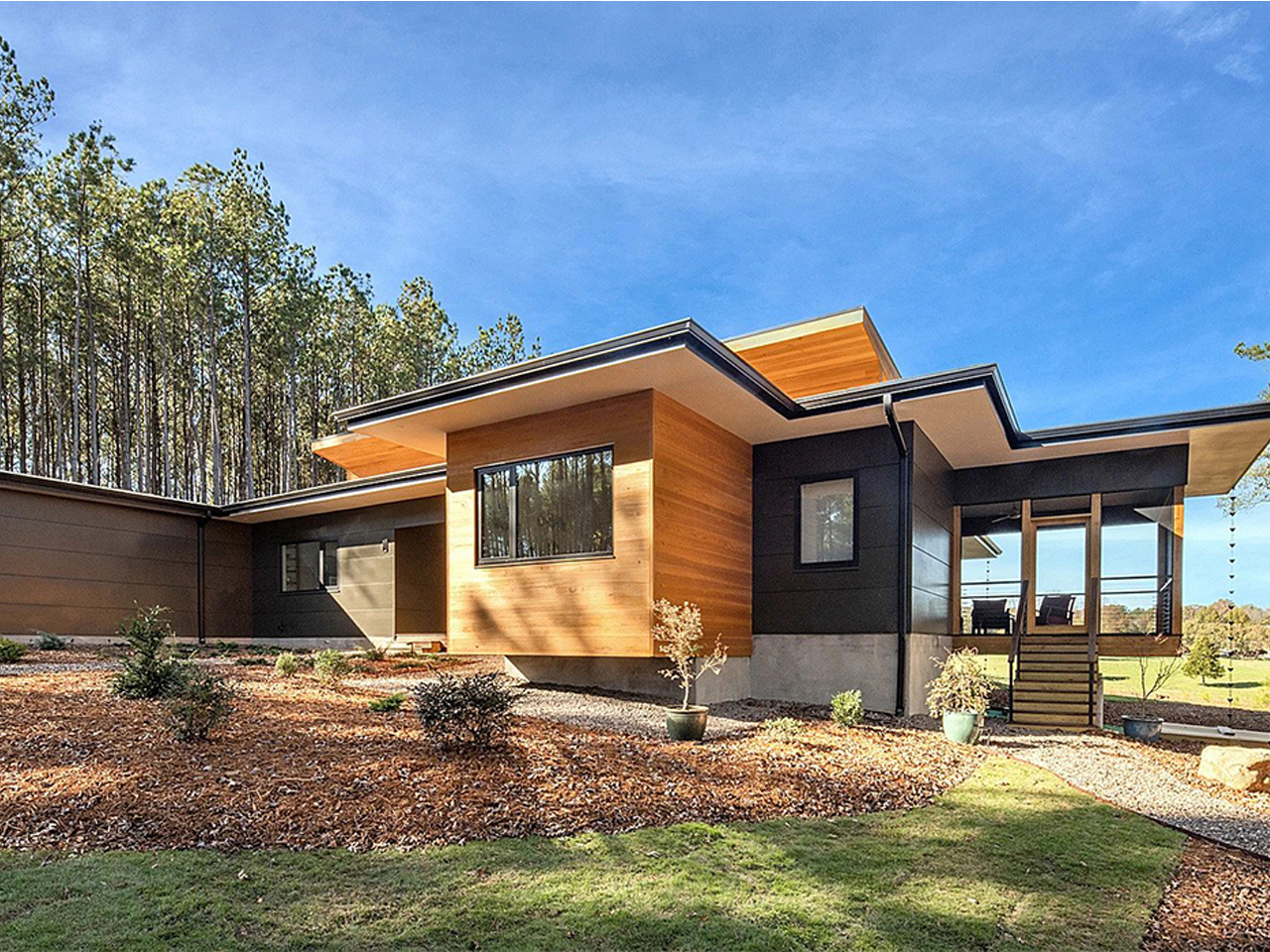
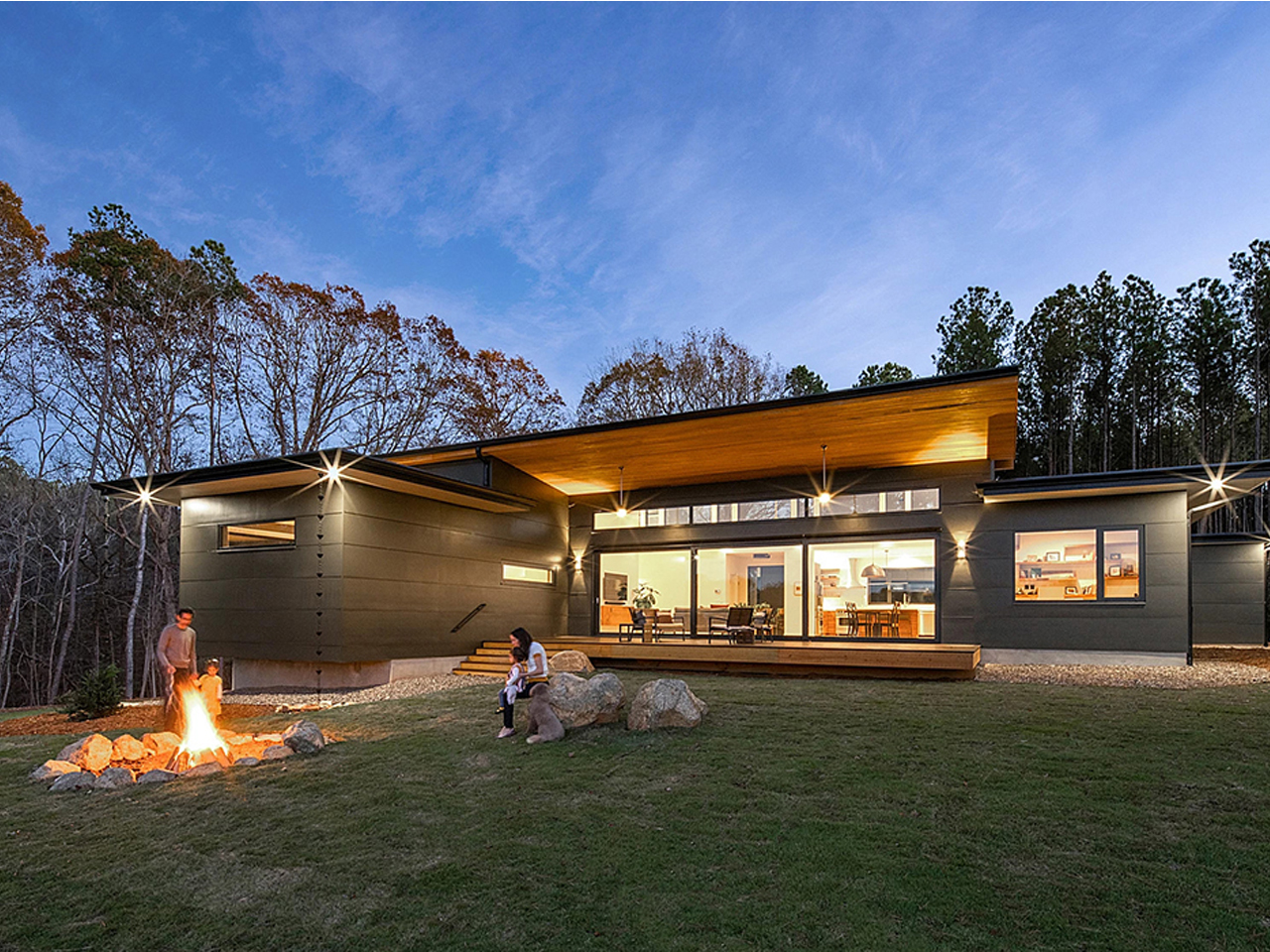
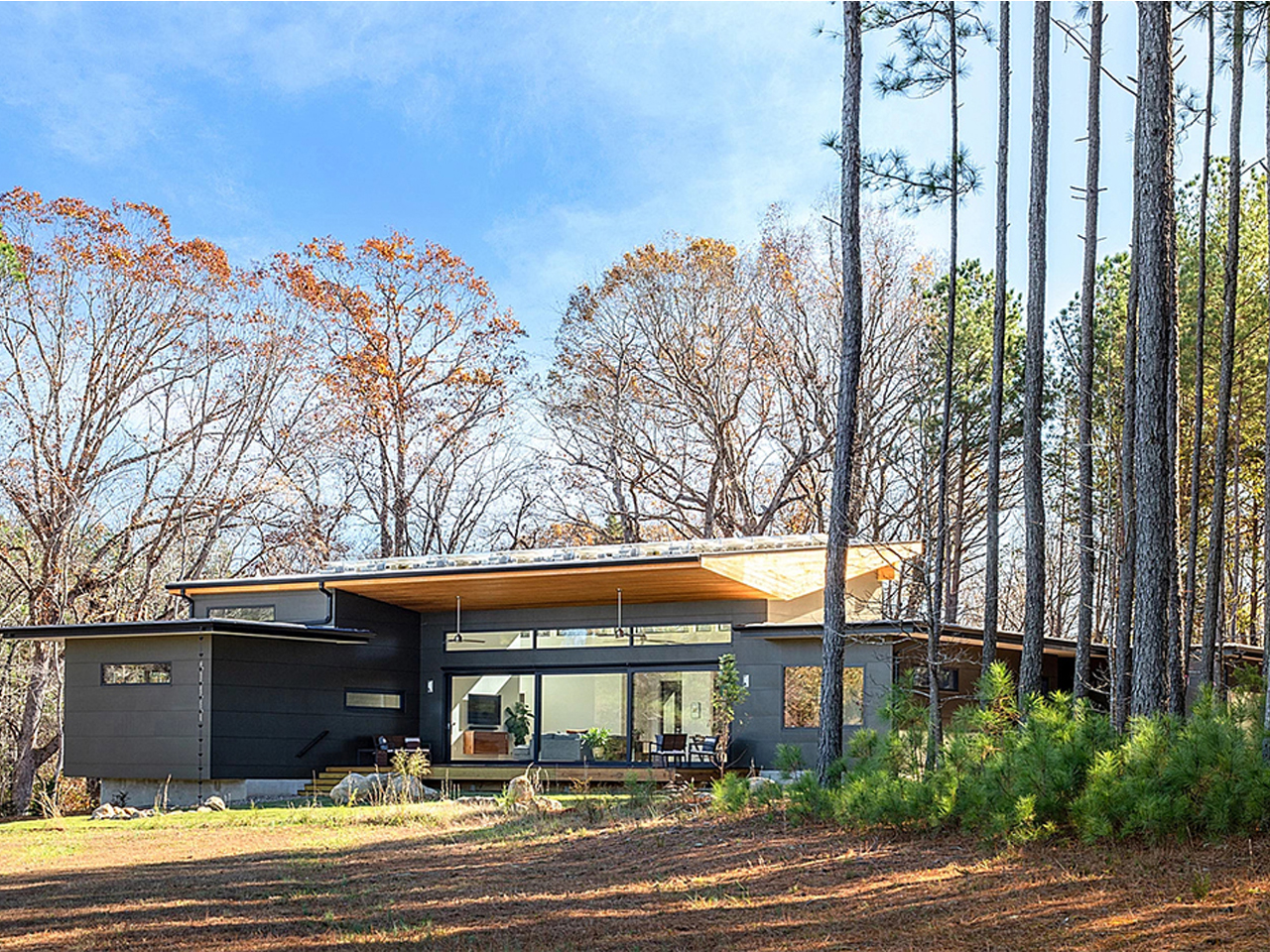
The Baboolal House is a thoughtfully designed net-zero residence that demonstrates how sustainable architecture can significantly reduce environmental impact while maintaining comfort and functionality. Designed by architect Arielle Condoret Schechter, the home generates as much energy as it consumes, resulting in a net-zero energy footprint. Key features include rooftop solar panels, a highly insulated and airtight building envelope, triple-glazed windows, and a reflective cool-roof membrane that minimizes heat gain and energy loss.
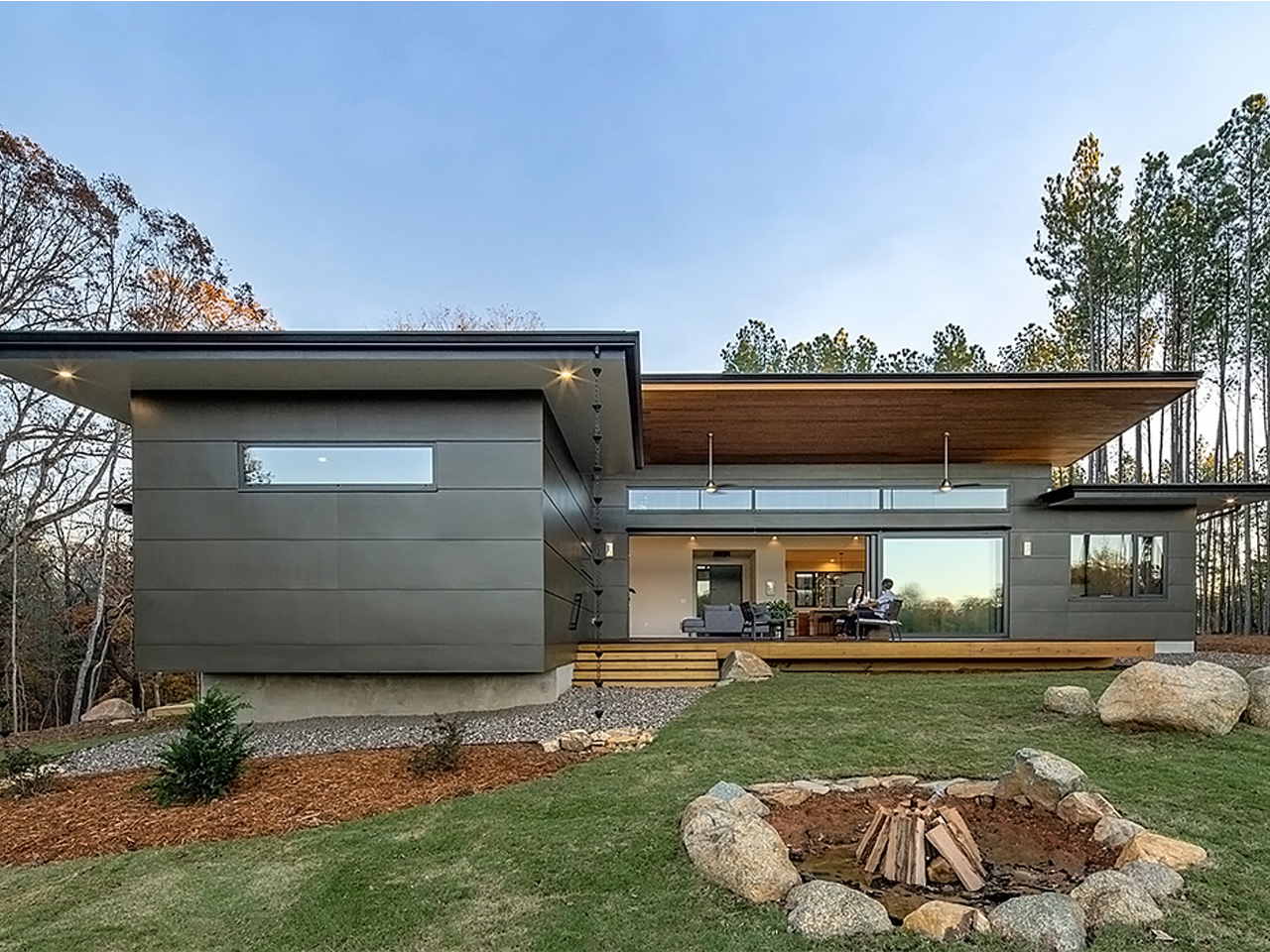
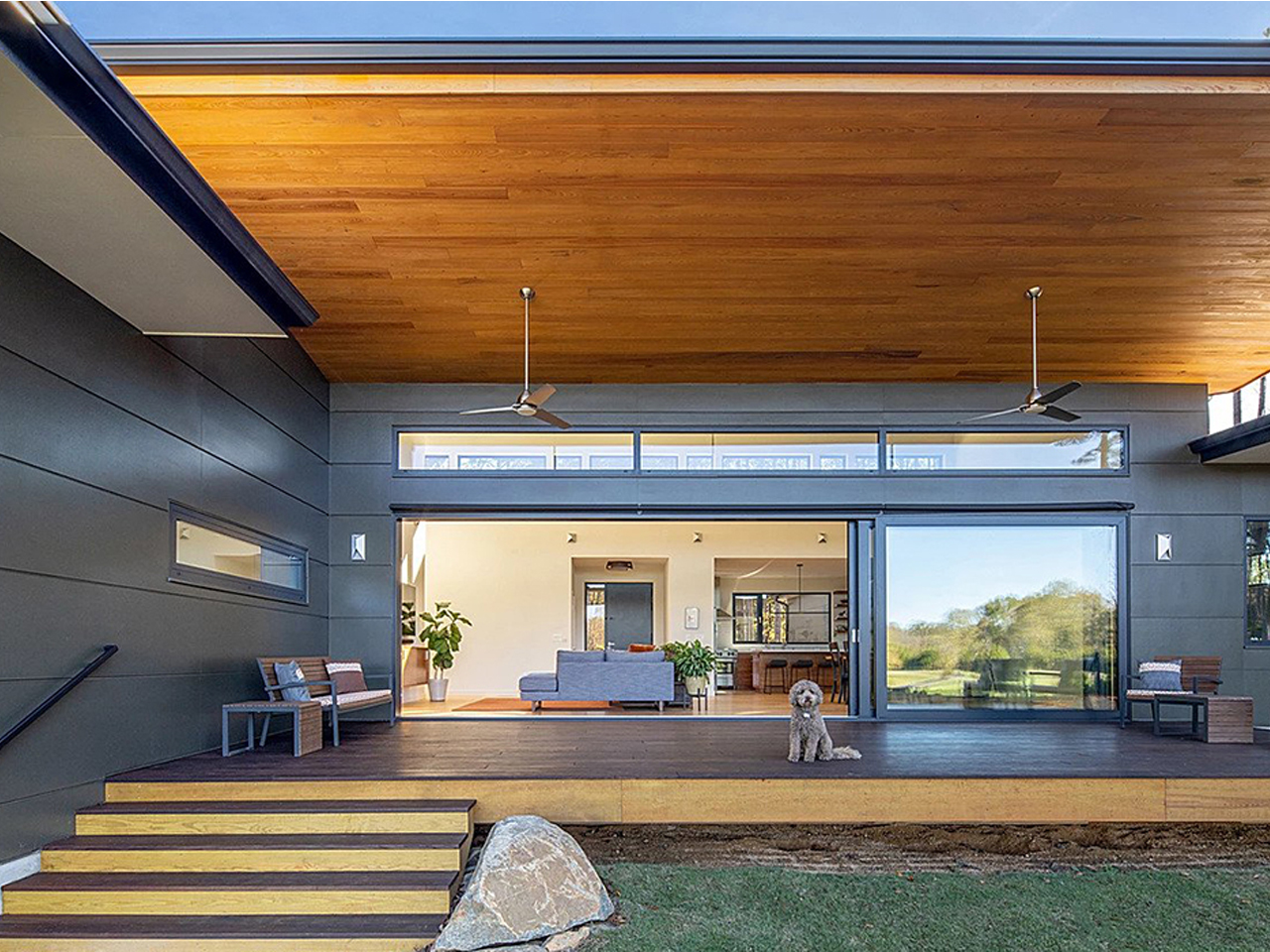
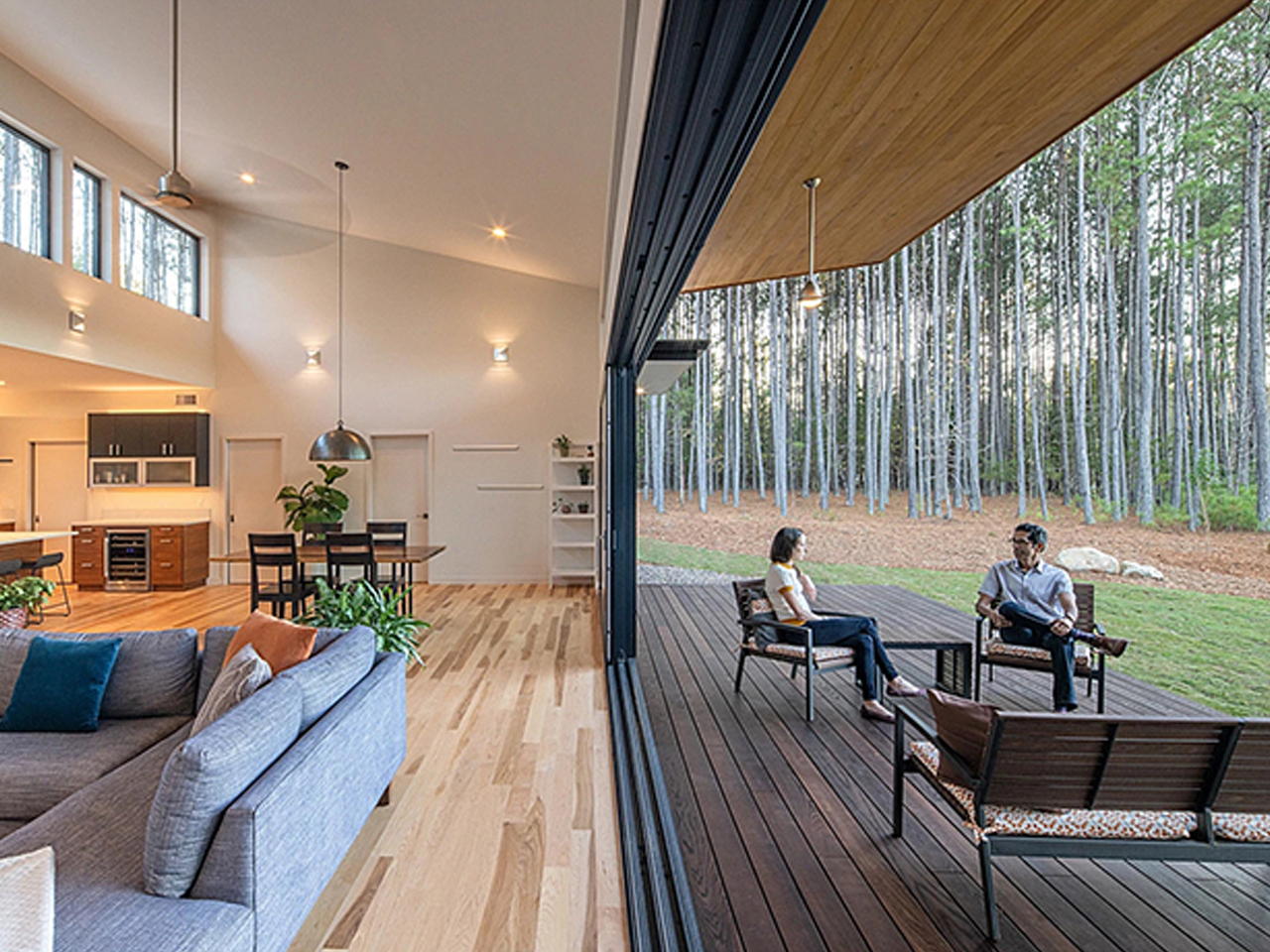
Beyond its energy performance, the home is designed to enhance the quality of life for its occupants. Inspired by the concept of “borrowed landscape,” the layout maximizes views of the surrounding natural environment while strengthening the connection between indoor and outdoor spaces. Open living areas, energy-efficient glazing, and carefully planned spatial transitions create a bright and comfortable living experience.
5. Solar-Powered Transportation Concepts
Solar-powered flight makes the relationship between energy and form especially visible. An aircraft needs surface area to collect sunlight, but it also needs to control weight and the power required to stay airborne. Solar generation, propulsion, and energy storage have to be designed together rather than treated as independent components. NASA’s solar-aircraft research documents these closely linked constraints.
Energy storage remains part of that equation when sunlight isn’t available. Batteries add weight, which affects what an aircraft can carry and how it flies. For a design concept, a large panel-covered wing can communicate an approach to these problems, but its appearance alone cannot establish range, payload, or flight performance.


Falcon Horizon is a conceptual solar-powered aircraft designed to support the future of net-zero aviation through clean and renewable energy. Inspired by the aerodynamic efficiency of birds of prey, the aircraft features a falcon-shaped flying-wing design that maximizes lift while reducing drag. Large solar panels span the wings, capturing sunlight to generate the energy required for flight. By relying on solar power instead of conventional fossil fuels, the concept aims to significantly reduce carbon emissions create a pathway toward more sustainable air travel.



The aircraft also incorporates innovative boundary-layer control technology, using solar-generated energy to improve aerodynamic performance and enhance overall efficiency. This approach reduces the need for heavy battery systems while optimizing propulsion and energy consumption. Although still a concept, Falcon Horizon highlights the potential of integrating advanced design, renewable energy, and biomimicry to create carbon-neutral flight solutions. As the aviation industry seeks strategies to achieve net-zero emissions, the project offers an interesting vision of how future aircraft could combine environmental responsibility with high-performance engineering.
Carbon-negative solutions are redefining sustainability by moving beyond emission reduction toward active environmental restoration. Through innovative urban planning, advanced construction materials, sustainable consumer products, climate-positive housing, and clean transportation technologies, industries are creating meaningful pathways to address climate change.