The first thing you notice about Trent Reznor’s custom synthesizer might not be the keyboard. It might be the Atari cartridge sticking out of the front. Designer Love Hultén gave a working game console and an analog synth the same hardwood cabinet, making them look like they always belonged together. It’s a one-off commission, but there’s an idea worth borrowing: the things you like using can be the things you like looking at.
Our November picks take that idea from a music studio to an entryway, a nightstand, and the awkward patch of floor where all the cables end up. Some borrow from older electronics. Others make a familiar task more satisfying, whether that’s checking the time overseas or taking a light down the hall. These are editorial picks, not a ranking of new releases or a list of ten things you can buy today.
1. Atari 2600+ Sound Station
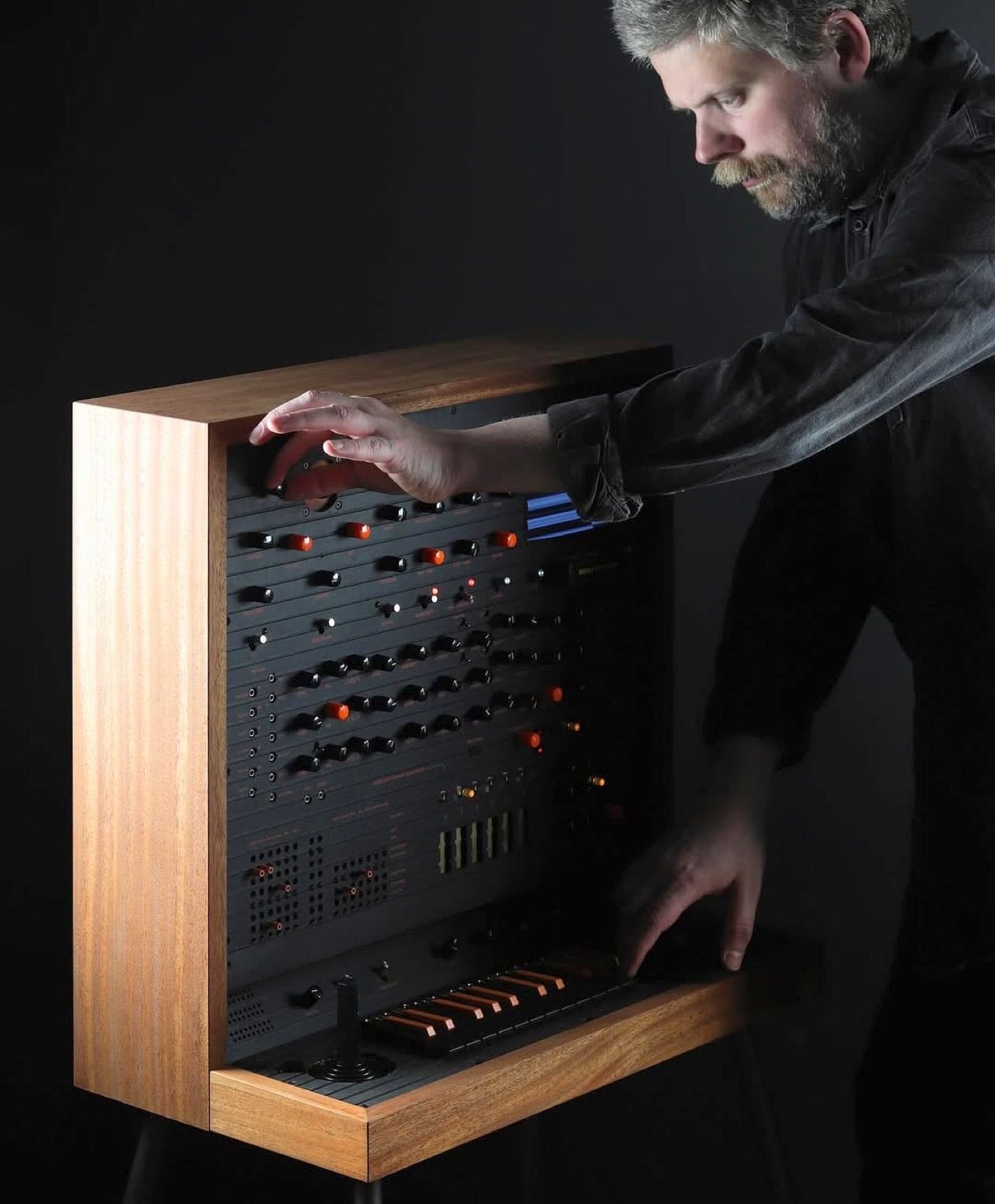
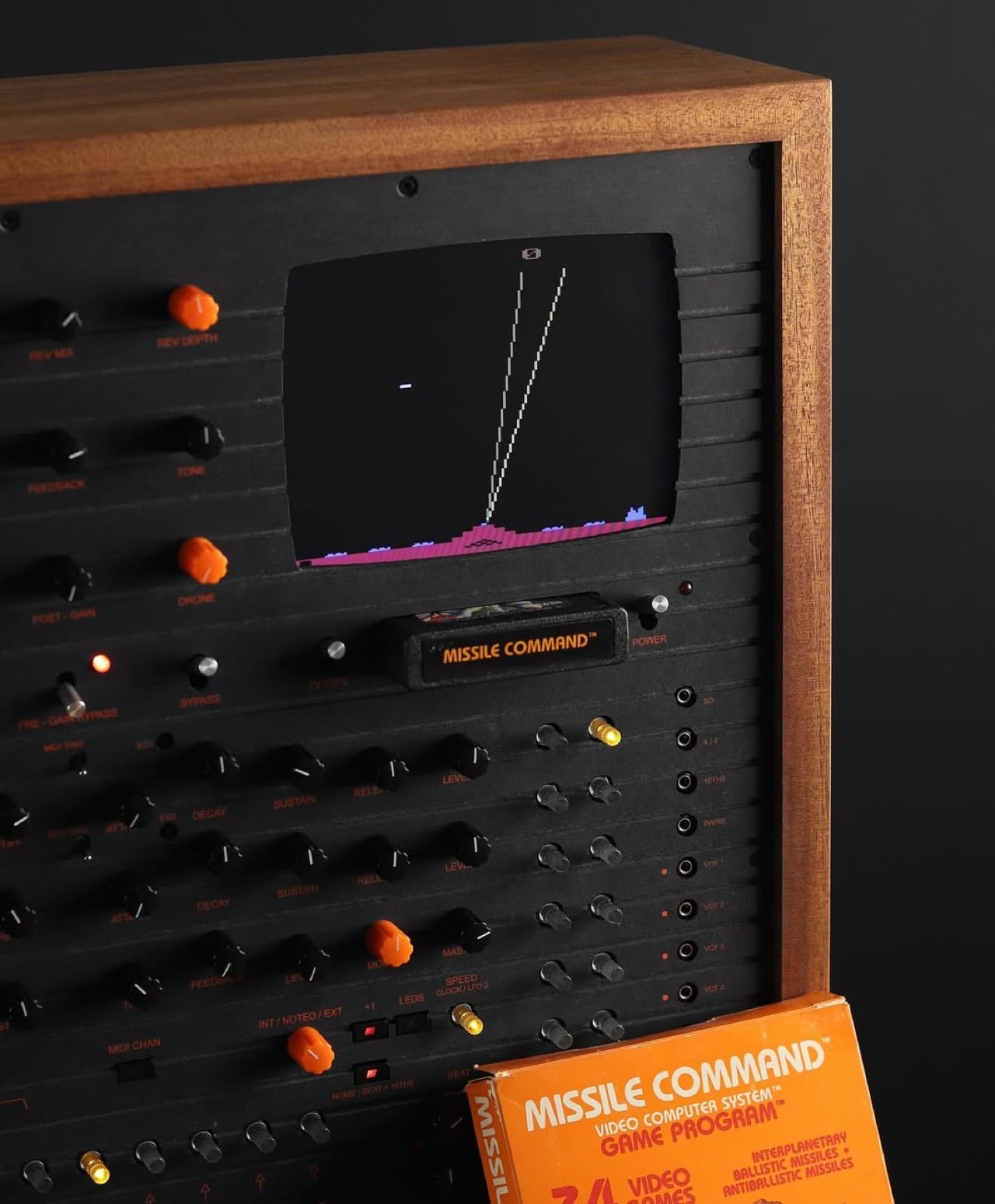
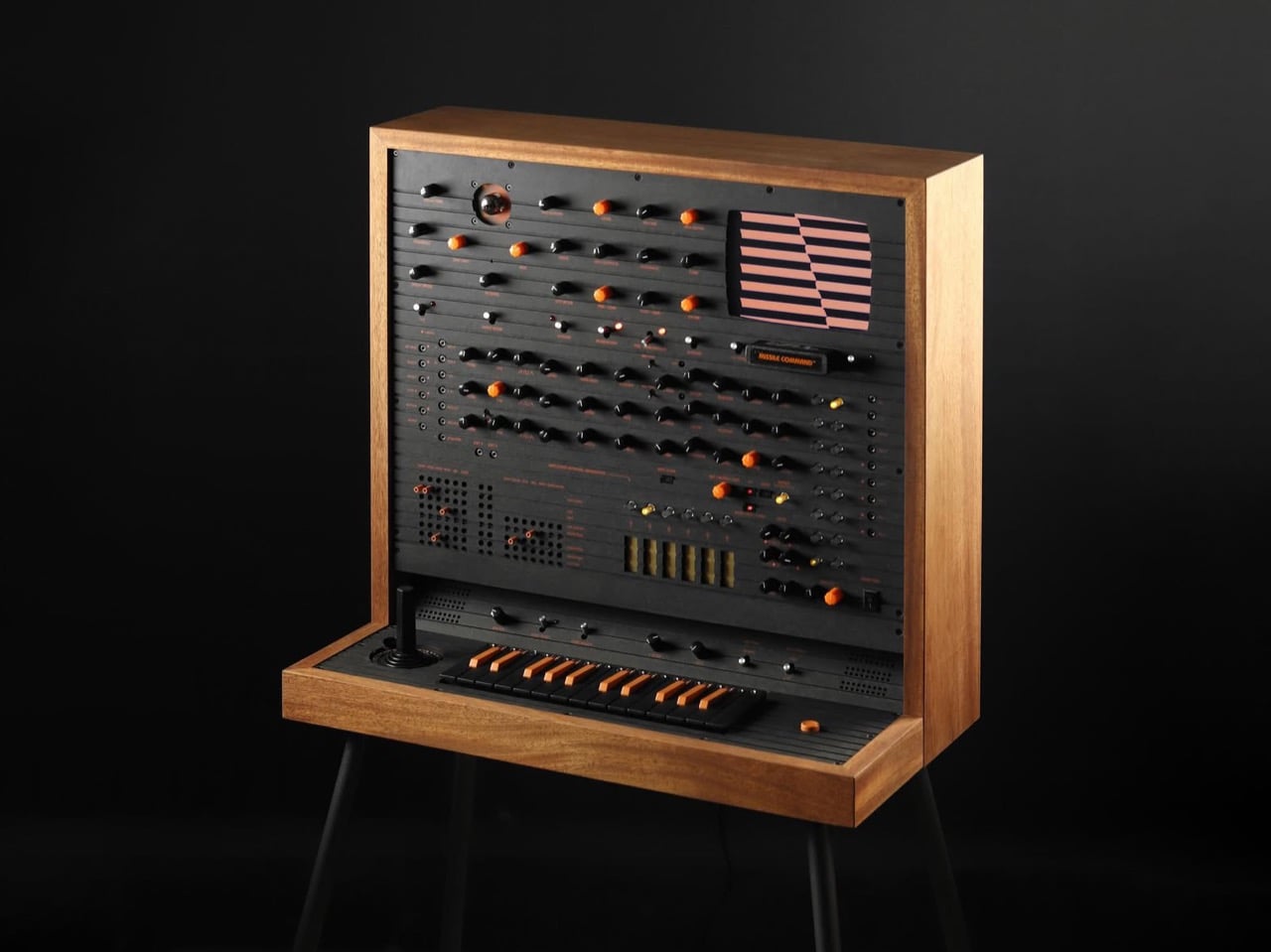
The sound station Love Hultén built for Trent Reznor has a joystick next to the keys, and the little monitor is playing Missile Command in the photographs. The game runs on a working Atari 2600+, not a decorative replica. Hultén moved the cartridge slot onto the front panel, where it sits among the switches and knobs of an analog synth setup. The cabinet’s black ribs and orange lettering echo the Atari, but the woodgrain here comes from actual hardwood.
The instrument earns its place. Its Analogue Solutions Ample synth uses a grid of pins to route signals, so you can see how a sound is patched without looking through a tangle of cables. A Zen Delay and an RM-1N reverb sit alongside it. Hultén, and the part worth revisiting is the cabinet itself: it gives two very different ways to play a shared visual language without pretending they’re the same machine.
What we like
- The Atari details do real work. The cartridge slot, monitor, and joystick are part of a playable console.
- Bringing the synth’s pin matrix onto the front panel makes the process of shaping a sound visible.
What we dislike
- It’s a private commission, not a production model you can order.
- The freestanding cabinet needs a spot of its own. This isn’t a desktop accessory you can tuck beside a laptop.
2. RetroWave 7-in-1 Radio

The RetroWave 7-in-1 Radio brings back a small pleasure that a streaming app can’t quite reproduce: turning a dial until you find something worth listening to. At just over five inches wide, it can sit on a kitchen shelf or a workbench without taking up much room. It tunes AM, FM, and shortwave, but you can also use it as a Bluetooth speaker or play music from a USB drive or microSD card.
Its other functions explain why you might leave it out instead of packing it away with emergency supplies. There’s a clock for everyday use, an LED flashlight, an SOS siren, and a 2,000 mAh battery that can top up a phone. USB is the primary way to recharge the radio. The hand crank and small solar panel are backups. Think of it as a shelf radio you can still reach for during an outage, not a replacement for a dedicated power bank.
Click Here to Buy Now: $89 Discover Black Friday pricing on select designs. Free $20 calendar with every order, 24 hours to go.
What we like
- The physical tuning dial gives you a reason to leave your phone alone and see what’s on the air.
- Broadcast radio, local music files, and Bluetooth give it three distinct ways to earn its spot on the shelf.
What we dislike
- It offers about five hours of Bluetooth playback at 75 percent volume, well short of its quoted radio runtime.
- Solar charging and the hand crank are backup options, not substitutes for regular USB charging.
3. Kodak SlideTag
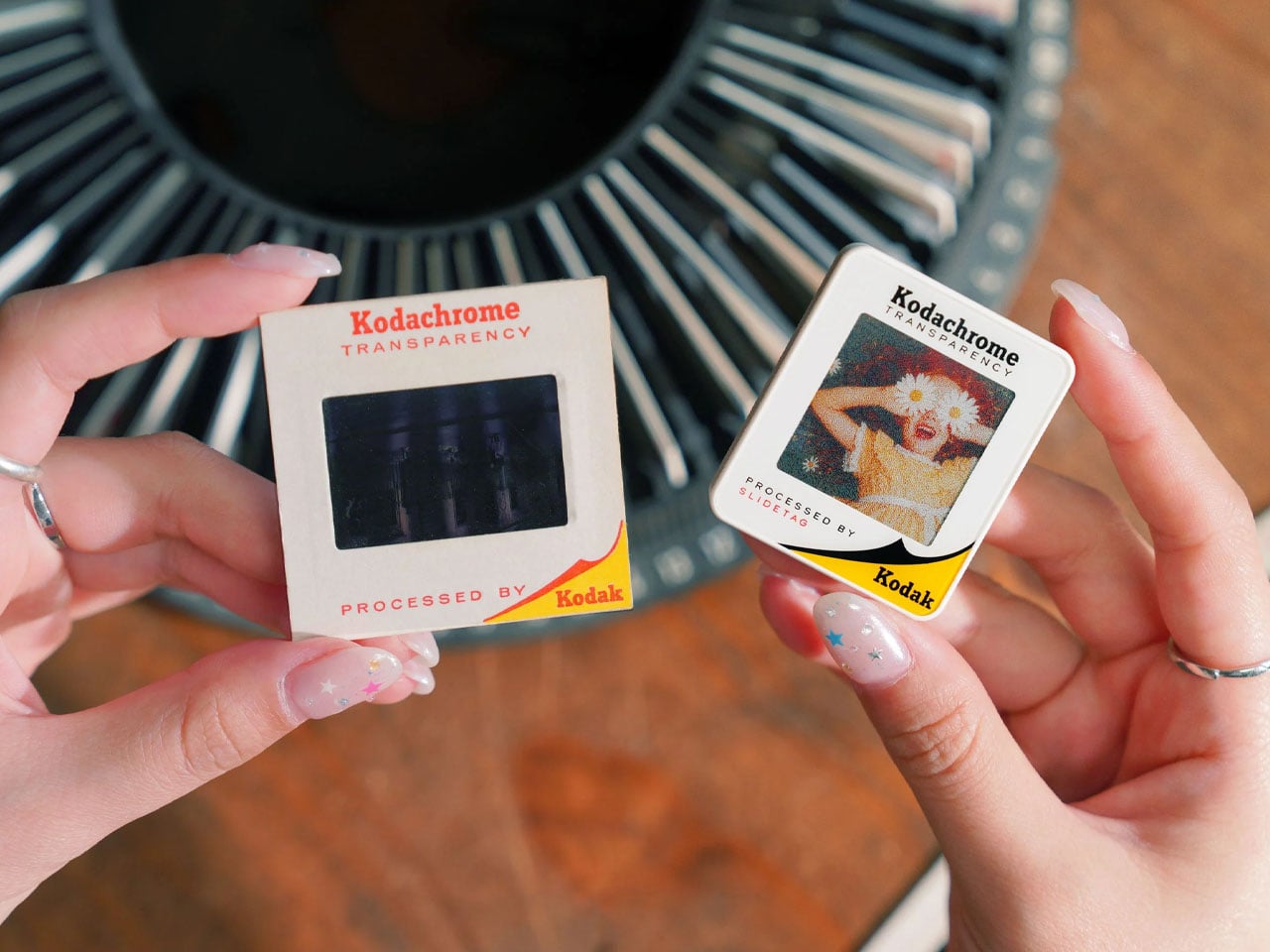
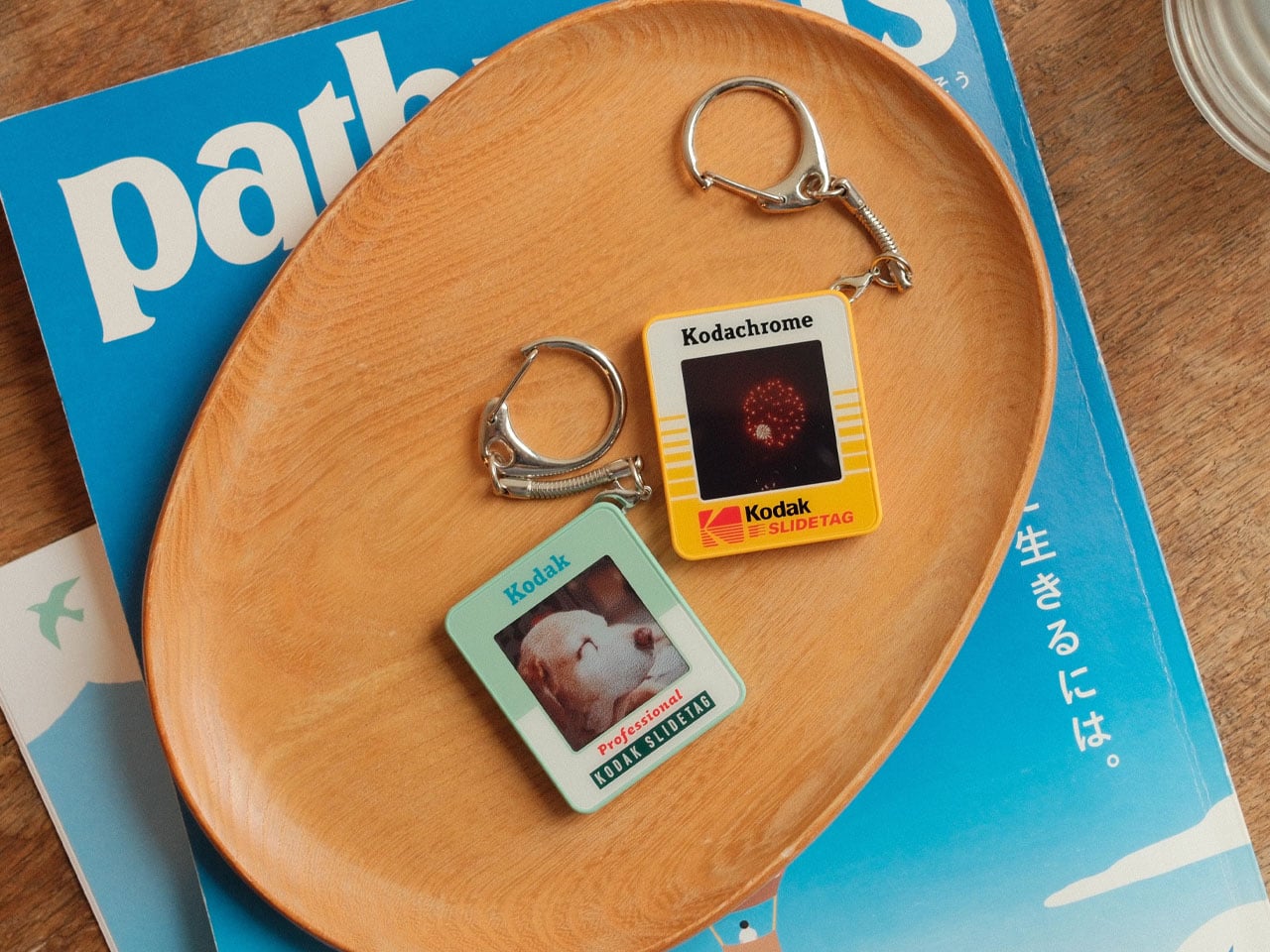
The Kodak SlideTag takes the cardboard frame of a photographic slide and shrinks it into a keychain. Where the film would normally sit, there’s a 1.54-inch color E Ink screen. It makes more sense by the front door than on a wall: hang it with your keys, and a favorite photo has a place in the house without requiring a frame, a shelf, or another glowing screen.
Reto Production pairs the display with Bluetooth tracking, so the tag has a job even when you don’t change the picture. The Kodak Memory Link app lets you transfer up to 12 photos and either browse them yourself or set up a slideshow. The display reproduces images using six colors, which makes a bold holiday snapshot a better candidate than a crowded group photo.
What we like
- The slide mount gives the little display a recognizable shape that suits what it shows.
- It combines a photo you actually chose with a practical reason to keep the object on your keys.
What we dislike
- You don’t get to choose the design when buying a single blind box.
- The small, six-color screen favors simple compositions over photos with subtle details.
4. Rolling World Clock

On a desk crowded with screens, the Rolling World Clock gets by with one hand and twelve sides. Roll the clock onto a different face to read the time for another labeled location. The shape is the control. Checking whether someone in Tokyo is likely to be awake takes a turn of the wrist rather than opening an app or adding another row of numbers to a widget.
It’s the kind of desk object that becomes more personal once you decide which city you want facing you most of the time. That might be where your family lives or where a colleague starts work just as you’re winding down. The clock is a little over three inches across and comes in black or white, so its interest comes from the faceted shape rather than a loud finish. Think of it as a quick check for familiar places, not a complete time-zone reference.
Click Here to Buy Now: $60 Discover Black Friday pricing on select designs. Free $20 calendar with every order, 24 hours to go.
What we like
- Rolling the whole clock is more satisfying than pressing a button to cycle through a list of cities.
- At just over three inches across, it fits on a shallow shelf or the corner of a busy desk.
What we dislike
- You’re limited to the locations printed on the clock.
- It shows one location at a time, which is less useful when you need to compare several cities at once.
5. Studio Apure NOX Cordless Lamp
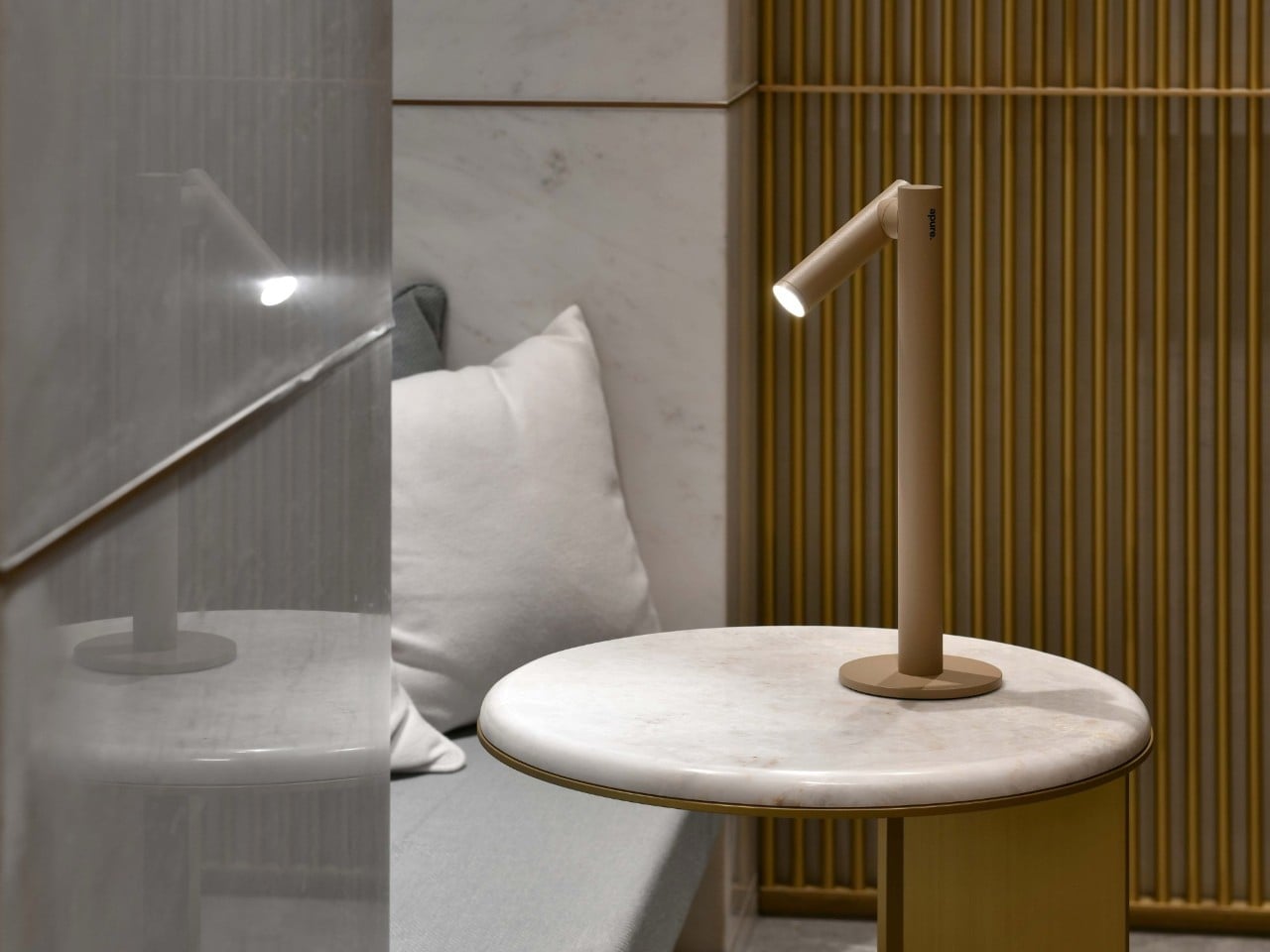
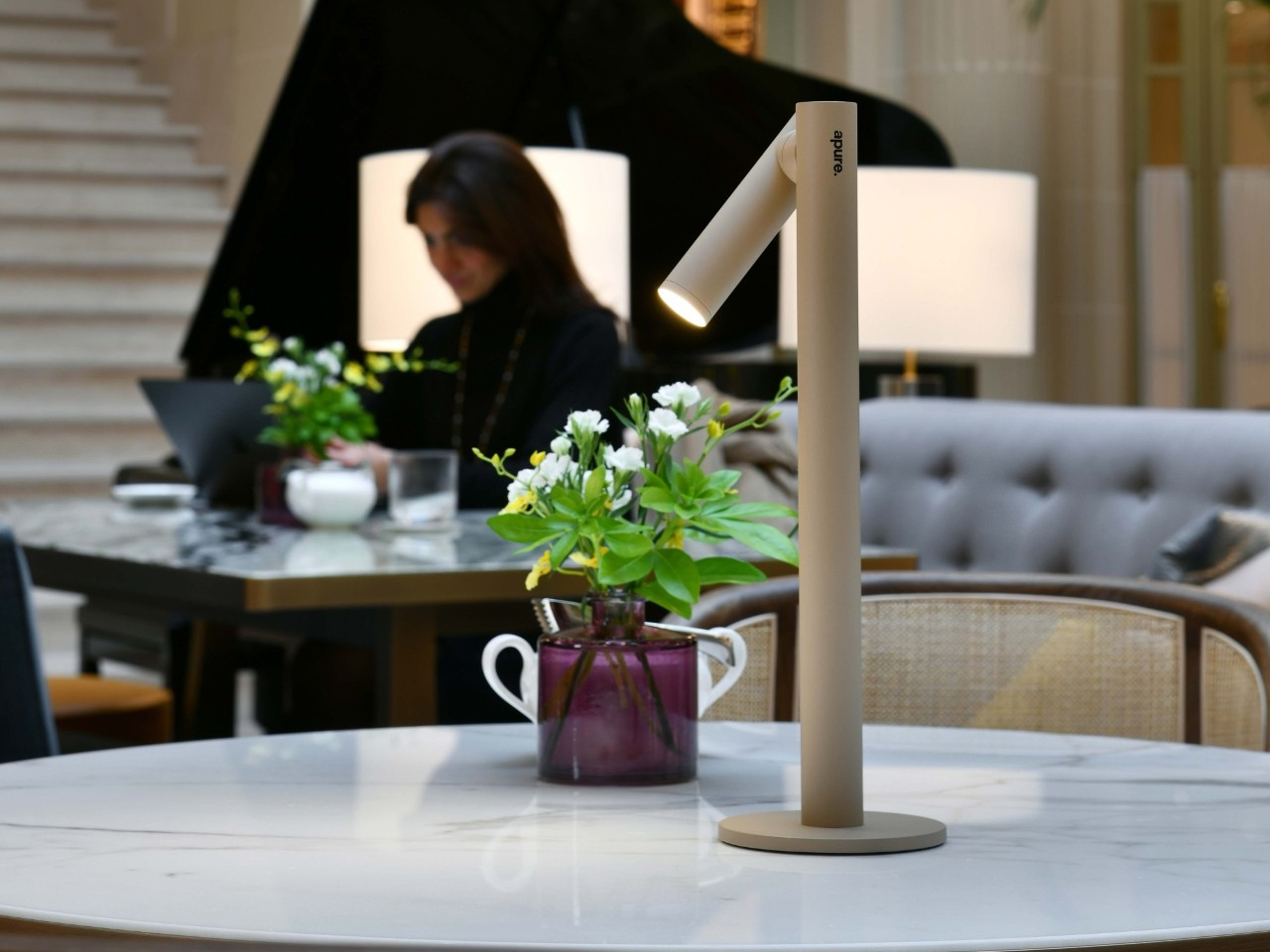
A cordless lamp is easy enough to carry, but a base and stem are unnecessary baggage when all you want is to see your way down a dark hallway. The Studio Apure NOX lets you lift the magnetic head off its stand and use it as a flashlight. The touch control stays on the head, so the same part you tap beside the bed is the part you take with you. Set it back on the stand, and it recharges there.
Even if the head rarely leaves the stand, its movement makes the NOX more useful than a fixed accent light. It rotates through 360 degrees, and an adjustable lens changes the beam from broad to narrow without changing the brightness setting. That’s handy on a shared nightstand: you can aim the light at a book rather than turning up the light across the room.
What we like
- The detachable head puts a flashlight where you’re already likely to reach for a light.
- Beam width, direction, and brightness can be adjusted separately.
What we dislike
- Studio Apure estimates up to one hour at full brightness for the detached head, versus 12 to 14 hours for the complete lamp.
- Fully recharging the lamp takes about seven hours.
6. Levitating Pen
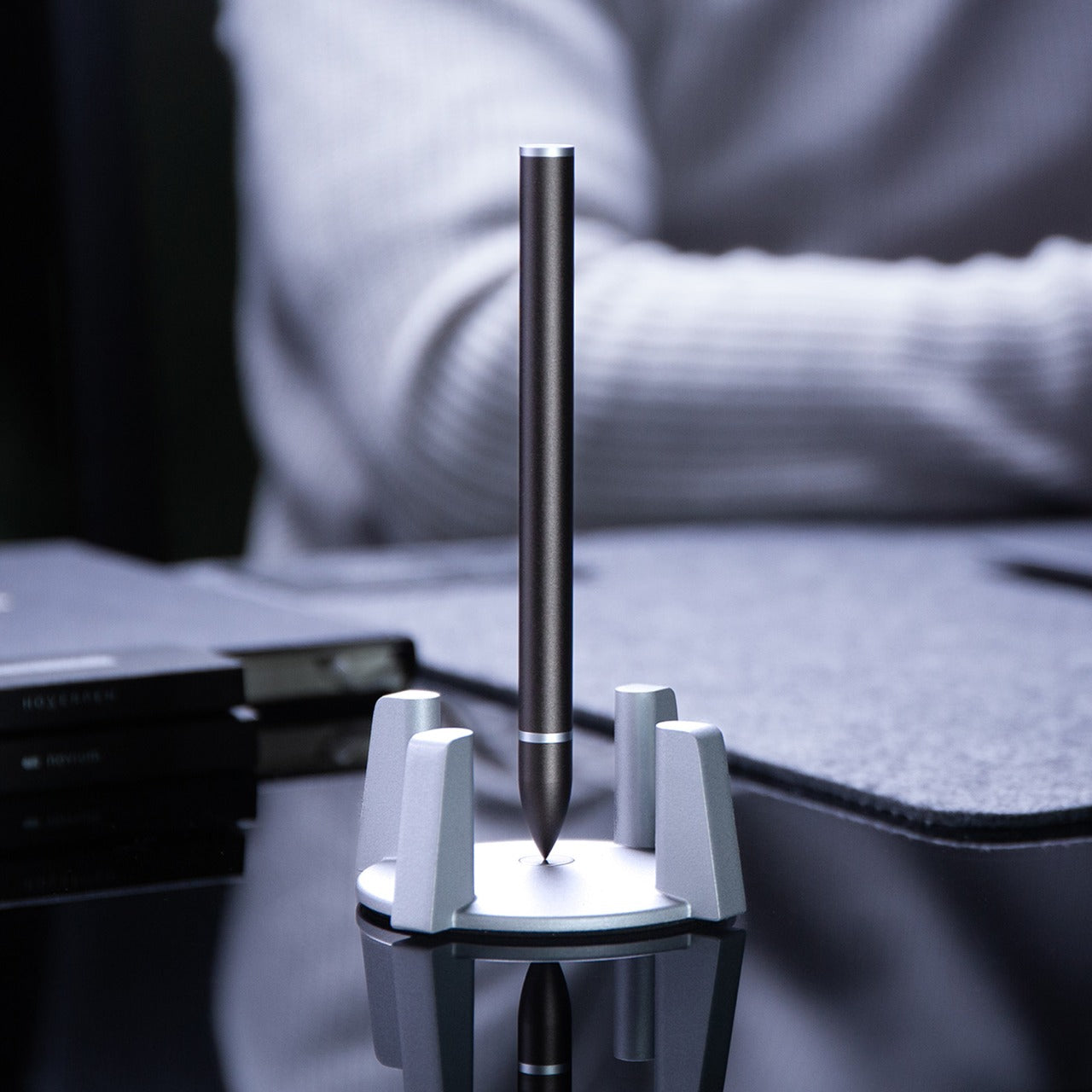

The Levitating Pen makes putting a pen back almost as satisfying as picking it up. Its magnetic pedestal keeps the pen balanced vertically without a battery or a plug. Give the barrel a gentle twist, and it spins. There’s no screen to show off the effect and nothing to charge. It’s just a pen standing where your eye expects it to fall over.
The obvious place for it is beside a notebook, somewhere you’re already in the habit of reaching for a pen. A magnetic cap and a replaceable ballpoint refill mean it has a practical role beyond giving your hands something to fiddle with during a call. It’s a quieter addition than a brightly colored keyboard, but the upright silhouette gives a desk full of flat objects a point of interest. It also gives the pen an obvious place to go when you’re done writing.
Click Here to Buy Now: $79 Discover Black Friday pricing on select designs. Free $20 calendar with every order, 24 hours to go.
What we like
- The magnetic balance adds movement without putting another cable or battery on the desk.
- A replaceable ballpoint refill keeps it useful after the original ink runs out.
What we dislike
- The pedestal needs its own spot, so it takes up more of a crowded desk than a pen that lives in a drawer.
- The display effect stays with the stand. If you mostly carry your pen in a bag, you’ll get less out of the design.
7. Pedestal Cable Villa
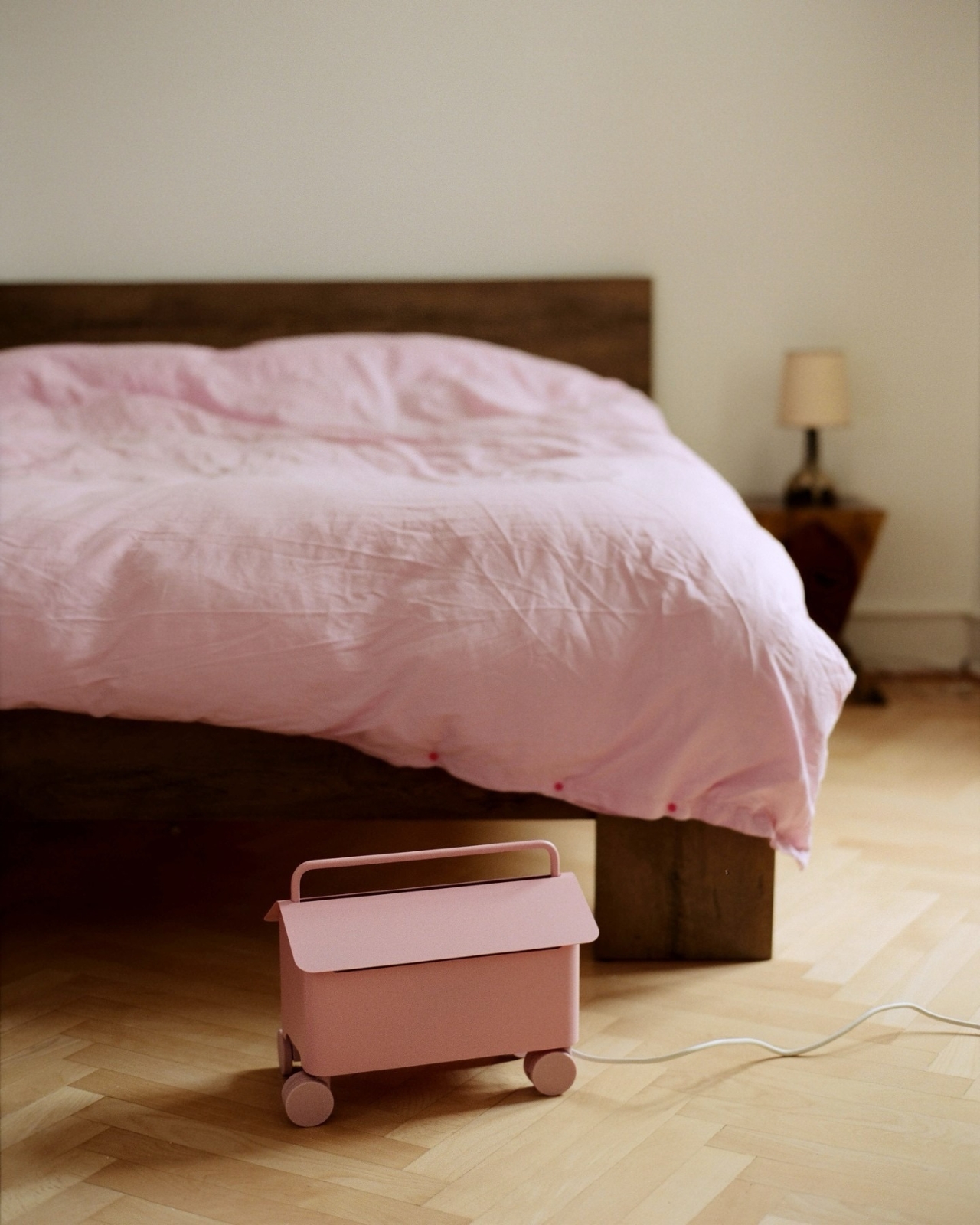
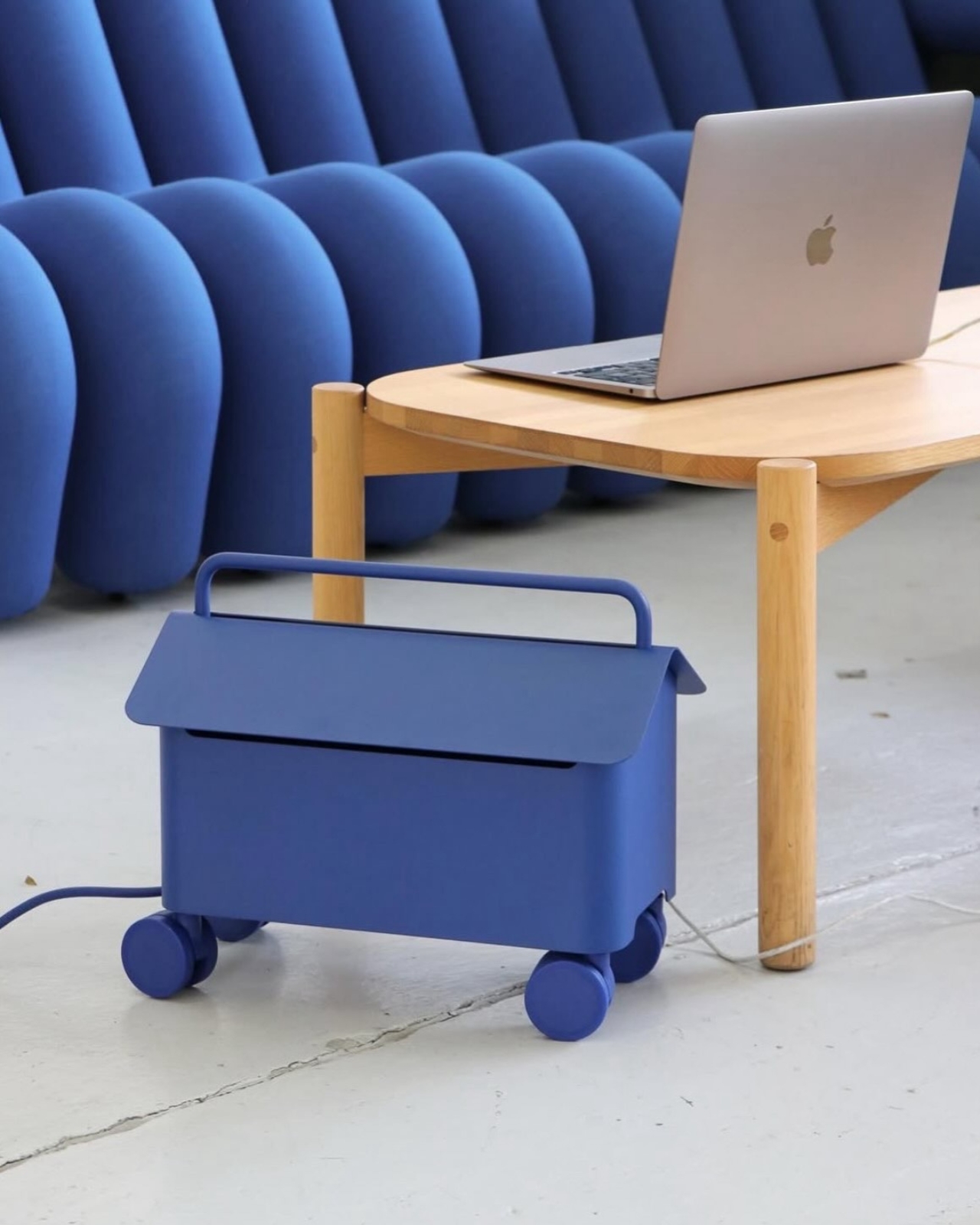
There’s usually a point where a tidy media console meets a decidedly untidy power strip. Pedestal’s Cable Villa, designed by Swiss studio BIG-GAME, gives adapters and spare cable lengths a powder-coated steel enclosure with a pitched lid, a handle, and wheels. In Bubble Gum pink, it looks like a miniature utility cart. It hides the jumble without asking you to hide the object doing the work.
At 14 inches wide, the Cable Villa makes particular sense beside an open desk or a TV stand with no cabinet underneath. When you need to unplug a monitor or swap a charger, you can pull the box closer instead of fishing behind furniture. How far it rolls still depends on the slack in the connected cords. Check the size of your power strip and its tallest adapters before assuming they’ll all fit under the lid.
What we like
- The matte pink steel makes cable storage look deliberate in rooms where there’s nowhere to conceal it.
- The wheels and handle give you a way to pull the whole bundle closer when you need to reach it.
What we dislike
- It takes up floor space and won’t fix a setup with cables too short to let it move.
- Pedestal’s matching Power Beam is sold separately.
8. Battery-Free Amplifying iSpeakers
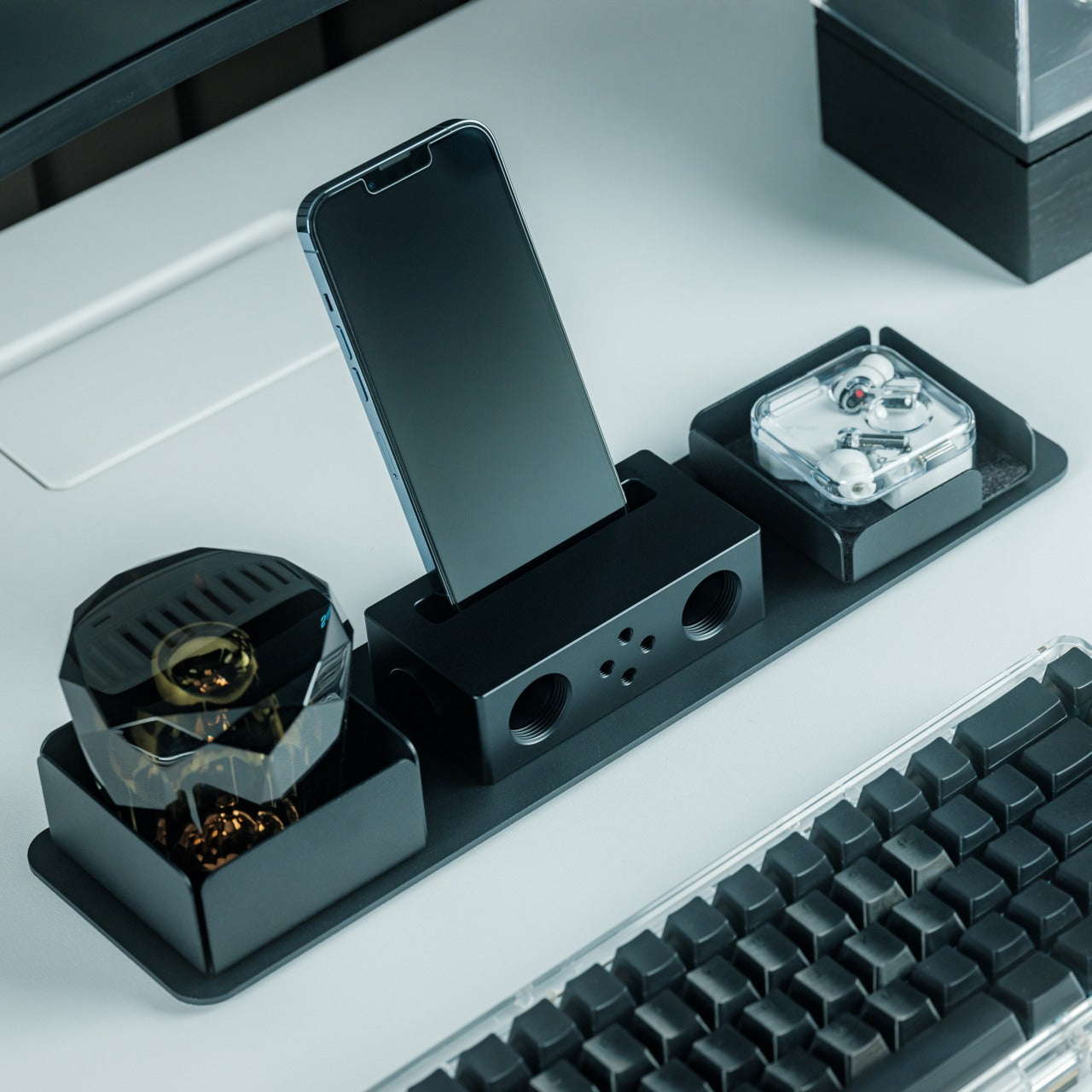
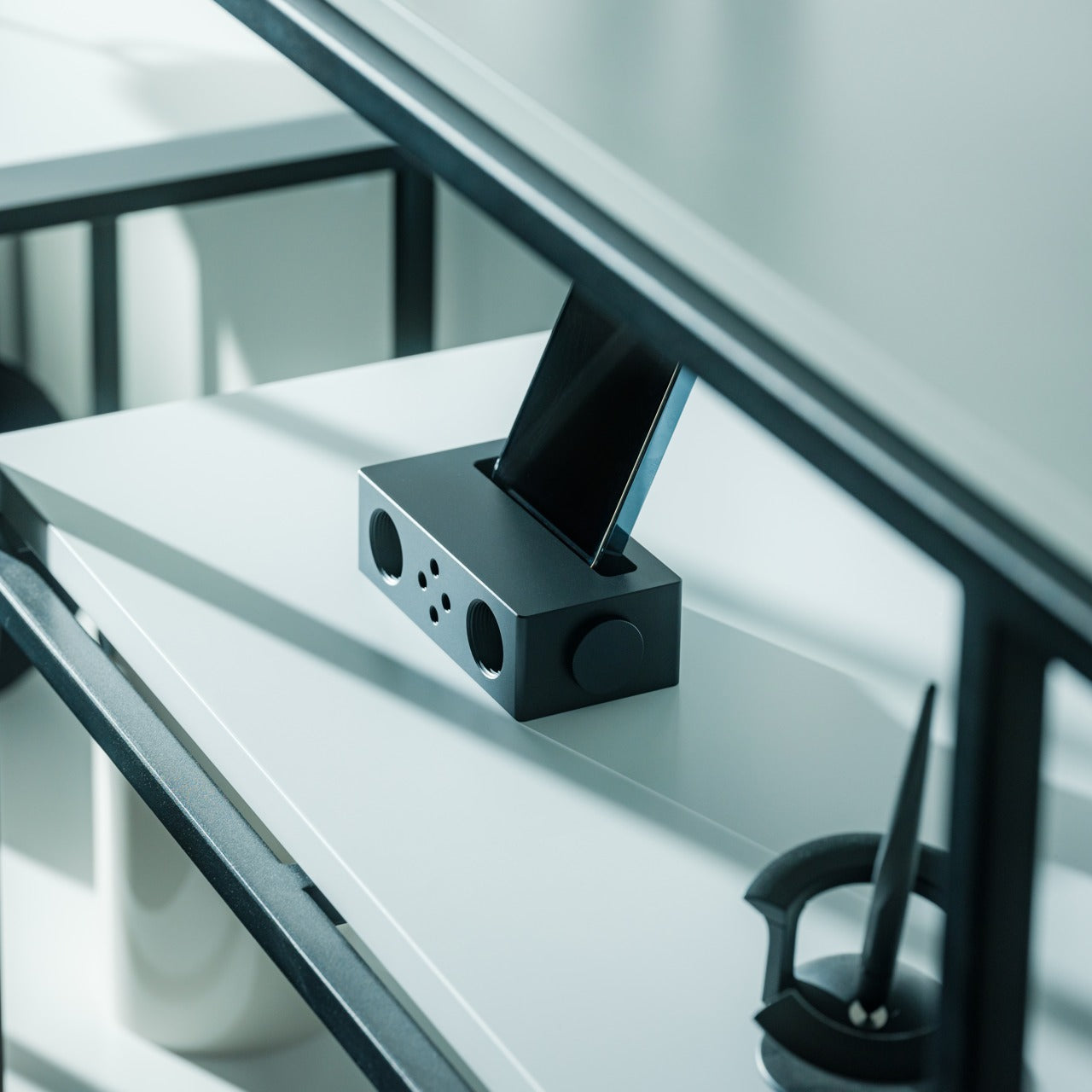
The Battery-Free Amplifying iSpeakers are a machined metal dock for the speaker already in your phone. Set the handset in the slot, and the shape of the dock channels the sound outward. There’s no pairing step, no power button, and no separate battery to charge. The Duralumin body is compact enough to sit beside a mug on a worktable, and it can stay there when your phone goes back into your pocket.
The appeal is less about filling a room with music than making occasional listening feel less improvised. A podcast or a familiar playlist gets a proper place to play instead of coming from a phone lying among your things. The silver and black versions have the understated look of small audio components, while optional attachments let you change how the sound is directed. The metal dock does the acoustic work, but the phone still produces the sound.
Click Here to Buy Now: $179 Discover Black Friday pricing on select designs. Free $20 calendar with every order, 24 hours to go.
What we like
- The dock makes a short listening session as simple as putting your phone down.
- Its compact metal body doesn’t need an outlet, leaving more flexibility about where it can sit.
What we dislike
- The phone has to stay in the dock and play through its own speaker. It’s not a substitute for a wireless speaker.
- Slot fit matters. Check the dimensions before buying, especially if you use a thick protective case.
9. Le Labo SANTAL 26 Concrete Home Diffuser
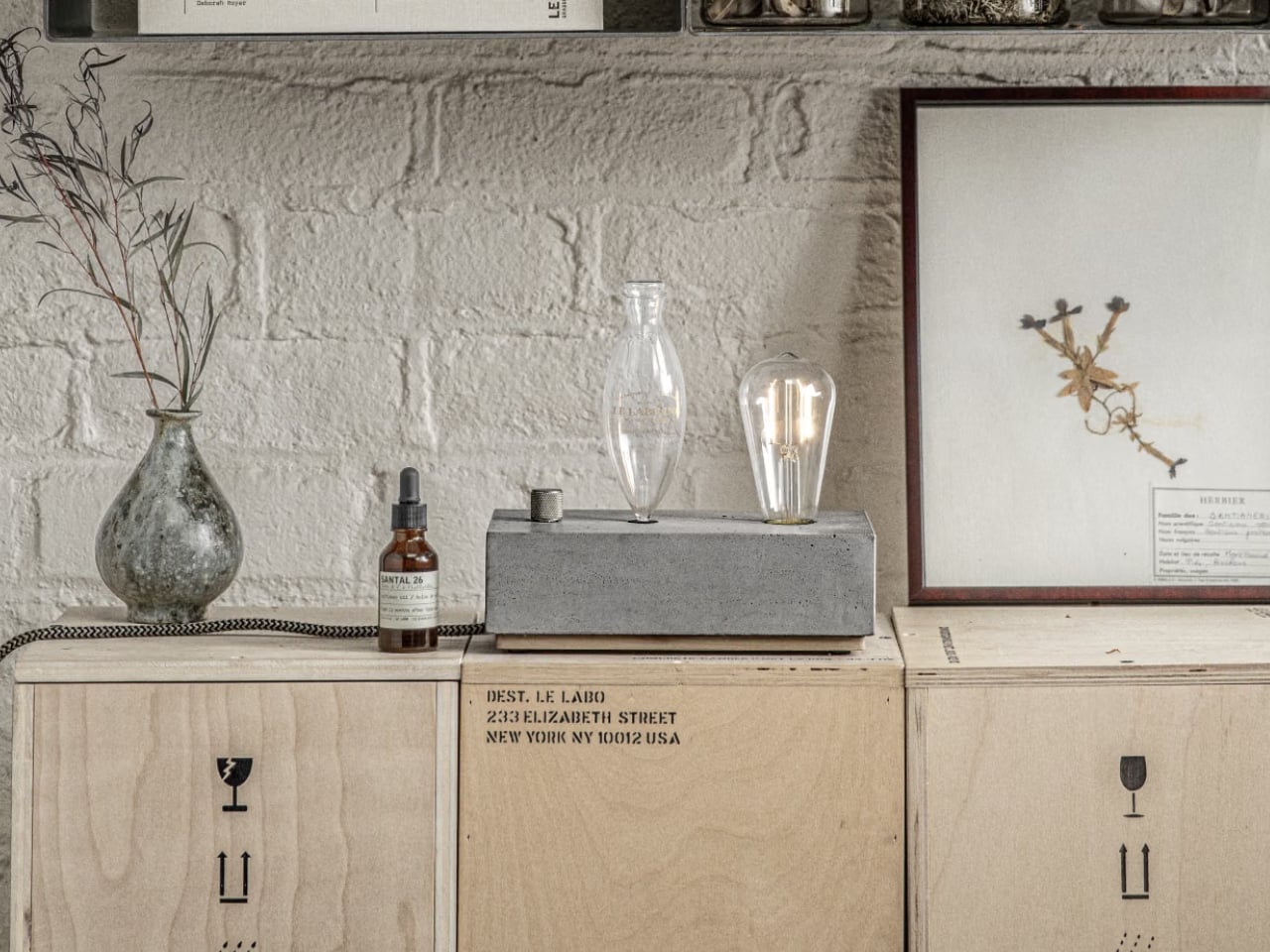
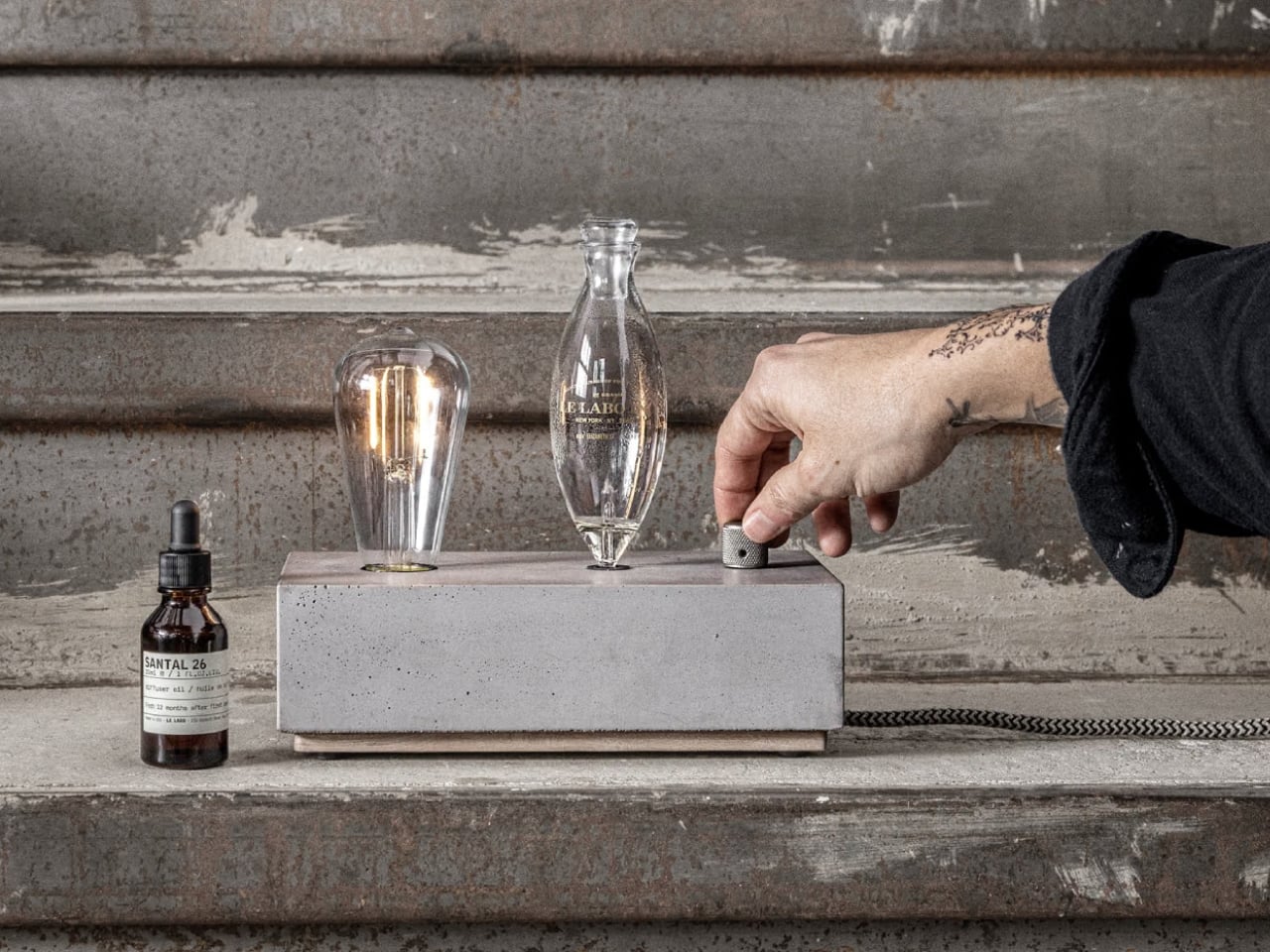
Most diffusers are designed to disappear into a room. The Le Labo SANTAL 26 Concrete Home Diffuser gives you a reason to leave it in view. The base is cast, polished, and sealed by hand in the US, and Le Labo leaves the natural color variation and small air pockets visible. Put it on a sideboard, and you get the contrast of a rough-looking industrial material against a warm, exposed Edison bulb.
The light doubles as an indicator. As you increase the scent setting, the bulb gets brighter. Turn the fragrance down, and it dims with it. Despite the glow, the bulb isn’t heating the oil: Le Labo uses a nebulizer to turn its SANTAL 26 diffuser oil into a fine mist without heat or dilution. That makes this special edition a choice for a room where scent is welcome, rather than a lamp to buy mainly for its lighting.
What we like
- The bulb gives you a visible cue that the scent intensity has changed.
- The variations in the concrete are part of the finish, giving each base a slightly different surface.
What we dislike
- The glow follows the scent setting. If you want brighter light without more fragrance, a separate lamp makes more sense.
- The North American model is made for 110 to 120 volt outlets. Check the regional version if you’re buying elsewhere.
10. XGIMI Elfin Flip 4K Projector
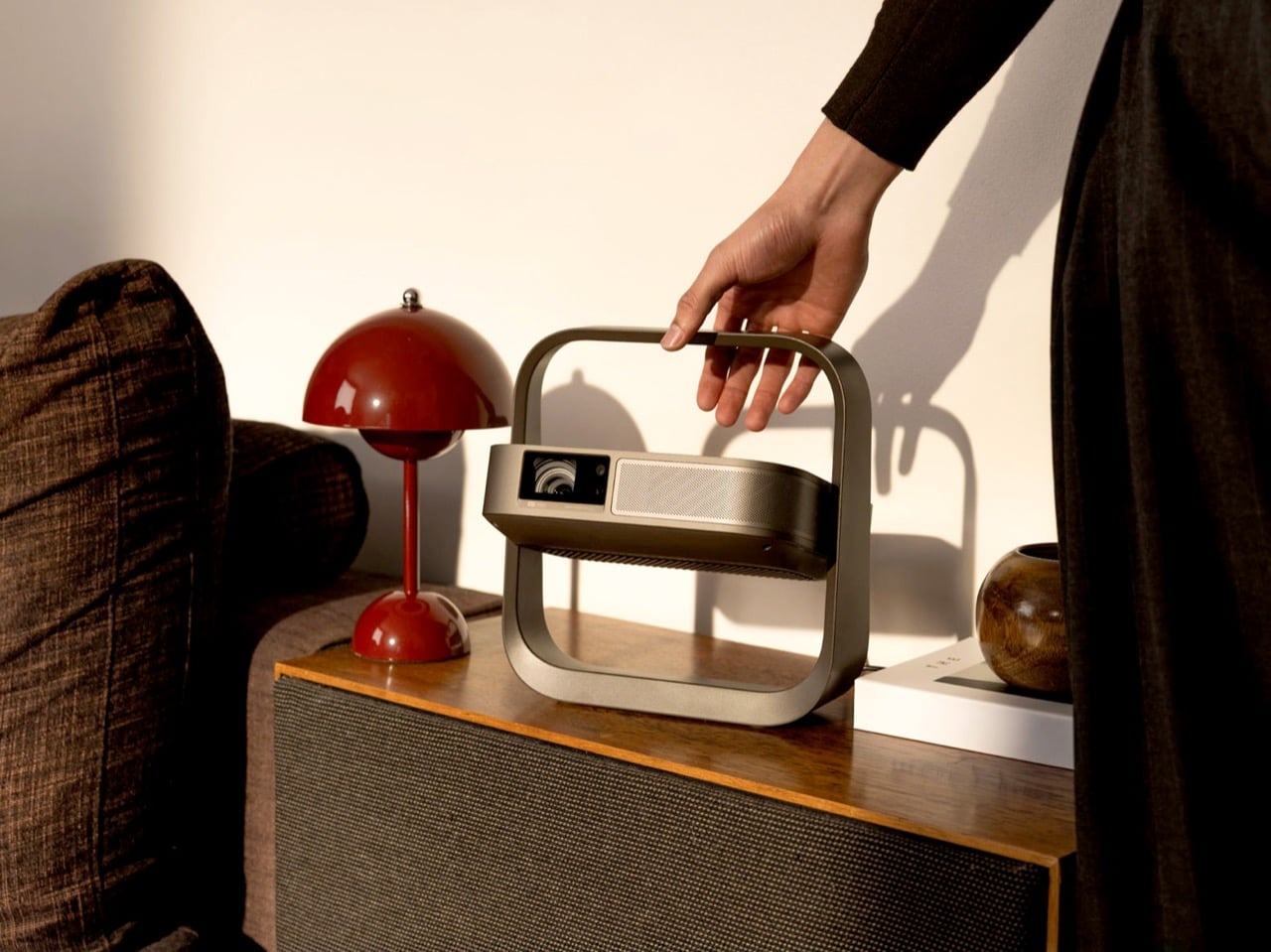
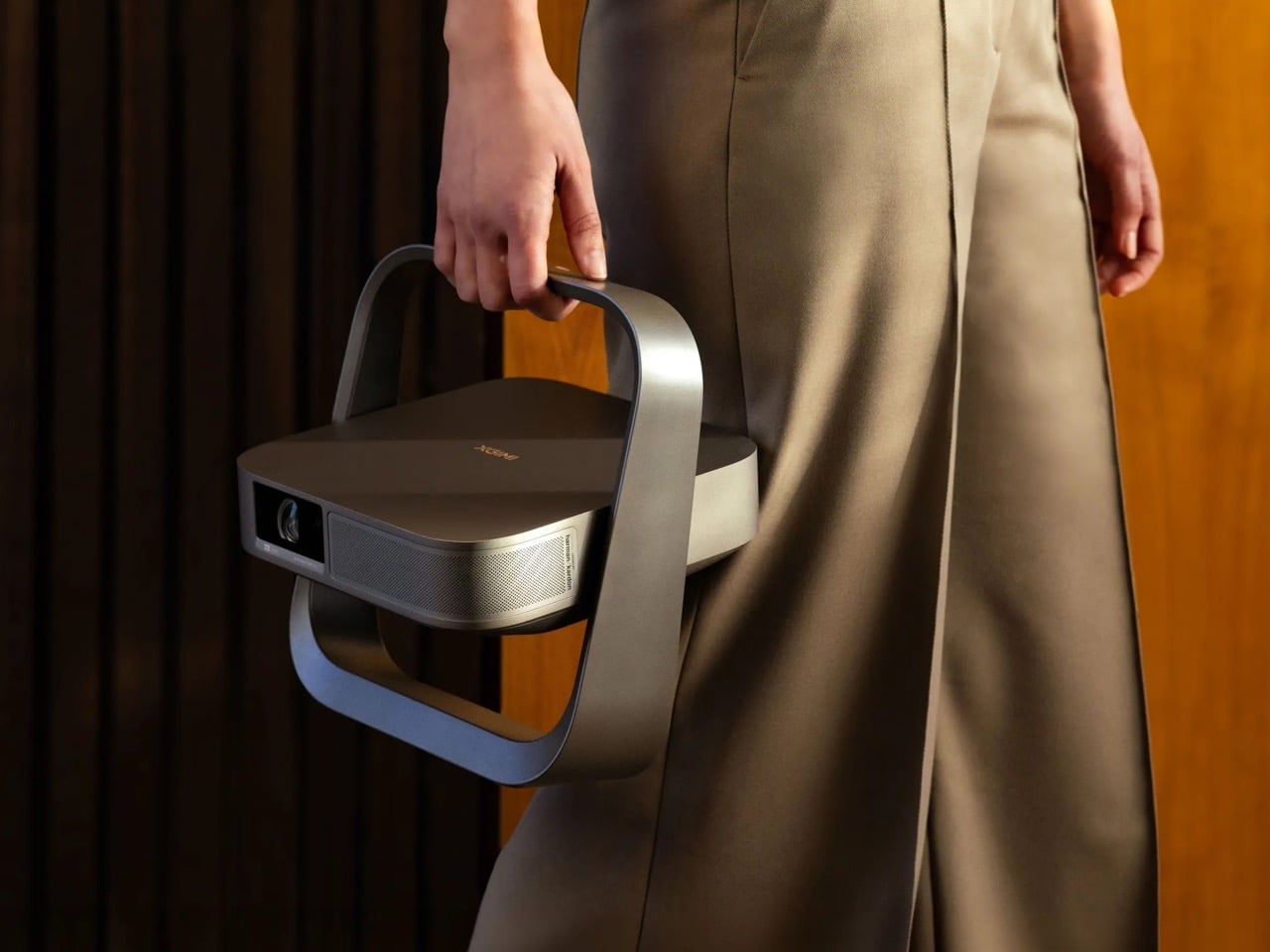
The XGIMI Elfin Flip 4K is for the room where you want a big picture on Friday night and an ordinary wall on Saturday morning. Its folding stand doubles as a carry handle and protects the lens when closed. Open it up, and the projector can tilt through as much as 150 degrees, giving you more flexibility when the only available place to put it is a low table or an off-center shelf.
XGIMI pairs the folding hardware with autofocus and automatic keystone correction, both useful if the projector won’t always go back in precisely the same spot. The company rates the RGB laser projector at 1,600 ISO lumens and includes Google TV. Those features help make it an alternative to another permanent screen, but the room still matters: you’ll need a suitable wall or screen, a nearby outlet, and some control over the light. The handle makes it portable; it doesn’t make it cordless.
What we like
- The stand, handle, and lens protection are part of the same folding design, so there’s less to carry between rooms.
- The adjustable angle makes it easier to work with the furniture you already have instead of dedicating a stand to the projector.
What we dislike
- It needs wall power, so the outlet can dictate where you end up setting it down.
- A bright room or a busy wall can undo much of the appeal. In those conditions, a TV may be the simpler choice.
Start With the Spot You Already Use
The easiest place to start is somewhere you already stop every day. If you drop your keys by the door, the SlideTag puts a favorite photo right there. If your nightstand is where you fumble for a light, the NOX saves you from carrying the whole lamp. And if the mess under the desk bothers you more than anything on top of it, the Cable Villa solves the right problem.
Reznor’s sound station is the least attainable object here, but it makes the point most clearly. Hultén didn’t turn the Atari into a decorative panel or hide what the instrument does. He gave the cartridge, joystick, and synth controls their own place in the cabinet. The smaller picks work the same way when they’re at their best: the part that gives the object character is also the part you use.