The first tool most of us reach for when changing a key ring is a thumbnail. That’s a strange thing to accept from an object we carry for years. November’s everyday carry picks start with small frustrations like that: a tool you have to pry open before you can use it, a ratchet packed too tightly to retrieve, or a set of keys you can hear in the dark but can’t see.
We picked these five for how they handle those moments, rather than how many functions they can cram into a pocket. One turns a lighter case into a miniature workshop. Another belongs in a picnic bag more than it does on a keychain. These are editorial selections, not a list of November launches or the results of product testing.
1. GEO Rotating Multitool
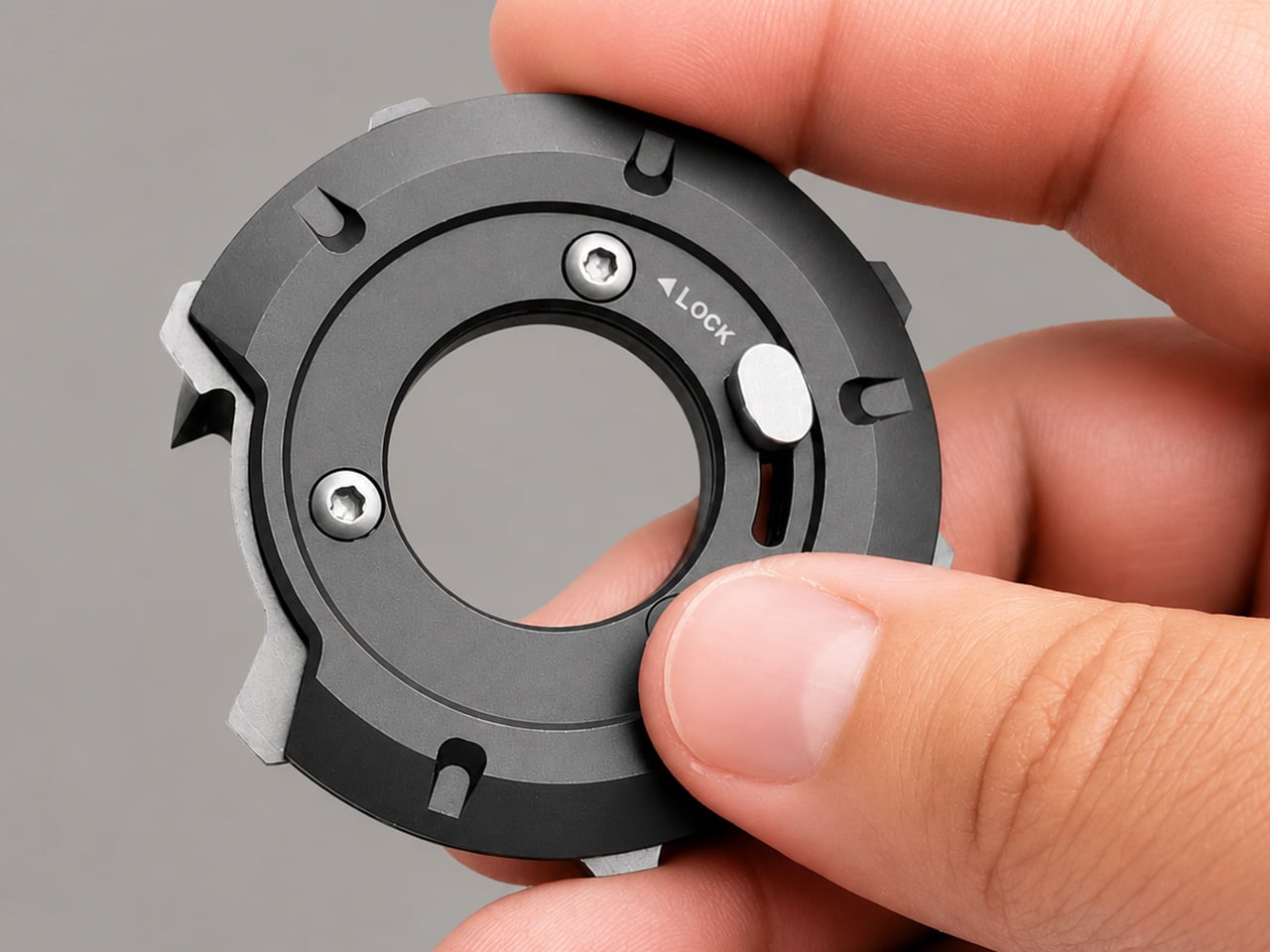

Francisco Molina of Invento Design took the familiar stack of folding tools and turned it into a dial. GEO measures 53.5 mm across, and its outer levers rotate five implements past one opening. A sliding lock holds the chosen tool in place, while a separate neutral position leaves no working edge exposed. It’s designed so you can select a tool with one hand, a sensible change when your other hand is already keeping a package from sliding off the counter.
The five functions cover opening boxes and bottles, scraping, turning flathead screws, and cutting string. Stainless steel forms the working parts, with aluminum or titanium options for the covers. The layout works better for quick household tasks than for jobs that require extra reach or a selection of driver bits.
What we like
- The rotating selector gives all five tools the same access point.
- The sliding lock and the neutral position serve separate purposes during use and carry.
What we dislike
- The fixed flathead driver limits the kinds of screws it can handle.
- The funded campaign doesn’t establish ordinary retail availability.
2. Painless Key Ring

MAENI’s Painless Key Ring puts a gap where a conventional split ring makes you fight for one. Its stainless spring steel follows a repeating wave, leaving a space where the edge of a key can slide between the layers. From there, you feed it around the ring as usual. There’s no gate or separate latch to operate. The change is all in the shape of the metal, and it leaves the familiar part of the operation alone.
The large ring weighs 3 grams, and the three smaller rings in the standard set weigh 1.5 grams apiece. The sizes make sense together: use the large ring as the hub and the smaller ones to separate house keys from the keys you only need at work. This is an upgrade for someone who actually changes what they carry. If the same two keys have been on your ring since you moved in, the old hardware probably isn’t asking to be replaced.
Click Here to Buy Now: $30.00 Black Friday: Free $20 calendar with every order
What we like
- The wave gives a key a place to start without wedging a nail between two flat coils.
- The set lets you group keys without buying separate organizers.
What we dislike
- Removal still means lifting the end and threading the key around the ring.
- There’s no built-in clip for a belt loop or bag strap.
3. DIY Zippo Toolkit
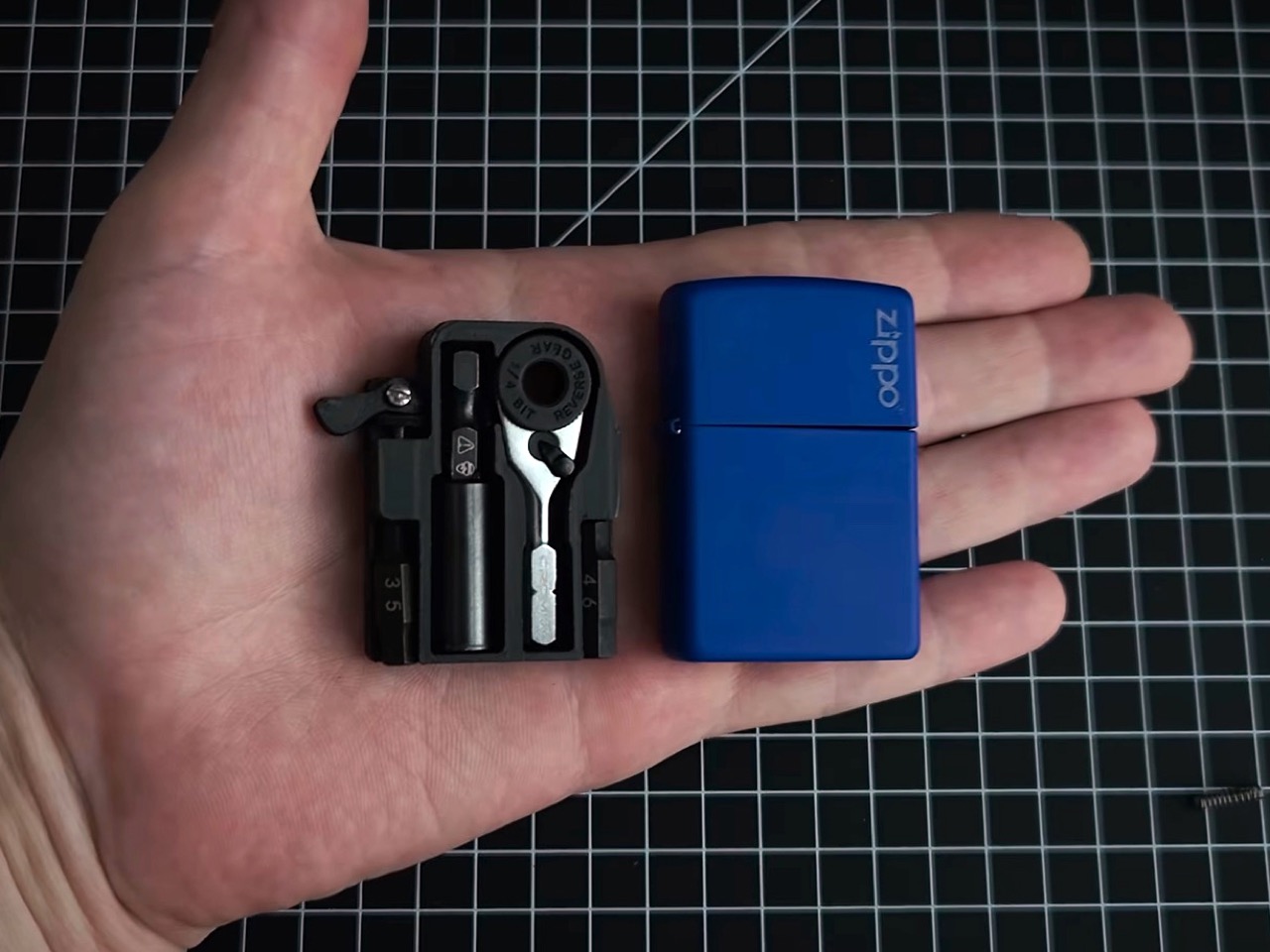
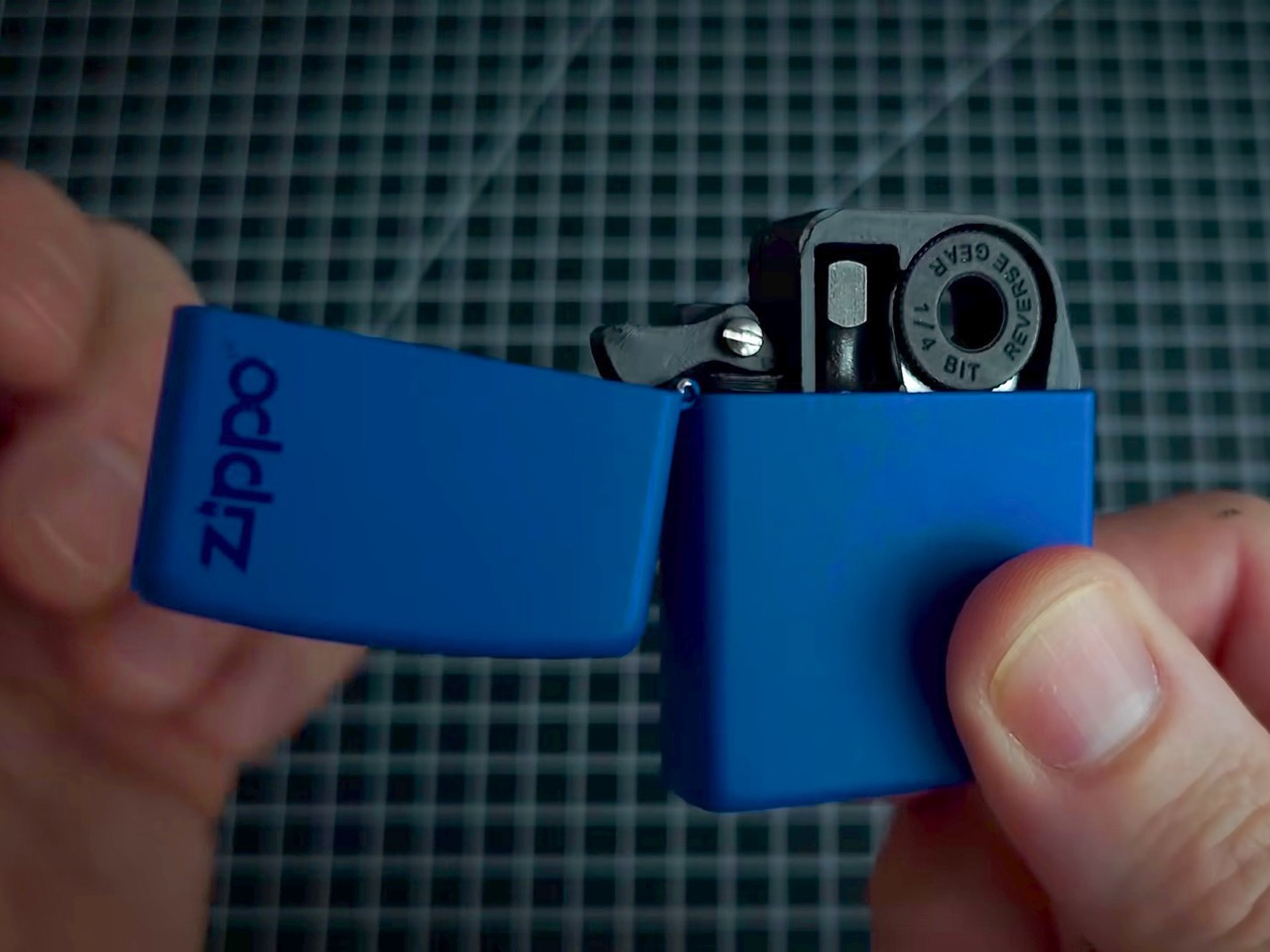
Tiny Tool Shop looked at a Zippo and saw a pocket case with the hinge already sorted out. This DIY build replaces the lighter insert with a custom 3D-printed tray for a Crom micro ratchet, two Steinwhale bits, and a Klein utility knife extension. Each piece has its own recess. The result is closer to a miniature socket case than a multitool: the ratchet and bits come out to do the work, and the shell is just there to keep them together.
The detail worth borrowing is the way the ratchet comes out. In a case this tightly packed, there’s little room to get a finger underneath it. A spring salvaged from a Bic lighter helps push the ratchet out through an opening in the back. That’s the difference between making the parts fit and making the kit usable. The two slots also invite a practical decision: pack the bits for the screws you actually encounter, rather than trying to carry a miniature version of the whole toolbox.
What we like
- The build makes use of the Zippo’s existing shell and hinged lid.
- The spring helps retrieve the ratchet without digging it out of its recess.
What we dislike
- It’s a maker project, so you’ll need to source the parts and make the insert.
- Two bit slots leave little room for unexpected fasteners.
4. DraftPro Top Can Opener
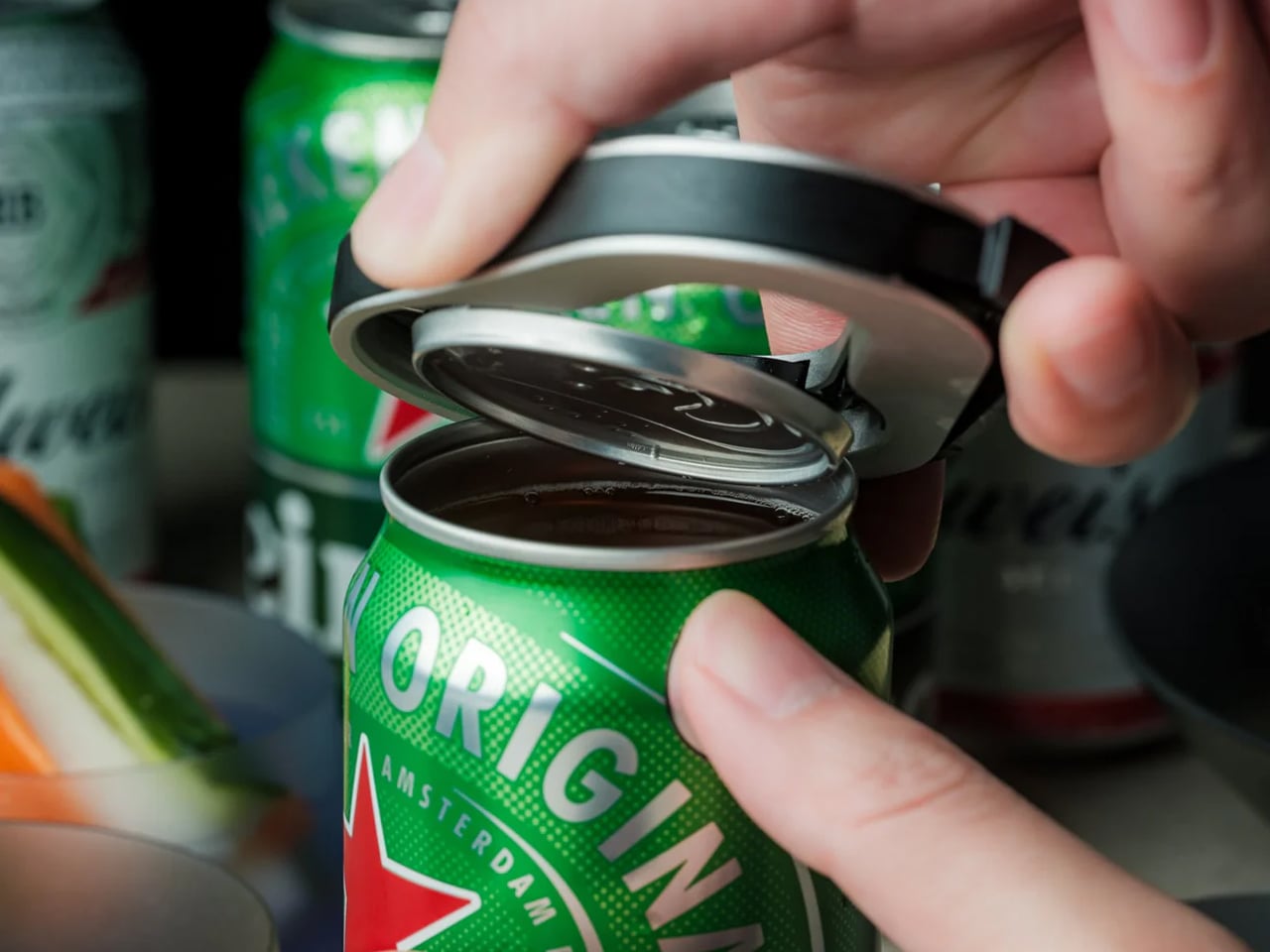
A pull tab makes a hole big enough to drink through. Shu Kanno’s DraftPro Top Can Opener takes off the entire lid, so the can itself becomes the cup. The tool catches the pull tab to hold onto the lid as it cuts around the top. That detail matters when you’re opening a drink away from the kitchen: you don’t have to fish a loose lid out of the can before you can get to what’s inside.
At 54 grams, the DraftPro makes more sense tucked into a cooler or picnic bag than carried on a routine commute. The clearest reason to bring it is the space it opens up. You can drop ice or a lime wedge straight into a sparkling water and drink from the same container. DAVI also offers a replacement blade, a useful detail on a tool whose entire job depends on the condition of a single cutting edge.
Click Here to Buy Now: $60.00 Black Friday: Free $20 calendar with every order
What we like
- Removing the full lid leaves room for ice or garnishes without packing a separate cup.
- A replaceable blade gives you a way to keep the opener in use as the edge wears.
What we dislike
- DAVI specifies beverage cans about 52 to 60 mm across and rules out deformed cans.
- At $60, it’s a specialty purchase for a job the pull tab already does in most situations.
5. NoxTi Tritium Keychain
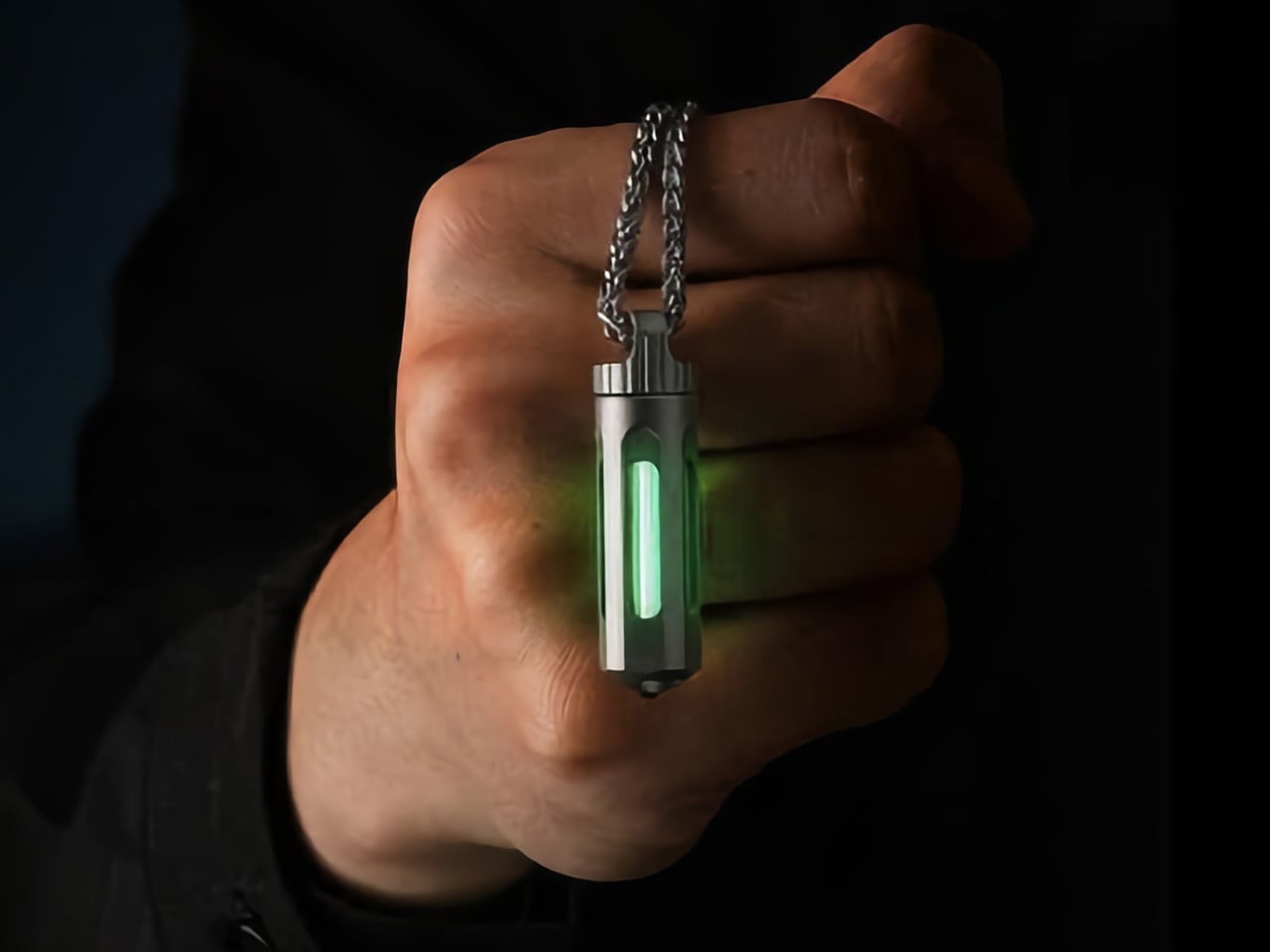

The original NoxTi from Xedge is a 45 mm Grade 5 titanium keychain. Its tritium version uses a sealed vial: particles released as the tritium decays make a phosphor glow, with no battery, switch, or prior exposure to light. The body has cutouts that expose the glow from more than one side. It’s useful to think of it as a marker for your keys or a bag zipper, rather than a light for whatever’s around them.
The design is more interesting for how it holds the light source than for the number of years on the campaign pitch. Two silicone rings seat the core inside the shell, and the vial can be replaced without discarding the titanium body. The tritium has a half-life of about 12.3 years, so the glow gradually fades. Xedge also made a version with a photoluminescent core, which looks similar but needs exposure to light before it will glow in the dark.
What we like
- The tritium version stays visible in the dark without needing to charge in daylight.
- The replaceable core gives the titanium housing a useful life beyond the original vial.
What we dislike
- The faint glow marks a location but won’t illuminate a lock or a path.
- The tritium glow gets dimmer over time, rather than holding its initial brightness for decades.
What Earns a Place in Your Pocket
A good way to choose among these is to notice what you borrowed or went back for last week. If you fetched a screwdriver twice, think about which screw head sent you looking. If you can never find the zipper on a dark bag, a marker may be more useful than another tool with a blade. The task is specific enough that the whole decision can come down to a single feature.
There’s also a difference between getting more out of something you already carry and finding room for something new. A better ring can take the place of the old one without asking you to rethink your pockets. The DraftPro earns its space on days when a cooler is coming along anyway. And the Zippo build offers the cheapest idea here to borrow: before you buy a new case, see what the one you already have could hold.