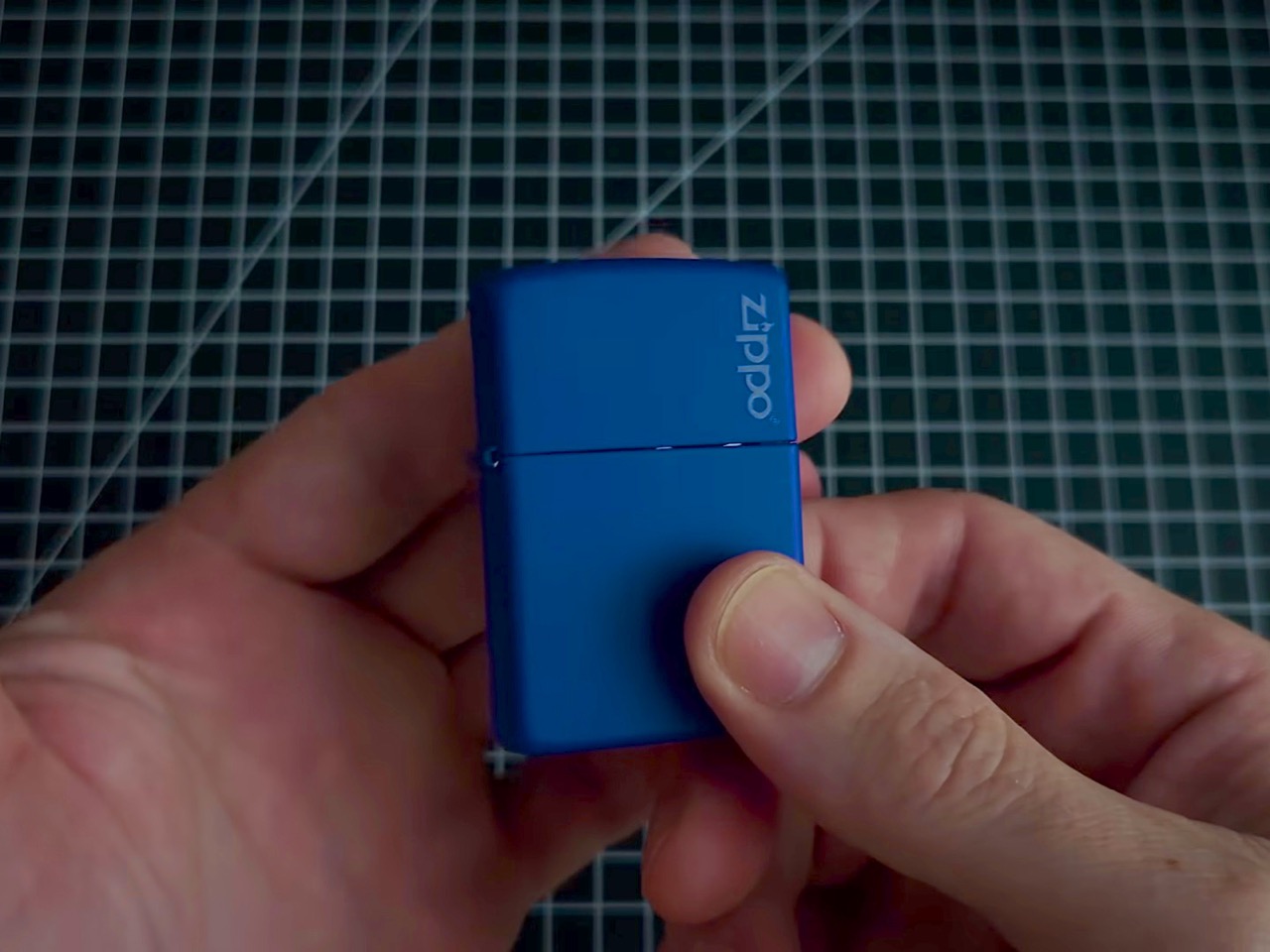
The Zippo lighter has been in pockets since 1932, surviving wars, road trips, and at least a few questionable life decisions. The iconic snap of that hinged lid is the kind of sound permanently lodged in pop culture. But here’s the thing about that stamped steel shell: pull the guts out and what you’re left with is a surprisingly well-engineered little box. It’s the right size, the right heft, and it already has a hinge that clicks with satisfying authority. Someone on the internet finally noticed, and decided to give it a better job.
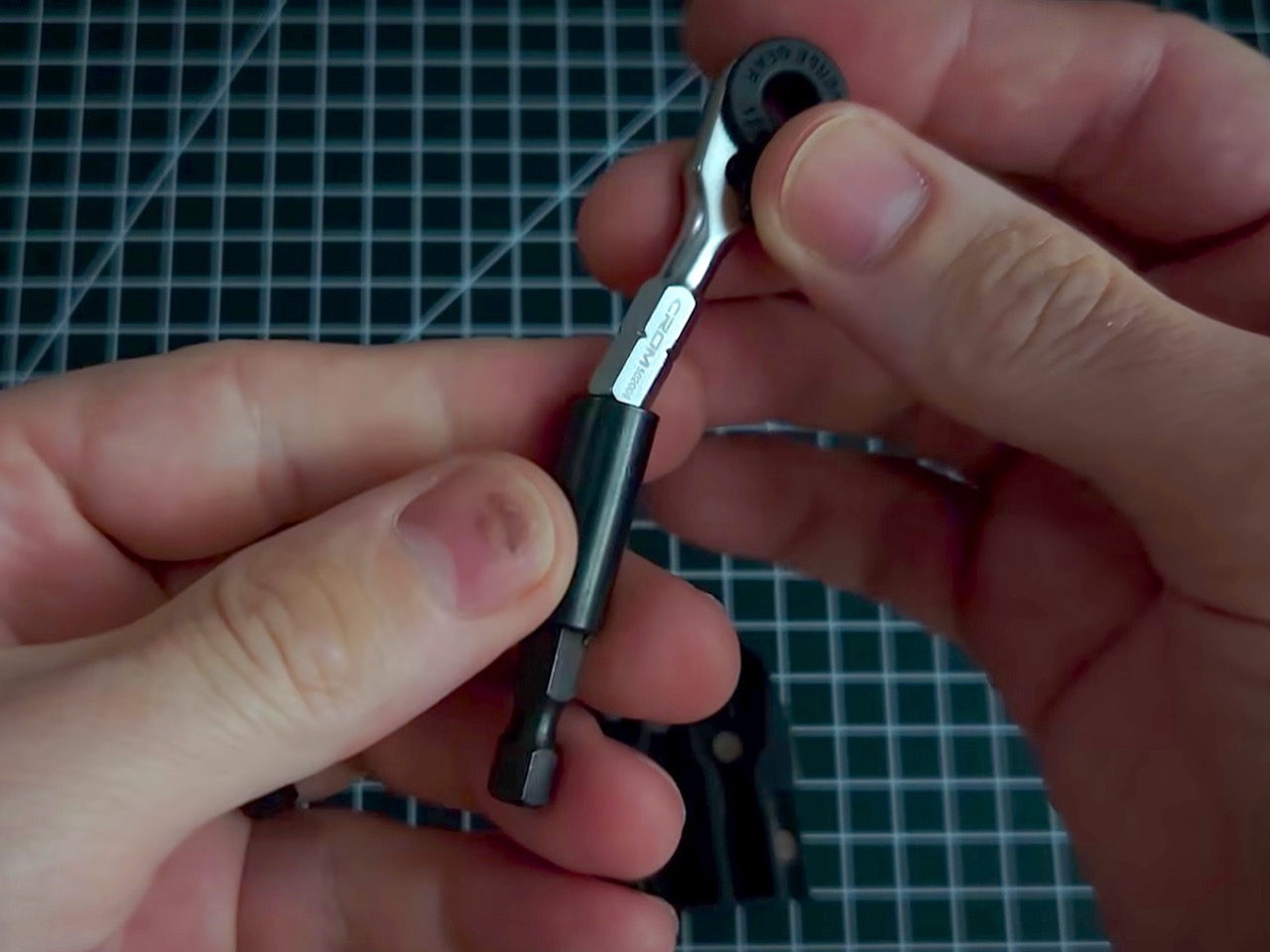
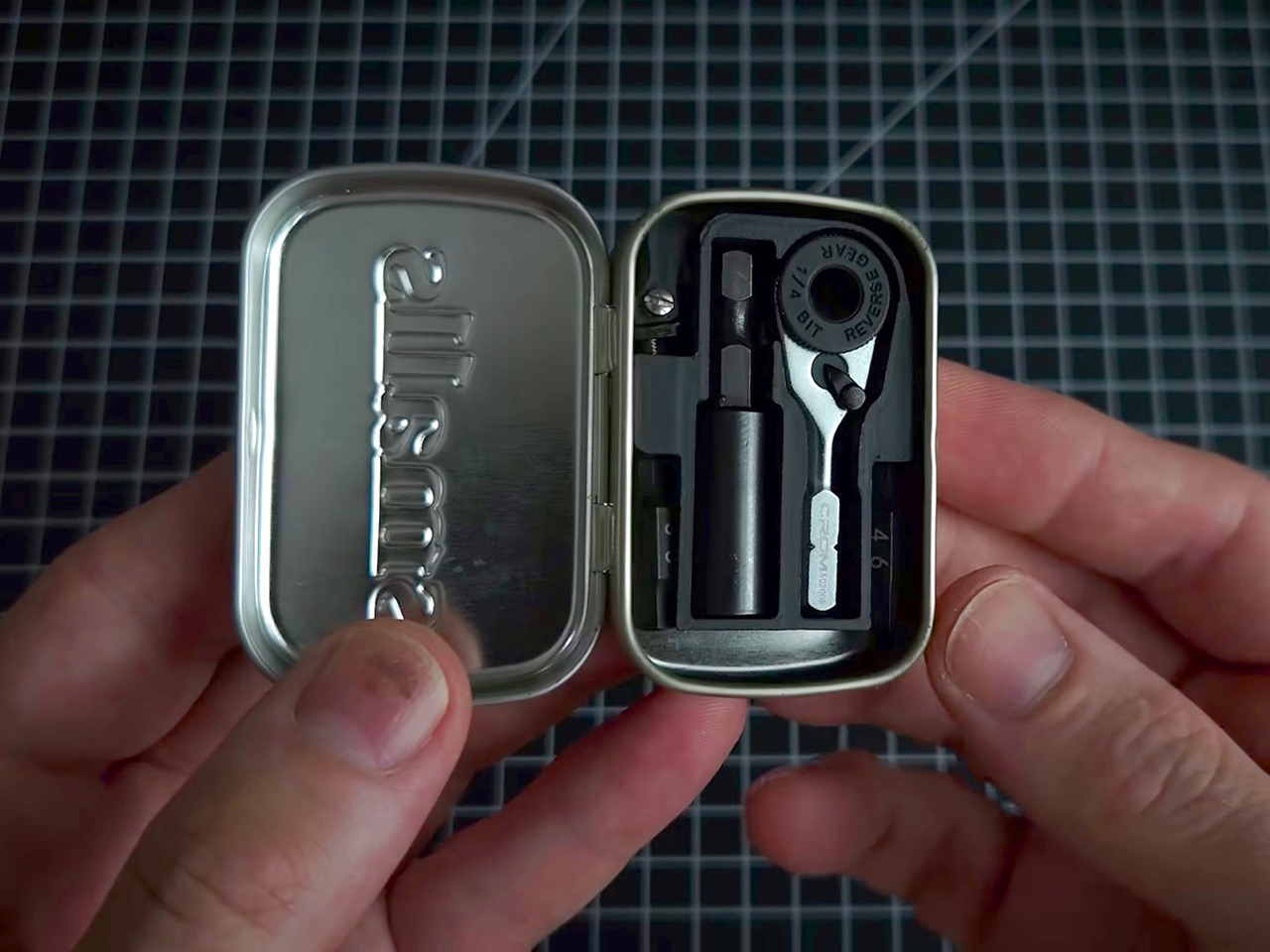
That job is housing a chrome micro ratchet, one of the smallest 1/4-inch bit drivers in the EDC world, nested inside a custom 3D-printed platform. Two Steinwhale precision bits and a Klein utility knife extension fill out the rest of the space, held in place with eyeglass screws. A spring salvaged from a disposable Bic lighter gives the ratchet its push-out action, popping it through a small hole in the back of the case. Embedded magnets make the whole kit stick to any metal surface, which is a genuinely thoughtful touch. It’s scrappy, it’s clever, and the photos of it sitting open in a palm are almost unfairly satisfying.
Designer: Tiny Tool Shop
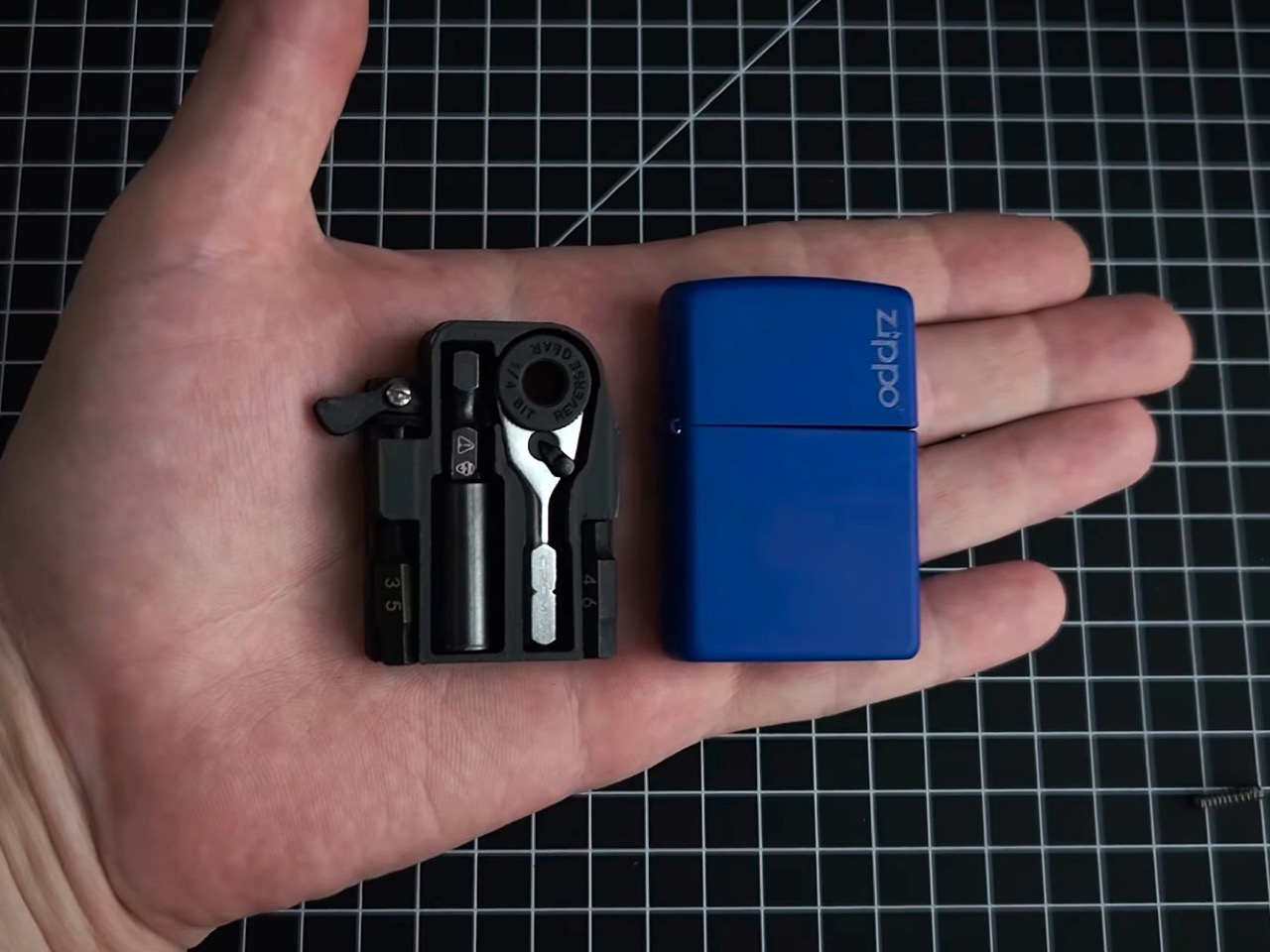
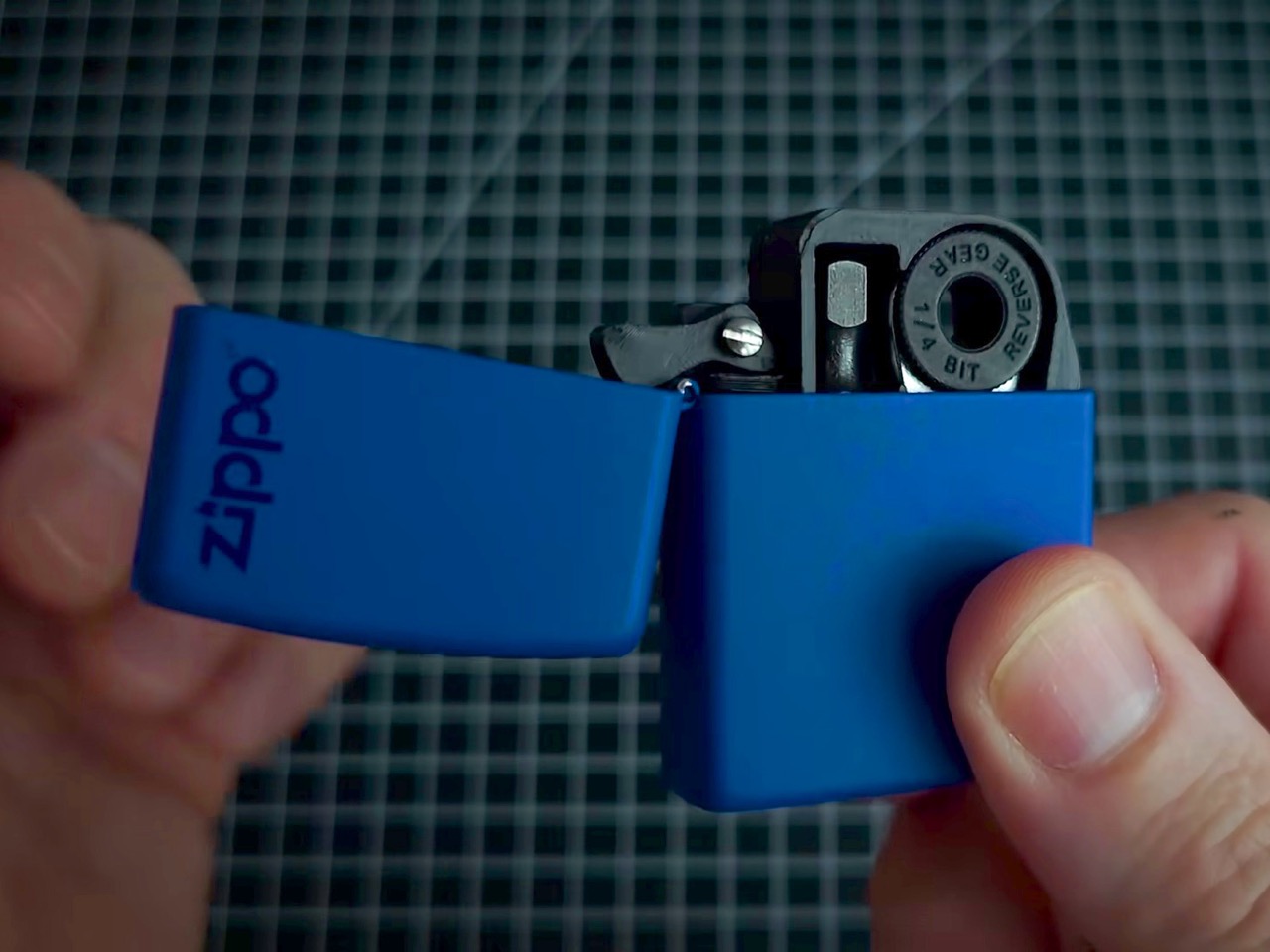
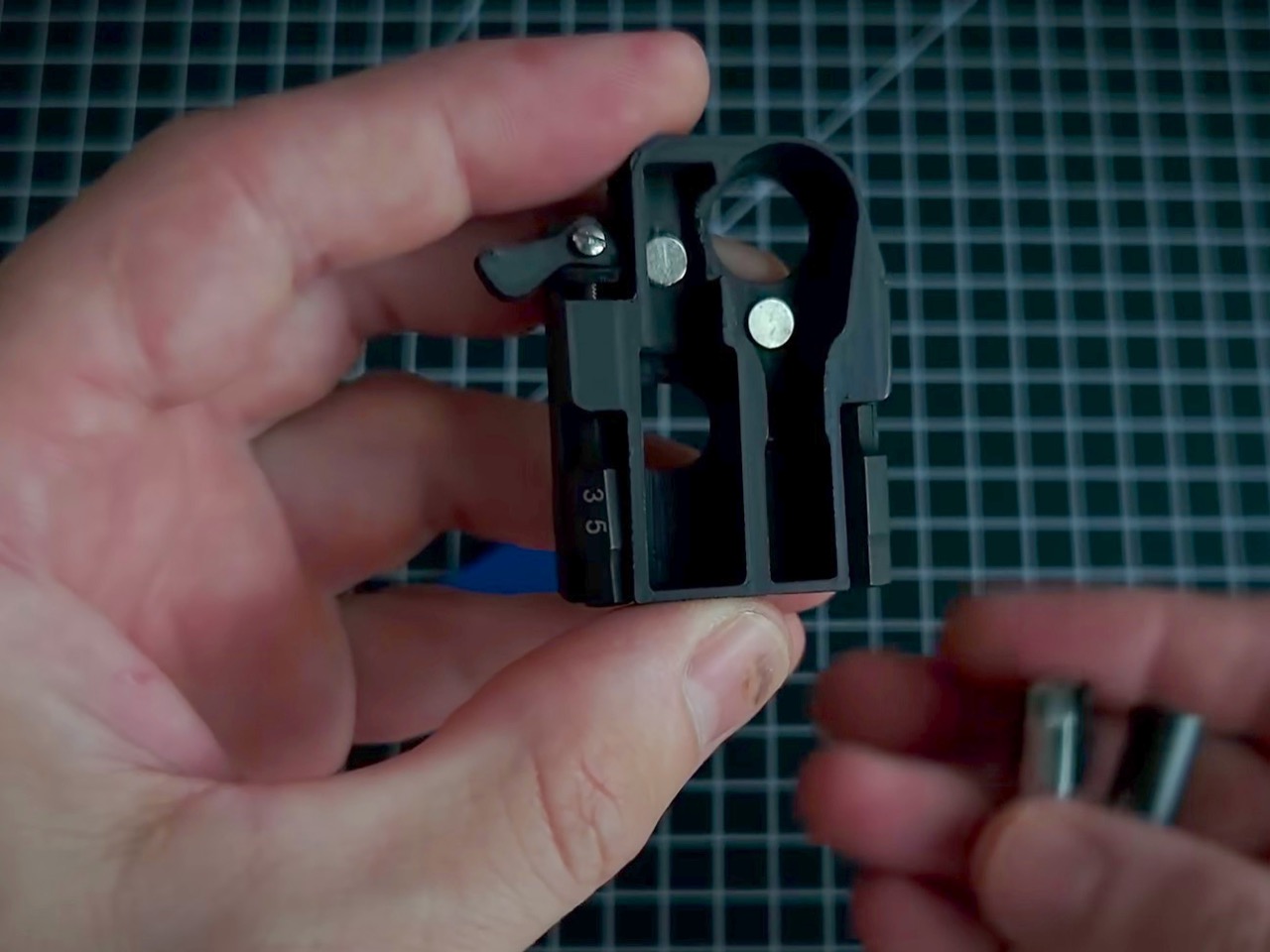
The 3D-printed platform is a custom insert that drops straight into the Zippo shell, locked down with eyeglass screws, the kind normally reserved for fixing a bent hinge on your reading glasses. Those same tiny screws appear in two spots across the build, which tells you something about how the maker approaches sourcing. Each component gets its own dedicated slot, keeping the ratchet, bits, and extension snug and rattle-free inside the case. The lid snaps shut over the top, and the result feels tighter than it has any right to be for a DIY project. It’s the kind of thing that makes you instinctively look for a price tag.
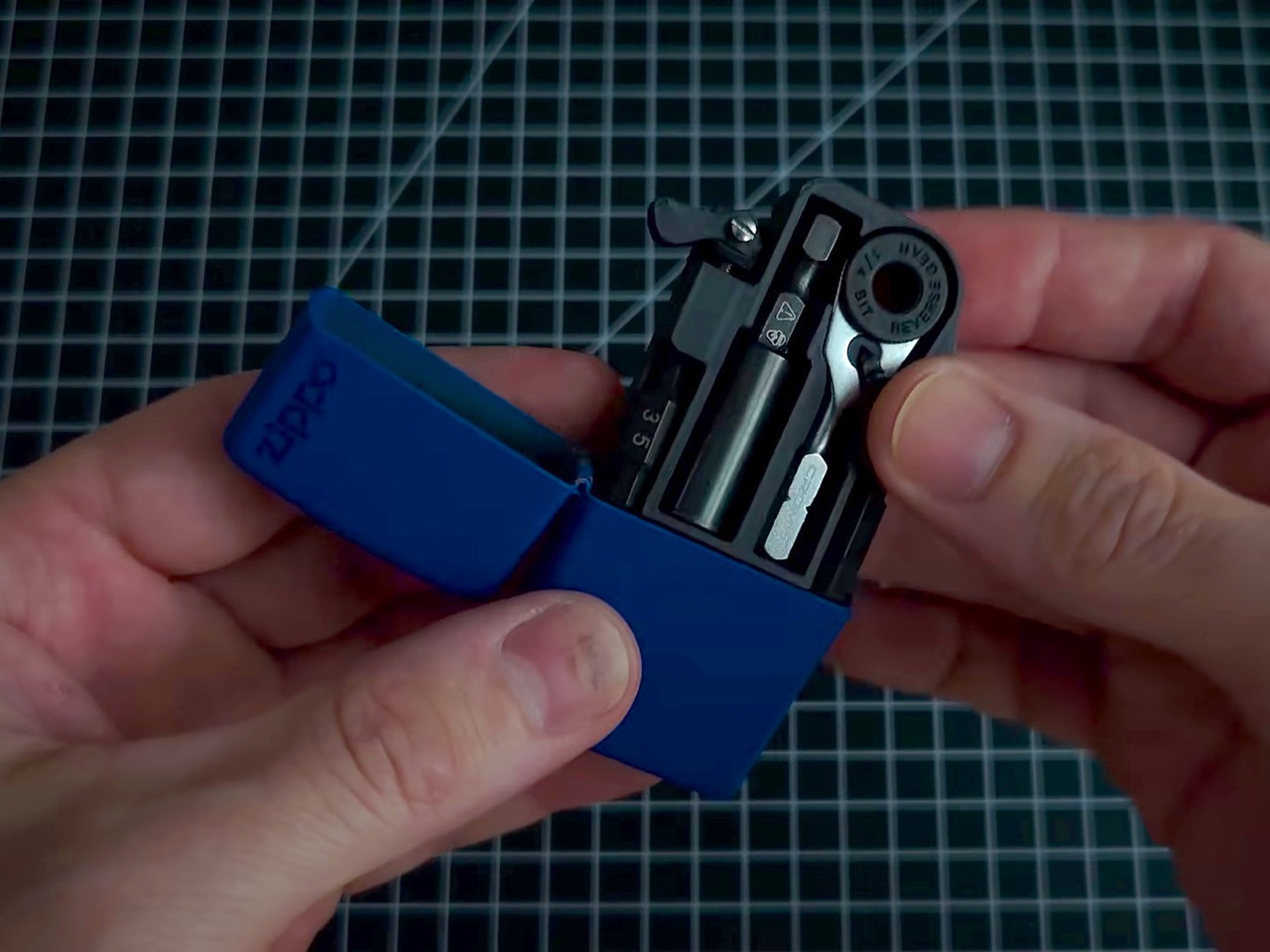
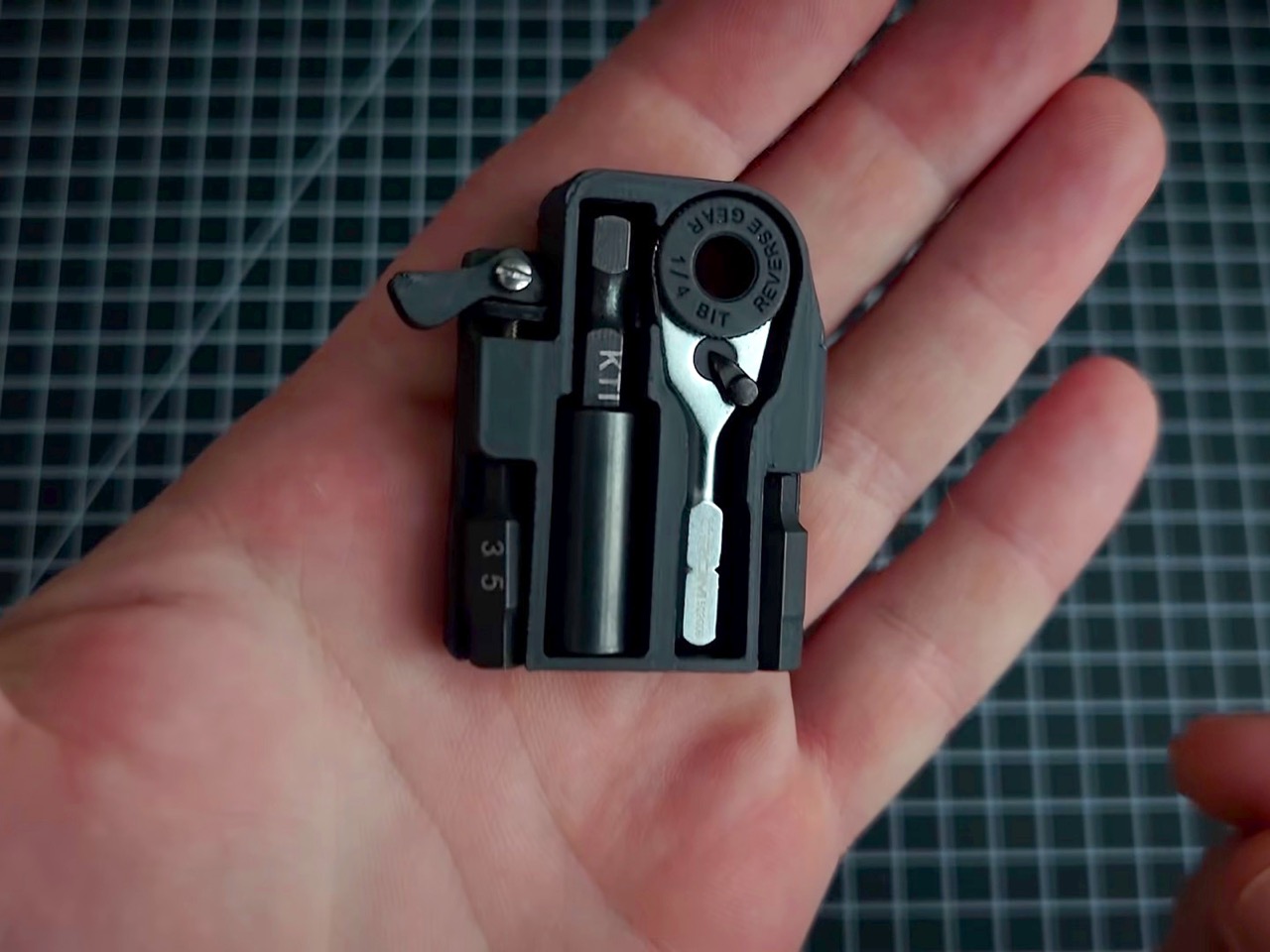
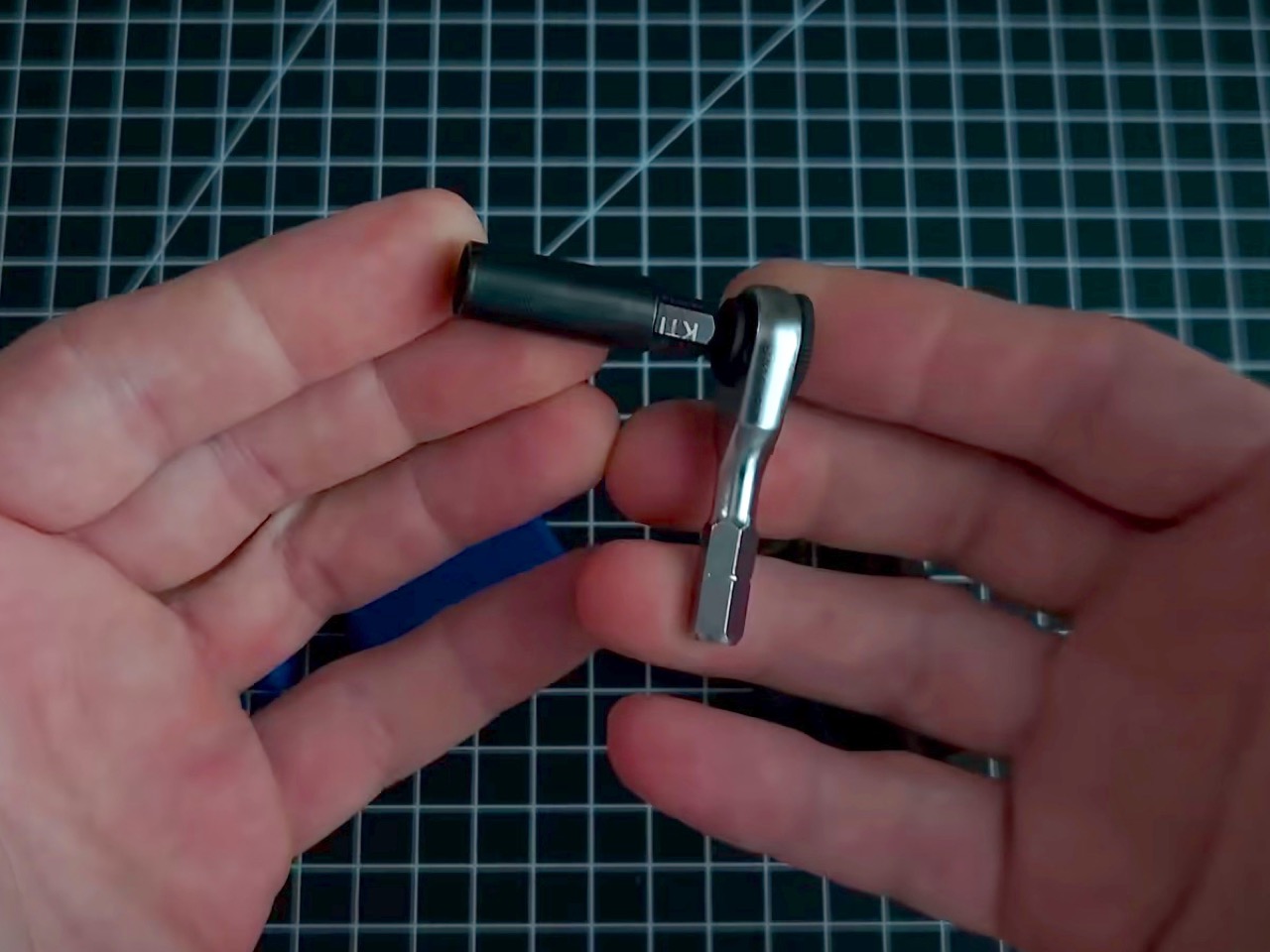
The chrome micro ratchet itself ranks among the smallest 1/4-inch drivers you can actually buy, and its scale is genuinely surprising next to almost anything else in a standard tool drawer. It accepts regular hex bits, so it plays well across the broader EDC and hardware ecosystem without needing proprietary accessories. A Bic lighter spring, salvaged presumably from a spent one on the maker’s desk, sits behind the ratchet and pushes it through a small hole in the Zippo’s back panel with just enough resistance to feel intentional. A Klein utility knife extension threads onto the ratchet for added reach in tight spaces, and when it’s not needed, the ratchet stores directly in the Klein knife’s handle instead. Both configurations tuck away cleanly, and the cross-compatibility means the kit pairs naturally with a knife you might already be carrying.
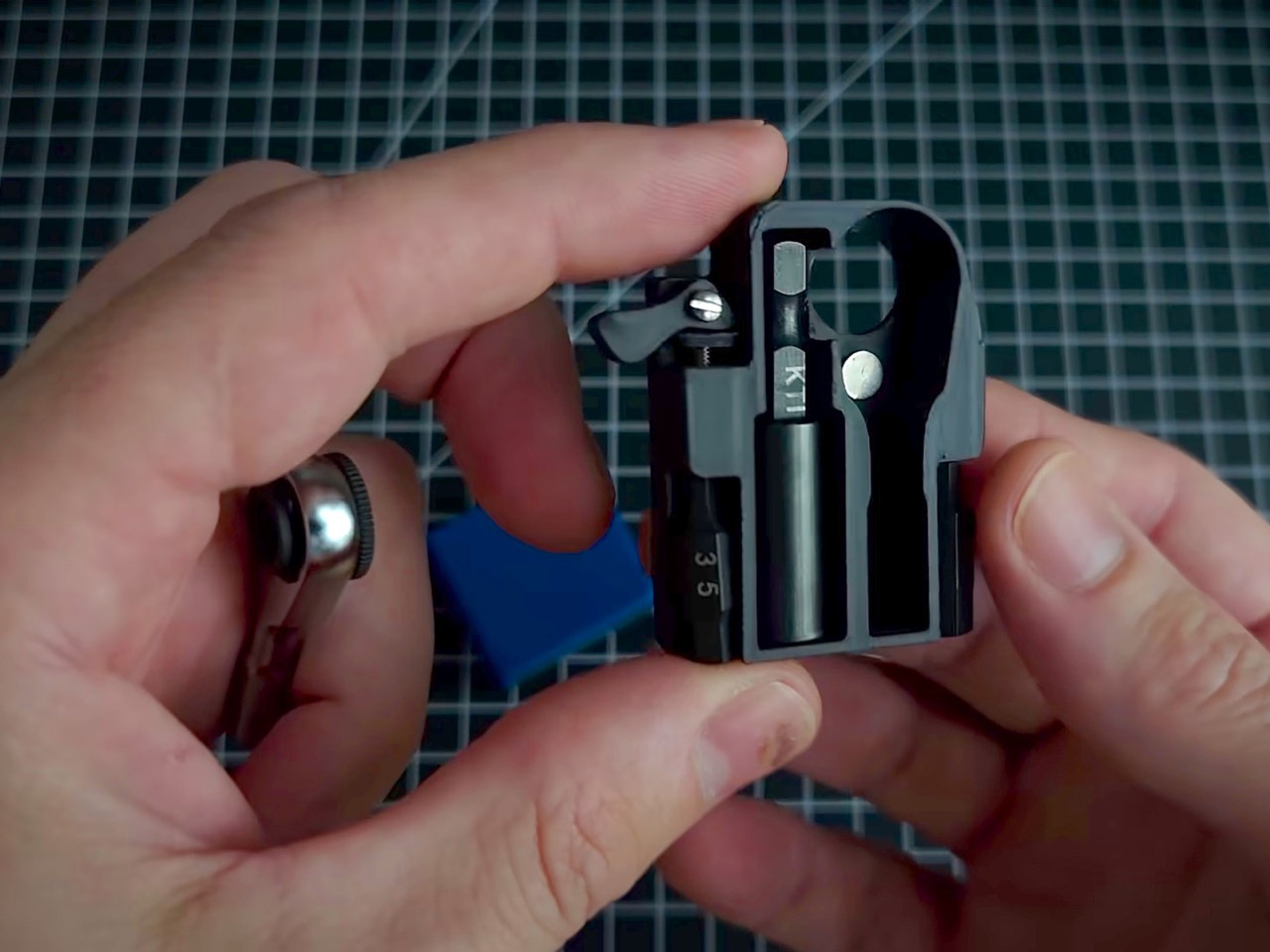
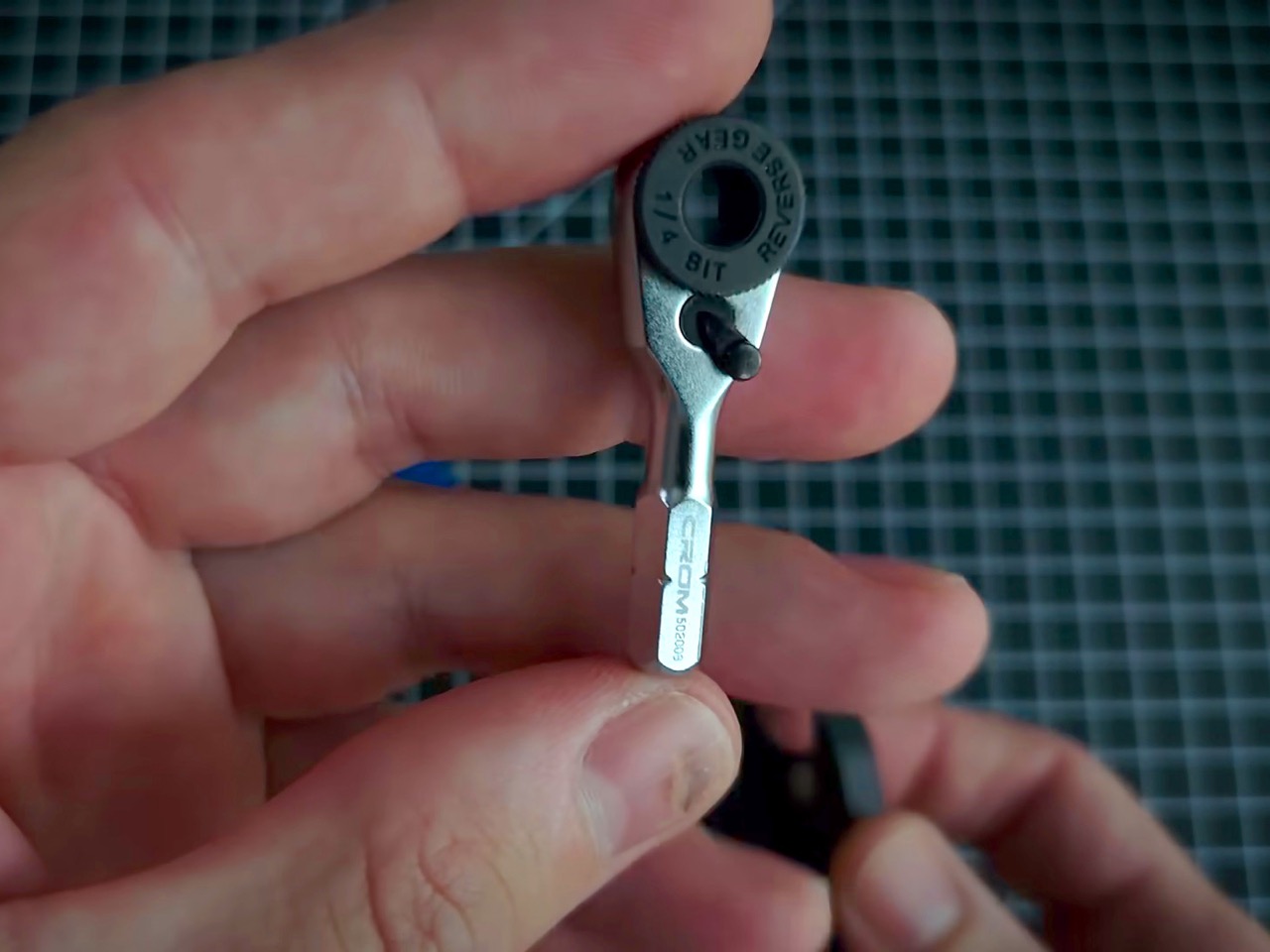
Steinwhale’s micro bits, built from S2 steel and sized specifically for micro ratchets, fill the two bit slots in the platform. The embedded magnets running through the build let the whole kit park on any nearby metal surface, a quality-of-life detail you’d genuinely appreciate halfway through assembling flatpack furniture with both hands occupied. The kit also fits inside a mini Altoids tin if that’s your preferred housing, though the magnets matter a lot more there since there’s no rear hole to push the ratchet out from. In practice, the Zippo remains the better vessel, slimmer, pocketable, and already equipped with a hinge that feels like it belongs. The Altoids option is a nice backup but the Zippo is clearly the intended home.
The whole build likely comes together for under $30 in parts, assuming you have a 3D printer and a spent Zippo shell on hand. The micro ratchet alone runs around $20, which makes this cheaper than most entry-level multitools with considerably less utility for light daily tasks. A Leatherman Skeletool brings pliers, a blade, and a bit driver for around $65 but also weighs 5 ounces and demands real pocket real estate. This kit trades tool variety for pure pocketability, and if your carry already includes a knife, that trade starts looking very reasonable. The one upgrade worth adding is some tactile labeling on the platform slots, so repacking everything in low light doesn’t become a small-scale puzzle.