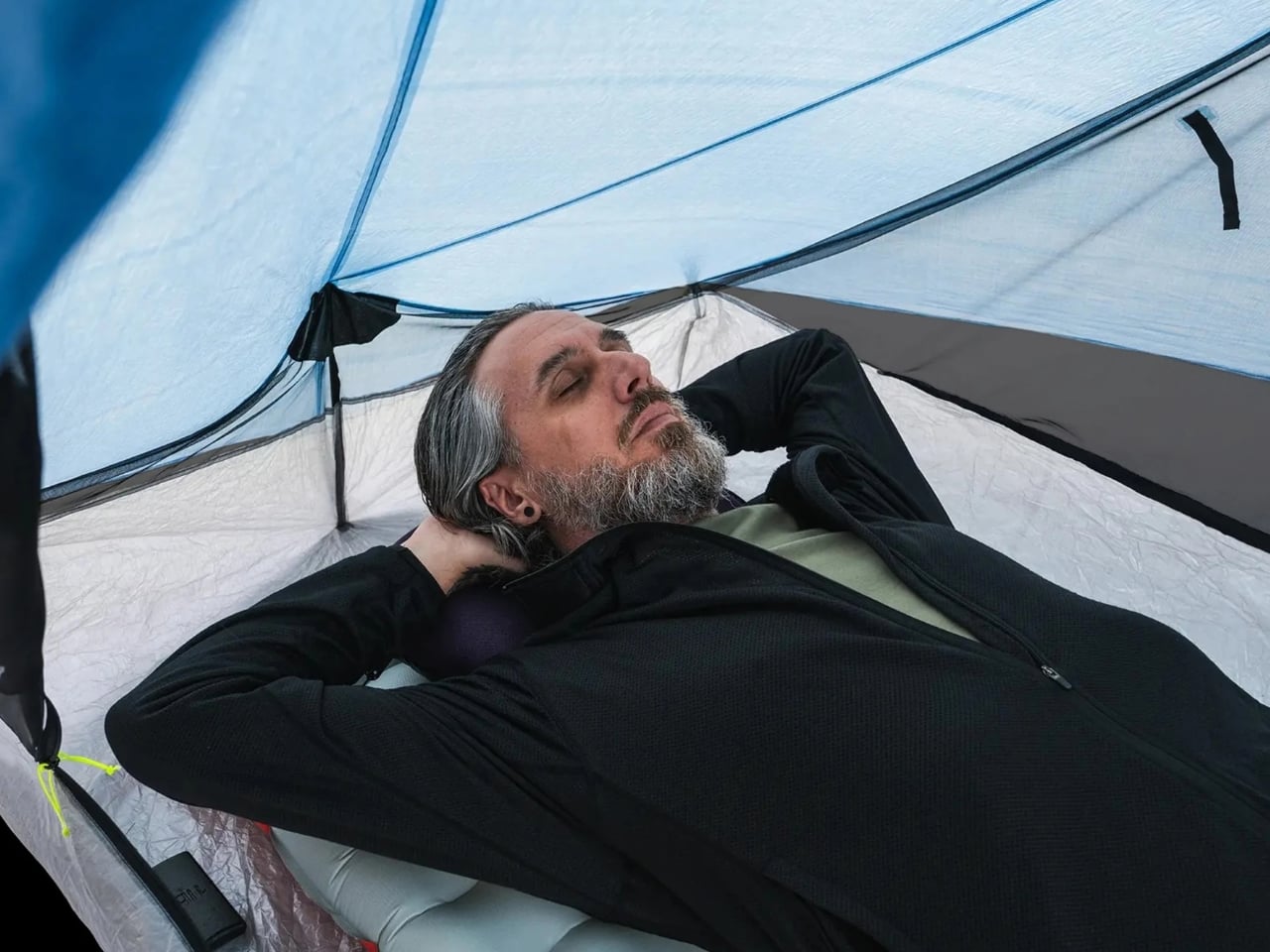
A tent can be longer than you are and still feel too short. Put a sleeping pad on the floor, add a pillow and a puffy sleeping bag, and the sloping end wall is suddenly a lot closer to your face than the floor plan suggested. You can sleep diagonally, but that’s a less charming solution when someone else is trying to sleep in the other half of the tent. Given my vertically challenged form and the fact that I won’t go camping, this is a problem I will not encounter. But a lot of people do find it challenging.
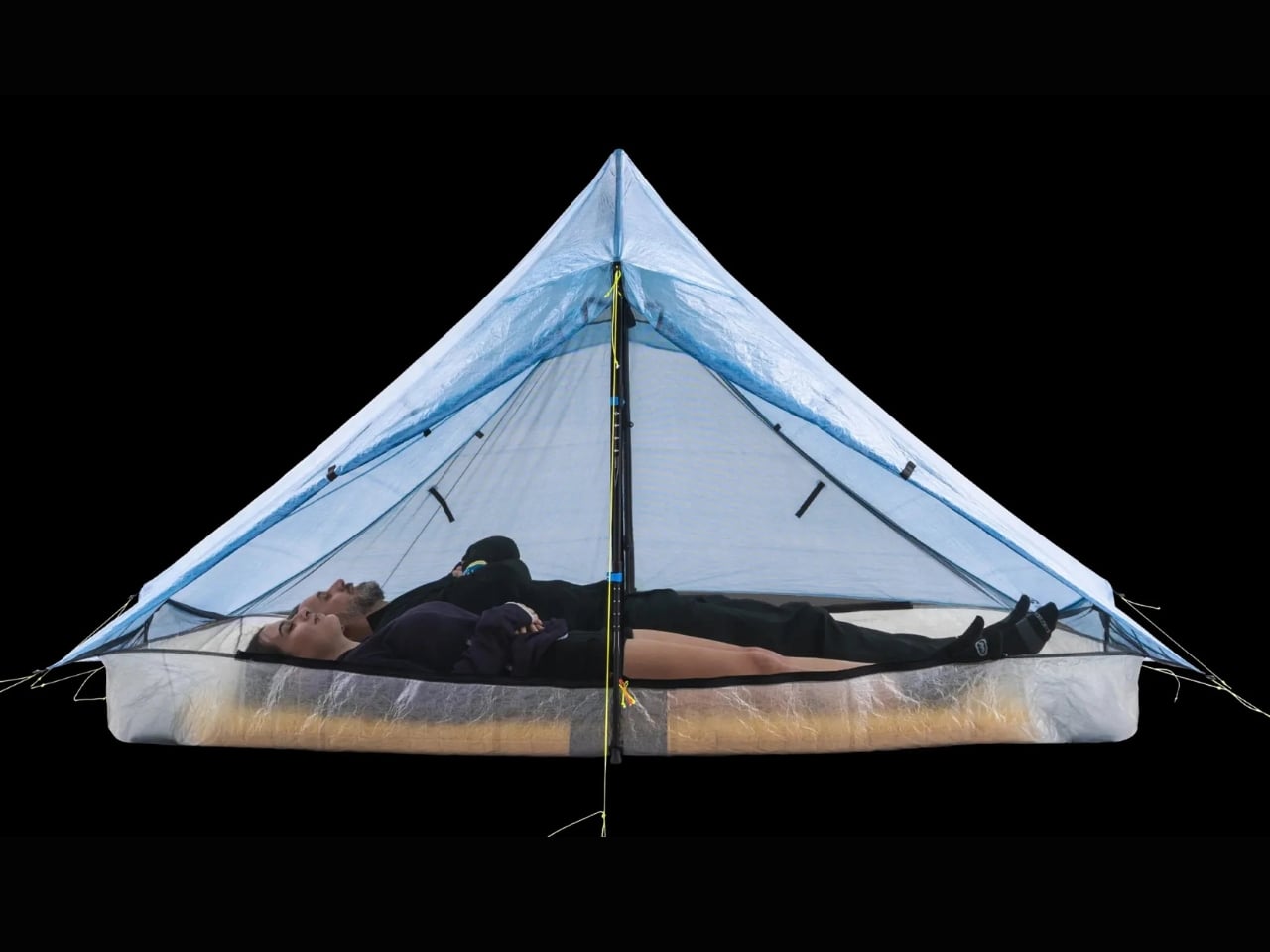
Zpacks designed the DupleXL Pro for backpackers who want to stretch out without carrying a substantially heavier shelter. The tent is available now for $849, and Zpacks rates it for sleepers up to 6 feet 6 inches tall. Its floor runs eight feet down the center and 90 inches at the corners. Those are useful numbers, but I’d pay just as much attention to the two little rods that keep the roof from eating into that space.
Designer: Zpacks
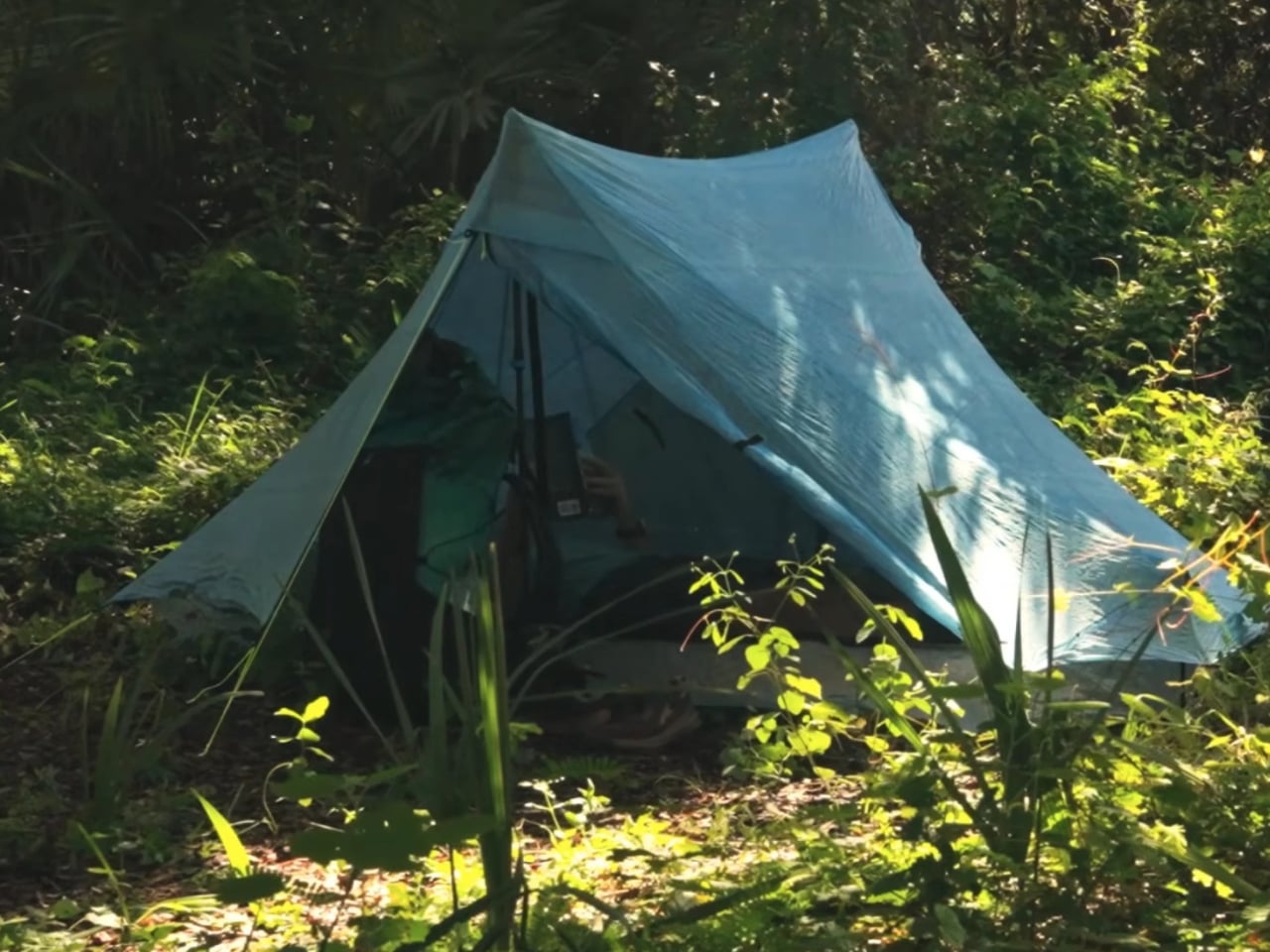
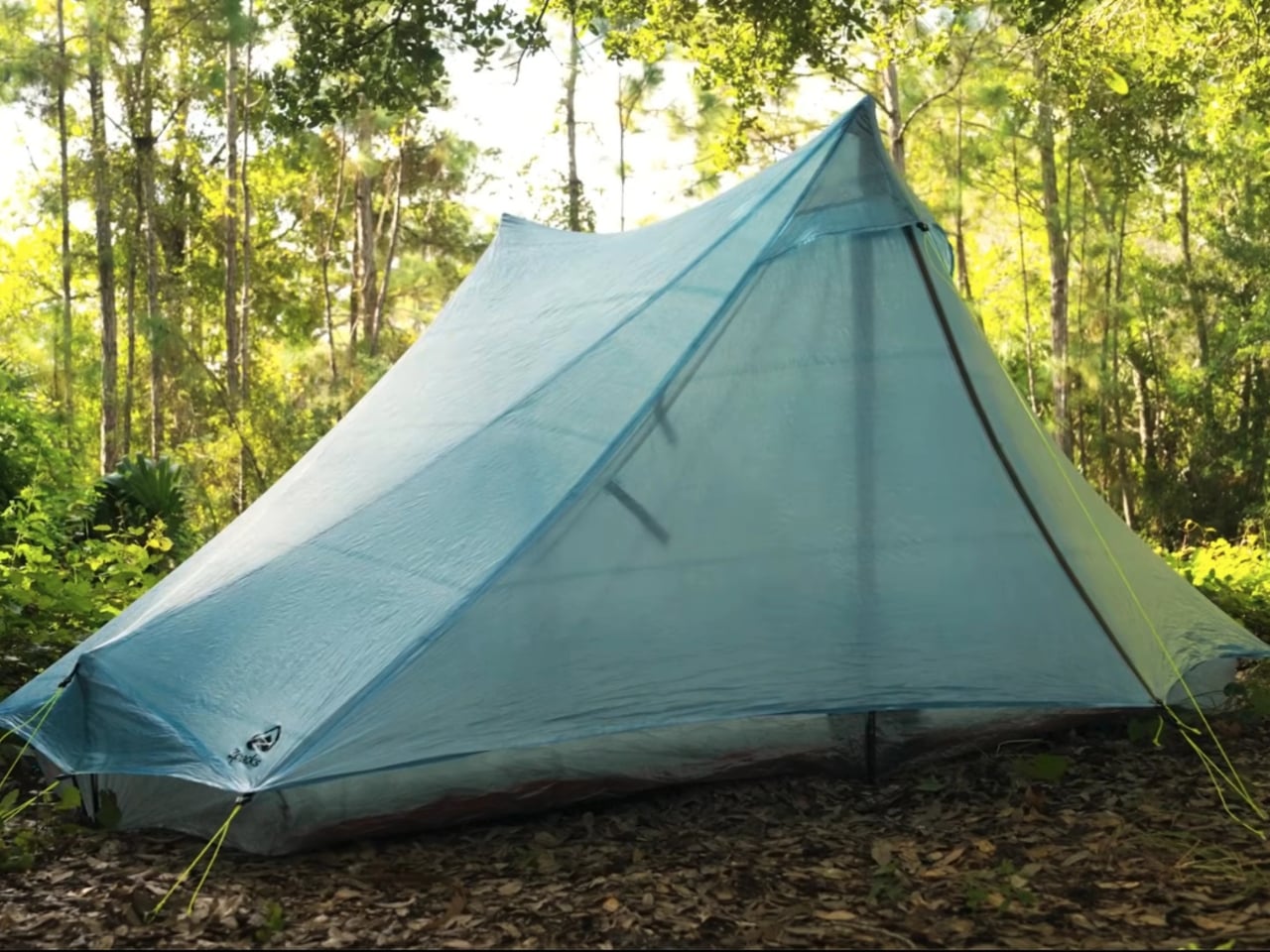
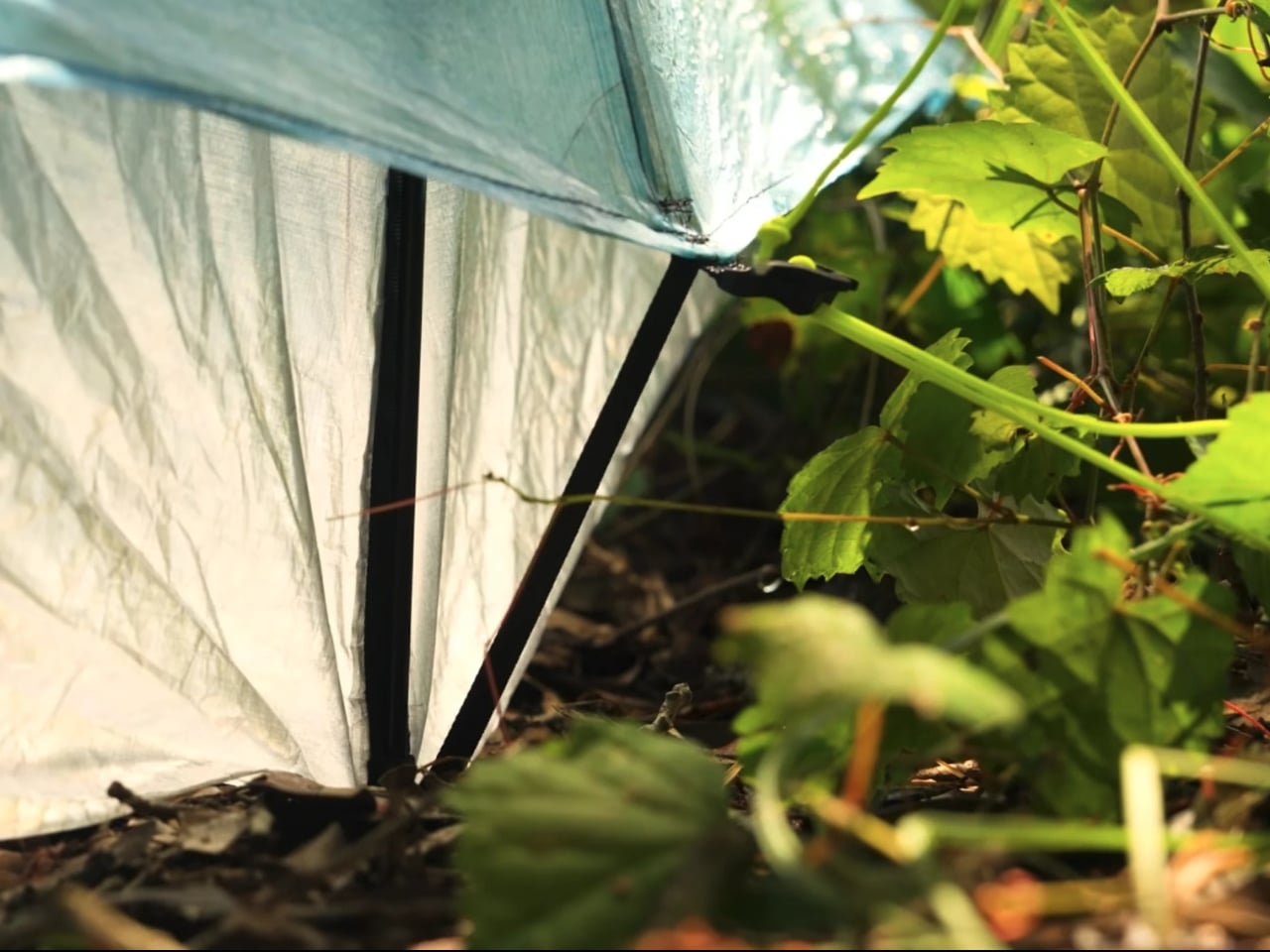
There’s a 12-inch strut built into each end. When you pitch the tent, you stand the struts upright and tension their lines to pull the fabric up and away from your head and feet. They stay attached when you pack the tent, so this isn’t a pair of loose parts to keep track of. I like that Zpacks put extra structure down where you’re actually trying to sleep. A high ceiling in the middle is nice when you’re sitting up; it doesn’t do much for the toes propping up the end of your sleeping bag.
The extra length comes with a deliberate squeeze across the floor. The regular Duplex Pro gives you 50 inches of width and 84 inches of length; the DupleXL Pro takes away 10 inches of width and adds a foot down the middle. Two 20-inch pads fit side by side on paper, but that uses every inch of the stated width. I’d think of it as a generous solo tent that can accommodate a second person, rather than a tent I’d pick for two people who both like to spread out.
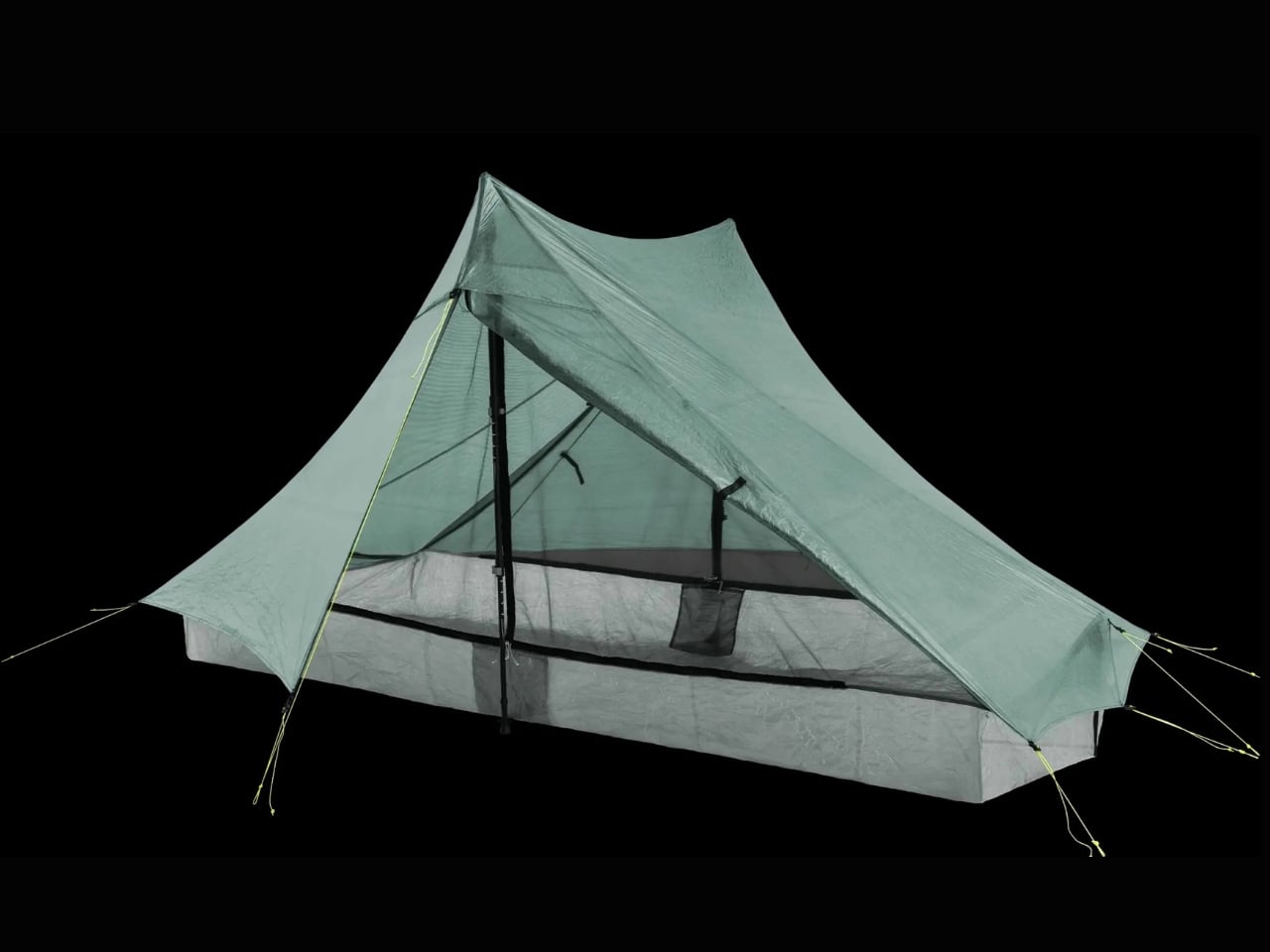
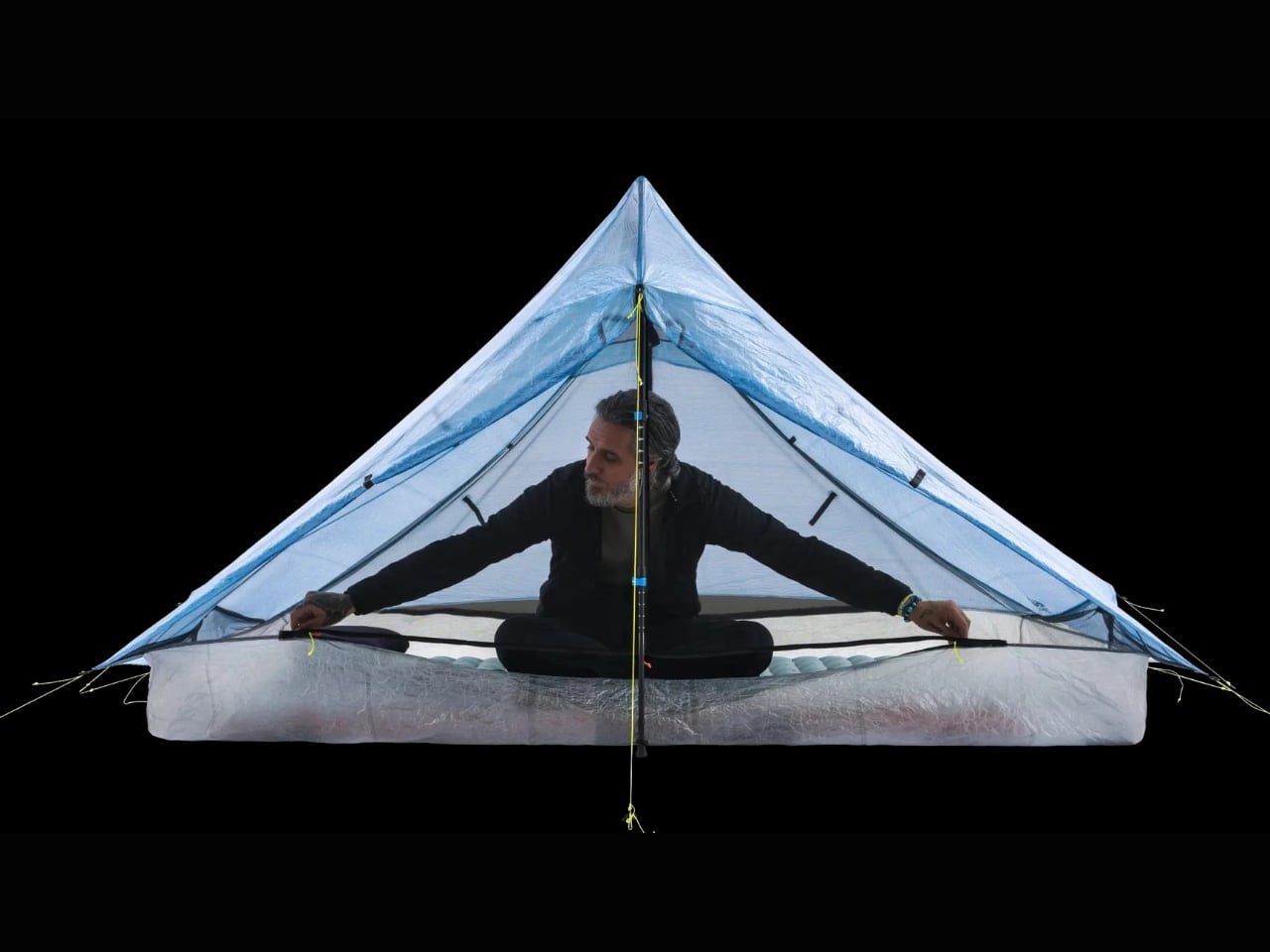
The narrow floor makes the covered space outside it more useful. There’s a mesh entrance on each side, with zippered storm doors that create vestibules for boots and packs. Each of the four outer door panels can roll back independently and clip out of the way with a magnet. That means you can open up one side for air without giving up the covered spot where you left your wet gear. The layout is symmetrical, too, so if the ground slopes a little, you can swap which end your head goes at without pitching the tent again.
The canopy uses Dyneema Composite Fabric, which sandwiches reinforcing fibers between layers of polyester film. The resulting material is waterproof and low-stretch, a useful combination for a shelter that relies on tension to hold its shape. Blue and olive are the lighter canopy options; the heavier spruce green lets less light through. I appreciate that the color choice has a practical consequence. A brighter interior sounds good until you remember how early the sun can come up when you’re trying to sleep in.
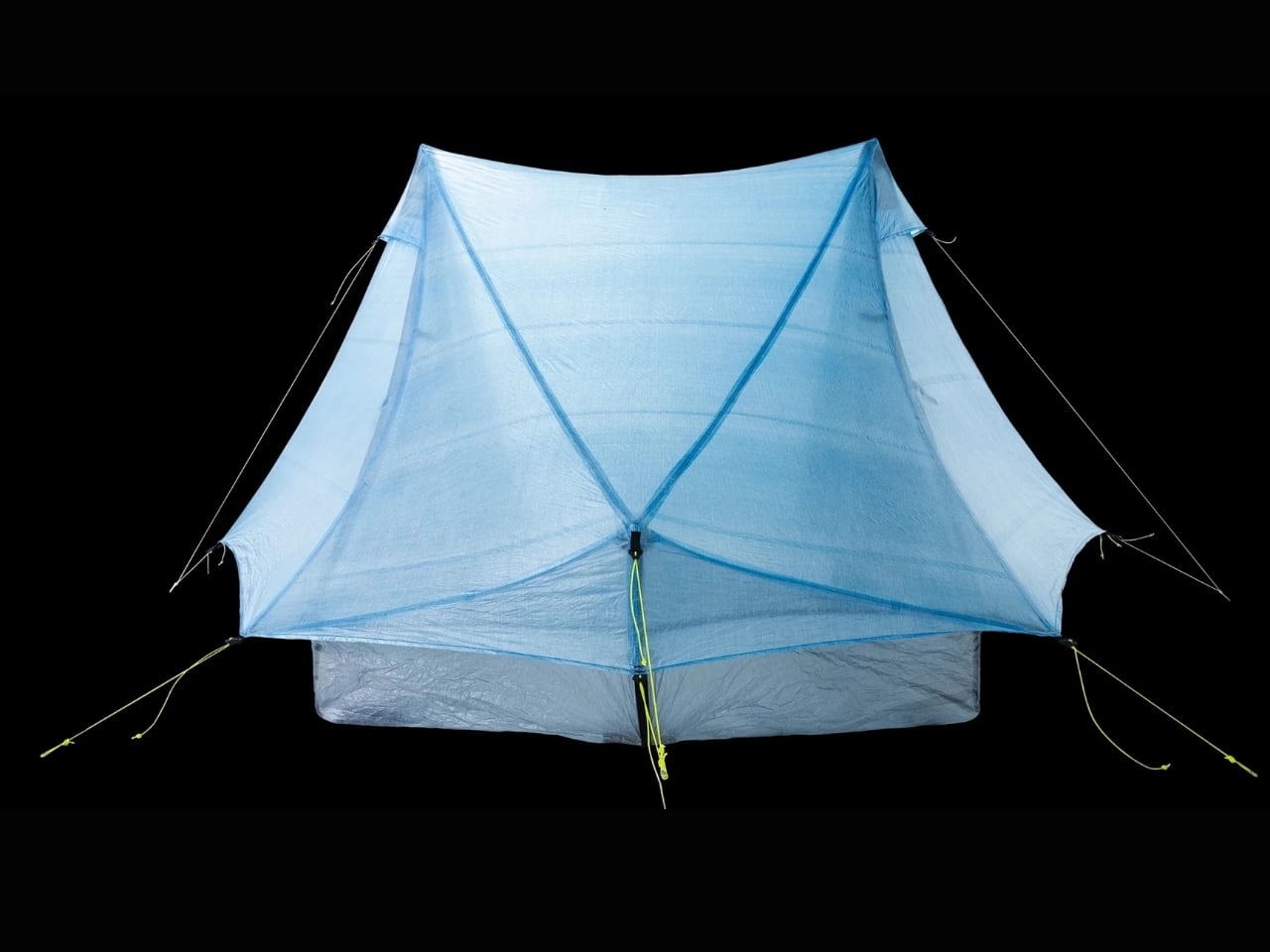
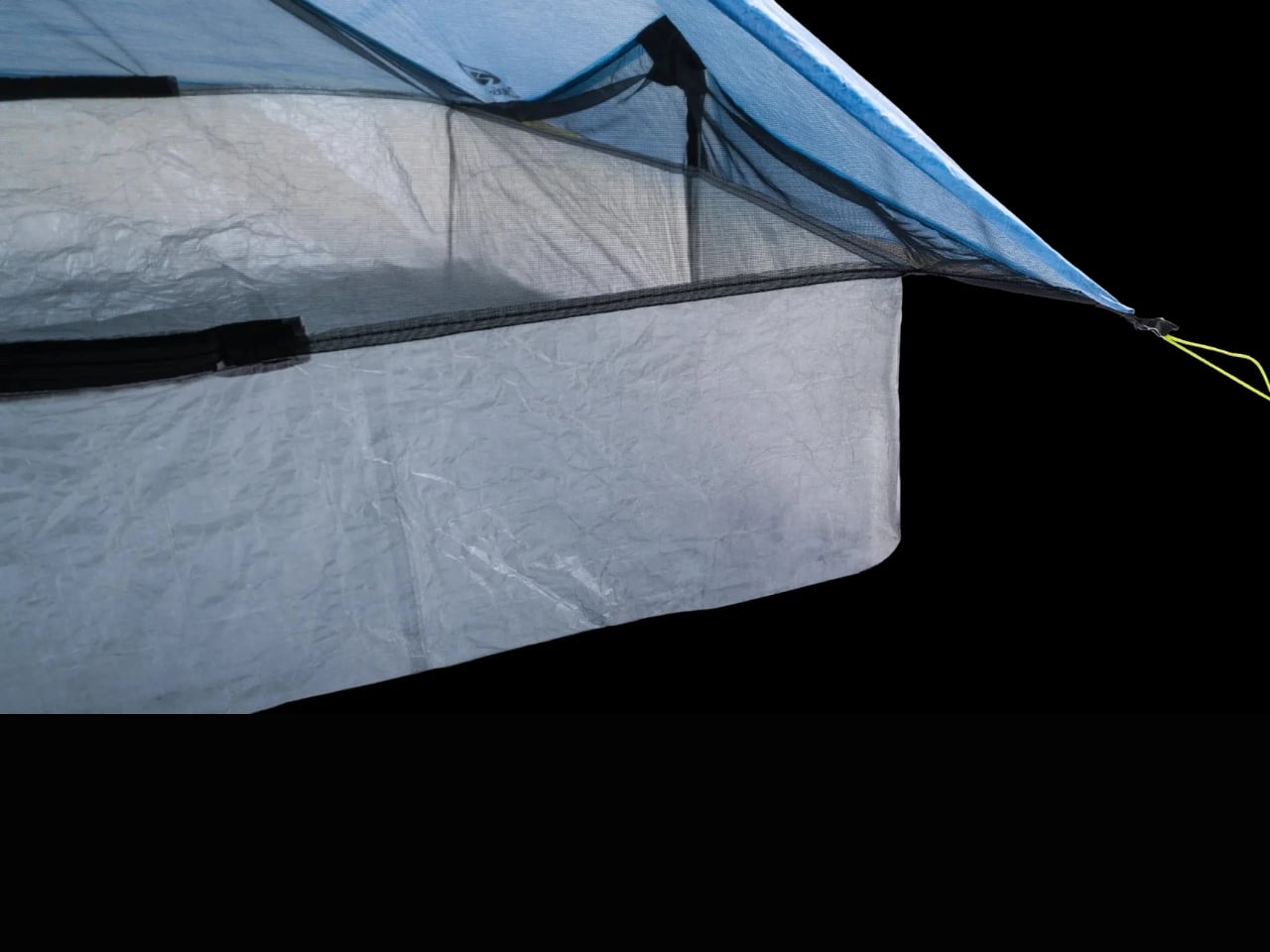
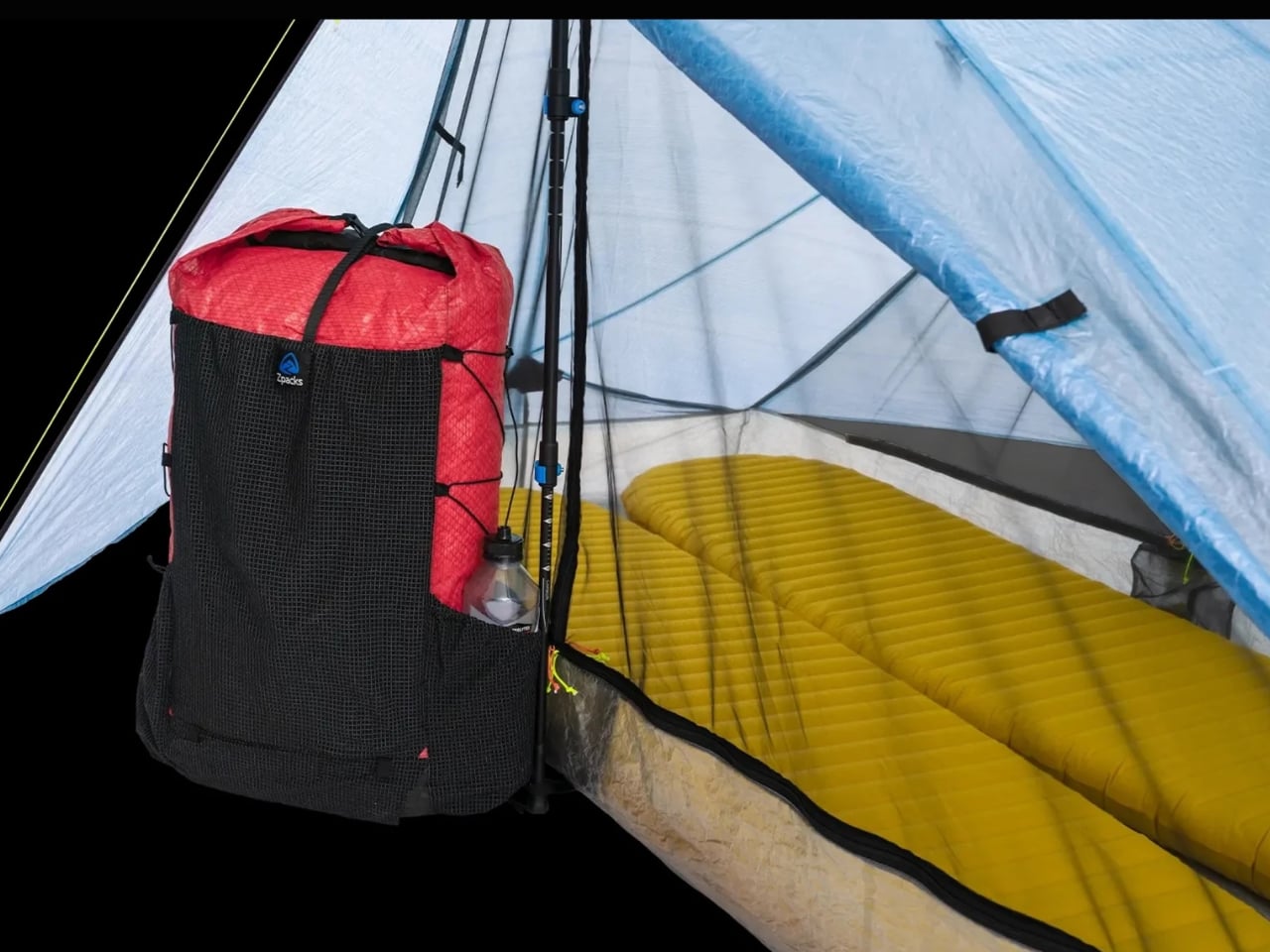
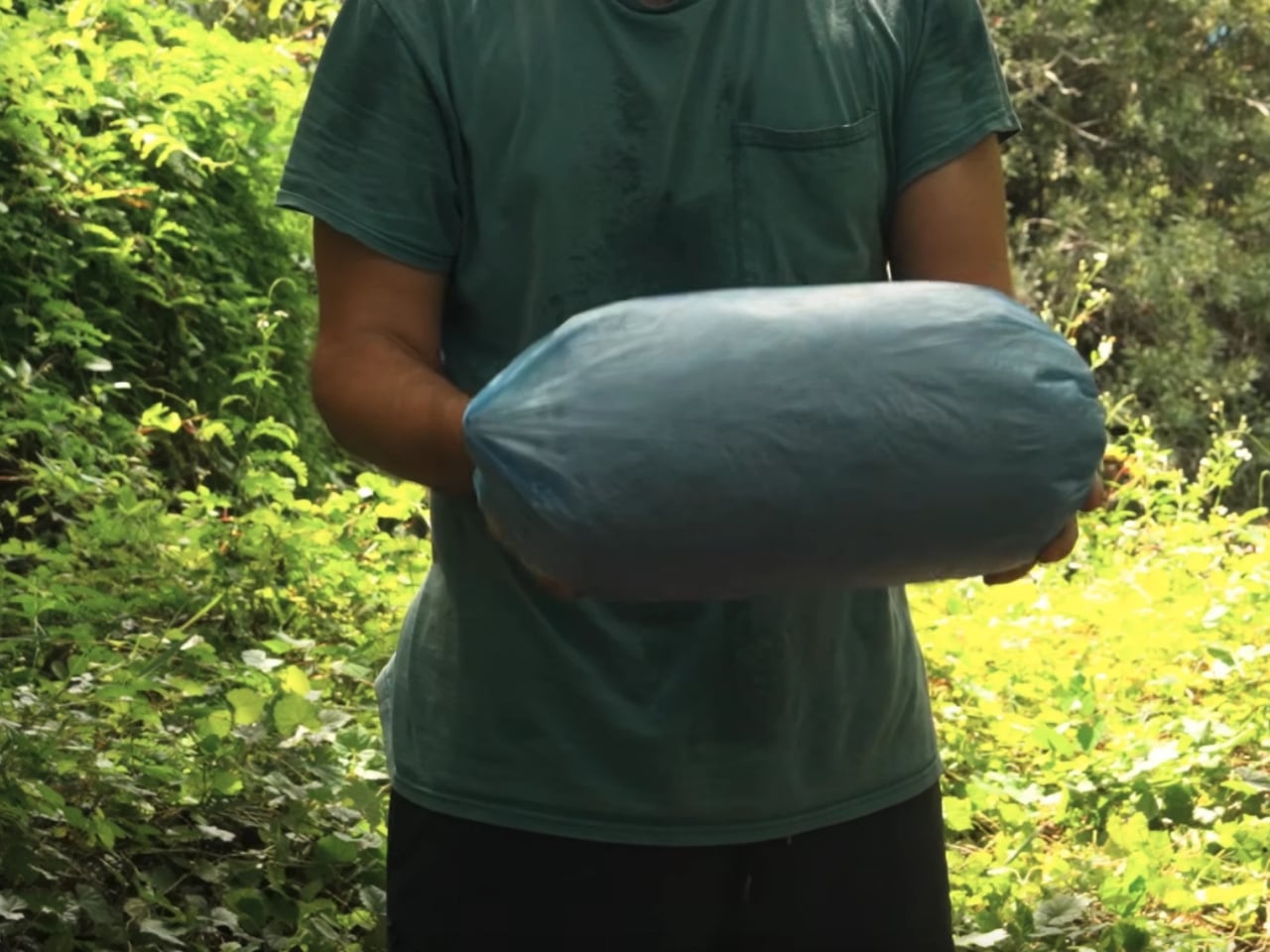
The advertised 19.1 ounces includes the tent body and its attached lines and adjusters, but it isn’t the weight of everything you need to pitch it. You’ll need eight stakes and two 48-inch trekking poles or dedicated tent poles, none of which are included. If you already hike with trekking poles, asking them to hold up your roof makes sense. If you don’t, compare the weight and price of the whole setup, not just the number next to the buy button.
At $849, I’d want to know which kind of space I was missing before spending the money. If the issue is two wide sleeping pads, the XL in the name points you in exactly the wrong direction. But if you’ve spent one too many nights scooting down to get the wall away from your face, only to feel it touch your toes, Zpacks has put the extra room right where you’d ask for it.