The little pause before lifting a pot lid is part of serving dinner. So is slicing something to share, setting out the seasoning, or choosing the glass that sits beside the plate. Those gestures give kitchen objects a role beyond getting food cooked. The right design makes that role visible, letting an ordinary weekday meal borrow the attention usually reserved for having people over on a Friday or Saturday night.
There is room here for preparation as well as presentation. Serving starts before the platter lands, and a useful tool can contribute as much as an elaborate centerpiece. These five Japanese kitchen designs were chosen for the interactions they bring to that process, rather than for a matching look. Each suggests a different way to give dinner some attention without turning the whole evening into an exercise in perfect hosting.
1. ANAORI Kakugama
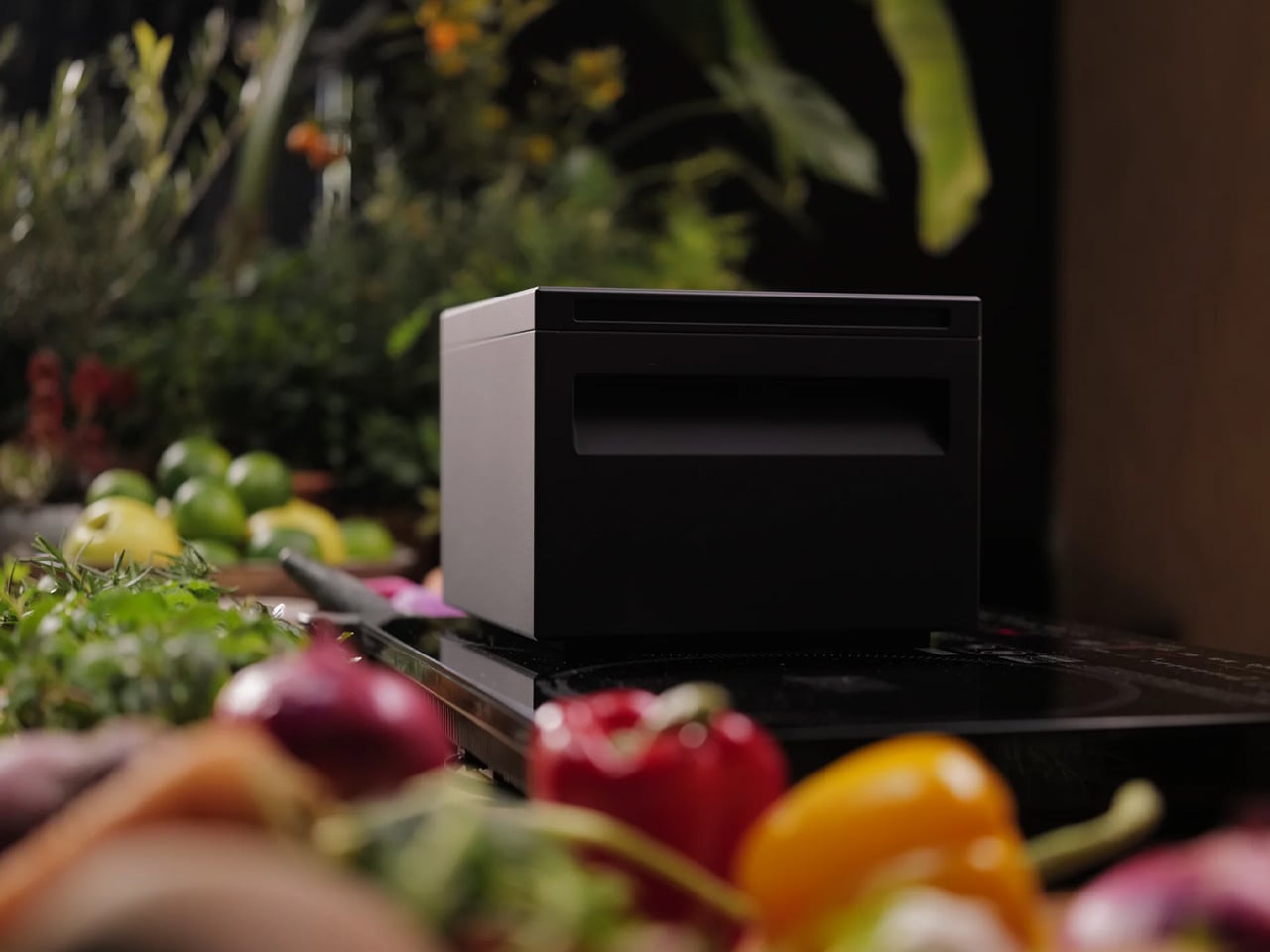
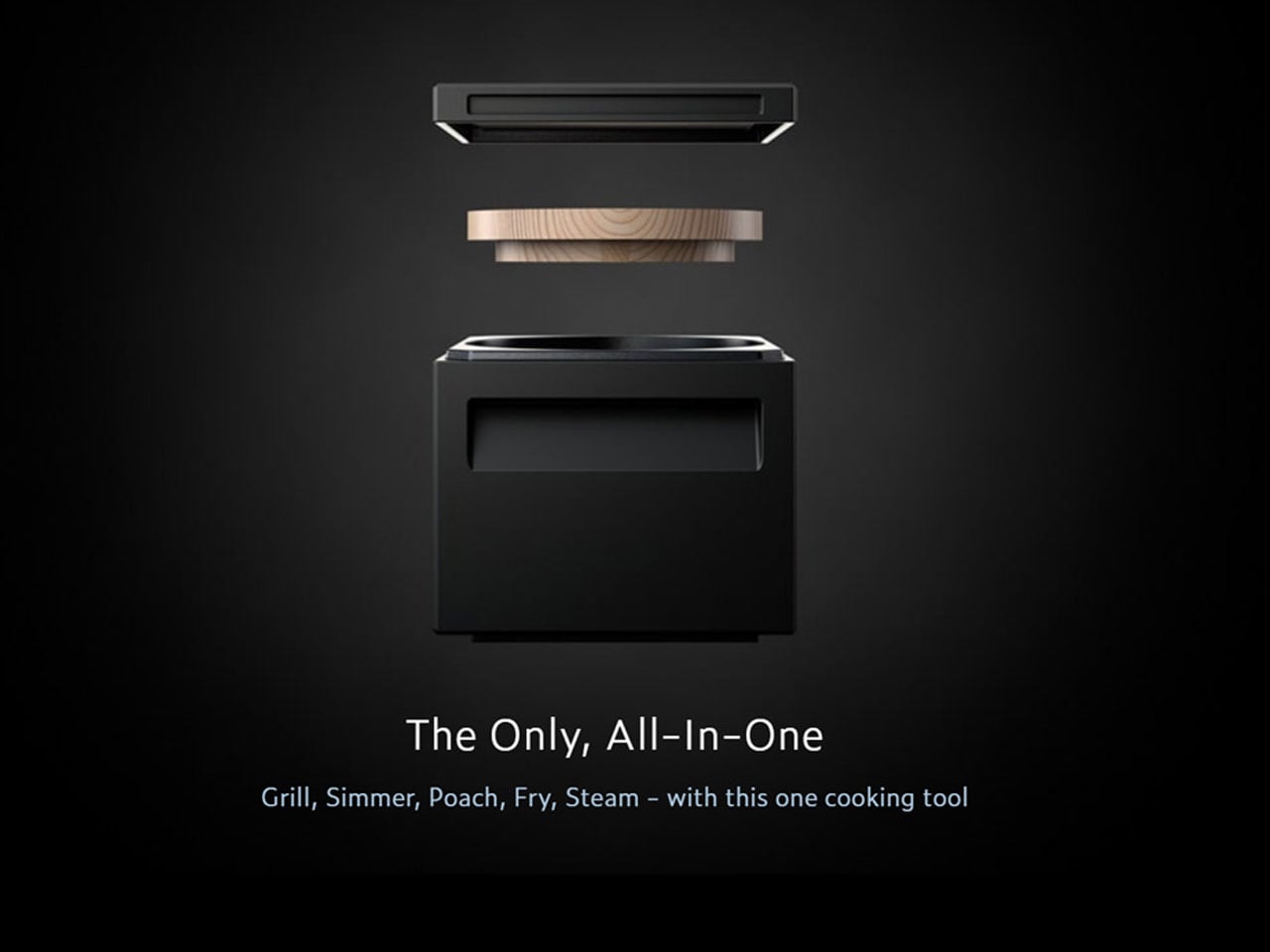
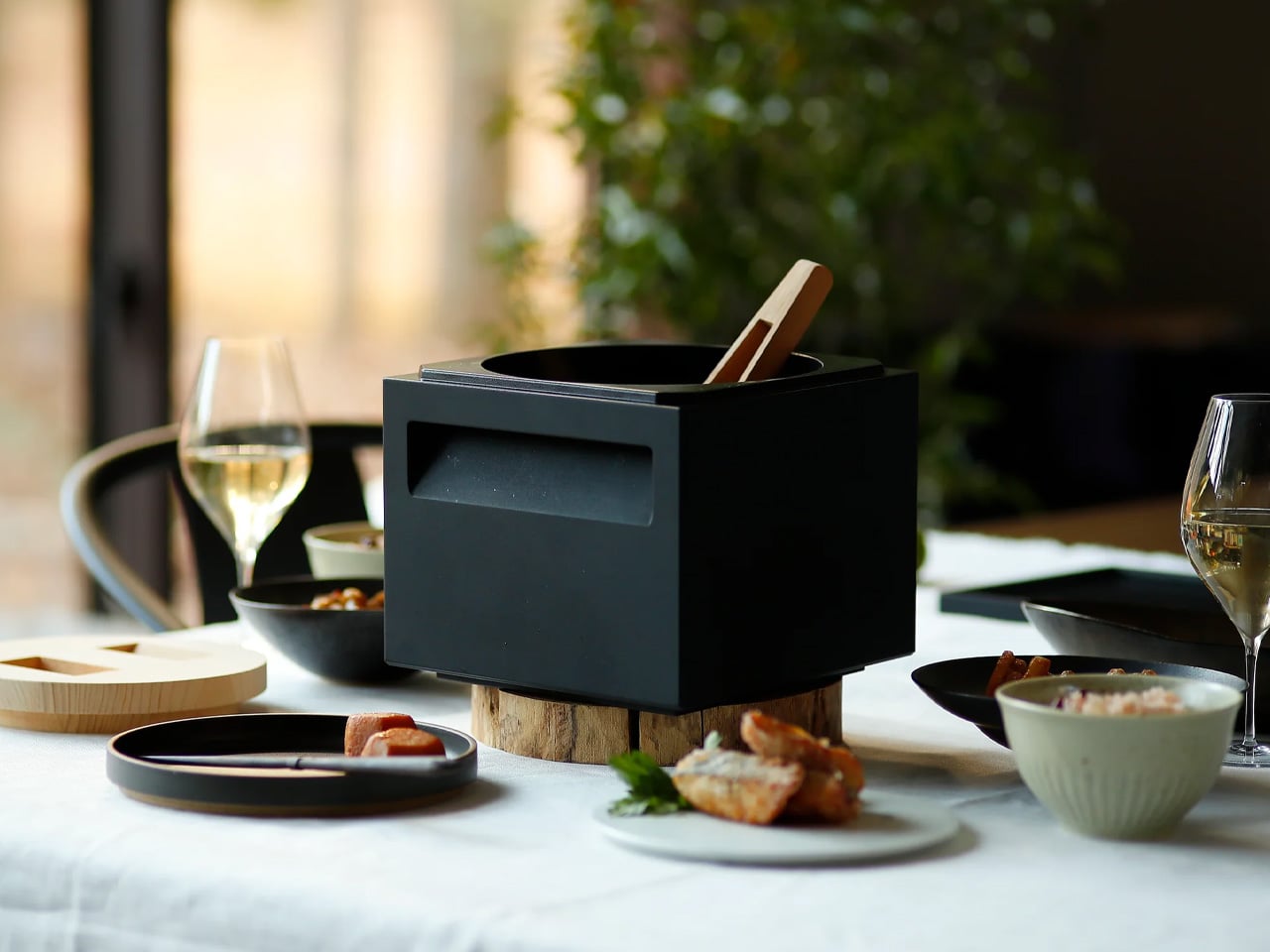
ANAORI’s Kakugama starts with a striking contradiction in shape: a cubic exterior surrounding a rounded cooking cavity inspired by traditional Japanese hagama pots. Carved from carbon graphite, the vessel contains a Japanese cypress inner lid beneath an outer lid that reverses into a grooved grill pan. Those components give its restrained silhouette a practical explanation. What initially reads as a solid block separates into cooking tools, with the contrast between dark carbon and wood marking the transition between its layers.
At dinner, that layered construction offers a different presentation from bringing out a conventional saucepan. The smaller 3.4-liter model is intended for roughly four people, and ANAORI lists compatibility with gas, induction, and ovens. Moving it demands consideration, though: it weighs approximately 13.2 pounds before food goes inside. Its substantial form makes sense as a stationary centerpiece on a suitable heatproof surface, rather than something passed around. Carbon graphite also needs careful handling because impacts can cause cracks or breakage.
What we like
- The reversible outer lid adds a separate grilling surface.
- The rounded interior gives the cubic exterior a purposeful surprise.
What we dislike
- Even the smaller model is heavy before adding dinner.
- Carbon graphite can crack or break if dropped or struck.
2. Black Kitchen Knives
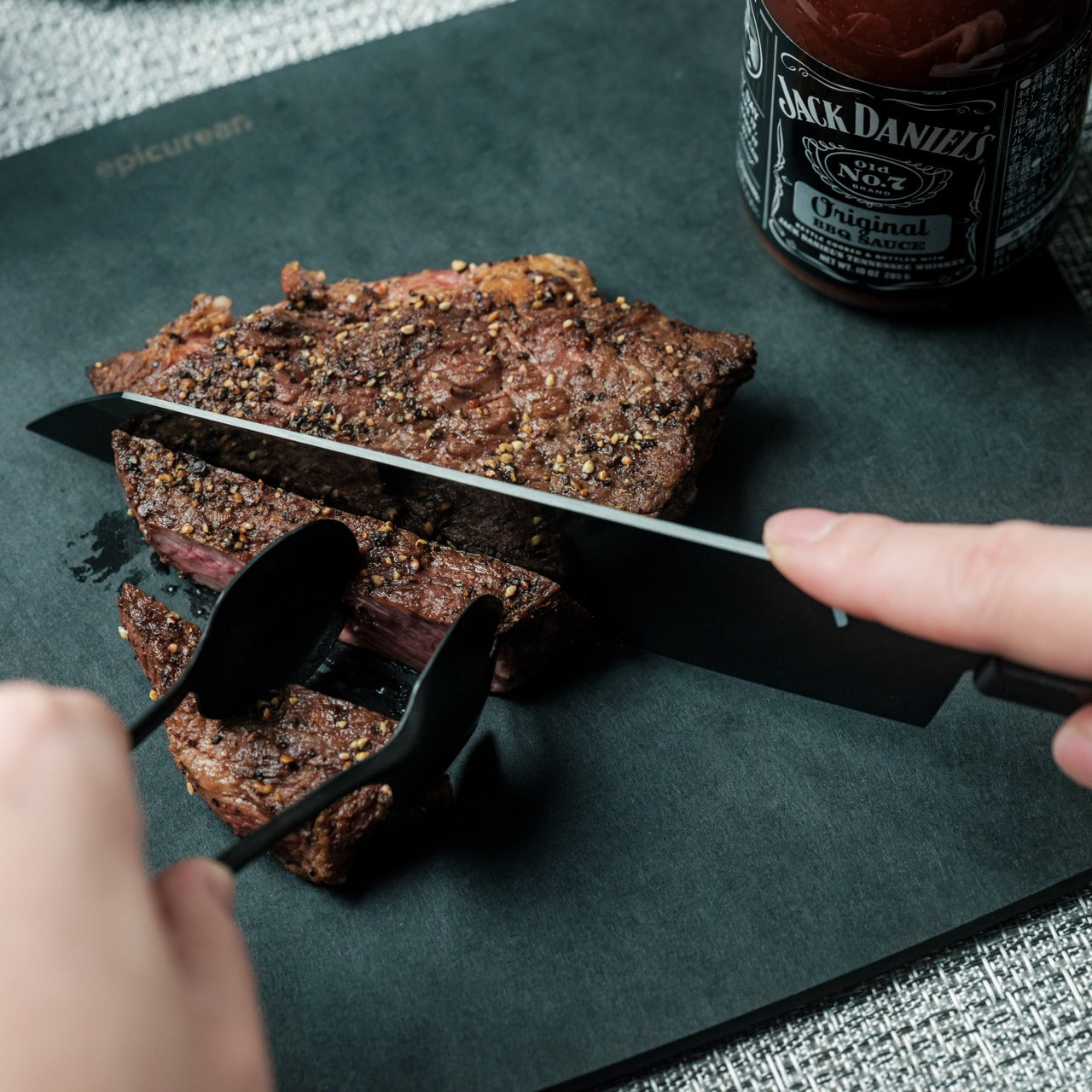
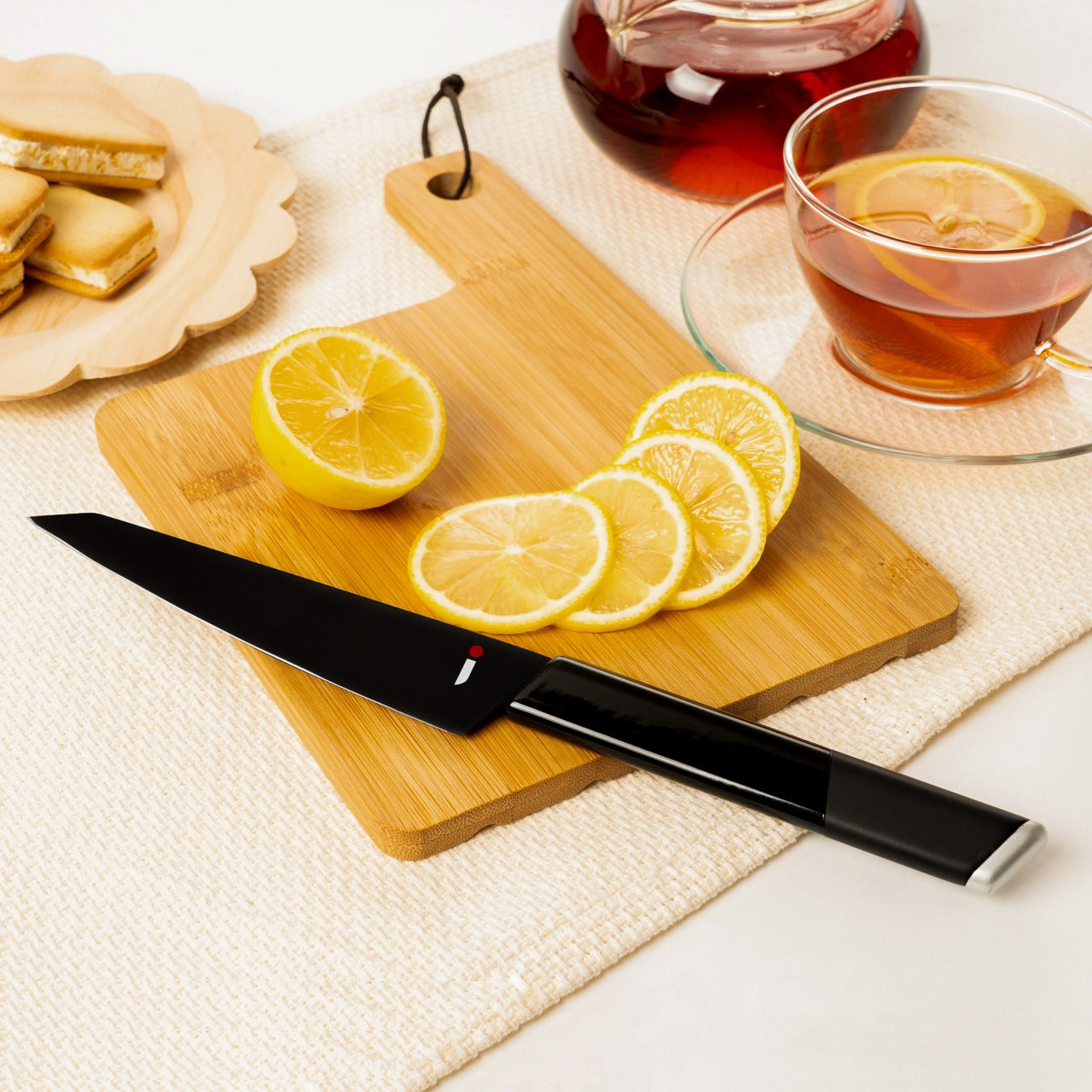
The Black Kitchen Knives take familiar blade profiles and replace their usual silver appearance with a dark finish. Made in Seki, Japan, they use molybdenum vanadium steel with a titanium coating. The range includes a 7-inch Santoku, an approximately 8.3-inch Gyuto, and a smaller 5.1-inch Petty knife. Each has a double-edged blade, and the blades are individually crafted. The choice is therefore between distinct sizes and profiles, rather than three interchangeable versions of the same kitchen tool.
Their contribution happens just before serving: portioning ingredients, finishing a platter, or making the last cuts before food reaches a shared dish. The black surface gives those familiar actions a different visual character, especially for anyone who enjoys the preparation as much as the presentation. Appearance deserves its own place in kitchen design, provided it isn’t mistaken for evidence of performance. The coating and steel specification alone don’t establish edge retention, cutting resistance, or how the finish will age with use.
Click Here to Buy Now: Starting at $85.00 Black Friday: Free $20 calendar with every order!
What we like
- Three blade profiles let you choose around the task.
- The black finish gives an everyday preparation tool a distinctive identity.
What we dislike
- The listing provides no steel hardness rating.
- Care and sharpening guidance for the coated blades isn’t supplied.
3. Pepper Pestle
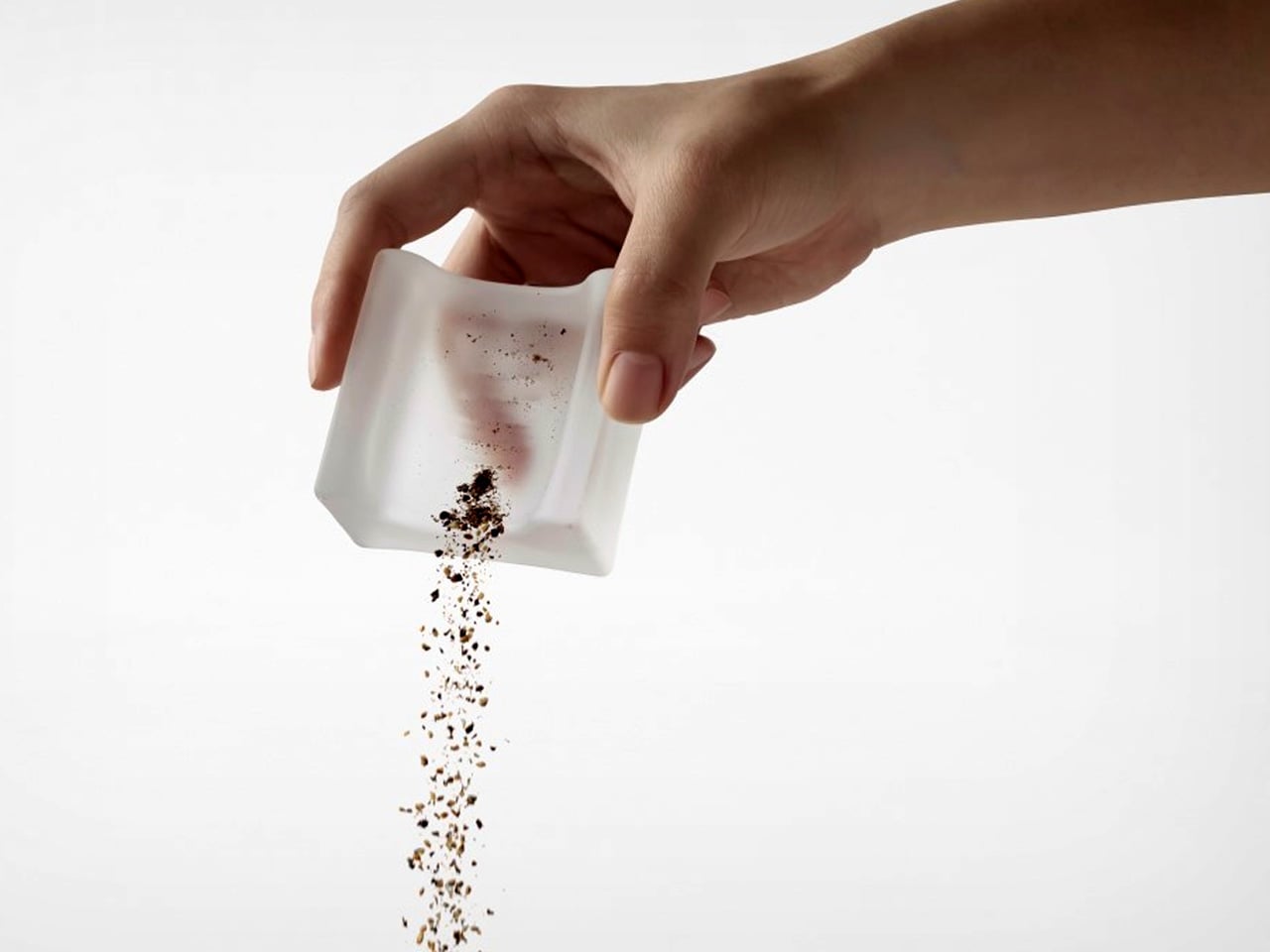
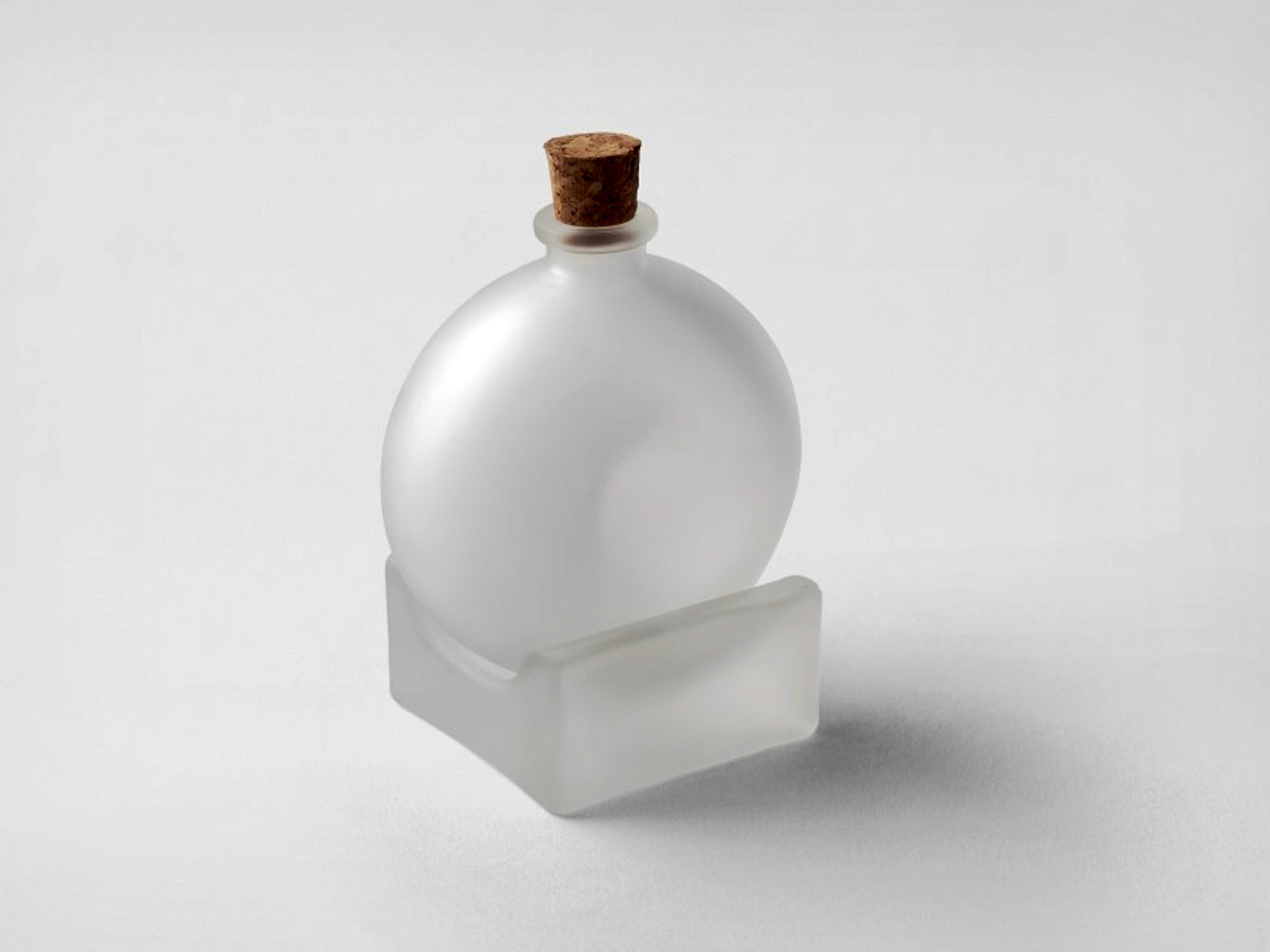
Nendo’s Pepper Pestle makes its operating principle visible. Developed for Belgian label Valerie Objects in 2018, it consists of a glass pepper container resting on a matching glass base. Pour peppercorns into the base, then use the container’s ridged underside to crush them. The storage bottle becomes the pestle; its resting place becomes the mortar. A slightly indented middle provides a gripping area, while the bottle’s thicker bottom reinforces the part doing the work. There is no concealed grinding mechanism.
That sequence is the reason it belongs on the dinner table. Seasoning becomes something guests can watch and participate in, with the crushed pepper transferred from the shallow base to the food. The same base also holds the bottle between uses. It asks for more involvement than a quick twist of a conventional mill, which is either its appeal or its inconvenience. For an unhurried meal, the extra action gives a familiar condiment some welcome attention.
What we like
- Storage, grinding, and resting functions share the same two components.
- The exposed crushing action makes the mechanism immediately understandable.
What we dislike
- Pouring, crushing, and transferring add steps to seasoning.
- Both working components are glass and warrant careful handling.
4. Flex Glass Tumbler
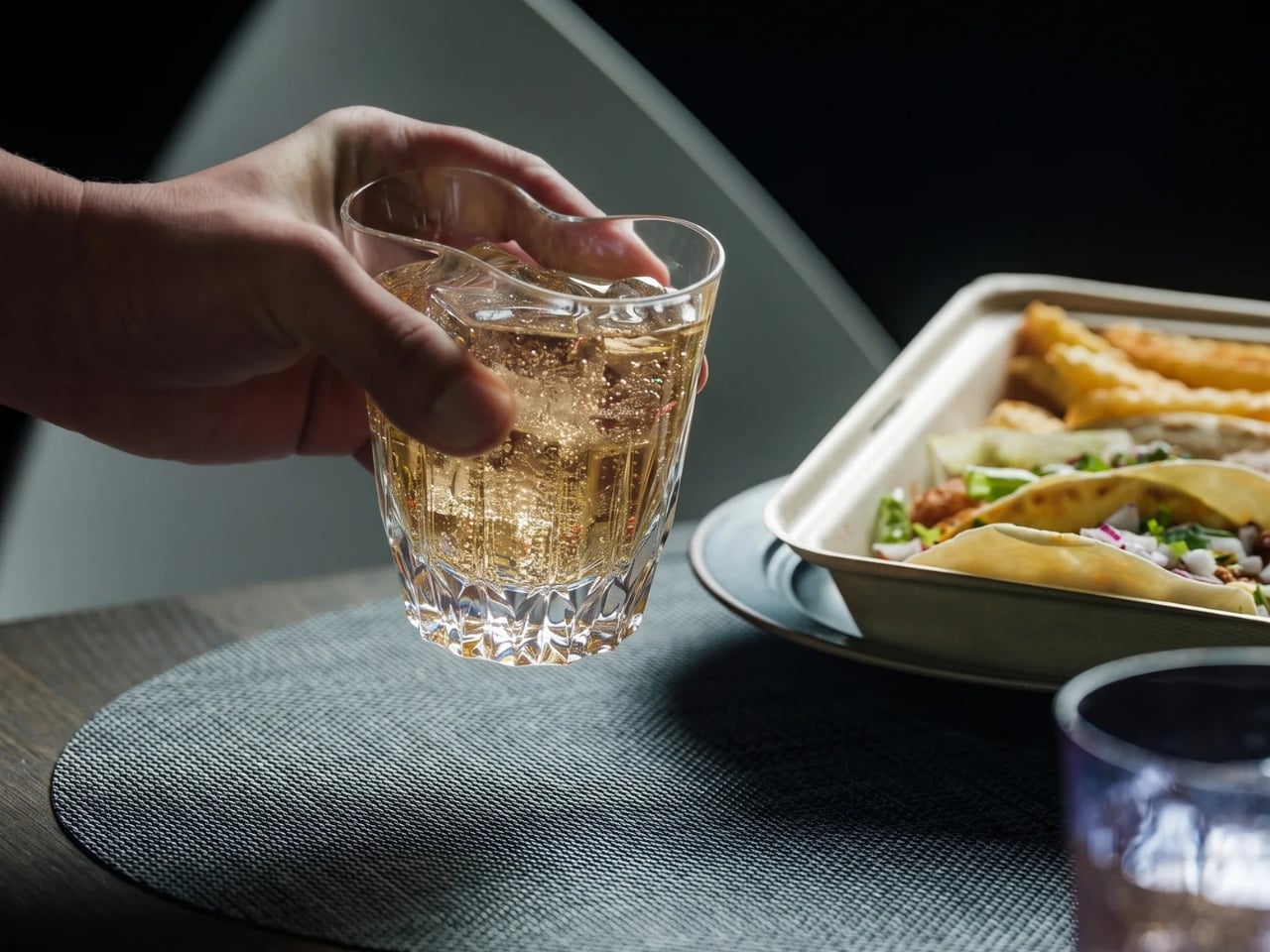
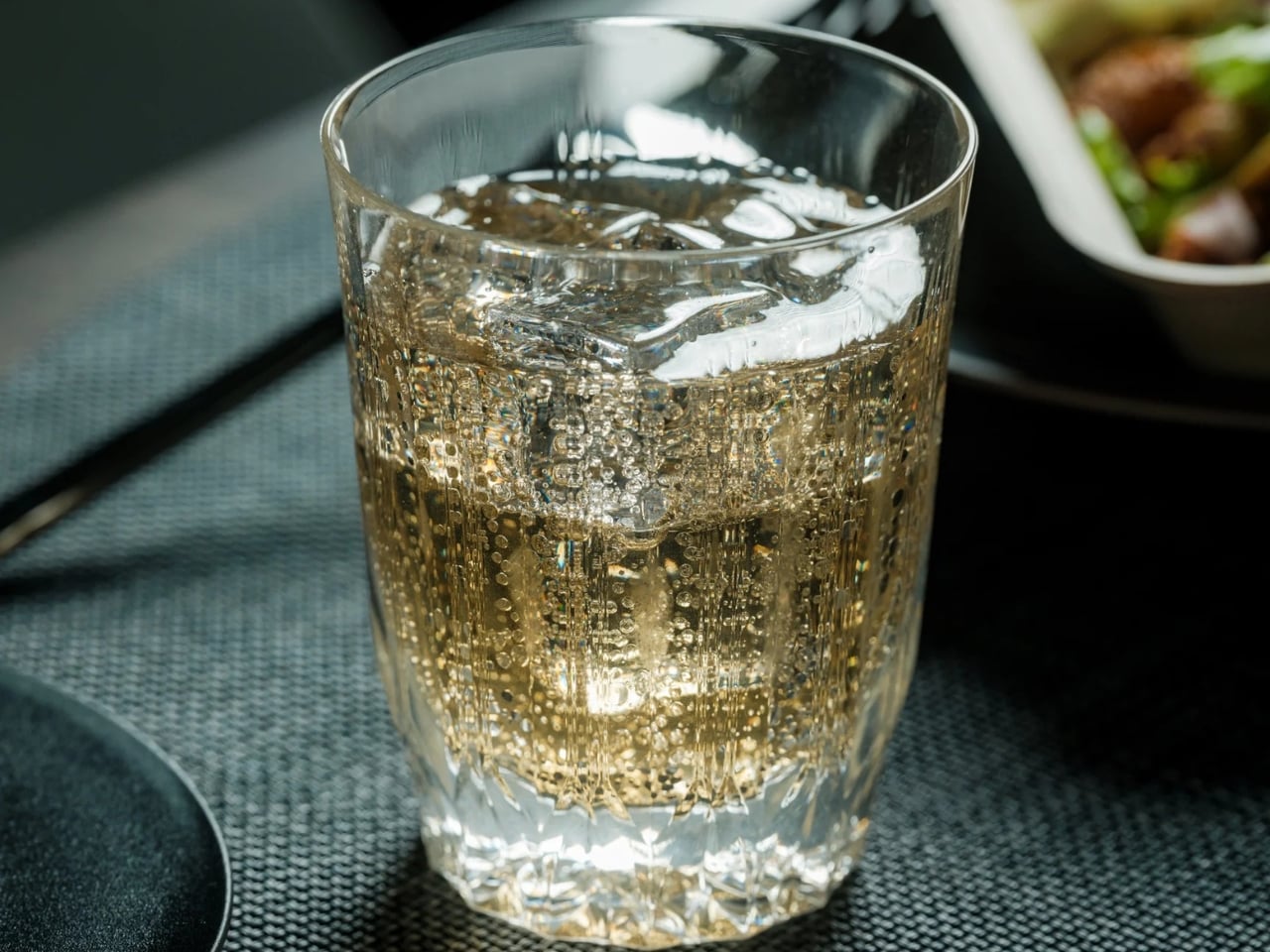
The Flex Glass Tumbler borrows the faceted appearance of Japanese kiriko glasswork, then delivers it in silicone rubber. Made by KINJO in Yao, Osaka, it belongs to a product family developed to bring the manufacturer’s rubber expertise into view. Its cut-glass character comes from molded geometry rather than cuts made in glass. The material changes what happens when the tumbler is squeezed or knocked over, while retaining the decorative language of drinkware intended to sit on a carefully arranged table.
At 8.5 fluid ounces, this is a modestly sized drinking vessel rather than an oversized water glass. Its useful contribution is making a decorative place setting less dependent on fragile materials, particularly when dinner moves outdoors. It is dishwasher and microwave-safe, although hand washing is recommended to help prevent discoloration. Silicone brings its own compromises: foods and drinks can leave odors or staining, and sharp objects can damage it. Flexible doesn’t mean impervious to everything around it.
Click Here to Buy Now: $60.00 each $200 for Set of 4. Black Friday: Free $20 calendar with every order!
What we like
- Molded facets preserve the visual interest of cut-glass drinkware.
- Silicone avoids the shattering behavior of conventional glass.
What we dislike
- Some drinks and foods may leave odors or discoloration.
- Sharp objects can cut or tear the silicone.
5. Kamado-san Simply Donabe Edition
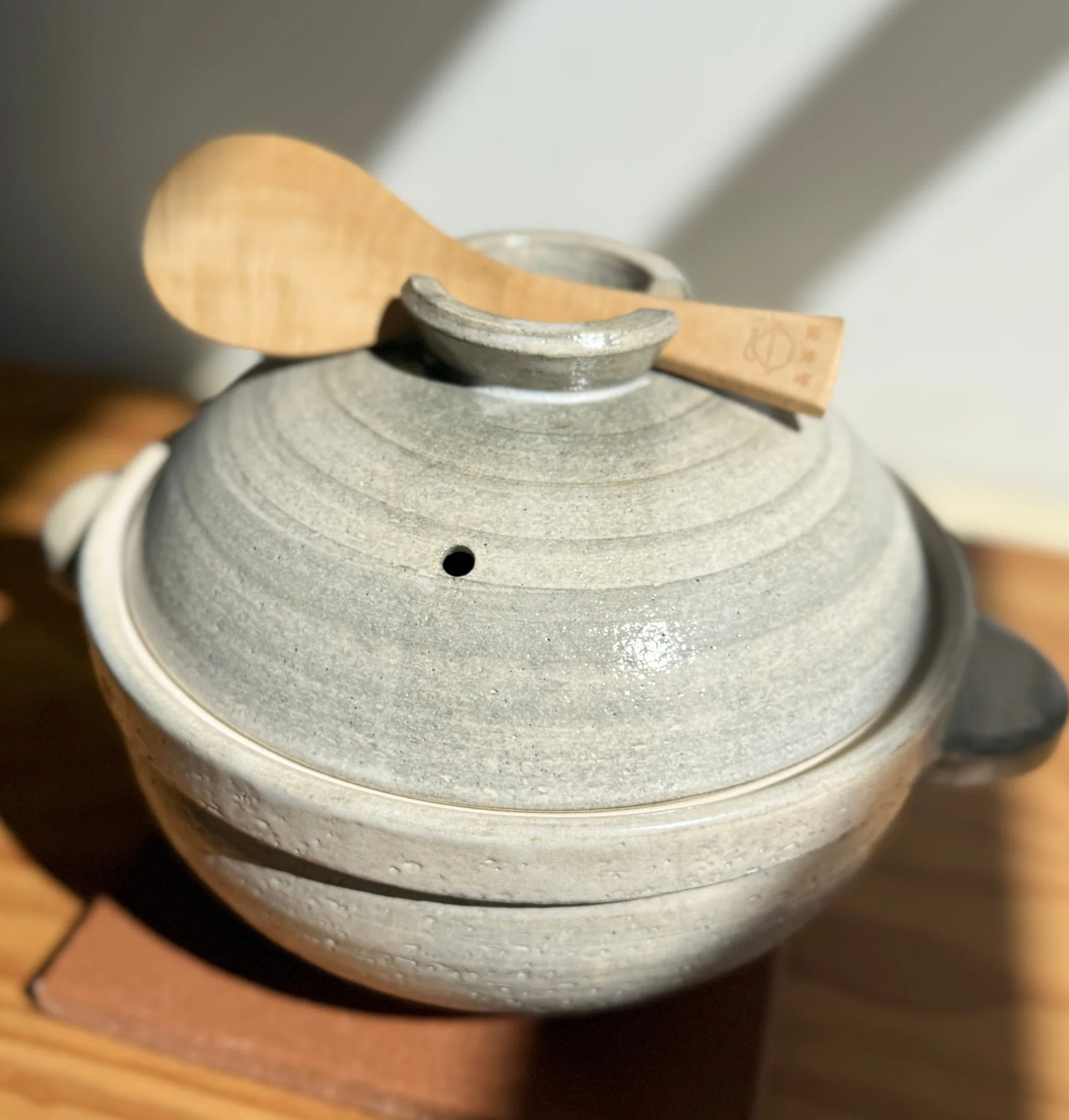
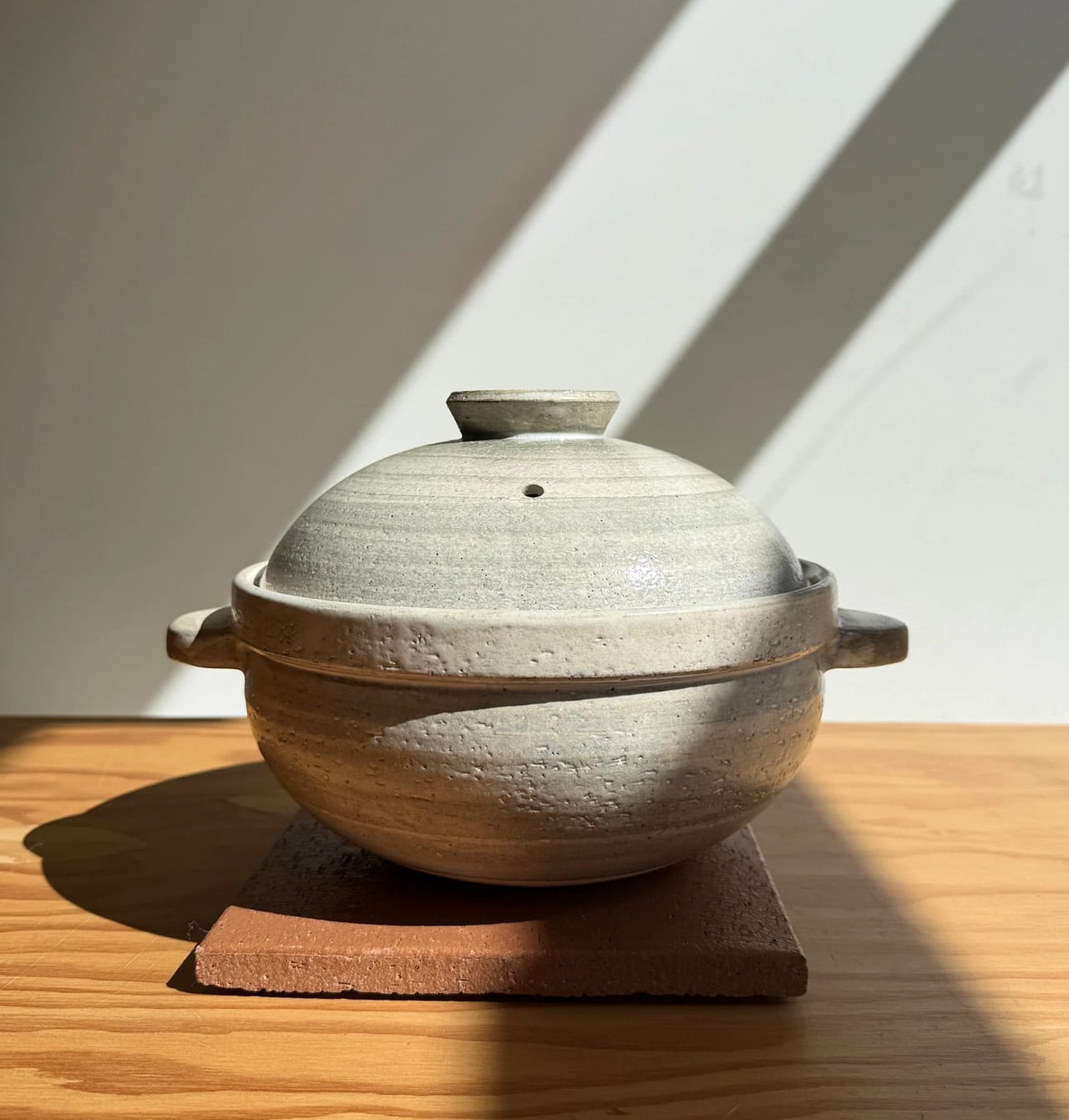
The Kamado-san Simply Donabe Edition puts a familiar shared meal at the center of the table. Created through Naoko Takei Moore’s collaboration with Nagatani-en in Iga, Japan, this special edition uses an exclusive gray glaze with a subtle green nuance. Its function matches the original black Kamado-san, including the double-lid construction and capacity for three Japanese rice cups of uncooked rice. The edition adds a Simply Donabe stamp inside the inner lid, leaving its principal identity rooted in the cooking vessel.
Serving directly from the pot gives its rounded form and individually varying glaze a role throughout dinner. TOIRO also lists soups, stews, hot pot, and braising among its uses, so rice needn’t be its only assignment. The practical requirements matter: it needs seasoning before first use, hand washing, and a suitable heat source. This edition isn’t compatible with electric or induction cooktops.
What we like
- The special glaze gives a functional cooking pot a distinctive table presence.
- Its uses extend beyond rice to several shared-pot dishes.
What we dislike
- It doesn’t work on electric or induction cooktops.
- This edition is sold out, with restocking planned for spring 2027.
Check the Stove Before Choosing the Centerpiece
The two cooking vessels ask for different kitchens. Kakugama supports induction, gas, and oven cooking, while this Kamado-san rules out electric and induction cooktops. That distinction matters more than which silhouette looks better on a shelf. Both also deserve thought about the journey from stove to table: their weight, a clear landing place, and appropriate surface protection belong in the decision before choosing either as the centerpiece of your dinner.
For the smaller objects, the useful question is how much interaction you actually want. A seasoning tool that asks you to stop and crush pepper suits a different evening from one when everything needs to happen quickly. There is no need to assemble the entire collection. Choose the object whose action you would enjoy repeating, including the cleaning afterward. That is a better reason to keep it within easy reach.