Virtual reality often asks you to strap a screen to your face before you can go anywhere. That can get uncomfortable when a short demonstration turns into a long session. Researchers at Kyushu University tried moving the display off your head and onto a chair instead, surrounding the seated user with an optical pod that offers a three-dimensional view without a headset.
The prototype looks more like a piece of oversized furniture than goggles and controllers. A high-backed seat supports your body, while a large white enclosure projects forward around your field of view. Its bulk might seem surprising for a system intended to reduce discomfort, but that weight belongs to the structure, not your forehead, cheeks, or neck during a session.
Designer: Shogo Fukushima (Kyushu University)
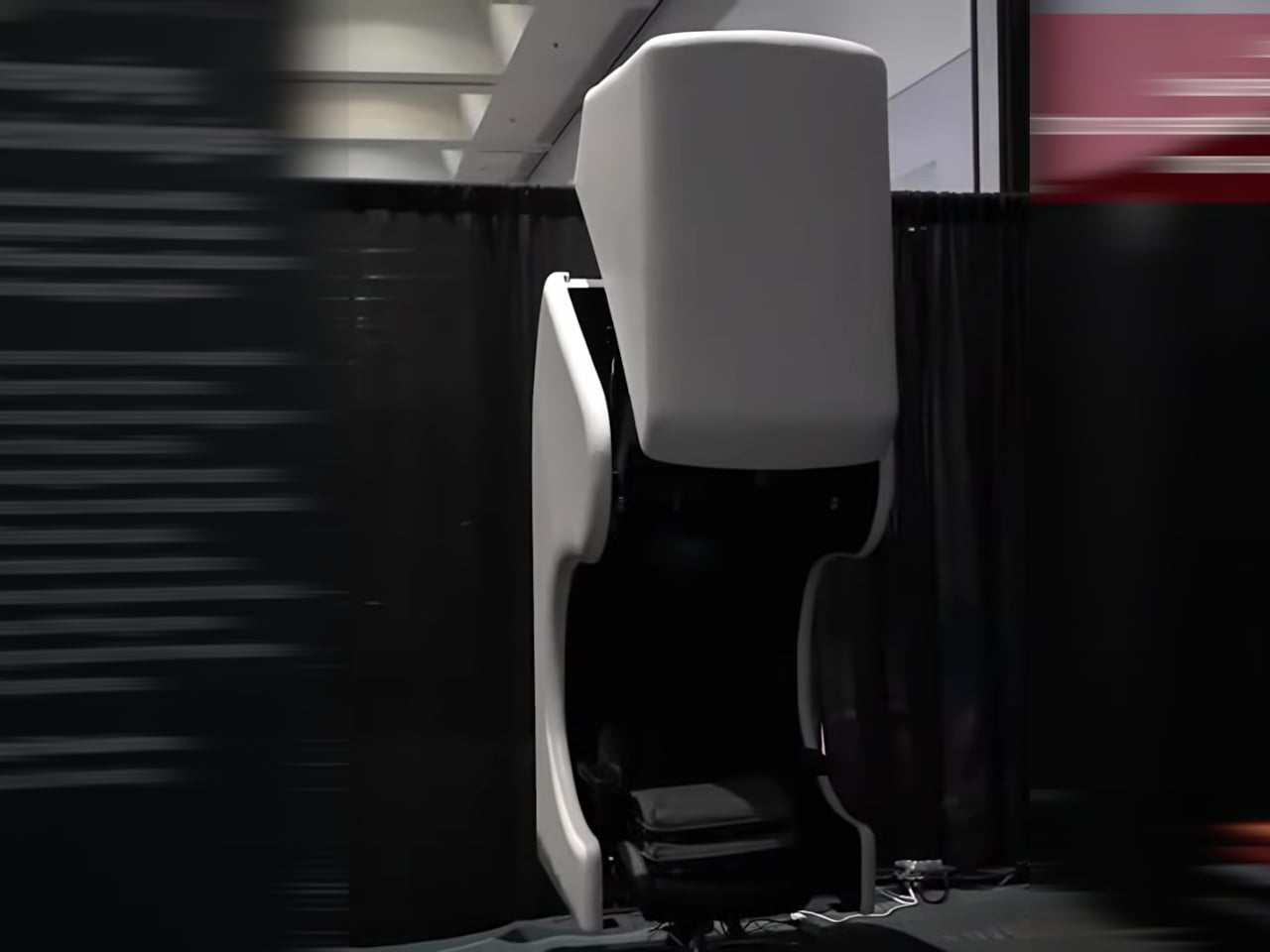
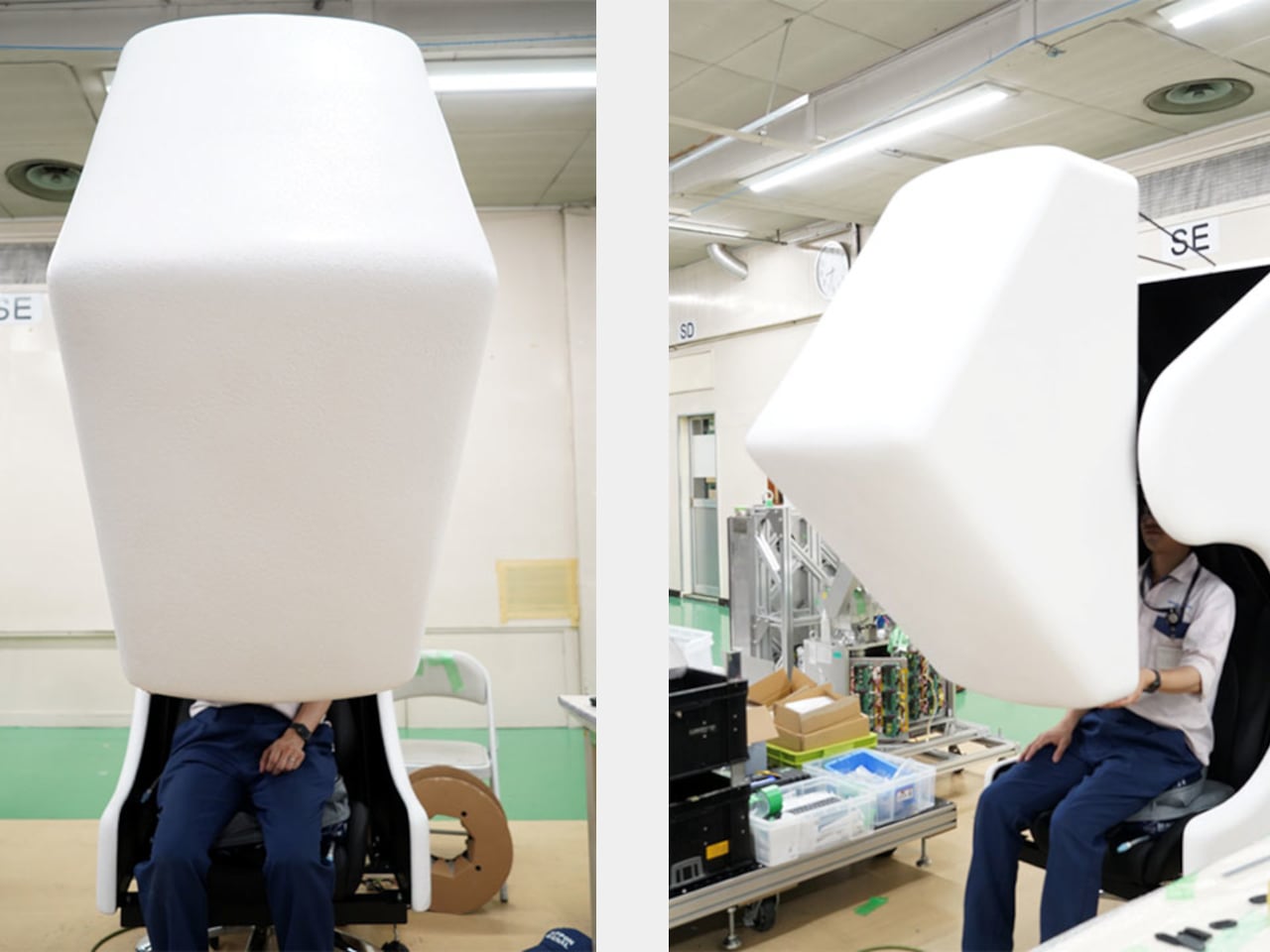
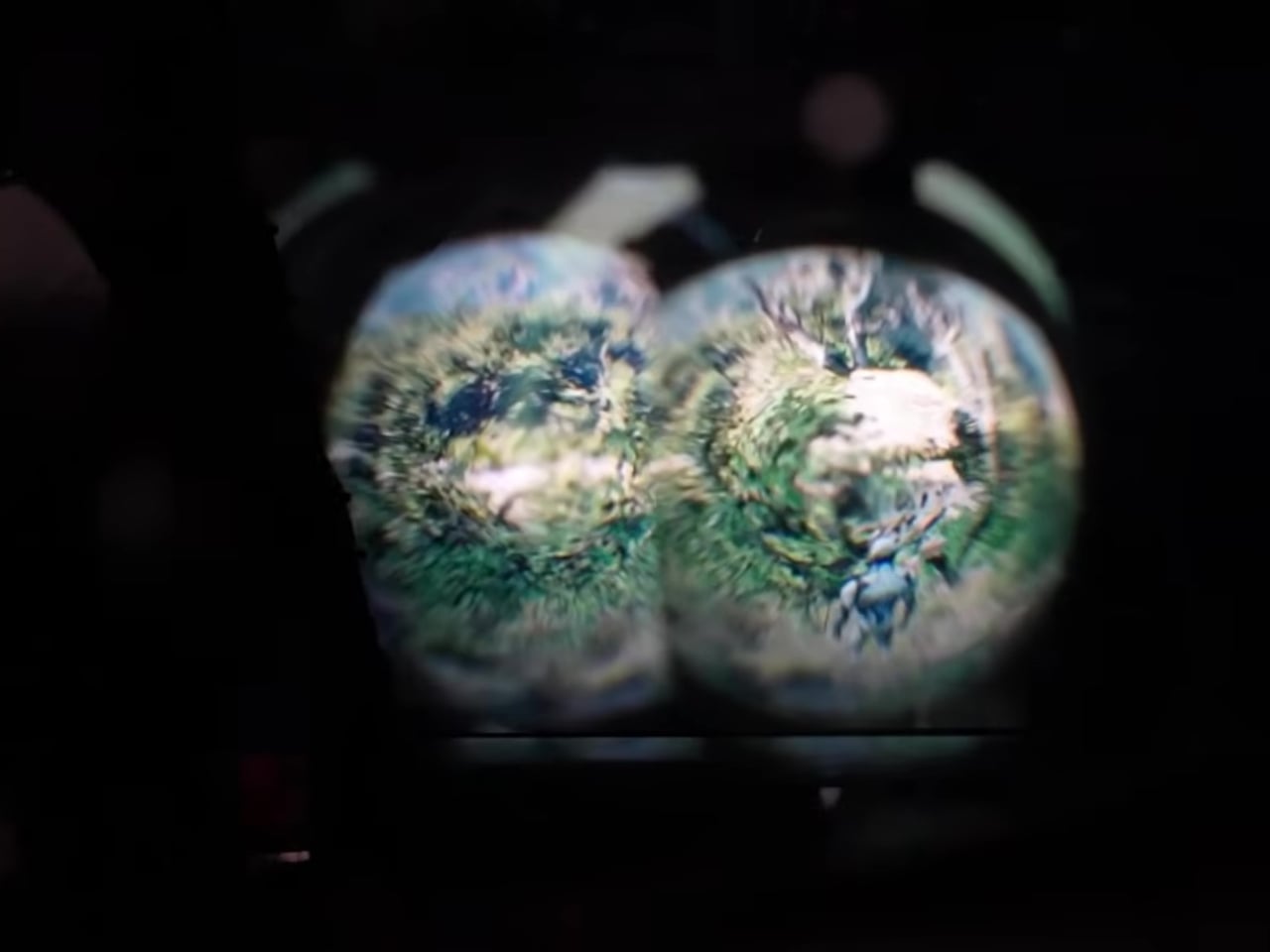
Inside, a micromirror array directs slightly different images to each eye, creating depth without placing lenses against your face. Aerial imaging makes the scene appear to float beyond the chair rather than sit on a screen inches away. That gives you something closer to looking into a space than staring at a monitor, even though the machinery stays right where you’re seated.
The chair itself becomes part of the controls. A gyroscope follows its rotation, so turning your body changes what you see in the virtual scene. You don’t have to wear a tracker on your head or adjust a headset each time someone else takes a turn. Sit down, face the optics, and the system can respond to a swivel as you look around.
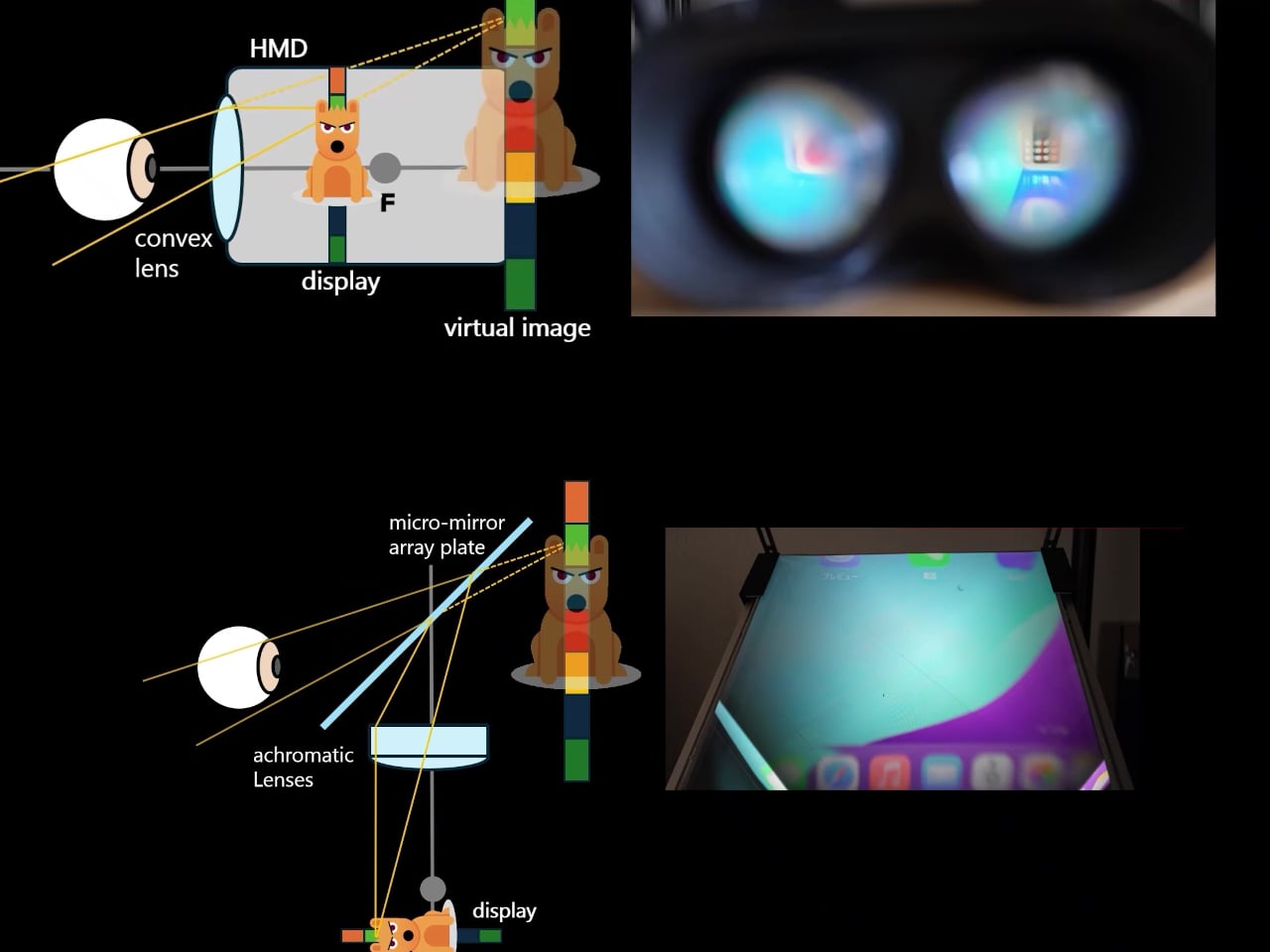
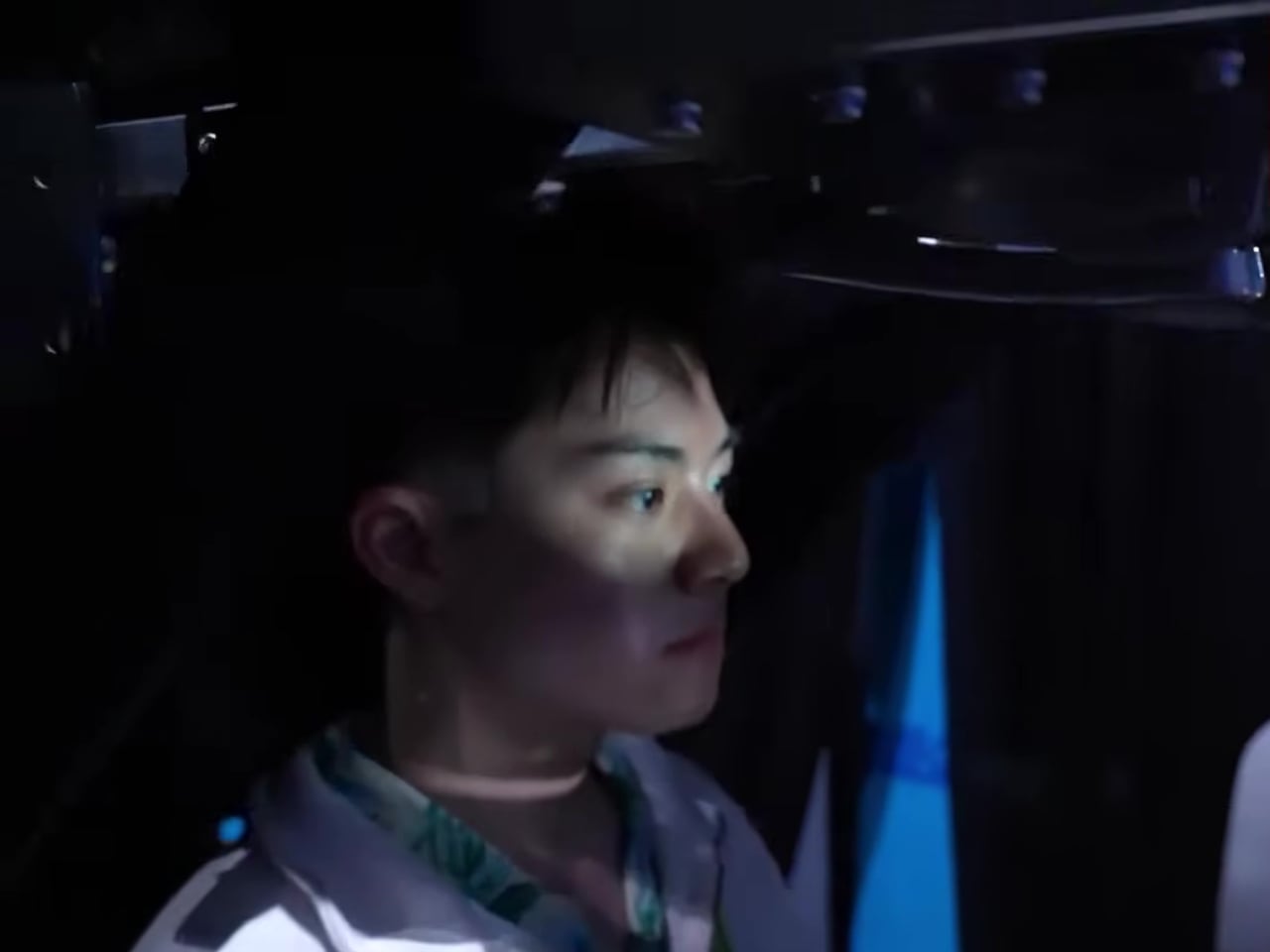
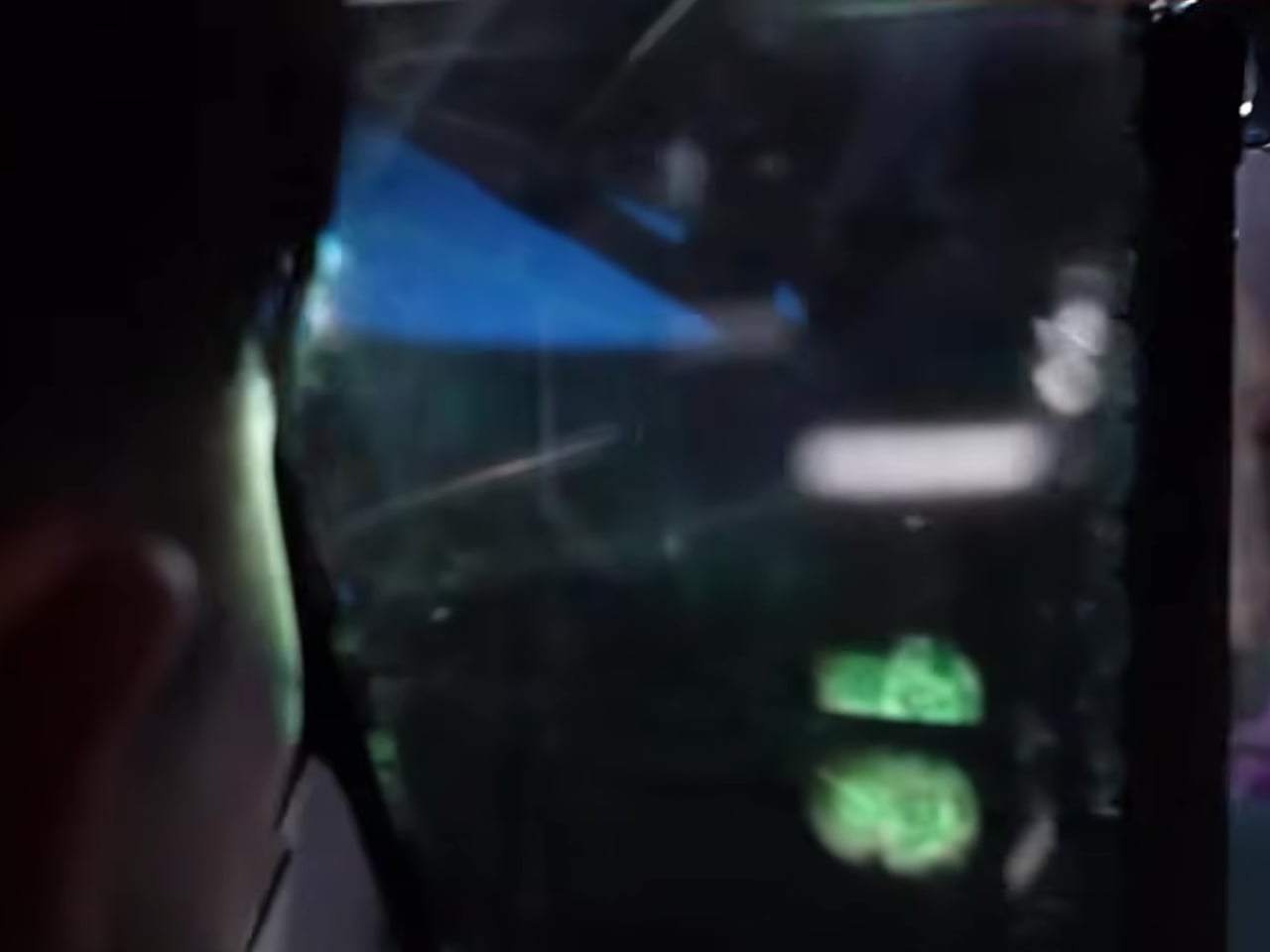
Imagine a museum where visitors take turns exploring a reconstruction without sharing something that rests against their faces. A seat could offer a brief journey, then welcome the next person without the ritual of fitting and removing goggles. The same approach might suit a stationary operator examining a remote workspace, although neither setting has been demonstrated as a finished installation.
Putting the optics in furniture also changes what designers can do with their size. Bigger components don’t have to balance on someone’s nose, leaving room to experiment with a broader view or different moving mechanisms. The researchers suggest that this freedom might eventually help address VR sickness, but it hasn’t been shown to prevent nausea. Less head pressure and less motion sickness are two different promises.

There are obvious trade-offs. You can’t walk around while using a chair-bound system, and the current prototype occupies far more room than a headset you can put in a drawer. It’s designed around seated rotation, not every little turn of your head, so it shouldn’t be mistaken for an equivalent replacement for mobile VR.
Still, the chair asks a question about who should carry the weight of immersion. Instead of shrinking everything until it fits on your face, it lets the room hold the hardware and leaves your head alone. For someone spending an afternoon inside a simulated environment, that shift could matter more than another reduction in headset weight, provided the chair itself proves comfortable.