Every time I try to do some meditation by using an app or a podcast on my phone, I’m not always successful. I tend to still get distracted when I try to adjust the volume or play something else and then I see a notification, etc etc. The time I allotted myself to relax and get away from the world essentially gets derailed because of a screen. So what if the tool you use for this particular time will help you get away from screens and from life, at least temporarily.
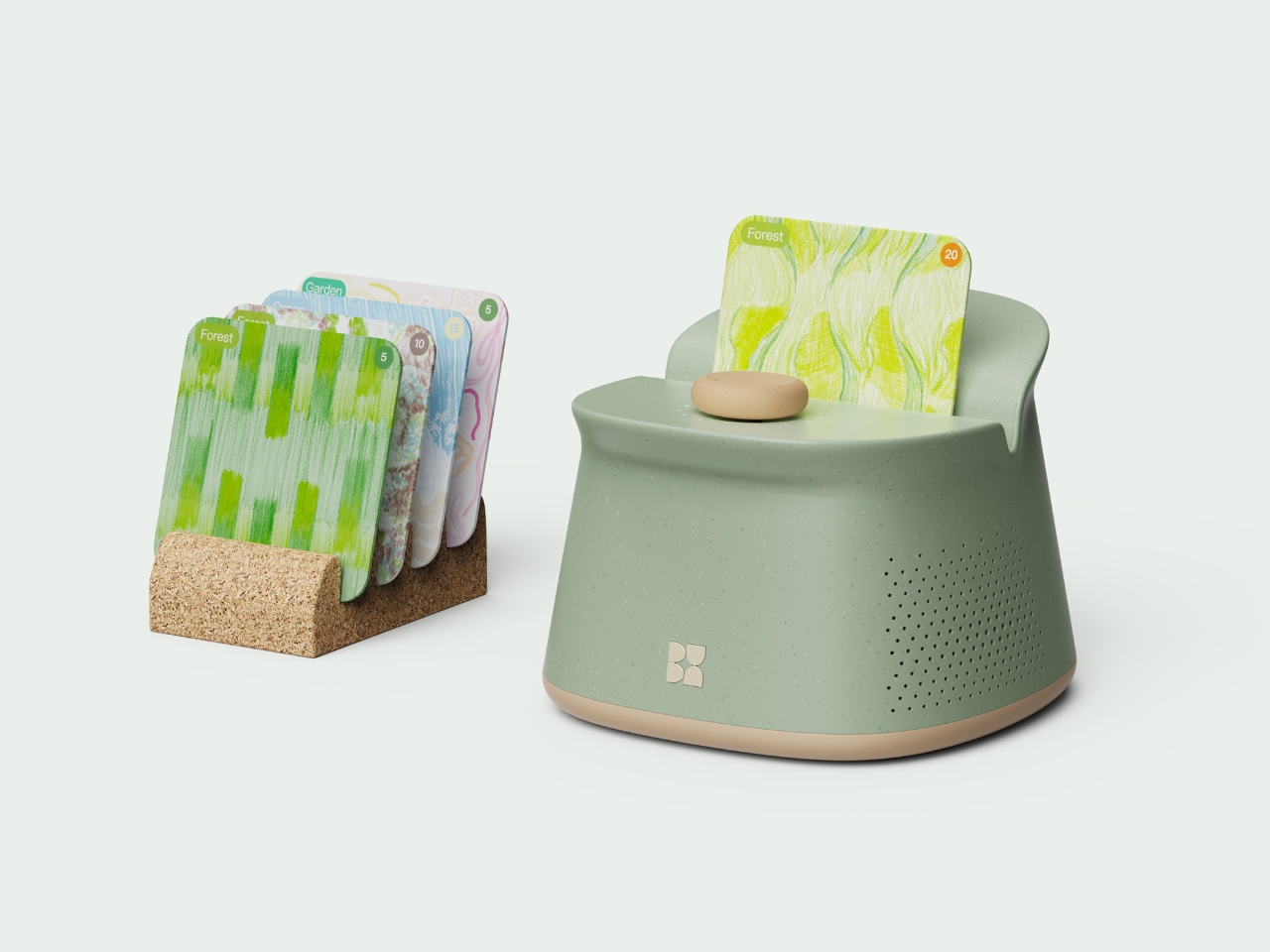
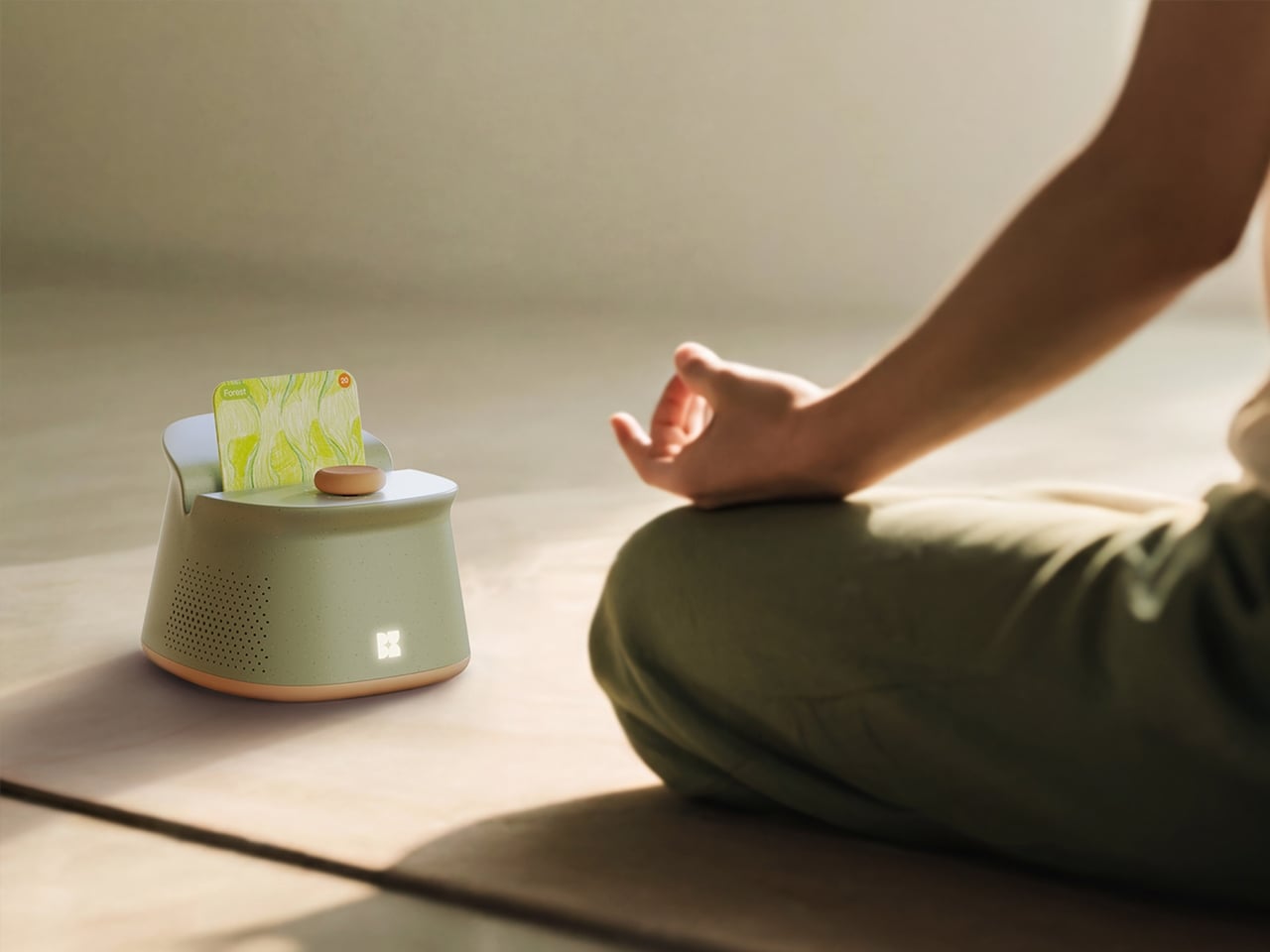
Meru is a meditation concept built to take that detour out of the routine. It doesn’t have a screen to distract you and all you need is to place a card on top of the device to start your meditation session. Linrui Mei and Lu Chen of Futari Design gave each card a theme and a duration. Slip one into the groove and the device reads it using NFC, or near-field communication. The system is designed to deliver spoken guidance, nature sounds, and a light that cues your breathing, all without an app or an internet connection.
Designers: Linrui Mei & Lu Chen
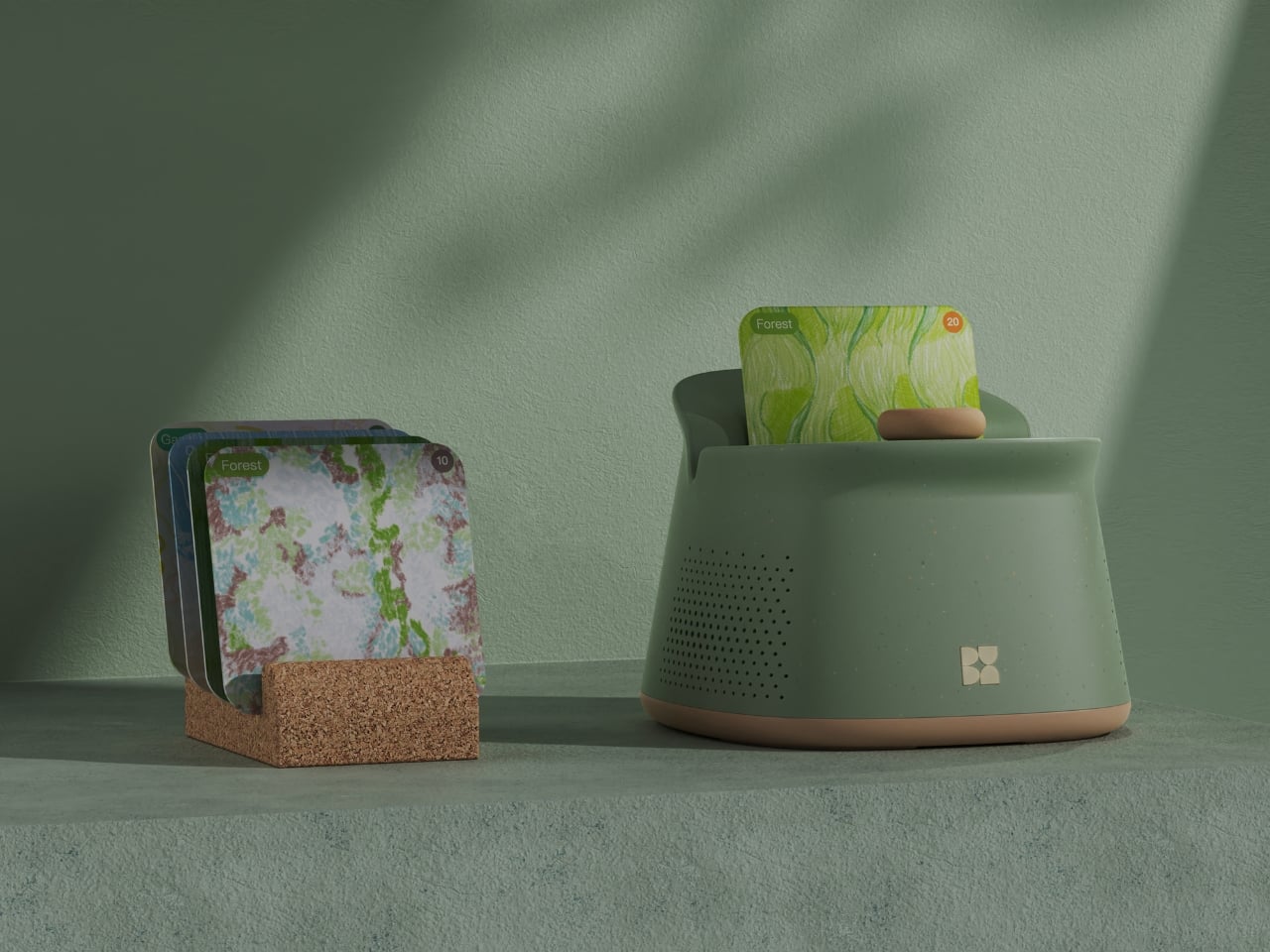
The housing looks like a little sage-green hill with a valley cut into its top. Futari cites Mount Meru as the inspiration, but the landscape reference earns its place: The groove gives the card a natural place to go, and the studio says it’s designed to accept a card from any angle. Next to it sits a raised, pebble-like control for playback and volume. I’d take that over having to open my eyes and find a tiny slider when the voice comes in louder than expected.
The cards themselves remind me of a miniature record collection. The forest designs come in several patterns, and the ocean card has a wash of blue that makes it easy to pick out in the project images. The little cork stand does more than keep the cards from migrating into a drawer. It lets the choices sit out where you can see them. I can imagine leaving a favorite at the front and reaching for it most mornings, the same way a favorite mug rarely makes it to the back of the cupboard.
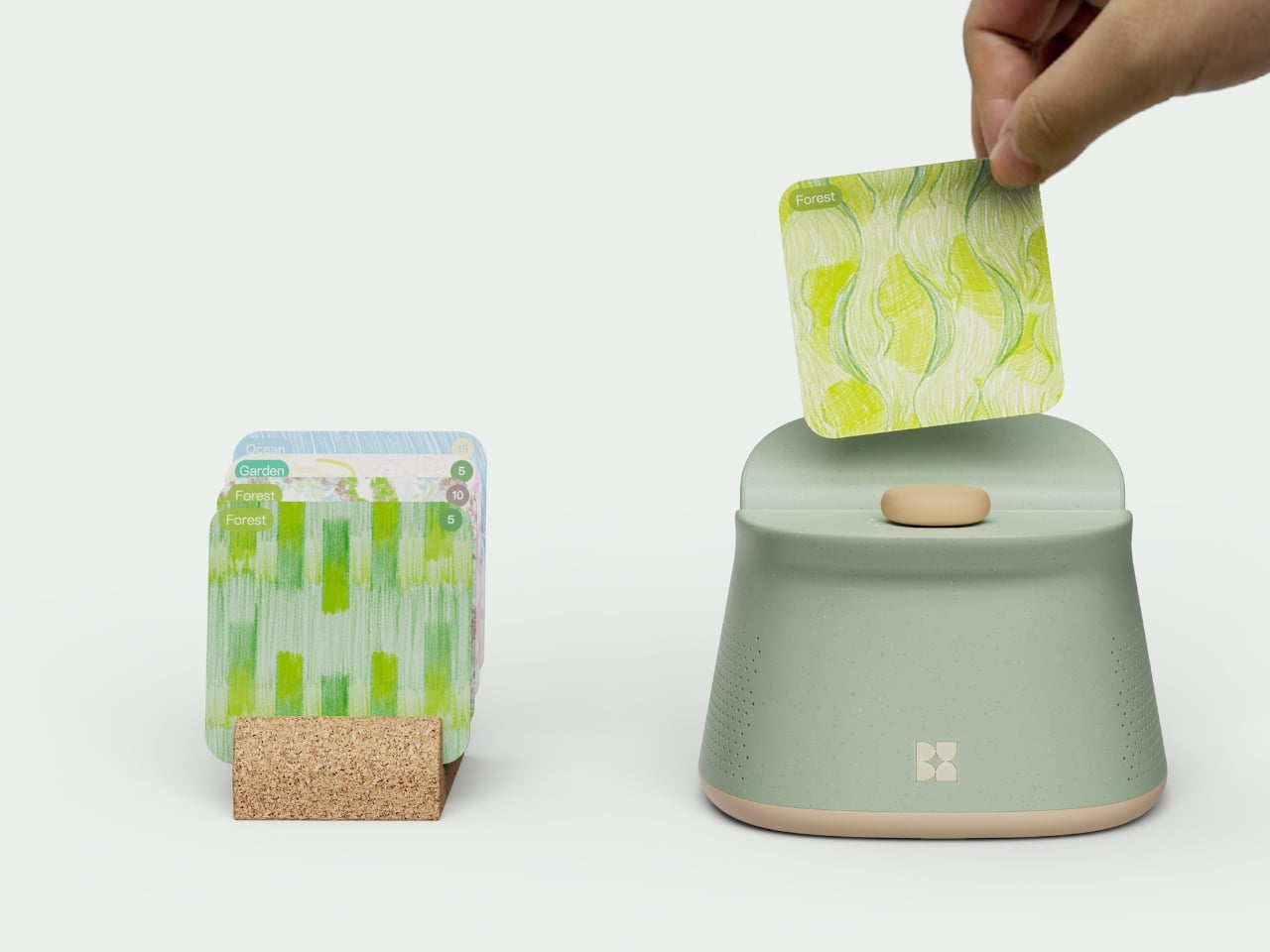
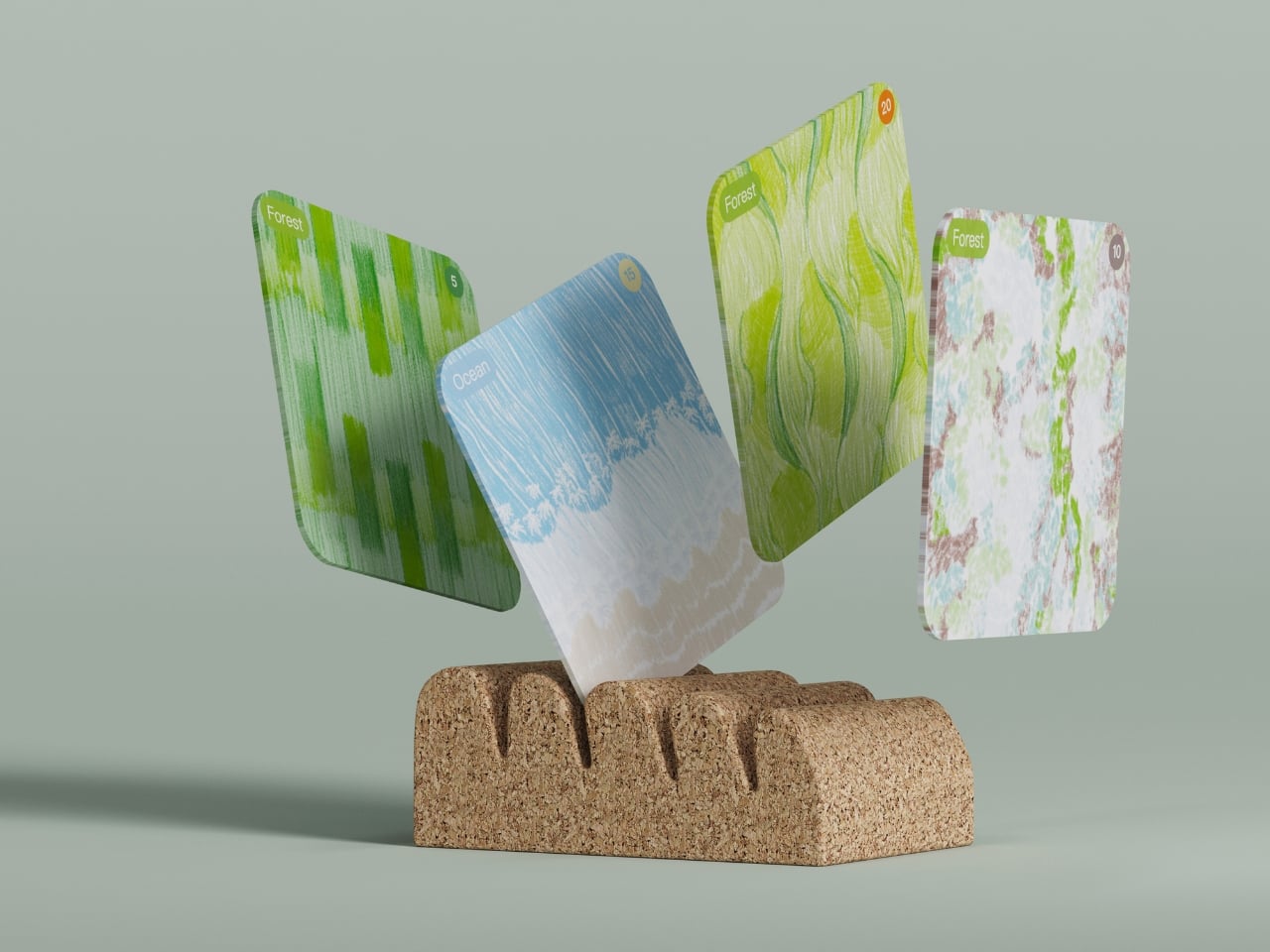
I’d still want the duration printed a little bigger. The numbers sit in small badges at the upper corners, and while that keeps the artwork from looking busy, the length of a session might be the first thing I’d check on a weekday morning. If the pebble control is meant to spare you from looking down once you’re settled, the cards should be just as easy to read before you begin, especially for people like me that have trouble reading small prints.
The bigger tradeoff is how much variety you’d want from a device that lives on a shelf. A handful of familiar sessions sounds appealing to me, especially on days when choosing from a long list feels like one more task. But if none of the voices or sounds suited you, that same small collection could make the device easy to abandon. Futari’s project page doesn’t explain how you’d add sessions or replace a lost card. Those are details I’d want settled before giving it a permanent spot on the nightstand.
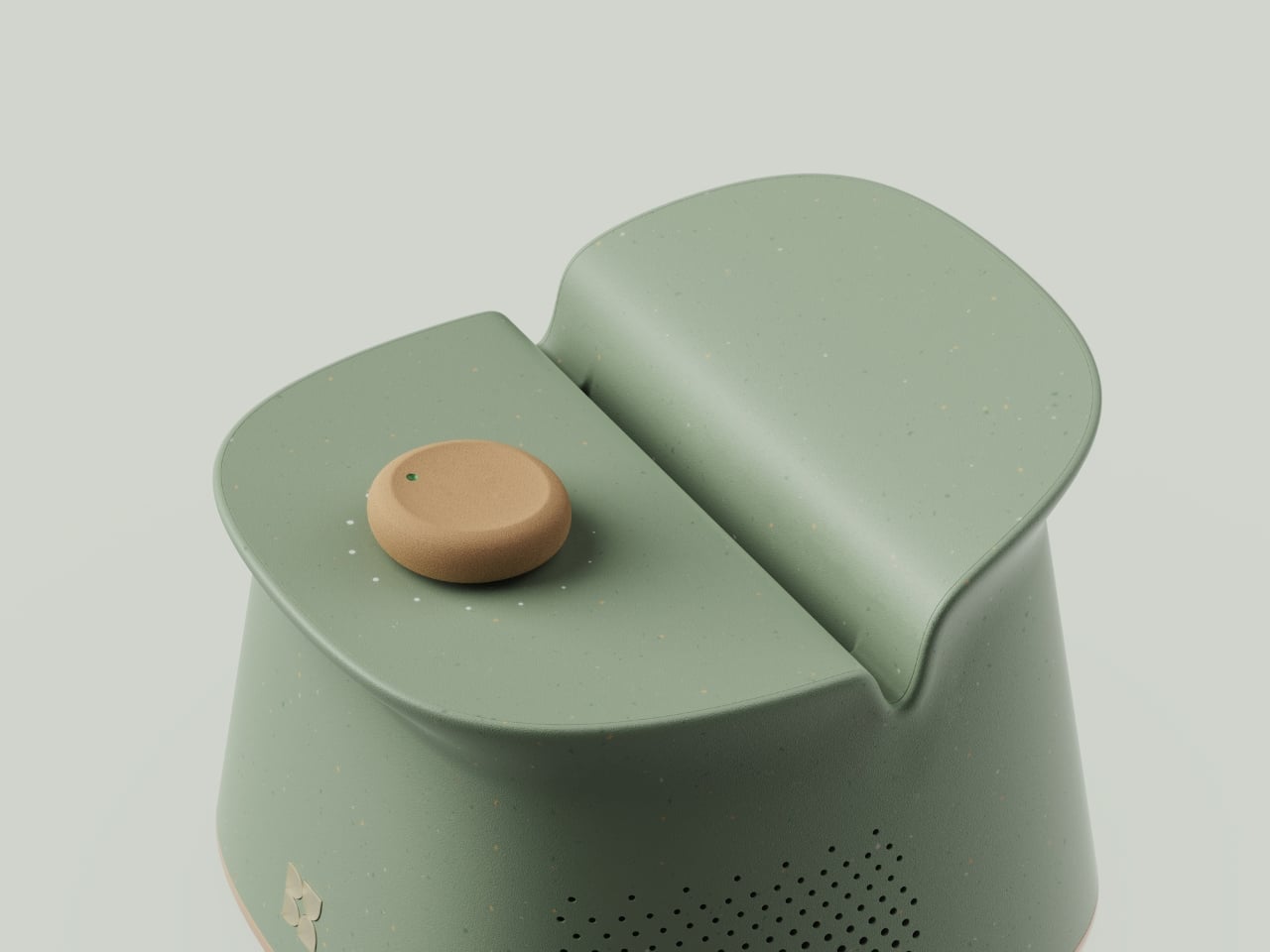
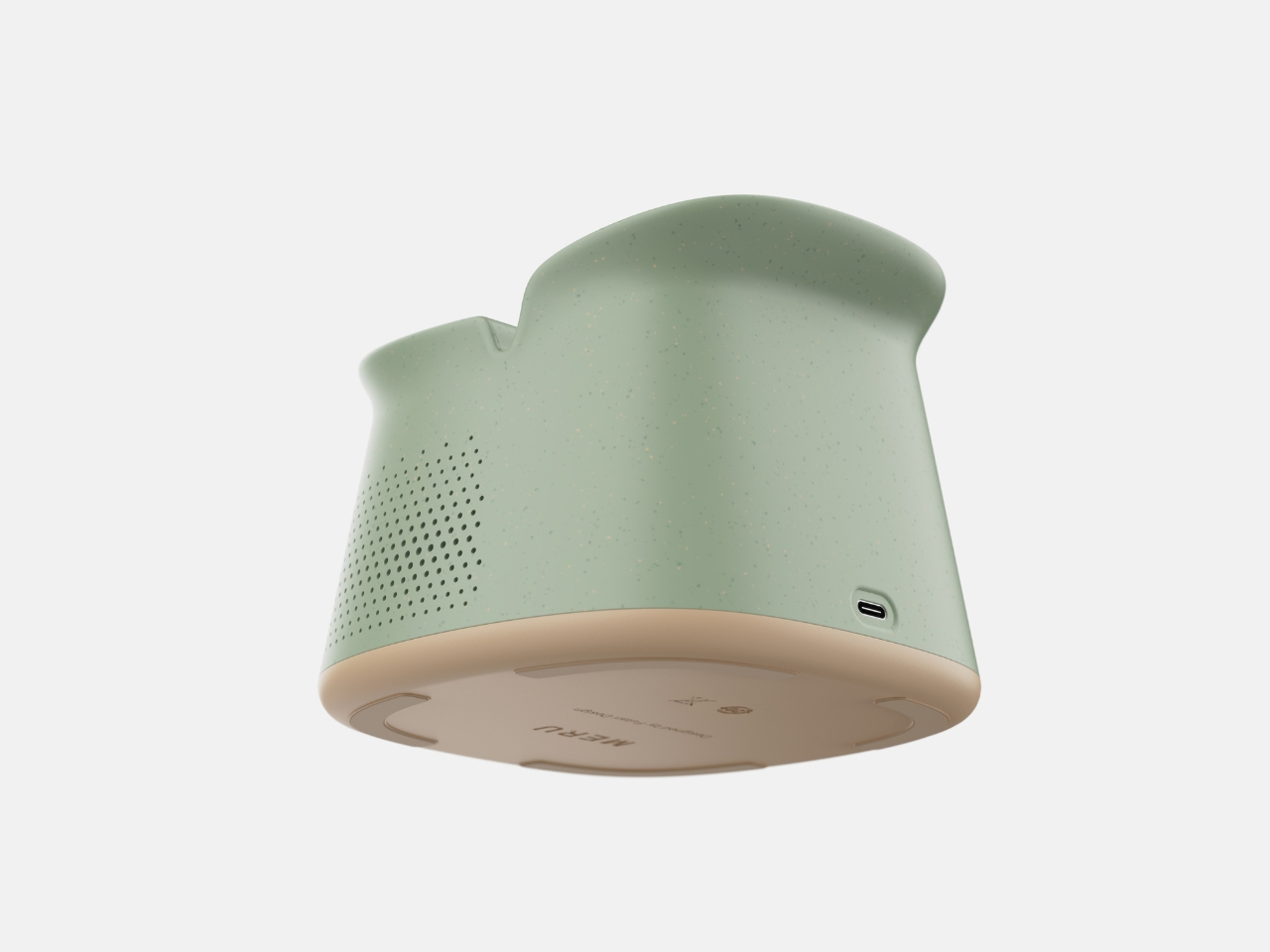
Futari specifies recycled plastic and natural cork and says it designed Meru to come apart for repair. That’s a sensible goal for something you’d leave out and use regularly. I’d like to see what that means in practice, particularly whether you could replace the parts you handle without replacing the whole device.
Of course, a phone on Do Not Disturb can already get you most of the way there, and it doesn’t take up any more space. The reason I’d make room for Meru is that slipping a card into a slot feels like a clear beginning. You’ve picked how to spend the next few minutes, and the object in front of you has nothing else to suggest. And as someone who easily gets distracted by my phone, this may be something to help solve that problem.