Putting a phone face down can be a small declaration that you’re done looking at screens. Sharp’s upcoming AQUOS sense11 gives that familiar gesture another purpose, using a gentle rear light for notifications and atmosphere. It’s an unusually domestic detail for a smartphone that also emphasizes less weight in your pocket, with a slim aluminum body wrapped around a sizable 5,000mAh battery.
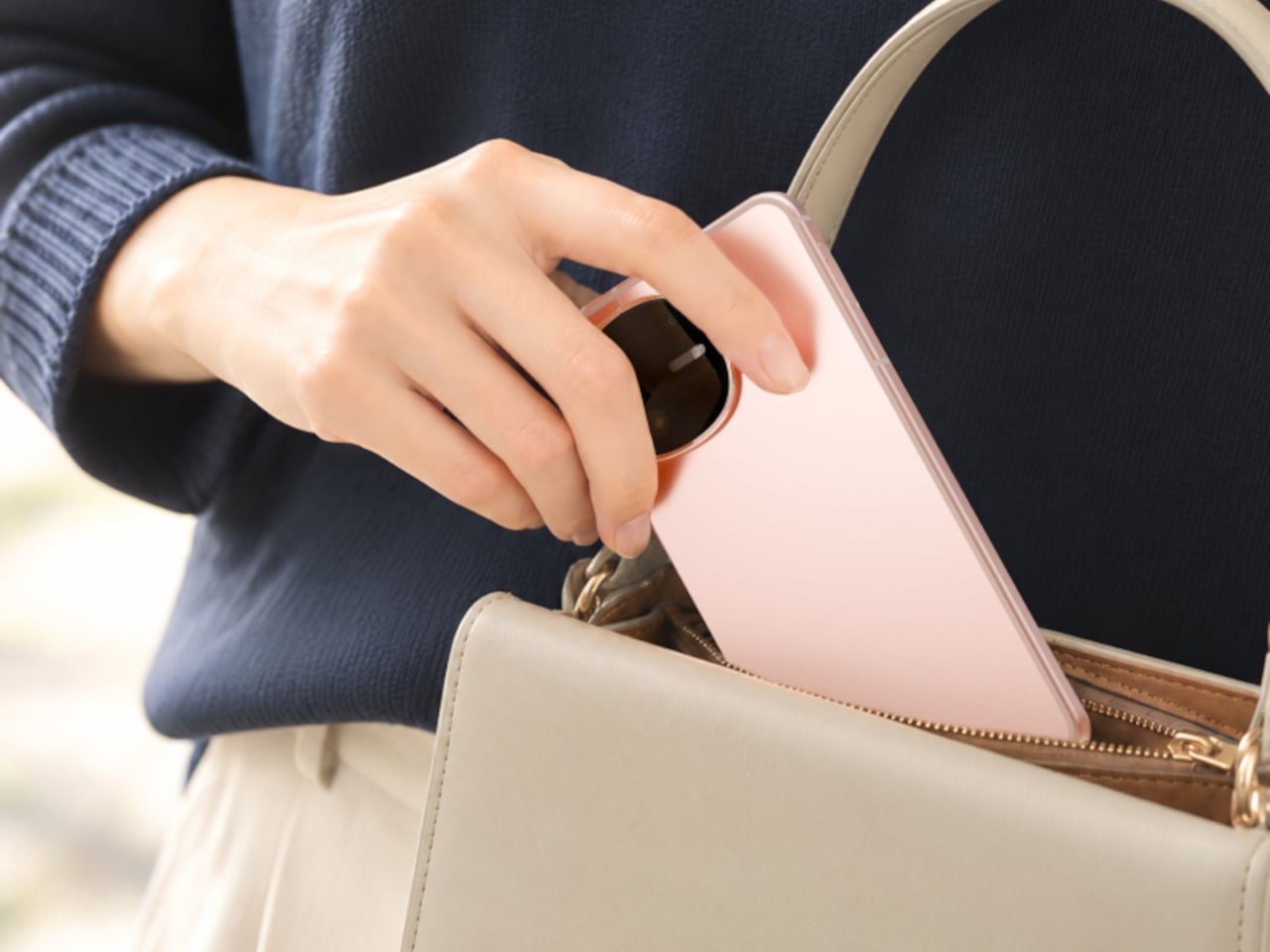
Sharp may bring televisions to mind before phones, but it hasn’t stopped making handsets for Japan, alongside selected overseas markets. The AQUOS sense11 measures approximately 7.6mm thick and weighs just 157g, keeping its 6.2-inch screen within a relatively modest package. The flat sides and gently rounded corners keep the outline straightforward, leaving the camera housing to supply most of the visual character.
Designer: Sharp
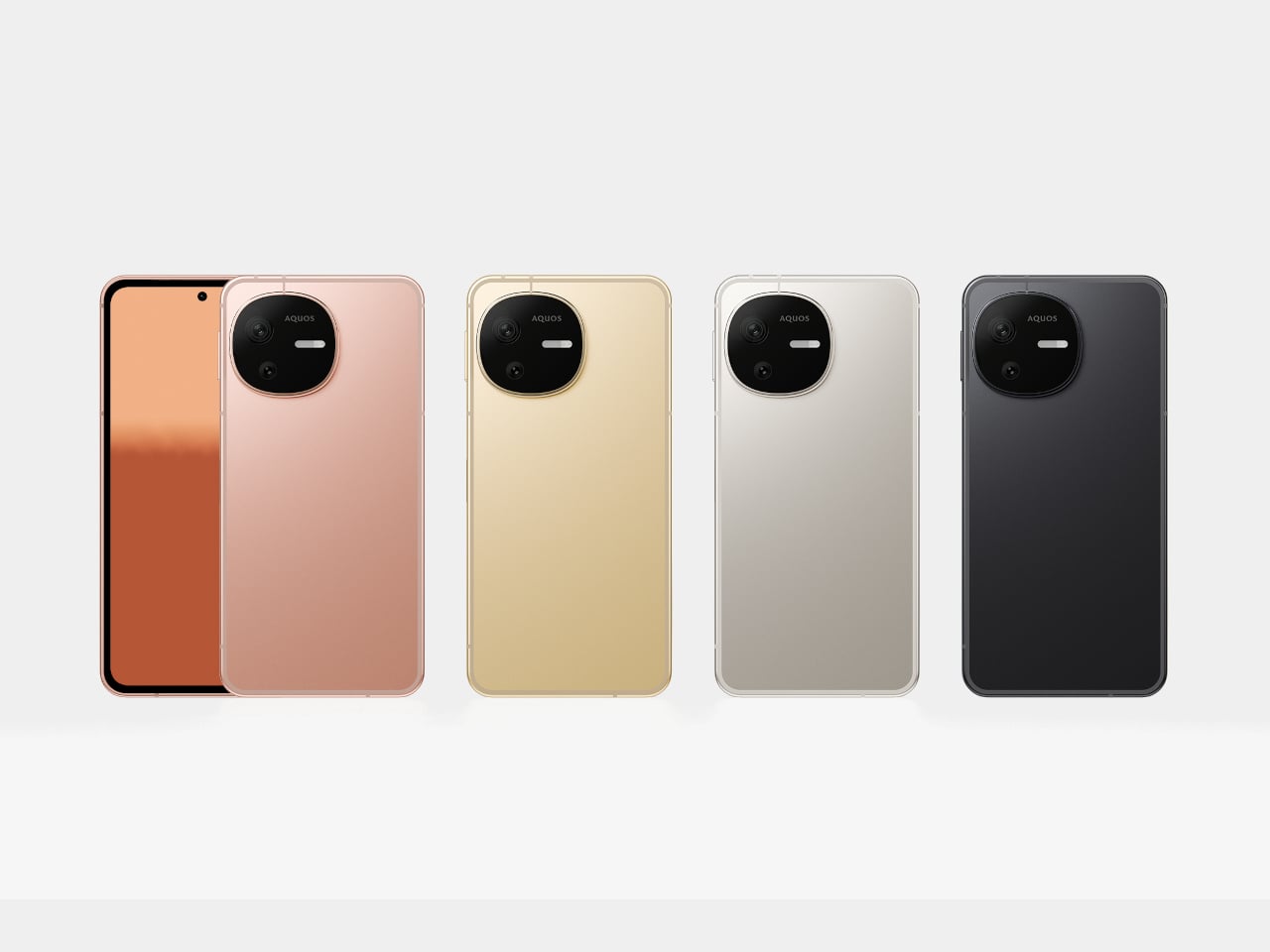
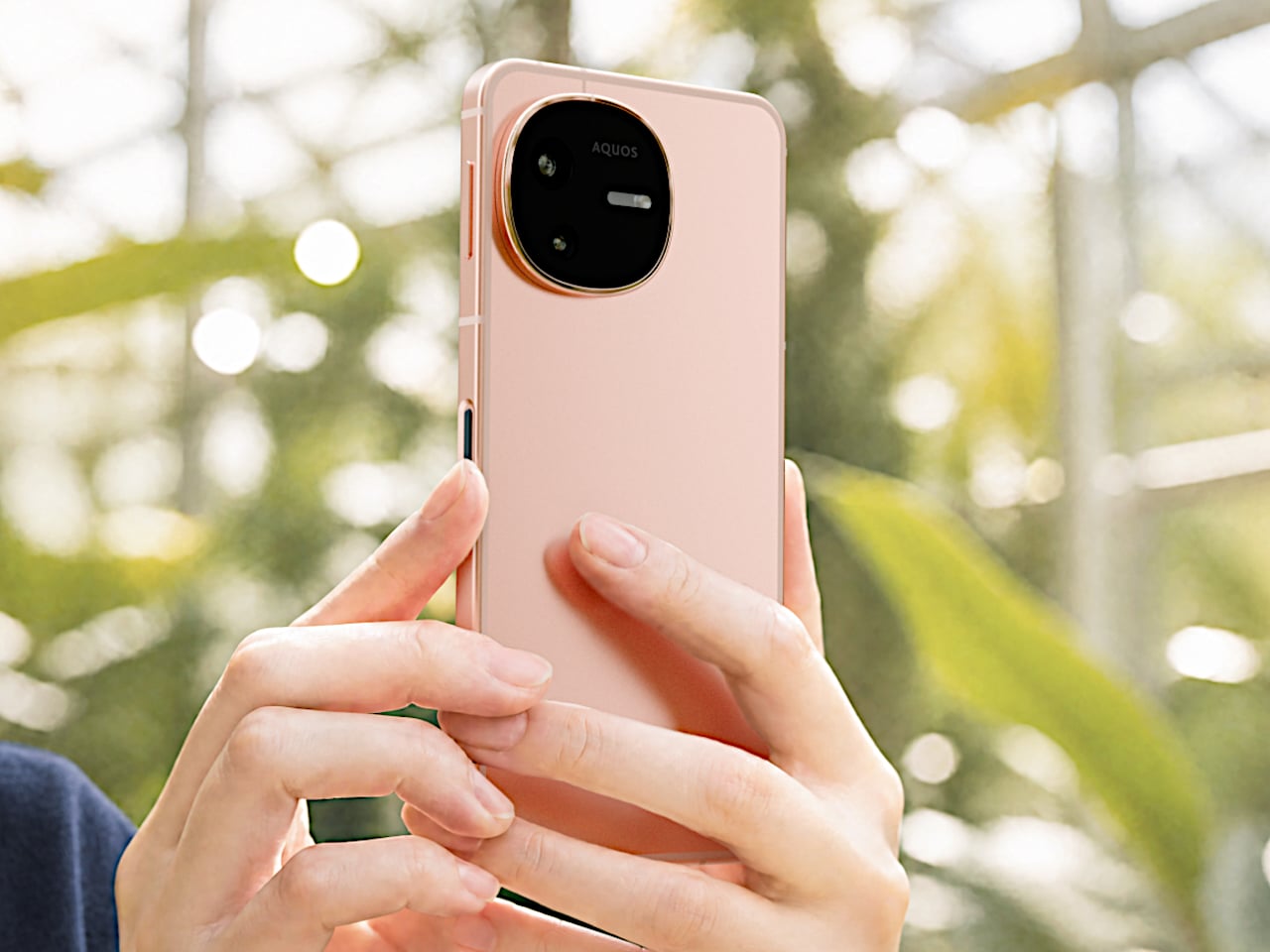
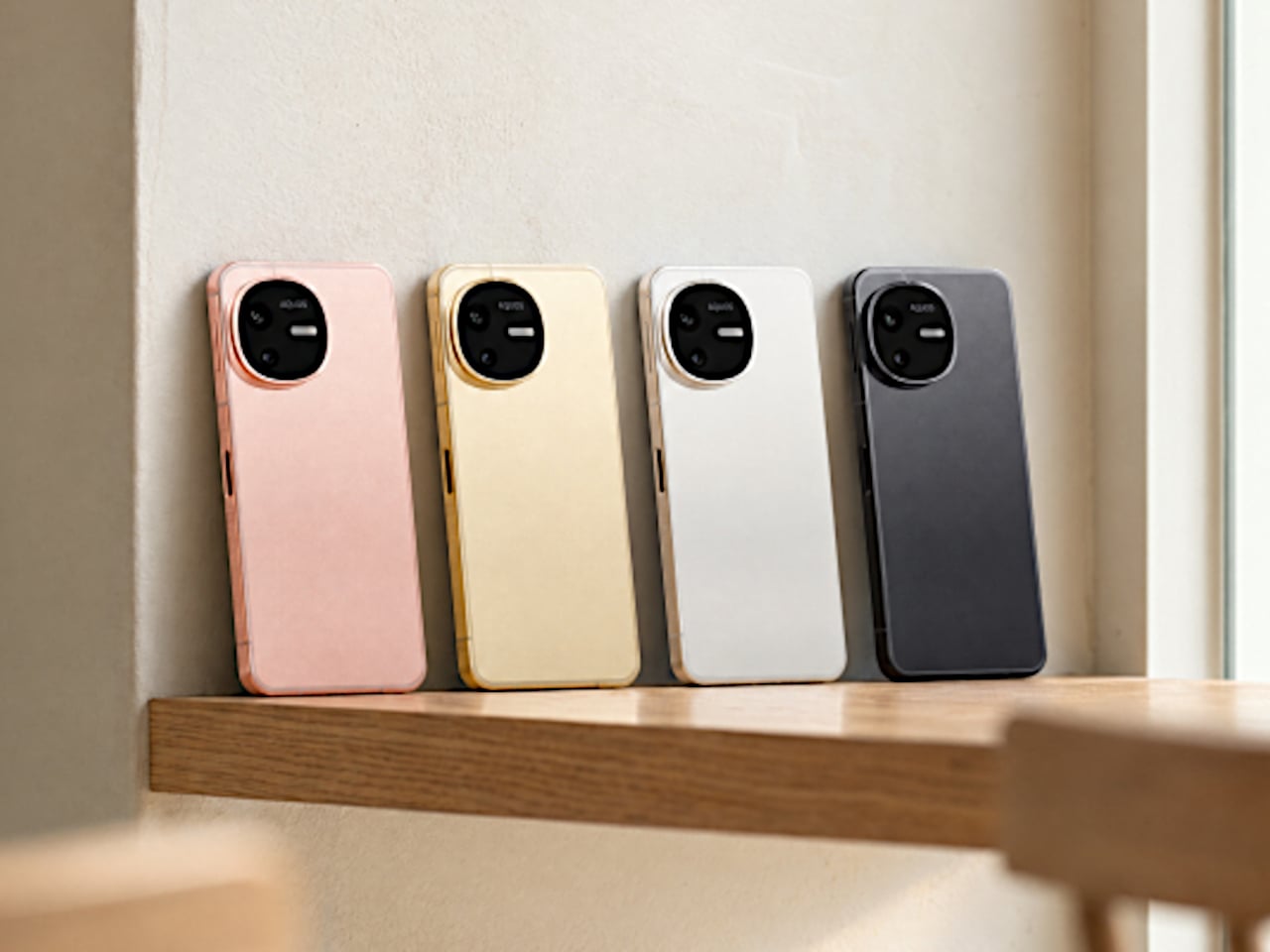
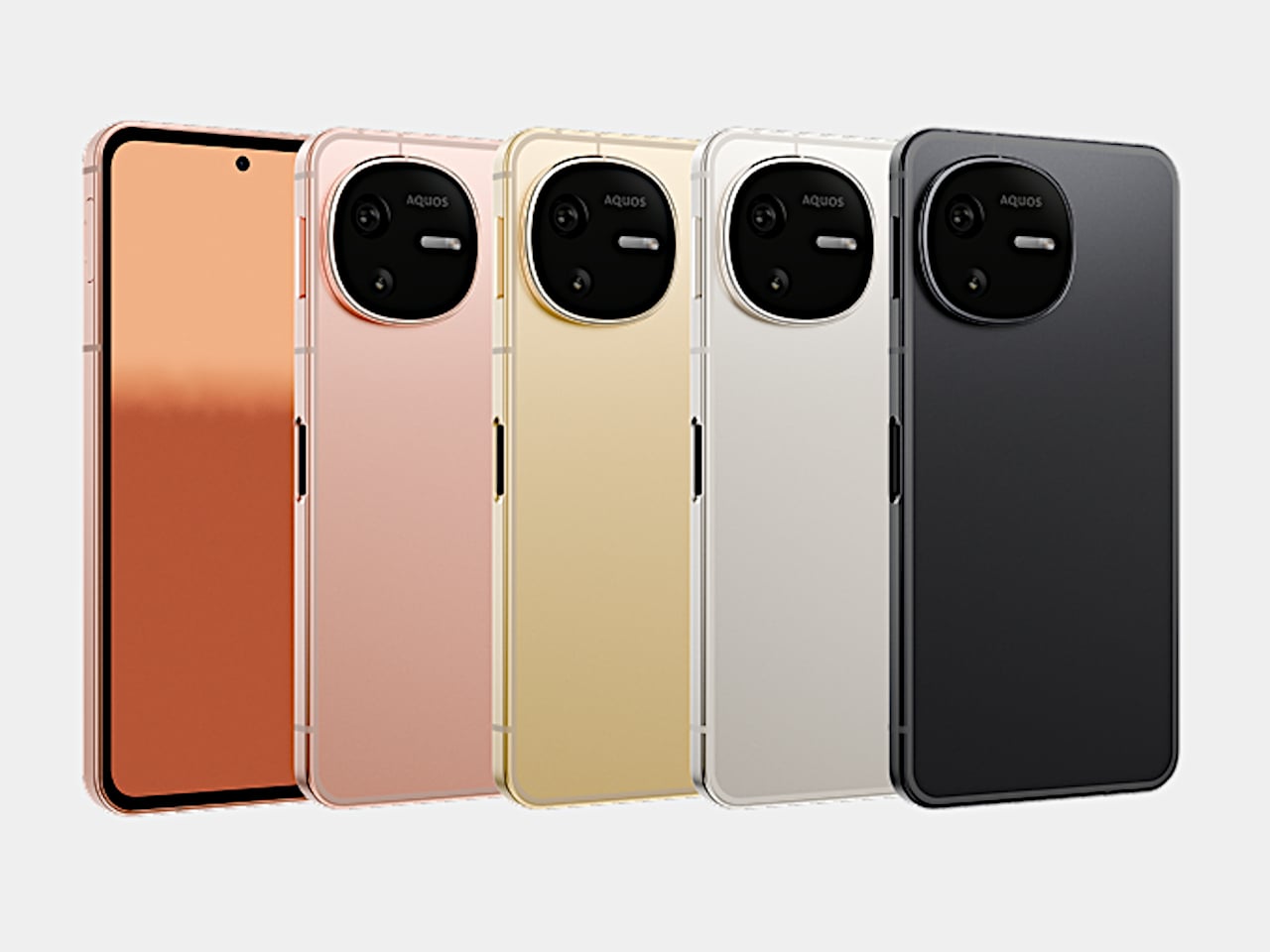
Copper gives the aluminum shell a warm, pinkish finish, while Gold, Silver, and Black offer quieter alternatives. A blasted surface contrasts with the polished aluminum ring around the cameras, adding variation without introducing another material. The rounded-square black island contains two lenses and a horizontal light, keeping those little interruptions together instead of scattering circles across the otherwise plain back of the phone.
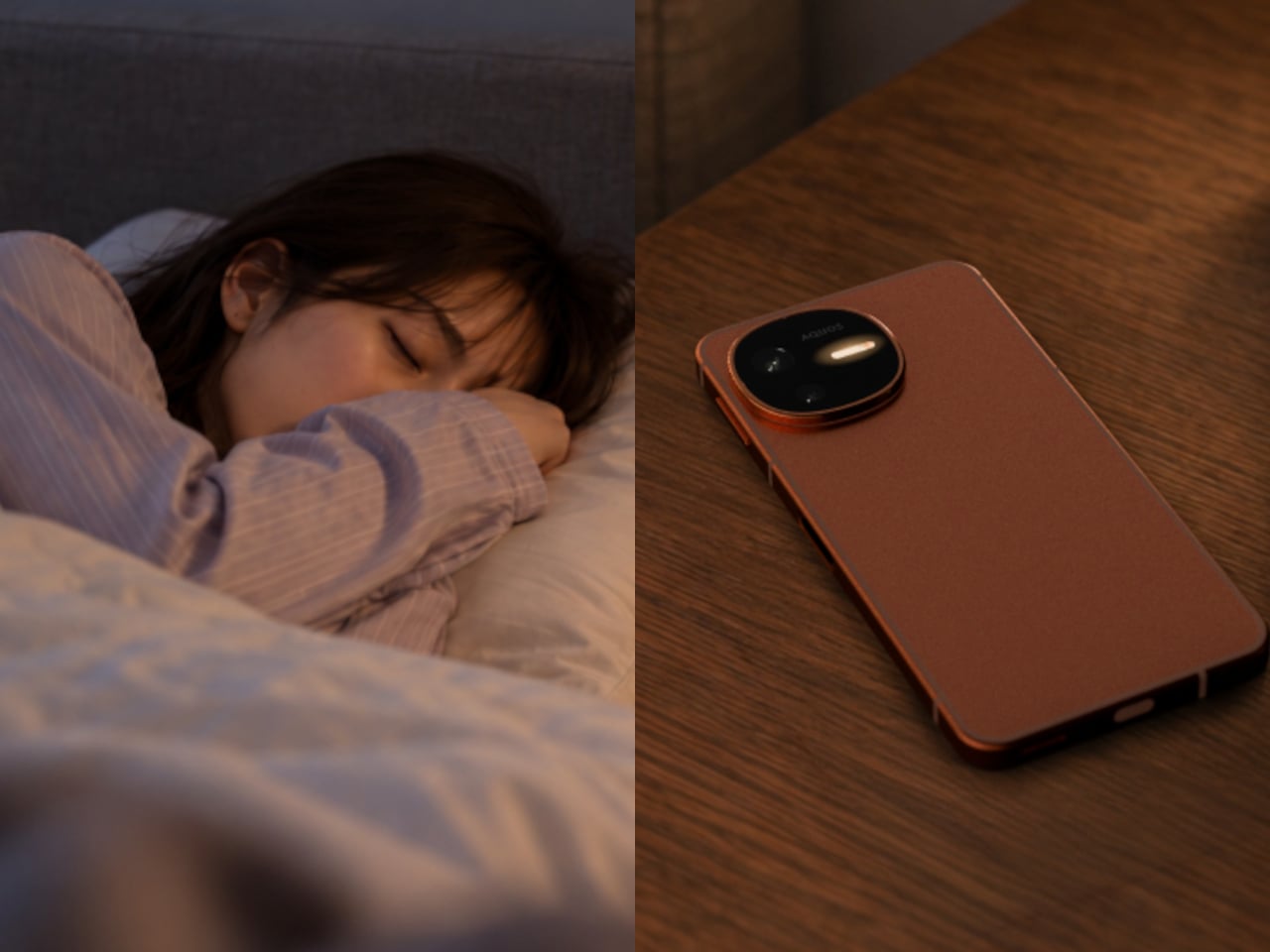
That dark island also contains Akarium, Sharp’s light-and-sound feature for incoming calls, notifications, and quieter moments at home. Leave the phone screen down on a nightstand, and the small horizontal light remains visible, without illuminating the whole display. You can assign different colors to individual apps, or pair its ambient lighting with nature sounds while getting ready to call it a night.
Outside, the 6.2-inch Pro IGZO OLED screen takes over, with Sharp advertising peak brightness of 3,000 nits. That’s a peak figure, not the brightness of a white screen, which is rated at 1,500 nits. The distinction matters when comparing displays, although the practical ambition is straightforward: being able to check a map or frame a photograph without searching for a patch of shade.
Two 50.3MP rear cameras cover standard and ultrawide views, with optical stabilization on the main camera. Sharp also adds all-pixel phase-detection autofocus to the ultrawide, intended to help catch moving subjects. Its camera software can remove background people, reduce shadows, and mask readable signs. Masking signs could help you share a favorite photograph without also advertising the street address displayed behind you.
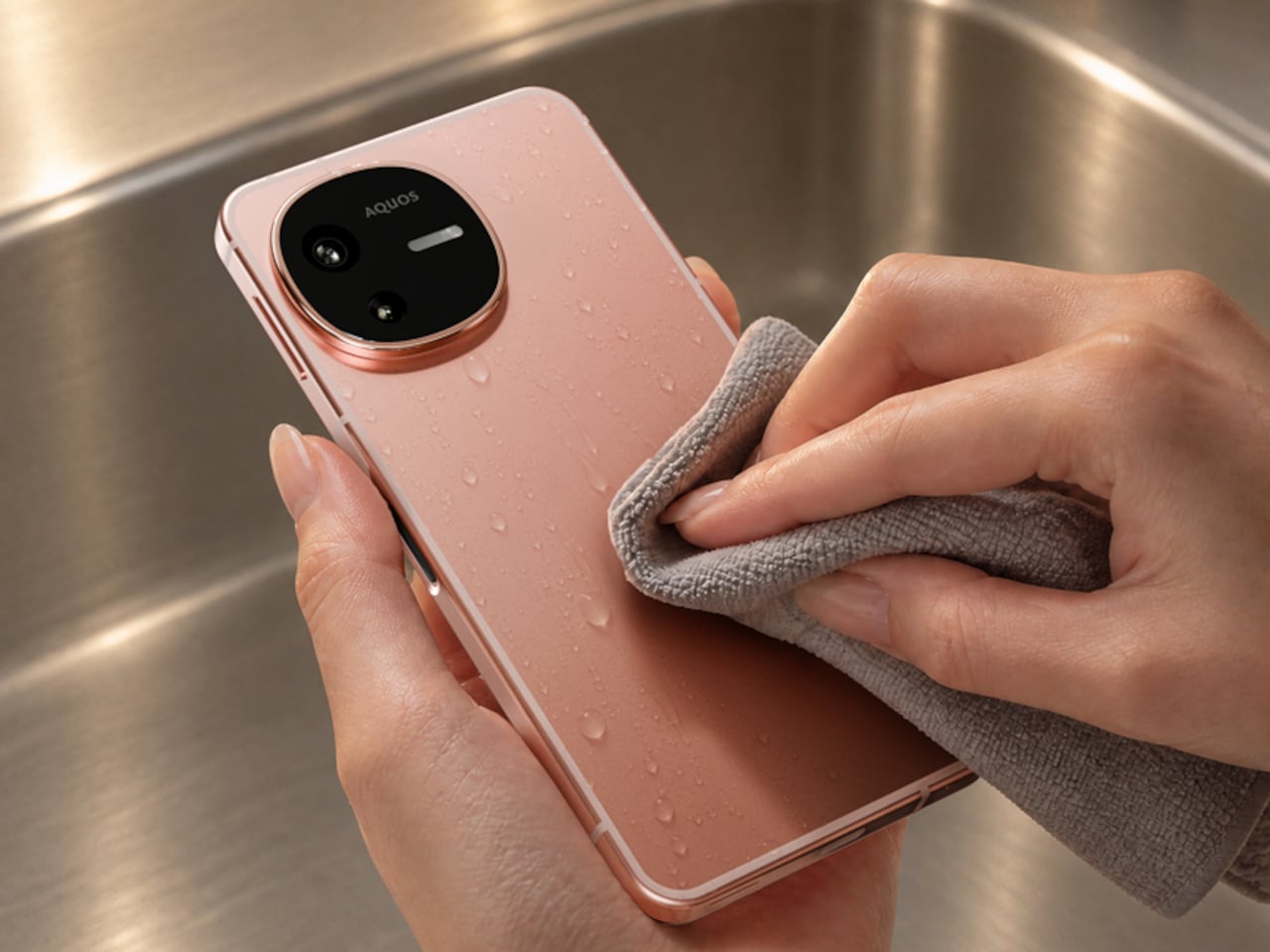
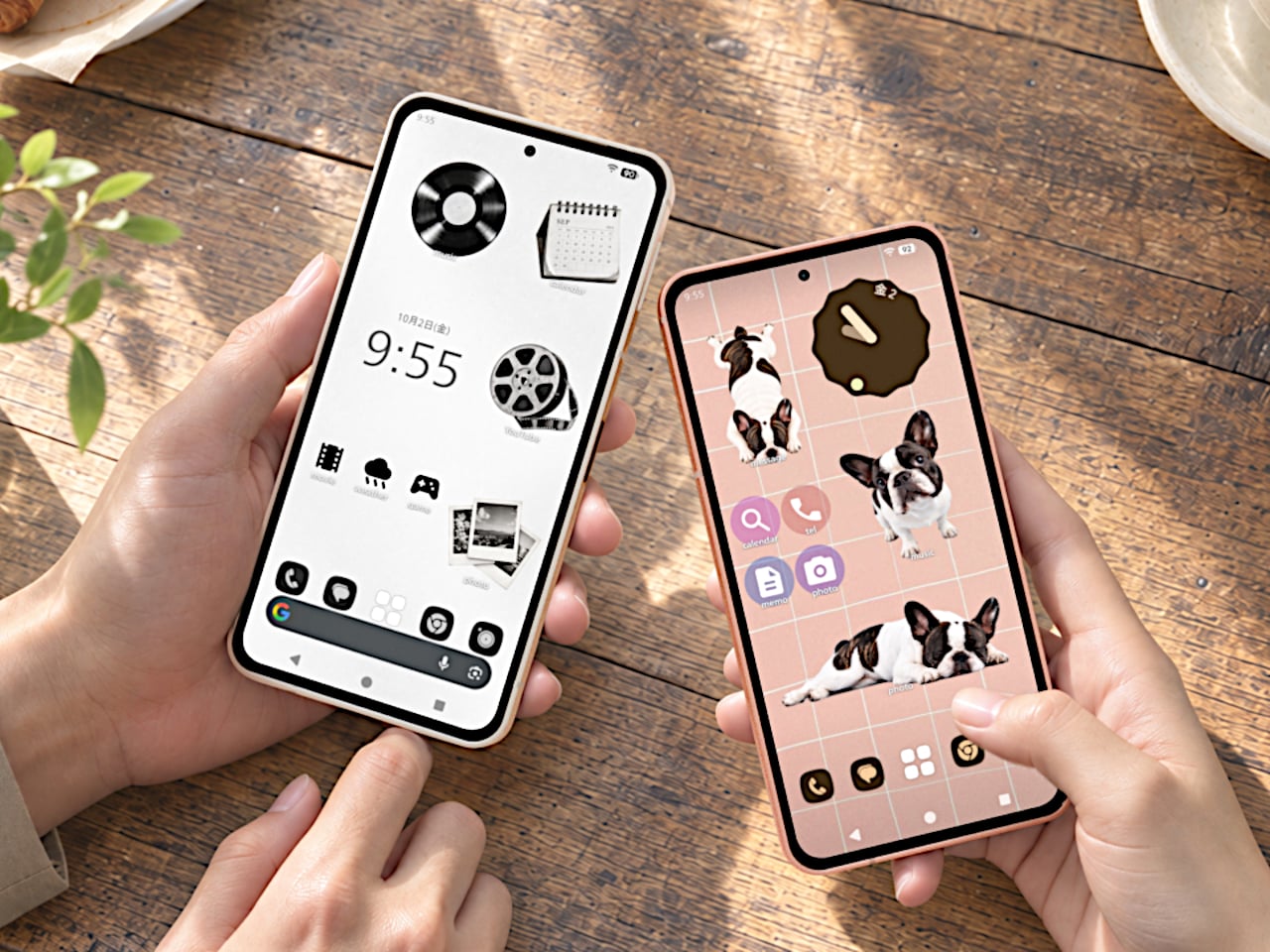
The 5,000mAh battery comes with Sharp’s estimate of roughly two days between charges under its stated usage schedule. More important for keeping the phone around are promised security updates for six years from release and up to four Android version upgrades. Sharp also lists IPX9 water resistance and IP6X dust protection without the chunky, rubber-armored outer shell you’d associate with a rugged phone.
The AQUOS sense11 is scheduled to reach Japan on November 26, 2026, starting at ¥94,600 (about $594). US availability hasn’t been confirmed yet, so importing one would mean checking network compatibility and support first. For anyone tempted to cover the metal body, there’s another consideration: a protective case would need to leave that light visible, or one of its nicest details disappears.