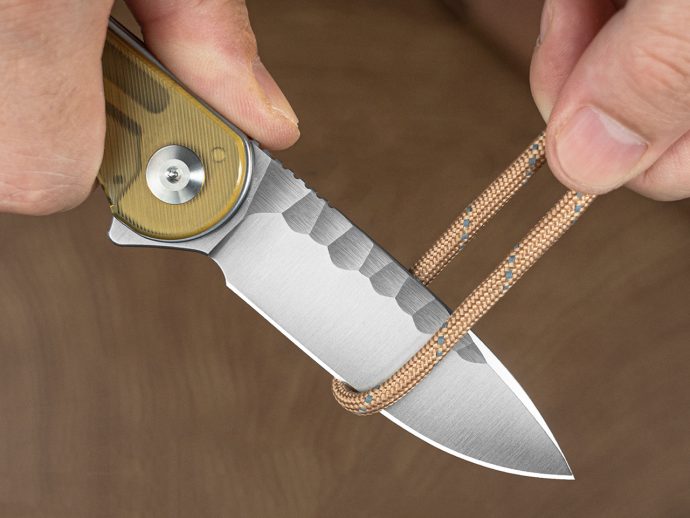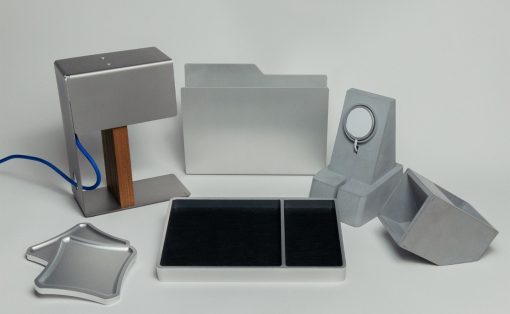
A pocket tool earns its place when it saves you a trip to the kitchen drawer. That might mean opening a carton, trimming a loose thread, tightening a screw, or finding something under a seat. November’s selection starts with the CraftMaster EDC Utility Knife, then adds four tools that approach those small jobs through different mechanisms. The appeal is having a useful answer nearby without overpacking your pockets each morning.
These are our November 2026 editorial picks, chosen for compact proportions, useful mechanisms, and clear reasons to carry them. They’re existing retail products, not five new launches or a hands-on ranking. Alongside the knife, there’s a ratcheting driver, scissors with integrated openers, a rolling measure, and an adjustable flashlight. Each offers something specific, so the question is which one answers a frustration you encounter often enough to justify carrying it.
1. CraftMaster EDC Utility Knife
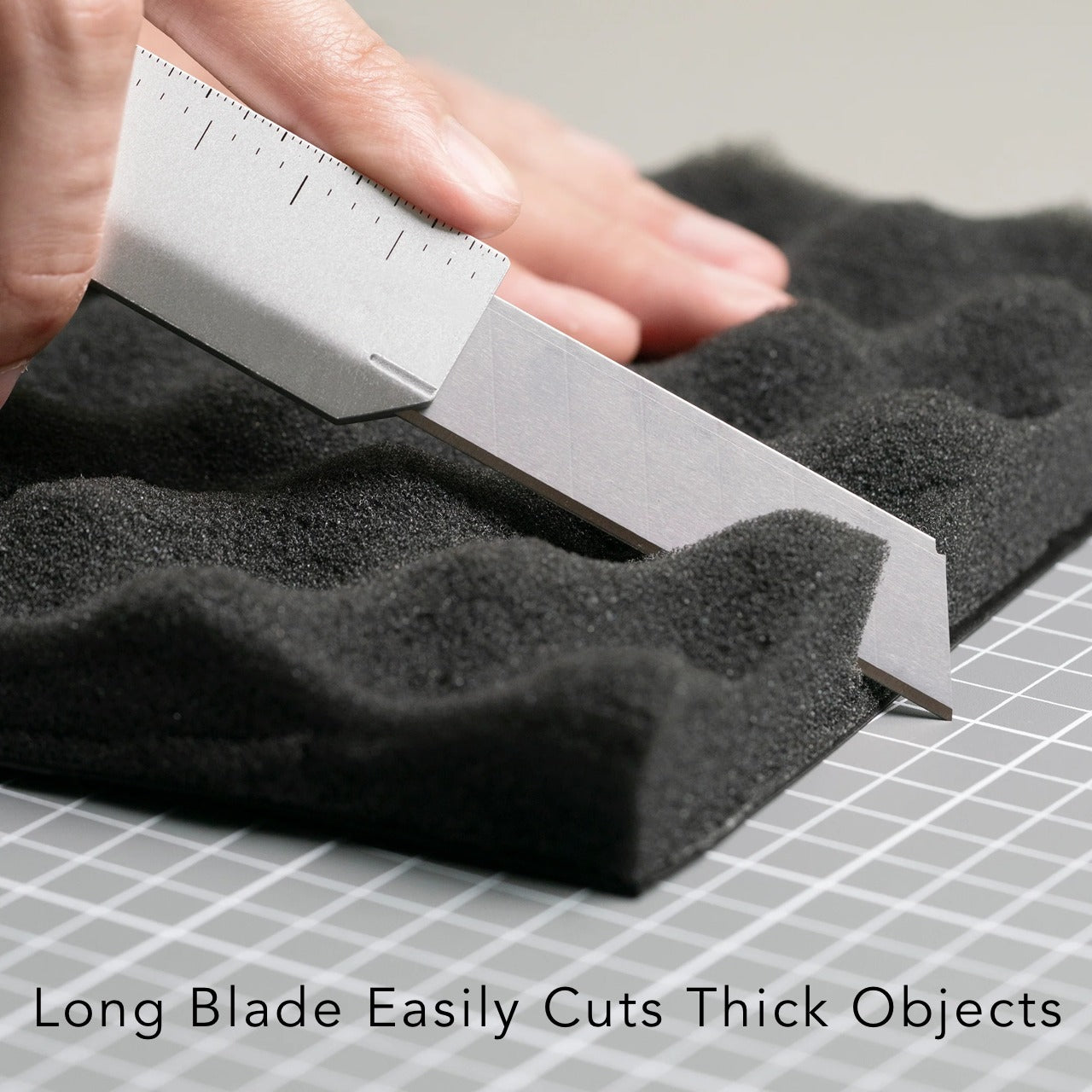
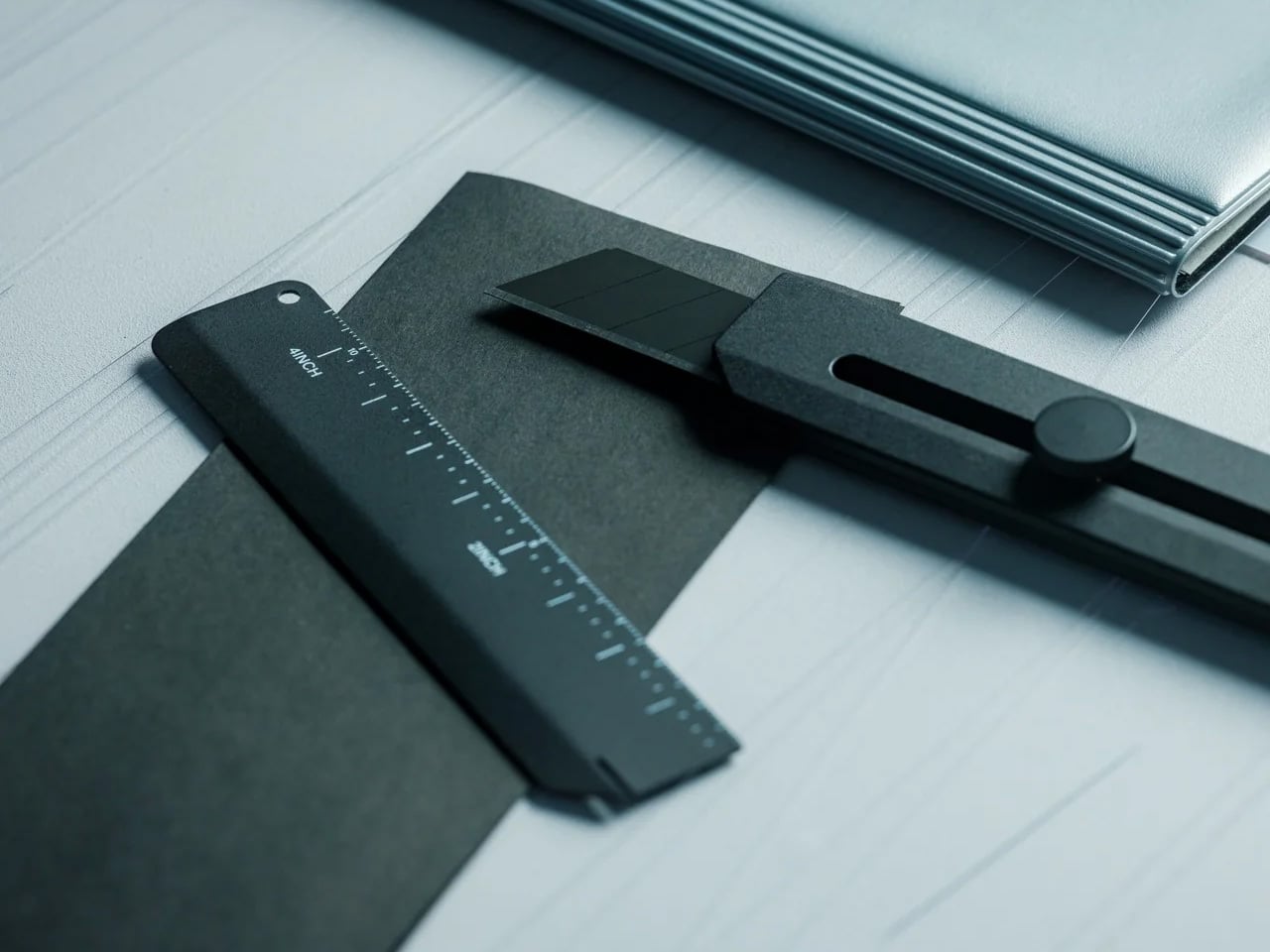
The CraftMaster EDC Utility Knife makes its strongest case with the ruler on its back. That companion metal scale docks magnetically, keeping measurement and cutting together in a body measuring 4.72 inches long and 8 millimeters thick. A rotating knob controls the replaceable OLFA blade, giving the otherwise restrained metal object a distinctive mechanical detail. It’s our lead pick because its extra function supports the main task: measure what you’re about to cut, then reach for the blade.
The ruler carries metric and imperial markings, a raised edge for lifting it off a table, and an integrated blade breaker for removing dulled segments. Those details give it a role after the measurement is finished, too. For someone making paper templates or tackling small craft projects, that arrangement has a clear purpose. It is currently listed at $80, so its appeal rests on wanting this particular cutting and measuring setup, beyond simply needing something sharp nearby.
What we like
- Magnetic docking keeps the knife and companion ruler together.
- Replaceable OLFA blades and an integrated blade breaker support continued use.
What we dislike
- The $80 price is difficult to justify for occasional box opening.
- Detaching the ruler leaves a separate component to keep track of.
2. MetMo Pocket Driver
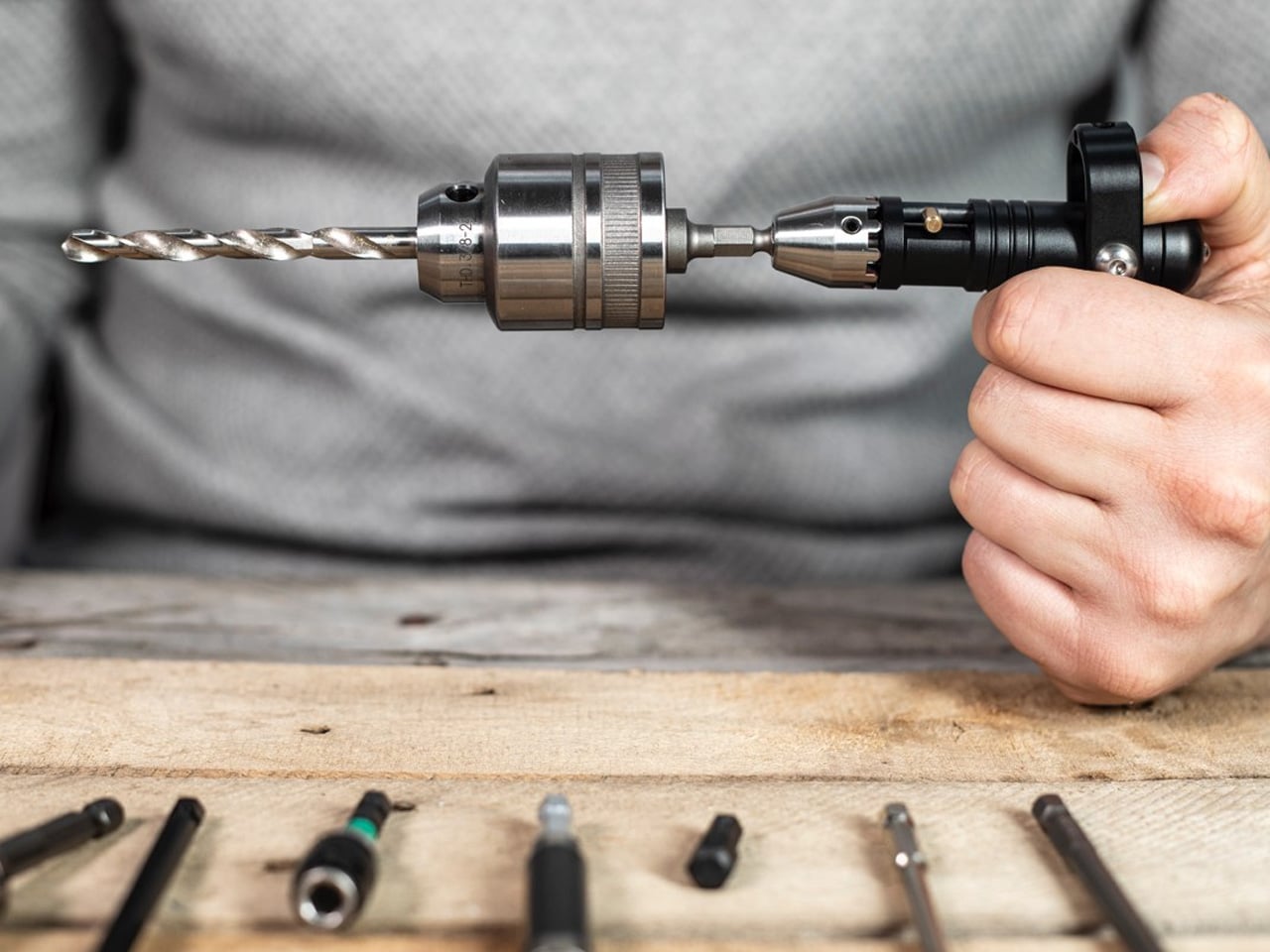
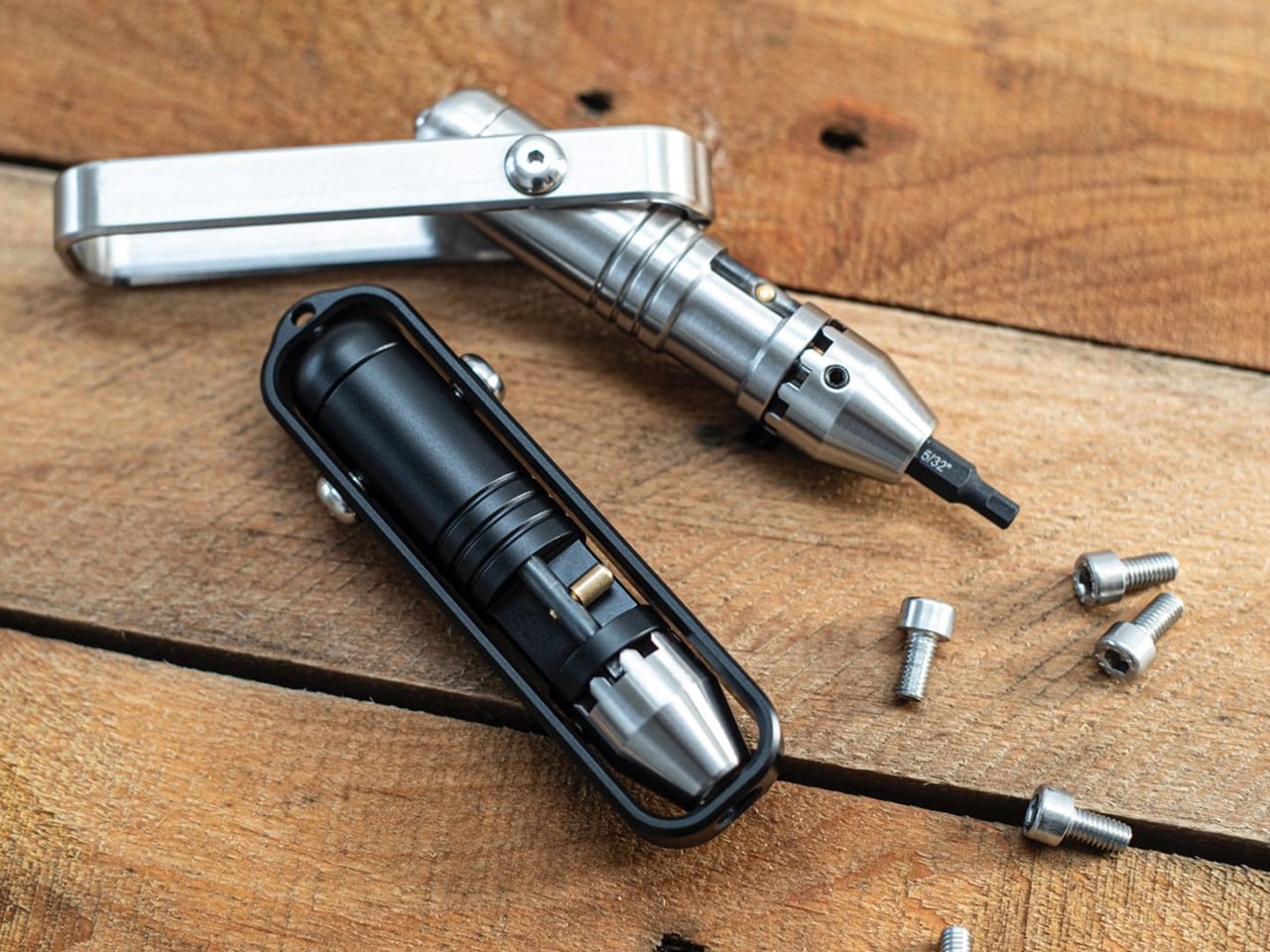
MetMo’s Pocket Driver gives a small screwdriver room to behave like a larger one. Designed by Sean Sykes and James Whitfield, it has a folding handle that opens into a T configuration, changing the available grip without requiring a permanently wide body. The exposed ratchet mechanism also makes the movement visible as you work. In a collection led by a utility knife, this is the useful change of direction: a pocket tool for fastening and adjustment, not another cutting edge.
The black aluminum version measures 103 millimeters long and weighs 109 grams. It accepts standard quarter-inch hex bits and has internal storage for two, which gives you a reason to identify the screw heads you encounter most often before leaving home. Carrying a broader assortment means adding separate bit storage. For occasional furniture adjustments or bicycle maintenance, the format is appealing; just remember that this is a manual driver, and its versatility depends on bringing bits that match the job.
What we like
- The folding handle offers different working grips within a narrow carrying shape.
- Accepts standard quarter-inch hex bits.
What we dislike
- Internal storage accommodates only two bits.
- The black aluminum version adds 109 grams before carrying extra accessories.
3. Eiger 8-in-1 Scissors
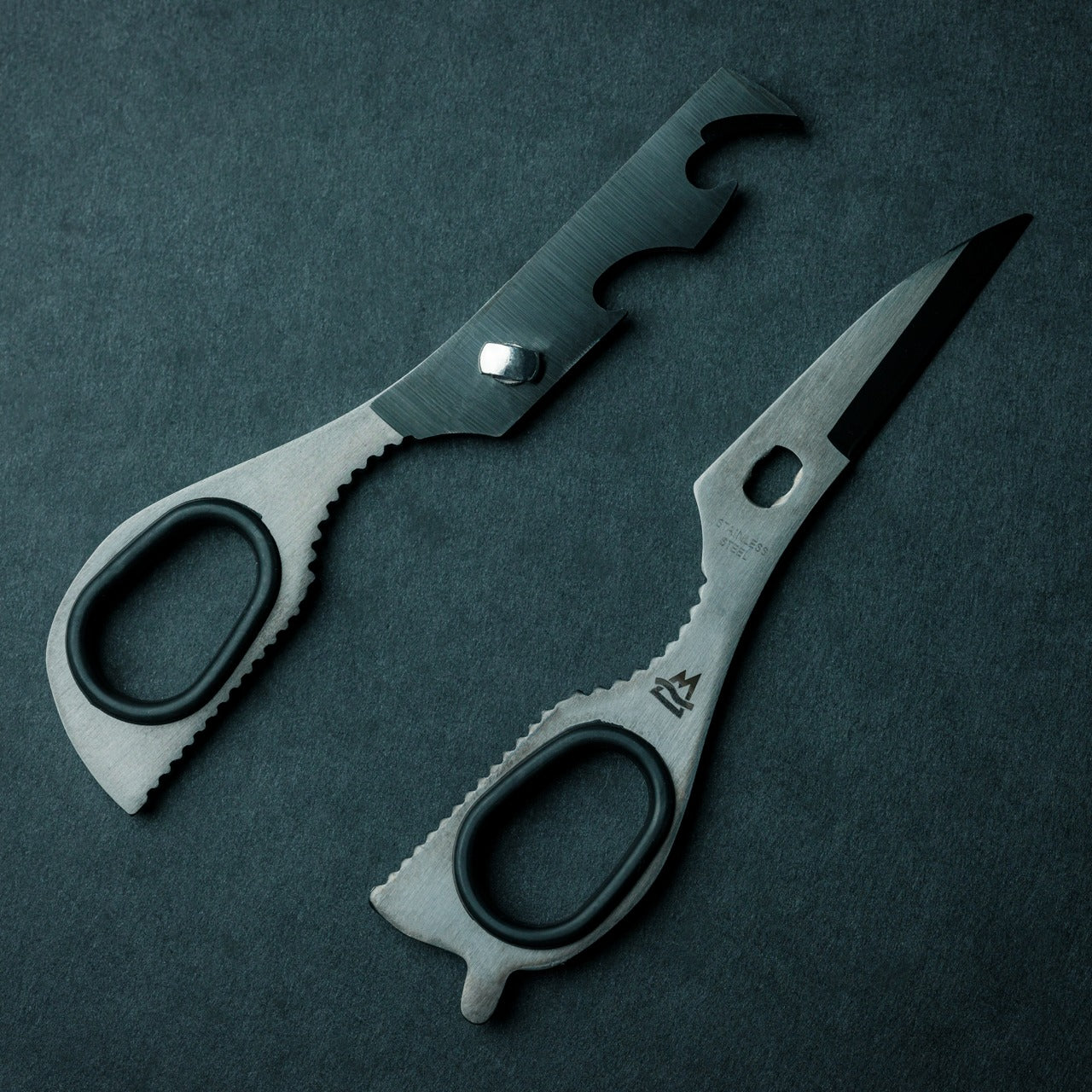
The Eiger 8-in-1 Scissors put the most familiar tool first. EigerTool makes them by hand in Sanjo, Niigata, Japan, using SUS420J2 stainless steel in a body measuring 5.12 inches long. The blades and handles incorporate seven other functions, including a knife, bottle opener, can opener, and screw-cap opener. That layout earns the scissors their place here: snipping a loose thread is a different task from drawing a blade through a carton, even if both jobs call for something sharp.
The scissors have a listed weight of 53 grams and come with a leather case and red NITE IZE carabiner. That gives you a defined carrying arrangement: cover the tool, then clip it to a bag if pocket space is tight. Several secondary functions lean toward cooking and camping, so their usefulness depends on your routine. At the current $65 price, these make more sense when you’ll use the openers alongside the scissors, rather than buying eight functions for one job.
What we like
- Scissors remain the primary tool, with openers incorporated around them.
- Leather case and carabiner are included.
What we dislike
- The 5.12-inch length needs more room than a miniature keychain tool.
- Several secondary functions may go unused in a deskbound routine.
4. Titaner Tiroler 2.0


Titaner’s Tiroler 2.0 trades the straight ruler for a small rolling ring. Place it against a surface, roll along the path you want to measure, count complete revolutions through its clicks, then read the remaining distance in the window. The metric version covers 10 centimeters per revolution; the separate imperial version covers five inches. Curved outlines are the reason it belongs here. A designer checking a rounded edge has a different measuring problem from someone marking a straight cut line.
Version 2.0 moves the readout to the top and adds a removable silicone traction ring, which Titaner says addresses slipping on smooth surfaces. Its GR5 titanium frame is less interesting than that practical revision: a rolling measure depends on its movement corresponding to the distance traveled. This is the specialist in the group, appealing to model makers and anyone who often measures contours. You still have to keep count, and metric or imperial readings mean choosing the right version.
What we like
- Rolling format follows curved measurement paths.
- The removable silicone ring is designed to improve traction on smooth surfaces.
What we dislike
- Longer measurements require keeping count of complete revolutions.
- Metric and imperial readings require separate versions.
5. Wuben G5

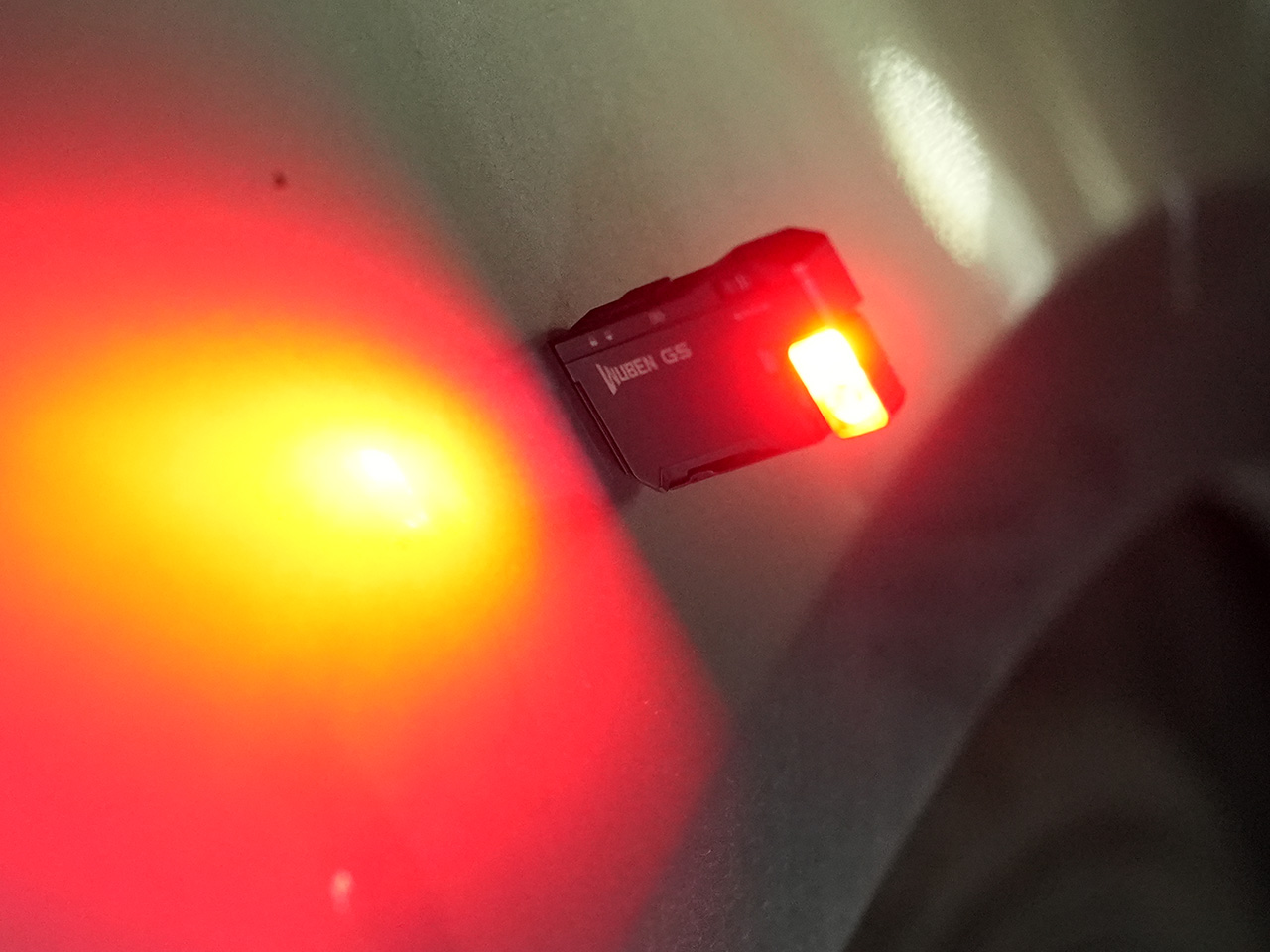
Wuben’s G5 is a flat pocket flashlight with a head that rotates through 180 degrees. The adjustable clip and magnetic base provide mounting options while you aim the beam, making it a useful partner for the driver when a repair needs both hands. Wuben rates maximum output at 400 lumens and lists the standard model at roughly 52 grams. The important design choice is the separation between where the body attaches and where the light points once it’s in position.
USB-C charging keeps replenishment straightforward, and the G5 can operate while plugged in. There are RGB and beacon modes alongside white light, though adjustable task lighting is the stronger reason to carry it. Pay attention to the runtime figures: Wuben lists a white-light range of approximately 50 minutes to 65 hours across its brightness settings. That longest figure belongs to the lowest output, not the 400-lumen maximum. Choose it for convenient, directed light rather than expecting extended operation at peak brightness.
What we like
- Rotating head lets you redirect the beam without moving its attachment point.
- Clip, magnetic base, and USB-C charging offer practical flexibility.
What we dislike
- The longest advertised runtime applies at minimum brightness.
- RGB and beacon modes may be unnecessary if you only want task lighting.
Leave Some Room in Your Pocket
The most useful pairing here may be one cutting tool and one light. That covers two distinct needs without asking you to carry every mechanism that caught your attention. The CraftMaster is the starting point if measuring and cutting often happen together; the scissors deserve preference when snipping is the more frequent task. Neither needs to become part of an elaborate collection to justify a place in your daily routine.
Think about everything that accompanies the tool, too. Extra bits, a protective case, or a detachable ruler belong in the carrying calculation, even when the main object looks compact. Those details can decide whether something stays in your pocket or migrates to a drawer. November’s best addition should solve a recurring inconvenience without introducing another one. Leaving a useful tool behind because you packed too much rather defeats the purpose.