You cannot slam a smartphone. Trust me, I’ve tried, and all you get is a sad little tap on a red icon and a mild sense of defeat. Slamming a receiver was a full body experience with built-in sound design. Generations of furious teenagers, dramatic dads, and heartbroken rom-com leads got to end a call with a clunk that said everything. Kids today never get that. They also never untangle a cord, memorize a number, or yell “I’ll get it!” across the house, which feels like a lot of lost childhood.
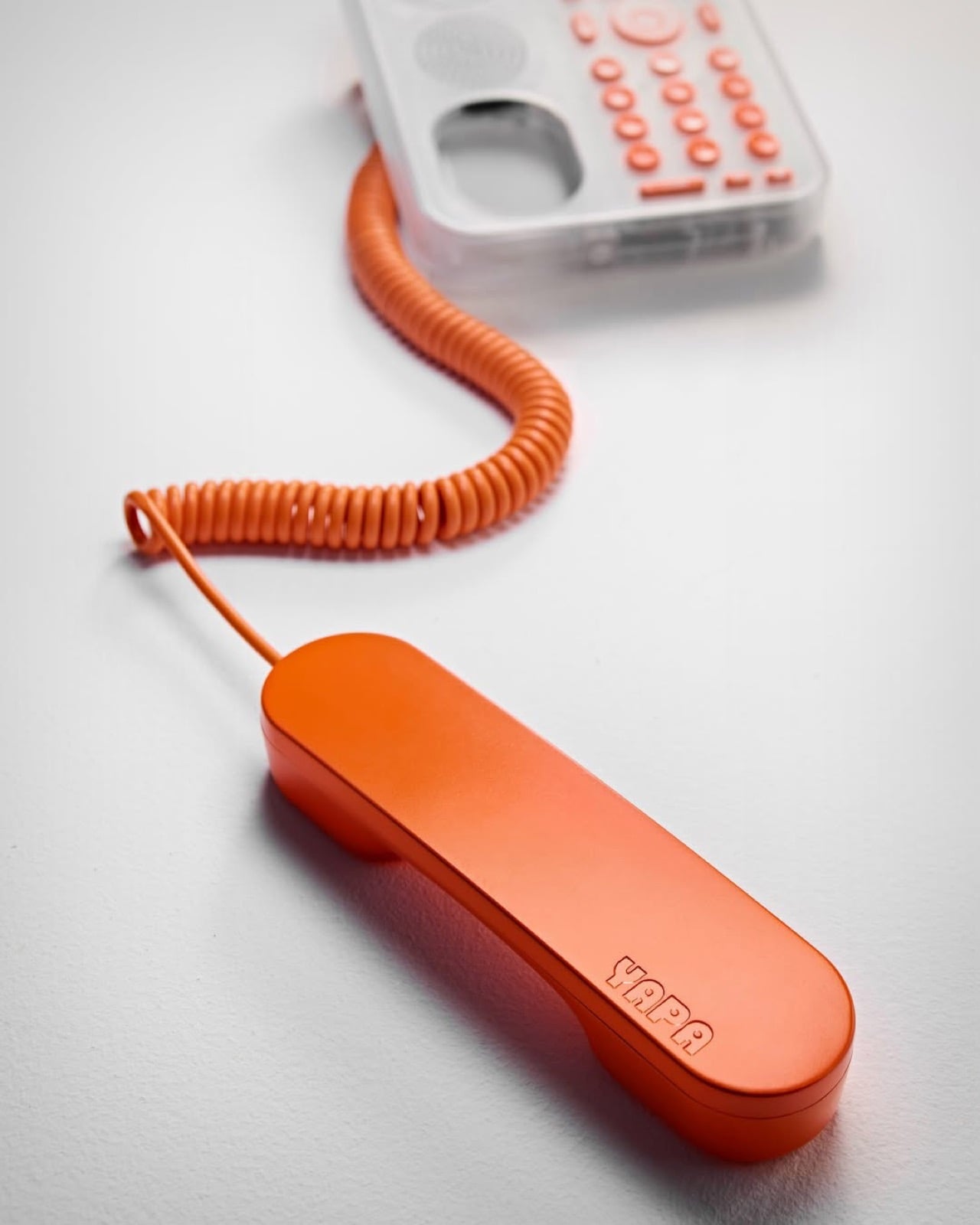
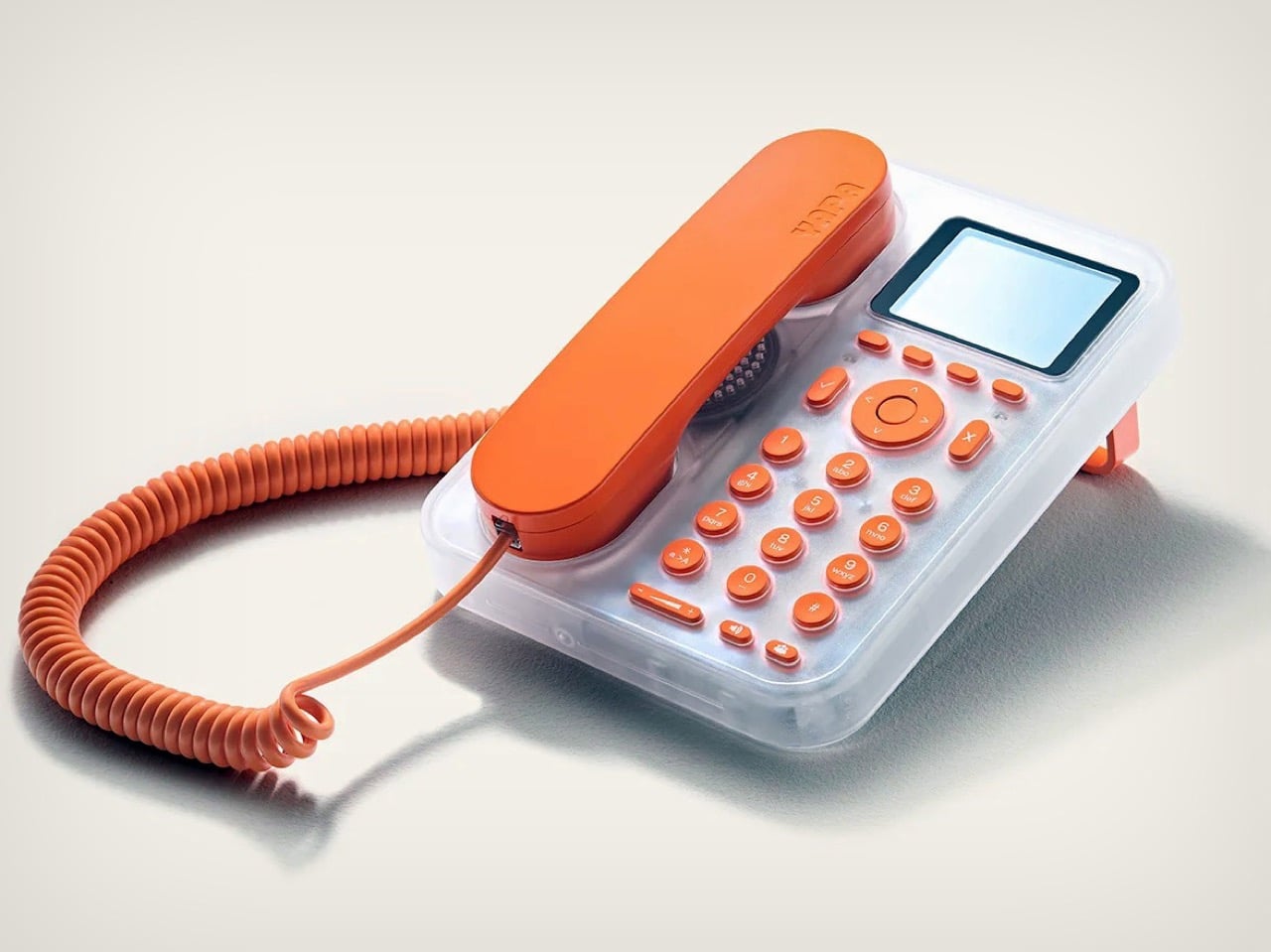
A UK startup called YAPA is bringing all of it back with a home phone for kids aged five to 14. It was designed with Aetha, the Poole studio led by ex-Dyson designer Tom Parsons, and it has a corded handset, a real keypad, and a little display for caller ID. Parents approve contacts through an app and set the hours when calls can come through, so dinner stays sacred. Everything runs over Wi-Fi, which means no wall jack and no phone bill from 1994. Translucent shells in colors like Flamingo Fizz and Electric Lagoon, plus swappable covers, give it a Y2K Nokia energy that I find completely irresistible.
Designer: Aetha Design
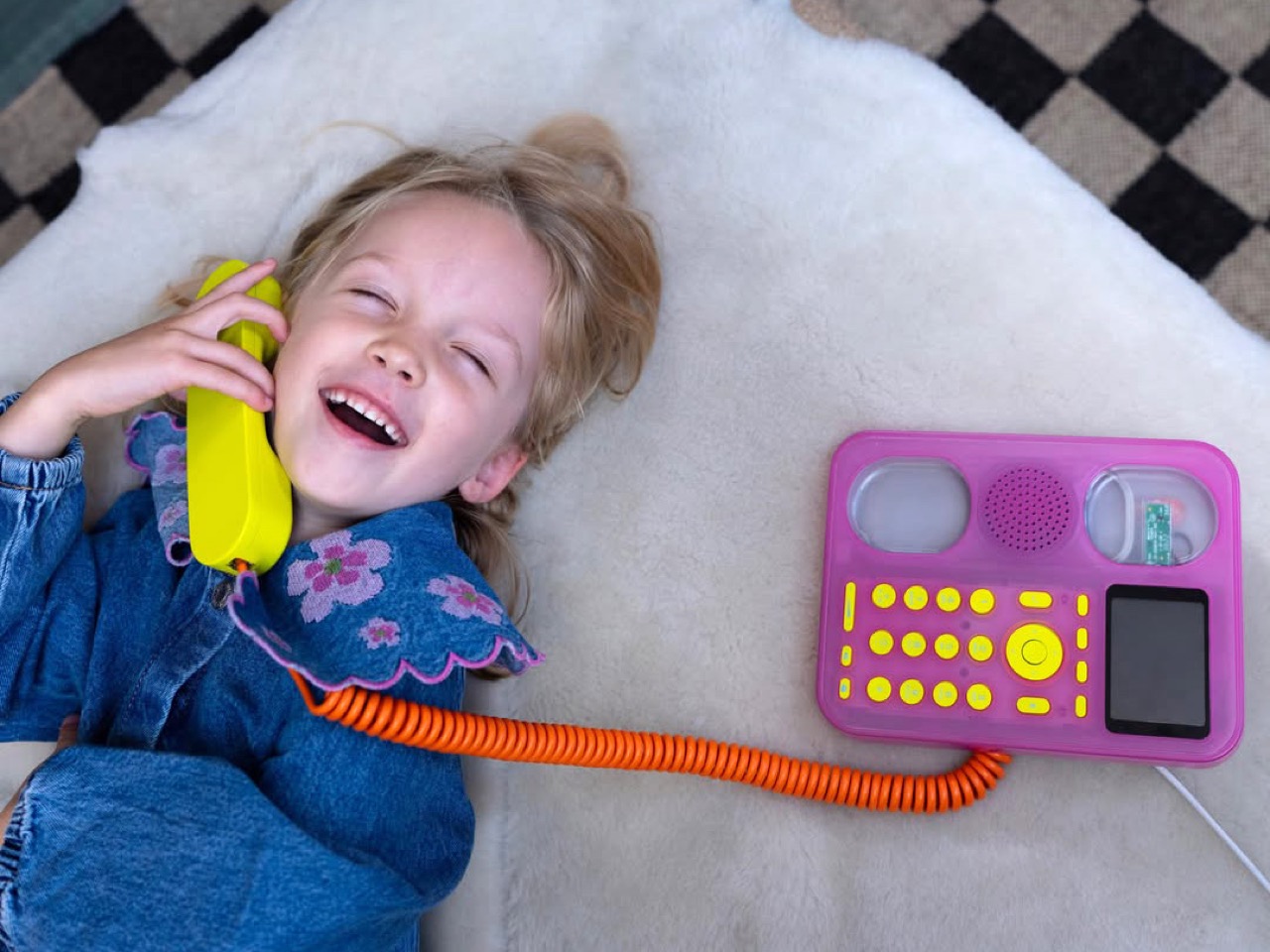
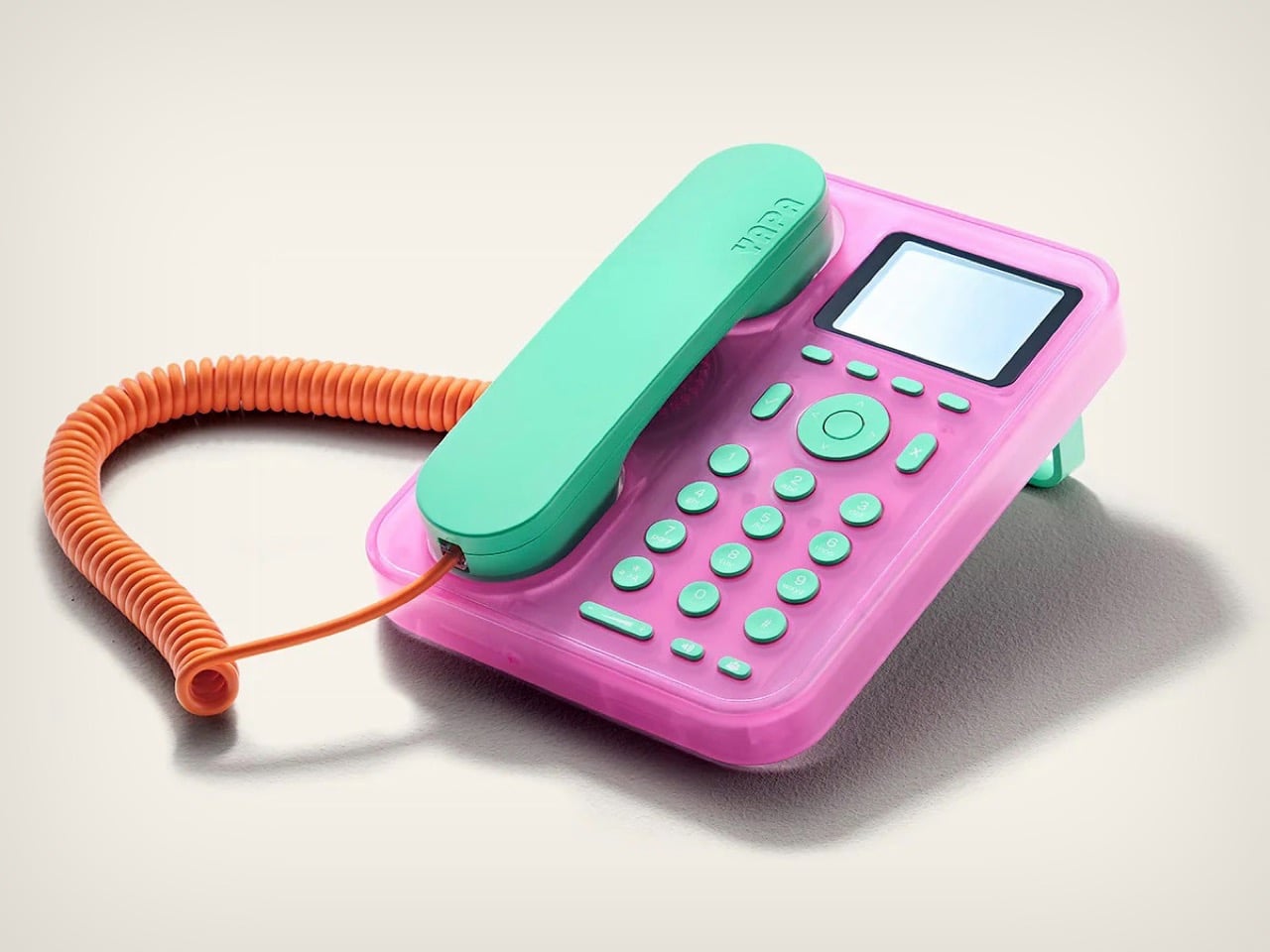
The shell is where YAPA gets its personality. Frosted translucent plastic wraps the base, and you can spot the internals through it, like the circuit board sitting in a clear bay beside the speaker grille on the pink unit. That’s iMac G3 thinking, the same see-through honesty 8BitDo revived on its 64 controller last December. The handset, keys, and fold-out rear leg share one loud solid color against that milky body, with orange on clear, mint on pink, and lime on aqua. Every colorway keeps the same orange coiled cord, which works like a signature and makes the whole thing look like it escaped from a 2001 toy catalog.
Swappable covers are the second Y2K callback, and this one comes straight from Nokia. Xpress-On covers debuted on the Nokia 5110 in 1998, and the 3310 pushed the idea hard, with thousands of shells from third parties. YAPA follows the same playbook, selling extra covers in Comet Orange, Cosmic Citrus, and Deep Space for £19.99 each, roughly $27. Anyone who ever matched a phone cover to an outfit will understand the appeal immediately. Today’s kids get to do the same thing, except the canvas is a kitchen counter.
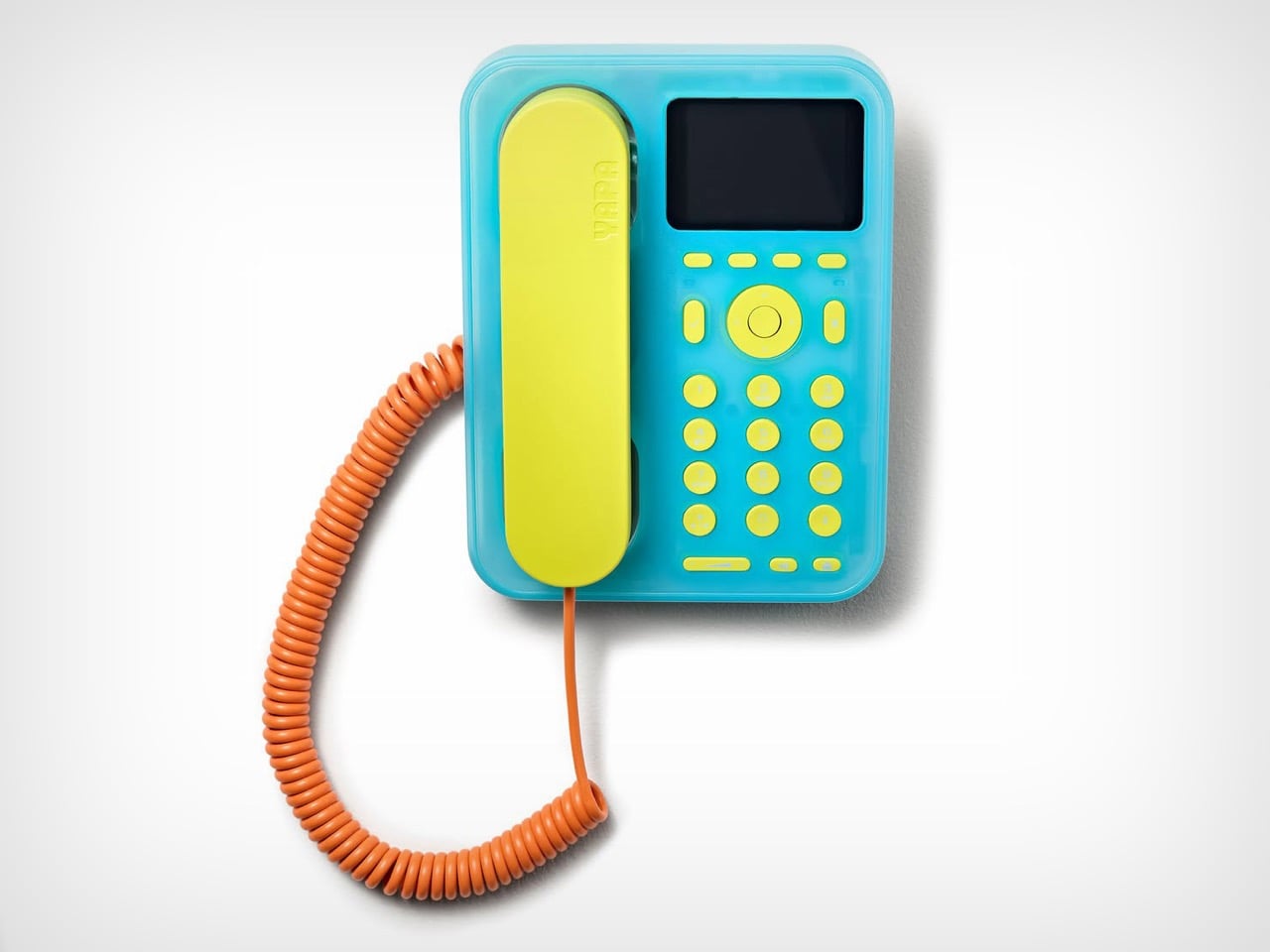
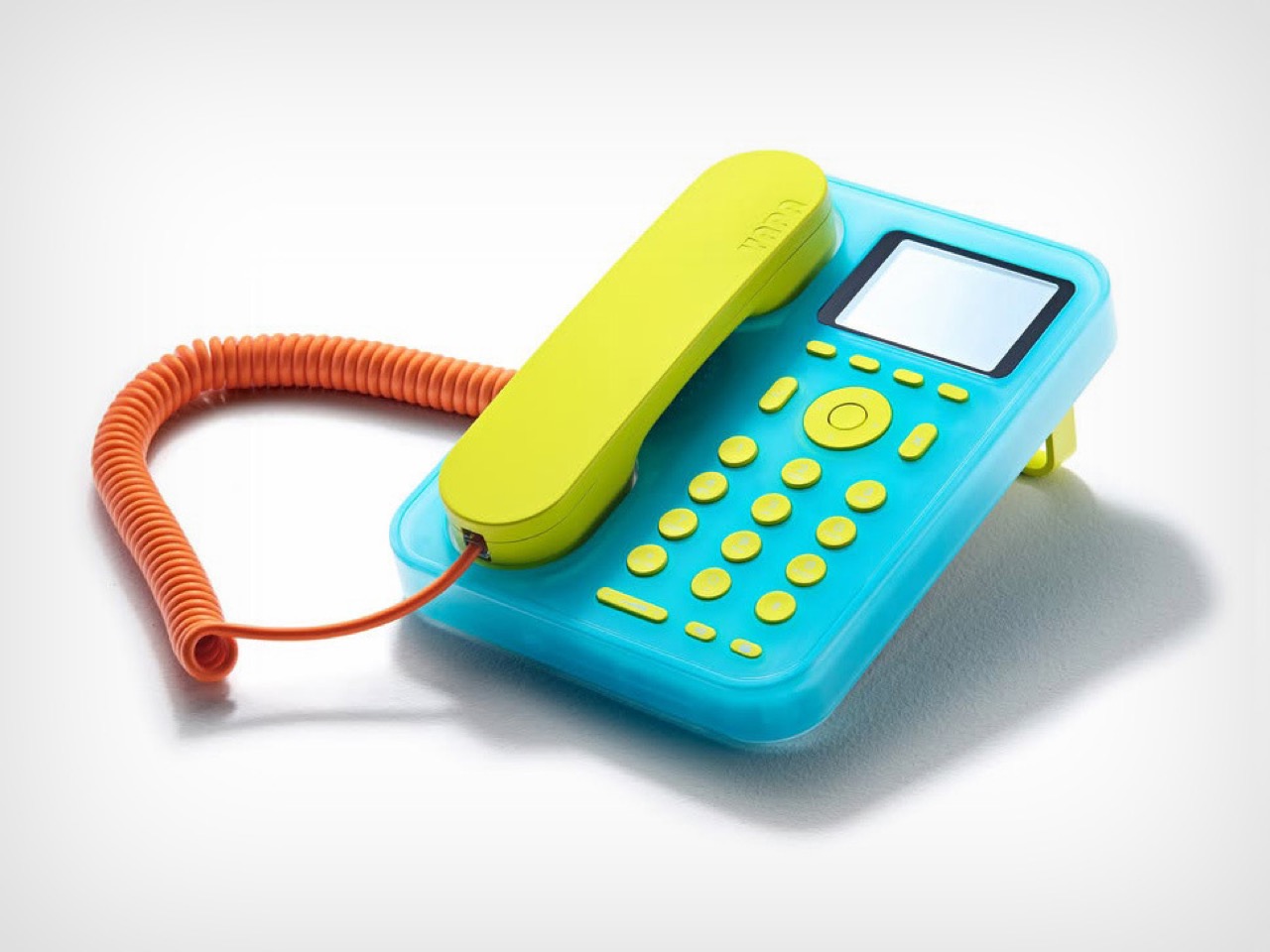
Parsons and the Aetha team had a clear brief. They wanted an object with real material quality that a kid would be proud to leave out on the counter, with no toy vibes and no shrunken smartphone. That explains the proportions, which read like a proper desk phone rather than a plastic play set. It also explains the small display, which shows who’s calling and lets a child browse the address book, while YAPA insists the whole thing is built around voice and ears instead of eyes. Tin Can skips a screen entirely, which is the purist’s route, but I like that a YAPA kid gets to see Grandma’s name light up before answering.
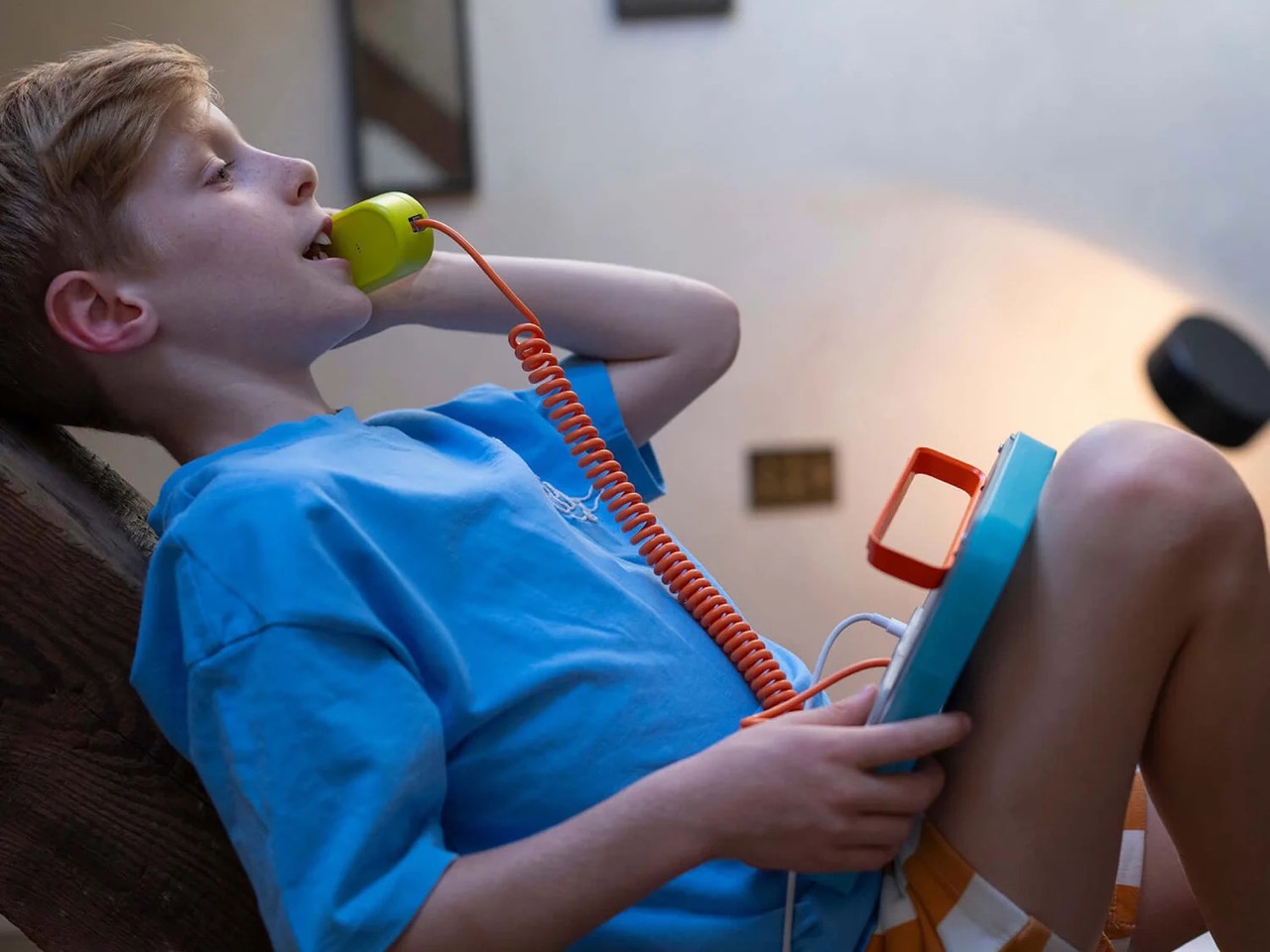
Here’s what I love about the setup. A kid lifts a corded handset, the cord stretches across the living room, and suddenly they’re pacing in circles like every movie character who ever got bad news. Parents build the contact list in the app, so only approved numbers can reach the phone, and they pick the hours for school, dinner, and bedtime. Group calls are supported, which means a whole cousin squad can gossip at once. A real keypad sits right there for anyone who fancies memorizing Grandma’s number, and honestly, more kids should.
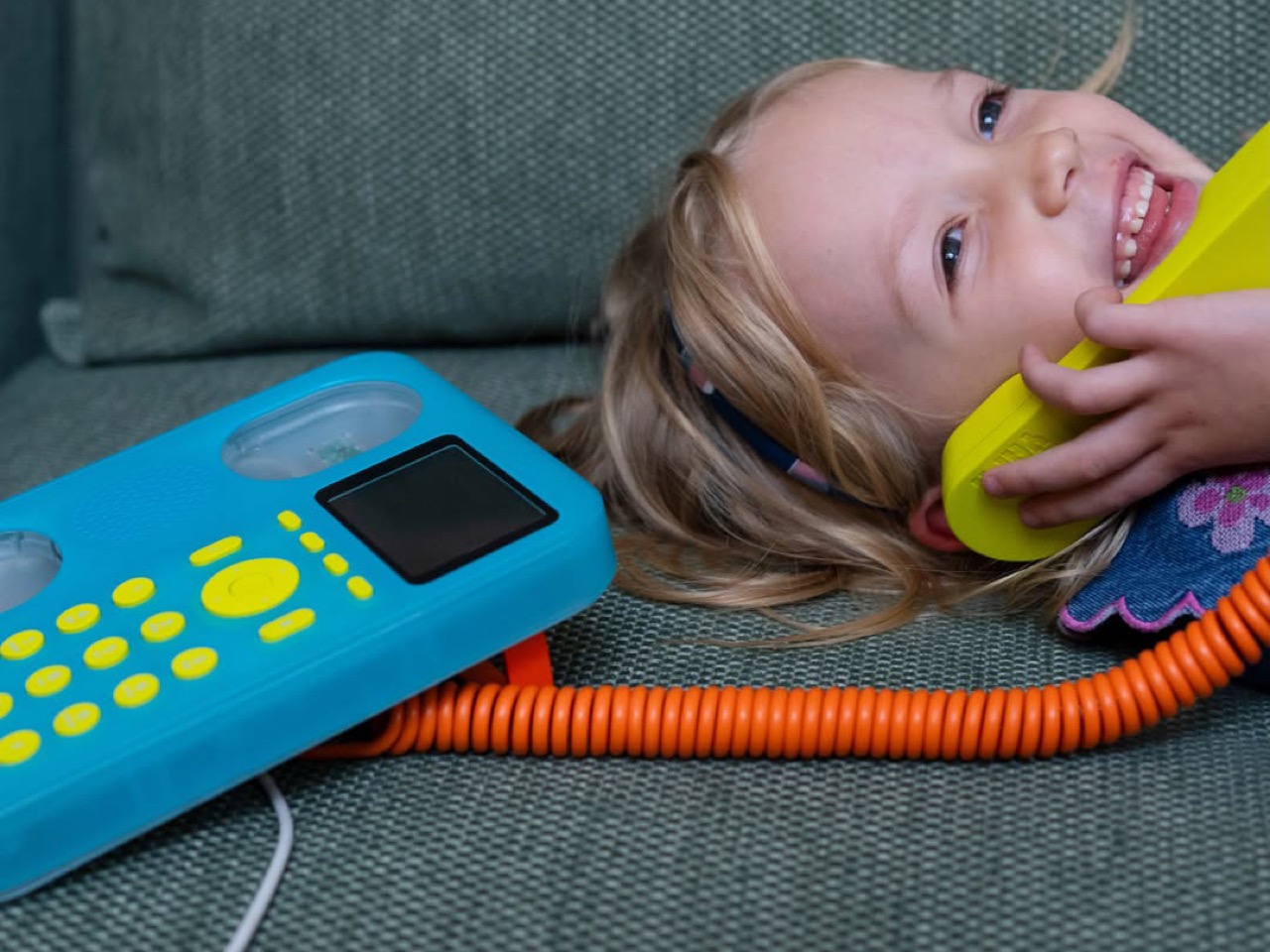
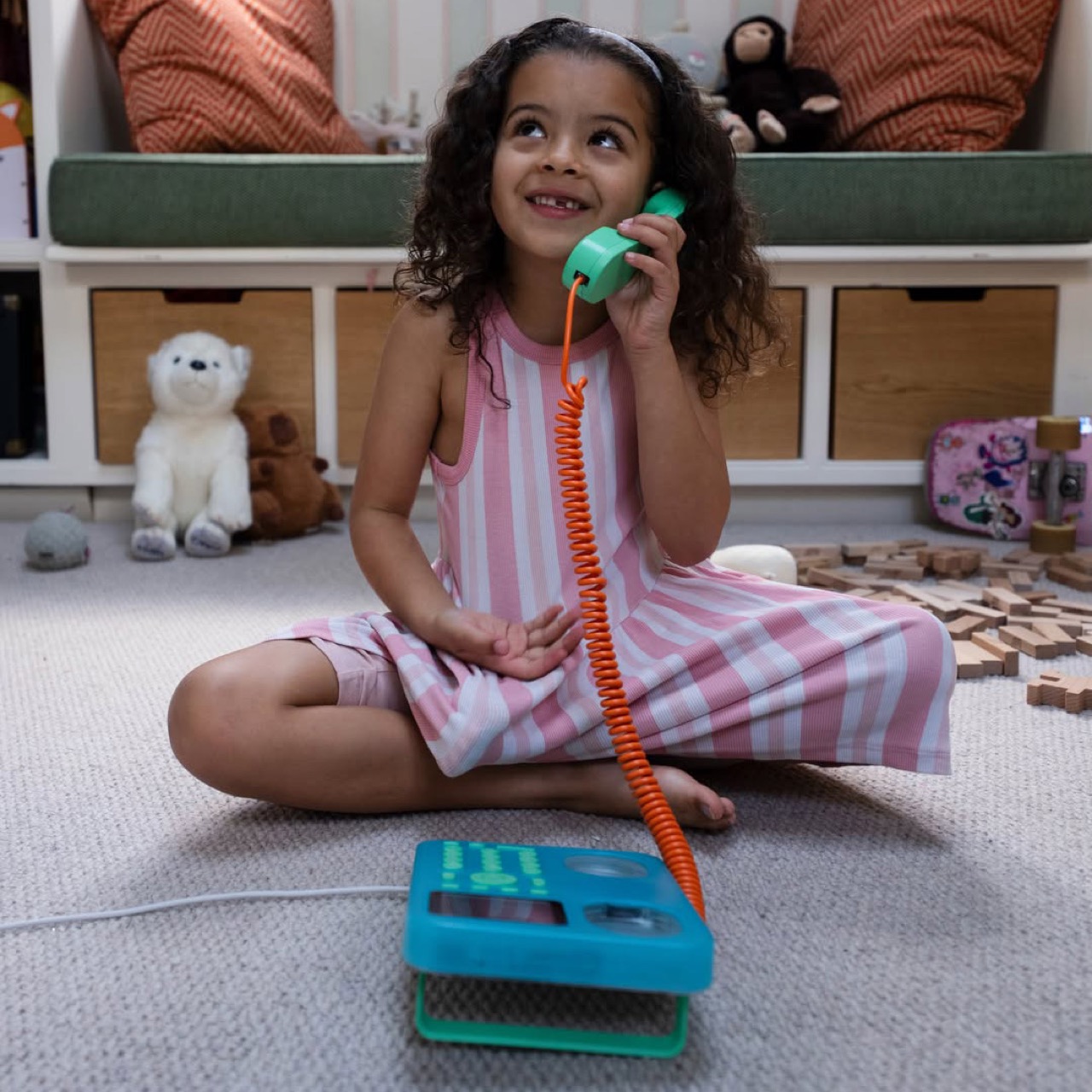
The handset costs £99.99, roughly $134, in Electric Lagoon, Cloud Spark, or Flamingo Fizz. Calls between YAPA units are free, while reaching grandparents and parents’ mobiles takes the Pro plan at £9.99 a month, roughly $13, or £99.99 for a year. Pinwheel Home, its closest US rival, costs $79 with $6.99 or $9.99 monthly plans for real numbers, so the pricing structure is nearly identical. YAPA’s first batch is on pre-order in the UK, with Europe coming soon. I couldn’t find any word on a US launch, so American parents will keep eyeing Tin Can and Pinwheel for now.
Retro always boomerangs. Vinyl came back, film cameras came back, and adults are paying real money for phones like the Light Phone III just to feel less glued to a screen. Kids deserve their own version of that reset, and a bright orange cord is a much friendlier invitation than a lecture about screen time. A generation raised on tapping glass is about to find out what a satisfying hang-up feels like. I give it a week before the first dramatic slam echoes through a house, and I hope a parent smiles when it does. You can see the colorways and preorder details at YAPA’s site.