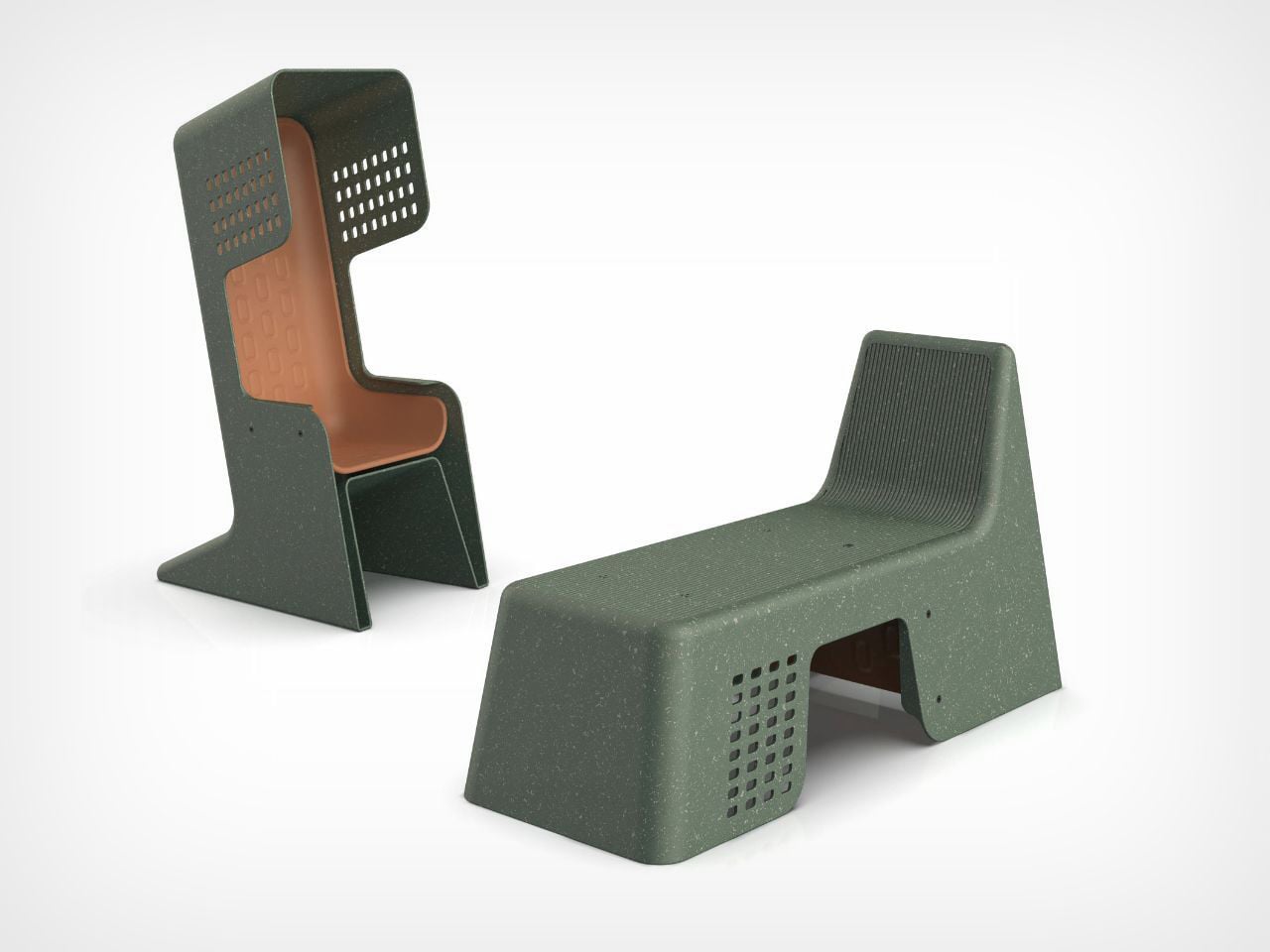
Cities are designed around togetherness. Parks, campuses, transit hubs, waiting areas, and public plazas usually assume that people want to sit near one another, talk, observe, or participate in the energy around them. What these spaces often overlook is the opposite need. Sometimes people simply want a few minutes of separation without having to leave the public realm entirely. CONVERTIBLE, a multifunctional privacy chair by industrial designer Ümithan Üçok, begins with that contradiction and turns it into a piece of adaptable public furniture.
The project combines two familiar furniture types that usually serve very different social behaviors: the public bench and the privacy chair. Instead of deciding that a space must support either interaction or isolation, CONVERTIBLE allows the same object to accommodate both. At first glance, it functions as shared seating, maintaining the openness expected from furniture placed in communal environments. Its form can then be reconfigured to create a more enclosed seating condition, giving one person a stronger sense of personal territory.
Designer: Ümithan ÜÇOK
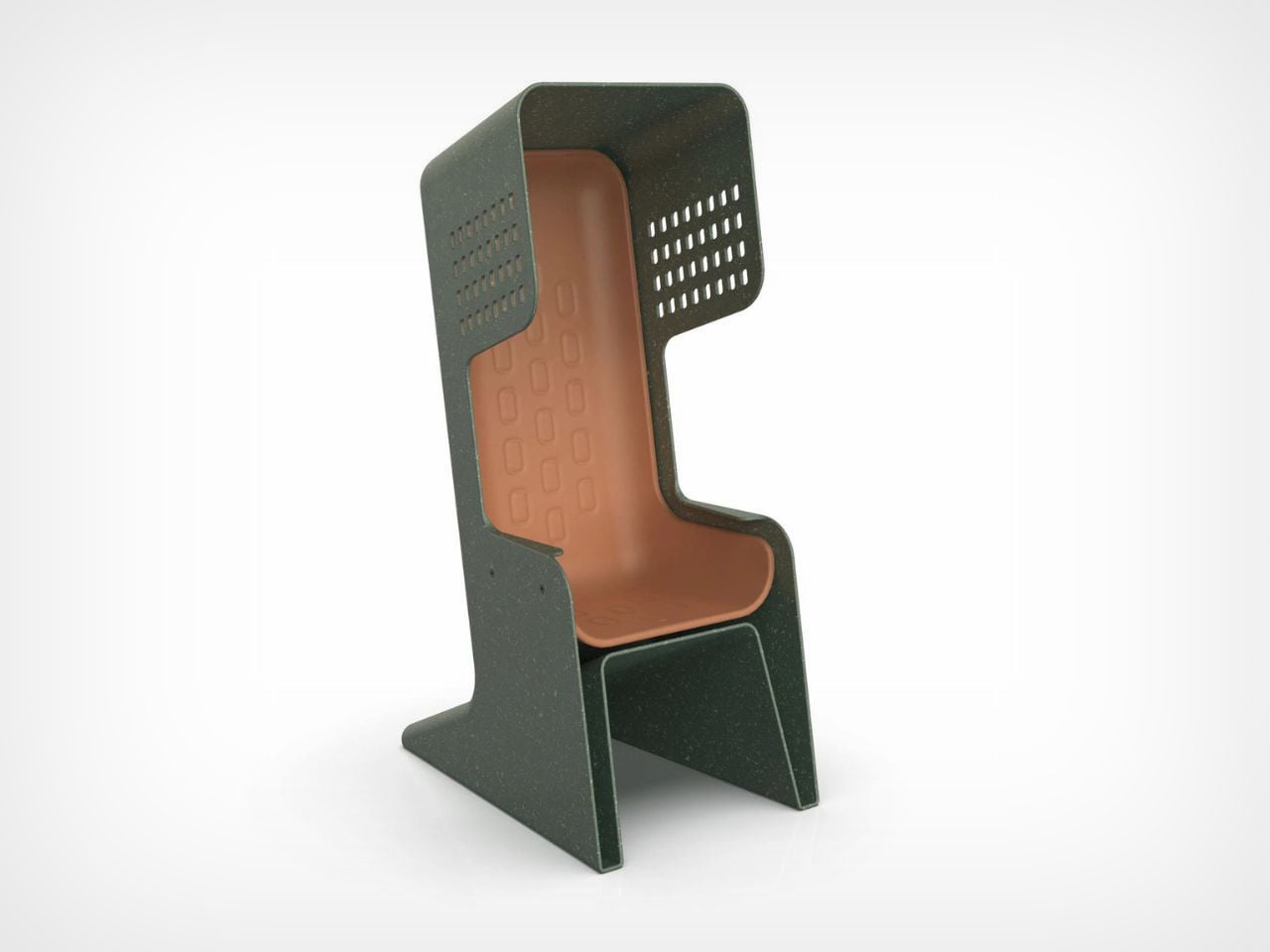
That shift feels increasingly relevant to contemporary urban life. Public space has become densely programmed around movement and interaction, while opportunities for temporary retreat are much harder to find. Privacy usually requires entering a building, booking a room, going home, or withdrawing completely from the surroundings. CONVERTIBLE proposes something less absolute. It allows a person to remain present within a shared environment while establishing a temporary boundary around themselves.
This is what makes the chair more interesting than a conventional privacy pod. Its purpose is not permanent isolation. Privacy becomes a condition that can appear and disappear according to the person using it. The furniture responds to changing behavior rather than prescribing one specific way of sitting. Someone could use it openly while meeting a friend, waiting between appointments, or taking a break. The same seating element could later become a more sheltered place for reading, working, making a phone call, or simply spending some time alone.
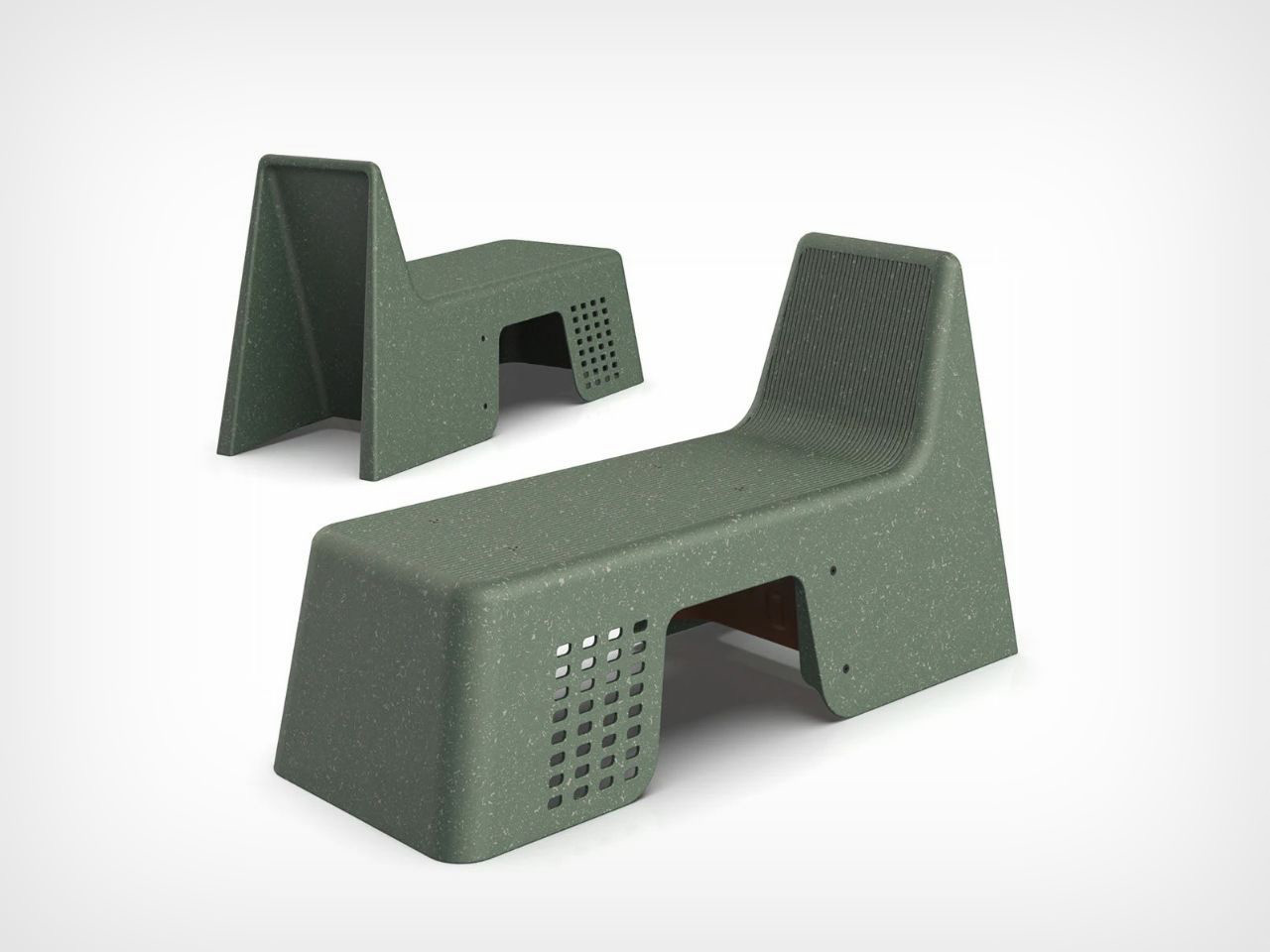
There is also an important spatial advantage to combining these functions. Public furniture usually has to justify the area it occupies, especially in places where space is limited. Providing separate benches and separate privacy seating can quickly make an environment crowded or inefficient. A convertible object allows the same footprint to serve different needs at different moments. Its multifunctionality therefore becomes more than a visual gesture. It gives planners and designers a way to make public seating more flexible without filling the environment with additional furniture.
The project also raises a quieter question about what privacy actually means in a public setting. Privacy does not always require a sealed room or complete visual separation. A shift in orientation, a surrounding surface, or a clearly defined personal zone can be enough to change how exposed someone feels. By moving between bench and privacy chair, CONVERTIBLE uses furniture itself to create that psychological distinction.
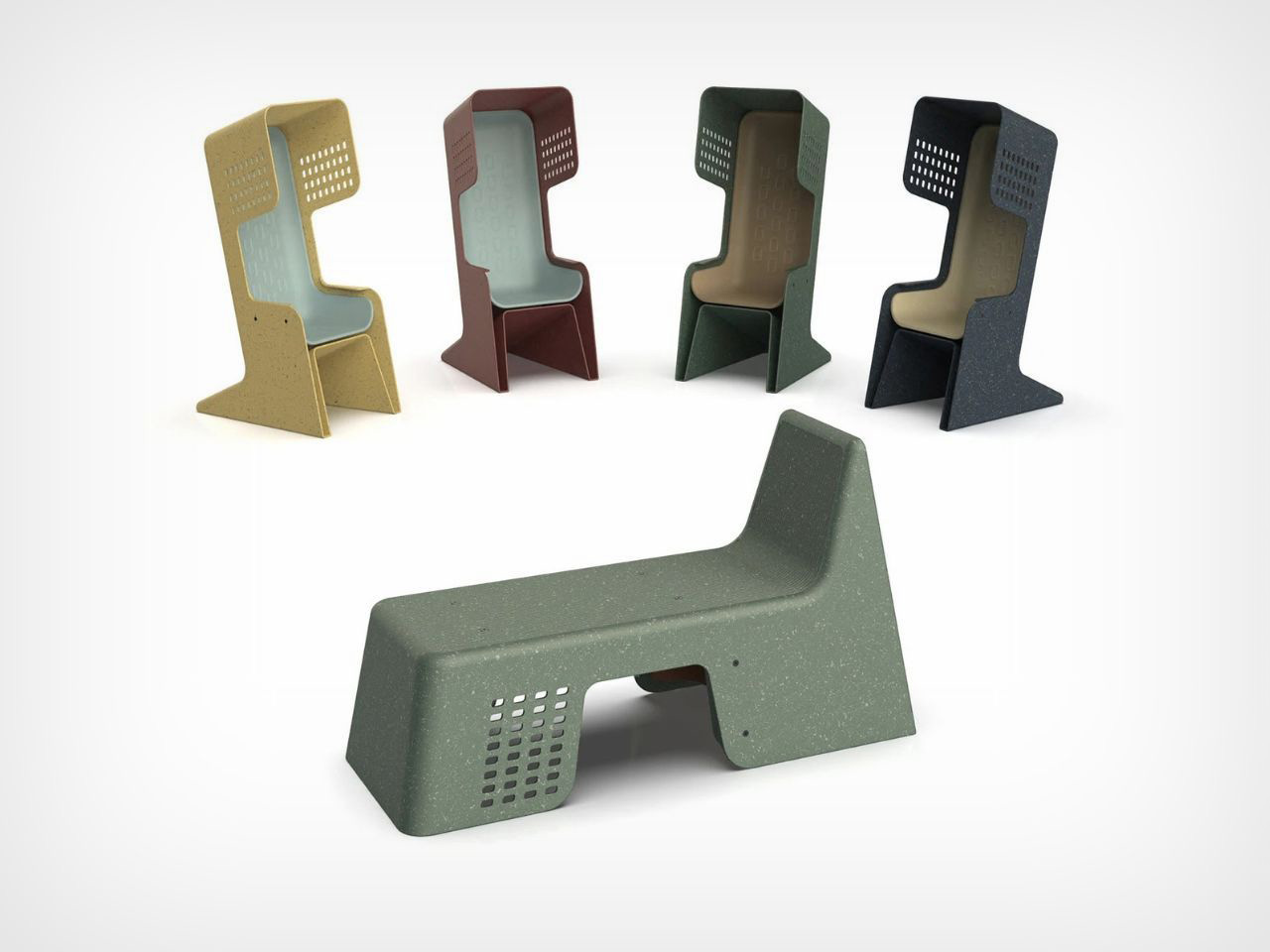
Üçok’s project is ultimately built around a simple observation: people do not behave socially all the time. Our need for connection changes throughout the day, and the spaces around us rarely change with it. CONVERTIBLE gives that change a physical form. Instead of treating public seating as a fixed object with a fixed purpose, it imagines furniture as something that can negotiate between openness and withdrawal, allowing the same public space to feel communal one moment and personal the next.
That flexibility matters because public life is rarely one mood for long. A plaza, campus, or waiting area has to hold conversation, observation, work, and quiet retreat, often within the same hour and the same footprint. By letting one object move between shared bench and privacy chair, CONVERTIBLE treats those shifts as ordinary rather than exceptional. It does not solve urban loneliness or overcrowding on its own, but it does suggest a more responsive kind of public furniture: seating that can stay open when company is welcome, and close in just enough when someone needs a moment alone.