Twelve days ago I wrote that Apple was testing a Mac mini with a brand new M6 in the cheap model and a carried-over M5 Pro in the expensive one, and that anyone holding out for a clean M5 mini should let that dream go. That machine now exists, with a price and a ship date. Mark Gurman’s reporting was the source and it landed almost exactly. I would be enjoying this more if the shipping version had not arrived with a hundred dollars stapled to both configurations. Being right is fun. Being right about a price hike is considerably less fun.
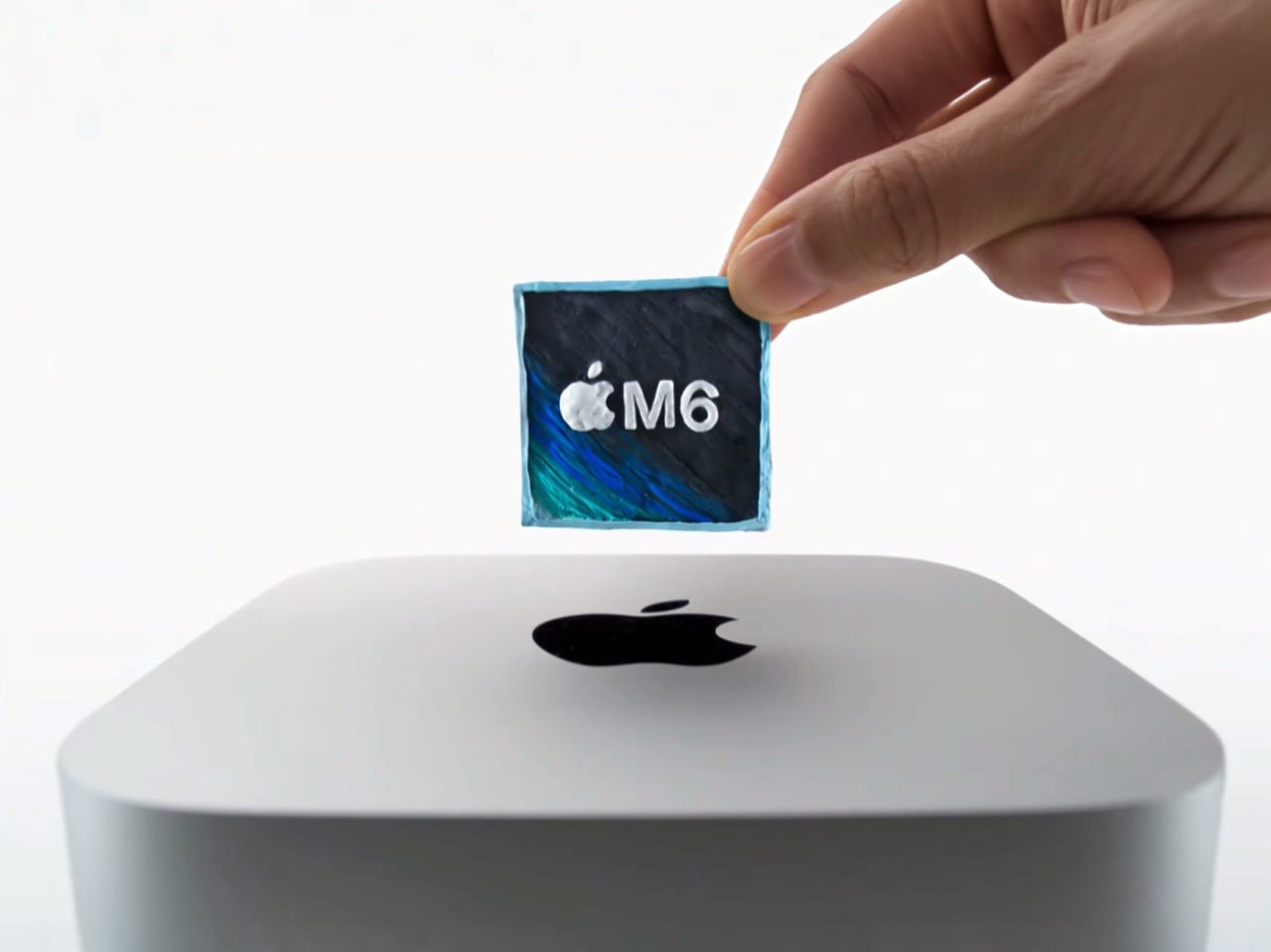
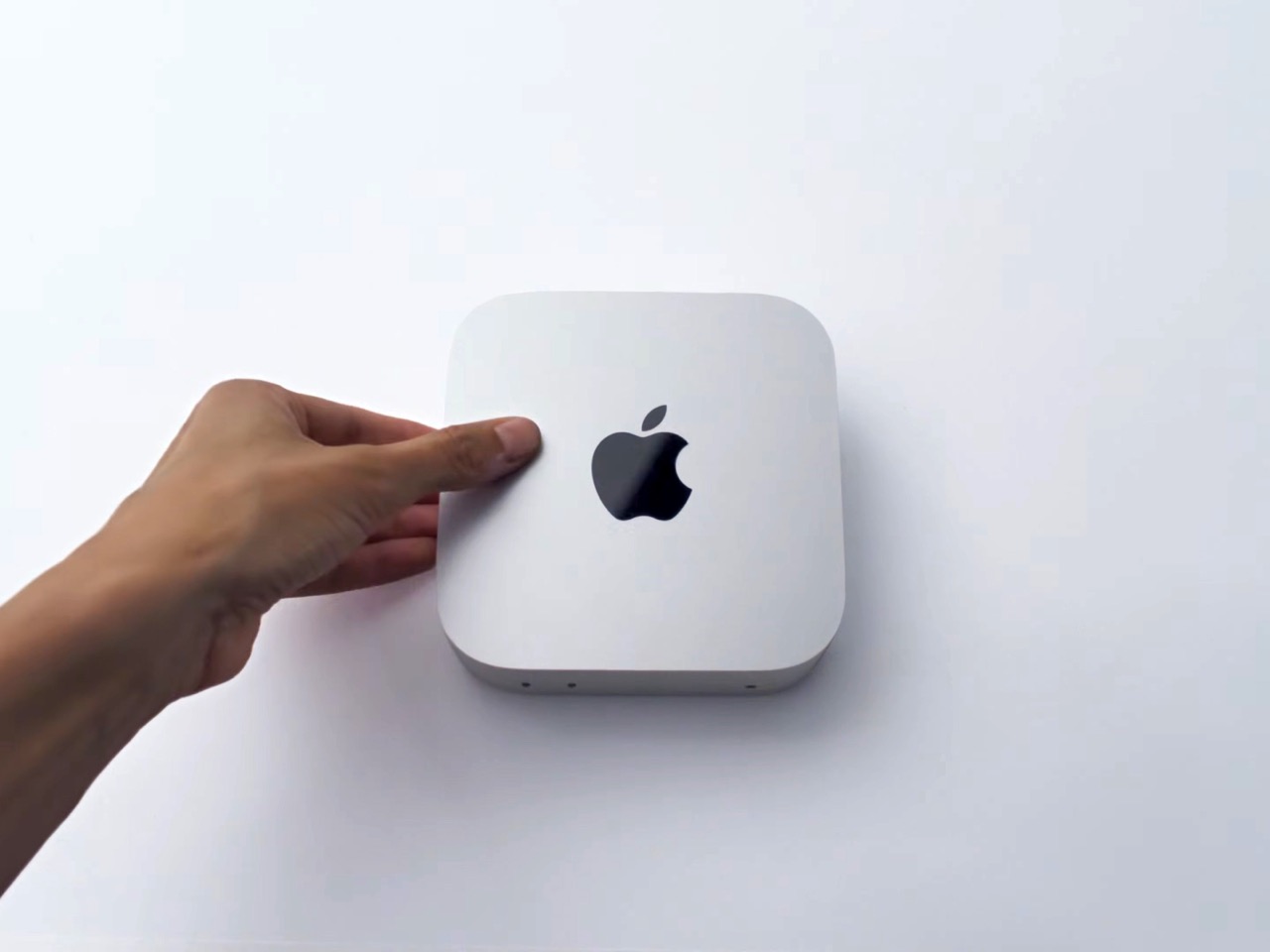
Here is what Apple actually put on sale on August 25, arriving September 22 across 30 countries. The $899 base mini gets M6, Apple’s first 2nm chip, with 12 CPU cores, 12 GPU cores and a Dual 16-core Neural Engine running at up to 170GB/s. The $1,699 model gets M5 Pro, scaling to 18 CPU cores and 20 GPU cores, 64GB of memory at 307GB/s, Thunderbolt 5, and the ability to cluster multiple minis to run large models entirely on device. Two chip generations, one product page. The aluminum shell is untouched since 2024.
Designer: Apple
Six hundred dollars bought an M4 Mac mini in October 2024, which felt at the time like Apple briefly forgetting to charge properly. May 2026 killed the 256GB configuration and pushed the effective floor to $799. June raised the M4 Pro from $1,399 to $1,599. Apple told the Wall Street Journal it had never seen component prices climb this much this quickly, pointing at the memory and storage crunch that AI data centres created. So the entry Mac has gained three hundred dollars in under two years, and the desktop best suited to running models locally got expensive precisely because everyone else is running models too.
M6 is Apple’s first 2nm silicon and it lands in the cheapest Mac on the shelf, with a 12-core CPU split into two super cores, four performance cores and six efficiency cores, plus a Neural Accelerator inside every one of its 12 GPU cores. M5 Pro, sitting in the machine that costs eight hundred dollars more, is last year’s architecture scaled wider. On the multi-core and graphics work that Pro-tier buyers actually pay for, M5 Pro wins comfortably. On the number printed on the box, it loses. Apple spent a decade teaching people to read that number as shorthand for how current a machine is, and has now quietly stopped honouring its own shorthand.

The gap traces back to a decision that had nothing to do with the mini. Apple reportedly cancelled the M6 Pro and M6 Max outright, fast-tracking an AI-focused M7 line rather than building a Pro tier that would be stale within months of shipping. The engineering logic is sound and I understand it. The customer position is still rough. Mac Studio pulled the same trick last year with mismatched M4 Max and M3 Ultra chips and nobody blinked, because Studio shoppers expect spec weirdness, while the mini is the Mac people buy specifically because it never asks them to think.

Three Thunderbolt 4 ports sit on the back of the newer-silicon M6 model, while the older M5 Pro gets Thunderbolt 5. That is segmentation, not physics, and it is the clearest sign that Apple is now pricing tiers rather than describing them. Both machines pick up Wi-Fi 7, Bluetooth 6 and 2.5Gb Ethernet as standard, with a 10Gb option. The two front USB-C ports still run at plain USB 3 speeds. New genlock support over USB-C syncs a display to a camera, including the iPhone 17 Pro, which is a genuinely useful addition nobody will notice.
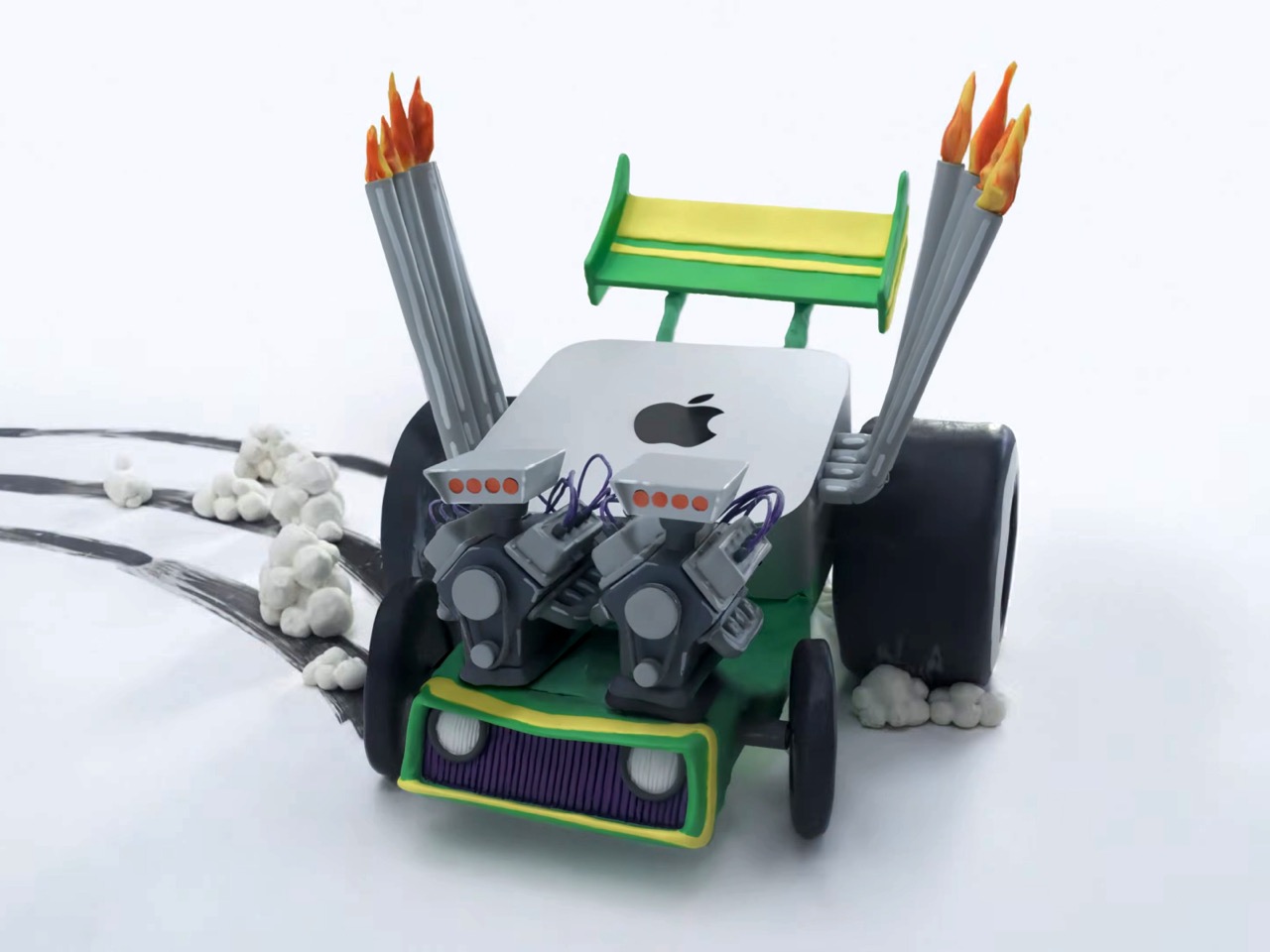
That unchanged aluminum box remains my favorite part of this whole story. Every vertical cooling case, stacking SSD and retro Macintosh shell built for the M4 still fits, which is accidental sustainability of a kind Apple rarely gets credit for. The power button is still underneath, obviously. What Apple has not published is a single head-to-head AI benchmark between M6 and M5 Pro, which is the one comparison that would tell buyers whether the cheap mini out-thinks the expensive one. Its silence there is doing a lot of work.