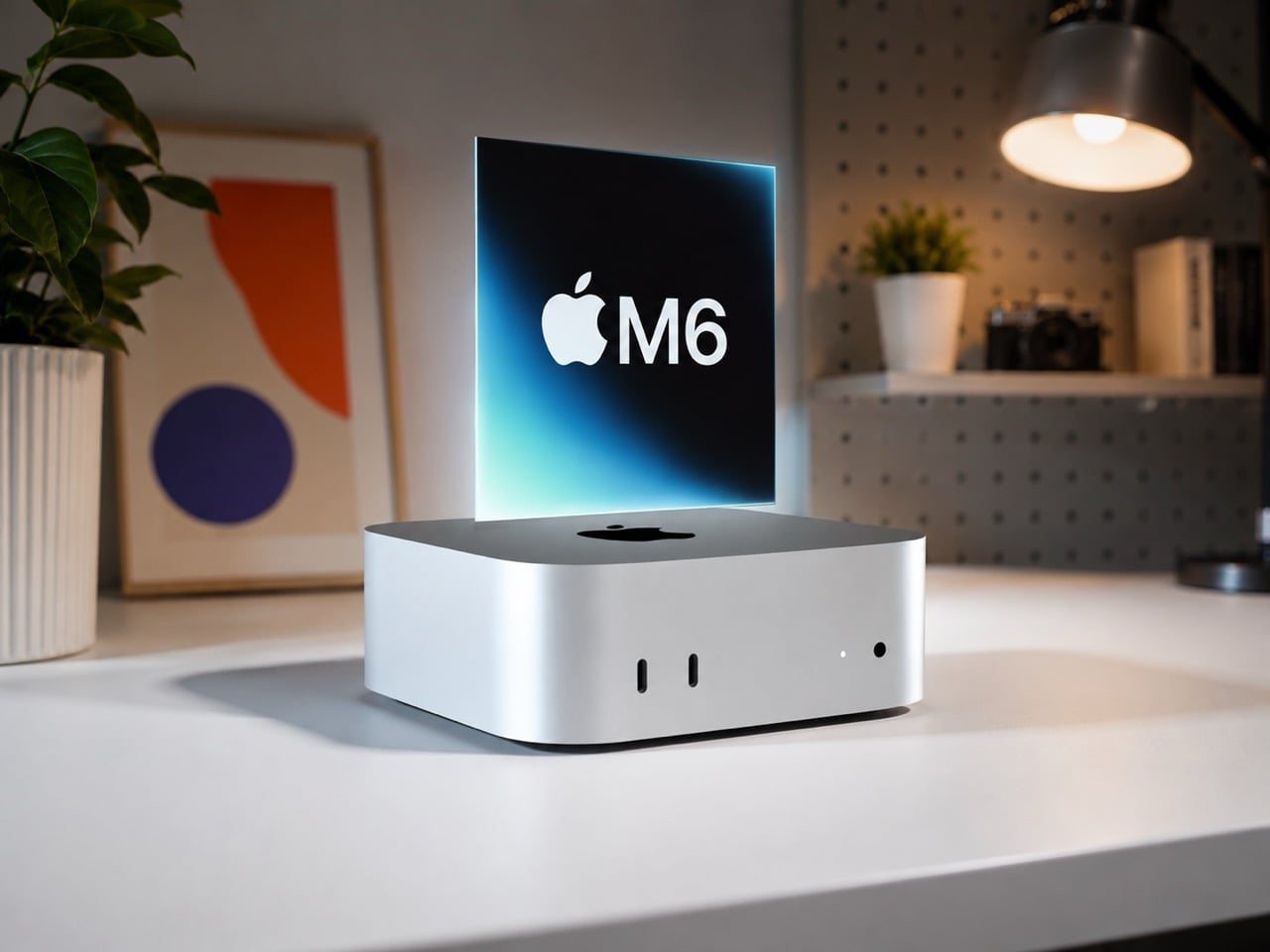
Feeling like you’ve heard this before? You sort of have. Last year Apple quietly shipped a Mac Studio with mismatched M4 Max and M3 Ultra chips, and buyers barely blinked, since Studio shoppers expect spec weirdness. Now the same move looks headed for the Mac mini, the one Mac people buy precisely because it is simple, affordable, and predictable. According to Bloomberg’s Mark Gurman, Apple is testing units that pair a new M6 chip with a carried over M5 Pro.
That is an odd combination to put inside Apple’s most straightforward computer. The Mac mini has never asked buyers to think twice about chip lineage, and now it may become the clearest example yet of how messy Apple’s silicon strategy has gotten.
Design: Apple
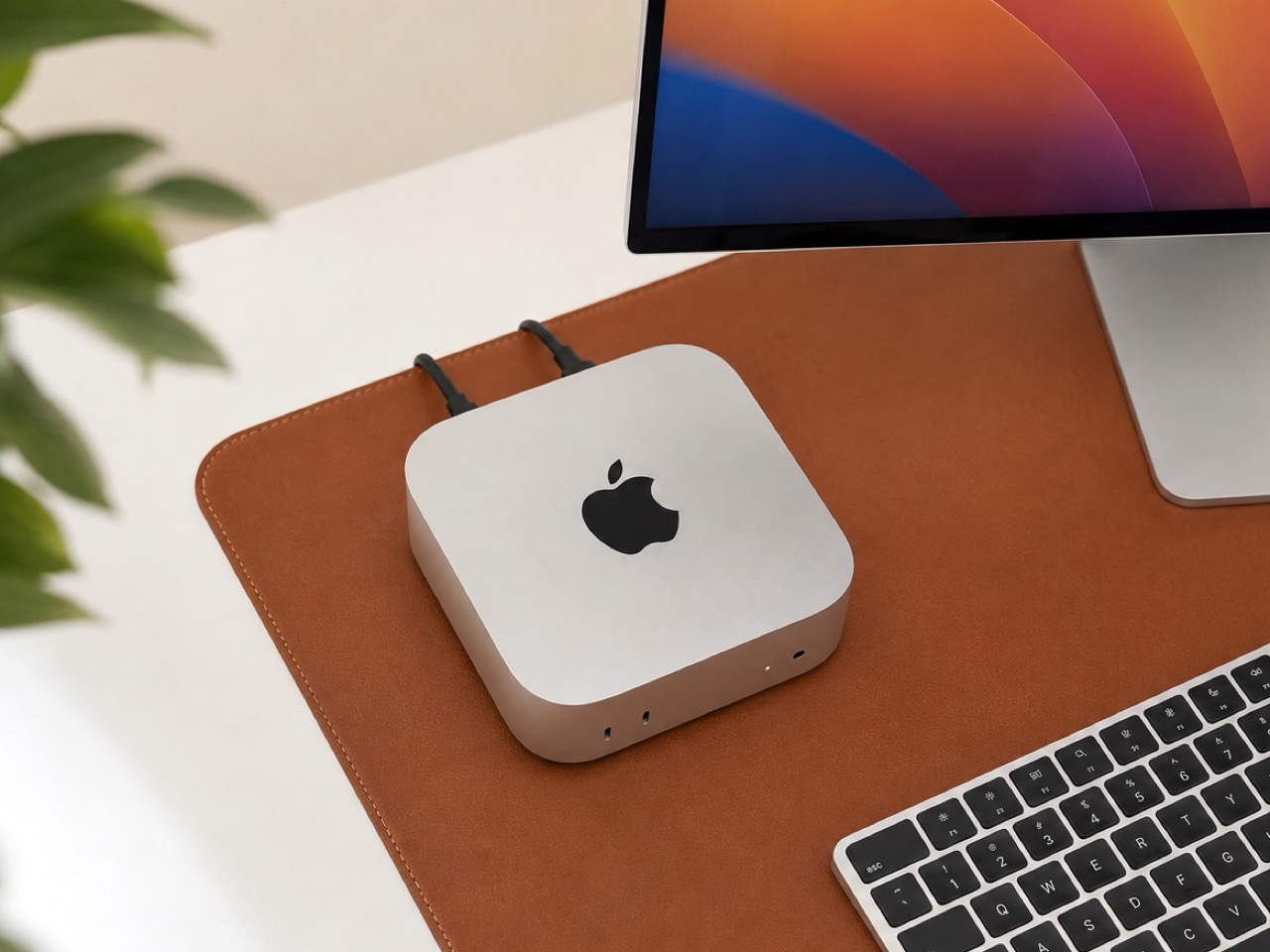
The mismatch traces back to a decision Apple made months earlier, and it has nothing to do with the Mac mini specifically. Apple canceled the M6 Pro and M6 Max outright, choosing to fast track the AI focused M7 lineup instead of building a Pro tier that would have been outdated within months of shipping. That leaves a gap in the middle of the chip family, and the Mac mini’s step up configuration is the one stuck filling it with last year’s silicon. I get the engineering logic. I still think it is a rough position to put a customer in.
Here is the part that will annoy anyone who buys on spec sheets alone. An M5 Pro comfortably beats a base M6 on the multi core and graphics work that Pro tier buyers actually care about, so the generation label is closer to marketing noise than a real downgrade. Performance wise, the pricier mini still wins. But nobody wants to spend more money and watch the box on the shelf next to it wear a newer number. Apple has spent a decade training customers to read chip generations as a shorthand for how current a machine is, and this configuration quietly breaks that shorthand.
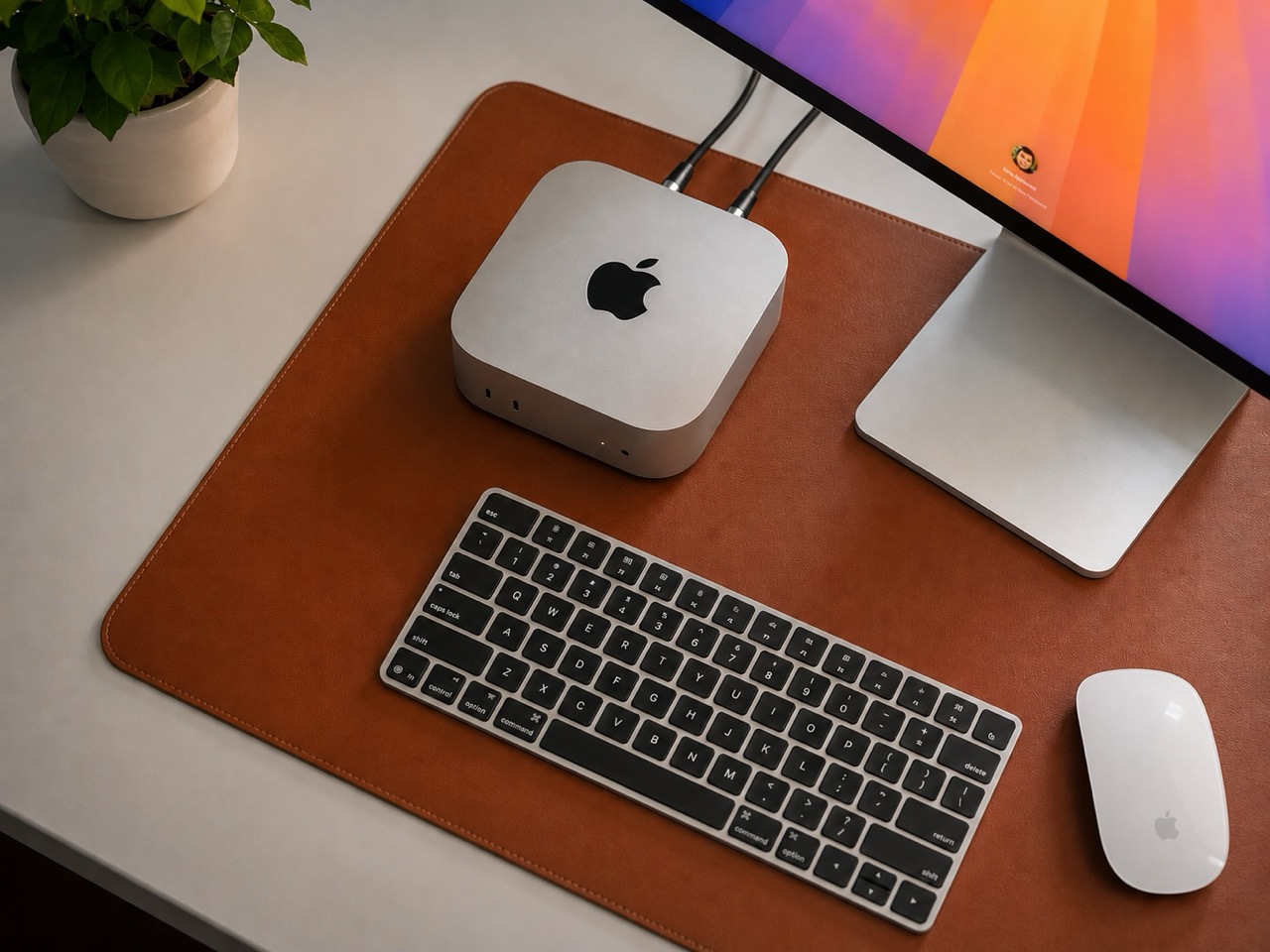
There is a supply chain story sitting underneath all of this too, and it is worth naming. The global memory shortage that pushed MacBook Pro prices up by three hundred dollars in June is the same pressure shaping this roadmap. Apple already pulled higher RAM configurations from some Mac mini and Mac Studio models earlier this year, and Gurman’s own reporting notes the mismatched mini’s exact chip and memory setup still depends on how memory supply plays out. None of this is locked in yet. Testing configurations shift constantly, and Apple has not committed to a release window.
What makes this genuinely interesting from a design standpoint is the mini’s shell. That aluminum box has not changed since the M4 redesign in 2024, and it may end up carrying three chip generations without a single exterior update. Apple has effectively split the Mac mini’s identity in two, treating the outside as a fixed platform and the inside as a variable it can rearrange however the roadmap demands. That is a different kind of product thinking than the tidy, synchronized launches Apple built its reputation on.

Whether that flexibility reads as smart engineering or a confusing shopping experience will depend entirely on how Apple prices and markets the two configurations when they actually arrive. For now, anyone holding out for a clean M5 Mac mini should probably let that expectation go. The machine that shows up later this year might carry a name nobody predicted, wrapped in a body nobody will notice changed at all.