The writerdeck movement has one recurring irony: devices built specifically to cut through digital distraction have a tendency to get expensive. Custom keyboards, purpose-built screens, and precision-machined enclosures can push a DIY writing build well past the cost of a regular laptop, which rather defeats the point. The more interesting entries in the space tend to be the ones that solve the accessibility problem, not just the distraction one.
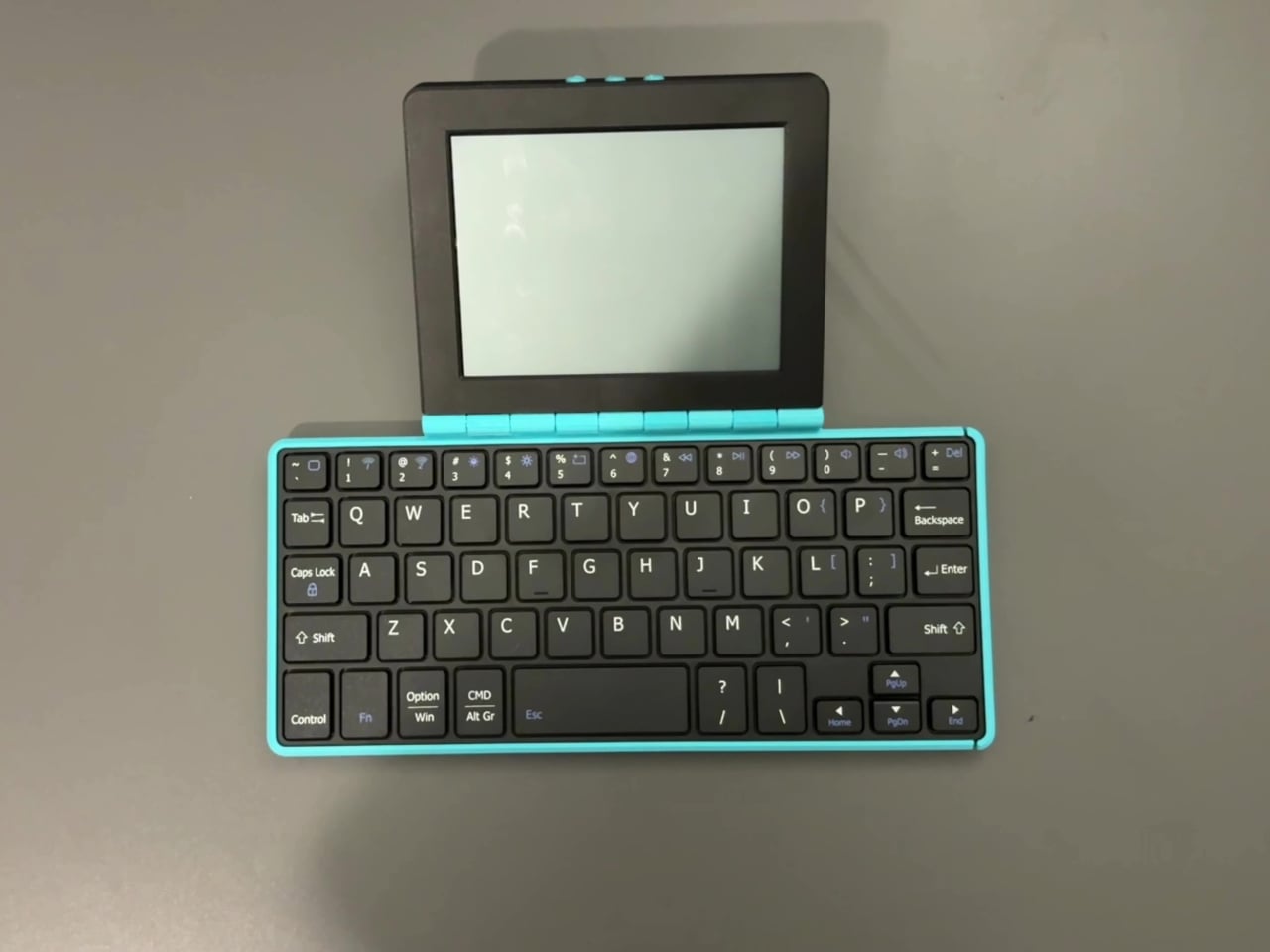
The Whale Writer is an open-source, foldable, DIY writing device designed to be as cheap and portable as possible. It’s the second writerdeck design from its creator, after Bee Write Back, built specifically to address the two most common criticisms of the first: it didn’t fold, and it cost too much. Both problems are solved here through a combination of 3D-printed parts and off-the-shelf electronics.
Designer: Simon Shimel
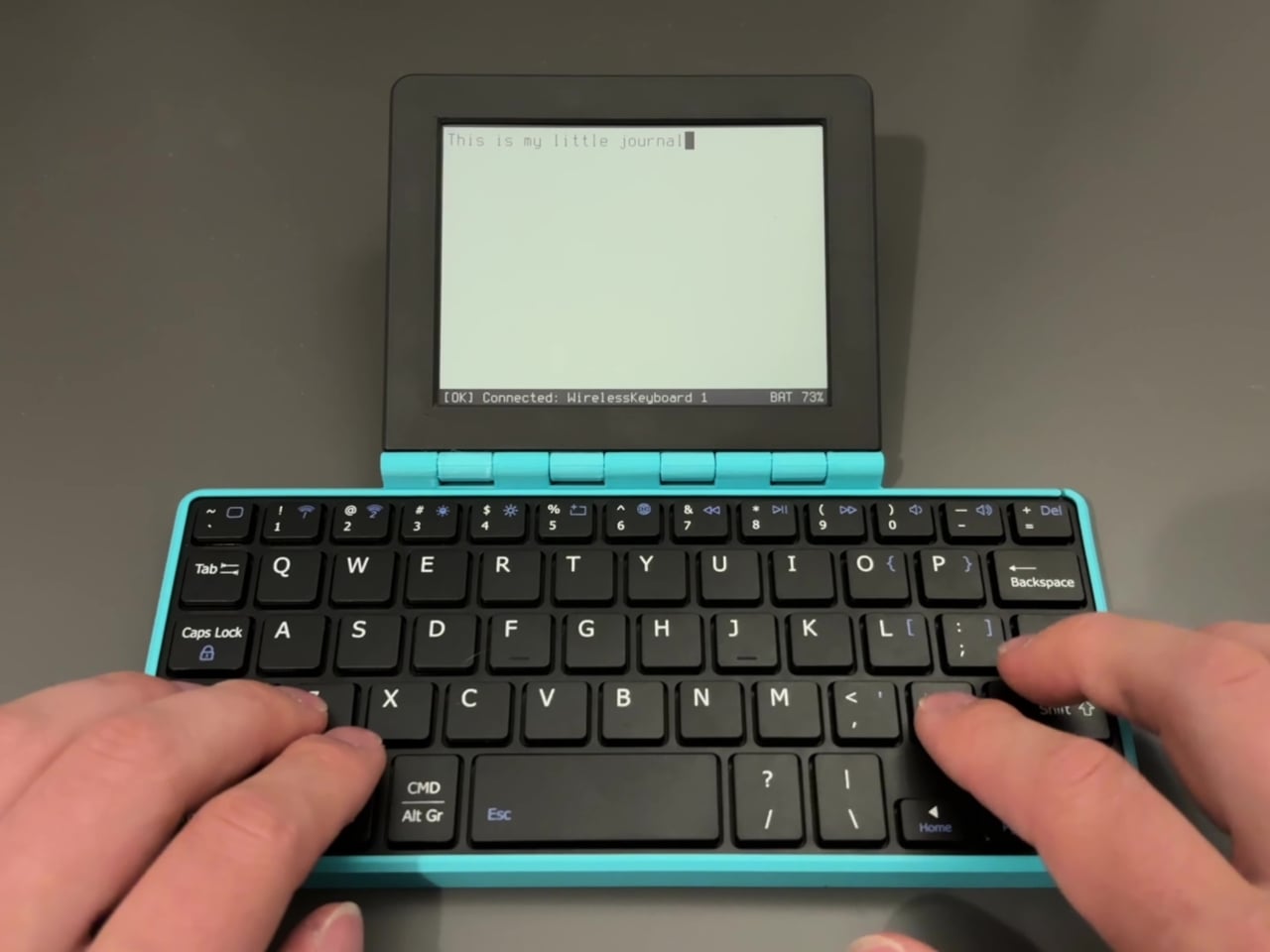
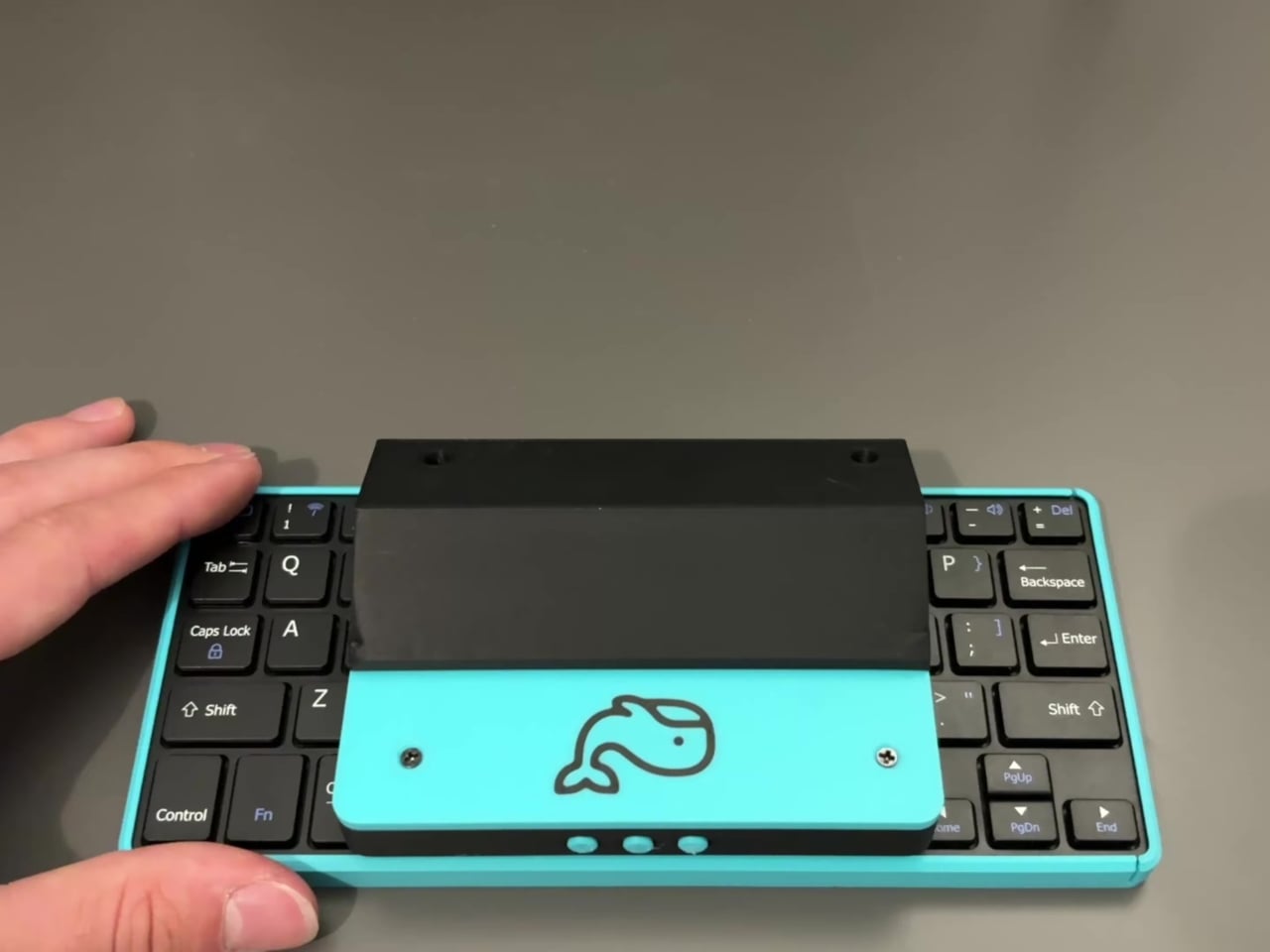
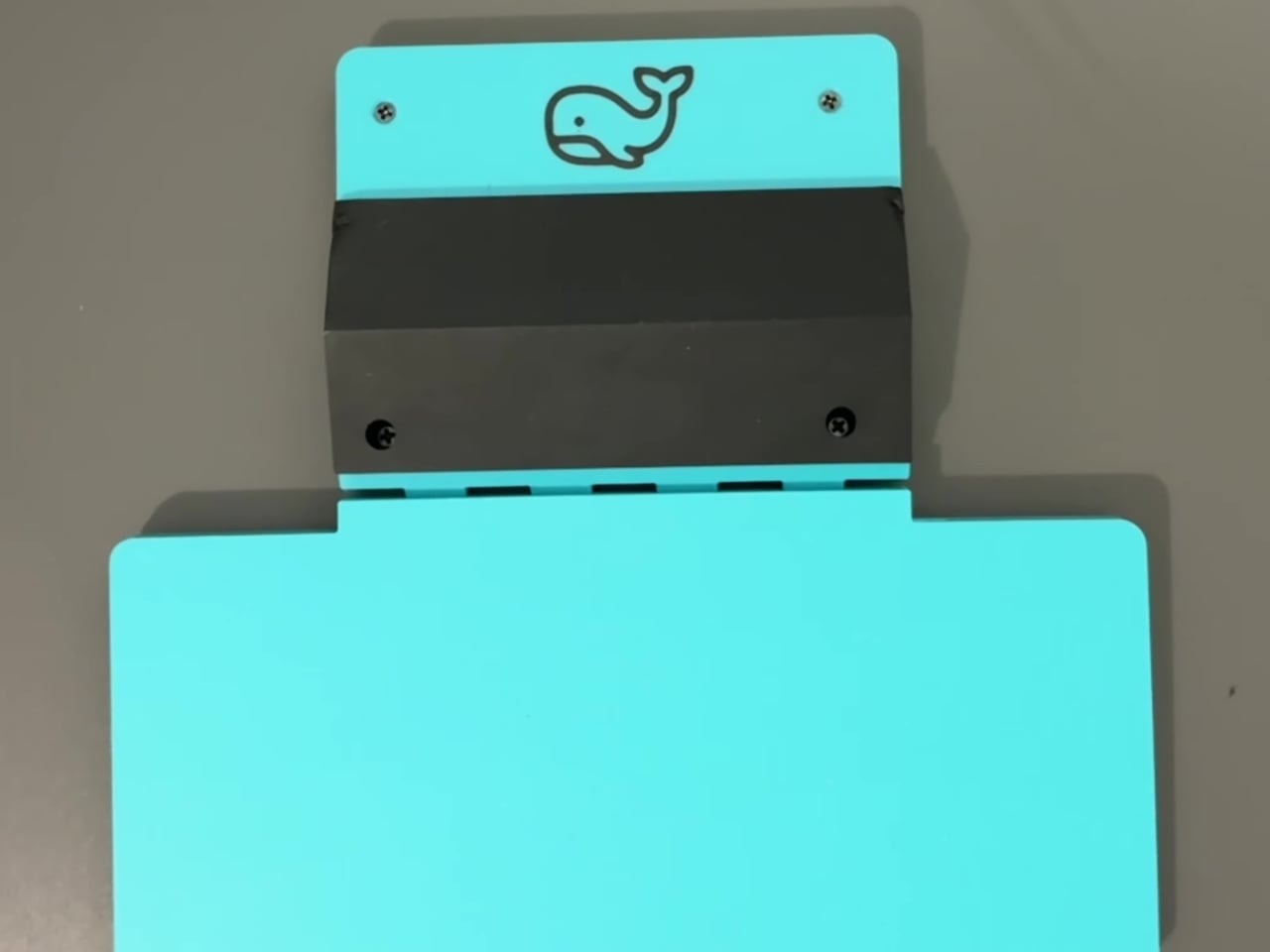
Folding is what separates this from most of the writerdeck category, where non-folding chassis designs are common. When closed, the Whale Writer flattens into a form that can travel in a bag without a full keyboard and screen sticking out at different angles. A device that sits on a café table can fold up and slide into a jacket pocket for the commute.
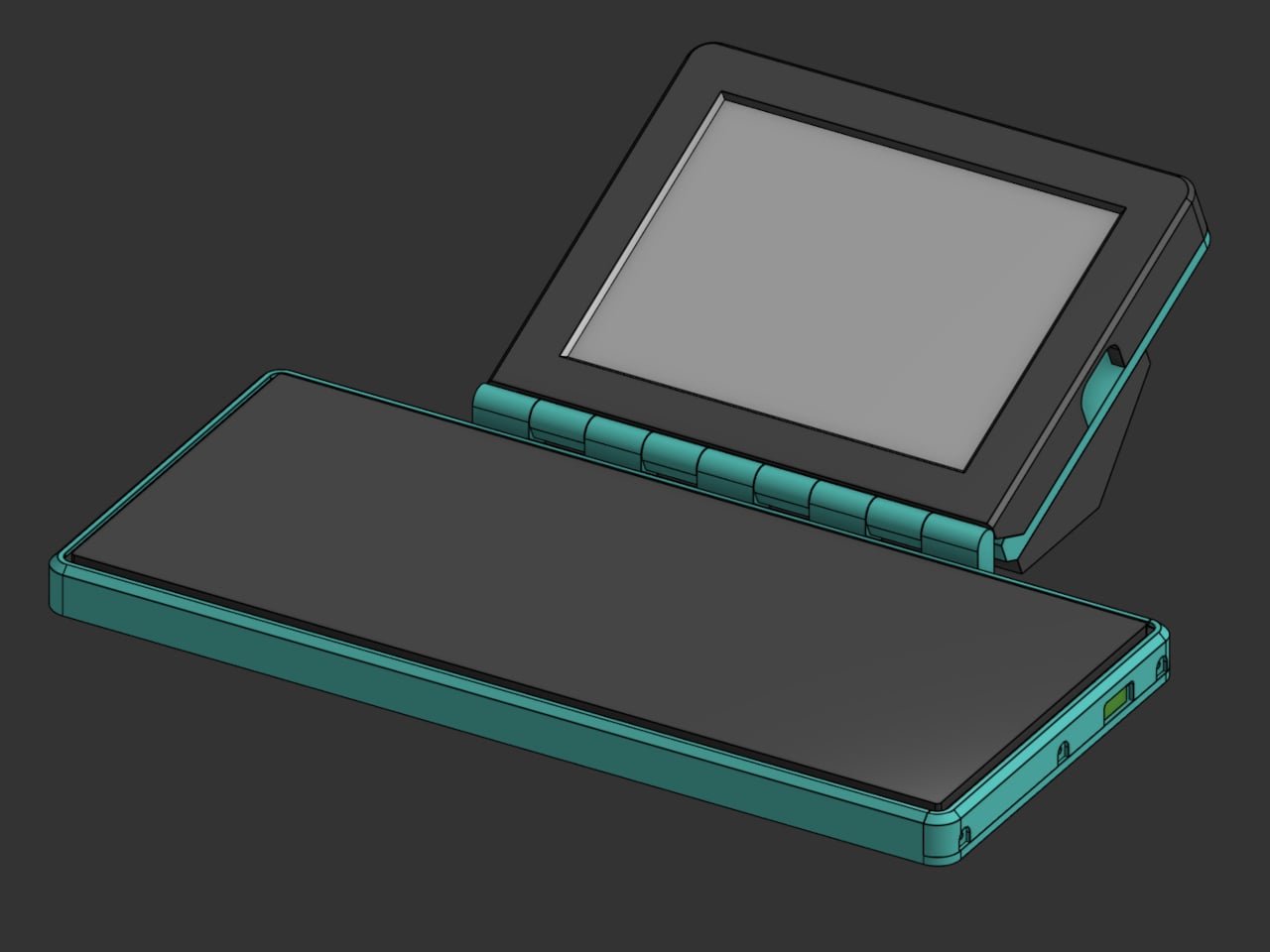
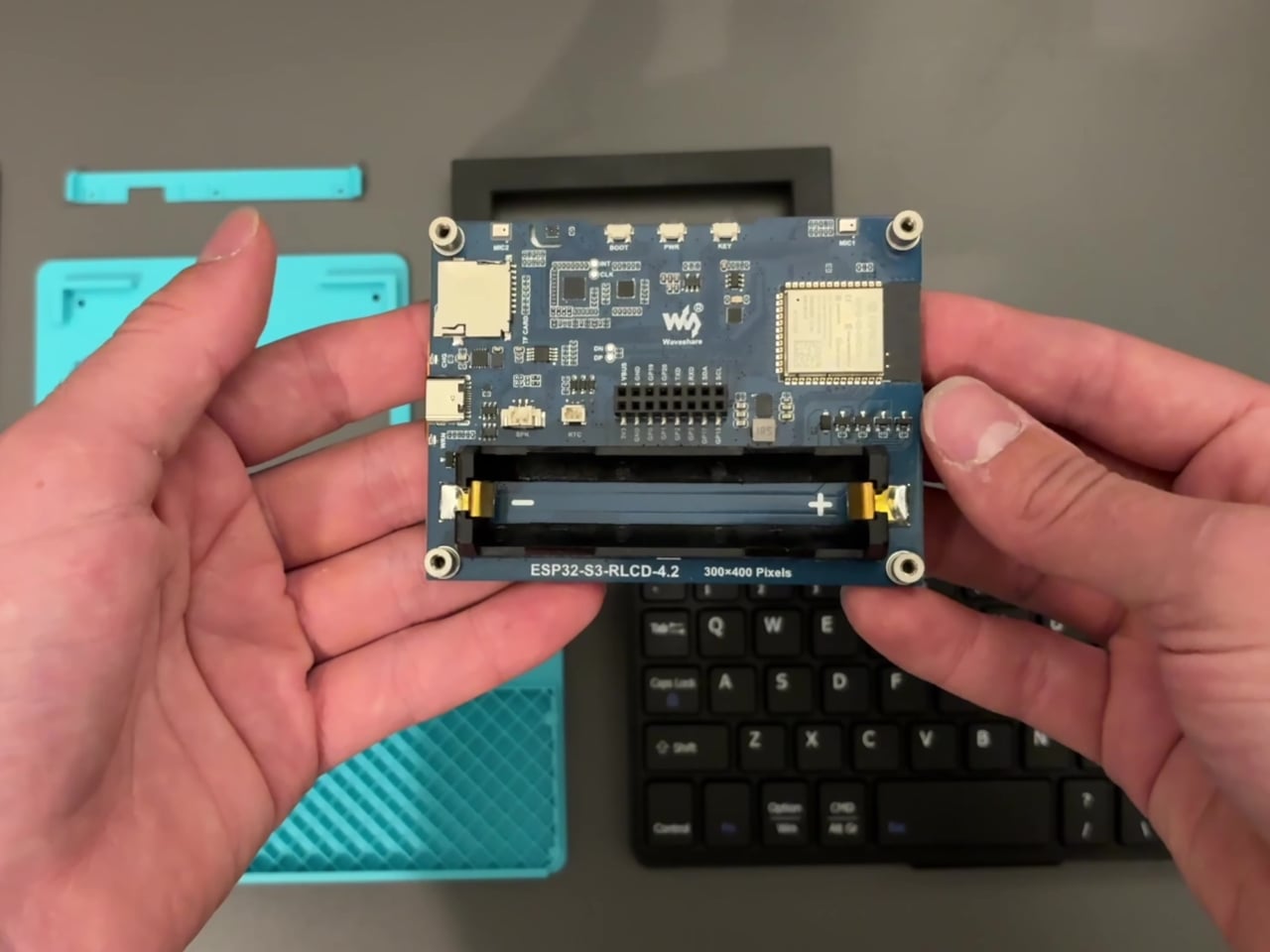
Central to the hardware is an unusual display choice. Rather than a backlit LCD, the Whale Writer uses a Waveshare RLCD, a reflective liquid crystal display that reads using ambient light instead of a power-hungry internal backlight. The result is a screen that mimics paper readability and extends battery life considerably, with an ESP32-S3 microcontroller already built into the module so no separate computing board is required.
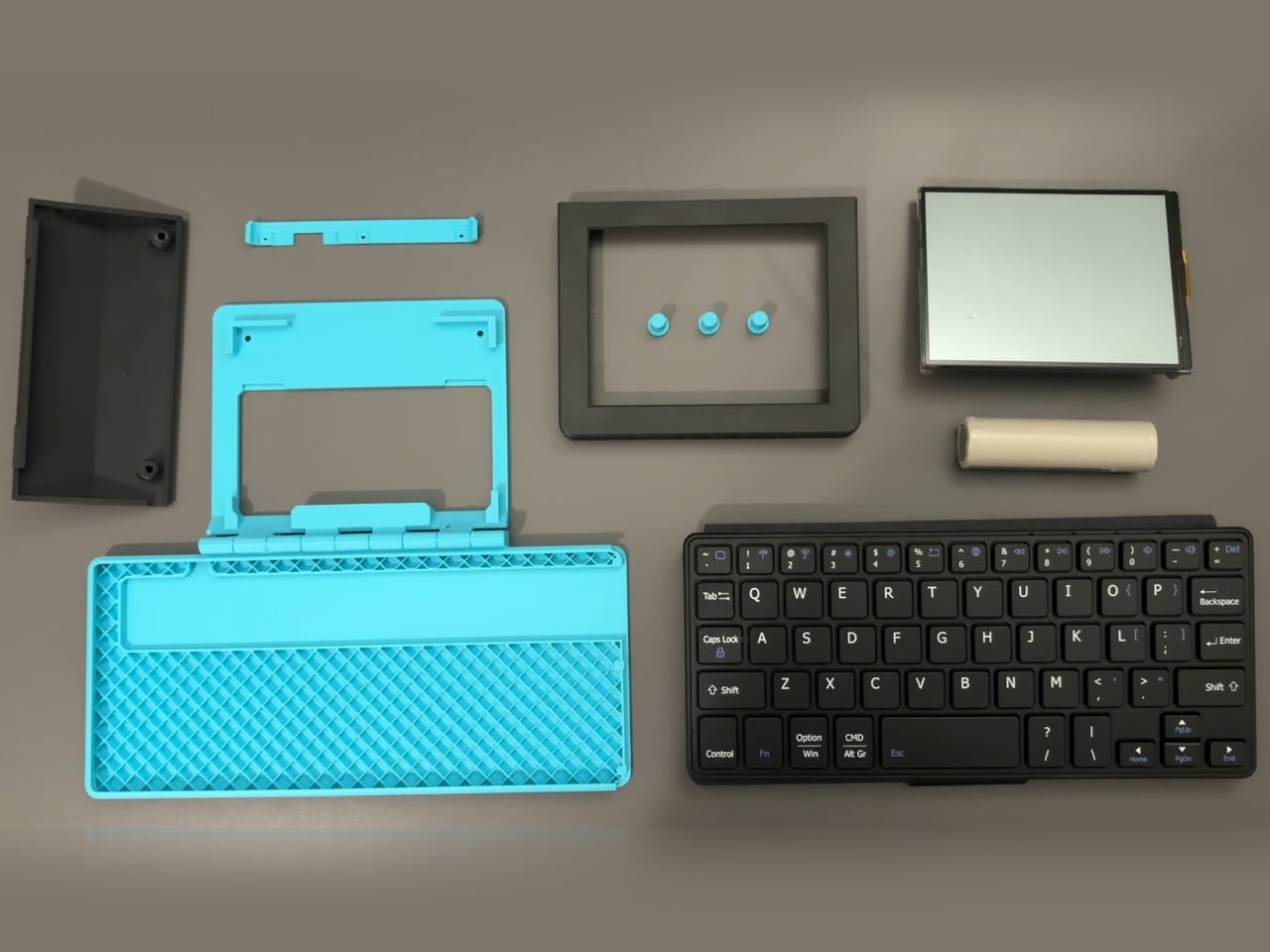
The keyboard is the most accessible component here: a standard cheap Bluetooth keyboard is fully disassembled, and its PCB, key matrix, and flex cable are repurposed inside a custom 3D-printed chassis. Four printed parts complete the build: a base plate with a print-in-place hinge, a locking plate that holds the keyboard in position, a battery cover, and a screen bezel with three button cutouts.
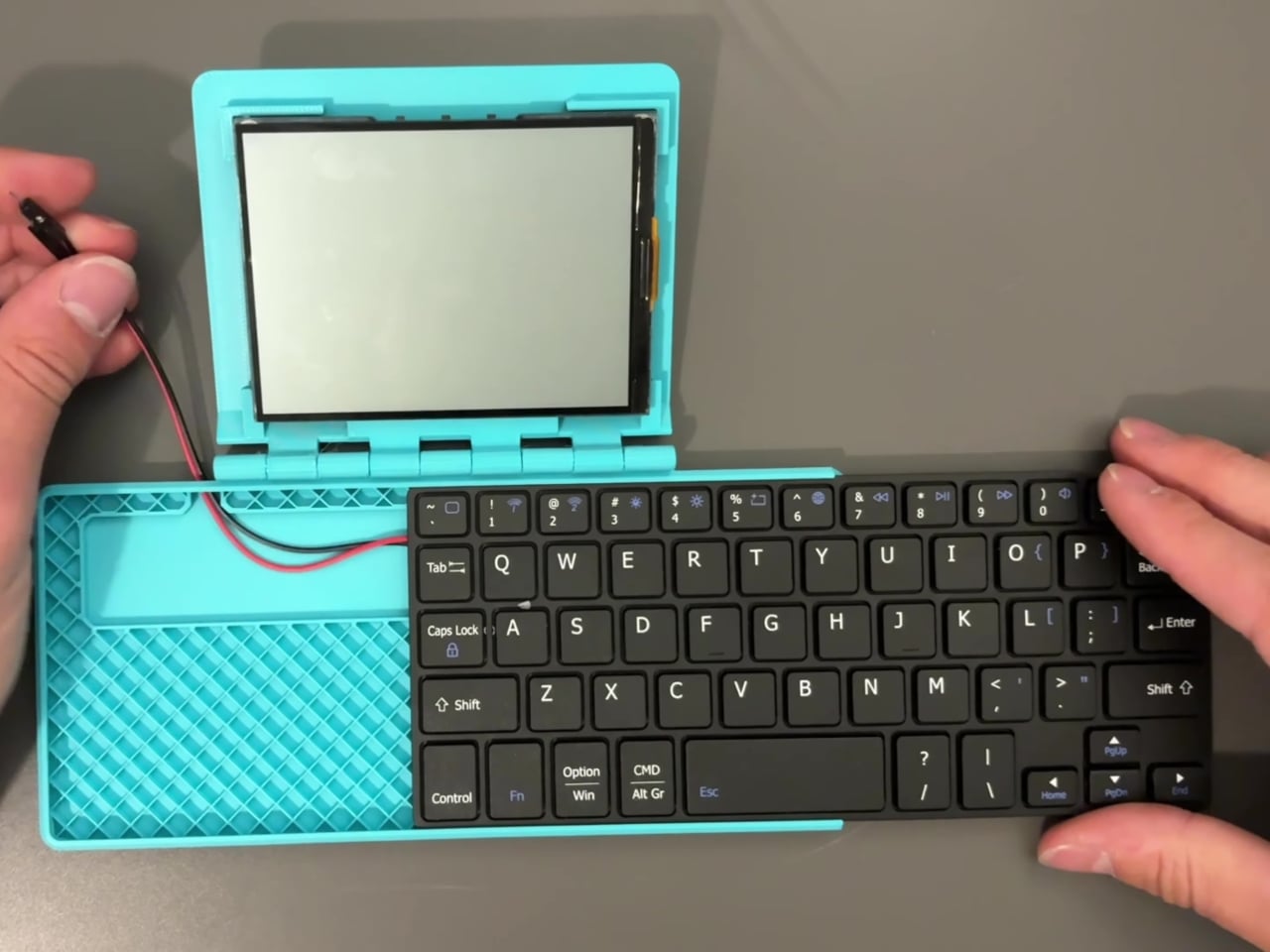
Power runs from an 18650 battery cell, and builders have two configurations to choose from. The simpler path keeps the keyboard’s original battery running independently from the main cell, requiring no soldering. The more involved route splices the keyboard’s power input directly to the RLCD board’s output, running everything off a single 18650, which means one battery to charge instead of two.
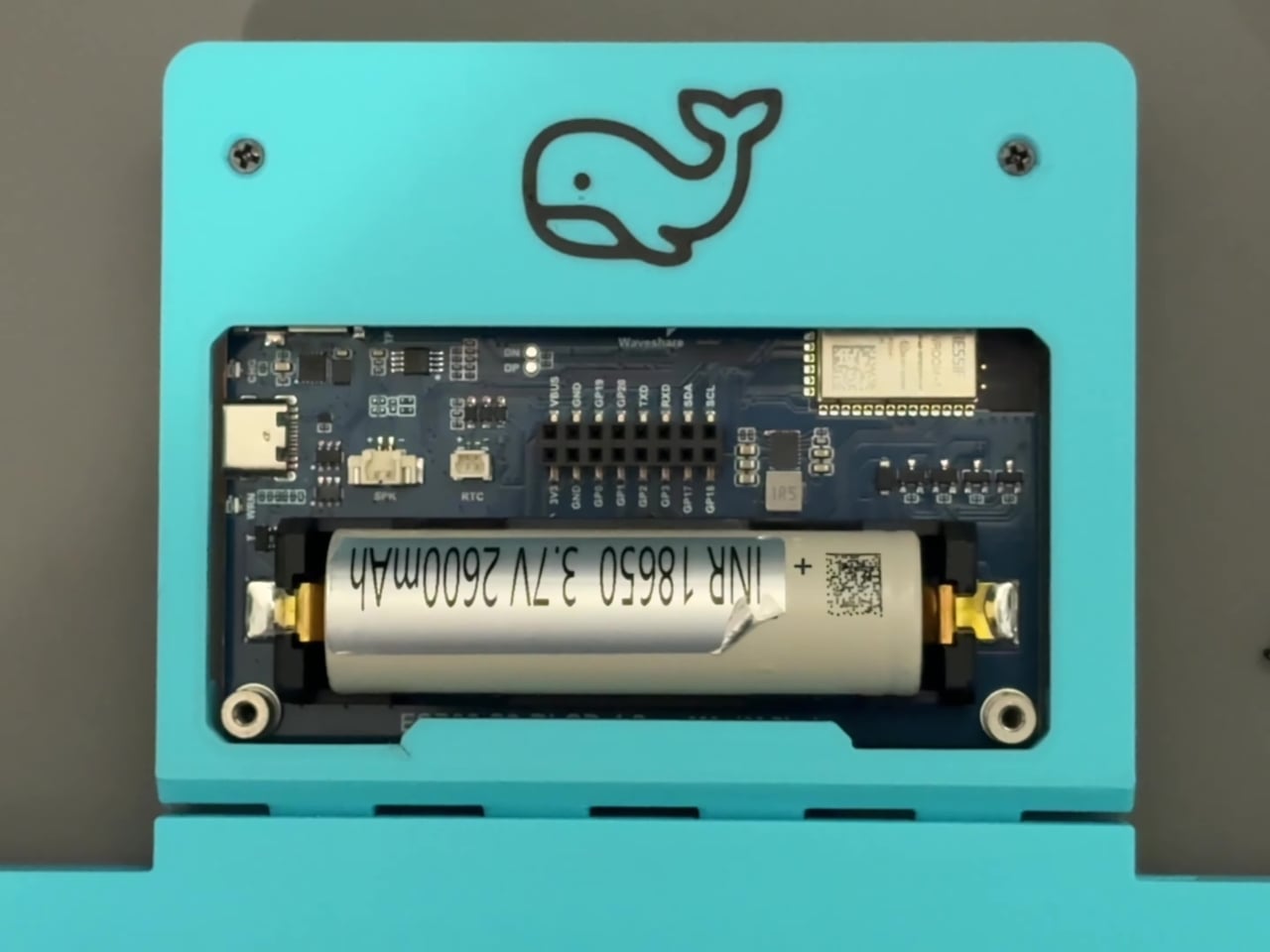
Software is deliberately left open. A basic word processor was built as a functionality test using an AI coding assistant, but the creator frames the Whale Writer as a hardware platform, not a finished product. The ESP32’s onboard Wi-Fi and Bluetooth leave the door open for everything from a minimal plain-text editor to a wireless draft-syncing terminal, depending on what firmware the community eventually writes.
None of what the Whale Writer does is entirely new, and it doesn’t try to suggest otherwise. The category already knows what it’s supposed to be: a device that only lets you write, without anything else competing for the same moment. What this build adds to that premise is a sincere attempt to make the experience available to people who want it but have been priced out of building one.
SHARE