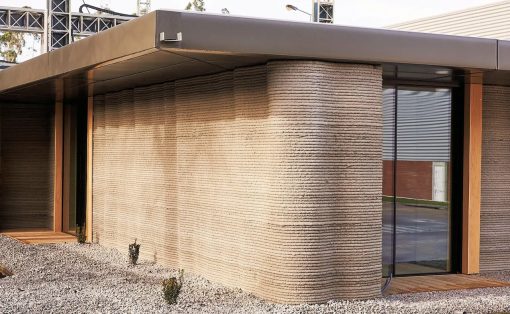
Nowadays almost everything is being 3D printed, so why should architecture be an exception? Many architectural firms are adopting 3D printing as their preferred technique for building structures. And 3D-printed architecture is slowly but surely gaining a lot of popularity and momentum. And I mean, no wonder, it has a ton of benefits! It’s a simple, efficient, and innovative technique that lowers the risks of errors, and also manages to save time. 3D printing eradicates a lot of tedious steps during the construction process and simplifies it.
Japanese construction startup Serendix created a popular tiny proof-of-concept last year, and it was up to code for Japanese earthquakes and European insulation standards. And recently they unveiled ‘Fujitsubo’ – a small home priced at 5.5 million yen or around $37,600!
Designer: Serendix
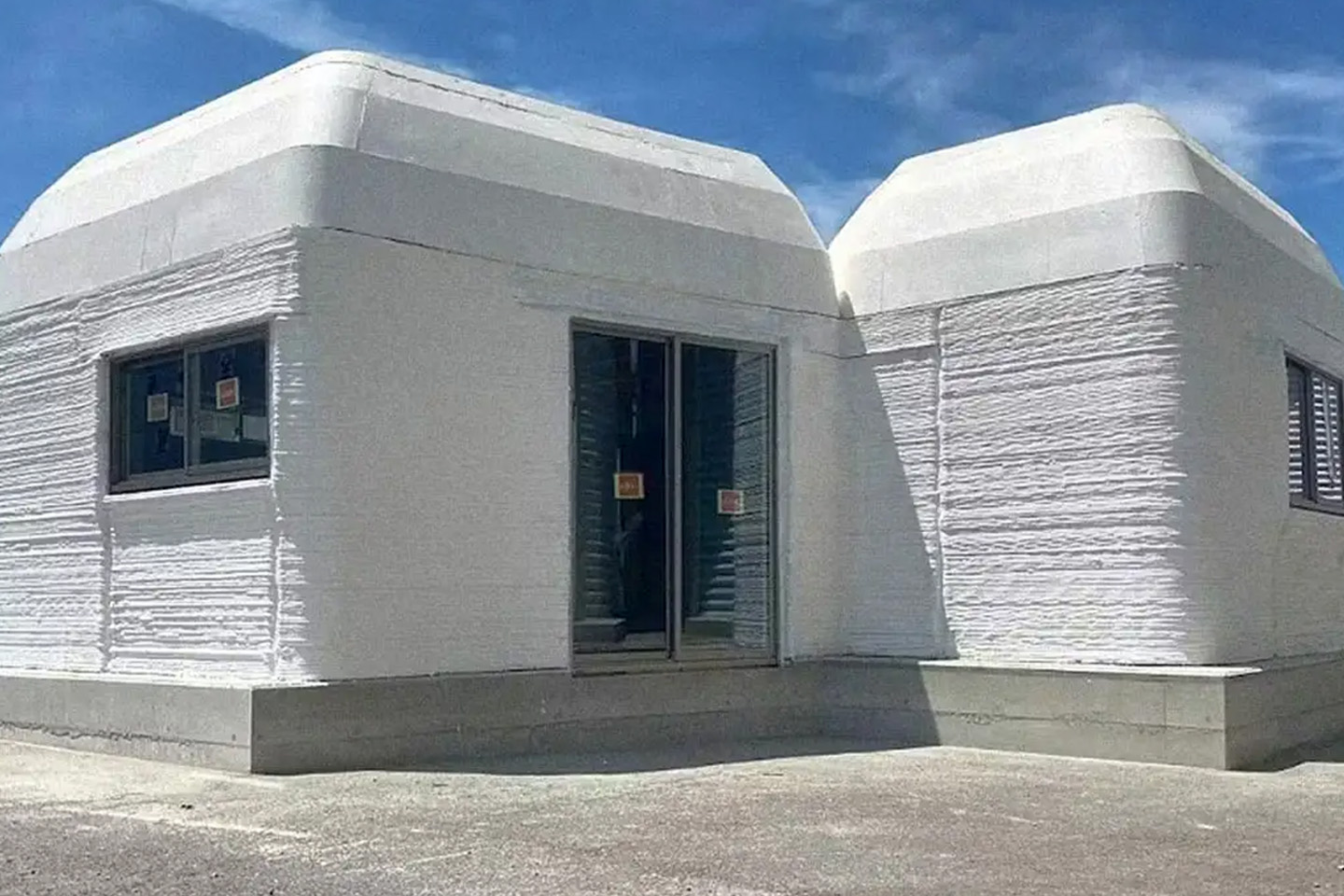
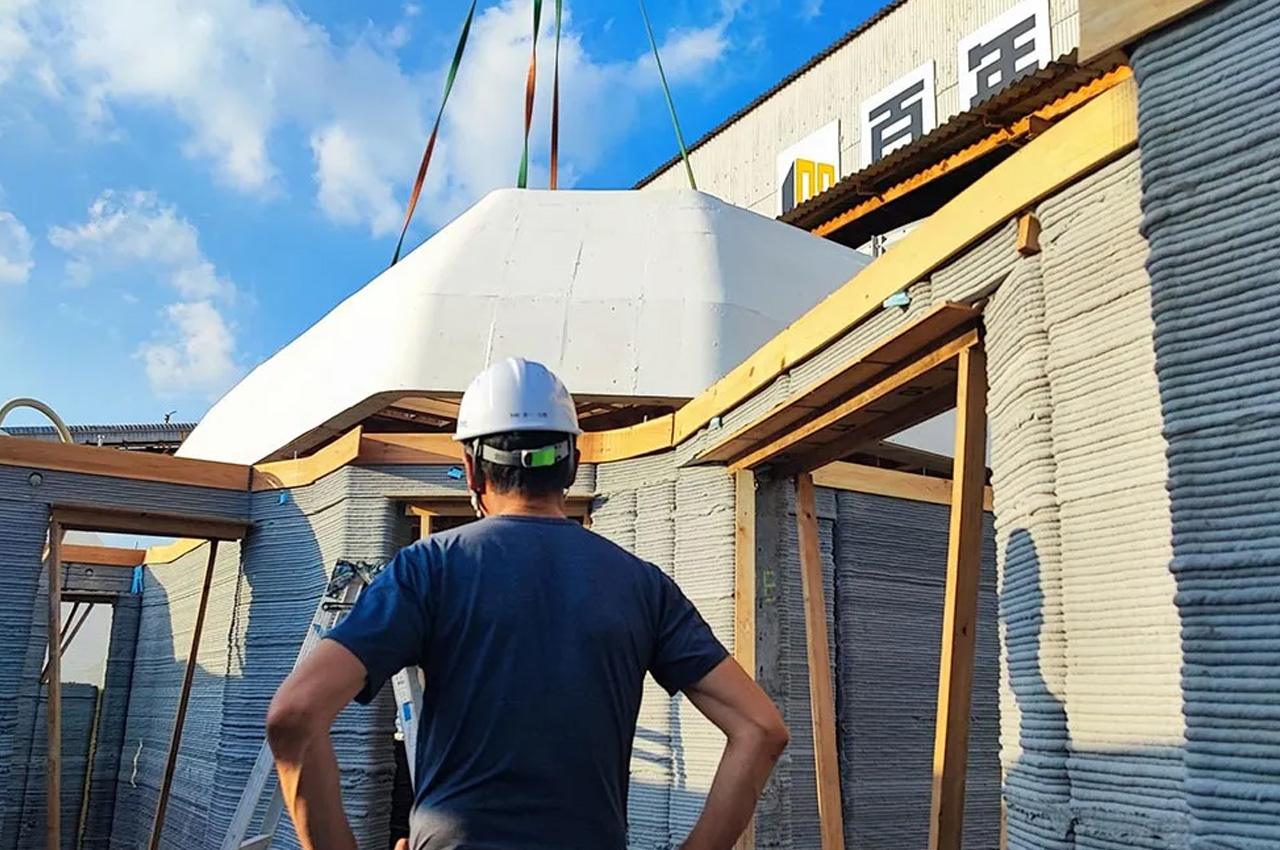
Dubbed Fujitsubo or “the barnacle”, the compact home occupies only 538 square feet, which is pretty small in comparison to the average new American home, which is five times larger. This 3D-printed home features one bedroom, one bathroom, and an open living room connected to a kitchen…and it only costs as much as a car! The home is ideal for a couple or one person. You can contribute the size of the home to the economical price tag, which isn’t found in the US since local rules require minimum sizes for houses and lots, and the cost of land makes it almost impossible for developers to create smaller homes.
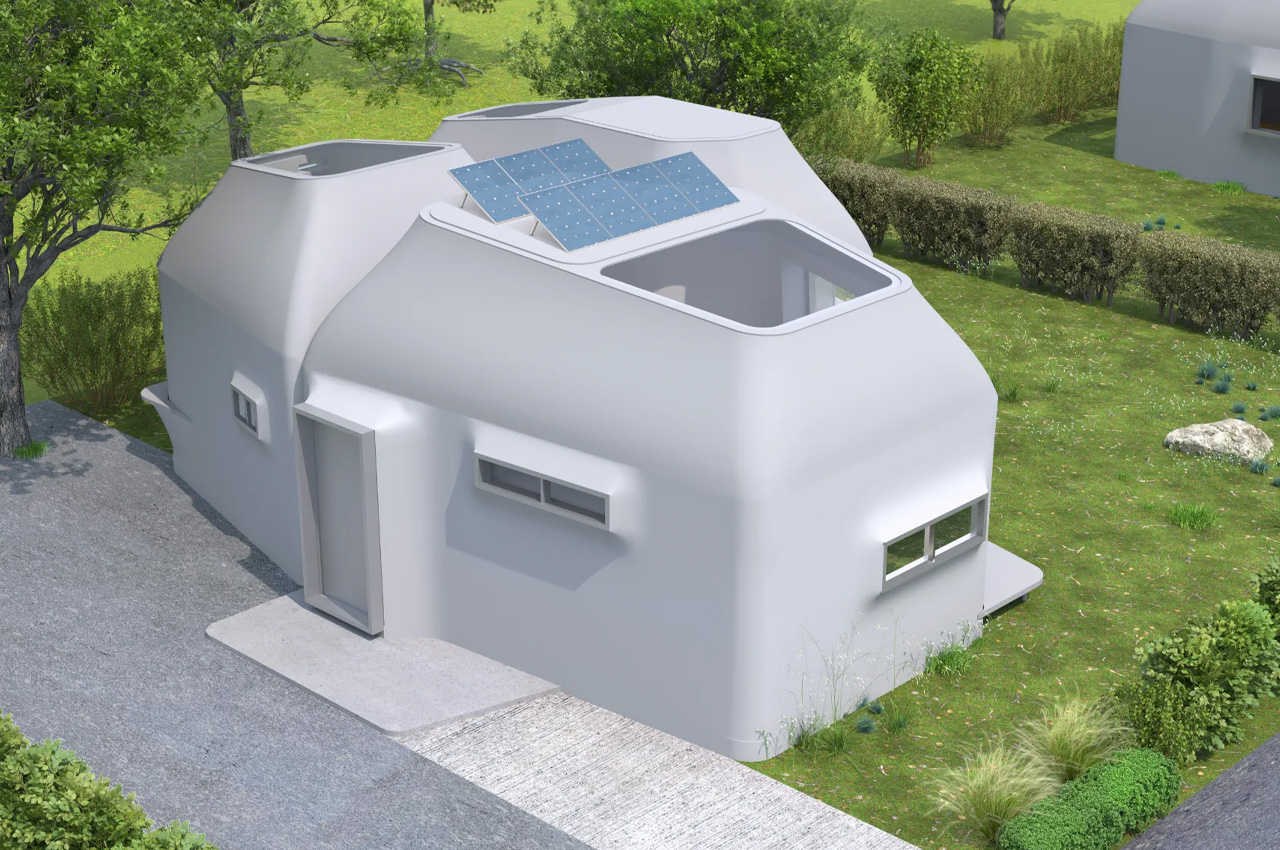
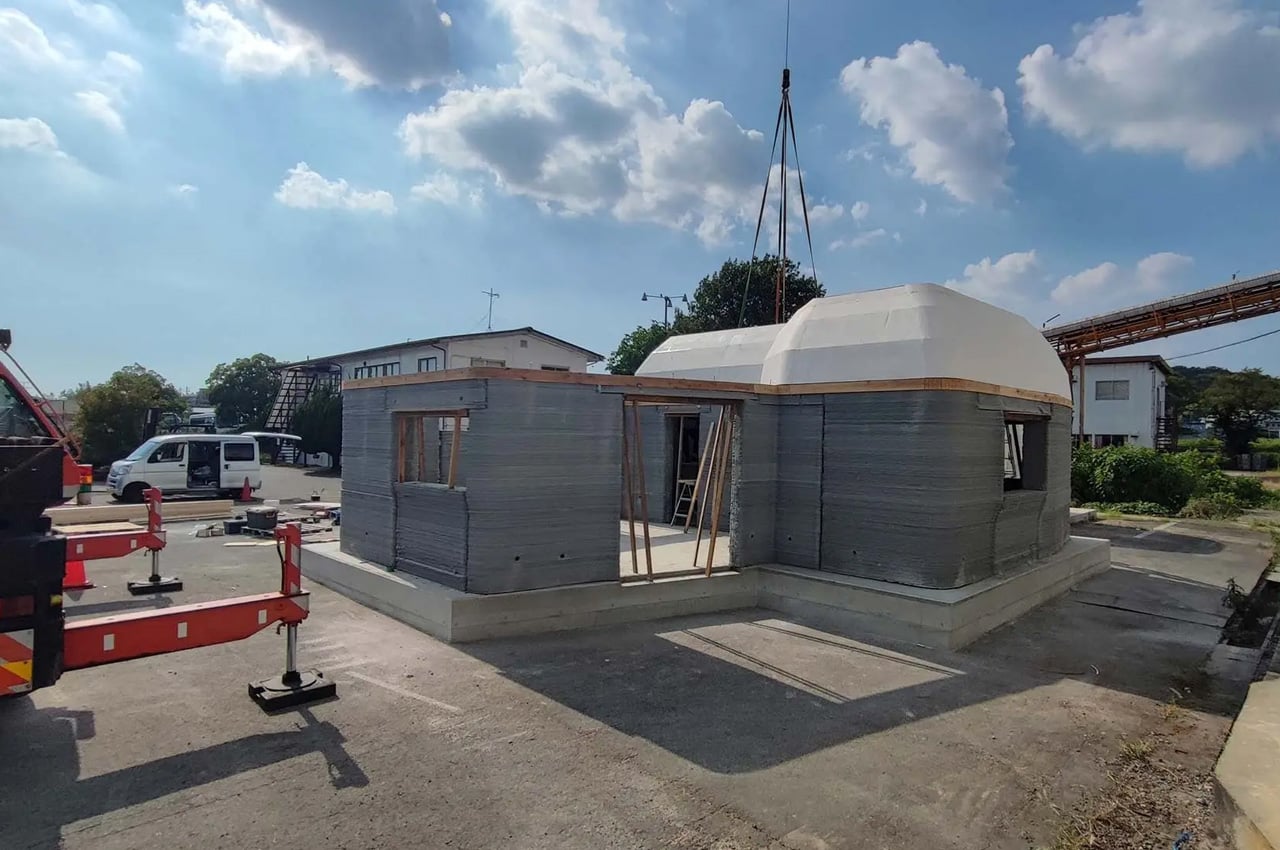
The roof is made of panels that are cut by a computer numerical control (CNC) machine, in which pre-programmed software controls the movement of factory tools and machinery. Serendix said it took 44.5 hours to print and assemble the home. Since 3D-printed construction isn’t a feasible option for populated and dense urban areas, as there isn’t much extra land available there, and even if there is, it is not an economical option, Serendix has decided to focus on building in small towns with an ample amount of empty space available.
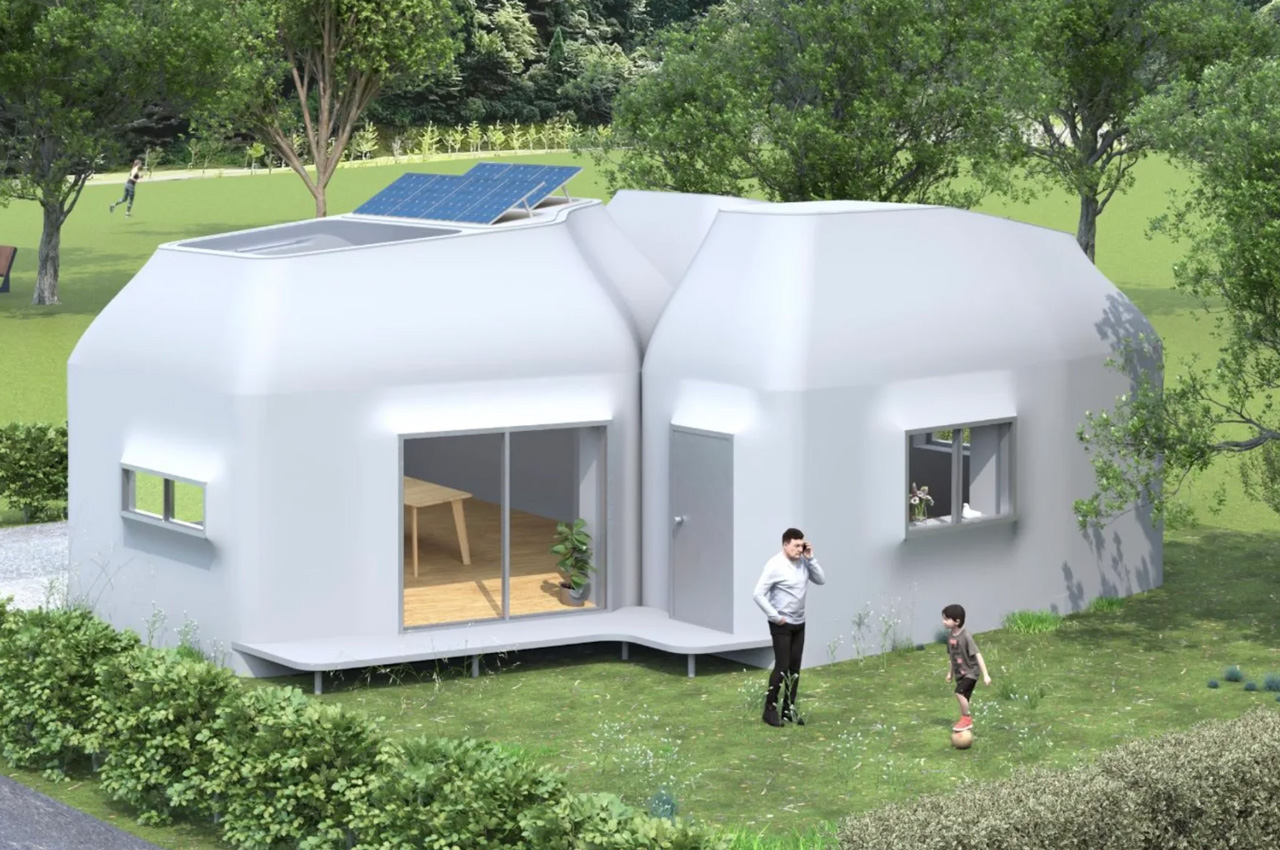
“In the automotive industry 40 years ago, the price reduction of products began due to innovation of the manufacturing process using robots. We believe that the 3D-printed house is the beginning of the complete robotization of the housing industry,” Serendix said in a statement. The company is currently using five printers to build their homes (50 per year) but by next year they plan to add twelve more printers and build almost 850 homes every year!
SHARE