Five layers of paint. That’s how many Norton applied to the bodywork of its new Manx R, enough that the engineers had to factor paint thickness into how the panels fit together. It’s the sort of obsessive detail you’d expect from Bentley, and a RevZilla tester floated the “Bentley of bikes” comparison after riding it. The Manx R is the 206-horsepower V4 flagship of Norton’s comeback under TVS Motor, and it’s already rolling into UK and European dealerships. It has also picked up an IDEA Bronze and a Red Dot: Best of the Best this year.
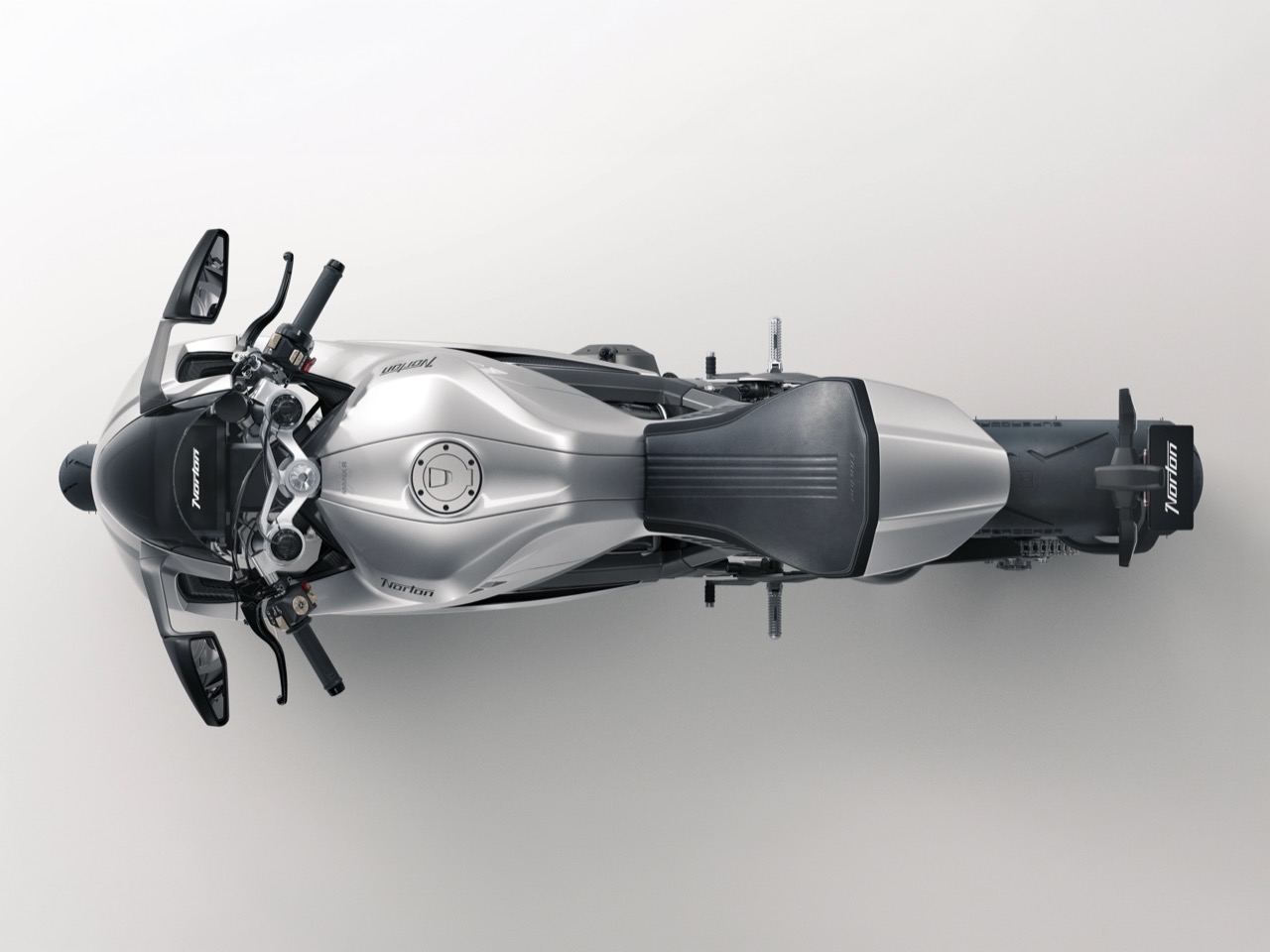
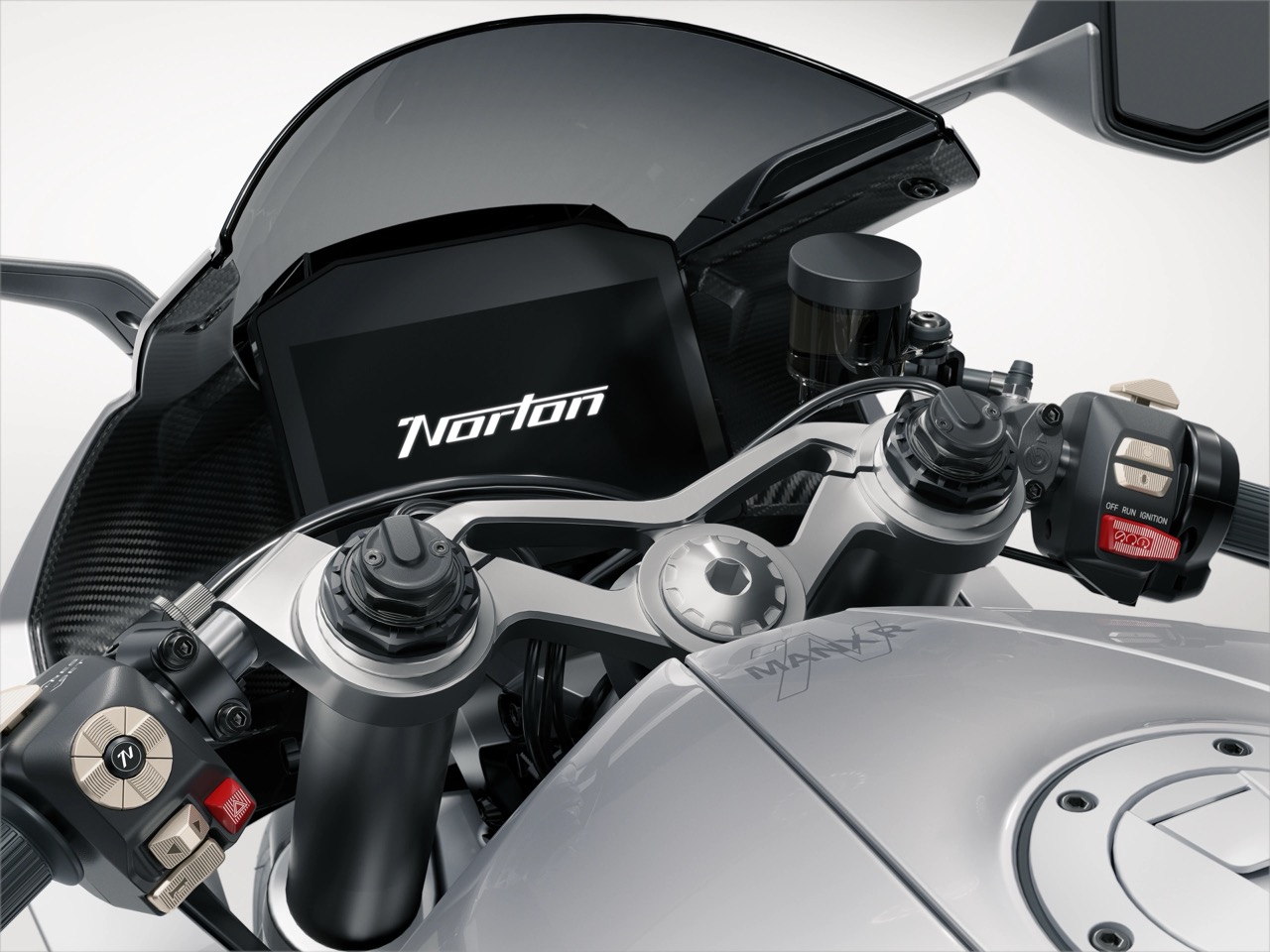
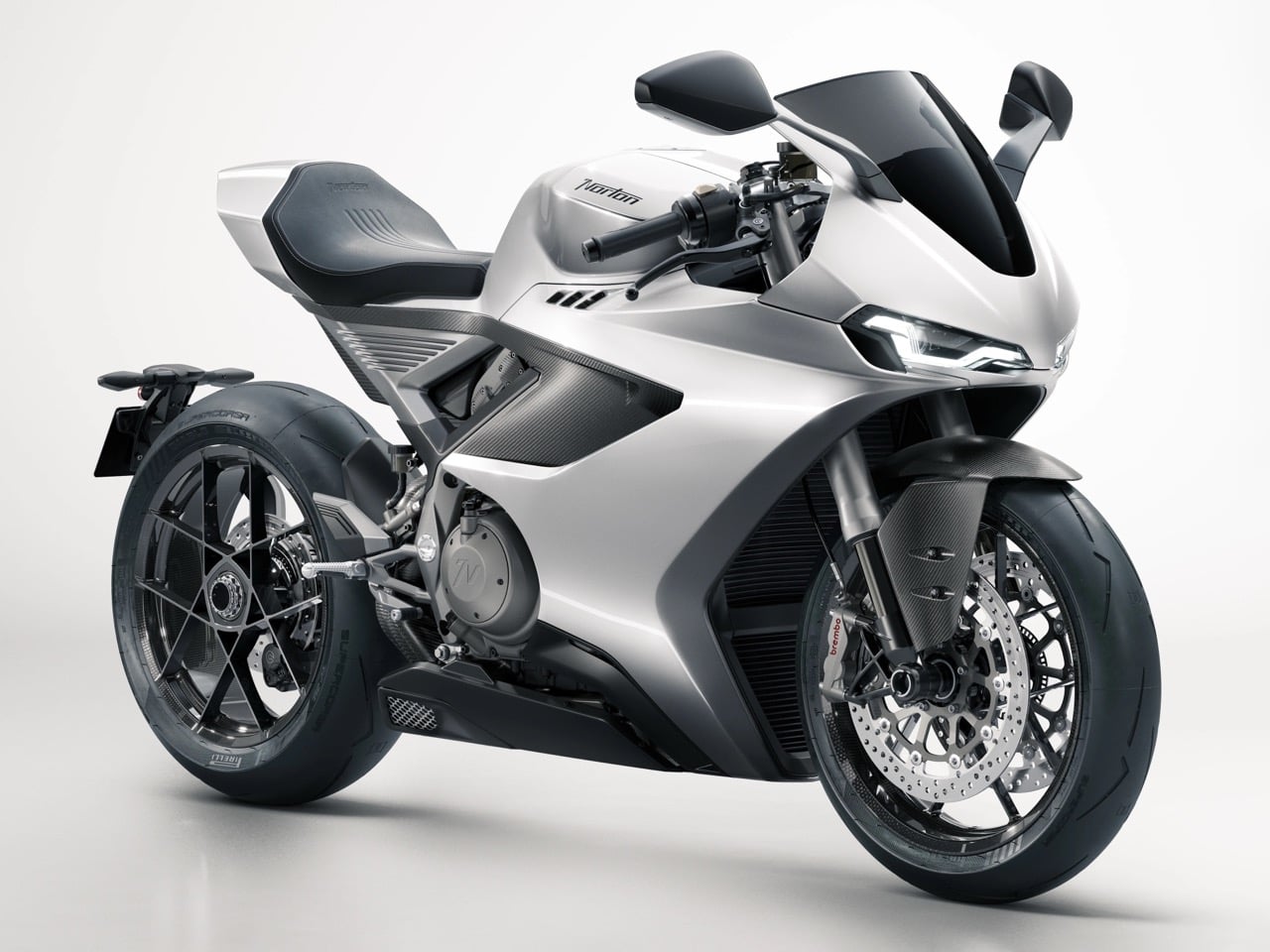
Norton’s in-house team in Solihull designed it under Head of Design Simon Skinner, with Range Rover and Defender design veteran Gerry McGovern steering the creative direction. The surfaces are free of winglets and exposed bolts, with the only visible bodywork fasteners on the front fender. Even the switchgear buttons are metal, a small luxury you can feel every time you use them. Under all that paint sits a new 1,200cc, 72-degree V4 tuned for the midrange, where most real riding happens. The base bike starts at £20,250 (about $27,600) in the UK, with US pricing still under wraps ahead of an expected early 2027 launch.
Designers: Simon Skinner & Gerry McGovern (Norton Motorcycles)
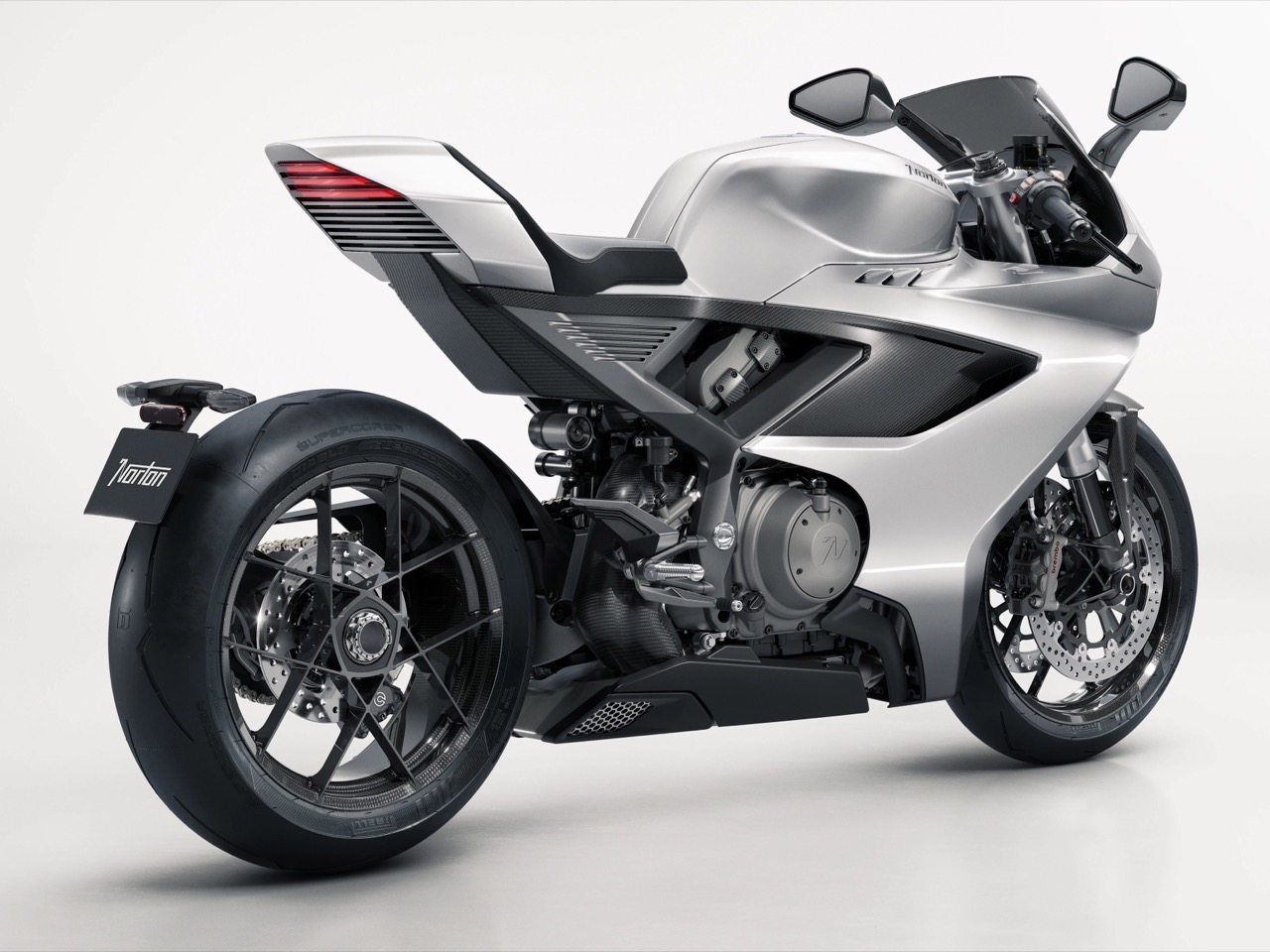
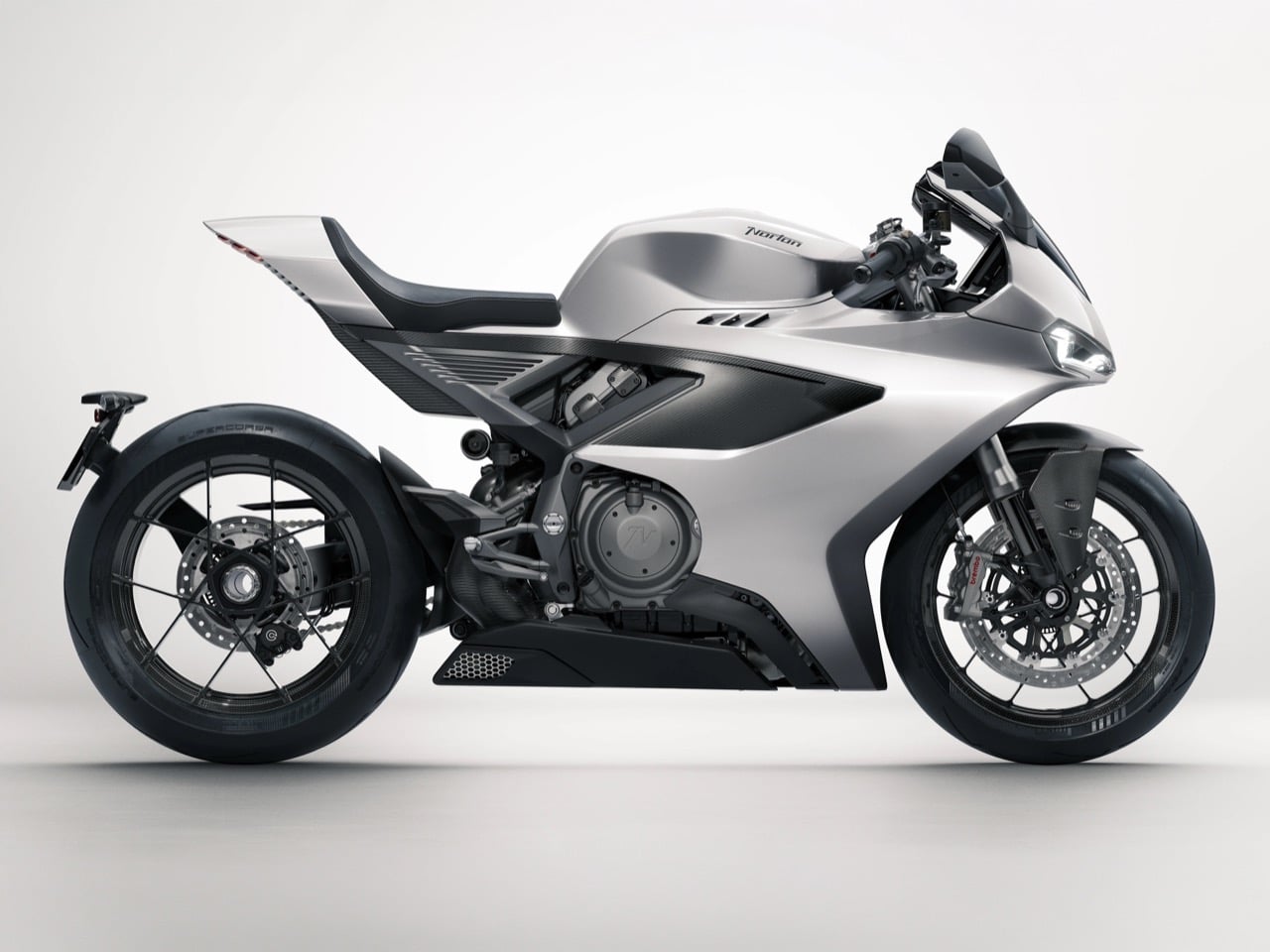
Norton’s original Manx was a racing single built from 1947 to 1962, named after the Isle of Man and its legendary TT. In 1950, it gained the Featherbed frame, designed by Belfast brothers Rex and Cromie McCandless, and riders like Geoff Duke used it to collect world championships and TT wins in the early fifties. Resurrecting that badge carries real pressure, and plenty of brands would have answered it with spoked wheels and a round headlamp. Norton went the other direction entirely, replacing the curvy, retro-tinged V4SV with something sharp and forward-looking. I think that was the right call.
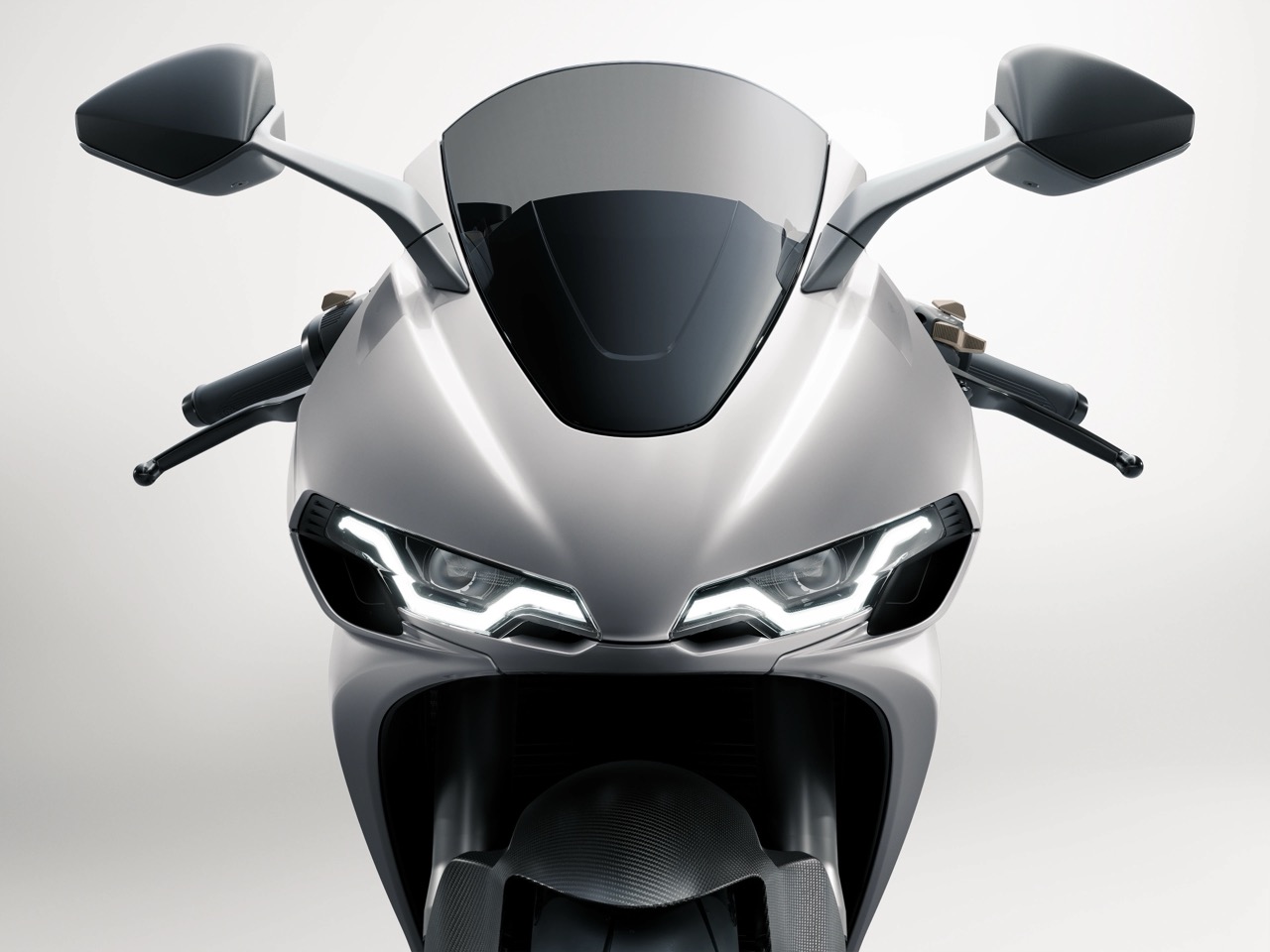
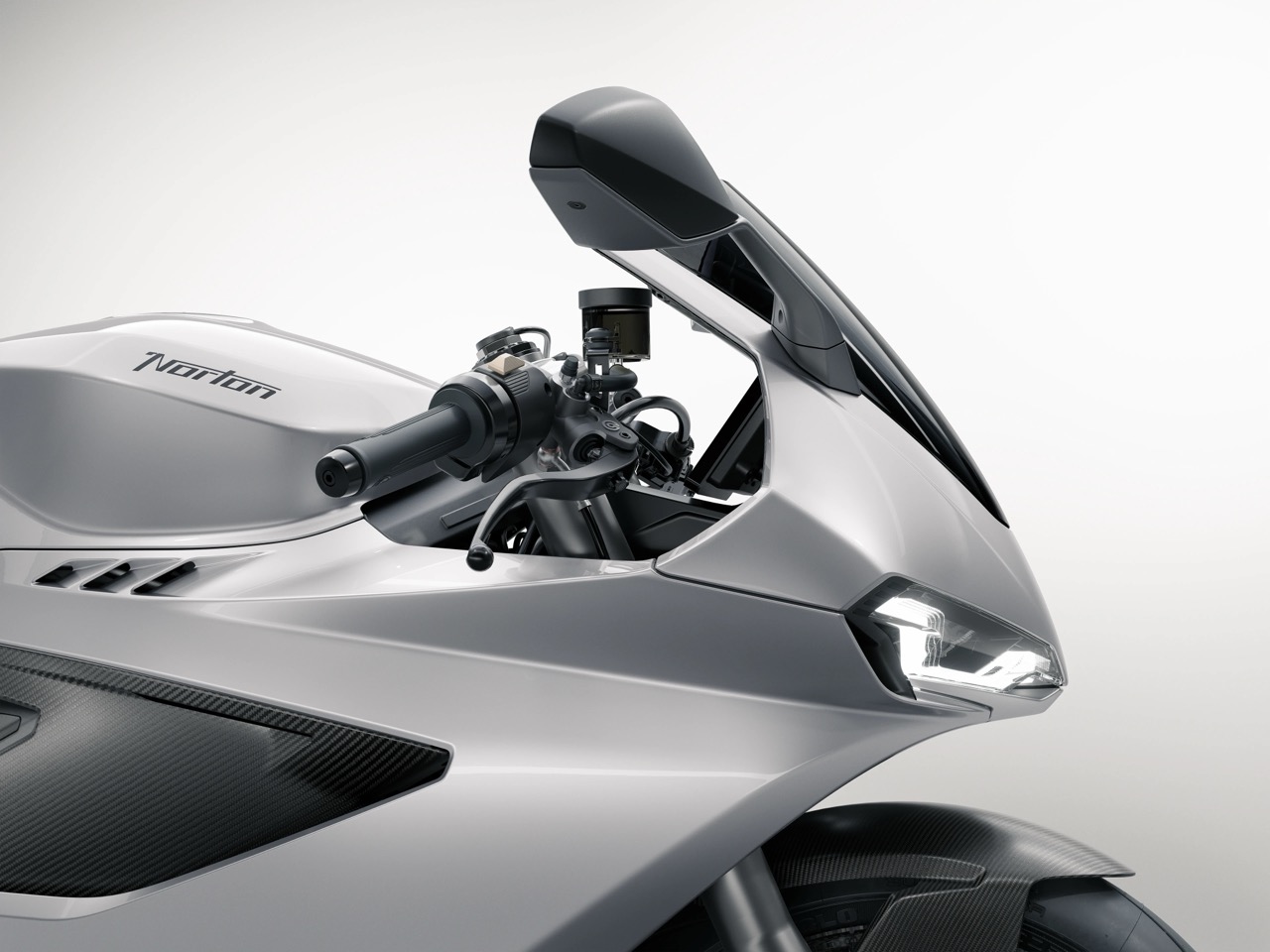
Skinner builds the design around four principles he calls modernity, integration, drama, and connection, and he describes the result as reductive. His favorite explanation compares a new-build estate house with a 20-year-old glass-and-steel home that still looks like it arrived from the future. The Manx R lands firmly in the second camp. Its nose is a smooth, wingless shell with split chevron LED headlights tucked under a tall smoked screen, and the mirror stalks grow straight out of the fairing shoulders. Clean volumes, precise gaps, and reflections define the front end, rather than the winglets and vents found on rival bikes.
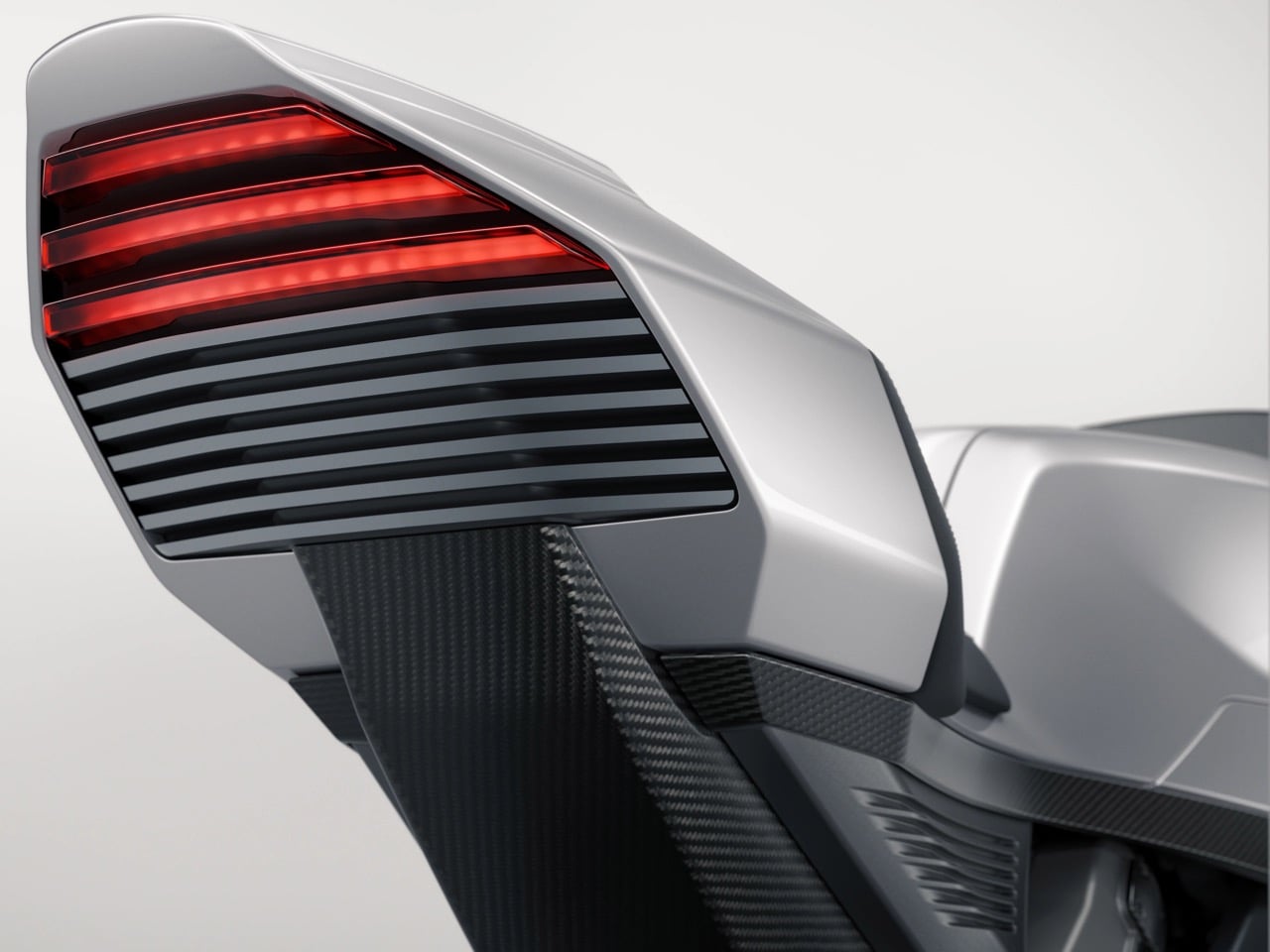
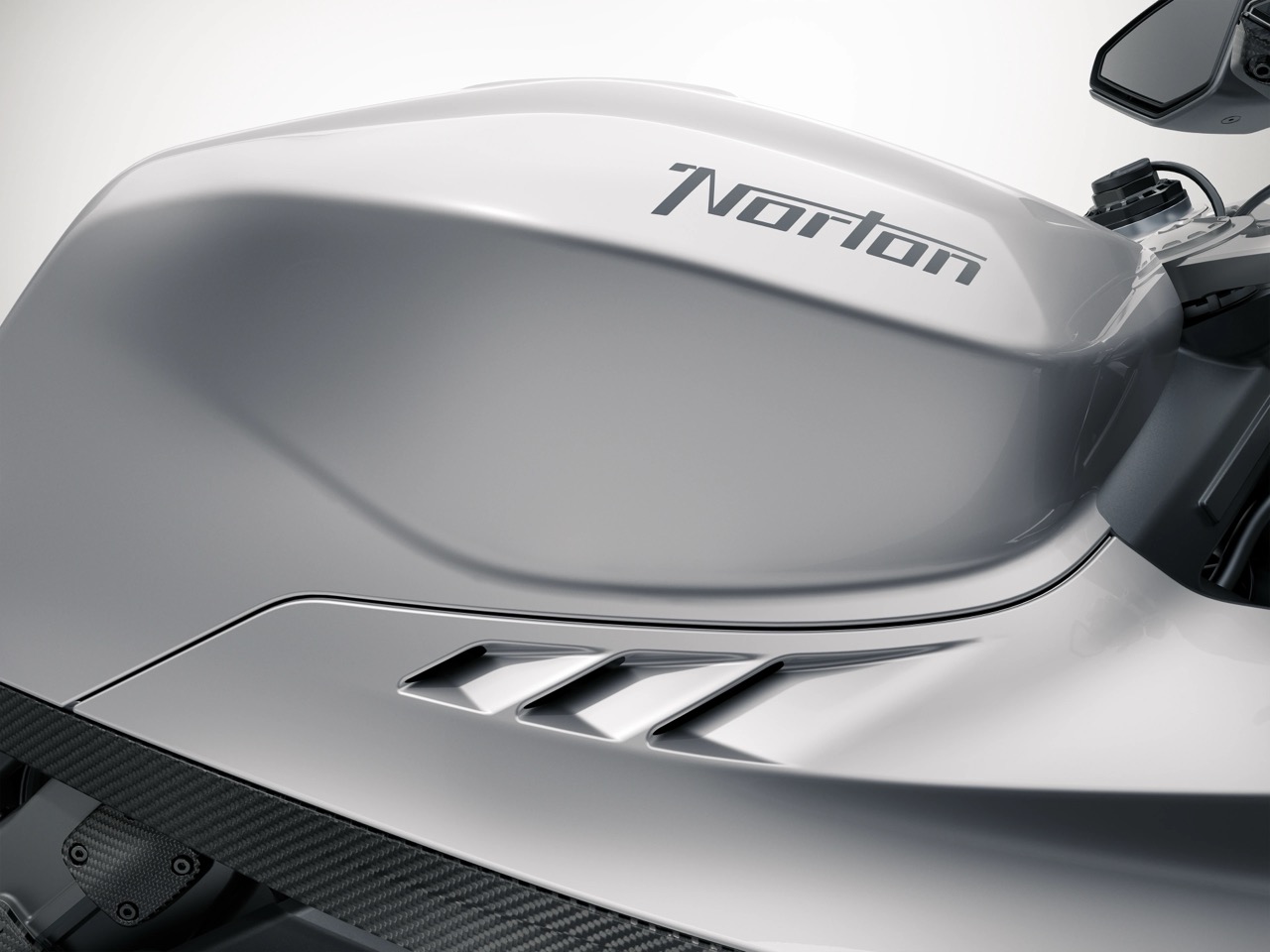
Carbon infill panels on each flank frame a window onto the top of the V4, its covers dressed in carbon plates, making the engine part of the display. Three angled gills on the upper fairing vent heat from the electronics, and the repeated-line motif runs across the seat and side panels. Out back, a three-bar LED taillight sits above a stack of black louvers, while the exhaust hides under the belly and the single-sided swingarm leaves the rear wheel fully on show. The fuel cap carries an embossed Manx R badge, a detail most owners will notice at the pump. If I could change one thing, I’d lose those tail louvers, which look a touch like a space heater on an otherwise clean rear end.
Norton rates the V4 at 206 hp at 11,500 rpm and 96 lb-ft at 9,000 rpm. Those peak figures trail a few rivals, which Norton says is deliberate. Its engineers logged roughly 135,000 miles of data on Ducati, Aprilia, and BMW superbikes and found riders spent 99% of their time below 8,000 rpm, so the engine’s tuning prioritizes the middle of the rev range. According to RevZilla, it can run as a 600cc twin at deep lean angles and small throttle openings, and it shuts down the rear cylinders at idle to reduce heat around the rider’s legs. The narrow V layout also helped fit everything into a 56.5-inch (1,435mm) wheelbase.
At the 2026 International Design Excellence Awards, the Manx R took Bronze in Automotive and Transportation, and Norton says it’s the first combustion-engined production motorcycle to win an IDEA. Two months later, it collected Red Dot: Best of the Best in the Design Concept competition, aimed mainly at concepts and prototypes, despite already being in dealerships. Both prizes come from design juries, not lap-time comparisons. The Ducati Panigale V4, Aprilia RSV4, and BMW M 1000 RR all wear visible aero on their fairings, and Norton is betting some superbike buyers would prefer a cleaner look.
Norton sells the Manx R in four trims. The base bike gets manually adjustable Marzocchi suspension, cast aluminum wheels, and room for a passenger, while the Apex adds semi-active Marzocchi suspension and forged wheels. The Signature goes single-seat with carbon fiber bodywork and Rotobox carbon wheels, and the First Edition piles on titanium fixings, a numbered top yoke, and a quilted leather seat. Every version gets Brembo Hypure brakes and an 8-inch TFT touchscreen. UK pricing runs from £20,250 (about $27,600) for the base bike to £38,750 (about $52,800) for the Signature, with the First Edition priced on request. US pricing hasn’t been announced ahead of an expected early 2027 arrival, so American riders have a few months to save up for all that paint. US pricing hasn’t been announced ahead of an expected early 2027 arrival, so American riders have a few months to save up for all that paint.