
A cabin can feel crowded long before it runs out of floor space. Sometimes it’s breakfast dishes covering the counter, a lamp competing with a book on the nightstand, or a drink with nowhere sensible to sit. The right accessories work at that scale, making the ordinary parts of a stay more comfortable without asking you to rearrange the furniture or surrender yet another corner of the room.
These five picks focus on familiar cabin rituals: settling into the sofa, putting on music, cooking dinner, reading, and making coffee. Each earns its place through a compact form, a movable design, or the ability to do more than one job. A pan that doubles as a plate frees up cupboard space. A lamp that moves from bedside to reading chair saves you from finding space for two.
1. Couch Console
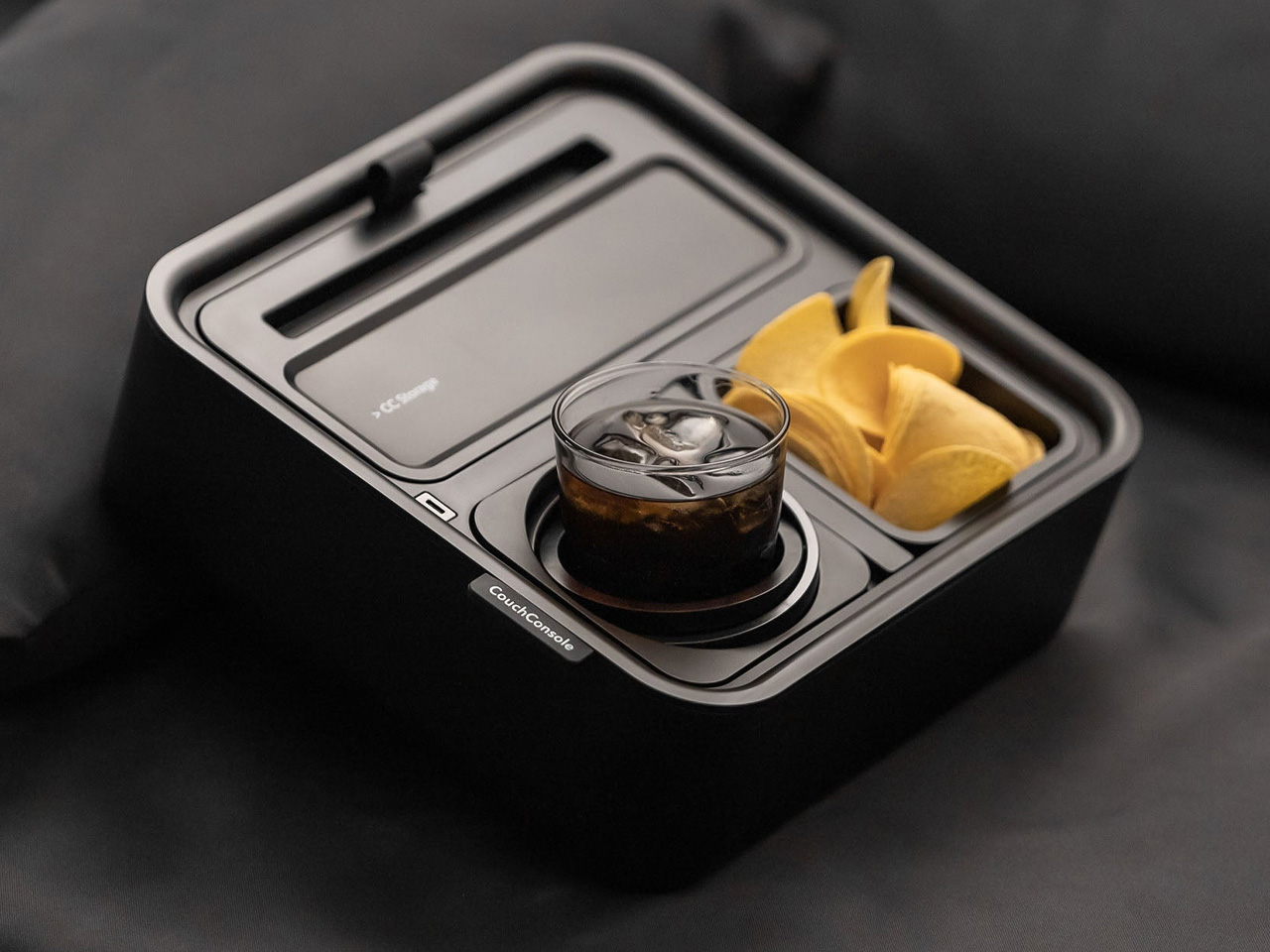
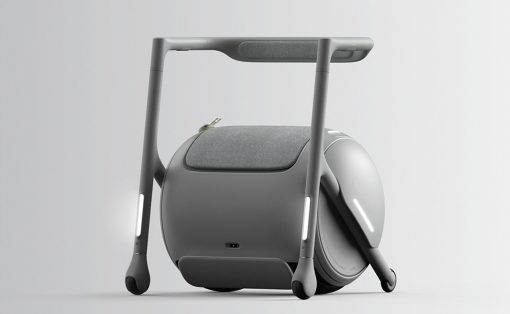
Finding somewhere to put a mug shouldn’t require another piece of furniture. Designed by Sushant Vora for Ebite Inc., Couch Console gathers a cup holder, snack cup, organizer tray, and concealed storage into a modular unit that sits beside you on the sofa. Its compartments give the remote and phone a designated home instead of leaving them loose between cushions. In a cabin with limited walking space, that’s a useful alternative to squeezing another side table into a small seating area.
The cupholder uses a counterweighted balancing mechanism intended to keep a drink upright as the console tilts, and it can be locked when needed. The modules can be rearranged around what you actually use, while a USB-C connection routes charging to a power bank stored inside. That battery is separate. The sensible trade is clear: you gain a nearby surface without using floor space, but give up some cushion space. This makes more sense beside one person than between several.
What we like
- Rearrangeable modules bring drinks, snacks, and small essentials into one organizer.
- Provides somewhere to put things without adding another floor-standing table.
What we dislike
- Occupies cushion space, a meaningful compromise on a small loveseat.
- Charging requires a separate power bank, which isn’t included.
2. Iron Frying Plate
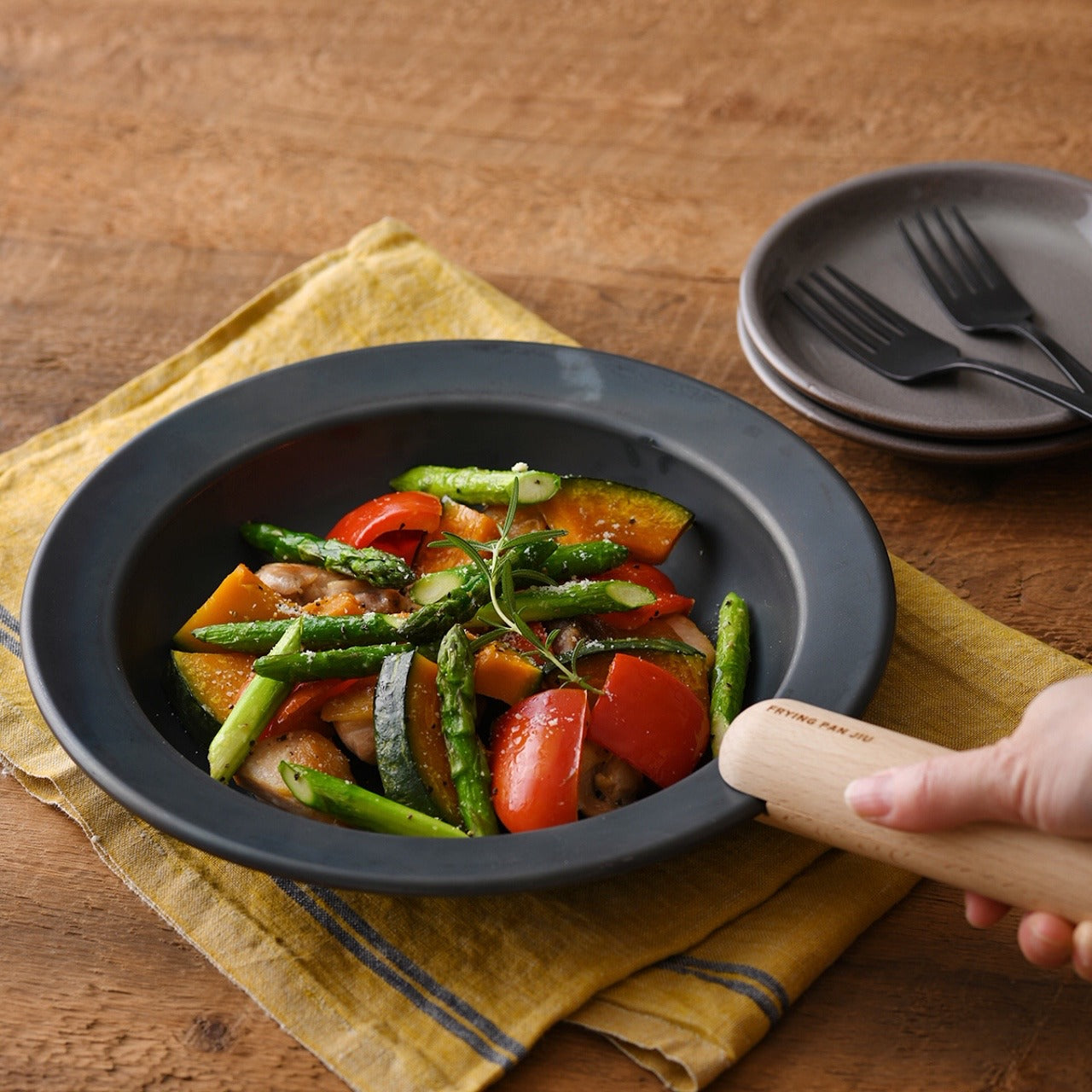
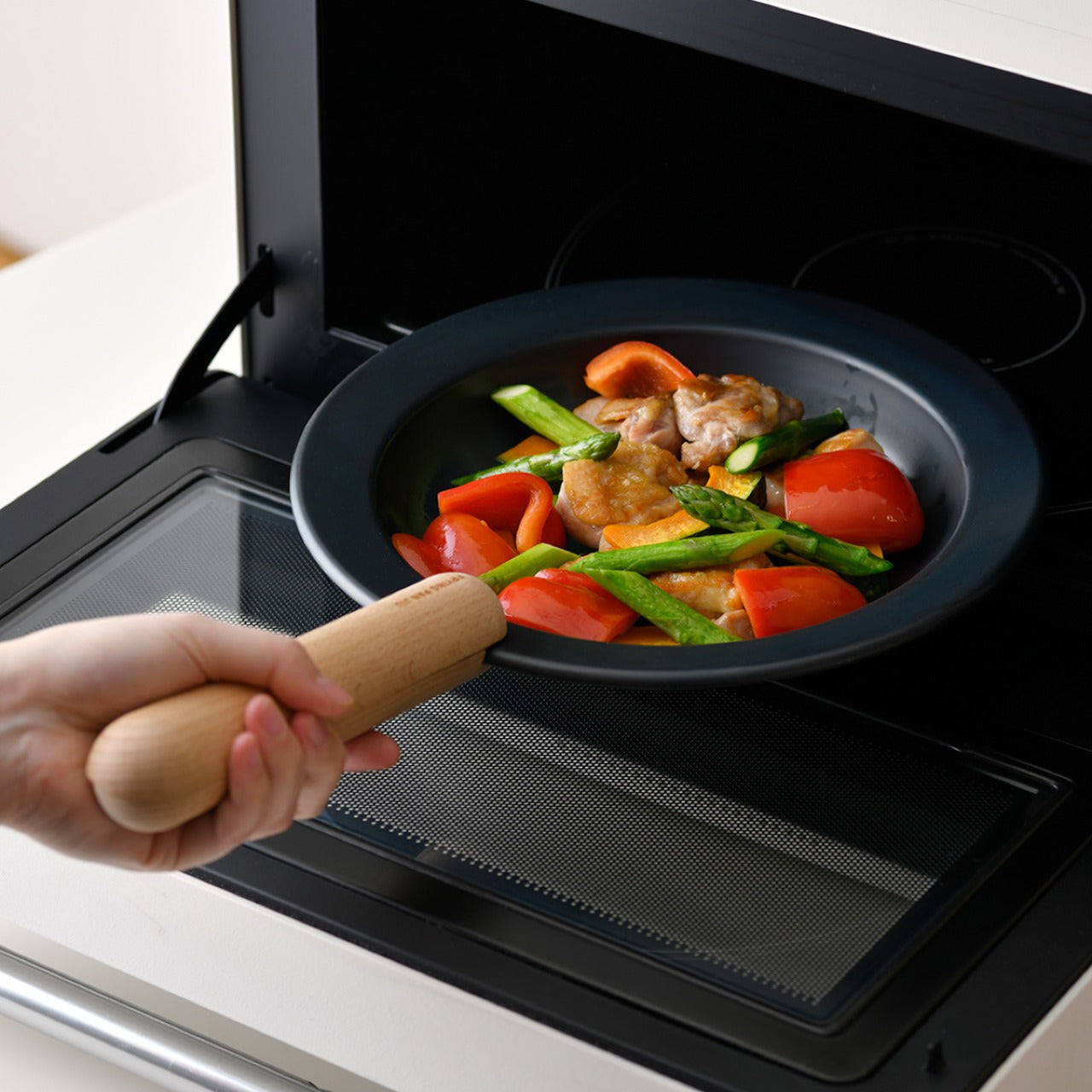
The Iron Frying Plate tackles the clutter that appears between cooking and eating. Made in Japan by Fujita Metal with Tokyo design studio TENT, the JIU pan uses 1.6mm mill scale steel and a wooden handle that attaches and detaches with one hand. Cook in it, bring it to the table on a trivet, then remove the handle and eat from the same vessel. That makes the pan part of dinner instead of another item waiting beside the sink.
For a small cabin kitchen, the removable handle is as important as the cooking surface. It leaves a simpler shape to put away and avoids a long grip projecting across the dining table. The smallest version measures 8.5 inches across, with a cooking area 6.3 inches wide, so choose by meal size rather than cupboard fit alone. It still needs iron cookware care: the maker recommends drying it over heat after washing and oiling it before an extended storage period.
Click Here to Buy Now: $69.00 Black Friday: Free $20 calendar with every order!
What we like
- One vessel handles cooking and serving, reducing the dishes involved in a meal.
- The detachable wooden handle makes the pan easier to accommodate in a cupboard.
What we dislike
- The smallest size has a limited cooking area despite its wider outer rim.
- Proper drying and oiling before longer storage remain part of ownership
3. Mouro Lamp
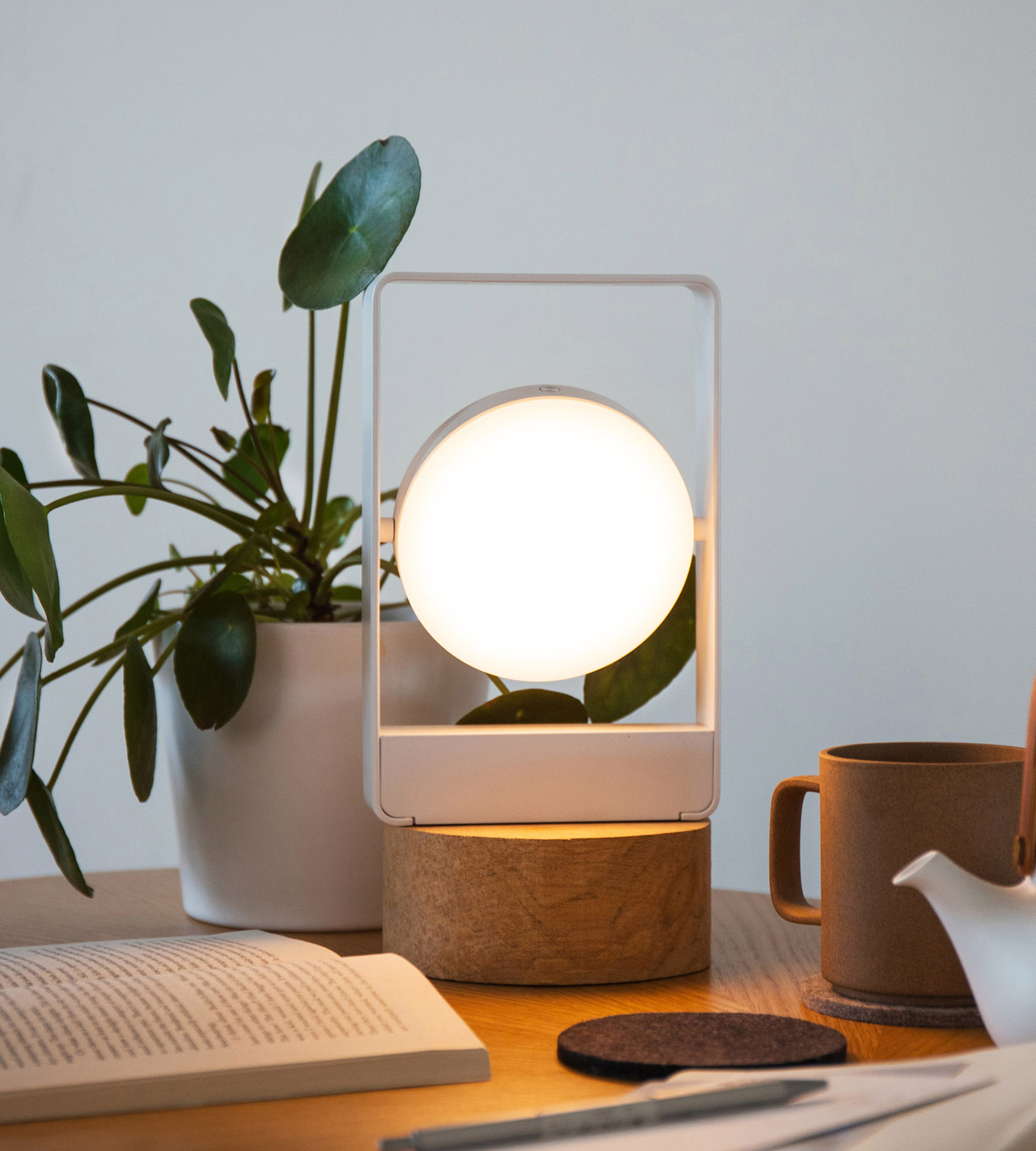
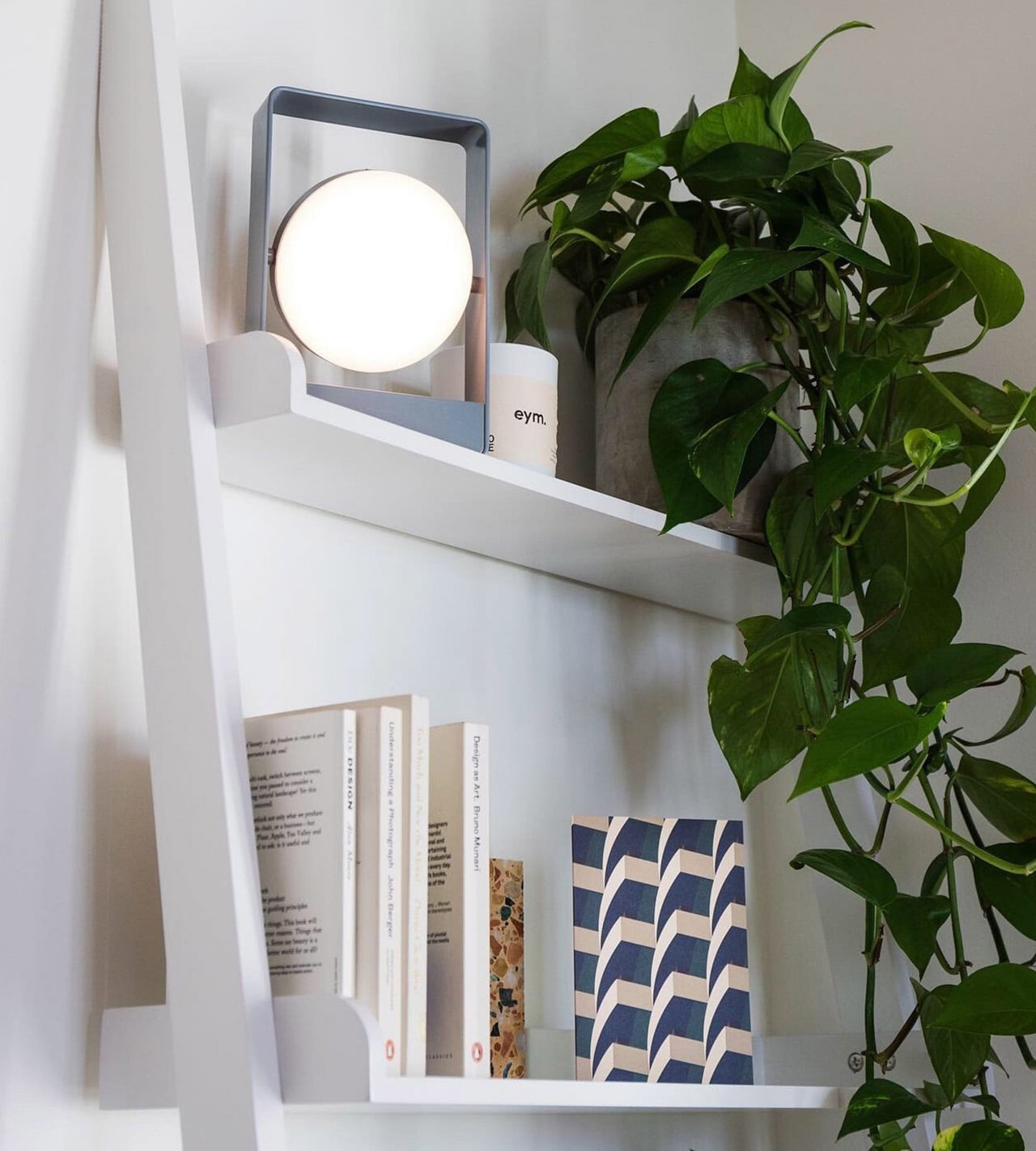
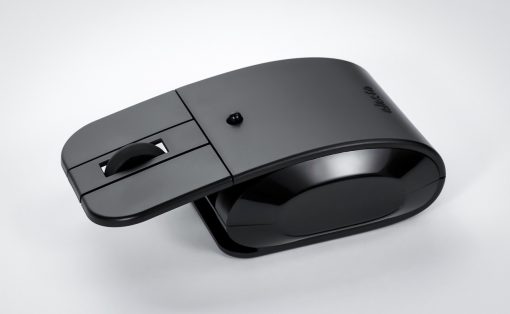
Patricia Perez’s Mouro Lamp for Case Furniture puts a rotating LED disc inside a rectangular steel frame that doubles as a handle. The light turns through 360 degrees, letting you change its direction without shifting everything else on the table. That’s useful on a cabin bedside shelf, where a book and water glass may already occupy most of the available space. Three brightness settings give it a role beyond reading, making the small object useful as a gentler evening light.
At about 8.7 inches tall and 5.5 inches wide, Mouro doesn’t need a dedicated patch of floor beside the cabin’s reading chair. Its rechargeable design lets it move between the bedroom and seating area without a trailing cable during use. The case specifies a warm 2700K light and estimates up to six hours at full brightness, with longer runtimes when dimmed. Keep it indoors or protected from moisture: despite its portable format, this is not a waterproof lamp for the porch.
What we like
- The rotating light lets you adjust illumination without relocating the whole lamp.
- A handle and rechargeable battery make it practical to share between rooms.
What we dislike
- It needs protection from moisture, limiting its usefulness outdoors.
- The case lists approximately seven hours for a full recharge from empty.
4. Side A Cassette Speaker

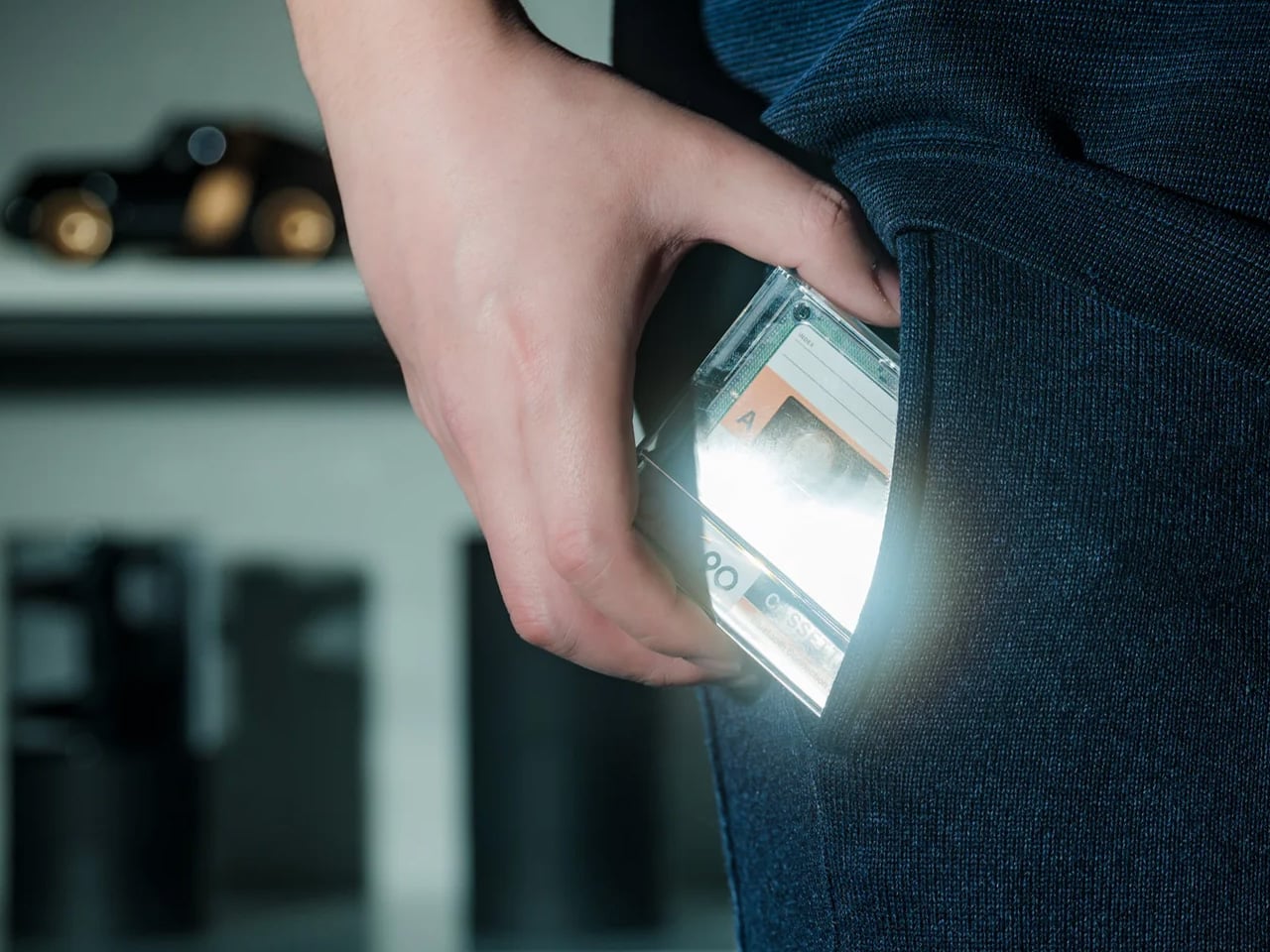
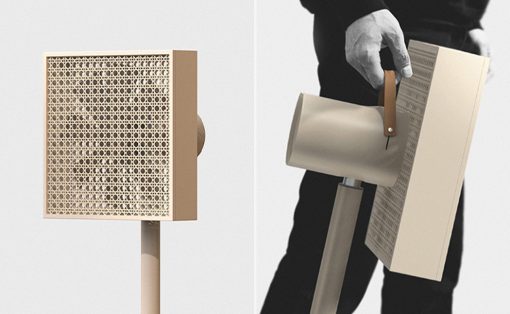
The Side A Cassette Speaker borrows the shape of a mixtape without bringing a tape deck along for the weekend. Its transparent shell and printed label give it a familiar graphic presence, while Bluetooth 5.3 handles playback from a phone or laptop. At 4.33 inches wide and just 0.75 inches thick, it can sit on a narrow shelf without becoming the room’s main event. The supplied clear case opens into a stand, giving the little speaker its own display perch.
A microSD slot is the feature that makes this especially relevant to a cabin. Load a card with MP3 files and the music doesn’t depend on streaming access or a phone remaining connected. It offers up to six hours of playback and a recharge time of about two hours through USB-C. That puts a charging cable on your packing list. The attraction here is a small, self-contained music setup with a deliberately playful appearance, rather than an imposing stereo.
Click Here to Buy Now: $49.00 Black Friday: Free $20 calendar with every order!
What we like
- microSD playback offers an offline alternative to streaming from a phone.
- The clear carrying case doubles as a stand, avoiding another accessory to pack.
What we dislike
- microSD playback supports MP3 files only.
- The quoted six-hour battery life means longer listening sessions need a charging break.
5. AeroPress Premium Walnut
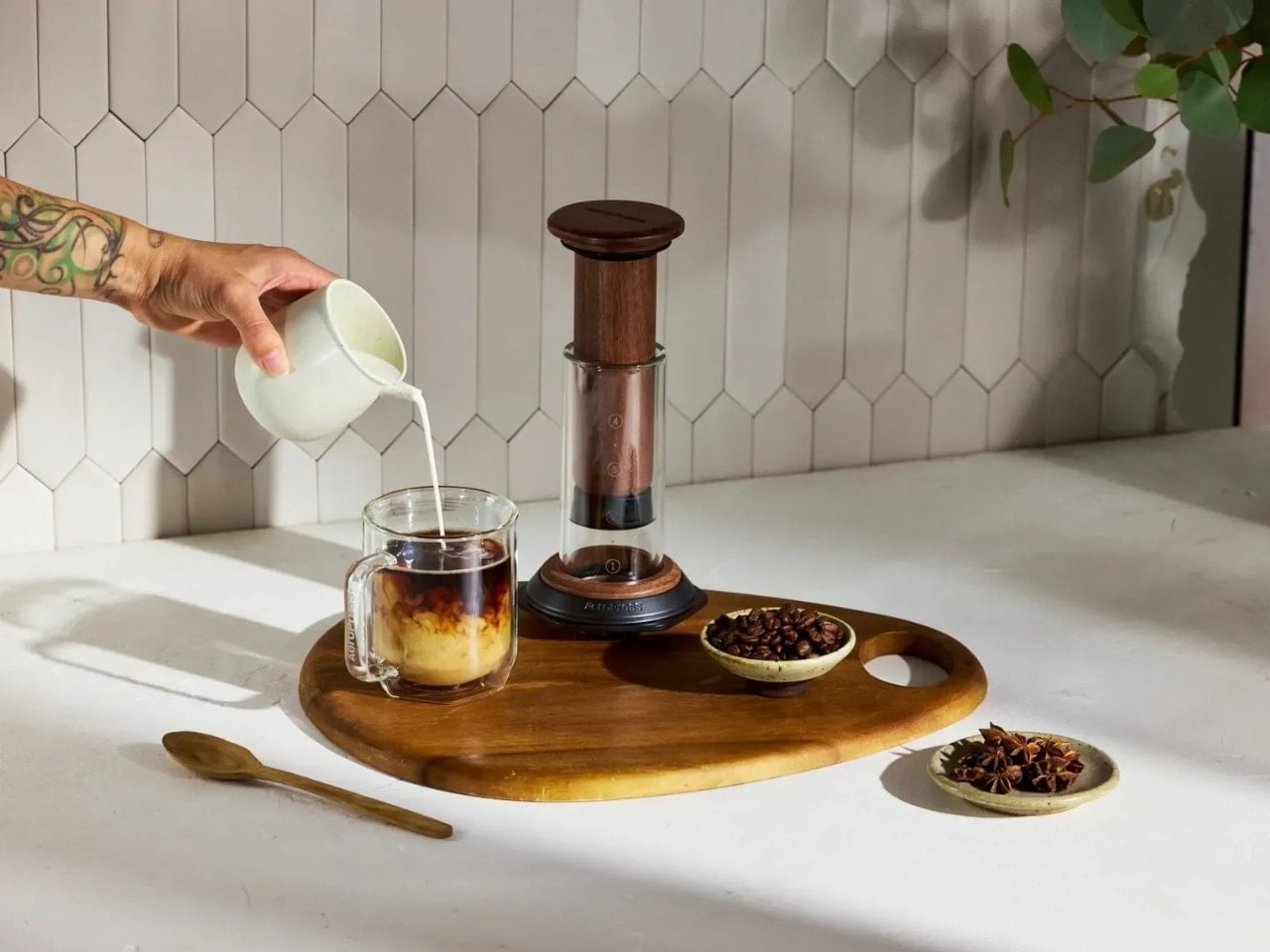
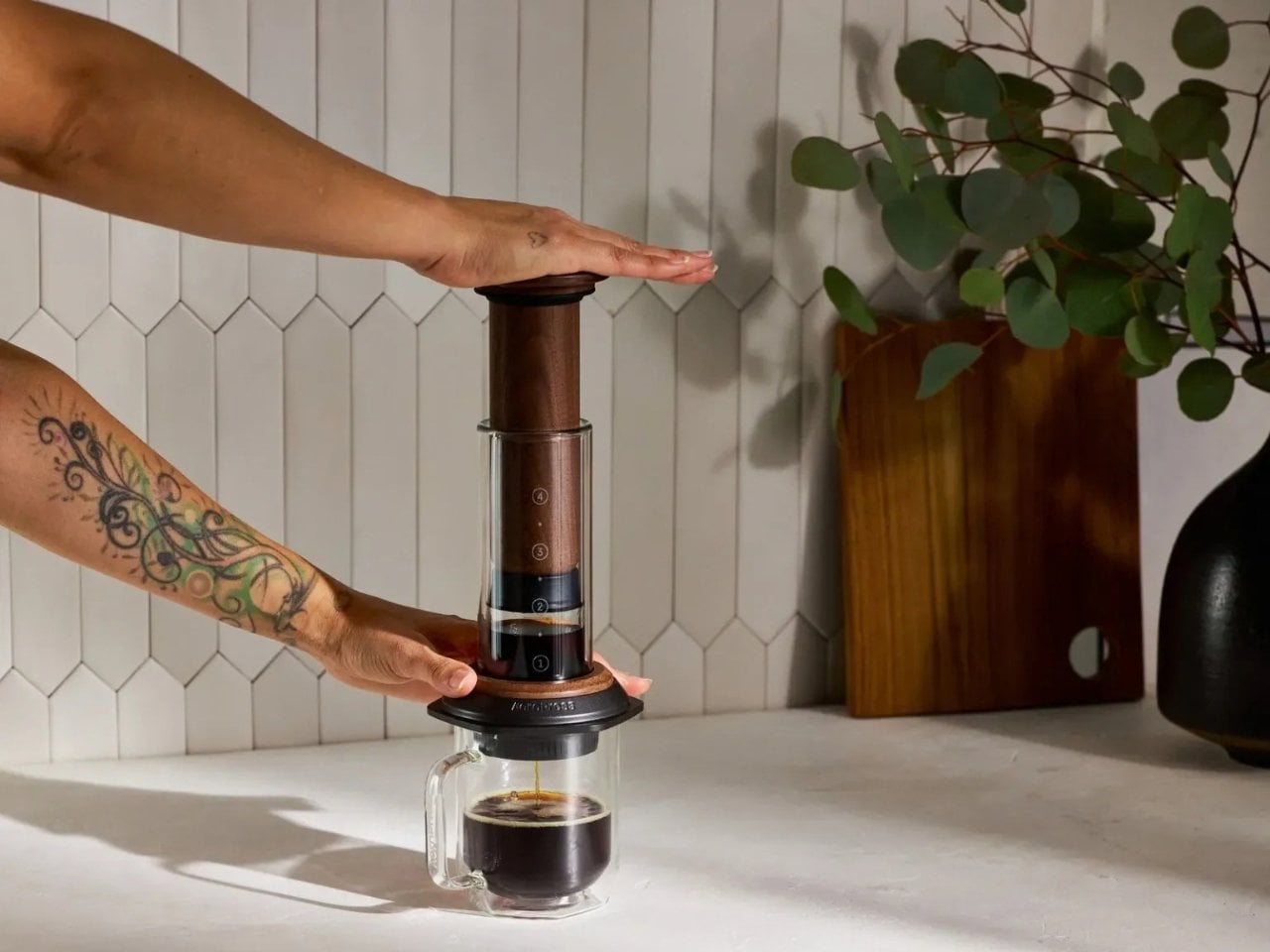
Morning coffee doesn’t have to mean giving a machine permanent residence on the counter. The AeroPress Premium Walnut uses a manual press mechanism, pairing a handmade double-wall borosilicate glass chamber with walnut, stainless steel, and aluminum. Coffee brews in the chamber before being pressed through a filter into a mug below. The wood gives this version a visual connection to a timber interior, while the transparent chamber keeps the brewing process visible. It belongs on a shelf between morning brews.
Its 10-ounce capacity makes this a personal brewer, not the obvious answer to a cabin full of breakfast guests. You’ll need a separate source of hot water, too, so the countertop space you save depends on the kettle or stove setup you already have. AeroPress recommends this glass version for home use rather than travel, and it requires hand washing. It makes the most sense as something that lives at the cabin, with a stable place to brew each morning.
What we like
- Manual brewing avoids the need for a dedicated electric coffee machine.
- Walnut and glass make a convincing material pairing for a permanent cabin coffee setup.
What we dislike
- The 10-ounce chamber is a poor match for serving a group.
- Glass needs careful handling, and the brewer must be washed by hand.
Leave Some Space Unclaimed
Before adding anything to a small cabin, choose where it will live when nobody’s using it. A useful accessory should have an answer: a shelf, a cupboard, a spot beside the sofa. If buying it means buying another surface to hold it, the argument about saving space starts to unravel. Measure the place you have, including the clearance needed to lift, turn, clean, or put the object away after use.
There’s also no need to furnish every ritual at once. Start with the irritation you notice most often, then see whether one object resolves it without creating another chore. A cabin used for occasional weekends asks different things of its contents than somewhere you stay for weeks. Choose for that actual pattern of use, and leave enough space to set down a book without first moving something else aside.