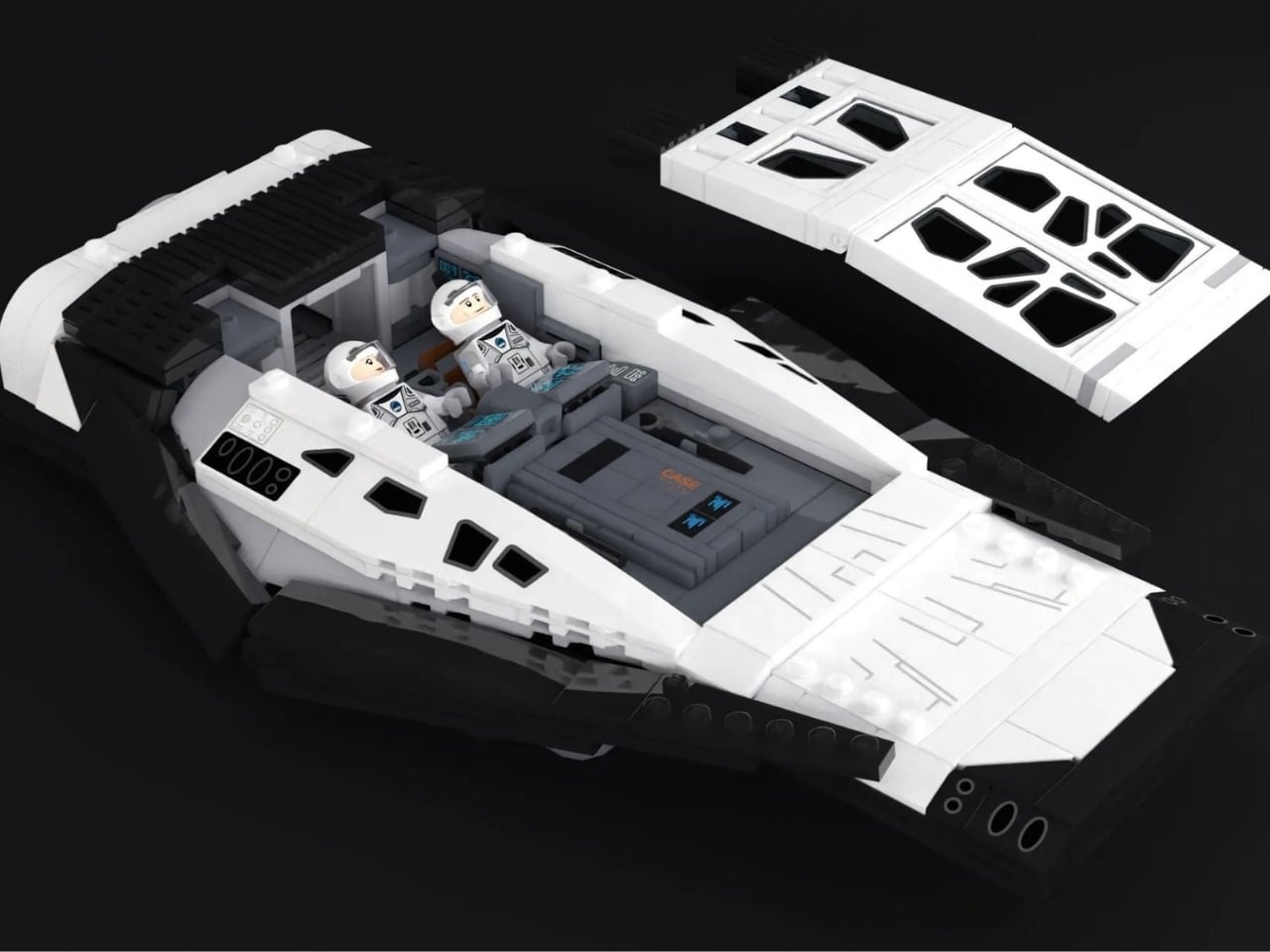
One of the most iconic sci-fi movies of the 21st century is Christopher Nolan’s Interstellar. Fans of the movie probably recognize the Ranger ship on sight, whether it’s in artwork or on fan-made merch, as it’s one of the things most associated with the time-bending film. So it’s not really a surprise that creative fans would come up with a LEGO build for it. Now Minibrick41587’s Ranger is set to become an official LEGO model.
Interstellar’s Ranger is becoming an actual LEGO set after fans supported the LEGO Ideas version and LEGO approved it for development on November 9, 2026. The approved proposal captures the recognizable utilitarian spacecraft through its silhouette and restrained detailing while still making space for interactions that could turn this brick replica into a toy fans can enjoy playing with. Those details describe the fan submission, though, rather than a finalized retail design.
Designer: Minibrick41587 with LEGO
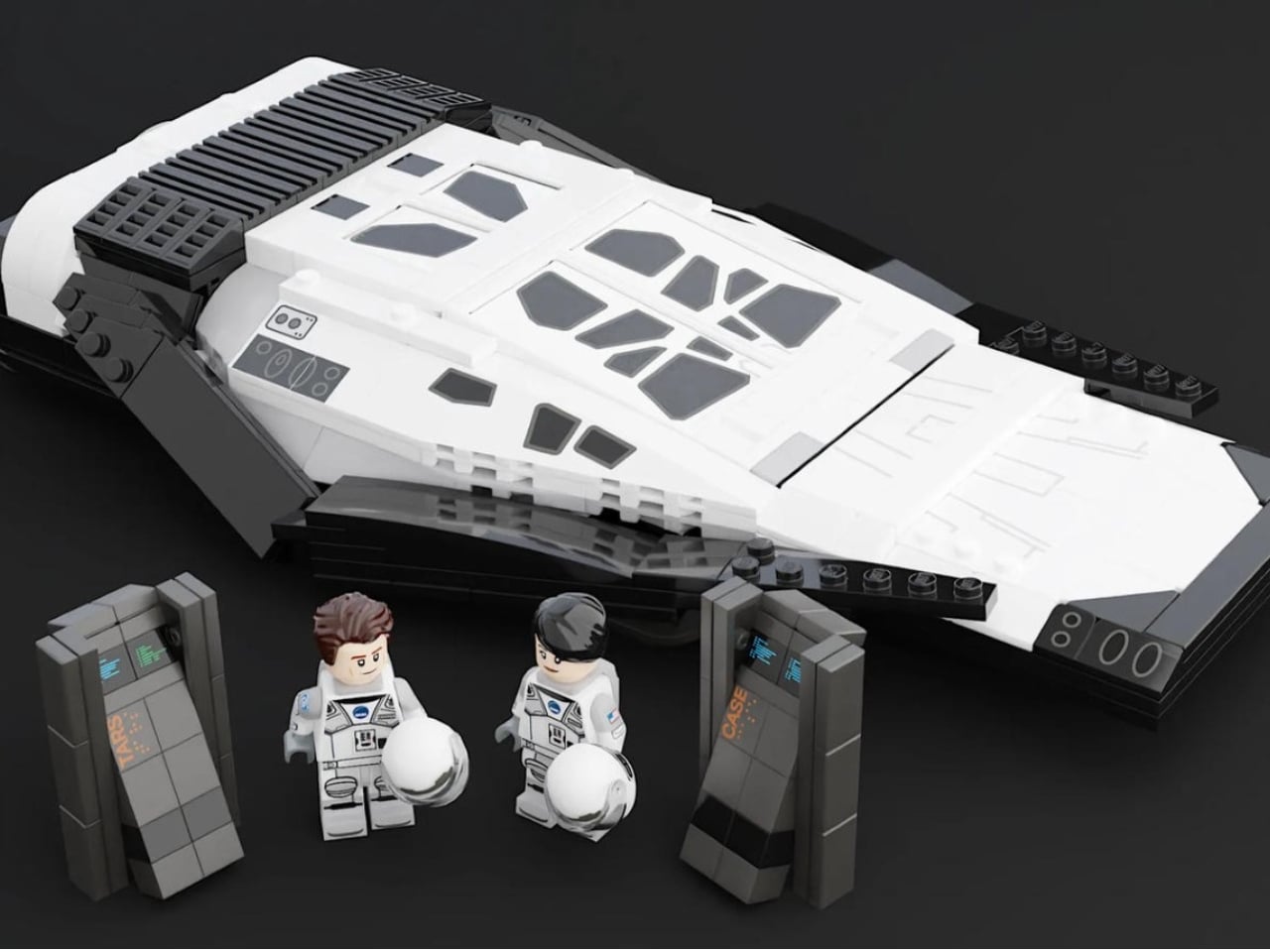
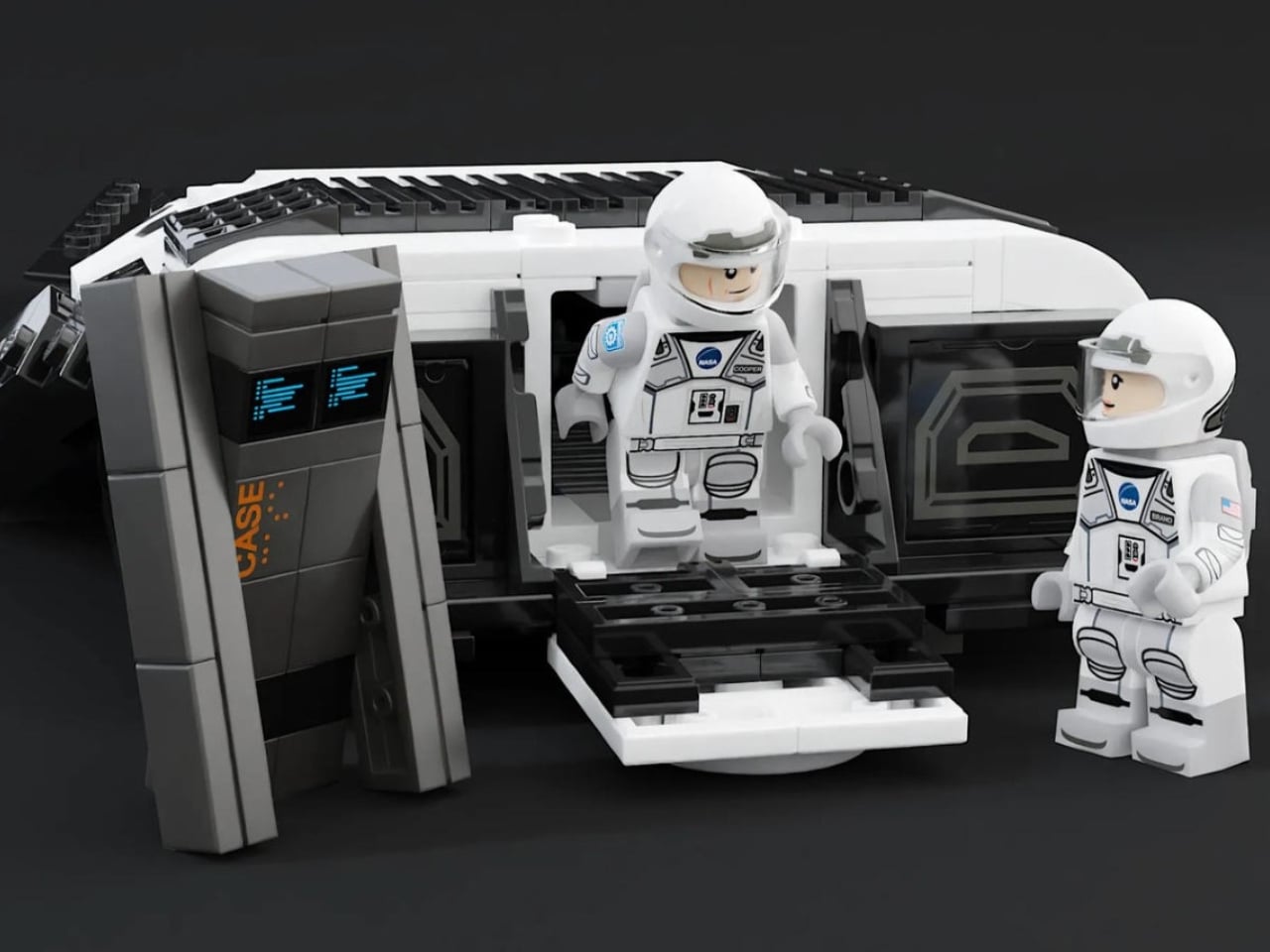
The submitted build uses 561 pieces and includes Cooper and Dr. Brand minifigures, along with brick-built versions of TARS and CASE. It’s a focused selection: one spacecraft and the characters that help establish its scale. The figures give the Ranger a purpose beyond looking familiar on a shelf. They’re also a useful way to judge the proportions, showing how much cabin the designer has managed to fit beneath that low roof.
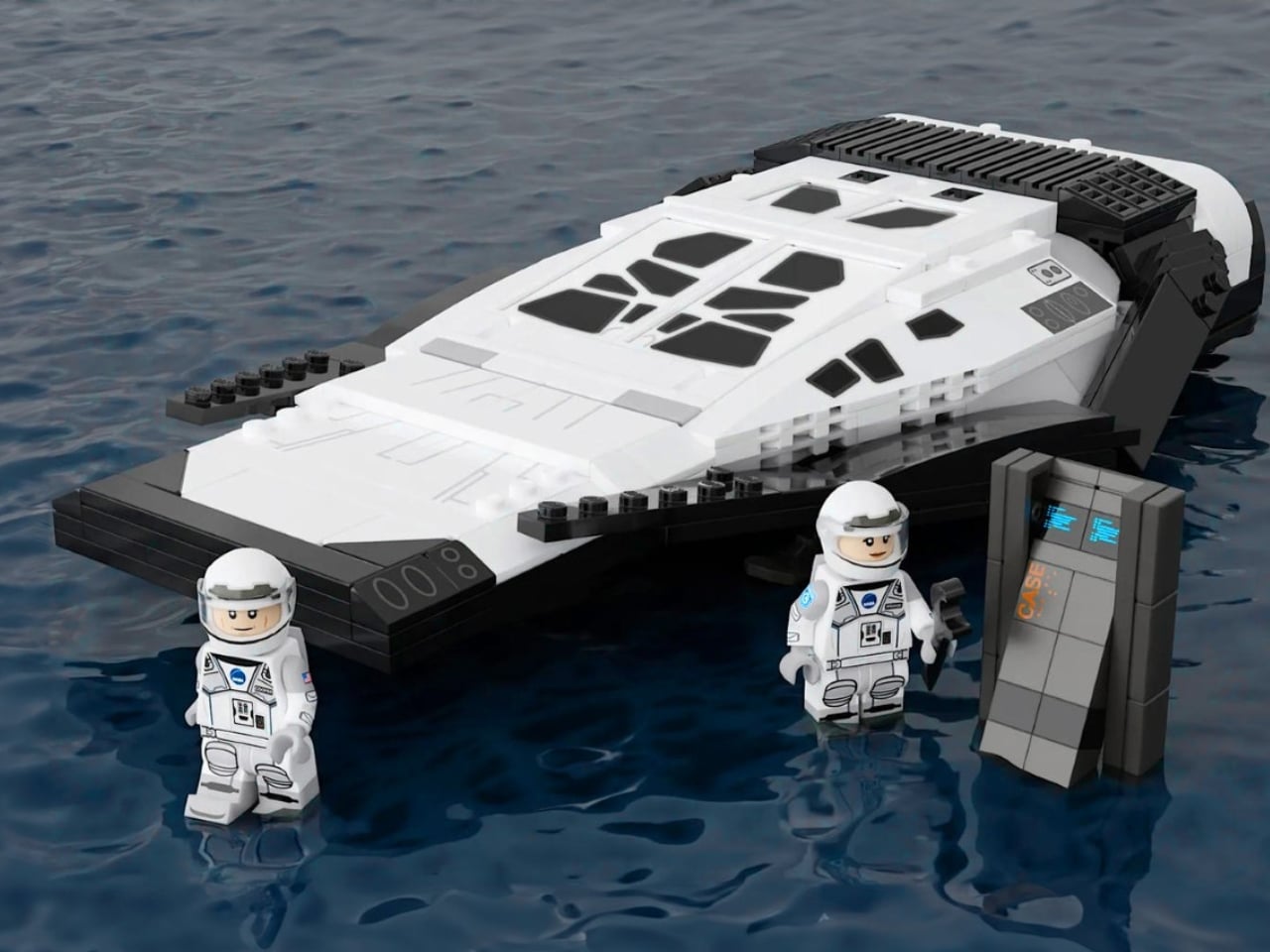
The exterior gets much of its identity from the contrast between white upper panels and a dark lower body. Sloped sections form the wedge-shaped hull, while black window shapes interrupt the roof and sides. In the submission images, relatively smooth surfaces keep the silhouette readable without hiding every trace of the bricks underneath. That balance suits the subject: the Ranger looks like a working vehicle, with its visual interest coming from its shape rather than colorful decoration.
The removable roof is where the design becomes particularly interesting. A closed hull preserves the spacecraft’s profile, but lifting away the roof exposes the seating and controls inside. The proposed cabin accommodates both astronauts alongside either TARS or CASE. This addresses a practical problem with enclosed vehicle models: getting characters into position without taking apart the surrounding structure. The interior image shows the astronauts reclining beside each other, with a robot lying flat in the remaining cabin space.
There’s also an opening rear hatch, giving the crew another way into the ship. The submission image shows the hatch lowered outward, with a minifigure standing in the doorway. It’s a small feature, but one that supports the vehicle’s role as a landing craft. Opening the roof provides access from above; opening the hatch creates an entrance the characters can actually use during an imagined expedition.
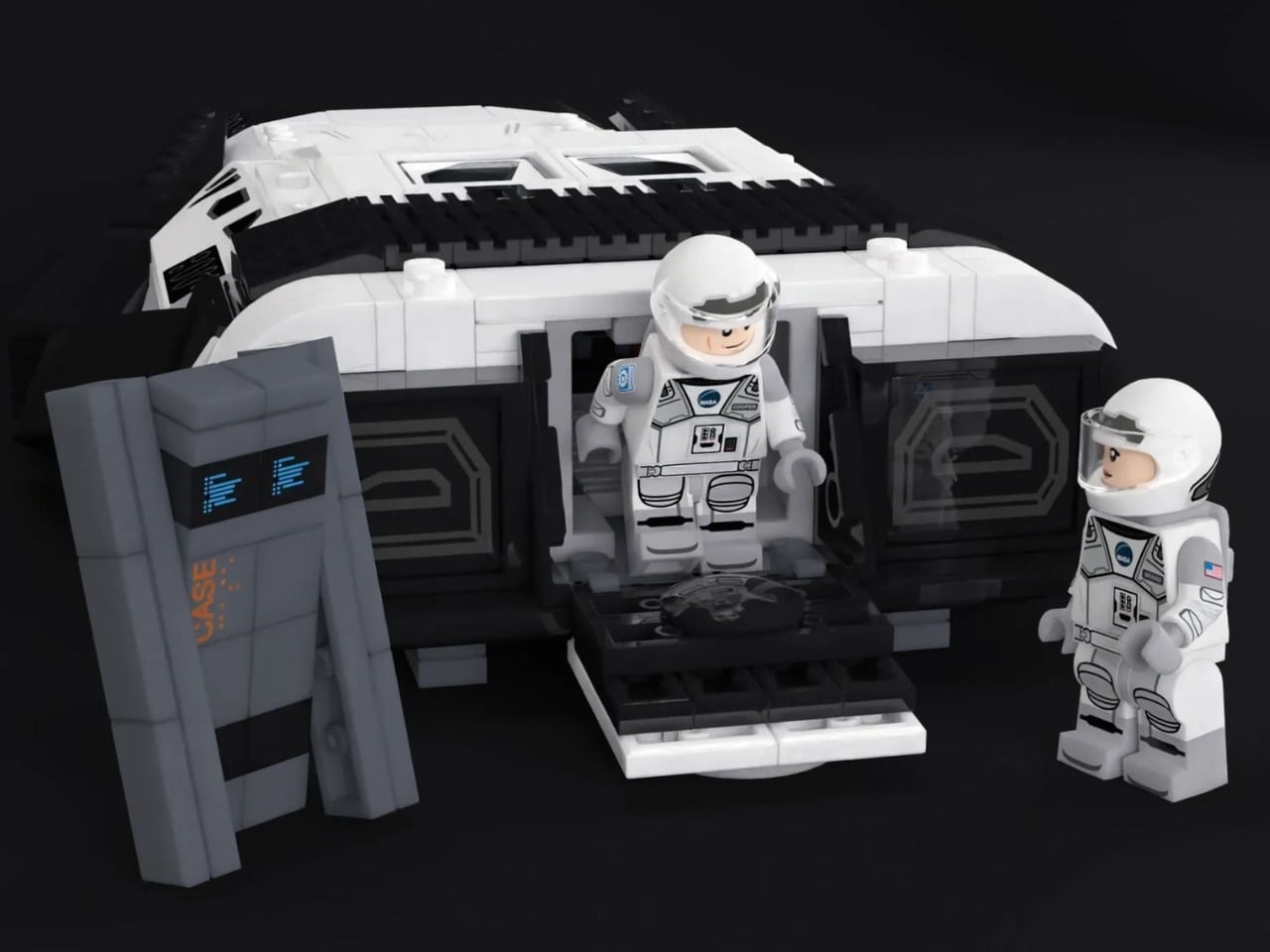
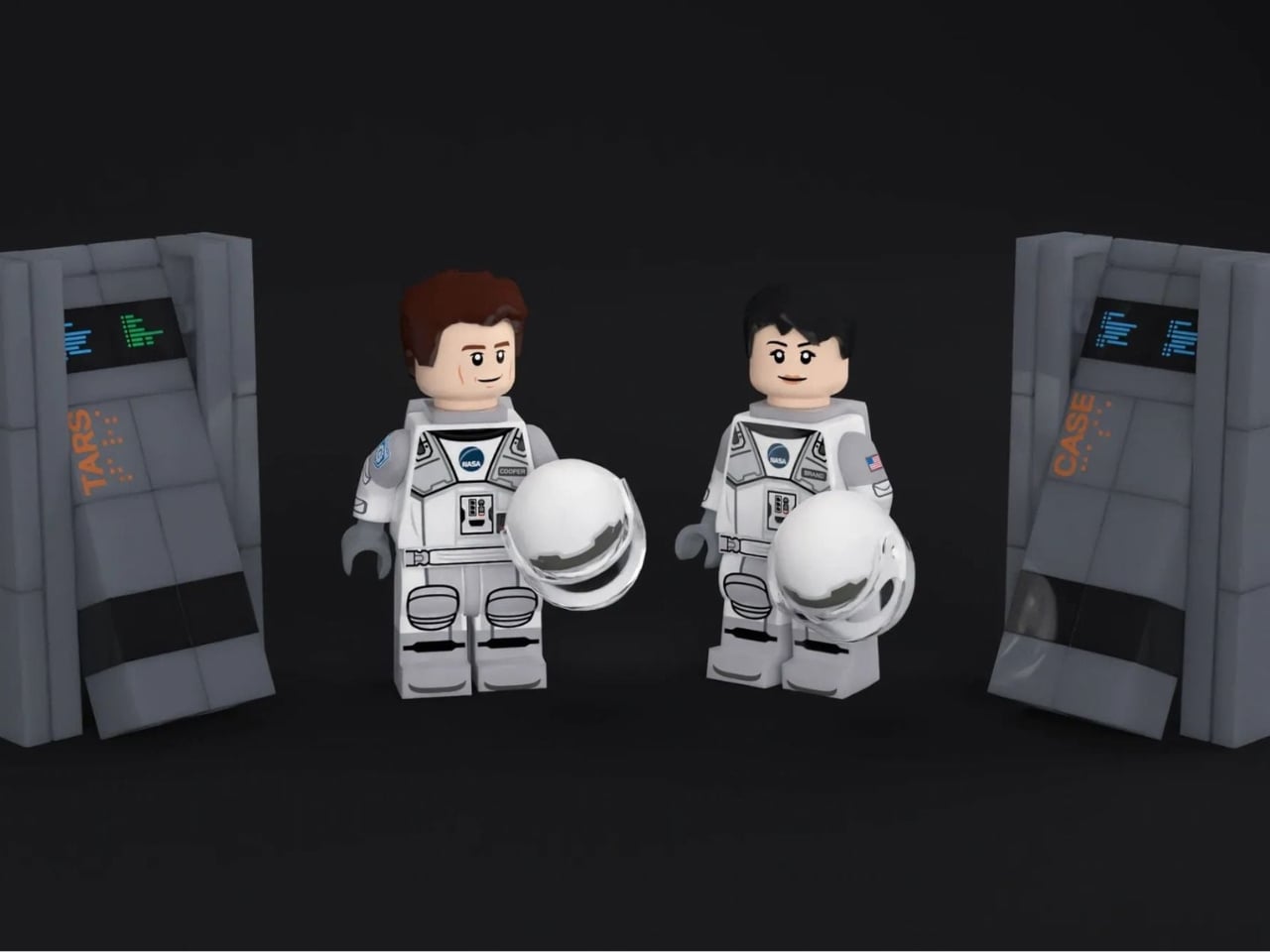
TARS and CASE deserve some attention of their own. Their gray, rectangular bodies translate naturally into LEGO’s construction system, contrasting with the angled surfaces needed for the Ranger. Small colored display details distinguish their otherwise restrained forms. Beside the astronauts, they make an unusual little lineup: two familiar human figures and two upright slabs. The proposal retains that oddness instead of making the robots look more conventionally humanoid.
It’s worth separating fan support from LEGO’s approval. Under the LEGO Ideas process, reaching 10,000 supporters makes a submission eligible for consideration; it doesn’t automatically secure a place on store shelves. The Ranger has now cleared that additional hurdle. However, the approved submission remains a starting point for development, so its piece count, detailing, and character selection shouldn’t be treated as guaranteed retail specifications.
Pricing, final dimensions, and a release date haven’t been established in the sources reviewed, so there’s no shopping deadline to mark yet. What makes this proposal worth following is the way it accommodates an interior without giving up the Ranger’s low, angular profile. When LEGO reveals its production version, the most interesting comparison will be how it handles that same challenge: keeping the ship recognizable while leaving room for its crew and a builder’s hands.