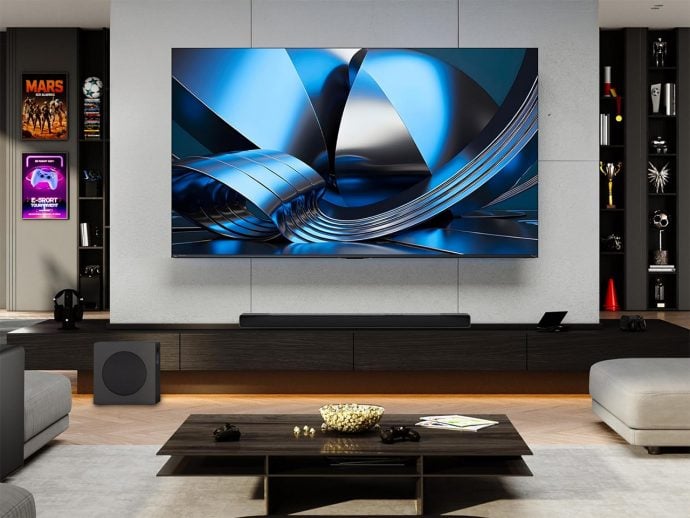
A television that spends most of its life pretending to be a painting sounds like a gimmick, until you stand in front of one. The Hisense S7 CanvasTV, available in a 65-inch size among others, is built around that idea. It’s a 4K QLED Google TV wrapped in a teak frame, designed to disappear into your wall as art before it plays a single show.
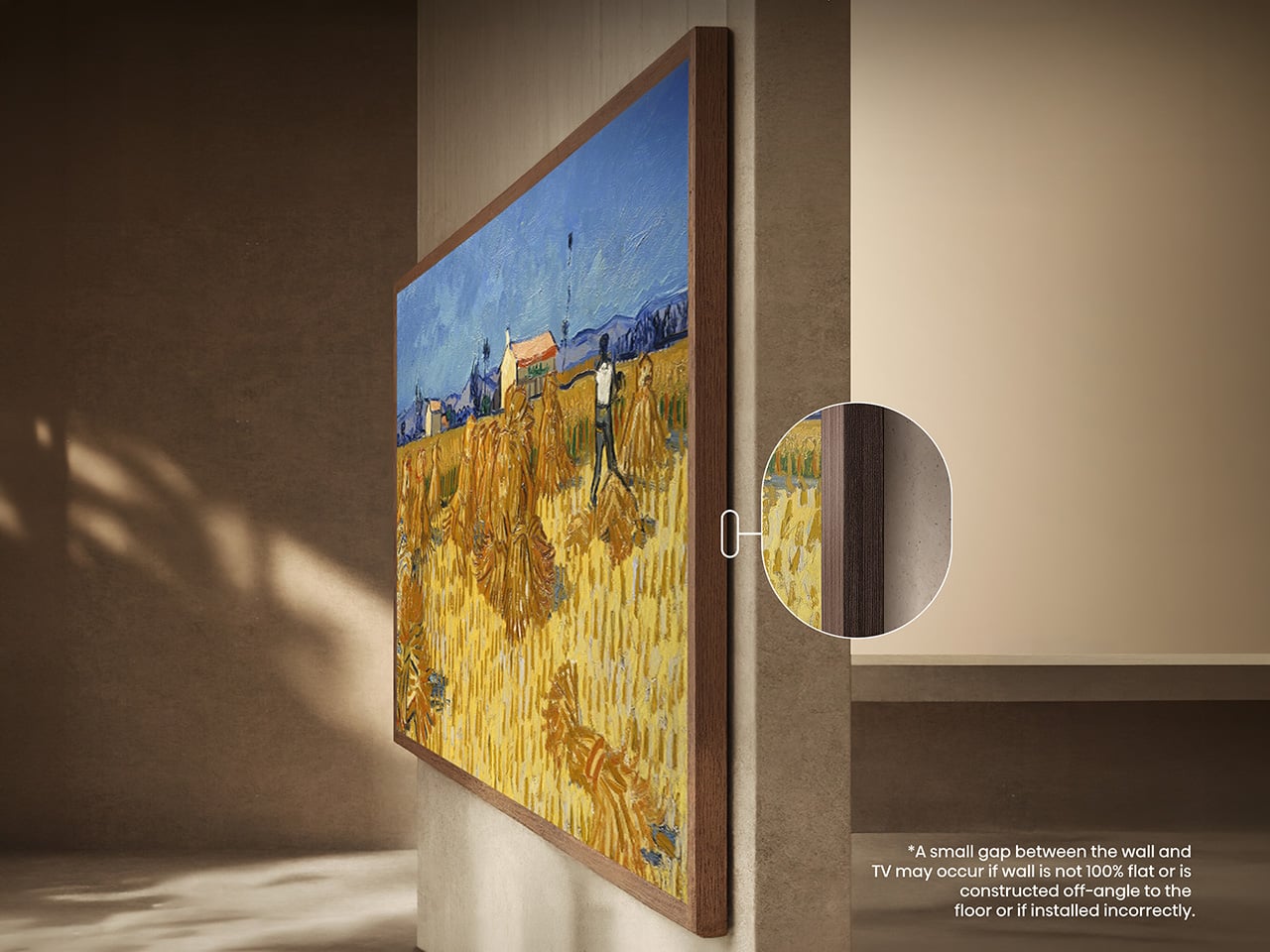
Getting there took real design work. Hisense ships the CanvasTV with its UltraSlim wall mount already in the box, letting the panel hug the wall closely enough to read as a frame rather than a floating screen. Unlike Samsung’s Frame TV, which relies on a separate connection box tucked nearby, the CanvasTV keeps everything built into the panel, so there’s no extra hardware to hide.
Designer: Hisense
Click Here to Buy Now: $1997.99

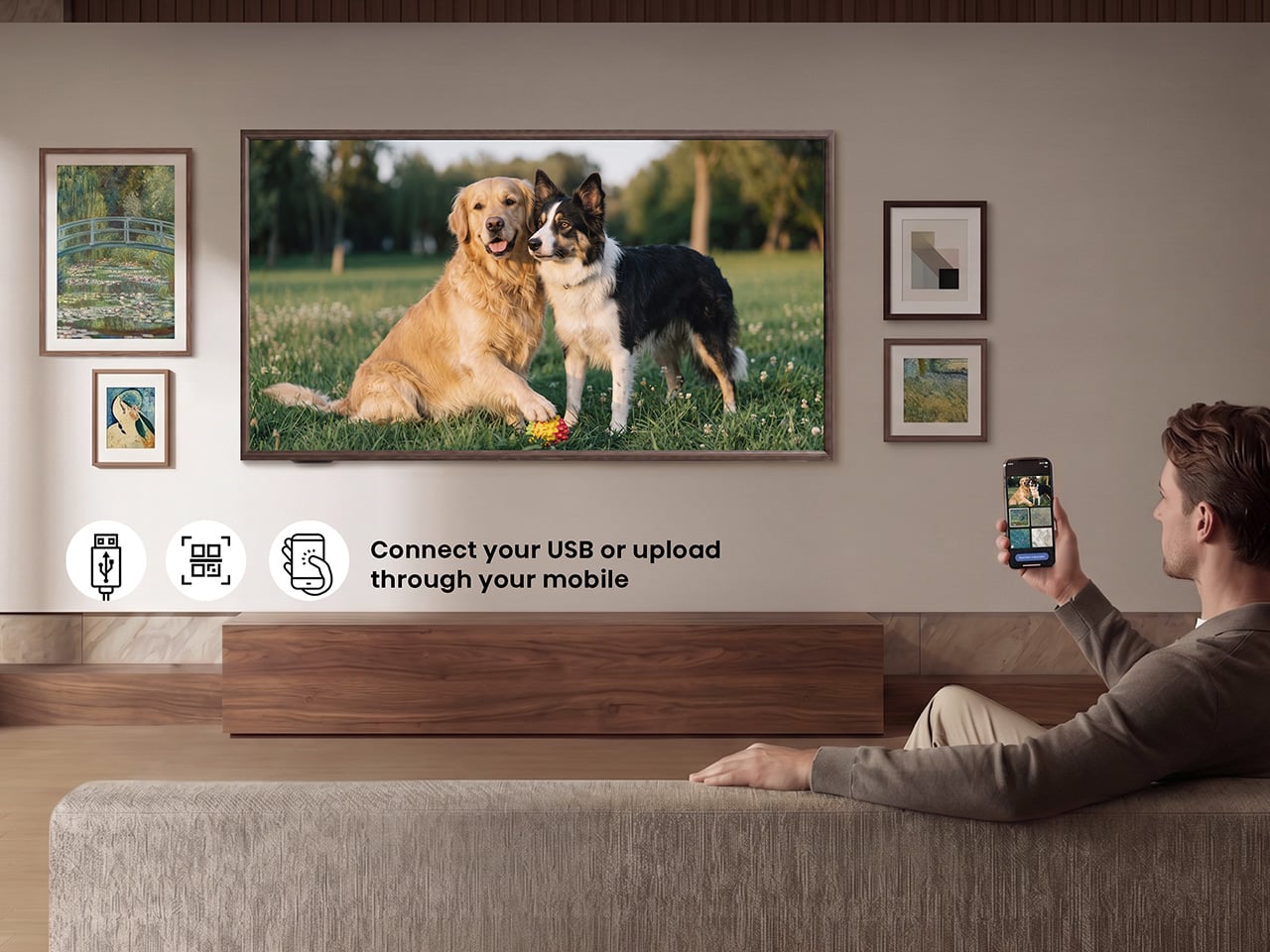
Once mounted, the fun part starts. Flip on Art Mode, and the screen rotates through more than 1,000 curated artworks, from classic landscapes to abstract pieces, included at no extra cost. There’s no subscription behind that gallery, which matters if you resent paying monthly for something you already own. You can also load your own photos, turning travel shots into rotating wall art.
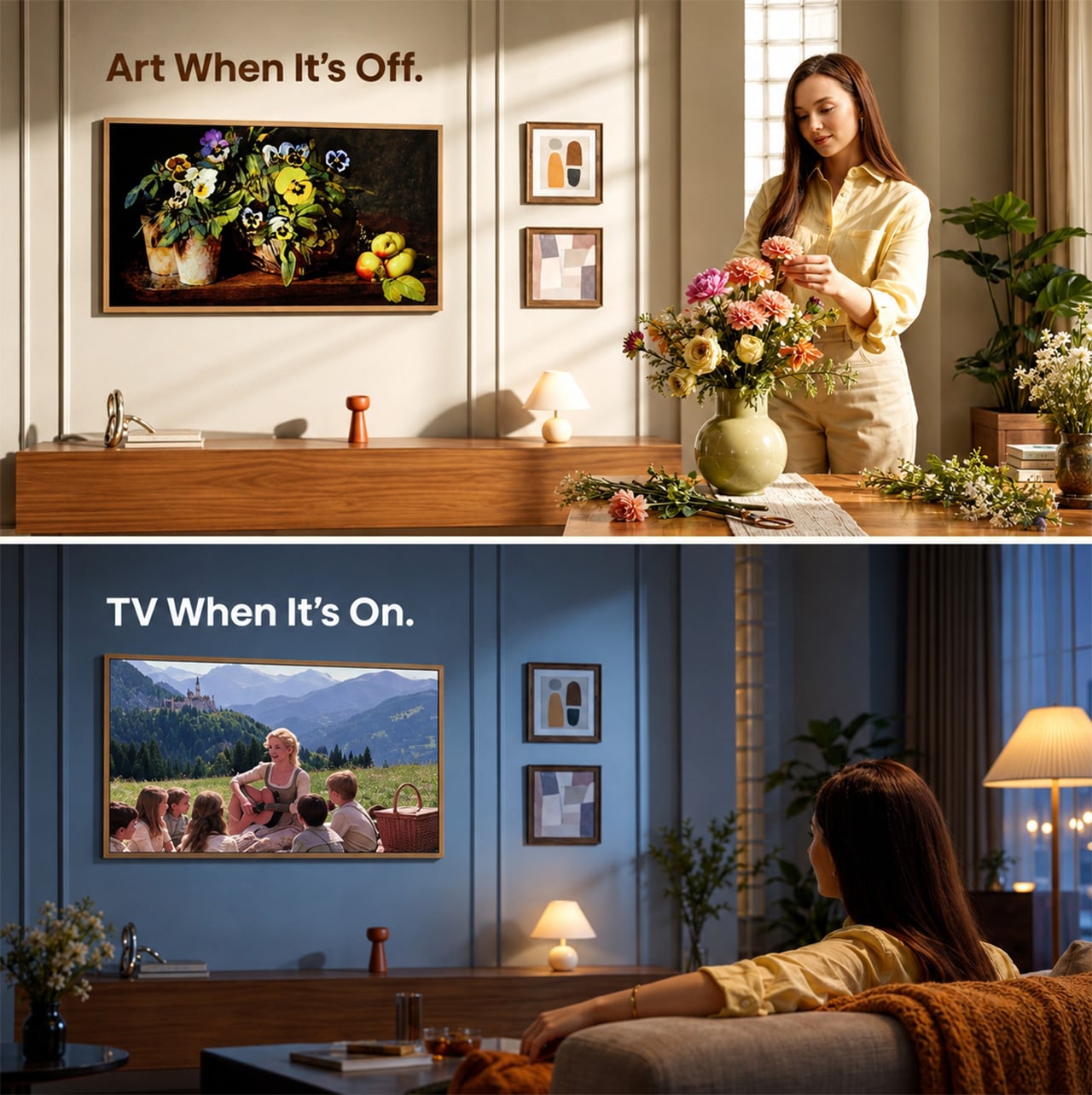
That gallery also knows when to rest. A built-in Motion Detector keeps art on display only when someone’s in the room, switching to a blank screen once you step out and saving power along the way. That small detail changes how the TV behaves day to day, less like a screen left running from habit and more like art that responds to the room.
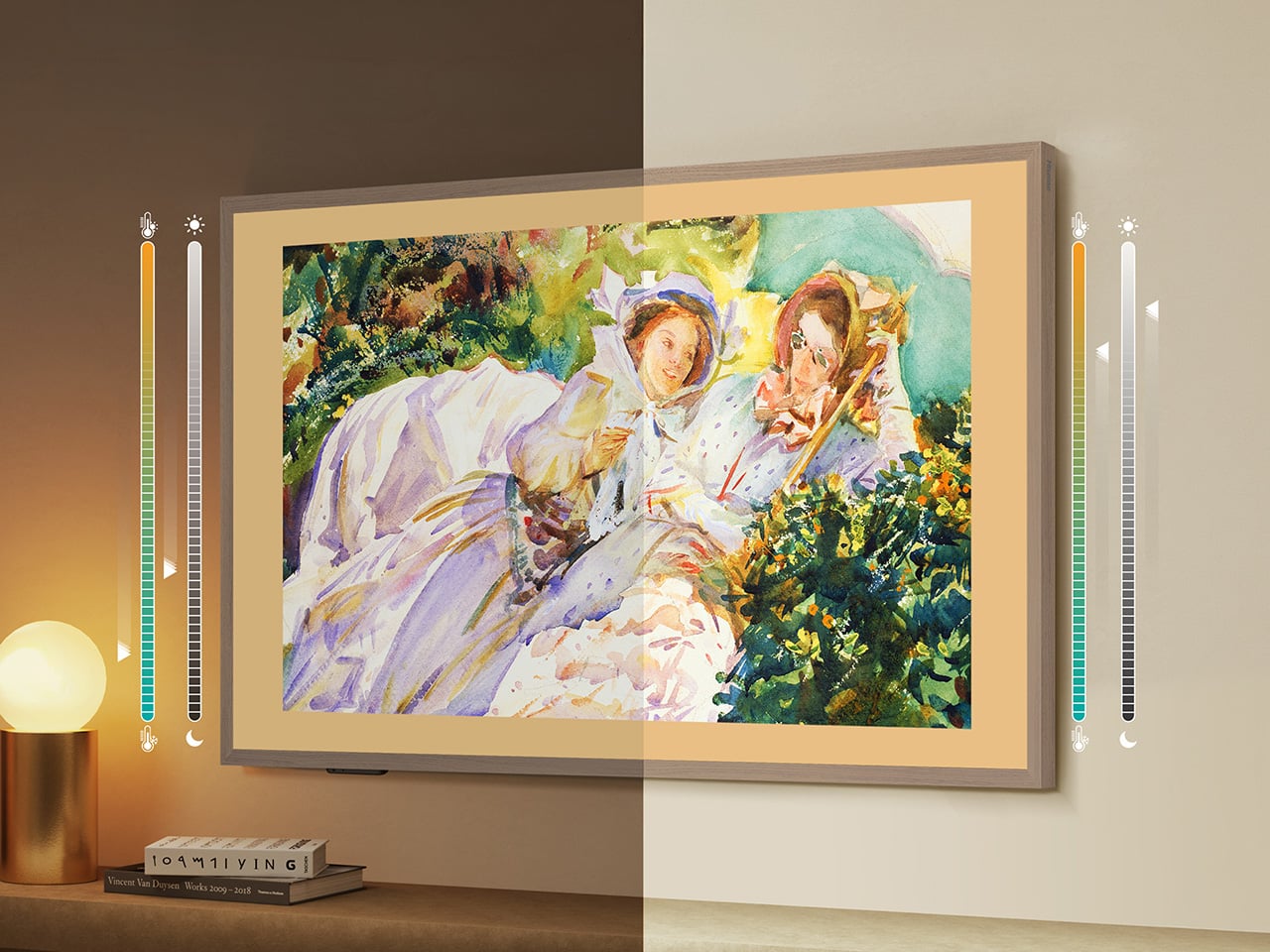
Living rooms rarely have controlled lighting, and CanvasTV was built with that in mind. Its Hi-Matte anti-glare panel cuts down on reflections from windows and lamps, keeping artwork and video watchable no matter the time of day. An RGB light sensor also reads the room in real time, adjusting brightness and color temperature so a painting at noon looks as convincing as it does under evening light.
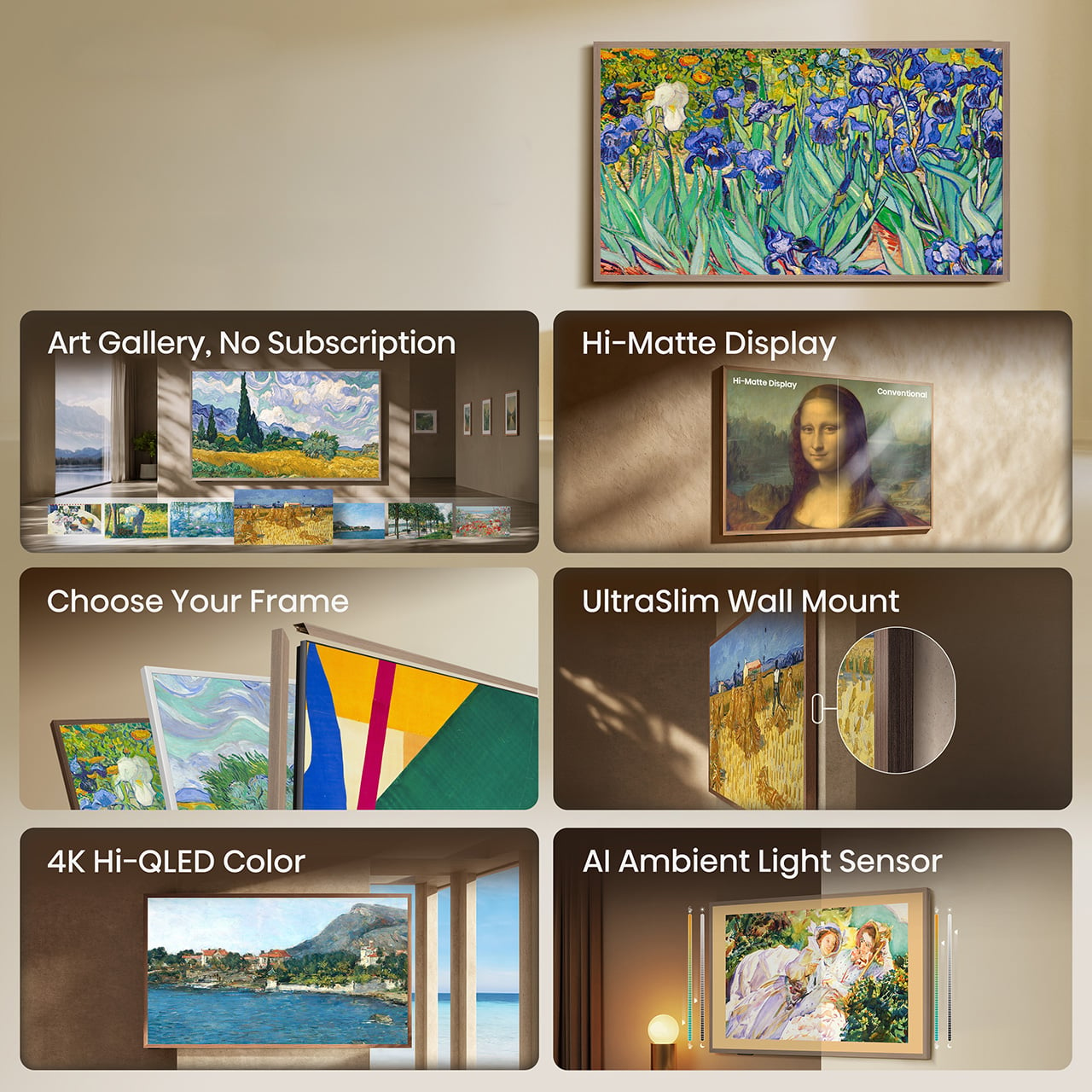
Switch to actual programming and the CanvasTV stops acting modest. It uses 4K QLED with Quantum Dot Color for punchy, accurate tones, backed by a 144Hz native refresh rate for smoother motion during fast scenes or sports. Support for Dolby Vision IQ, HDR10+, and HDR10+ Adaptive rounds things out, so whatever you’re streaming gets the contrast and detail it was mastered with, not a flattened version of it.

None of that would matter without a decent interface, and Hisense chose Google TV for that purpose. That means access to more than 700,000 movies and shows across over 10,000 apps, personalized profiles for family members, and Chromecast built in. Google Assistant handles voice commands, and support for Amazon Alexa and Apple HomeKit means it fits whatever smart home setup you already have.
Design-forward TVs don’t always keep gamers happy, but this one doesn’t ignore them. Two HDMI 2.1 ports support 144Hz Game Mode Pro and variable refresh rate, while a dedicated Game Bar lets you check frame rate and input lag without leaving whatever you’re playing. It won’t outrun a dedicated gaming monitor, but for a household where the console sits below framed art, it holds up well.

Sound comes from a built-in 2.0.2 system tuned with DTS Virtual:X, enough to fill a living room without a soundbar propped under the frame. Everything else ships in the box too: the teak frame, the wall mount, a backlit voice remote, and a two-year warranty. It’s the kind of completeness that lets you mount it once and stop thinking about extra purchases.
Live with it a week and the split personality stops feeling like a novelty. Mornings might show a quiet landscape while coffee brews, evenings hand the wall to a show or a game, and the switch never feels like a compromise. Most TVs ask you to accept a black rectangle once they’re off. This one lets you forget it’s a television at all.
Click Here to Buy Now: $1997.99
SHARE