Most home offices look like what they are: a corner negotiated with practicality. The lamp was already there. The desk is covered in objects that arrived separately and never quite agreed to coexist. The difference between a room with a laptop in it and a studio someone is proud to sit in is rarely about square footage. It is about the objects chosen to share that space.
These five picks do not optimize for productivity in any conventional sense. What they do is shift the character of the room: the quality of light on the work surface, the way objects hold their position without adding visual noise, the transparency of what every connected device is doing at any given moment, the warmth of a desk that looks considered rather than assembled. That distinction matters more than most people realize until they sit down to it.
1. Dockcase 7-in-1 USB-C Hub

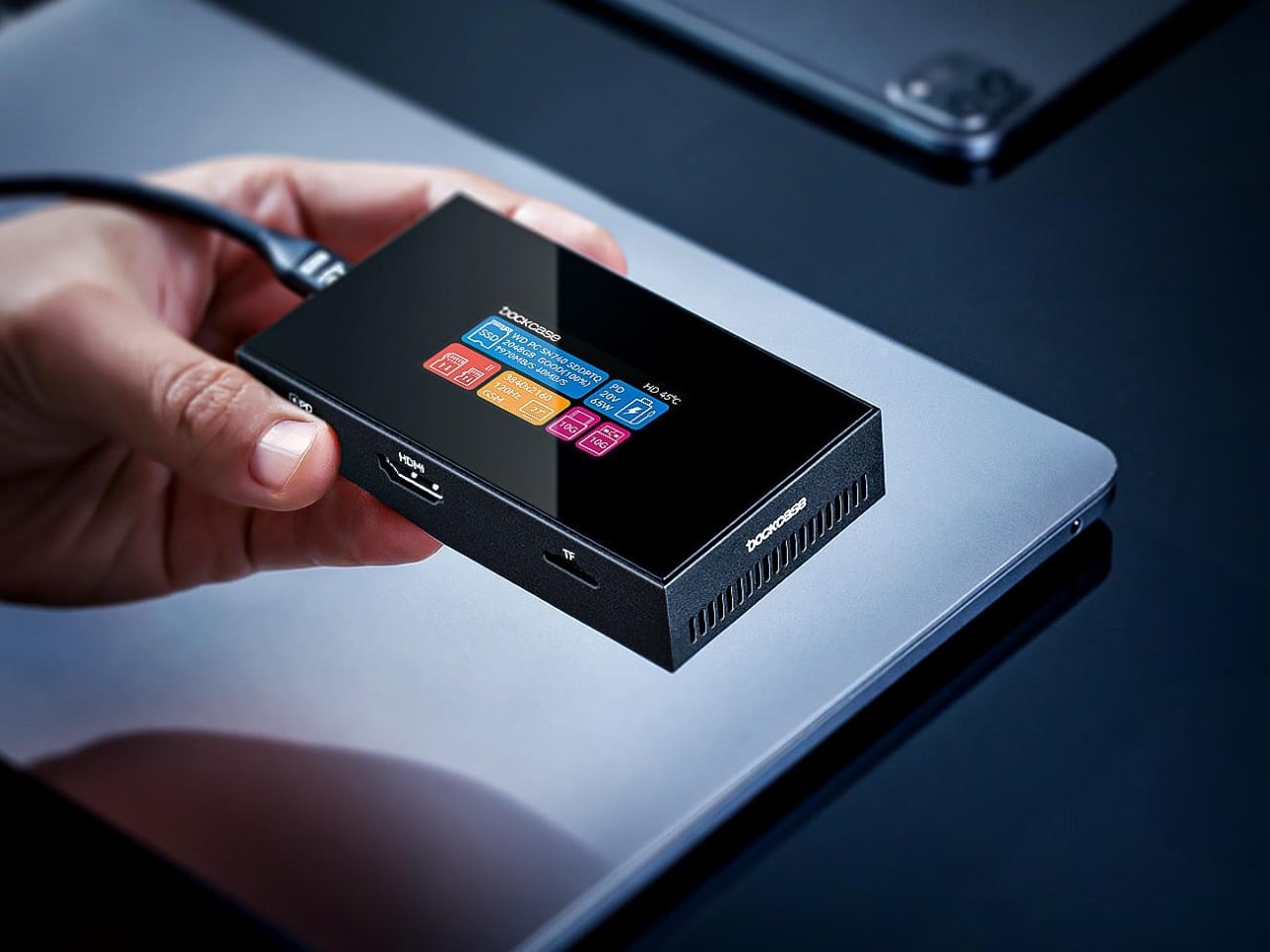
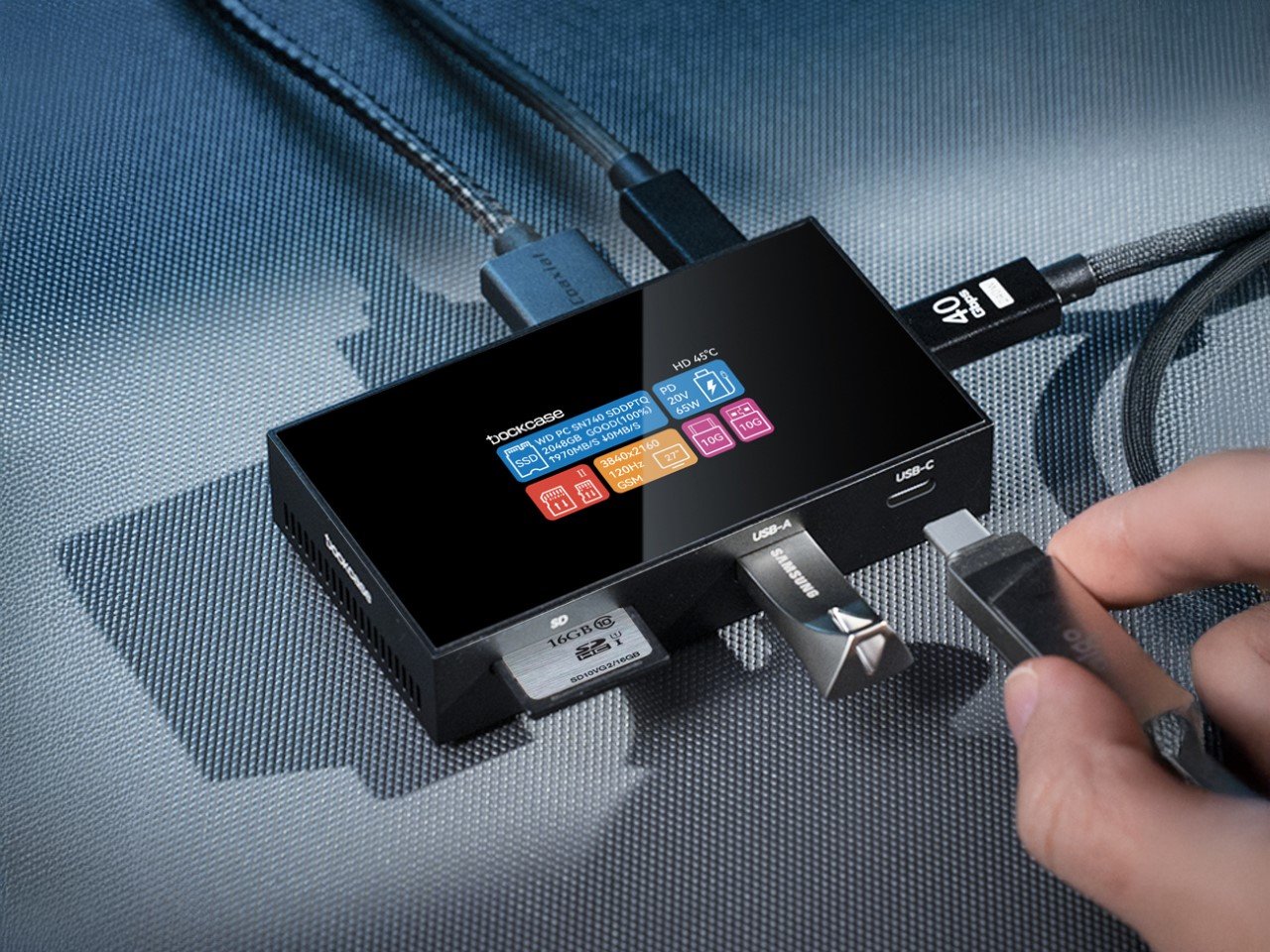
Most USB-C hubs are forgettable plastic bricks you plug in and never look at again. The Dockcase 7-in-1 by Seesaw is the first hub worth looking at, because it actively shows you what it is doing. A touchscreen display on the front face delivers live readouts of transfer speeds, power delivery status, and SSD health — which sounds like a technical feature until you realize it means you never have to guess whether a file transfer is stalled, a port is pulling full power, or your connected drive is under strain. It is mission control in a 113-gram metallic shell.
The port selection is built for a complete desk: a 10 Gbps USB-C host port, a 100W Power Delivery pass-through that keeps a laptop charged without consuming an outlet, an HDMI output at 4K 120Hz, a UHS-II SD card slot, a TF slot, a USB-A port, and a bay for an M.2 SSD up to 2TB. That last feature — dockable high-speed internal storage — separates the Dockcase from every competitor in its category. Active cooling keeps performance stable under sustained load, and the fan speed is adjustable directly from the touchscreen. The screen also rotates 180 degrees, which is the kind of considered detail that only appears in products made by people who use the thing themselves. This is Seesaw’s 12th Kickstarter campaign, and the credibility shows. At $129, it is priced below its expected retail of $179, and it ships to the US, UK, and EU.
What we like
- The live touchscreen dashboard makes a hub a transparent tool rather than a black box, which is a category-defining shift
- Dockable 2TB M.2 SSD support consolidates external storage directly into the hub, eliminating a separate drive on the desk
What we dislike
- The touchscreen and active cooling add complexity that a simpler hub does not carry — more features means more components with finite lifespans
2. Infinite Solas Lamp
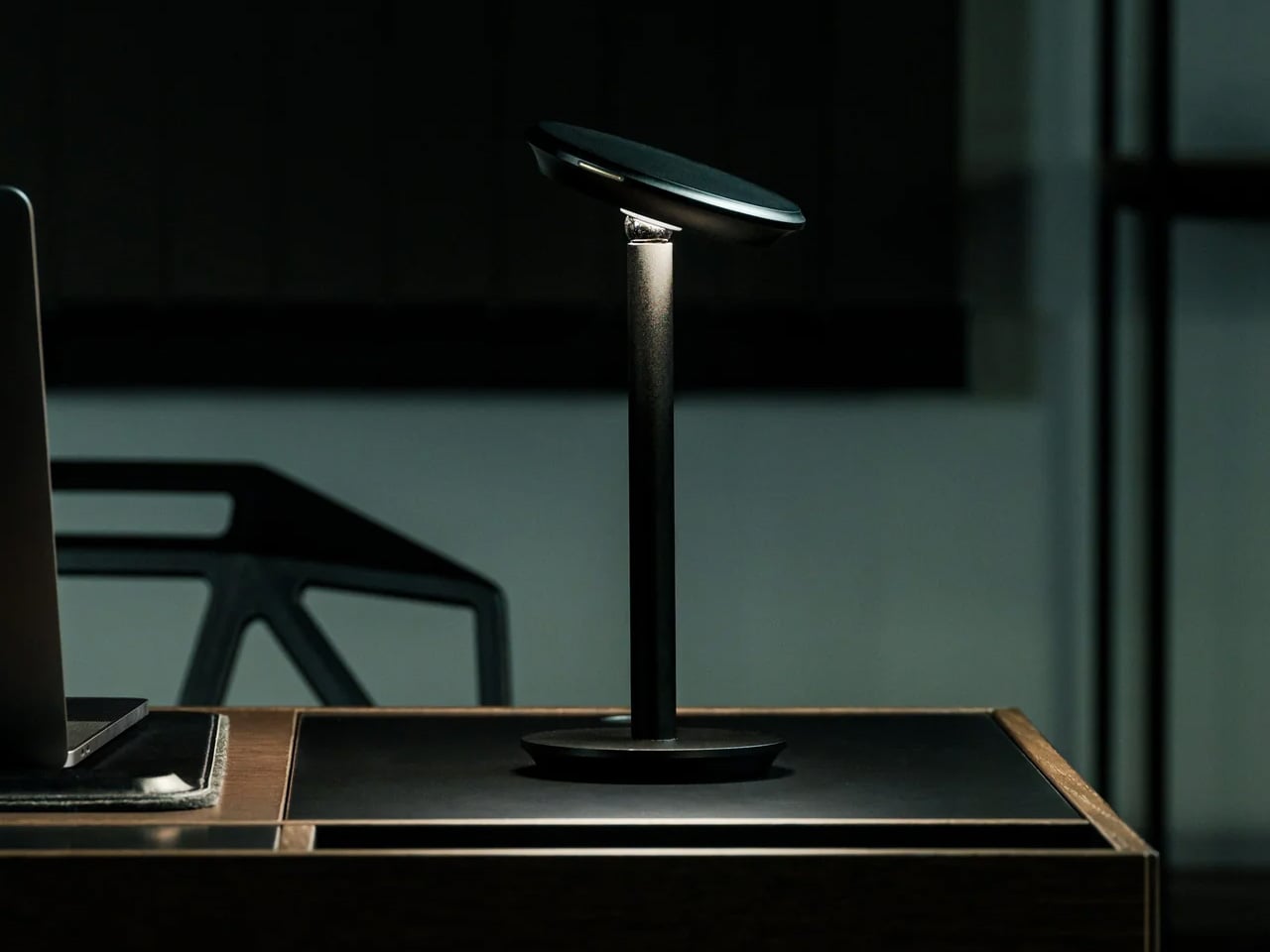
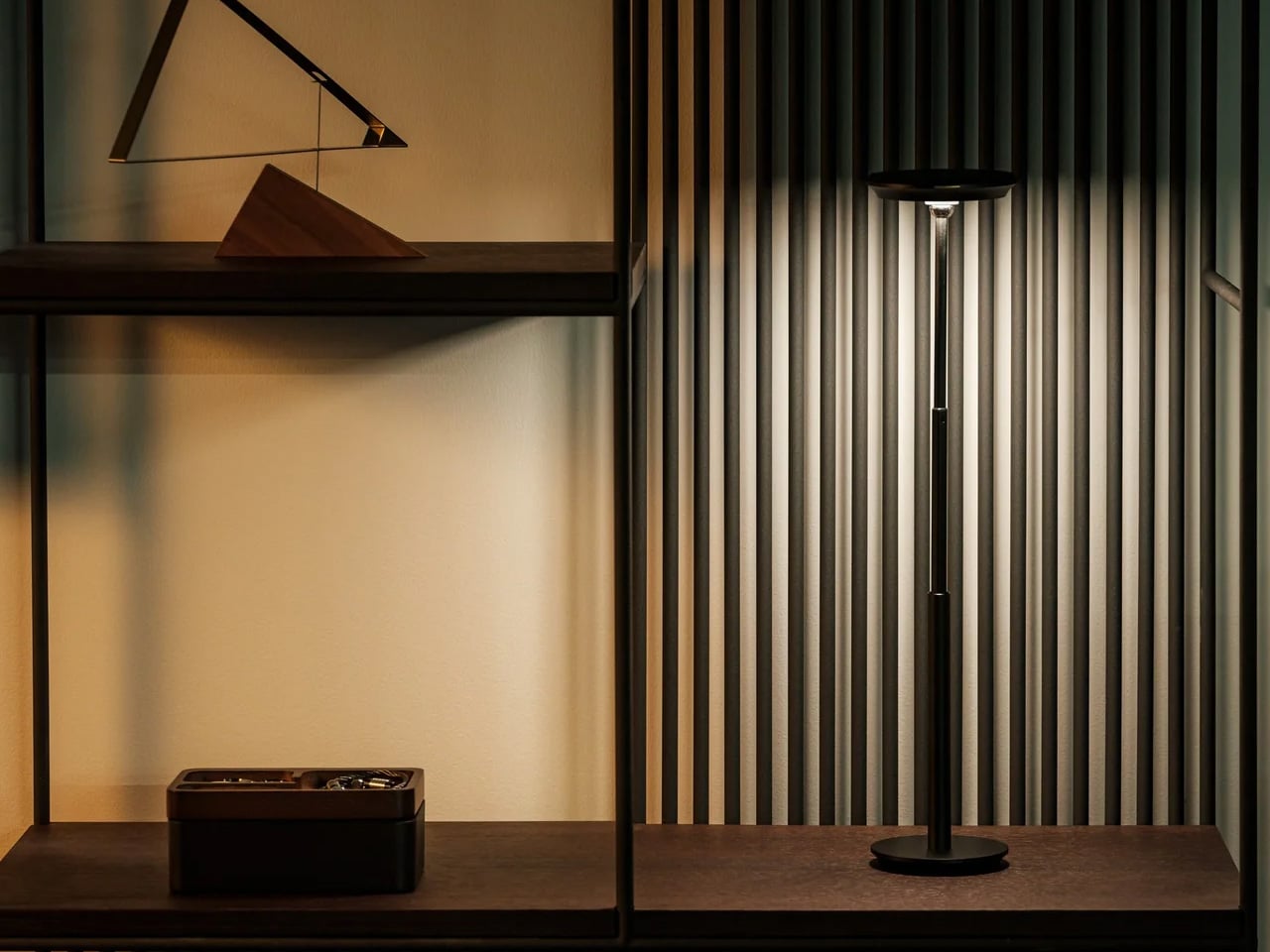
At $325, the Infinite Solas is priced like a statement and operates like one. It is a cordless designer lamp, meaning no cable runs to the wall and no cord crosses the desk surface, which changes the visual cleanliness of the whole setup in a way that sounds minor and registers immediately. The lamp adjusts in height, direction, brightness, and warmth, which means it moves through a full workday from a soft morning reading light to a focused evening session without friction or compromise.
The cordless design is the feature most people describe after a week of living with it. A lamp that can be repositioned without routing a cable changes where it can live — to the left of a keyboard, on a shelf riser behind the monitor, or at the corner of the desk entirely. That freedom of placement belongs to a class of objects that earn their price not through a single headline specification but through the accumulated quality of daily contact with something made without visible compromise.
Click Here to Buy Now: $325.00
What we like
- Cordless operation changes the visual cleanliness of a desk in a way no cable management solution can replicate
- The full range of adjustments across height, direction, brightness, and warmth covers every lighting need across the working day
What we dislike
- At $325, it requires a level of commitment that rules it out as a casual or low-consideration purchase
- A cordless lamp is a lamp that needs charging, and that charging requirement introduces a variable a corded lamp does not carry
3. Ugmonk Gather
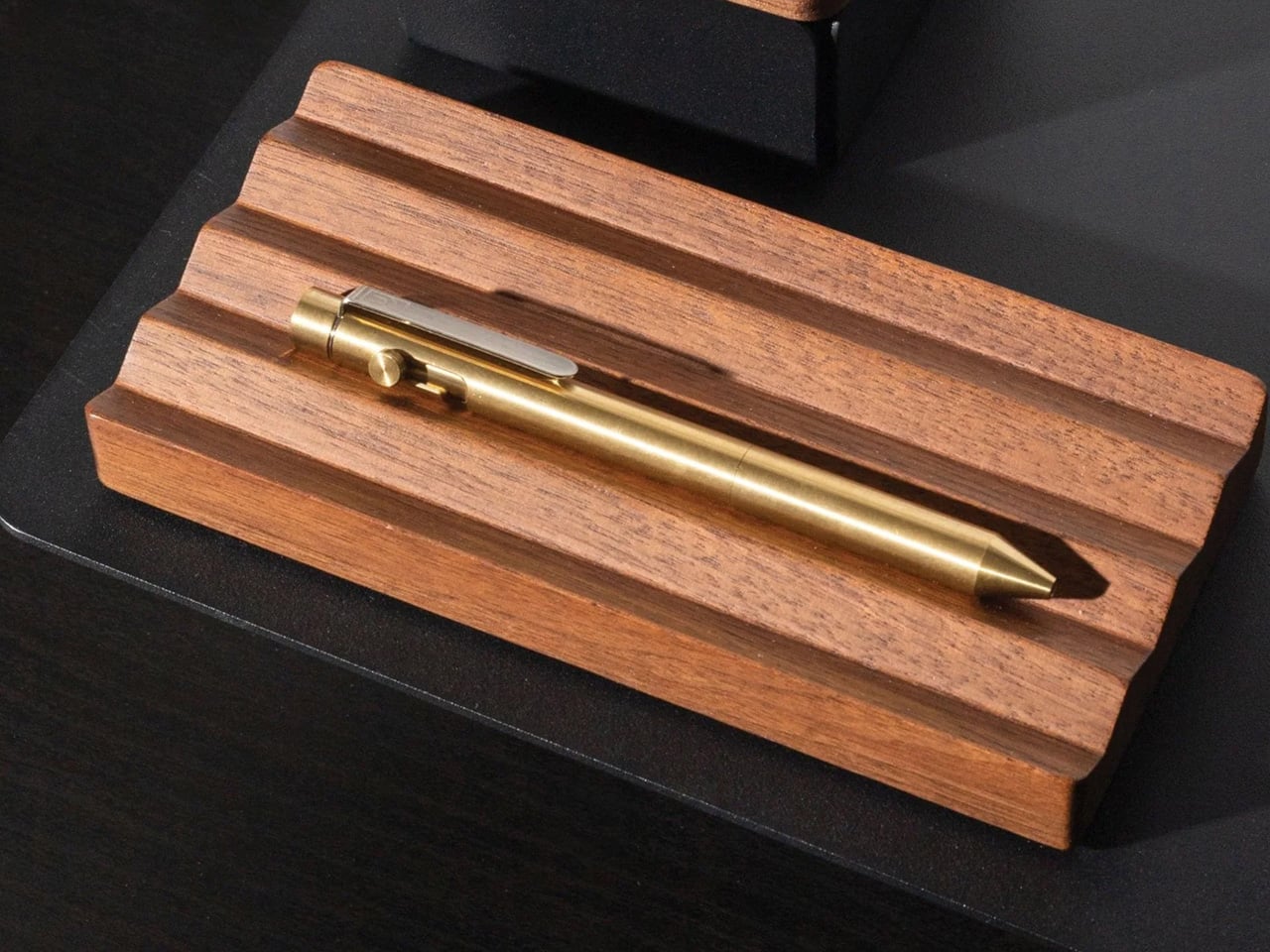
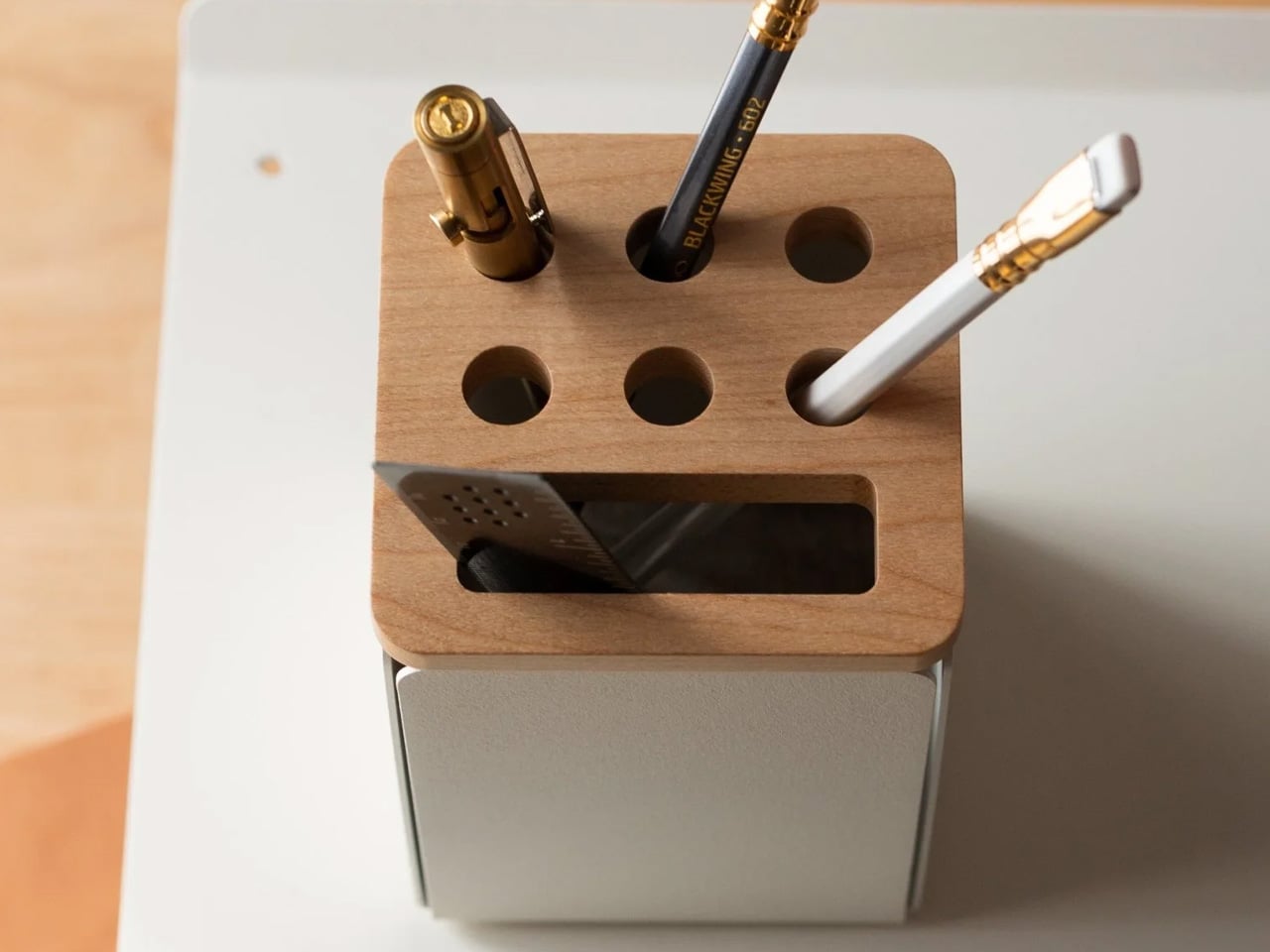
The Ugmonk Gather is a modular desk organization system made in Pennsylvania from powder-coated steel, walnut, and felt, with embedded magnets holding each component to the next. Individual pieces start at $49 and expand outward: pen holders, note trays, card organizers, each designed to connect to the others without fasteners or visible hardware. The modularity is genuine rather than theoretical — pieces can be rearranged, added to, or reduced in seconds as the desk layout or daily routine changes around them.
The felt lining and walnut inserts are what separate Gather from the category of desk organizers that are technically functional and visually unremarkable. Each piece is finished with enough care that the physical act of picking up a pen or pulling a card from the tray has a small, deliberate quality that cheaper systems do not reproduce. It is one of the few organizational products that contributes positively to how a desk looks even when it sits empty, which is its most honest test.
What we like
- The magnetic connection system means the layout reconfigures in seconds without tools or any lasting commitment
- American-made materials and construction are visible in the finish quality, not just stated on the packaging
What we dislike
- Building a complete system from individual pieces adds up quickly, and restraint in selection is harder than it sounds when each piece is designed to invite the next
- Walnut components require the same care as any wood product, and prolonged direct sunlight will fade the finish over time
4. Orbitkey Desk Mat

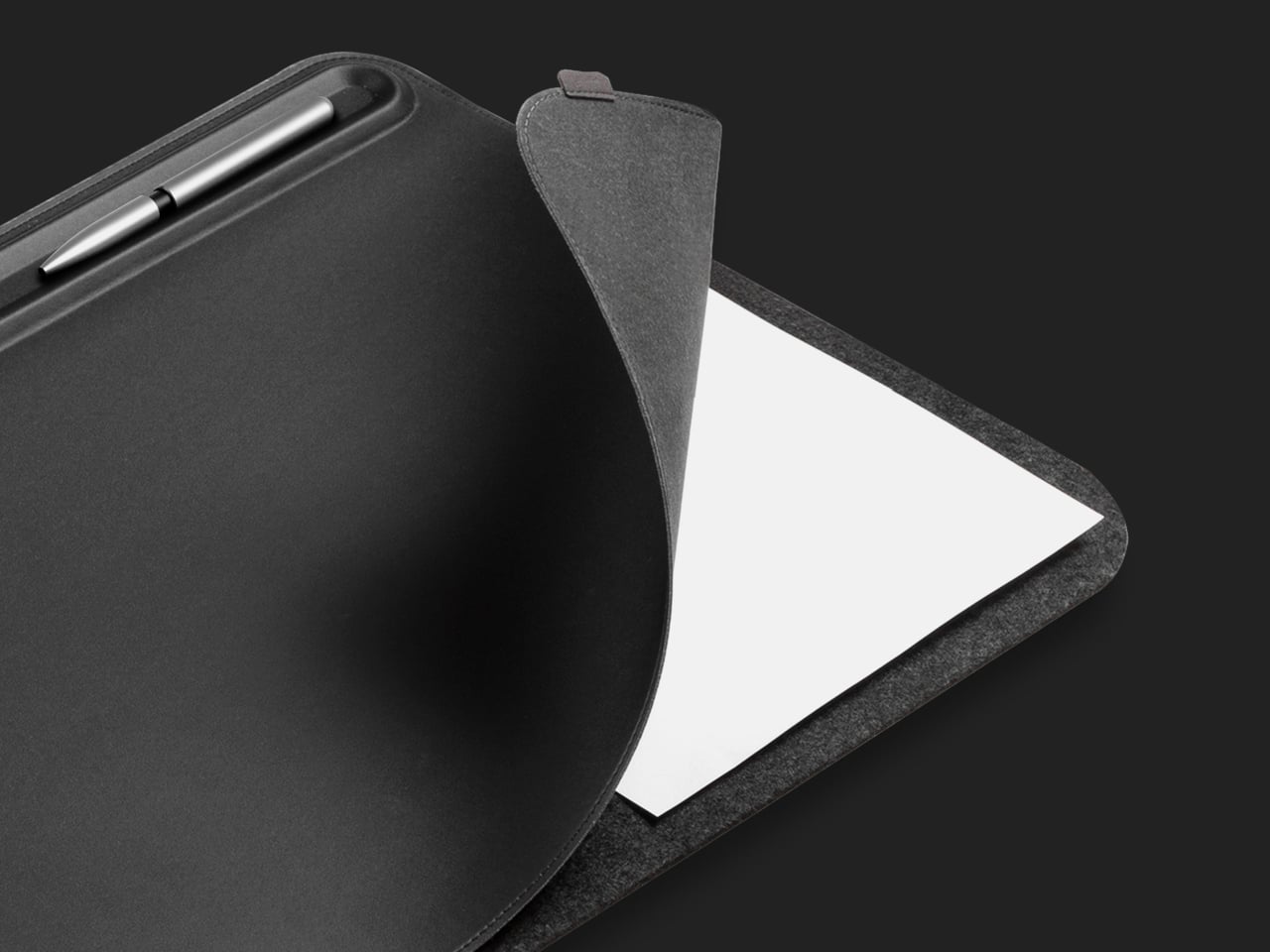
The Orbitkey Desk Mat costs $99.90 and covers the work surface in vegan leather — a polyurethane material with a smooth finish and a subtle texture that reads as refined rather than synthetic. A felt backing protects the desk underneath from scratches and keeps the mat from shifting during use. The surface is water-repellent and wipes clean, which means it absorbs the visual wear of a working desk — coffee condensation, errant pen marks — without accumulating the physical wear that fabric alternatives carry after a year of daily contact.
A desk mat is the item most people overlook when upgrading a workspace because a bare desk surface is still visible, and every object placed on top of it sits in front of whatever grain or color lies underneath. The Orbitkey resolves that with a single consistent material that gives everything placed on top of it a unified ground. It holds a rating of 4.8 out of 5 stars across verified reviews, which is an unusual score for a product this quietly utilitarian in its purpose.
What we like
- The water-repellent surface is genuinely maintenance-free for the condensation and minor spills that mark up fabric alternatives
- The felt backing keeps the mat in place and buffers any desk surface imperfections underneath
What we dislike
- Vegan leather ages differently from genuine leather, and the aging is predictable rather than characterful over several years of use
- The smooth surface is not suited to every mouse sensor, particularly older optical sensors that require texture to track accurately
5. Grovemade Walnut Desk Shelf
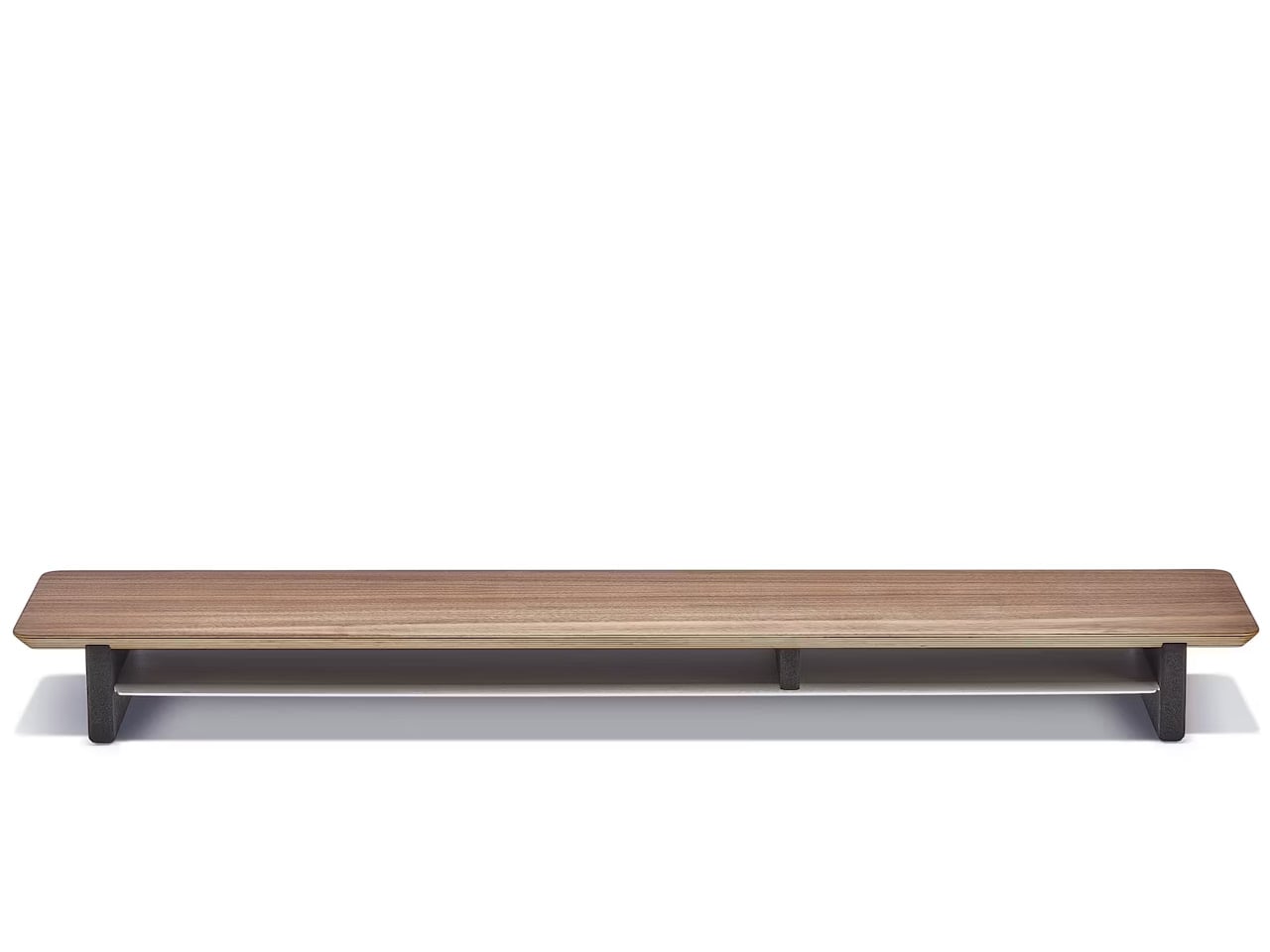
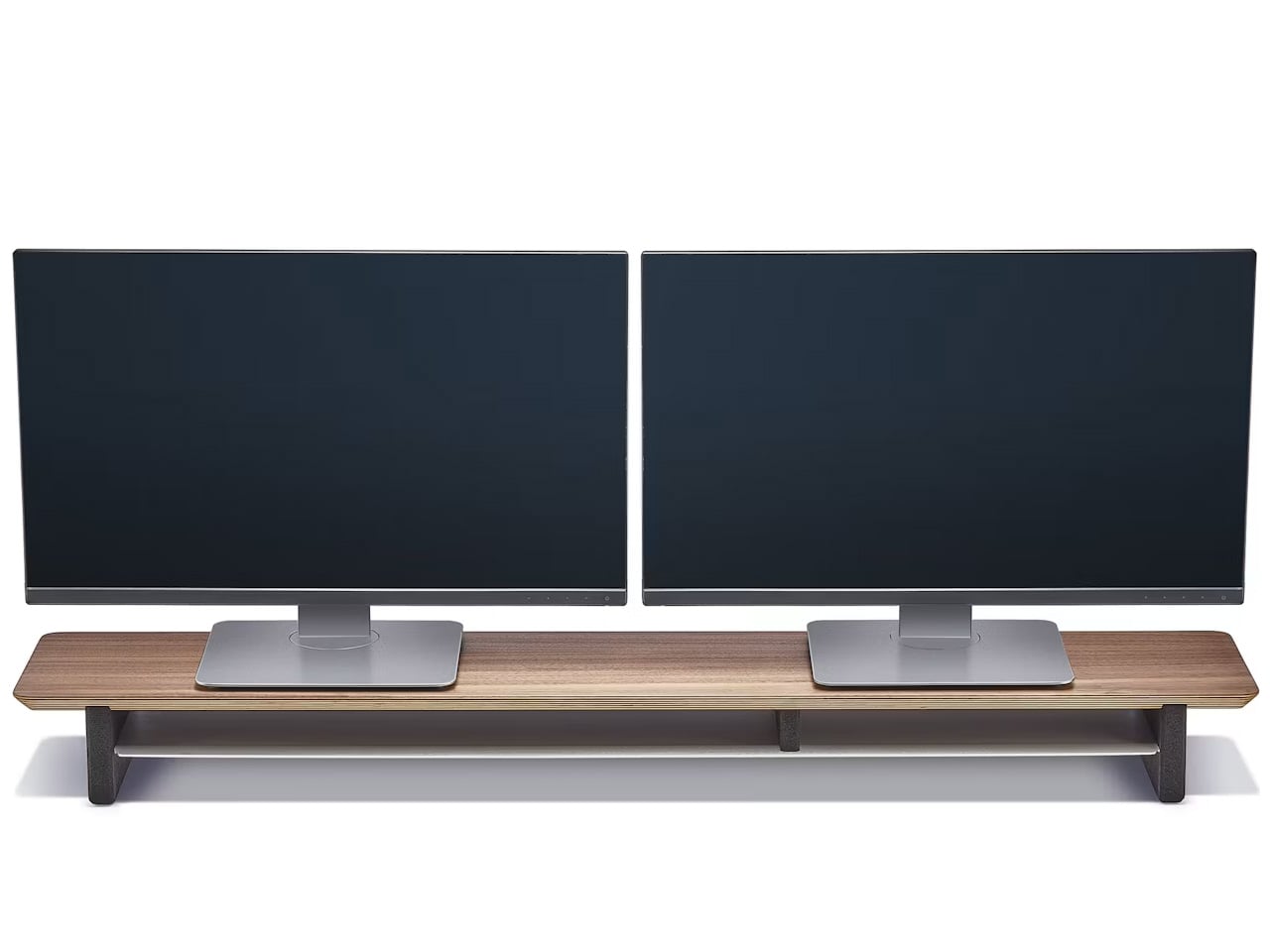
The Grovemade Walnut Desk Shelf is the single piece of desk furniture most likely to change how a workspace looks and, more importantly, how it feels to sit at. Cut from 15-ply solid walnut in three sizes — Small at $180, Medium at $250, Large at $290 — it lifts the monitor and creates two distinct working planes where previously there was a single flat surface. That vertical separation reorganizes the visual hierarchy of everything placed on the desk around it.
The walnut is hand-finished, which gives the surface a warmth that manufactured materials reliably fail to replicate. Grovemade also offers the shelf in maple and matte black, meaning there is a version that reads as natural and one that reads as architectural. The large shelf supports monitors up to 50 pounds and accommodates ultra-wide screens. It is the kind of object that makes everything else on the desk look more intentional by association.
What we like
- The walnut surface develops character over time, which is something a plastic monitor riser cannot do
- Three sizes mean it scales from a compact writing desk to an extended dual-monitor station
What we dislike
- Committing to the right size requires measuring carefully before ordering, because the price gap between small and large is meaningful
- Walnut is warm-toned, which suits natural and warm desk surfaces and clashes with cooler, grey, or white setups
A Studio Is Just a Desk Chosen Deliberately
None of these five objects will change how you work. The hub does not write better emails. The lamp does not shorten meetings. What they do is change how the room around the work feels, and that feeling compounds. A desk you are genuinely glad to sit at generates a different quality of attention than one that simply occupies a corner of the room with you and waits for Monday.
The difference between a home office and a studio is almost entirely one of intention. These five picks represent five specific decisions: how the desk connects to every device around it, where light comes from and how it moves through the day, where small objects live when not in hand, what the working surface looks and feels like under everything else, and where the monitor sits relative to the desk itself. Together, they do not decorate a workspace. They define one.