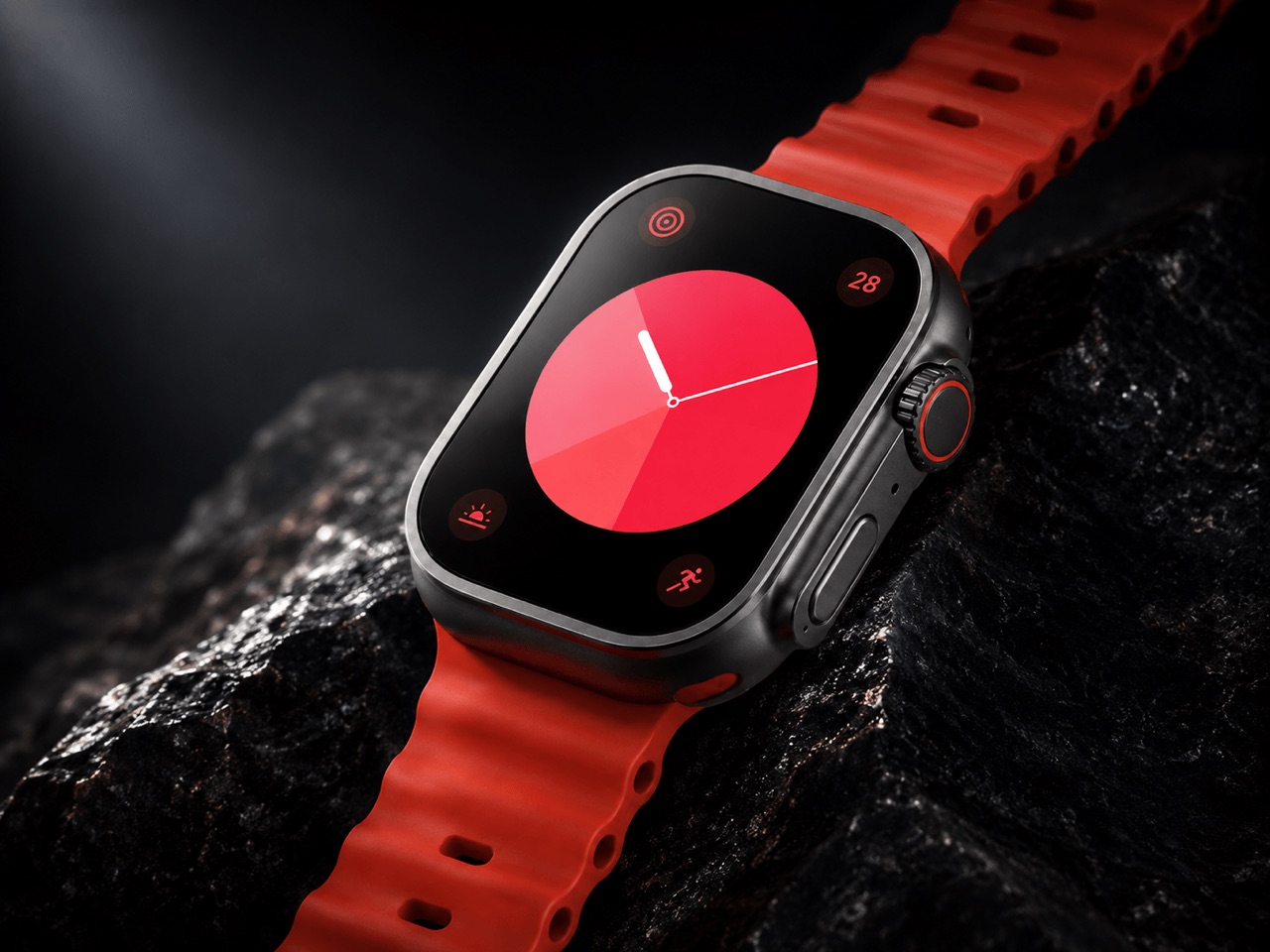
Fingerprint readers are on phones, laptops, door locks, and gym lockers. They are on tablets, car dashboards, hotel room entrances, and even some credit cards. The one place you still cannot use one in Apple’s ecosystem is the watch on your wrist, and the Apple Watch Ultra 4 is reportedly the device that might finally change that. Leaks suggest Touch ID could be integrated into the Action button or side button, bringing biometric authentication to the Apple Watch for the first time in the lineup’s eleven-year history. Apple is expected to announce the Ultra 4 at a fall event in September 2026, and the fingerprint sensor question is the detail that has dominated the pre-announcement conversation.
Bloomberg’s Mark Gurman expects no major design changes to the Ultra 4 this cycle, which would likely include a new biometric button, making the Touch ID rumor more aspirational than confirmed. MacRumors has flagged it as increasingly unlikely as a result. Gurman does foresee a chip upgrade, health and fitness improvements, and efficiency-driven battery gains from the same-sized cell. Other leaks sketch out a thinner titanium case, a redesigned rear sensor array with up to eight sensors, and watchOS 27 with a smarter Siri and new women’s health tracking. Touch ID may or may not make the cut, but the Ultra 4 is shaping up to be a meaningful update either way.
Designer: Apple
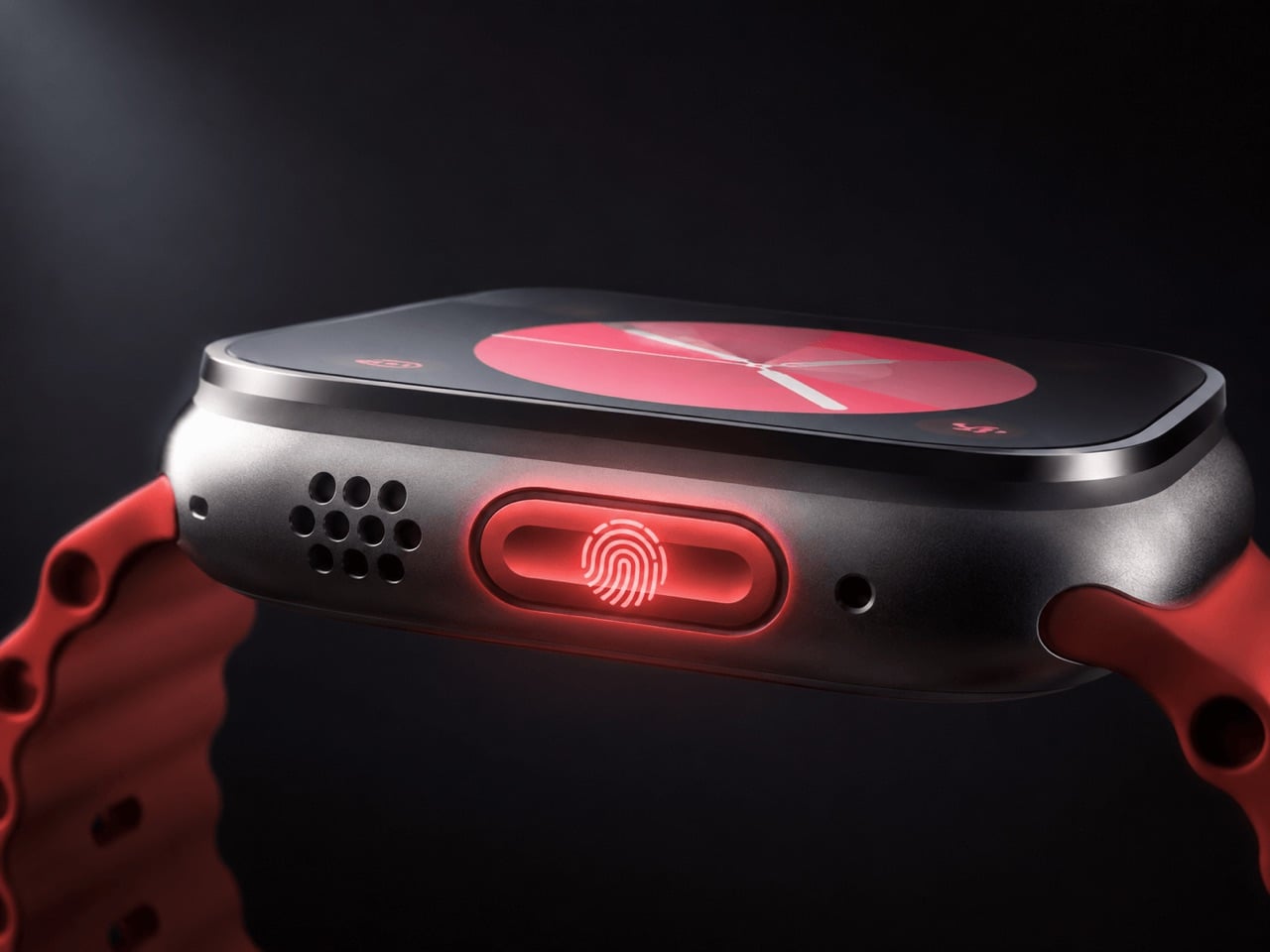
Apple Pay authentication on the Ultra currently requires a double-press of the side button, which is fine at a checkout counter and genuinely irritating mid-trail with trekking poles in both hands. A Touch ID sensor in the Action button would solve that in the most direct way possible. The Action button already handles flashlight toggling, workout starts, and dive computer modes depending on configuration, so adding biometric capability would make it the most densely functional physical control on any Apple device. Building a reliable fingerprint reader into a button that regularly encounters water, mud, and cold is the engineering challenge that may keep bumping this feature to a future generation. That tension between the obvious use case and the real manufacturing difficulty is likely why this rumor has had such a short lifespan in reliable reporting.
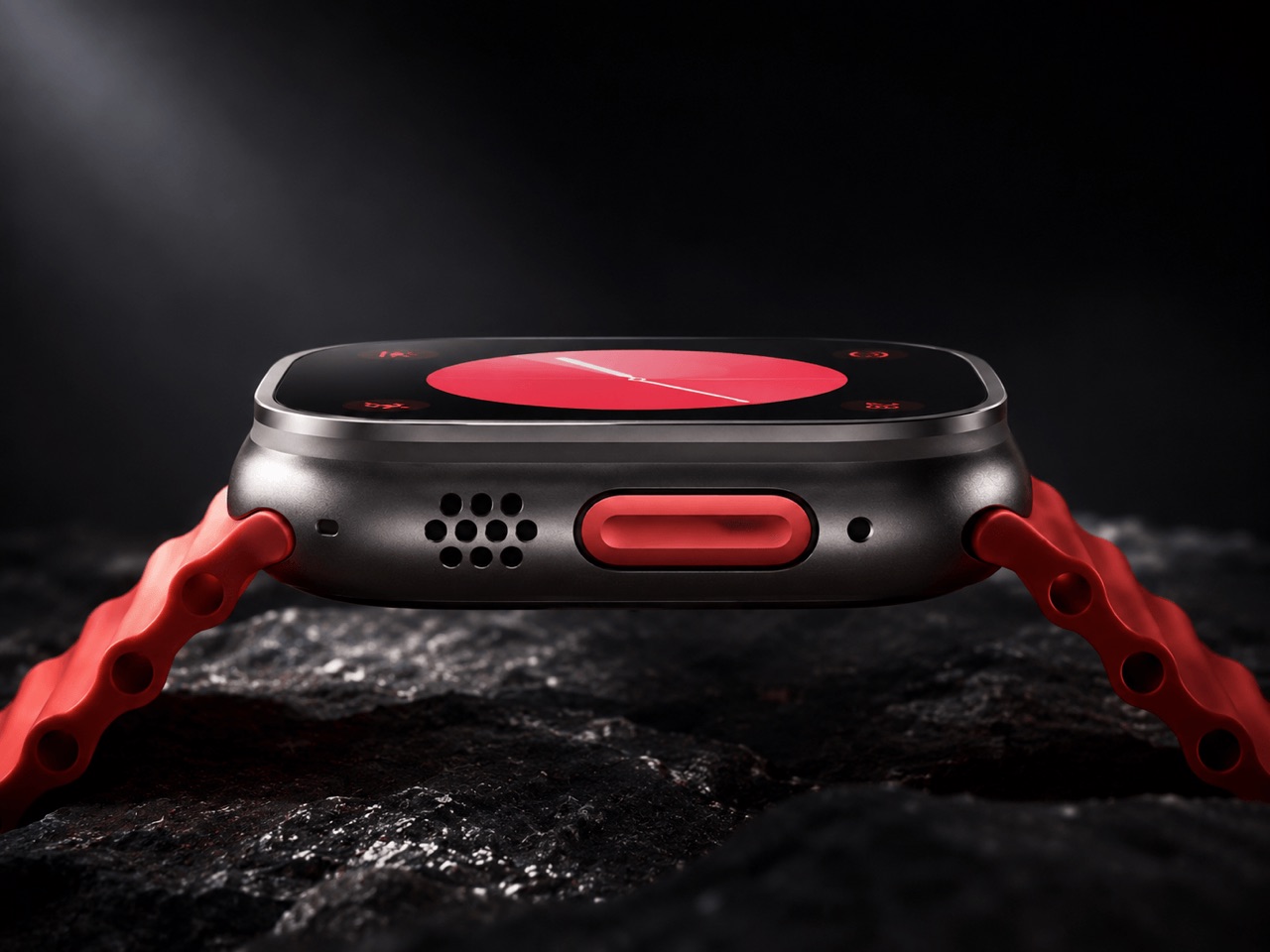
Current leaks point to as many as eight sensors on the back of the Ultra 4, compared to the existing array that handles heart rate, SpO2, wrist temperature, and ECG. The shift Apple appears to be making is away from software-compensated estimations toward hardware-grounded measurements, which matters most for use cases like altitude training and longitudinal hypertension monitoring. The chassis is also expected to get thinner, and that matters more than it sounds: the Ultra 3’s profile is comfortable during workouts and just present enough during overnight wear that some owners skip sleep tracking altogether. A slimmer build addresses that without touching the rugged character of the product. Together, the sensor overhaul and the thinner case are the two changes most likely to make existing Ultra owners seriously consider upgrading.
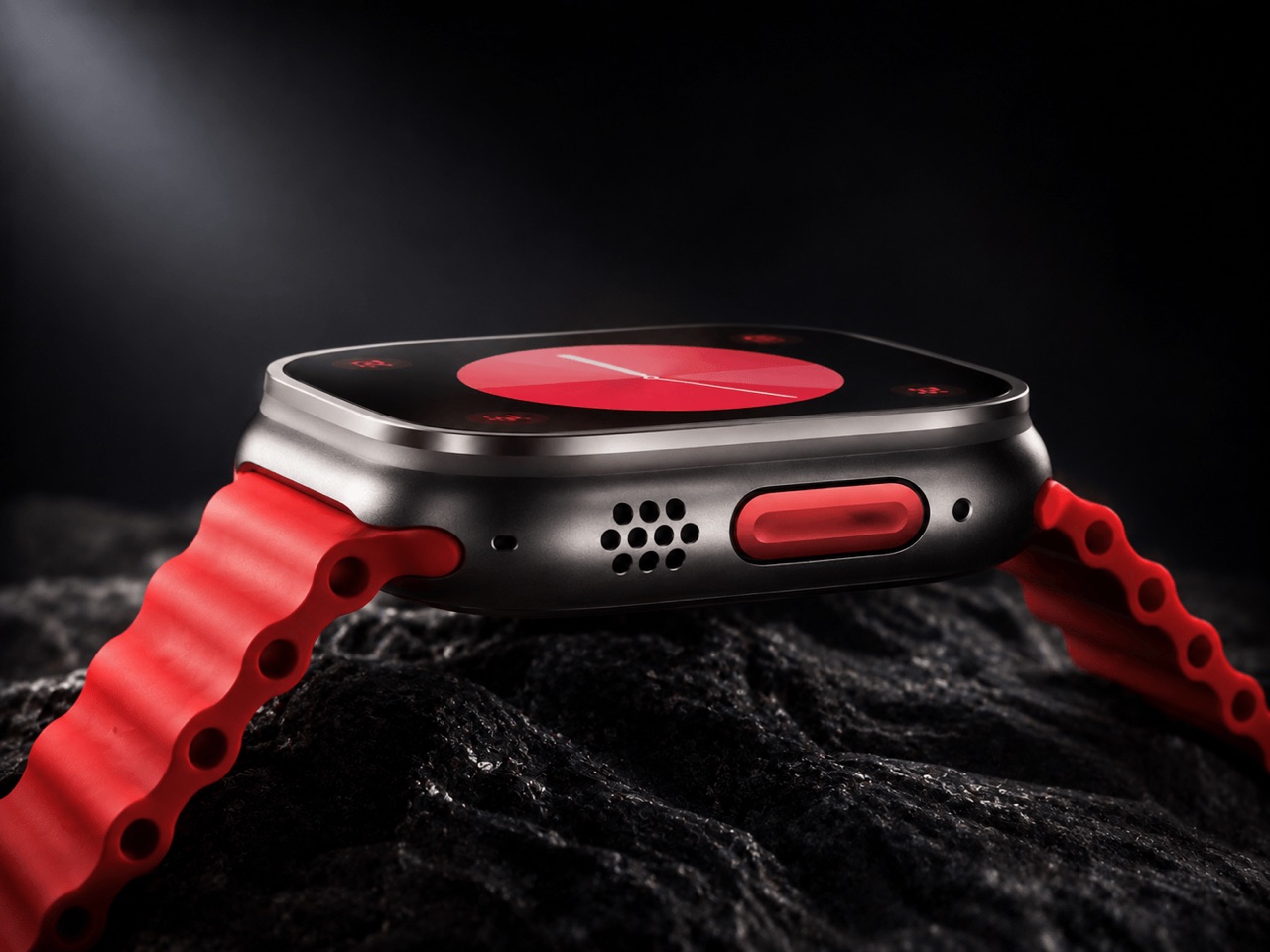
Battery life is expected to hold steady or extend slightly through chip efficiency gains rather than a larger cell, with the Ultra 3’s 42-hour standard and 72-hour Low Power Mode serving as the baseline to beat. watchOS 27 brings a more context-aware Siri with a dedicated watch app, Apple Intelligence across first-party apps, and new perimenopause and menopause tracking in Health. Apple is separately developing a more significant Watch redesign for a later generation, with reports pointing to a round case and a screenless fitness tracker. The Ultra 4 arrives before any of that. Touch ID would have made this generation an easy, quotable pitch; without it, the sensor upgrade, the thinner body, and the software stack carry the argument instead.