Facebook introduced Portal in October 2018, a camera and screen for the kitchen counter that promised to make calling your parents feel a little more like seeing them. The timing could hardly have been worse. Months earlier, the Cambridge Analytica scandal had put a spotlight on how Facebook handled the data it already had, and now the company wanted people to invite one of its cameras into their living rooms. Portal never became a household fixture, and Meta eventually walked away from the consumer hardware. A video phone for the kitchen was a perfectly good idea. The name on the box made it a much harder sell.
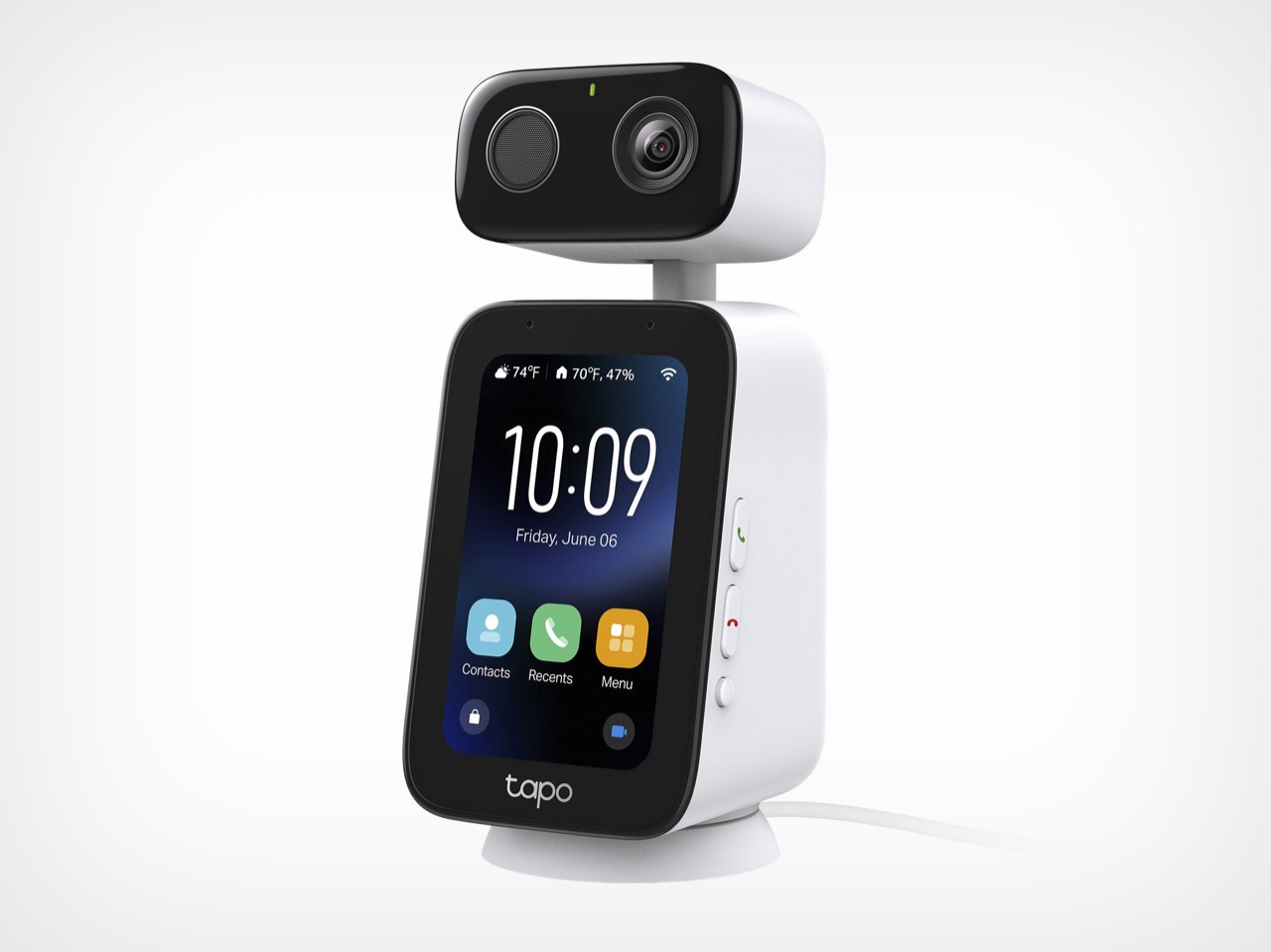
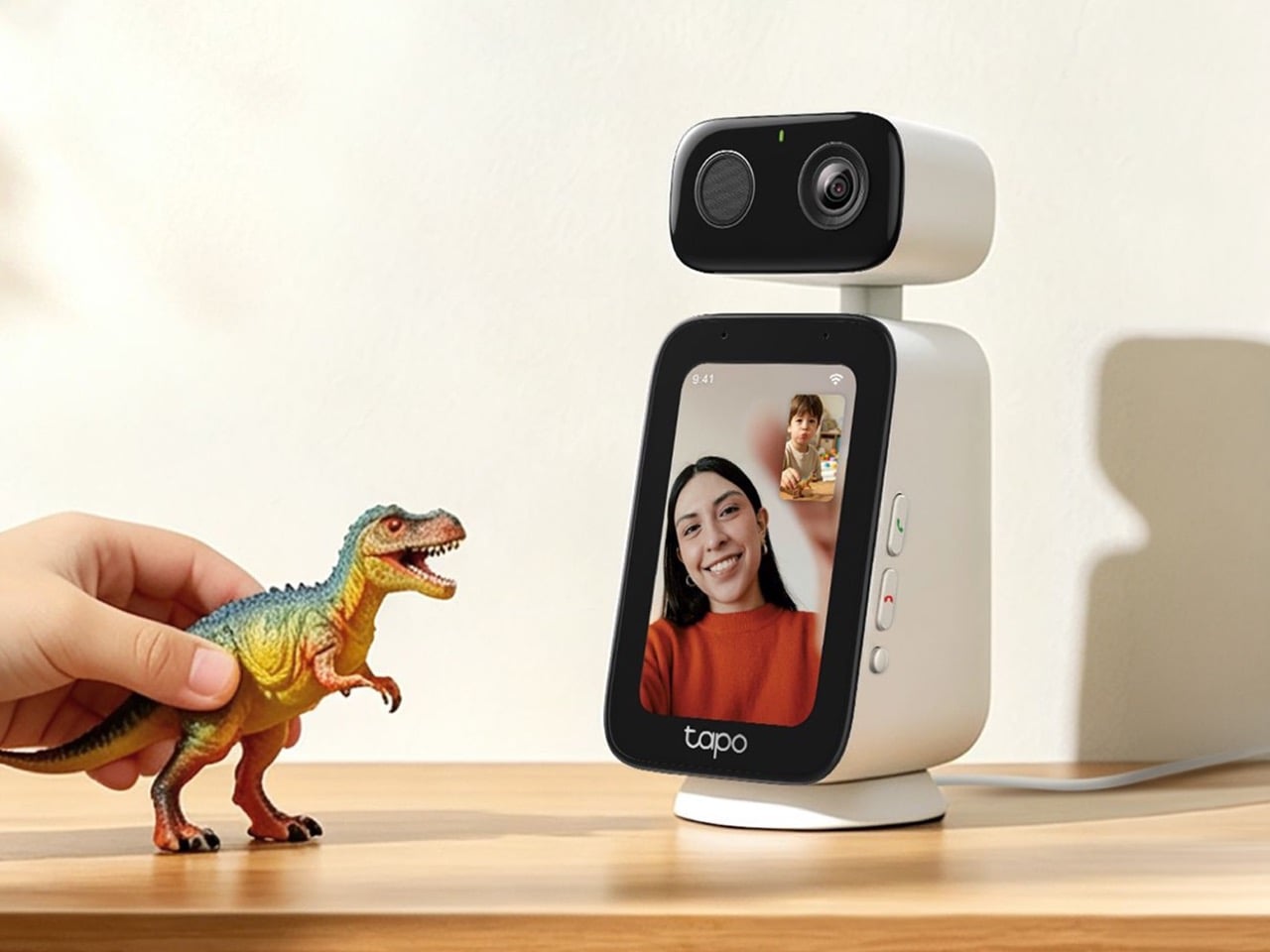
Imagine Portal redesigned by a company that already makes home security cameras, and you’d get something like the Tapo C825. It’s a $149.99 indoor camera with a 4-inch touchscreen and a dedicated call button. The C825 went on sale in the US on November 25, 2026, through Amazon and Tapo’s own store. It comes from TP-Link Systems, the US-based business that separated from China’s TP-Link Technologies in 2024. Put one on the kitchen counter and your kid can call you after school without digging out a phone. Between calls, you can check whether the dog has claimed the sofa again.
Designer: TP-Link Systems
A Security Camera That Picked Up the Phone First
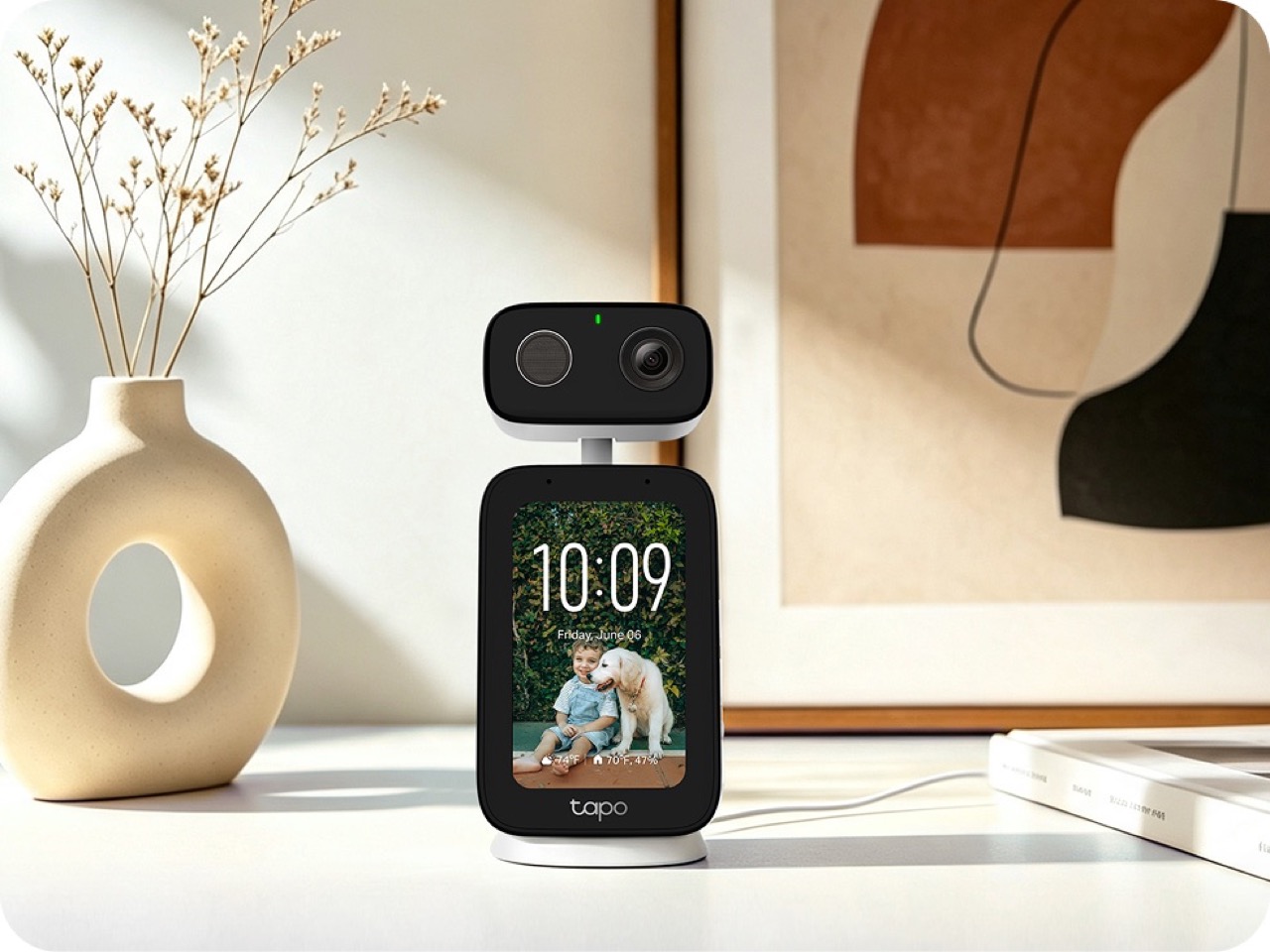
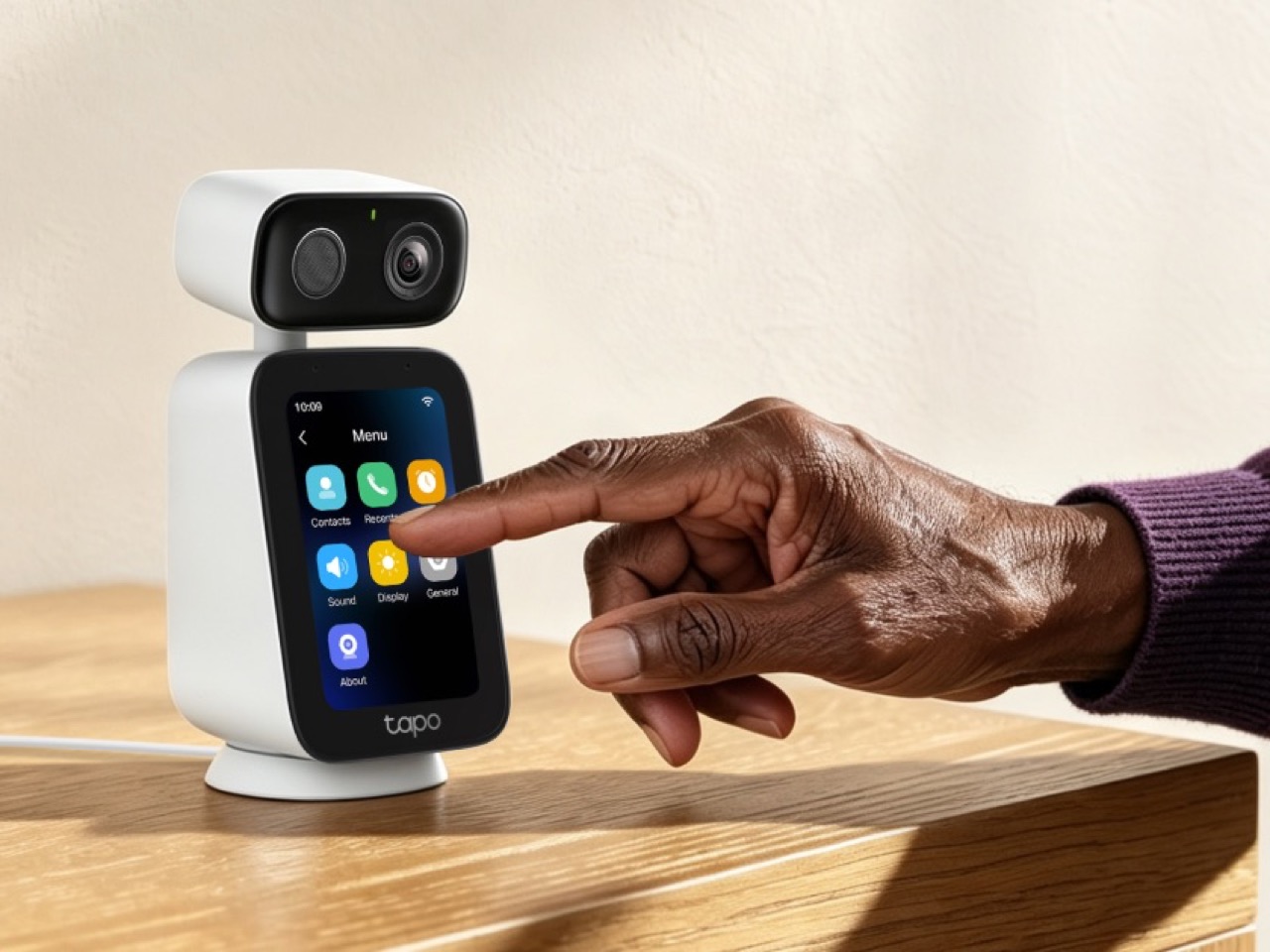
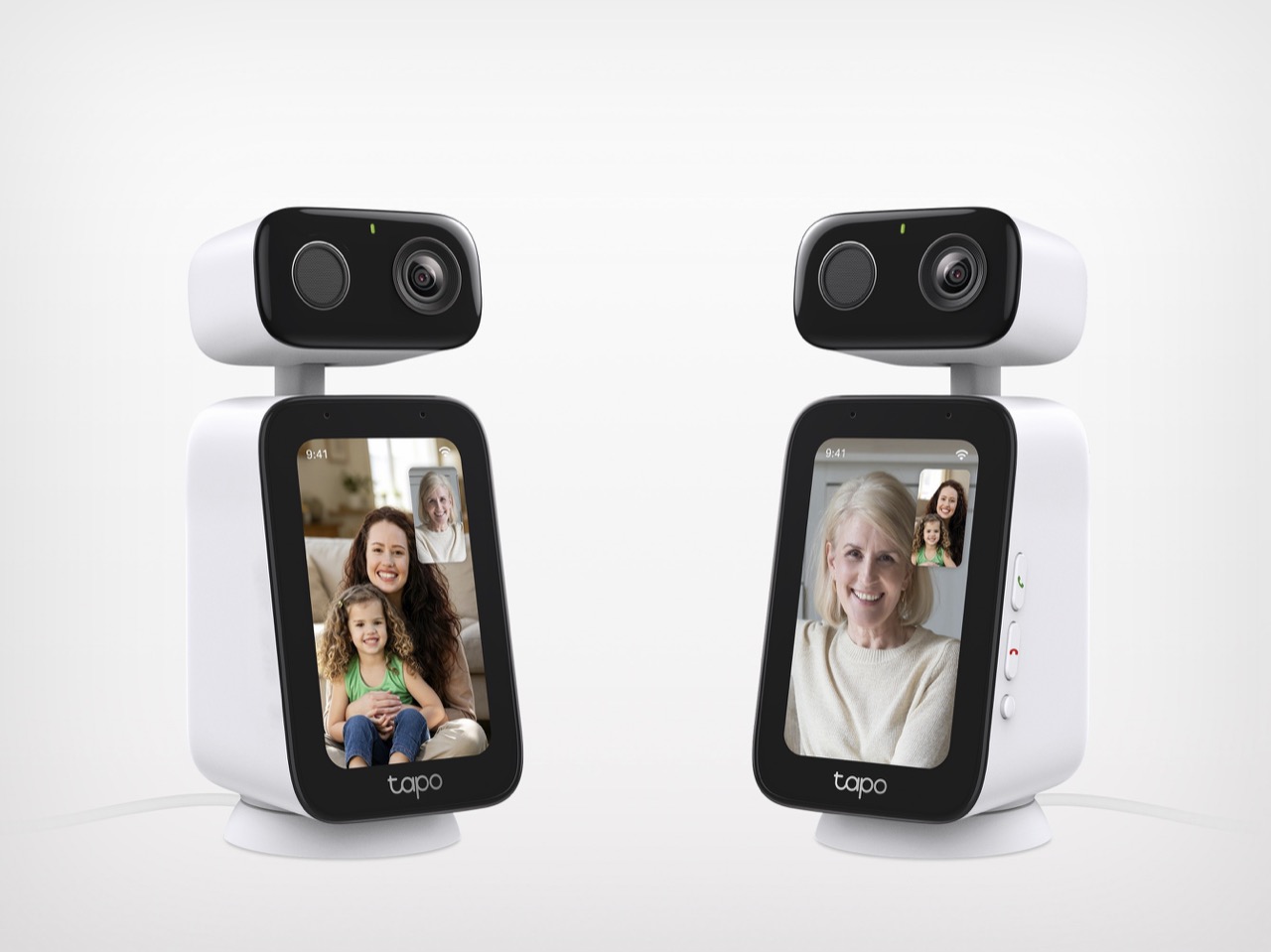
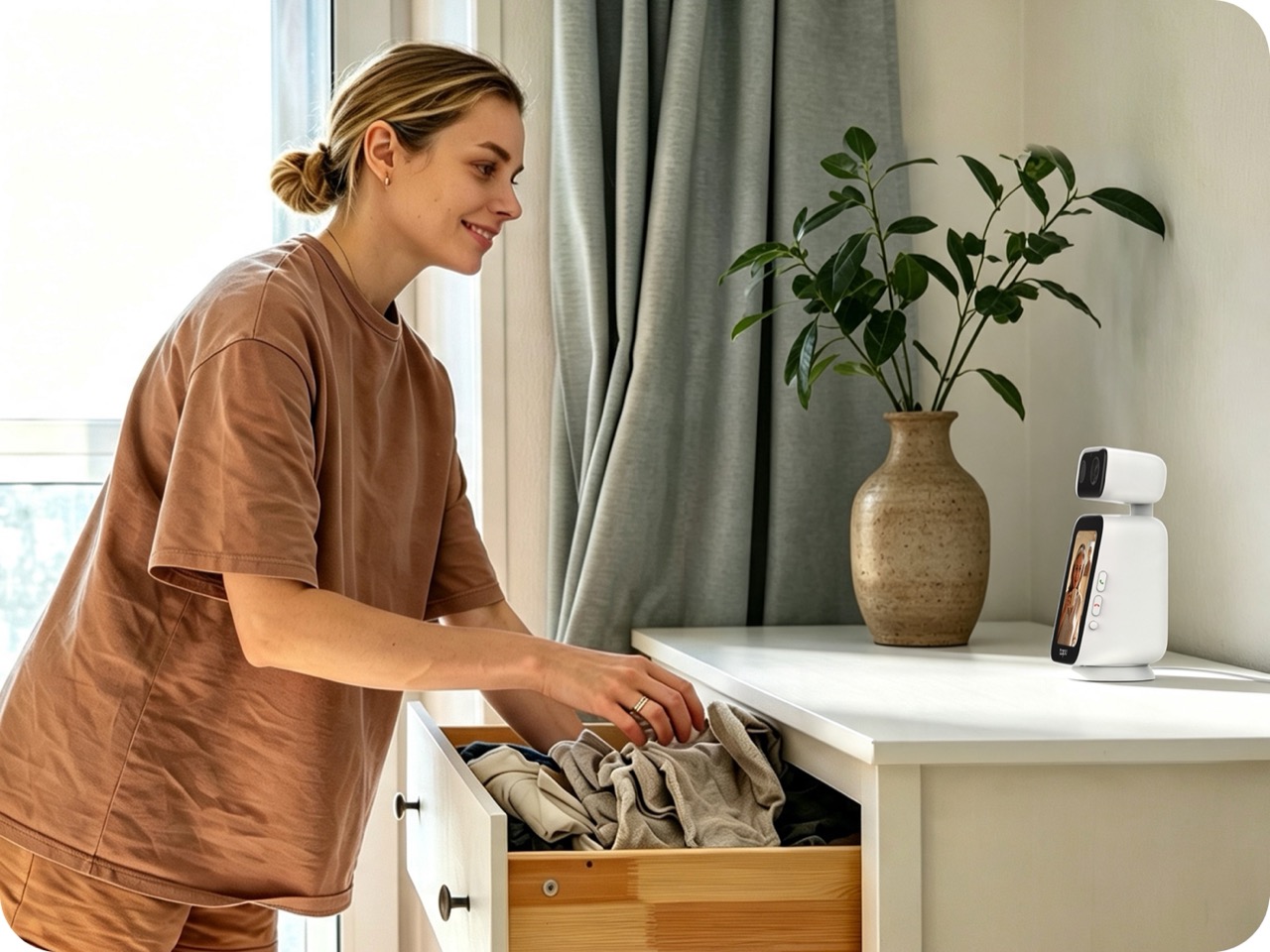
The call button does the heavy lifting. Someone at home can start a video call from the camera, and a family member can answer through the Tapo app. Two C825 units can also call each other, which turns the setup into a sort of intercom between a grandparent’s kitchen and a grandkid’s dorm room. TP-Link lists 360 degrees of horizontal coverage and 156 degrees vertically, and says the motorized camera can follow you during a call. You can keep talking while you move around the kitchen instead of leaning back into frame every time you open the fridge. Between calls, the screen can show photos, the time, or the weather.
An Echo Show starts with the screen. Video calls fit alongside timers, shopping lists, and recipe videos, all things you might want from a gadget on the counter. The C825 starts with a camera that can keep watching after you hang up. Motion detection and privacy zones matter here because the device spends far more time looking at the room than showing you who’s calling. It can also save footage to a microSD card of up to 512 GB without a subscription, so you can go back and see exactly when the dog took possession of the sofa.
The Privacy Gesture You Can Actually Watch Happen
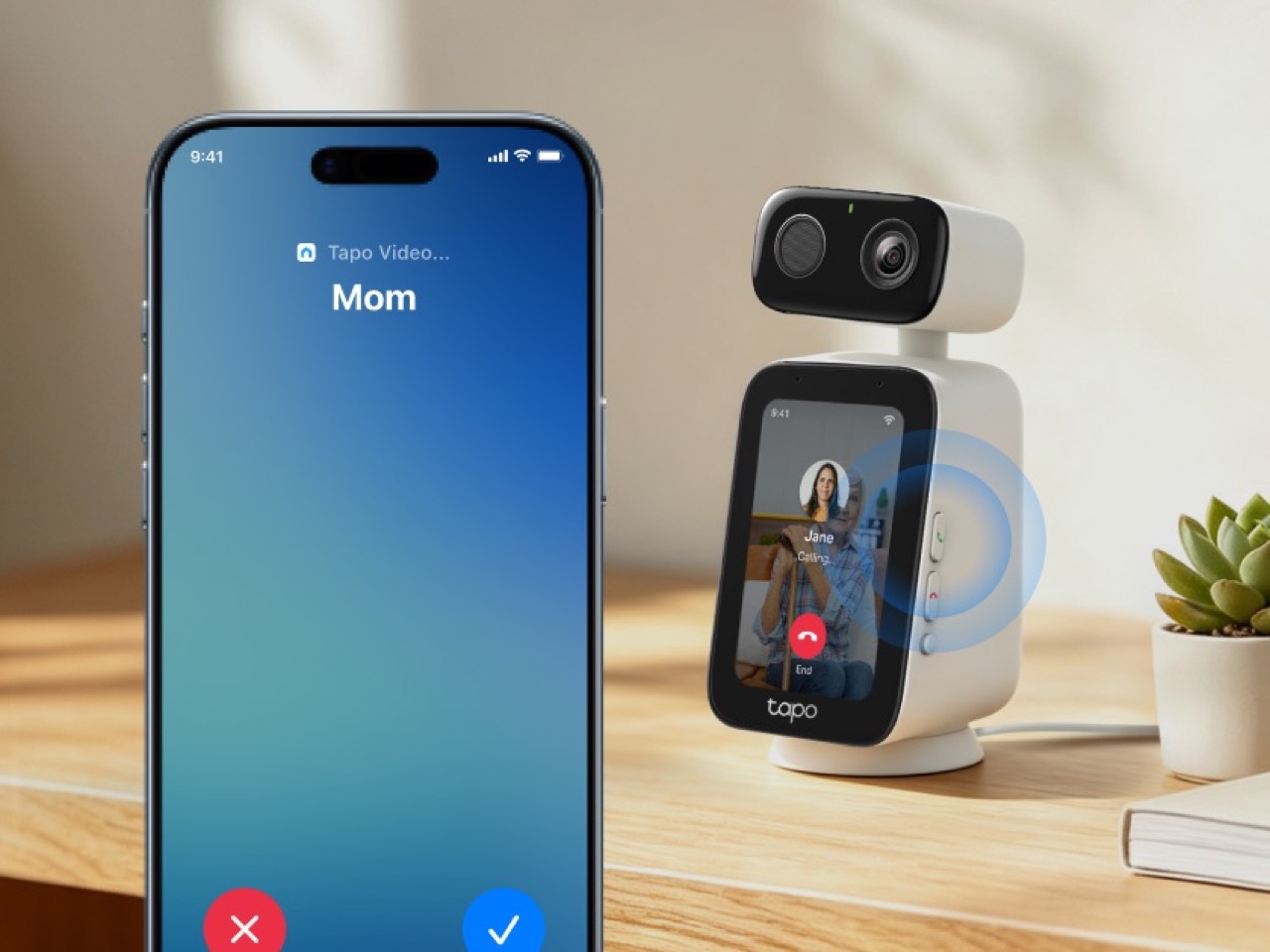
A privacy setting buried in an app does little for the person standing in front of the camera. Switch on Privacy Mode and the C825 tilts its lens upward and out of view. You can see the change from across the room without checking a status light or reaching for your phone. If you’d rather keep the camera running but leave a particular corner out of the picture, you can set a privacy zone. TP-Link says the camera itself handles alerts for people, pets, and sounds such as a baby crying. It also lists facial recognition as unavailable in Illinois and Texas.
The shared TP-Link name can make the US business easy to confuse with the Chinese company it separated from. The name has also drawn US government scrutiny, including a lawsuit from the Texas attorney general alleging national security risks tied to China. Those allegations don’t establish anything about the C825 specifically. The lens movement answers a smaller question that matters when the camera is in your living room: where is it looking right now? How calls are routed and what gets sent to the cloud are separate questions, and you can’t answer them by looking at which way the lens points.
What $149.99 Actually Buys You Here
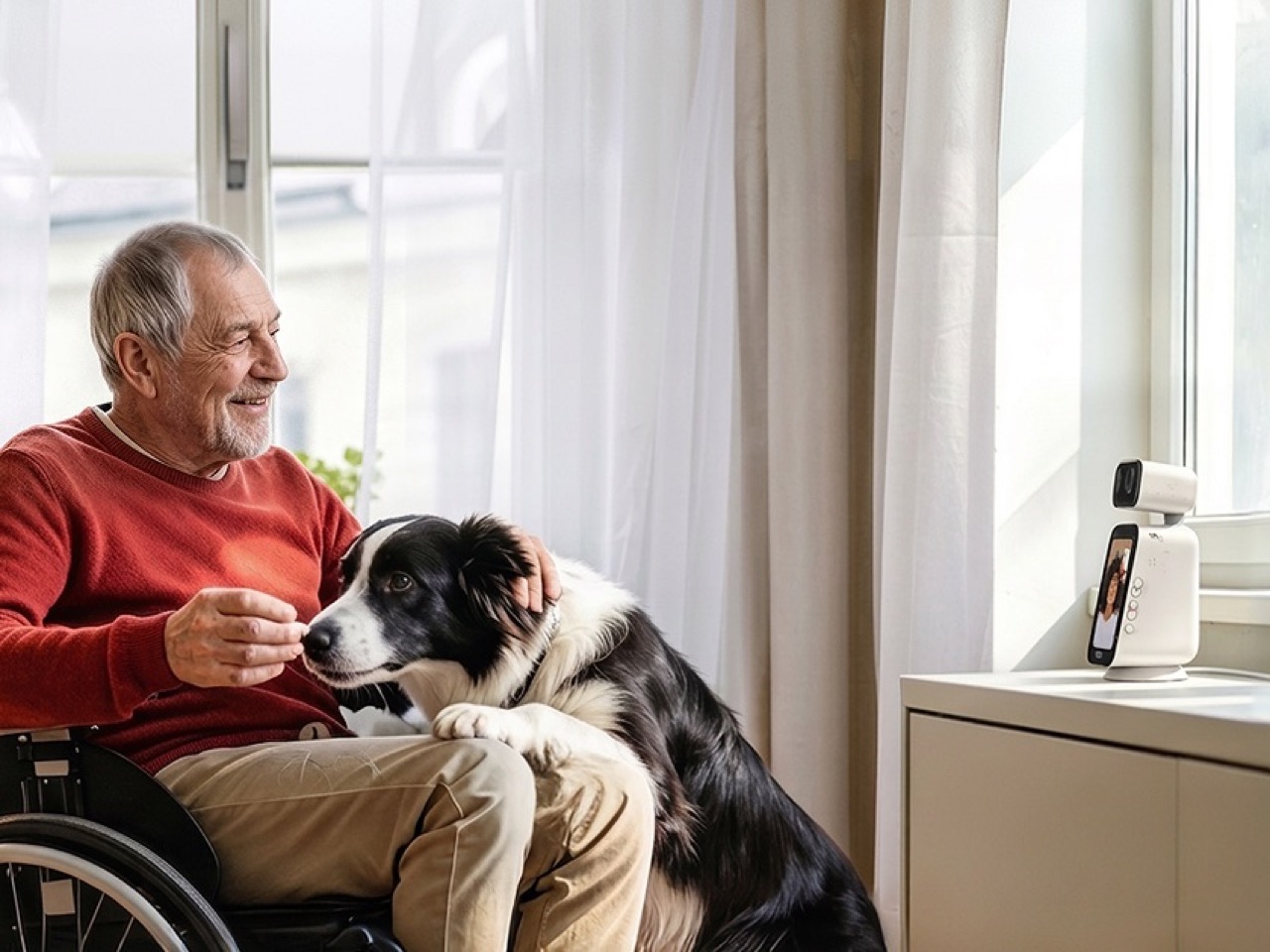
An Echo Show 8 costs around $130 and handles basic video calls without a subscription. A Ring camera makes more sense if all you want to do is watch a room, though saving clips to the cloud typically costs extra. At $149.99, the C825 sits between those use cases. Tapo Care adds optional cloud storage, while a microSD card handles local recording without a monthly bill. The C825 works with both 2.4 GHz and 5 GHz Wi-Fi, and Tapo sells it in packs of two or three. A second unit makes the most sense when both households want a call button they can reach without finding their phones first.
Portal had to convince people they needed a dedicated screen for a job their phones already did. The C825 has something to do between calls, which gives it a better reason to stay plugged in on the kitchen counter. The harder part is making the switch between its two jobs feel natural. A kid should know which button to press to call home. A grandparent should be able to tell at a glance when the camera has stopped watching. Those are small design decisions, but they’re what make the difference between a family video phone and a security camera everyone learns to ignore.