

AI has plenty of serious questions to answer, from copyright and environmental costs to privacy. There’s also a more everyday hurdle: for many people, AI feels impersonal. An assistant might be useful for a quick task, but it doesn’t necessarily feel like something you’d want to carry around. Meta’s upcoming Muse Charm takes a different approach. It puts an AI agent in a tiny device and gives it a character you can get to know.
Muse Charm is a keychain-sized handheld device built for Muse, Meta’s AI agent. Rather than unlocking your phone and opening an app, you’re meant to reach for the Charm when you want to talk to Muse. You can still use the agent on a smartphone, so the device isn’t your only way in. Its pitch is simpler access: help that’s close at hand when a question or task comes up.
Designer: Meta
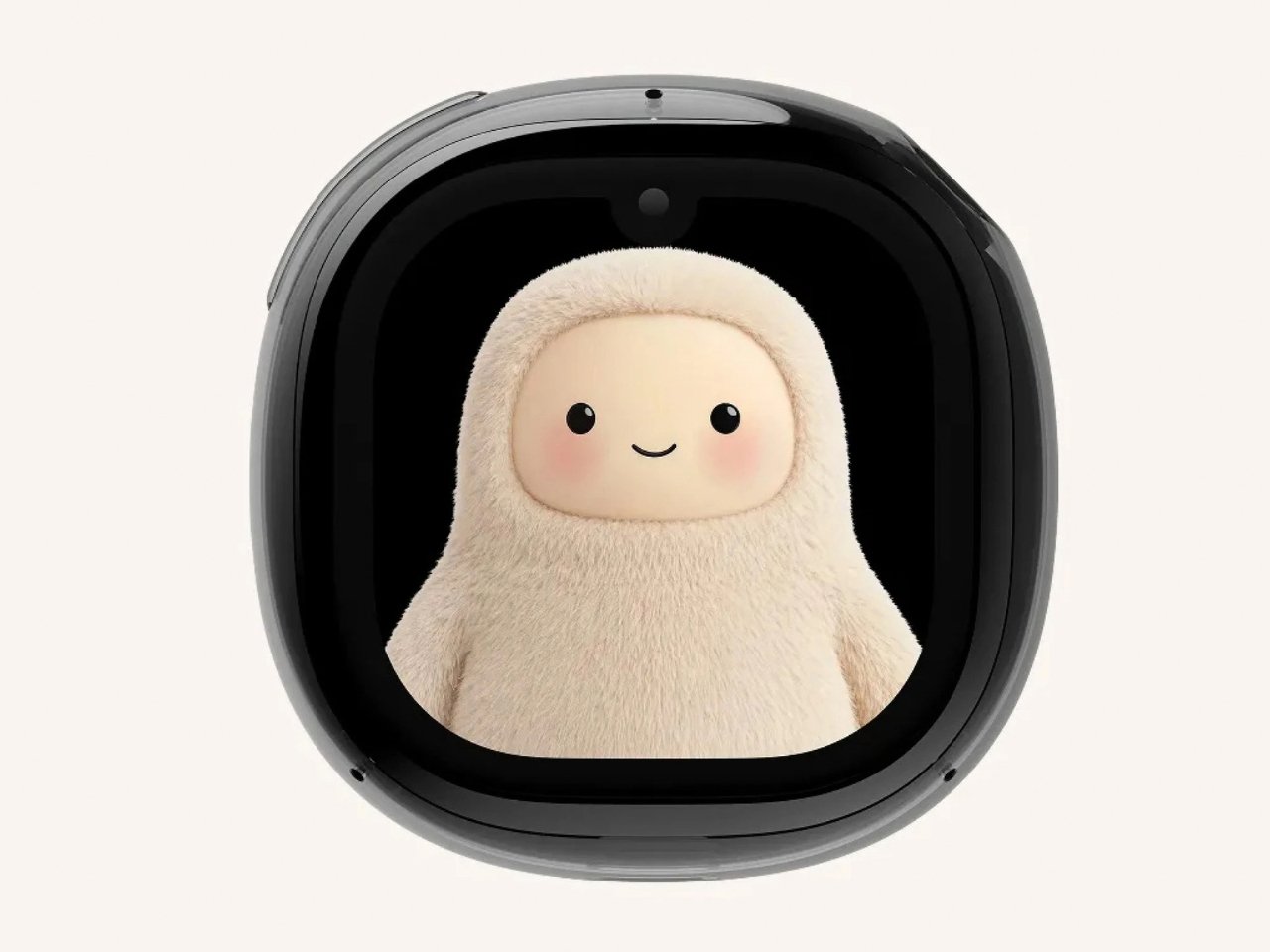
The Charm’s rounded-square, or “squircle,” shape gives it something of a Tamagotchi feel. In Meta’s released image, a dark screen and rounded casing frame a small beige character, while a cord hangs from the device. It looks more like a playful accessory than a miniature smartphone. That distinction matters: Meta isn’t just shrinking another screen. It’s trying to make an AI assistant feel approachable enough to bring along throughout the day.
The character is a fuzzy-looking on-screen mascot, not a plush covering for the device. Users can give it a name, adding a personal touch to an assistant that might otherwise appear as text or an abstract icon. Meta describes the Charm as a way to connect with Muse through voice, touch, and a camera. Together, the character and the small form factor turn a practical tool into something that resembles a digital companion, at least in appearance.
That cuteness is doing more than making the product photogenic. It gives Muse a recognizable identity and offers a gentler introduction to technology that some people find unsettling. Still, a friendly face is a design choice, not a solution to concerns about AI. Whether people come to trust Muse will depend less on how charming its avatar looks than on what the agent does with the access they give it.
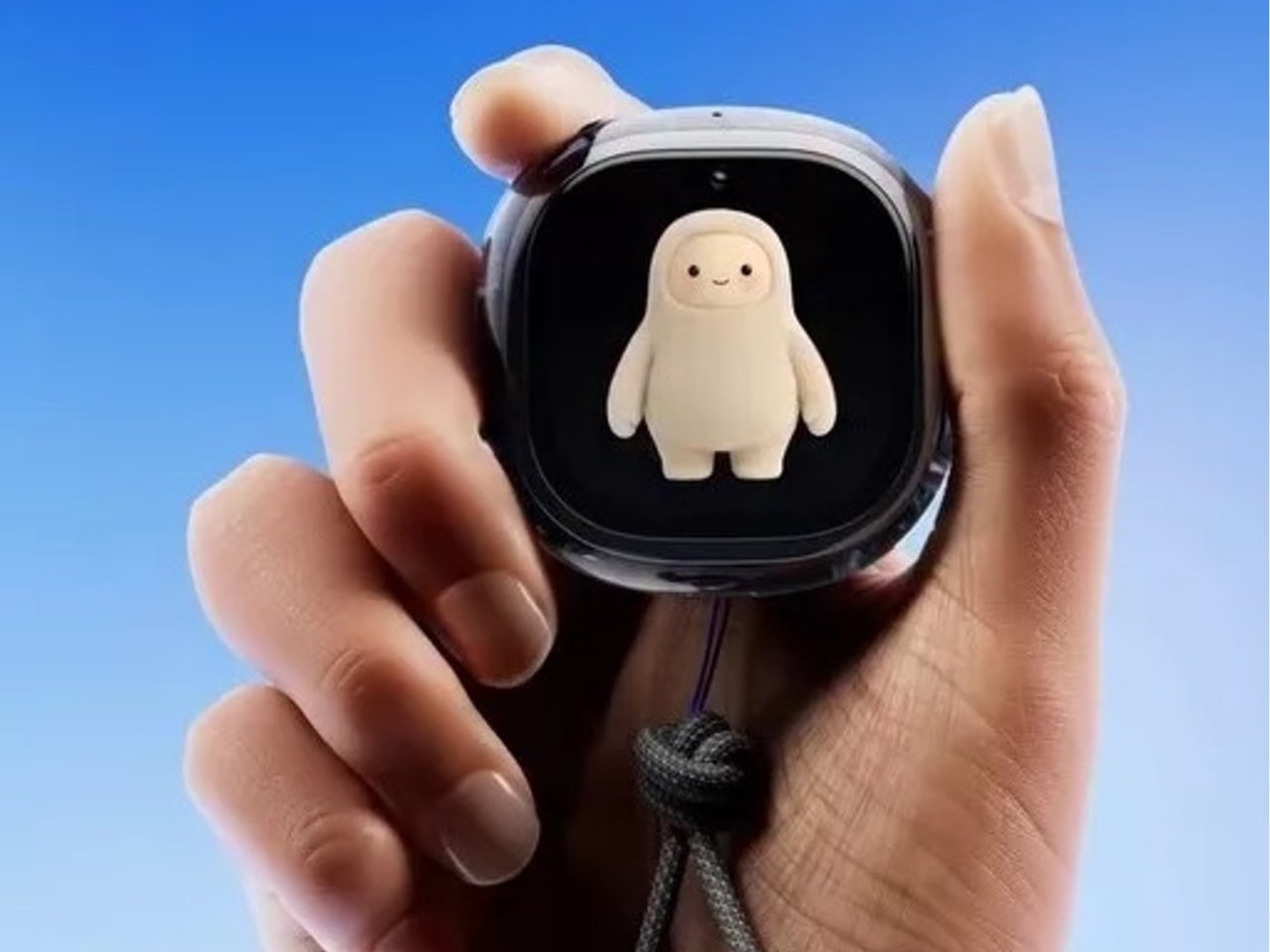
Muse is intended to do practical work. The agent can read emails, book classes, draft documents, and make purchases, though Amazon has blocked purchases through it. Those are capabilities of Muse the agent; they shouldn’t be mistaken for a promise that every task can be completed entirely on the Charm without using another device. The benefit for users would be getting help with small jobs as they arise, rather than saving them all for a later phone session.
Picture remembering an errand while you’re out, or wanting to ask a question without opening your phone and getting pulled into notifications. That’s the problem Charm is designed to address. It could also appeal to someone trying to spend less time looking at a phone, although it’s too early to say whether owning another screen would actually reduce screen time. Its usefulness will come down to how smoothly those quick interactions work in real life.
Convenience has a trade-off. To work across email, shopping, and other services, Muse may need access to accounts and personal information. Readers will want to know what permissions they’re granting and how much control they retain over the agent’s actions. The Charm’s camera also makes privacy an important question to explore, rather than something its cheerful design can answer.

For now, Muse Charm remains a forthcoming product. Meta was still finalizing its materials and components when it was announced, had not provided a price, and was aiming to ship in time for the 2026 holidays. That leaves the biggest question open: will people find it easier to use than the phone they already carry? If Meta gets that right, the cute mascot may draw people in. The everyday usefulness of Muse will give them a reason to keep it close.