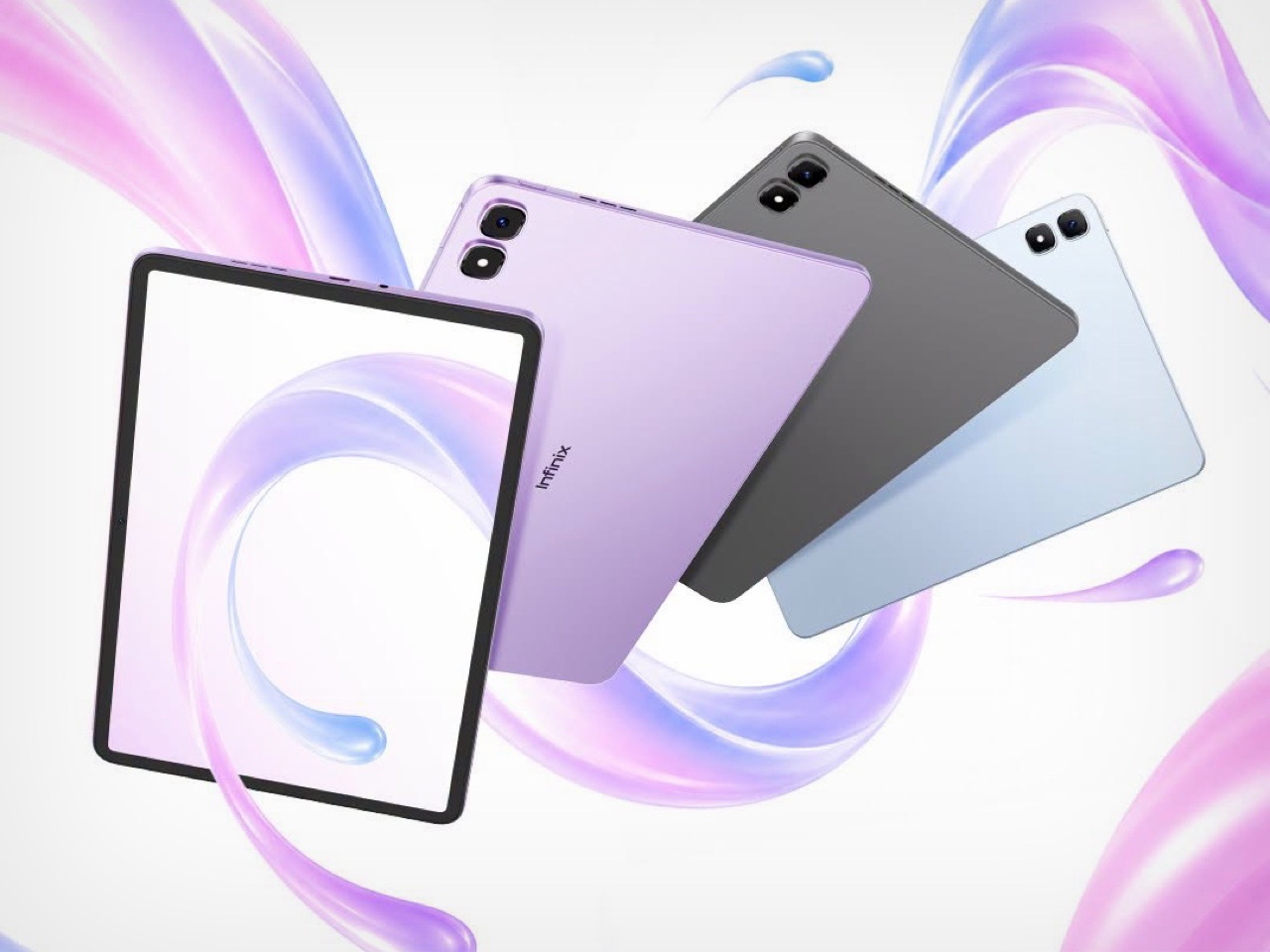
Walk into any Best Buy this holiday season and try to buy a decent tablet without spending a car payment. I’ll wait. The base iPad now starts at $449, the iPad mini sits at $599, and an 11-inch iPad Air will run you $749 before you’ve even glanced at a stylus. Meanwhile, over in the Philippines, Infinix just launched the XPAD 30 for PHP 9,149, which works out to about $145. For that you get an 11-inch 90Hz display, 4G LTE, a 7,200mAh battery, and room for a 1TB microSD card.
The XPAD 30 makes a pretty strong case that pricey tech is a business decision dressed up as destiny. Yes, memory chips got expensive this year. Yes, Apple says it has never seen component prices climb this fast. But a brand selling mostly to price-conscious buyers across Africa and Southeast Asia still figured out how to ship a big-screen Android tablet with LTE for less than a nice pair of earbuds. That tells me the $150 tablet is very much possible, and most brands have simply lost interest in making one. Sadly it’s a Philippines launch for now, so US readers will have to admire it from the comfort of their $449 iPads.
Designer: Infinix
Where Your $145 Actually Goes
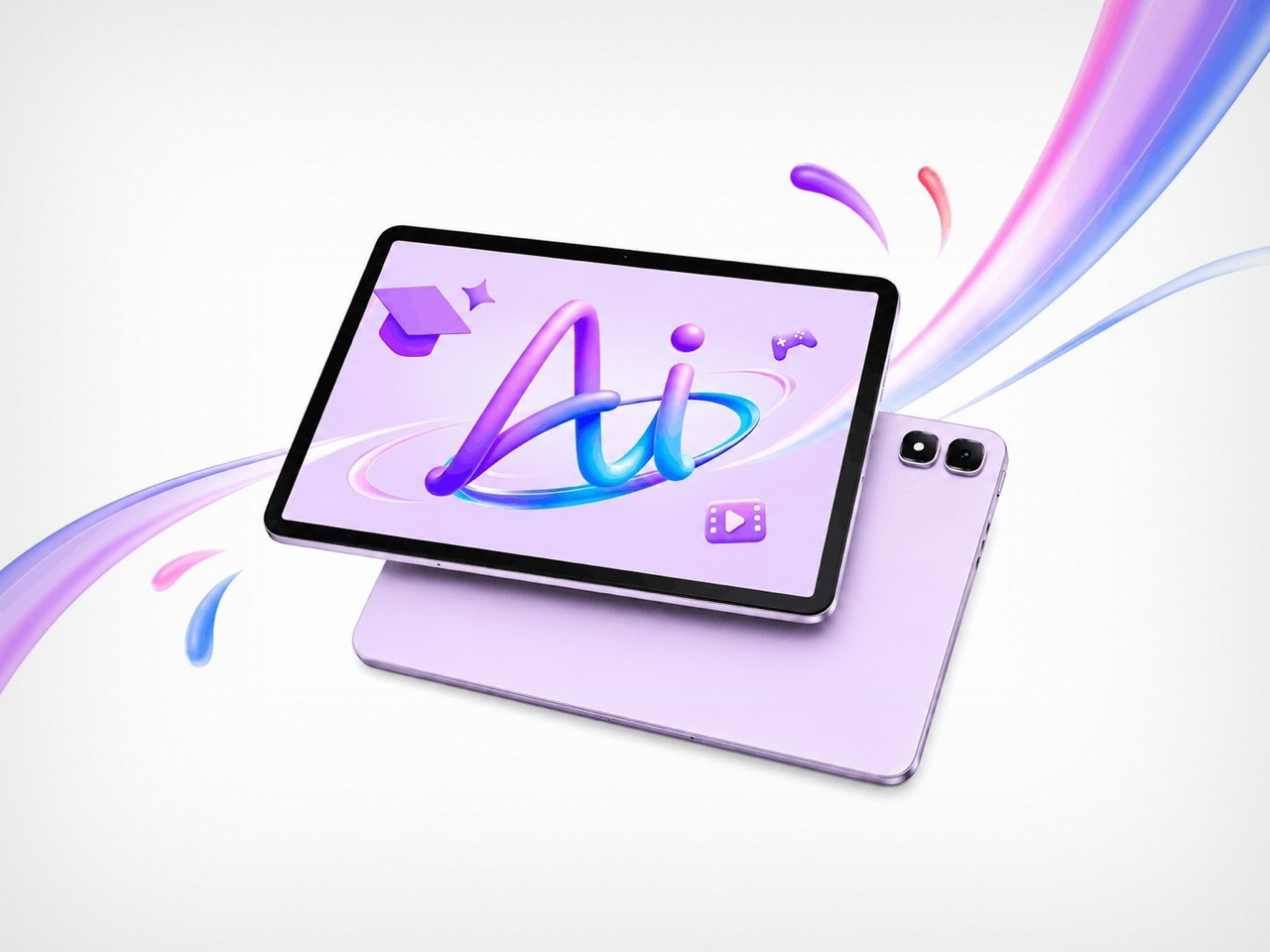
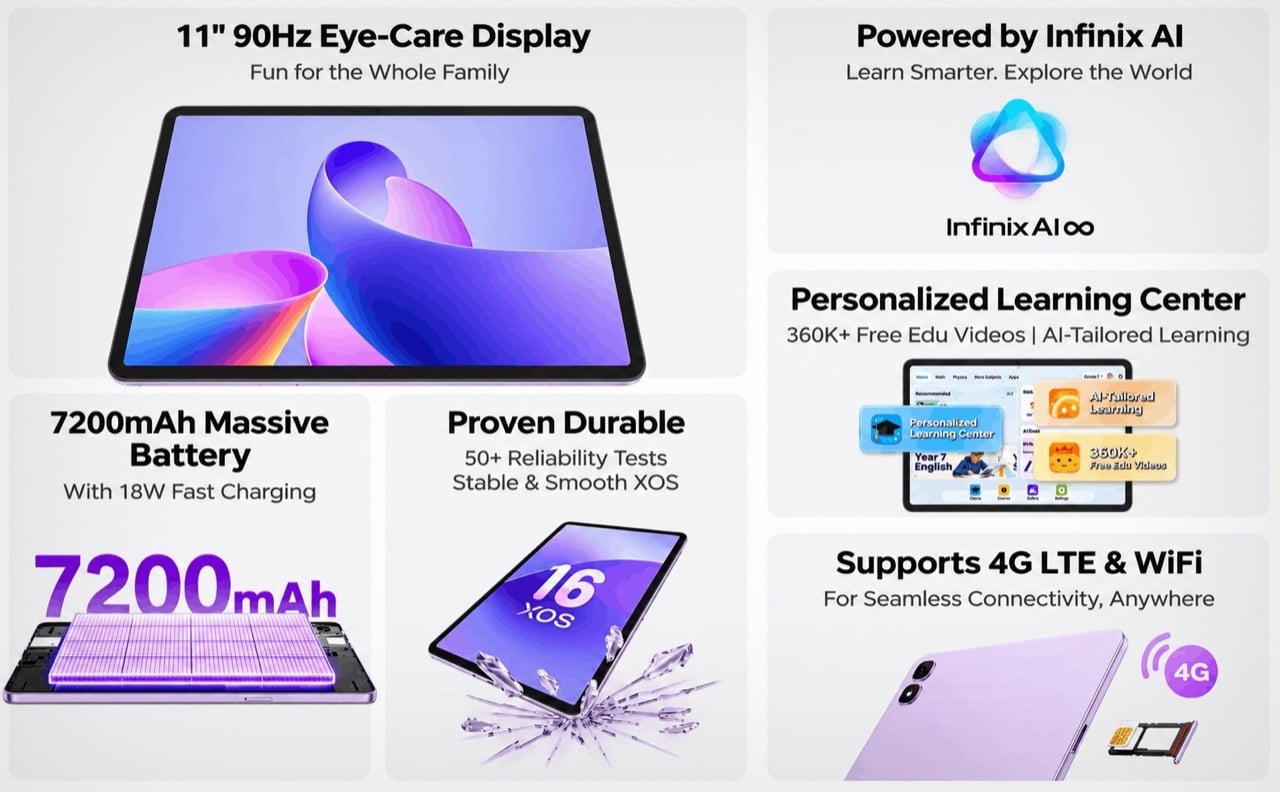
The screen gets the biggest slice of the budget, and it shows. It’s an 11-inch 1,920 x 1,200 panel running at 90Hz, a faster refresh rate than the 60Hz screen on Apple’s $449 iPad. That difference shows up every time you scroll through a recipe or a 40-tab research spiral, because motion simply looks smoother. Infinix rates it at 450 nits of typical brightness, with TÜV Rheinland Dual Eye Protection certification for easier late-night YouTube sessions. Add a 7,200mAh battery, stereo speakers, and a SIM slot for 4G LTE, and you’ve got a tablet that works on a bus, in a classroom, or on a couch with spotty Wi-Fi.
The savings come out of the silicon. Infinix uses a MediaTek Helio G88, an older octa-core chip with Mali-G52 graphics, paired with 4GB of RAM and 128GB of storage. That handles streaming, reading, video calls, and Google Docs just fine, though heavy 3D games will make it sweat. Infinix’s Extended RAM feature borrows storage as backup memory to reach 8GB, which keeps more apps open at once, just more slowly than real RAM would. The 1TB microSD slot means a whole season of downloaded shows, or a semester of lecture recordings, without touching internal storage.
Built for Homework, Priced for Students
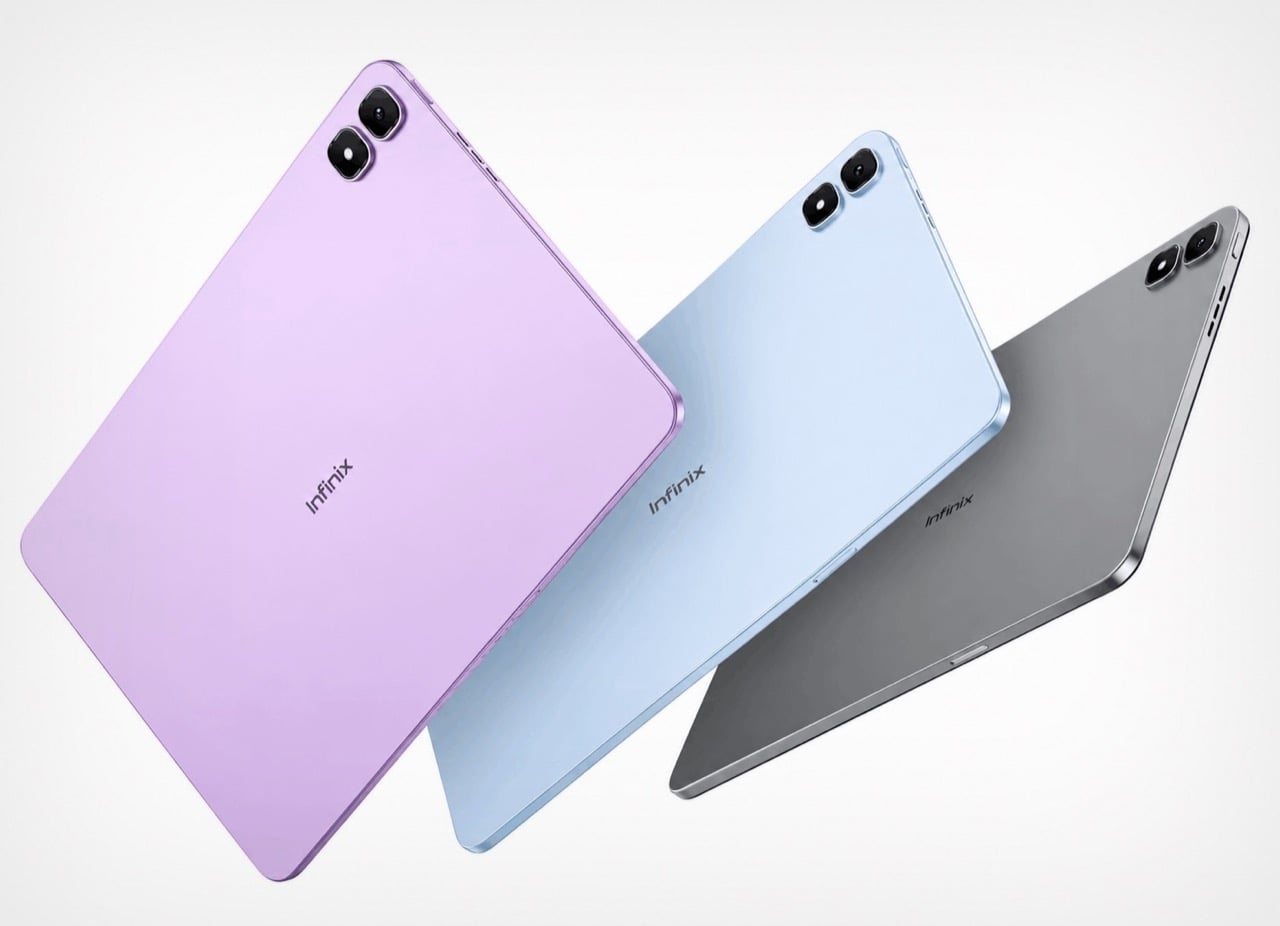
Students are the obvious target, and the XPAD 30 ships with Android 16, Infinix’s XOS 16 skin, and AI tools like Snap for Answers, One-Tap Ask Screen, and AI Writing. A built-in Personalized Learning Center serves up more than 360,000 free educational videos and resources. Google Classroom, Play Books, and YouTube Kids come preinstalled, so the setup on day one is basically signing in. Parents get remote controls for screen time, apps, and content, which is the stuff families actually shop for. It comes in Lunar Lilac, Stellar Grey, and Cloudline Blue, three colors that look friendly without screaming “toy.”
Amazon’s Fire HD 10 is the closest thing US shoppers have at around $139, but it runs Fire OS, skips the Google Play Store, and nudges you toward Amazon’s storefront at every turn. Samsung’s Wi-Fi Galaxy Tab A11+ lists at $249.99, the 2026 Moto Pad matches it, and stepping up to cellular on the Samsung costs $279.99. The XPAD 30 gives you full Google Android, LTE, and a 90Hz screen for over $100 less. Want more? Infinix also sells the XPAD 30 Pro, with a sharper 2.5K display, a Helio G200 chip, and an 8,200mAh battery, for PHP 13,999, or roughly $220.
Cheap Tablets Are a Choice, and Most Brands Stopped Making It
Memory makers are having a record year, and consumers are footing the bill. As AI data centers hoover up high-bandwidth memory, Samsung, SK Hynix, and Micron have shifted production toward it, squeezing supply of the regular RAM that phones and tablets use. SK Hynix just posted an 80% operating margin, and Micron earned $37.7 billion in a single quarter. Device makers passed those costs along, with Apple raising prices on everything from iPads to the Apple TV. Infinix’s parent company Transsion felt the same squeeze, with memory eating nearly half its cost of goods early this year, and it still shipped a $145 tablet.
Fifteen years ago this week, Amazon shipped the original Kindle Fire for $199, and Google matched that price with the Nexus 7 the following summer. A cheap, capable tablet was the default back then, a gadget you could gift without a second thought. The XPAD 30 proves that default can still exist in 2026, as long as a company decides it wants to make one. It’s available now in the Philippines through Infinix’s official stores on Shopee, Lazada, and TikTok Shop, with a free protective case while stocks last. The rest of the industry could take notes, though I suspect they’d rather take your $449.