Anyone who has hauled a flat-pack bookshelf up three flights of stairs knows the routine. You unbox forty identical-looking parts, squint at a wordless instruction sheet, and by hour two you’re gripping an Allen key like it personally wronged you. A year later, the particleboard swells near a window, a screw strips out, and the whole thing wobbles until it ends up on a curb with a “free” sign taped to it. That has quietly been the trade-off behind affordable, shippable furniture for decades: cheap to move, disposable by design.
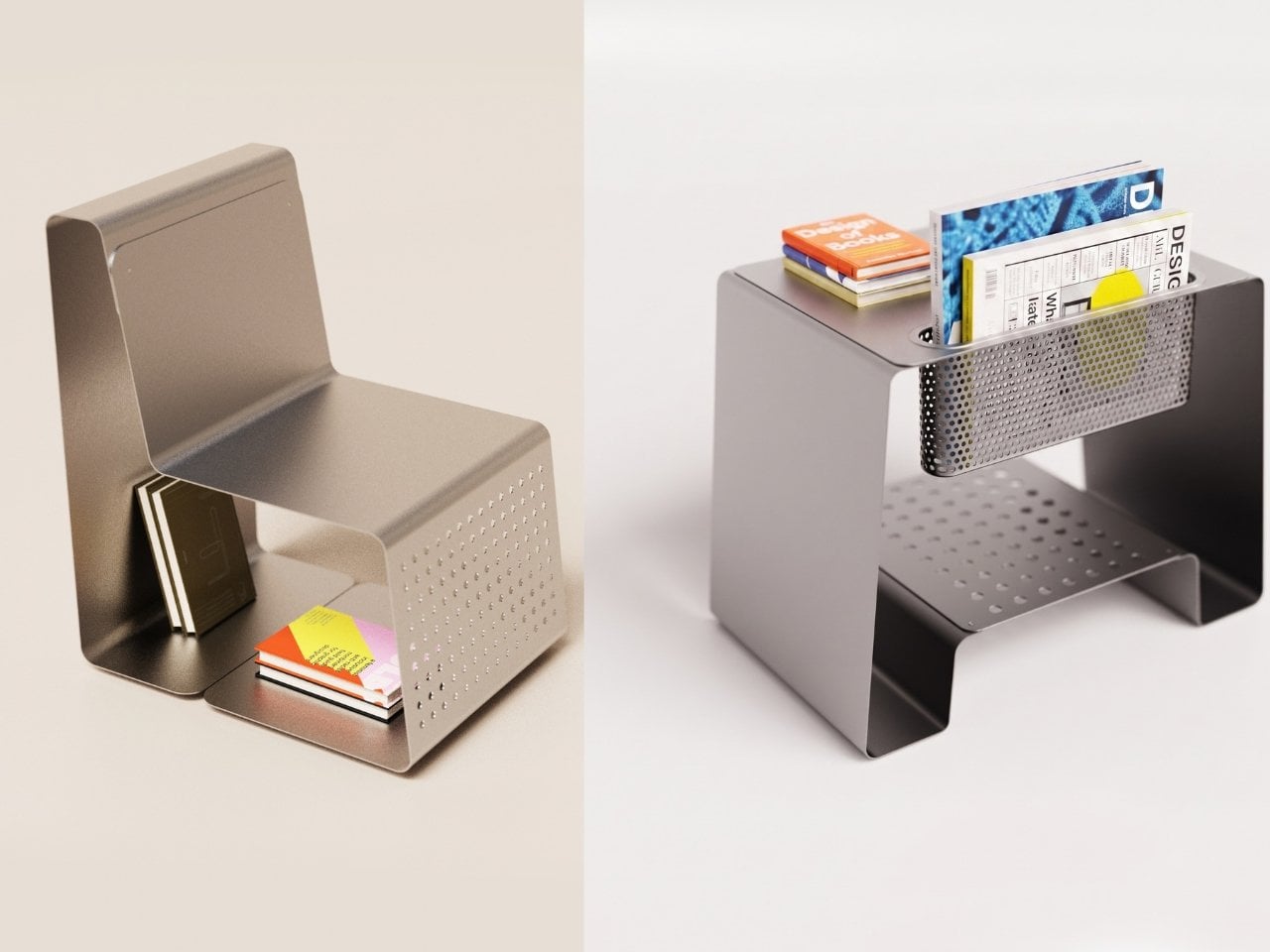
Turkish industrial designer Gokce Nafak seems to have grown impatient with that compromise, and her two newest pieces, Platea and Vault, treat sheet metal the way most brands treat particleboard, except the metal actually holds up. Both pack flat, both go together without a booklet the size of a novel, and neither one pretends that easy shipping has to mean a short lifespan.
Designer: Gokce Nafak
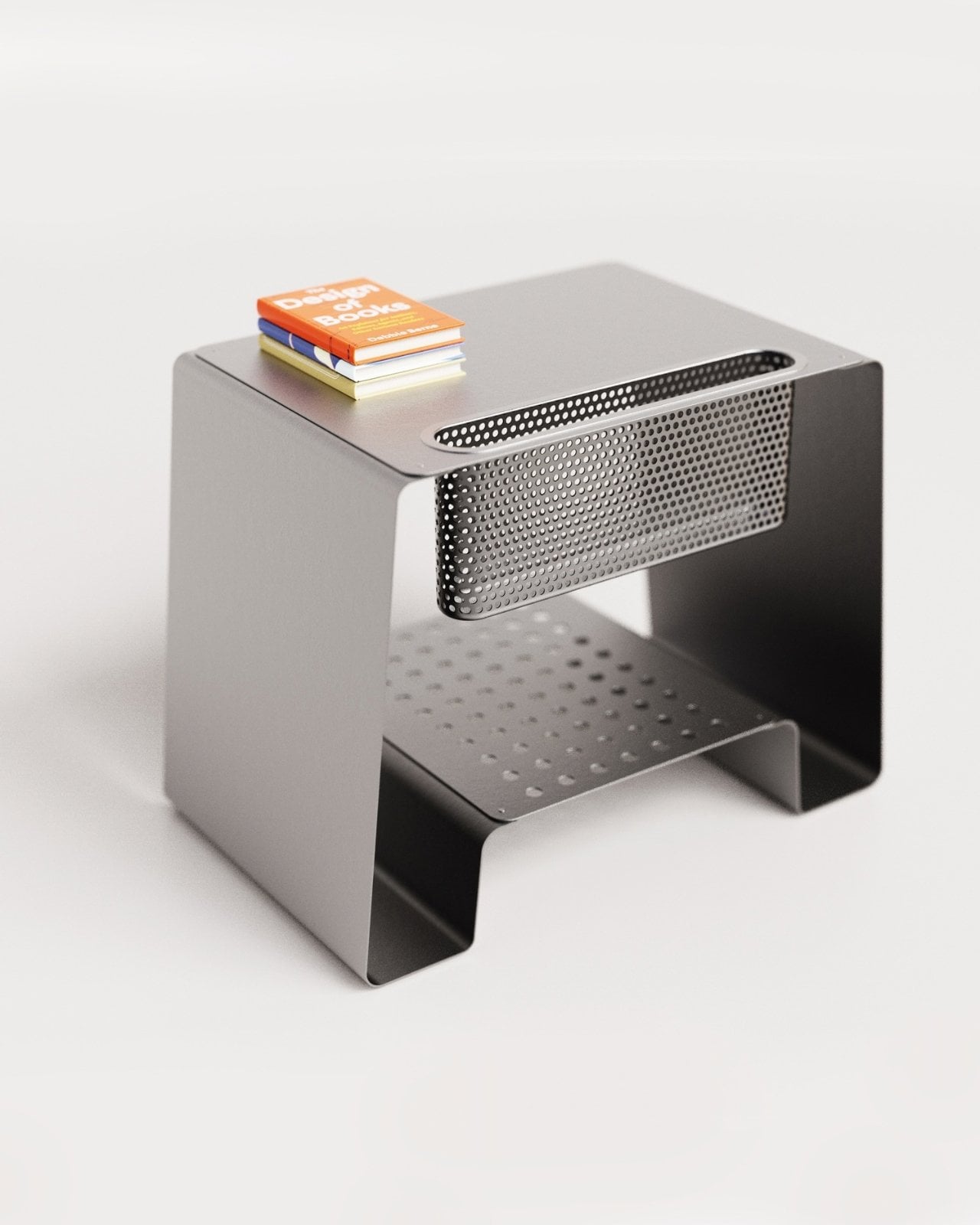
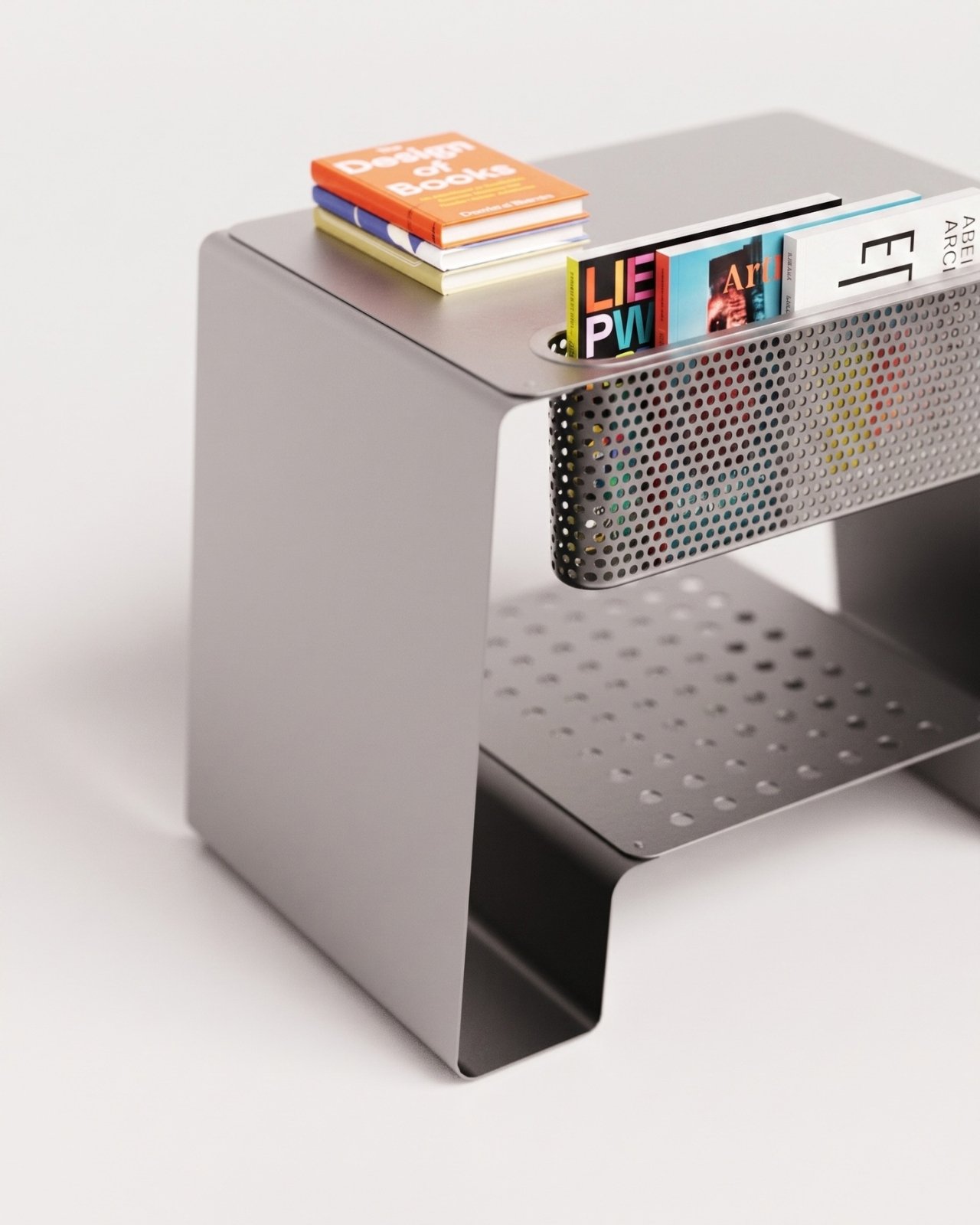
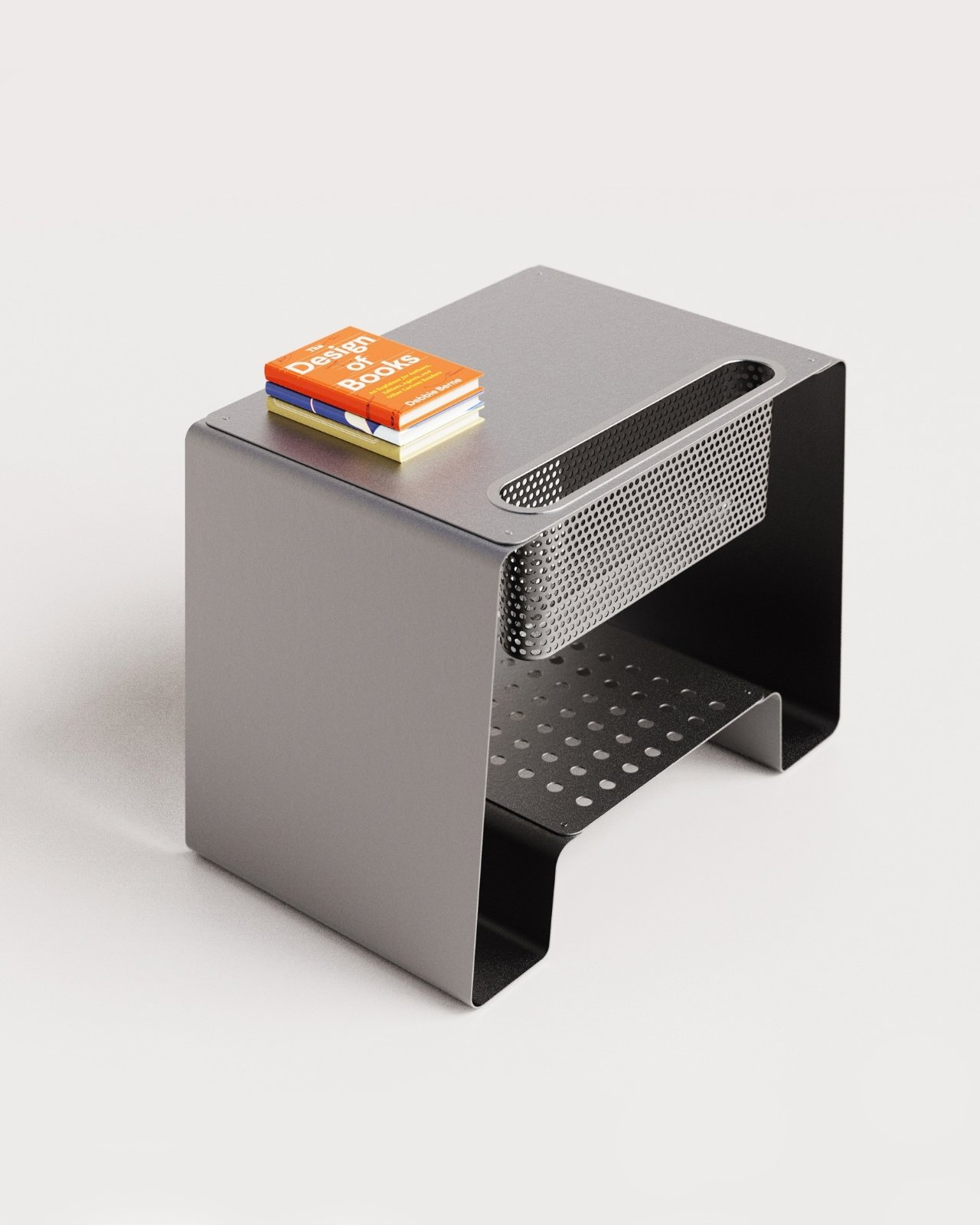
Platea started life as a stool and side table built from four sheet metal components, cut with CNC lasers and shaped on a press brake, then flat-packed for shipping and assembled by hand. No adhesive, no particleboard dust, no hardware bag with three mystery screws left over. The pieces slot together with the kind of tolerances that only come from someone who has spent real time thinking about how metal bends and where it wants to meet itself. It reads as a stool first, but the same frame doubles as a side table, which matters more than it sounds like it should when you’re trying to furnish a small apartment without buying five single-purpose objects.
Vault pushes the same idea into seating. It’s built from three primary metal components and leans further into an industrial look, exposed edges, visible seams, a silhouette that doesn’t try to soften what it’s made of. Where a lot of furniture hides its construction under upholstery and veneer, Vault puts it on display. I like that choice. It treats the manufacturing process as part of the design language instead of something to disguise, which feels closer to what flat-pack furniture was supposed to be in the first place, before it became shorthand for flimsy.
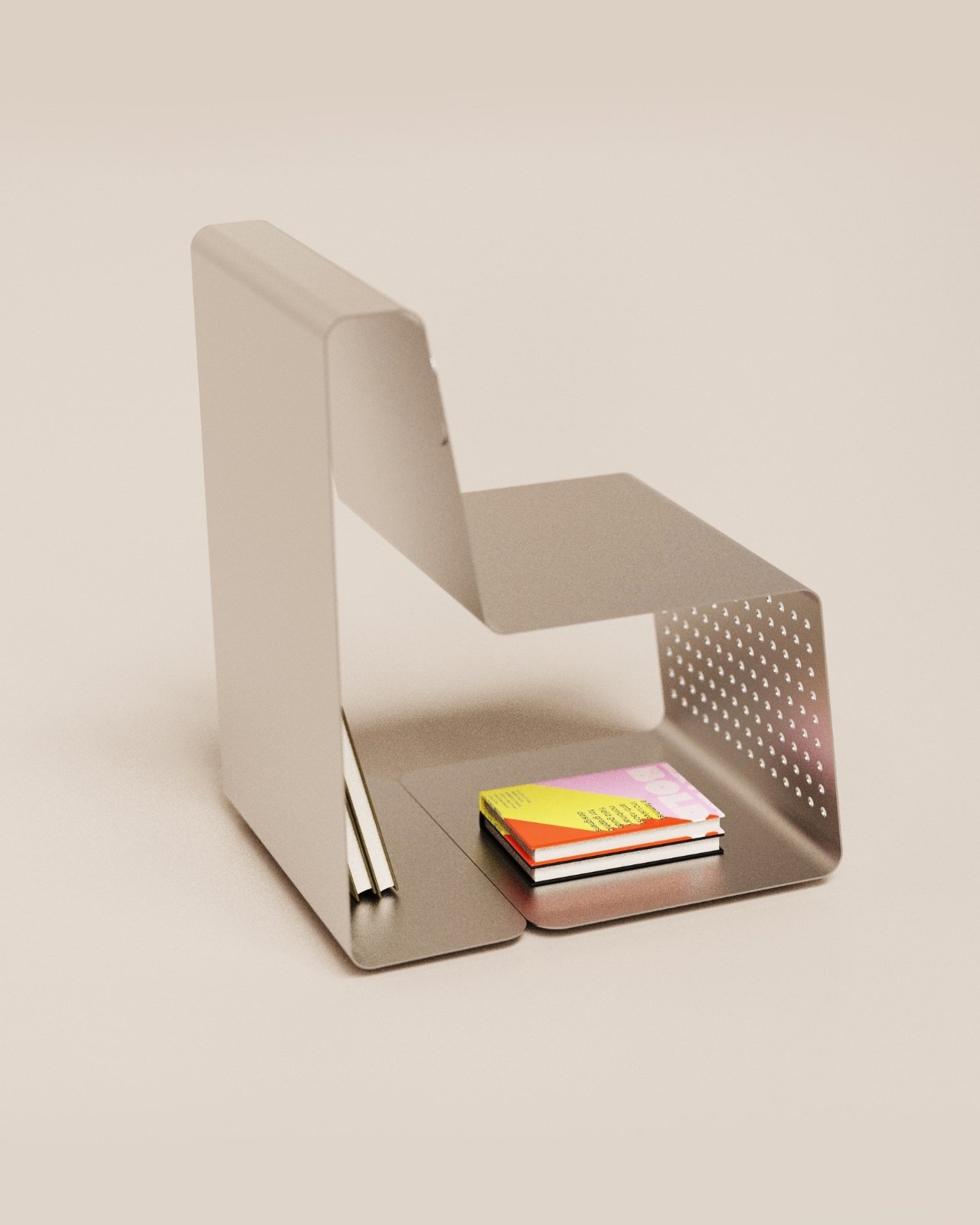
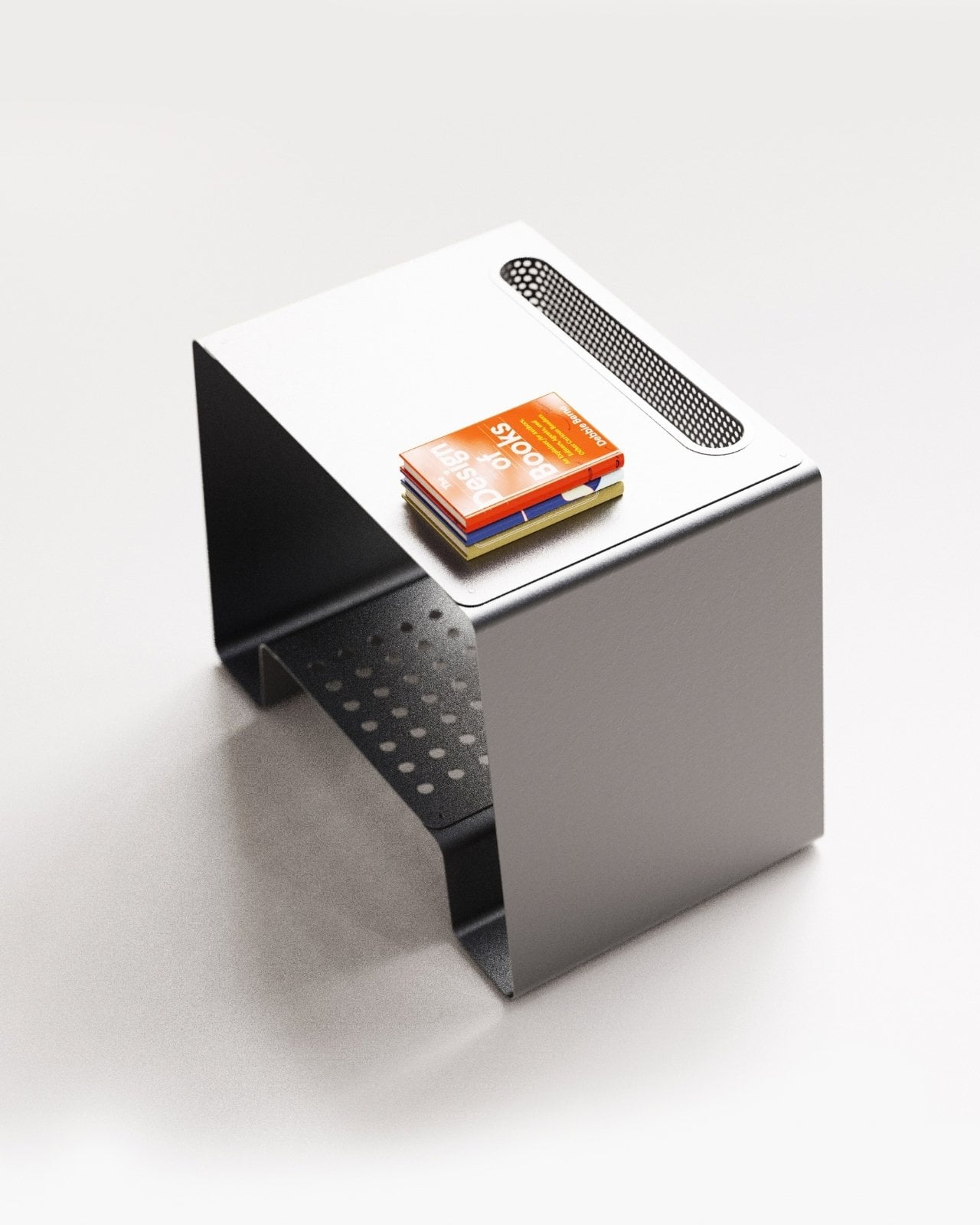
The bigger problem both designs are quietly answering is one that anyone who’s moved apartments in the last few years understands instinctively. Furniture shipping is expensive, bulky, and wasteful, and most of what’s marketed as a solution just swaps cardboard for landfill a couple of years later. Metal doesn’t swell in humidity, doesn’t sag under weight the way particleboard does, and it can actually be recycled instead of shrugged off as trash. A flat-pack chair that’s built to survive more than one move is not a small thing when you consider how much of the furniture industry still runs on the assumption that people will replace what they buy.
There’s also a design argument here that goes beyond function. Minimalist industrial pieces like these work in a rental unit, a studio, or a full house without looking like they were chosen for any one of those settings specifically. They don’t ask a room to organize itself around them. That kind of flexibility used to belong almost exclusively to expensive, custom furniture, and seeing it show up in something built to ship flat and assemble by hand feels like a genuine shift rather than a gimmick.
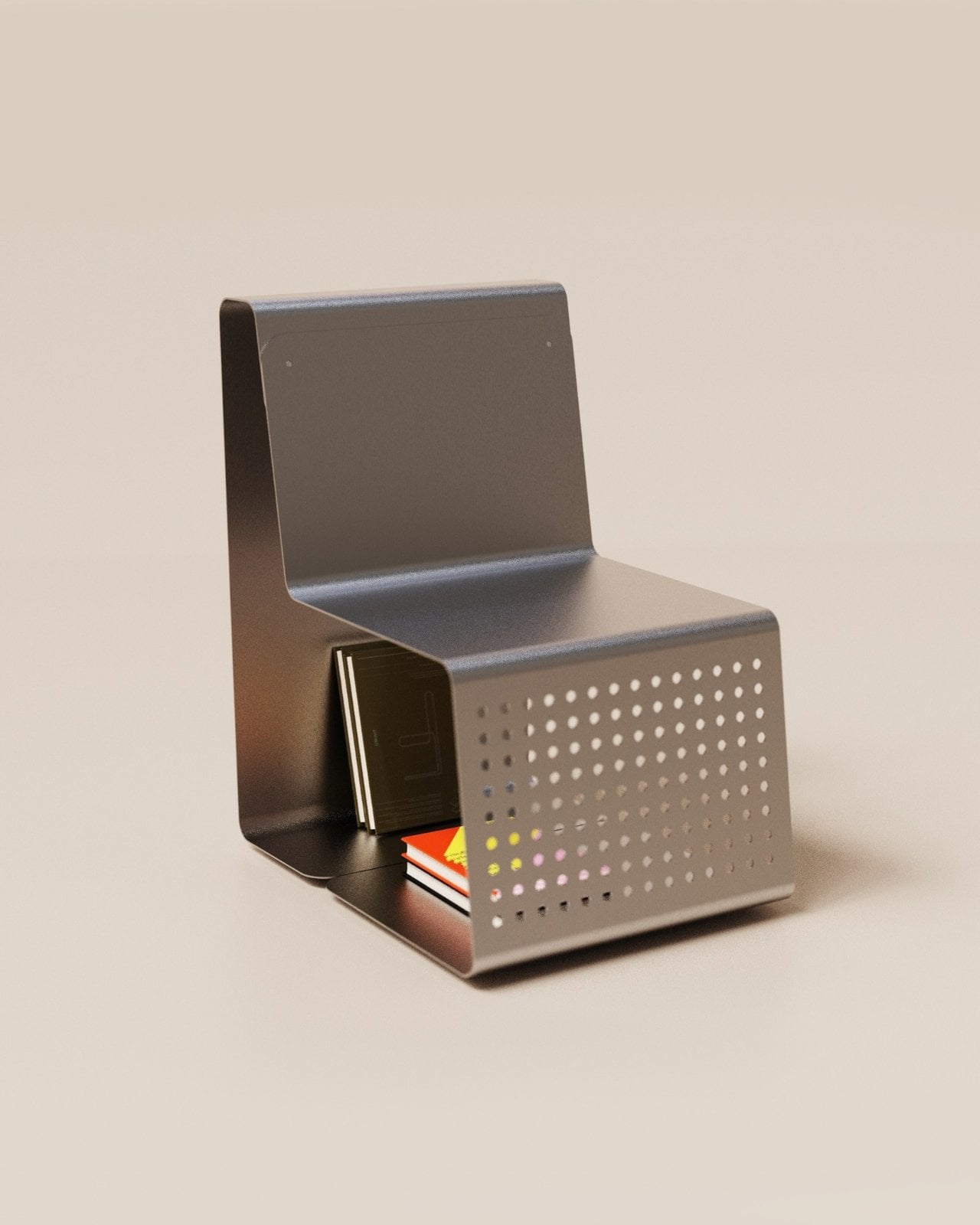
None of this means Platea and Vault will replace the big-box flat-pack aisle overnight. But they make a decent case that shippable furniture doesn’t have to be throwaway furniture, and that a designer working with sheet metal and a laser cutter can say more about honesty in manufacturing than most brands manage with an entire marketing campaign. That’s worth paying attention to, especially for anyone who’s tired of furniture that only looks good until the first move.