A headphone’s cushions usually wear out quietly, flattening over months until someone finally notices the sound has gotten muffled and the padding has gone stiff. Beats 360 turns that inevitable decline into a design feature instead, building its entire flagship around cushions you’re meant to swap on purpose, not just replace once they’ve failed. It’s the first Beats over-ear model built this way, and that single decision reshapes almost everything else about the product.
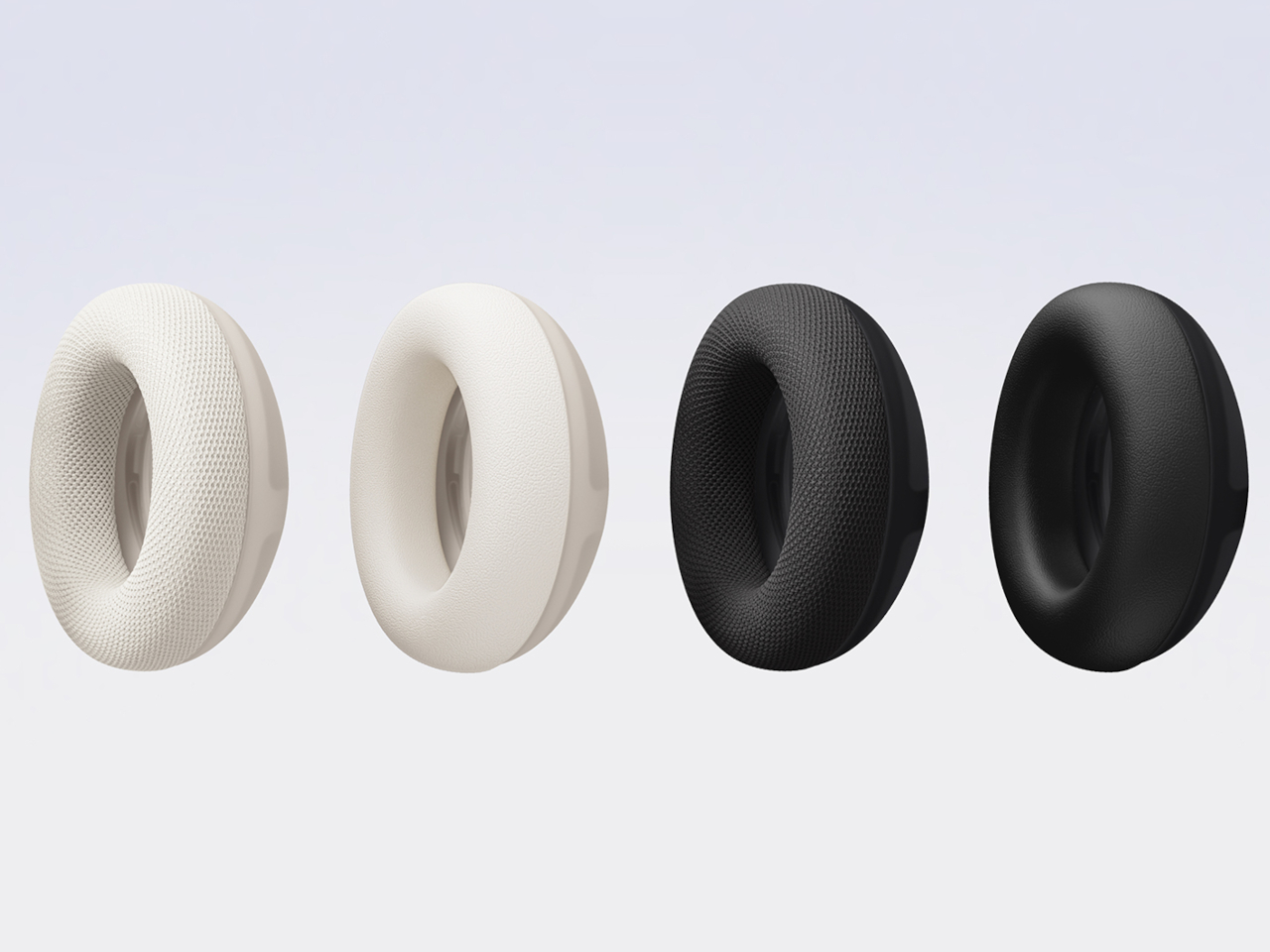
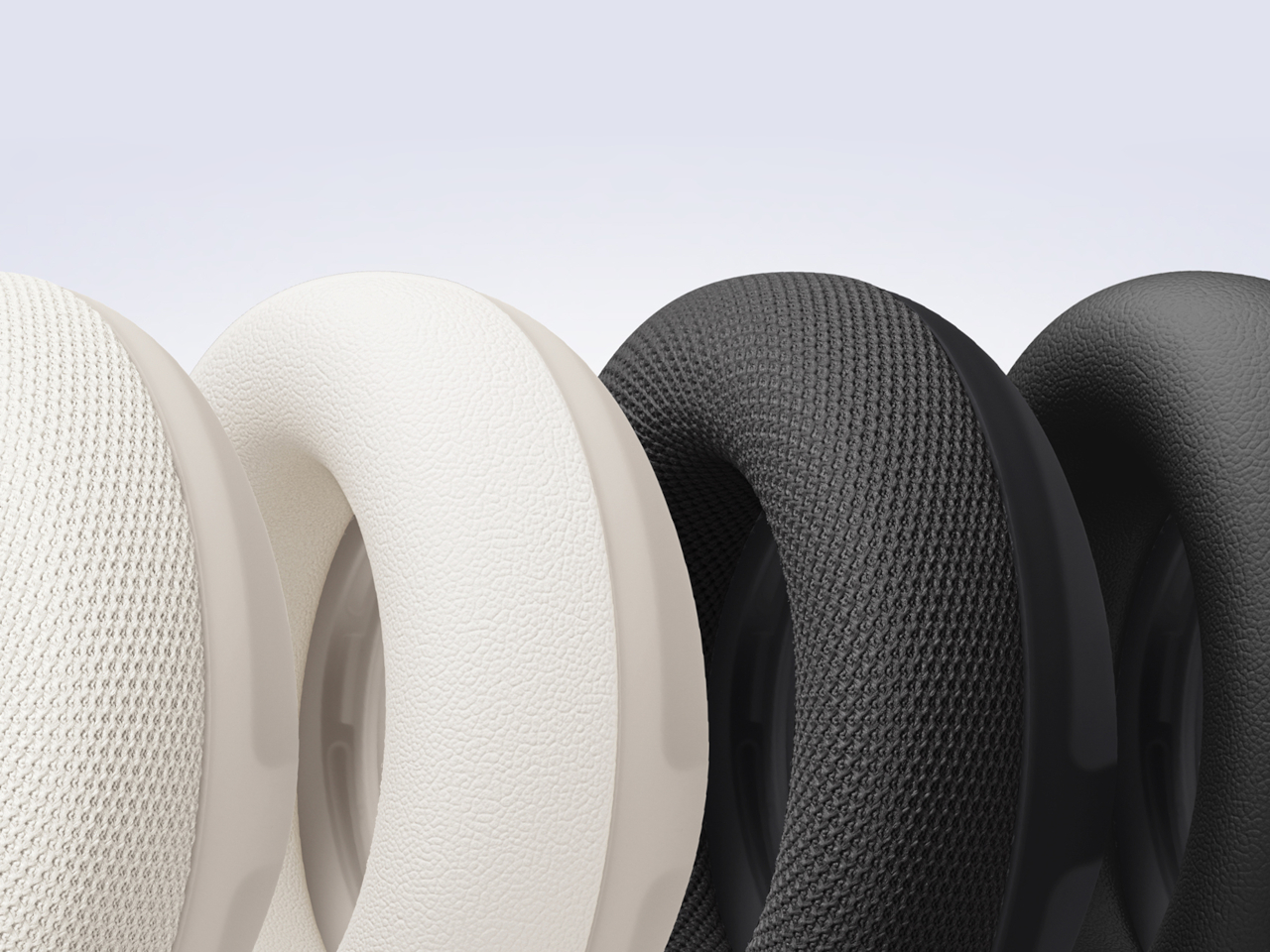
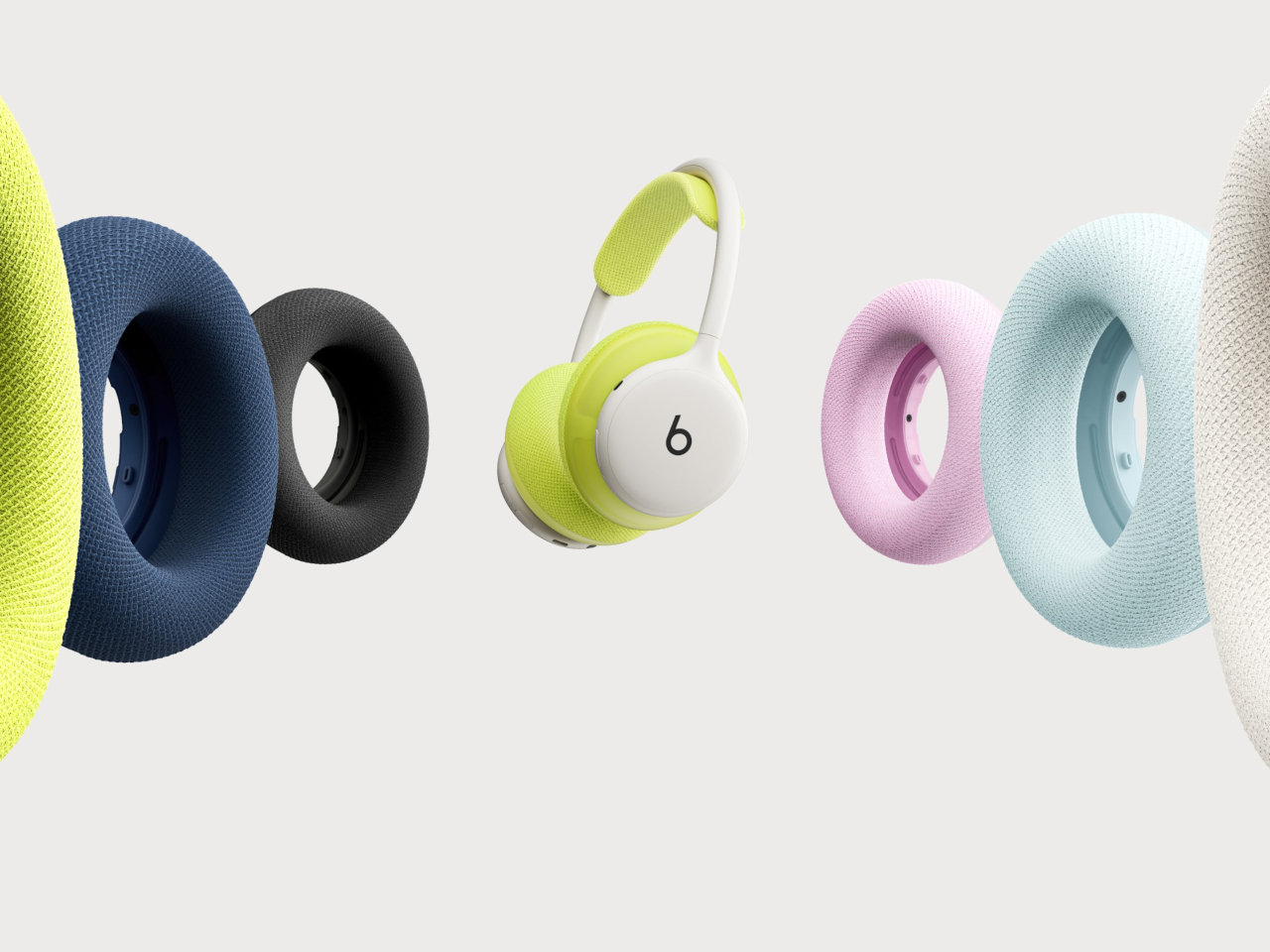
Two cushion textures ship as genuine alternatives rather than one default with a spare in the box. Performance Knit brings a breathable, athletic feel suited to workouts, while UltraPlush trades that airiness for a softer, quieter grip around the ear. Both come in colors like Black, Cloud, Pink, and Sky, with extra shades sold separately, turning a single headphone into something closer to a wardrobe piece than a fixed gadget.
Designer: Beats by Dre, Apple
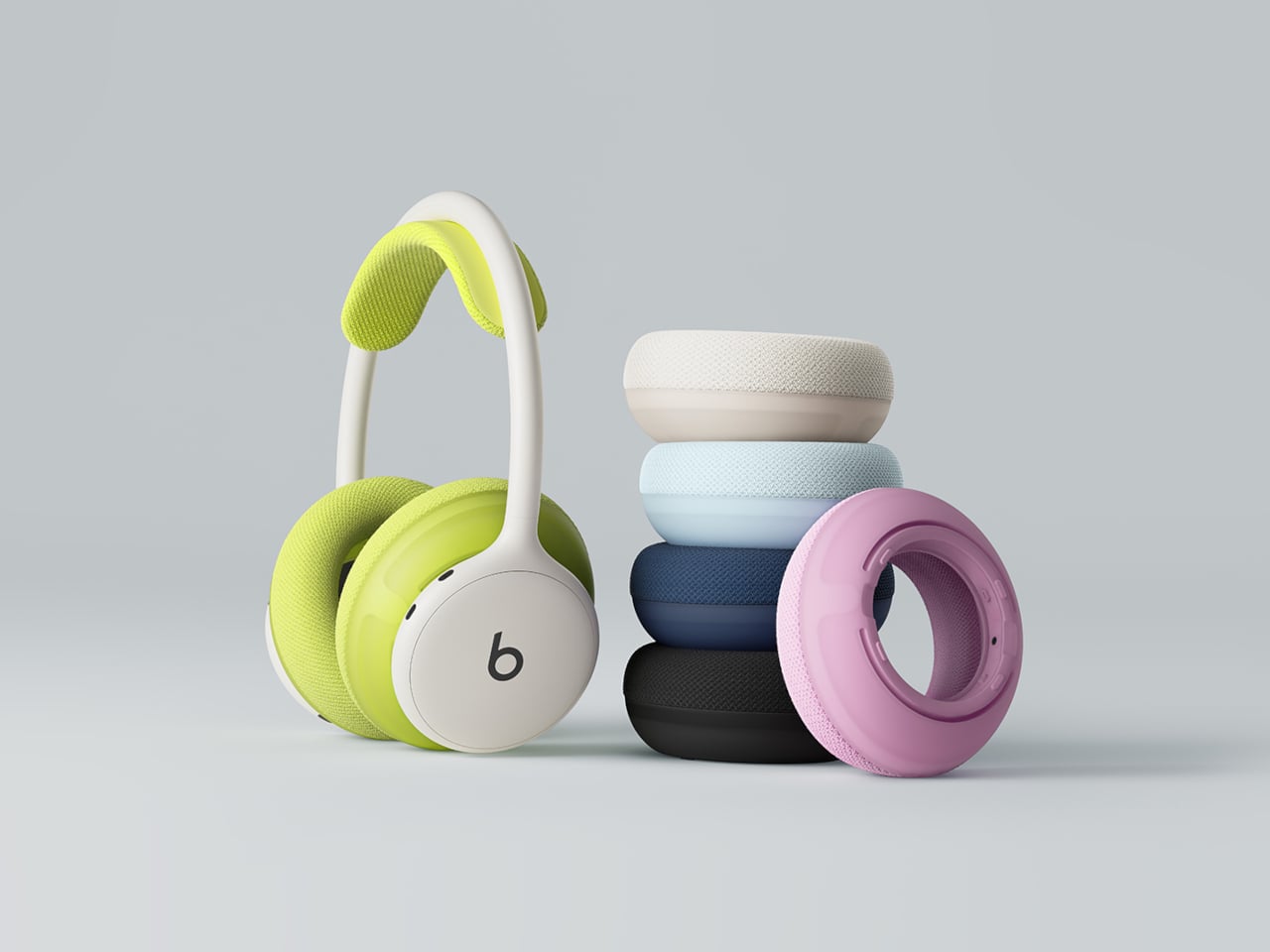
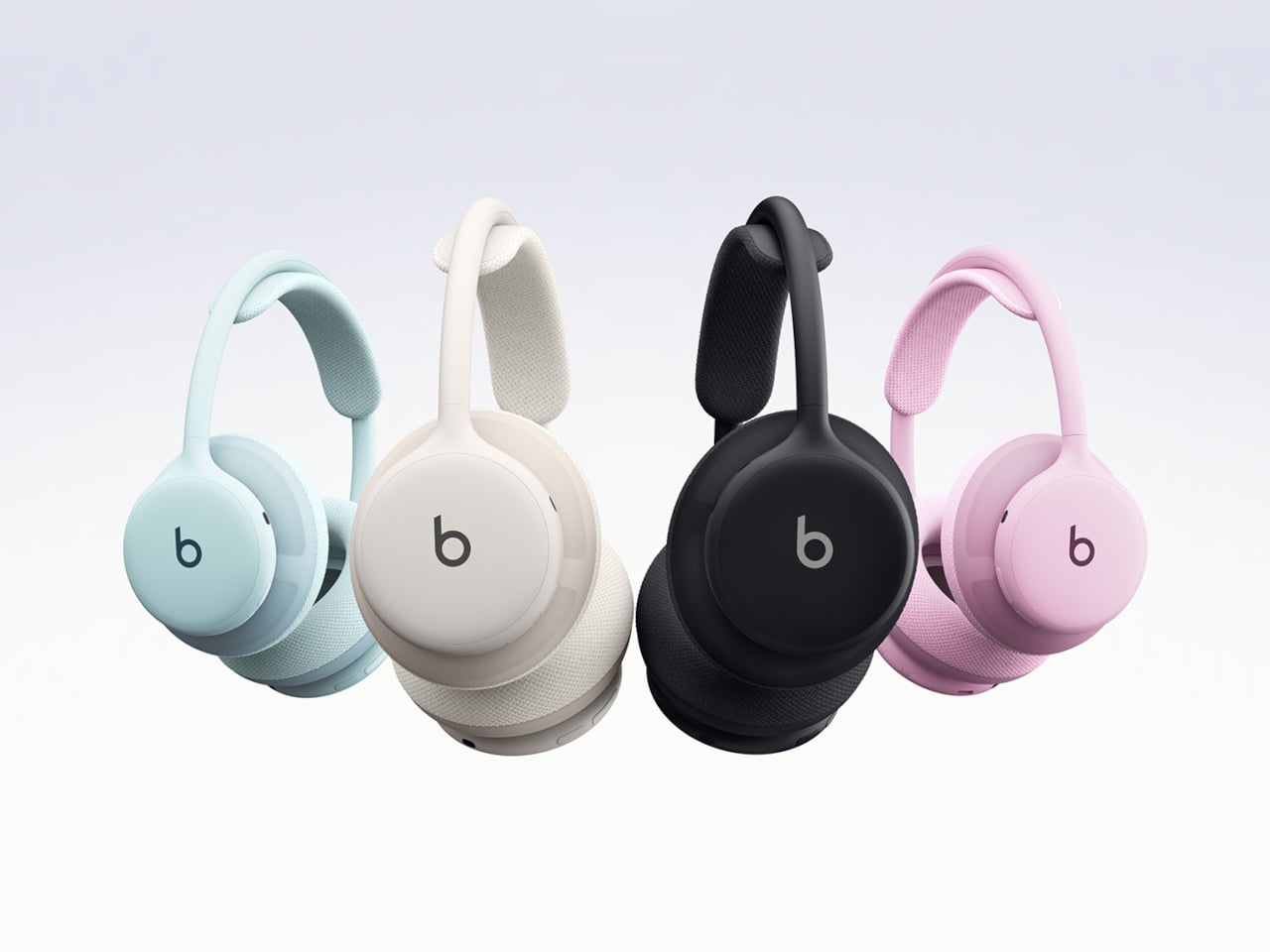
That swapping only works because Beats rebuilt the internal engineering around it. Moving to a wireless-first design freed up headband space once reserved for cable routing, letting engineers redirect that room toward weight distribution and tension instead. The result carries less bulk pressing down during a long run or a full workday at a desk, without sacrificing the structural integrity needed to survive an actual gym bag.
Durability gets a genuine upgrade alongside comfort. Beats 360 carries an IPX4 sweat and water resistance rating, a first for the brand’s over-ear lineup, achieved partly by re-engineering the rear acoustic chamber rather than just sealing a few seams. Sweat during a workout or a sudden downpour on a commute stops being a reason to leave these at home, which matters more than any spec sheet number for how often they’ll actually get worn.
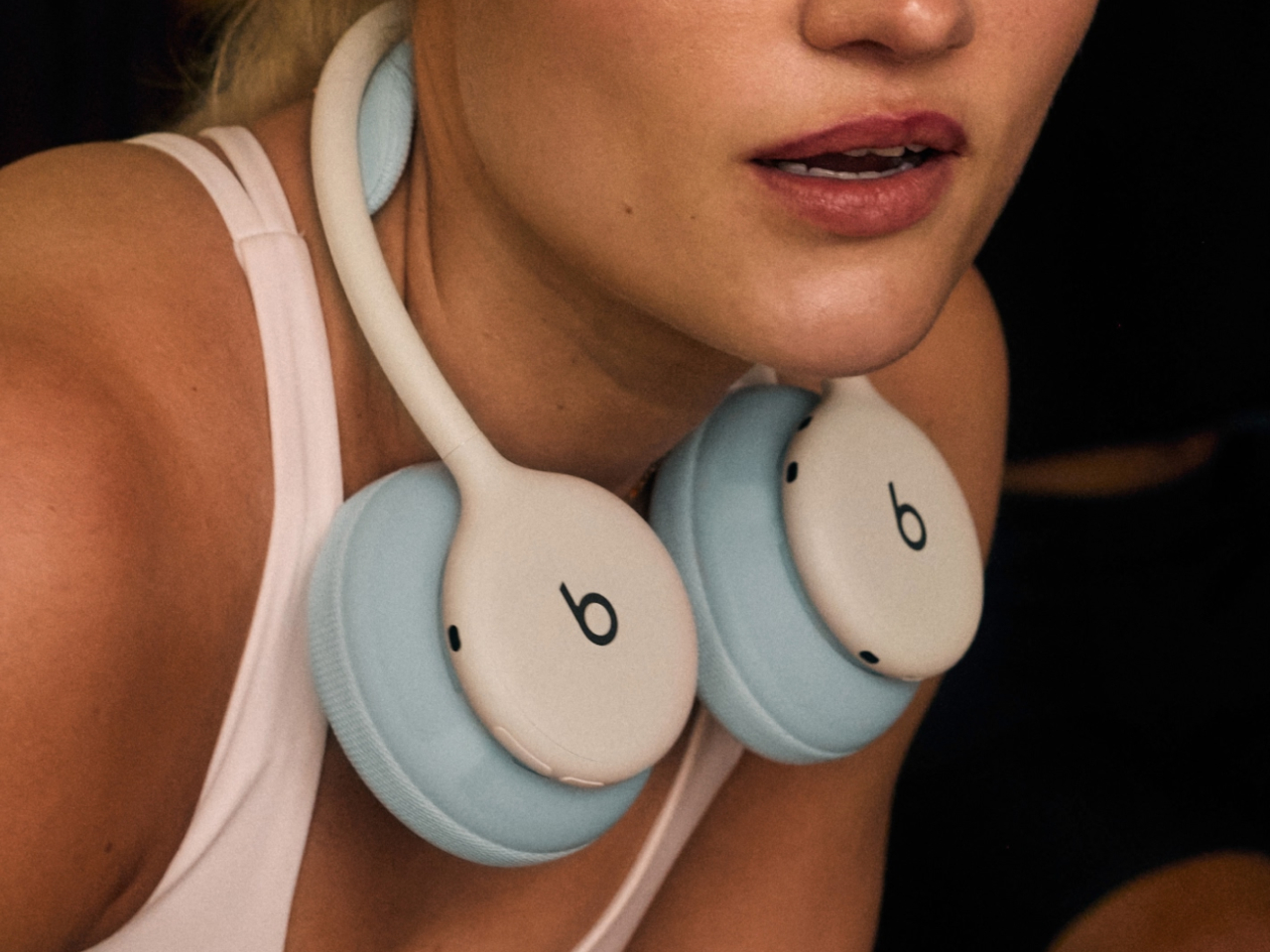
Sound quality moves forward through genuinely new hardware rather than incremental tuning. Three-layer diaphragms paired with double neodymium magnets mark the first driver architecture of their kind in a Beats product, backed by noise cancellation Beats claims outperforms Studio Pro by up to 1.75 times combined active and passive reduction. A dedicated button on the earcup switches between full noise cancellation and transparency mode, a physical control that skips the usual app-diving during a run or a commute.
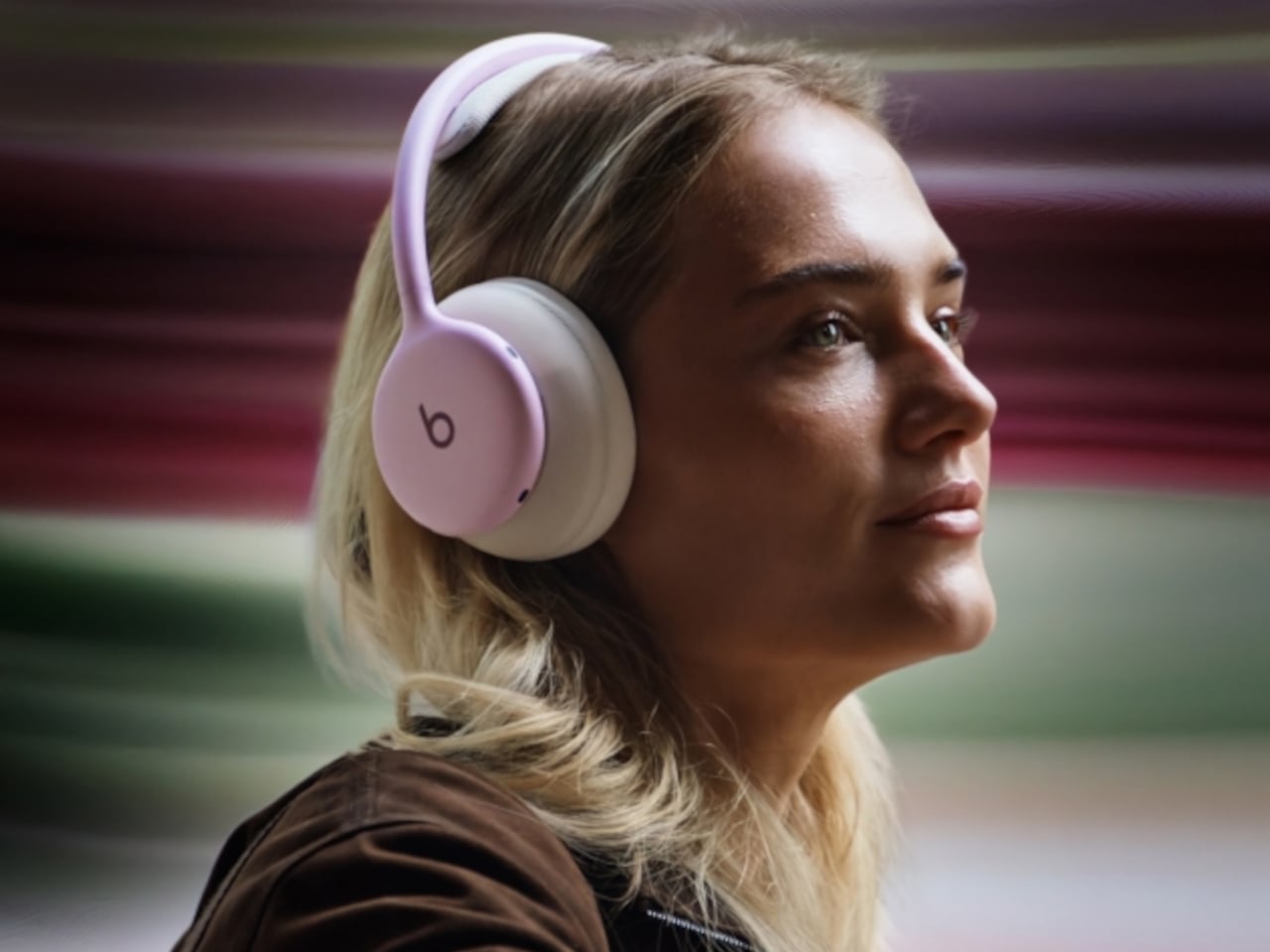
Connectivity avoids picking sides between ecosystems. Bluetooth 5.3 handles one-touch pairing and switches seamlessly between Apple and Android devices, while Find My and Find Hub support mean a misplaced pair stays traceable regardless of which phone someone carries. That kind of cross-platform ease removes one more excuse for leaving a good pair of headphones behind on a trip.
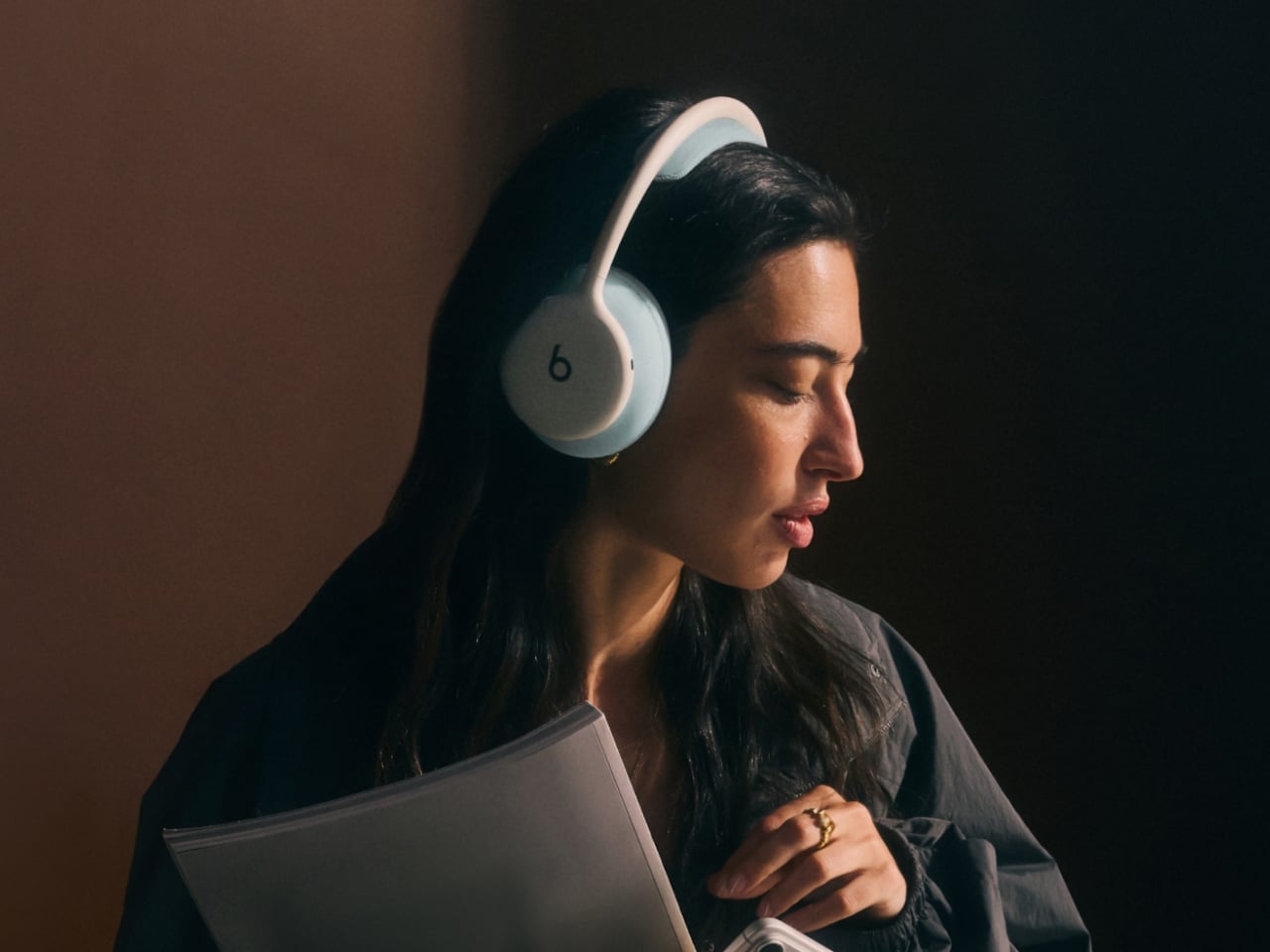
Battery life stretches to 32 hours even with active noise cancellation and spatial audio running simultaneously, closing the gap that usually forces a choice between immersive sound and all-day stamina. A 5-minute charge through USB-C adds roughly an hour of playback, useful insurance against the one morning someone forgets to plug in overnight before heading out the door.
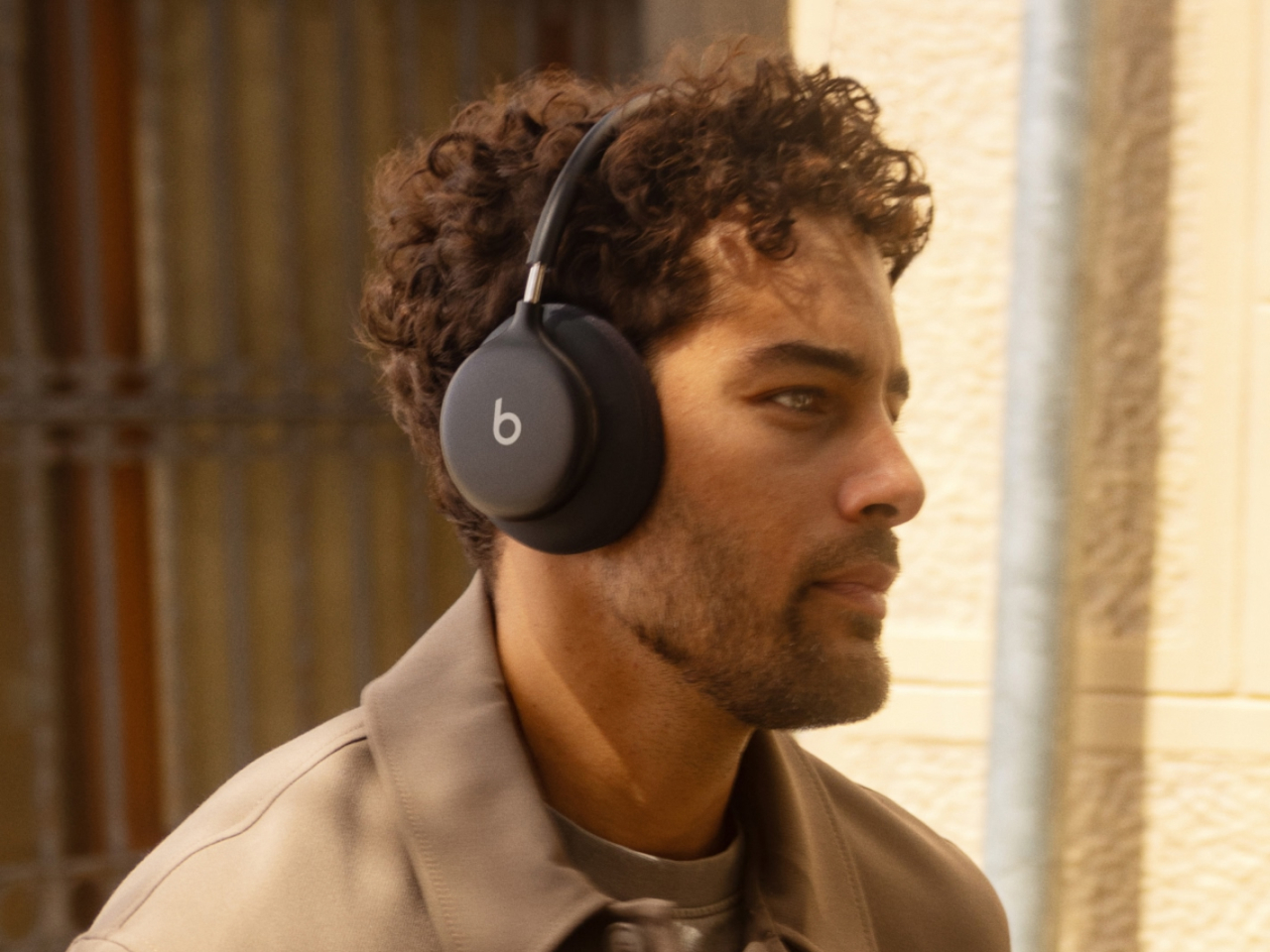
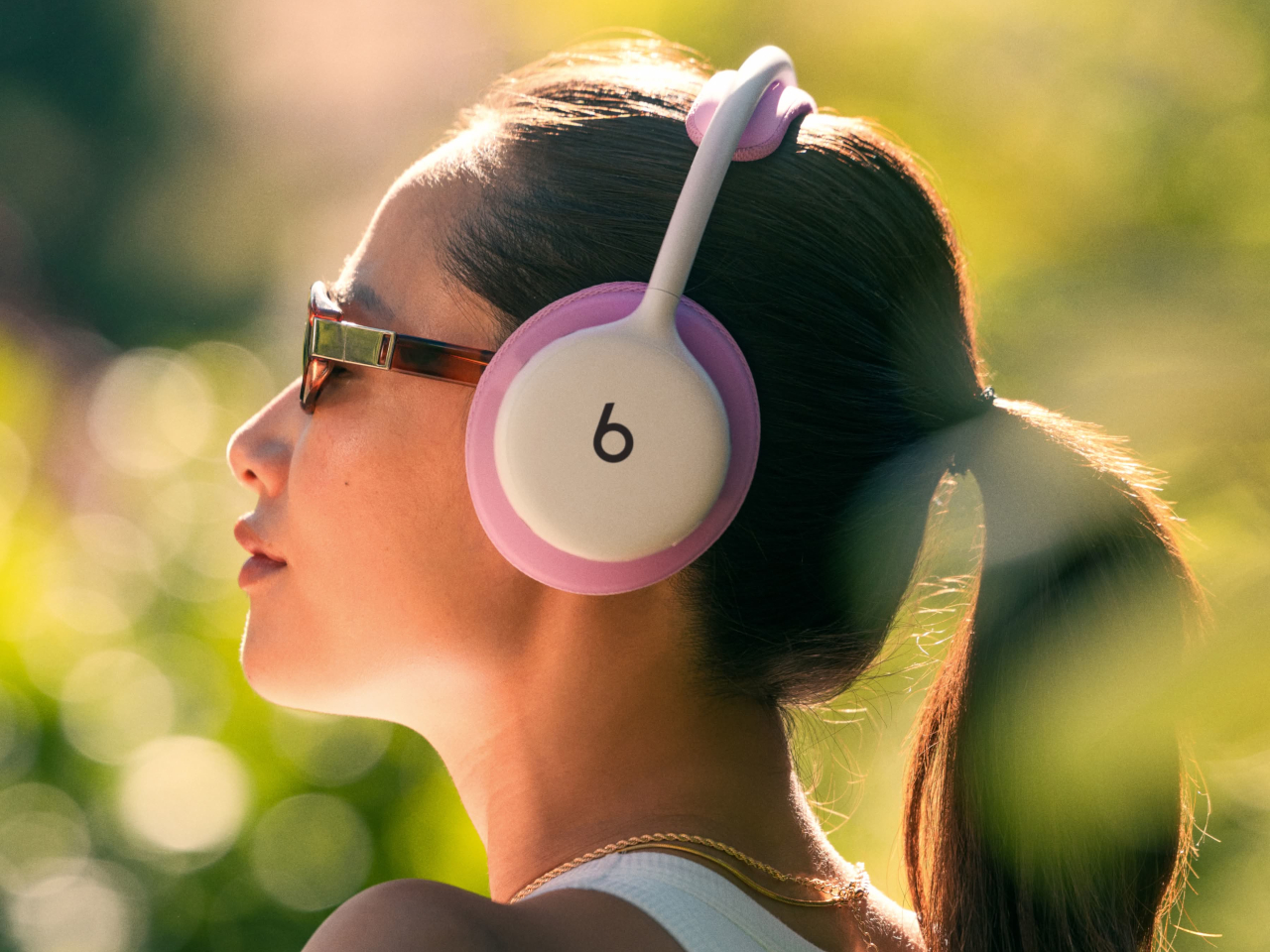
Material sourcing quietly backs up the durability pitch. Beats built the 360 using 80% recycled plastic across the ear cups, speaker enclosure, and internal components, the highest share the brand has used in any product to date, alongside fully recycled rare earth elements in every magnet. None of that shows up in a five-second unboxing video, but it’s baked into a headphone clearly meant to last through repeated cushion swaps rather than a single fashion cycle.
SHARE