One of my most memorable possessions when I was younger was a truly analog film camera. Somehow, I lost it when I was in college studying film, but I do remember the feel and texture of it when I was using it to take photos and then developing the film. Mind you, I didn’t become a good photographer because of it, but there was something about the surface treatment of that camera that made me feel like a legitimate filmmaker.
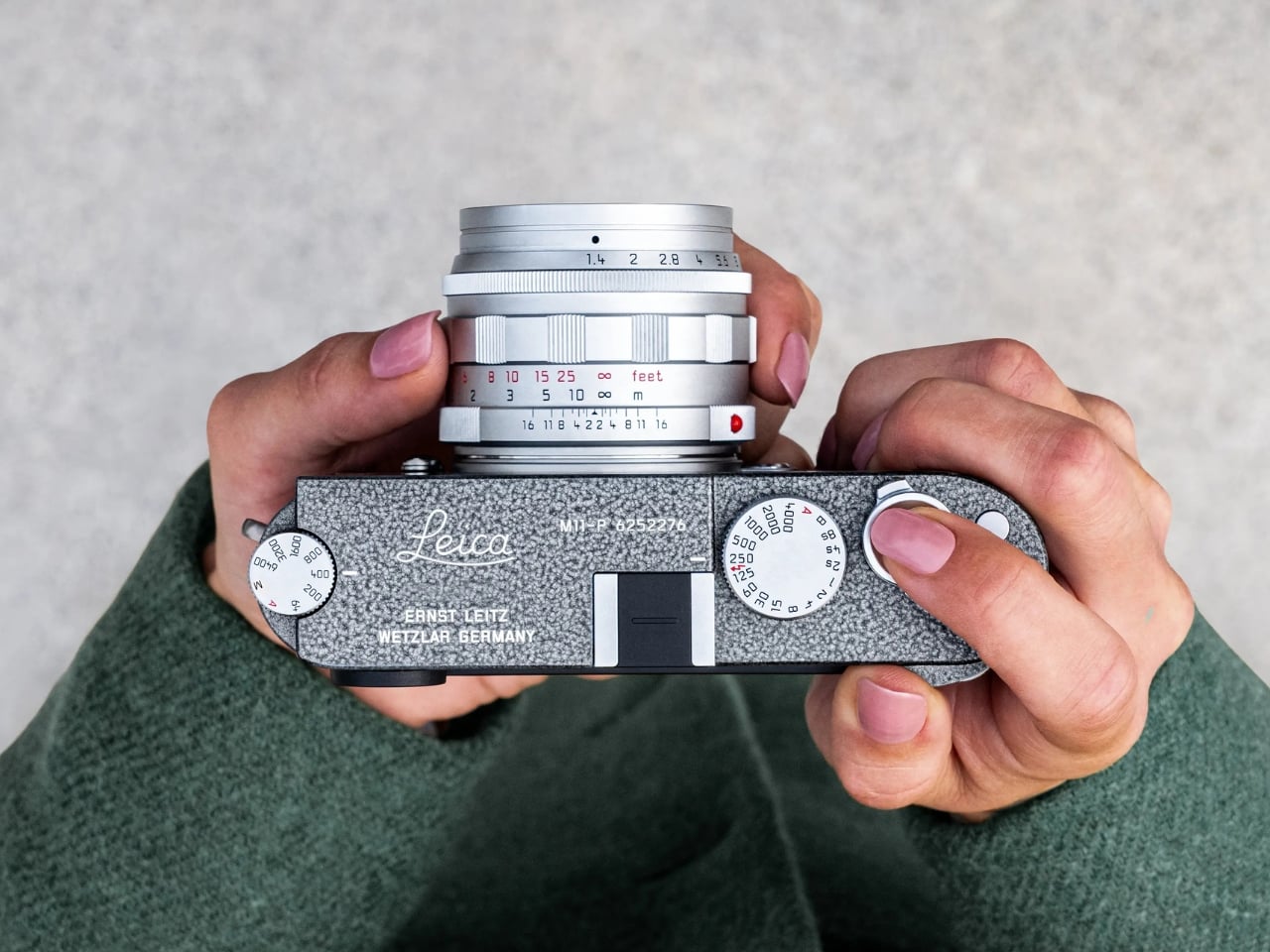
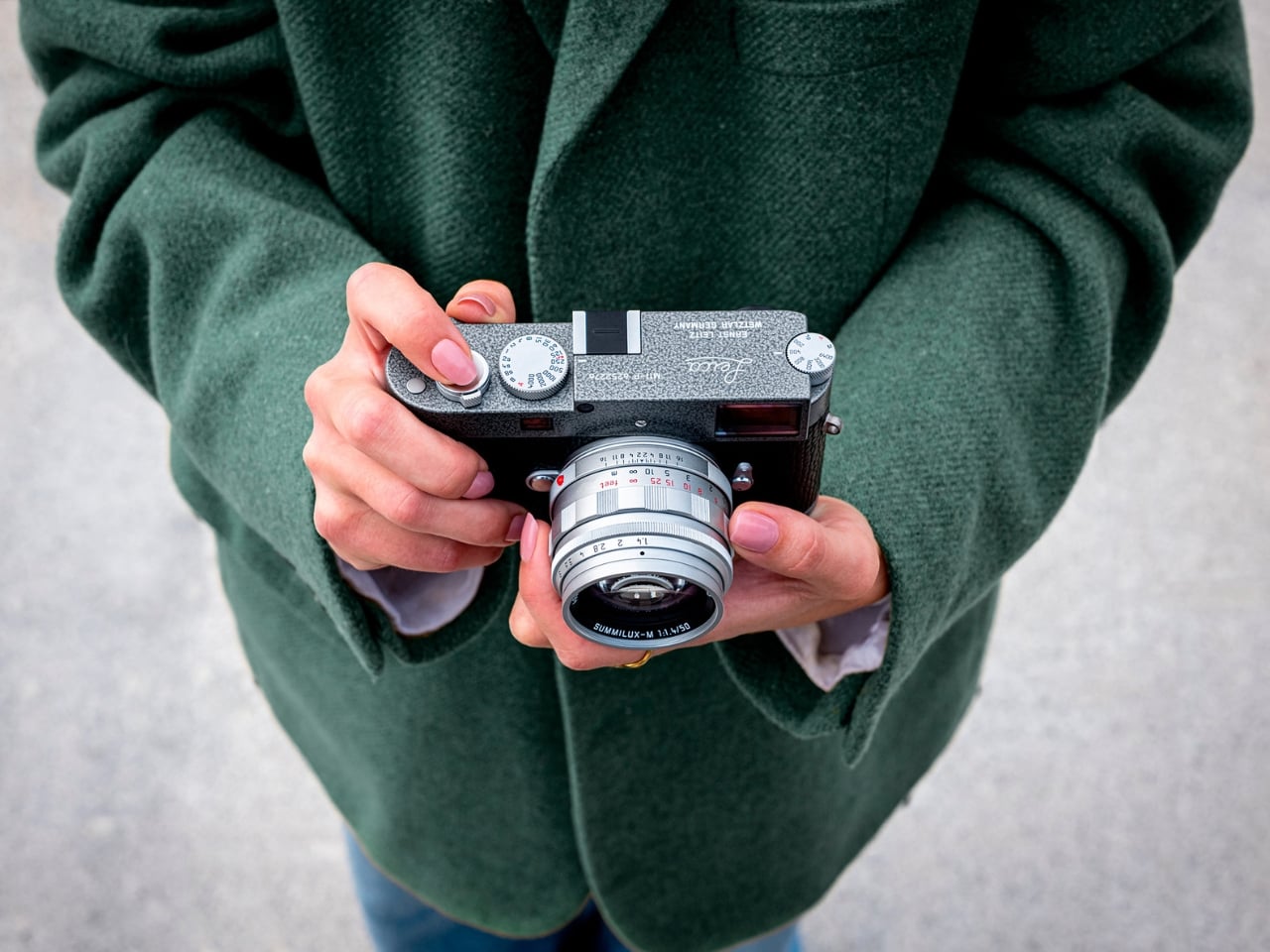
The new Leica film and digital cameras seem to understand this feeling very well. The brand’s M-A Hammertone and M11-P Hammertone special editions apply an industrial-looking paint finish to a fully mechanical film camera and a digital camera, respectively. While they retain their standard models’ technical specifications, the hammertone finish gives them a very different look that camera enthusiasts should enjoy. There’s something about having a sort-of additional layer to your camera that makes you feel like you’re a real photographer.
Designer: Leica
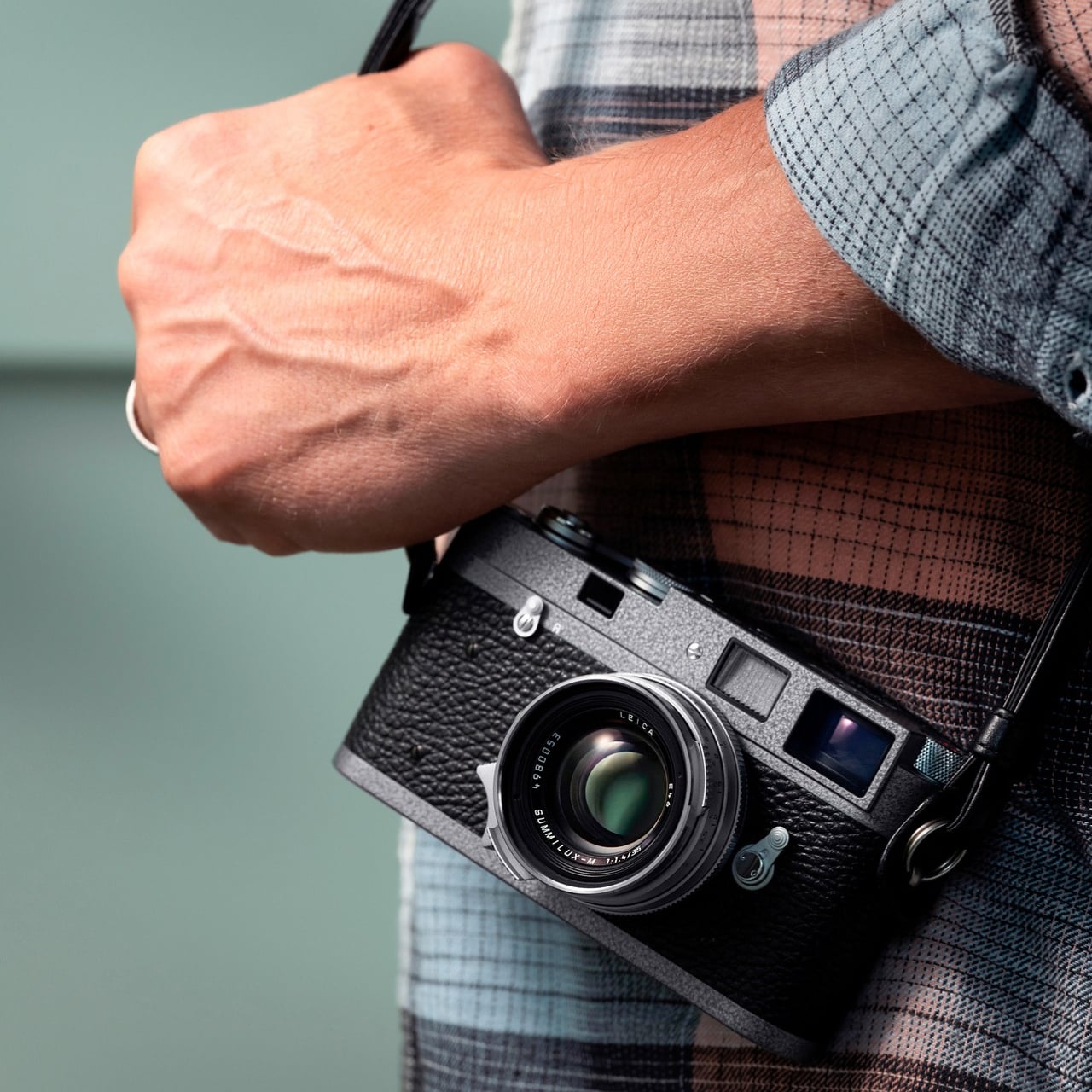
While there’s a trend of having retro-looking and tiny cameras right now, some photography enthusiasts want more than an analog-looking digital camera or a tiny toy camera. They want the look and feel of a traditional camera. The hammertone finish added to these two models brings a distinctive texture and aesthetic connected to the brand’s history, including earlier Hammertone editions of the MD and M9.
The painted solid-brass top and base plates sit above and below a black, vulcanite-style leatherette covering. Silver controls add another surface, with cross knurling creating a regular geometric pattern against the paint’s irregular one. The finish gives the cameras a visual complexity that adds to the appeal of owning this kind of device, regardless of how well you actually use it (that’s another story altogether). That contrast is what makes the treatment interesting to me, rather than just the gray color alone.
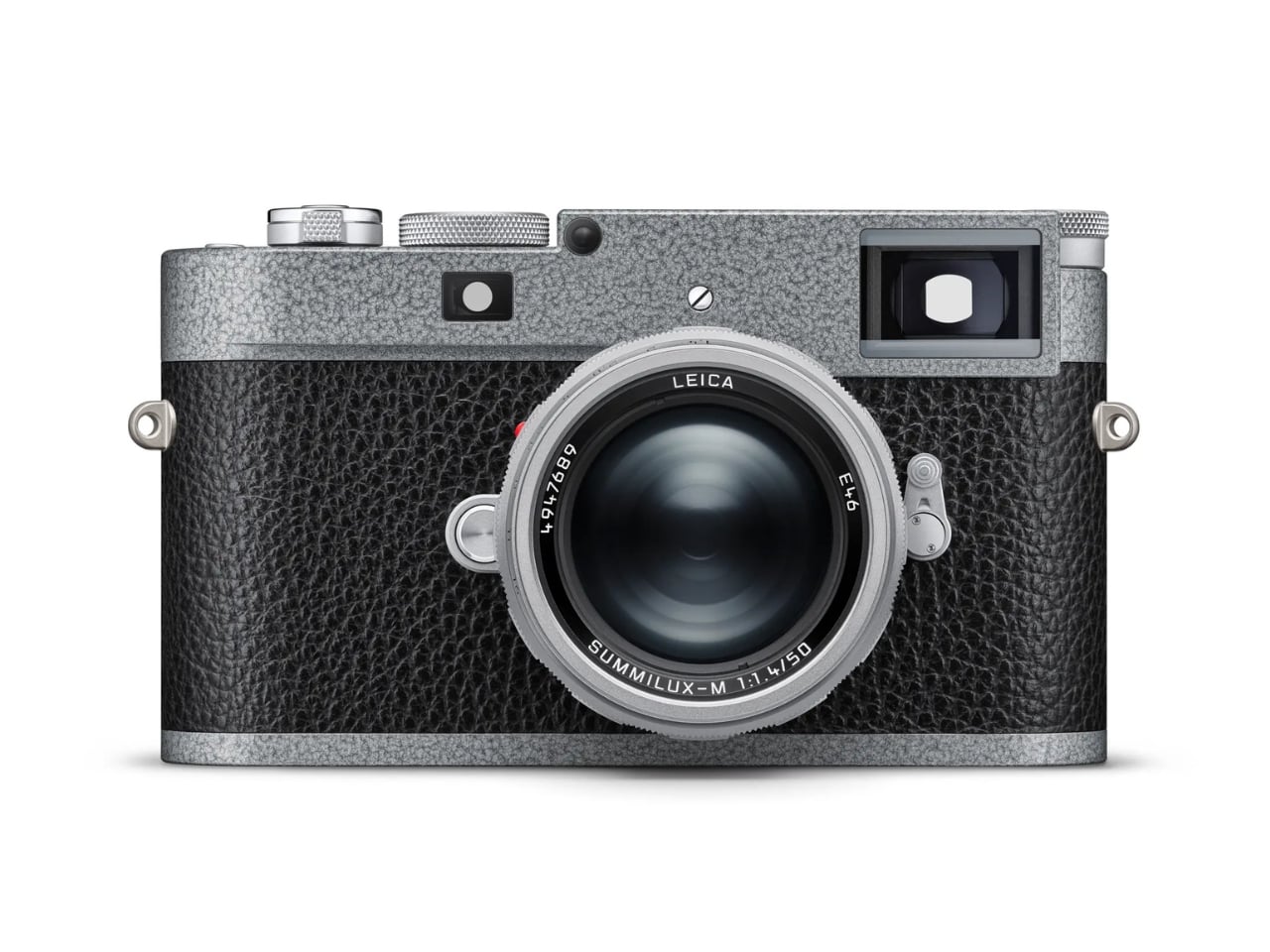
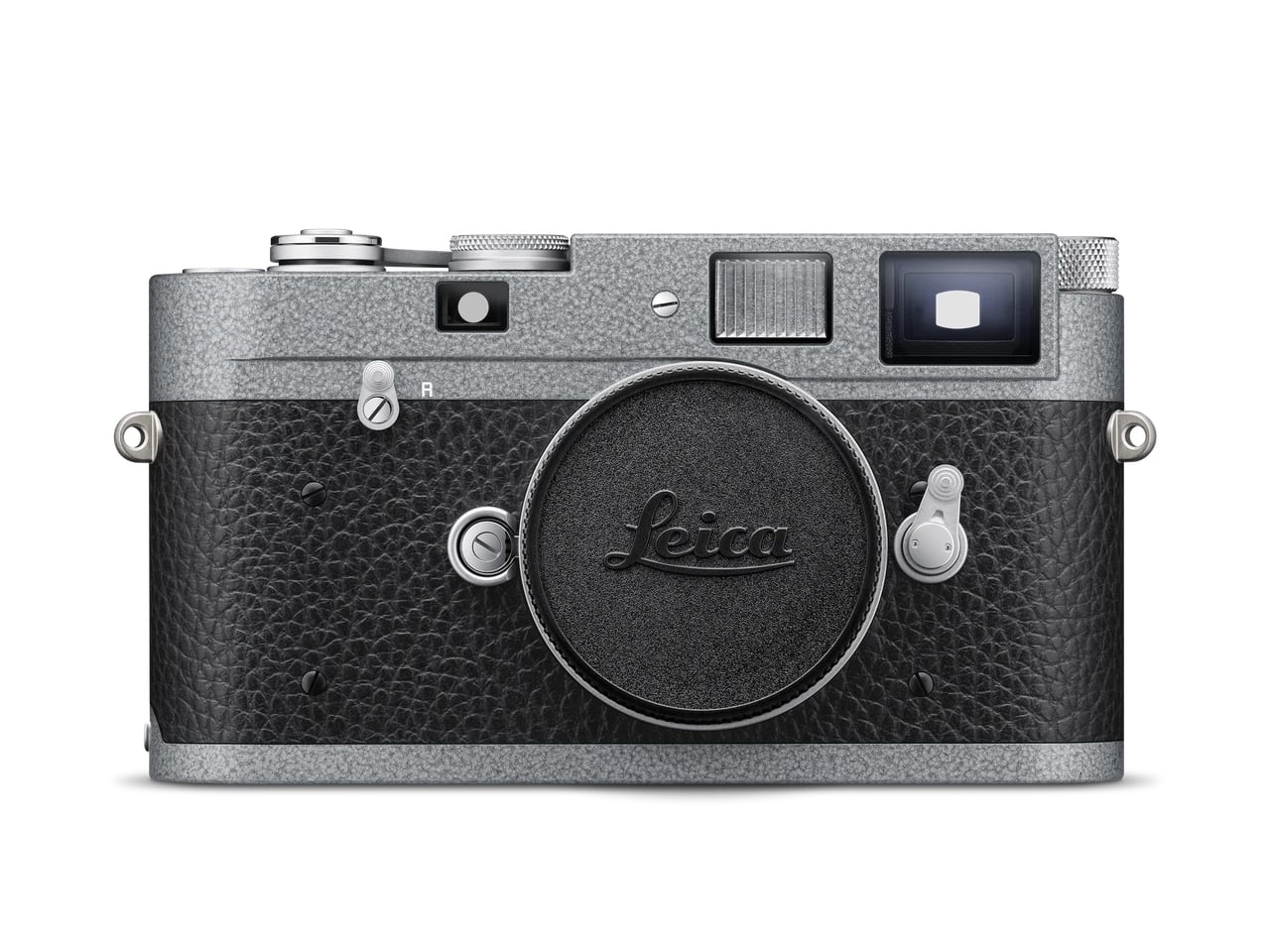
Interestingly, that hammered appearance comes from paint rather than hammering the brass. Leica says metal pigments and special additives create variations in surface tension as the coating dries, producing the irregular pattern. Specialists at its Wetzlar factory oversee the process, and the company says the subtle variations give every camera a distinct finish. That’s a meaningful detail for anyone who likes an object to have a little individuality without an entirely different design. It’s little things like this that adds to the beauty of owning gadgets that are more than just mass-produced items.
The Leica M-A Hammertone is meant specifically for those who want to experience photography without all the bells and whistles we’ve become used to with digital cameras. It is fully mechanical, so you have to manually adjust the aperture, shutter speed, and focus. It has no battery, screen, or exposure meter. ISO depends on the film you load; the dial on the back is simply a reminder, not a way to change sensitivity. You get to experience photography in its “purest” form, though that also means judging the light yourself or using a separate meter. There’s no charging to worry about, but there’s also no immediate image review.
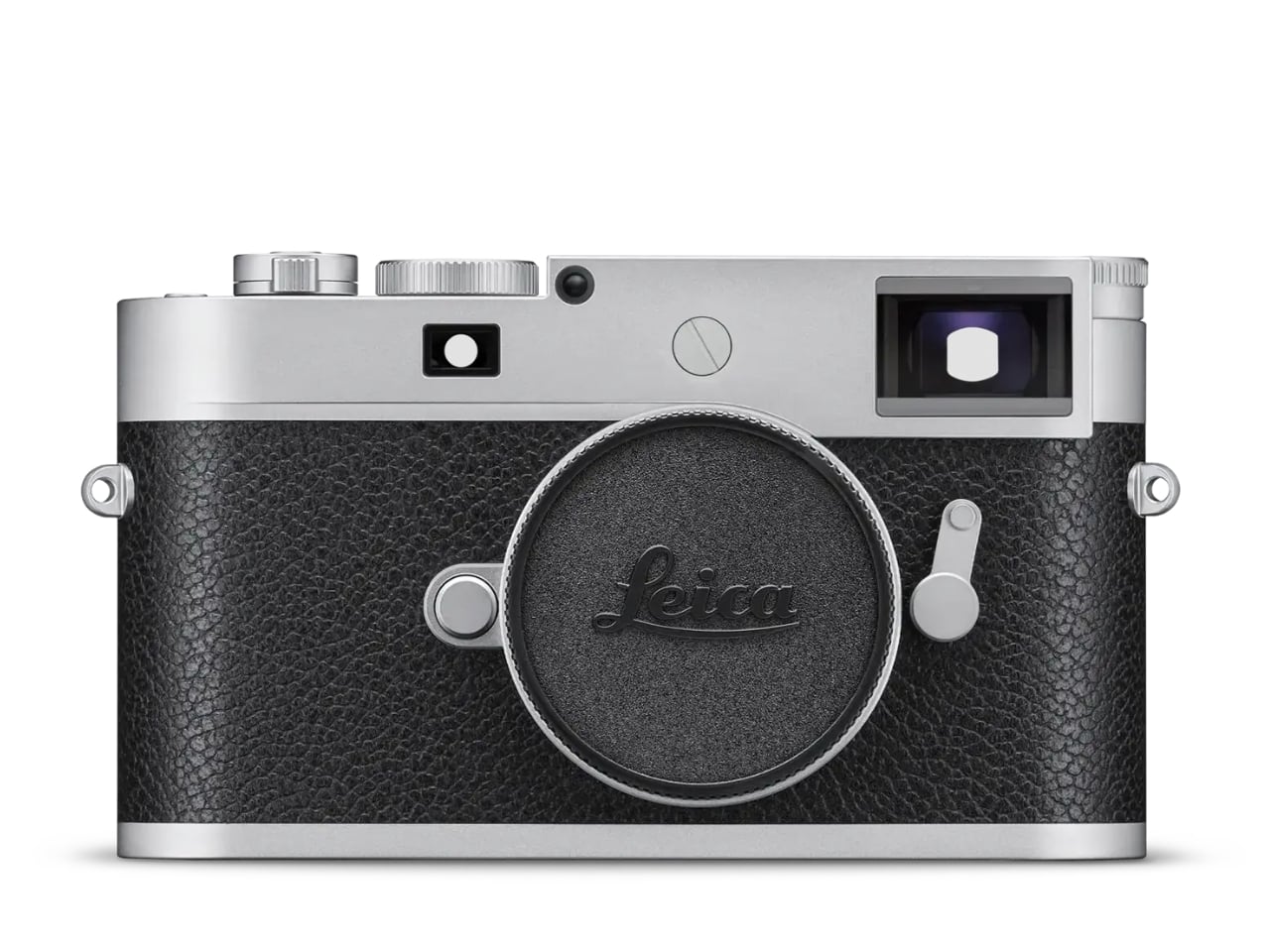
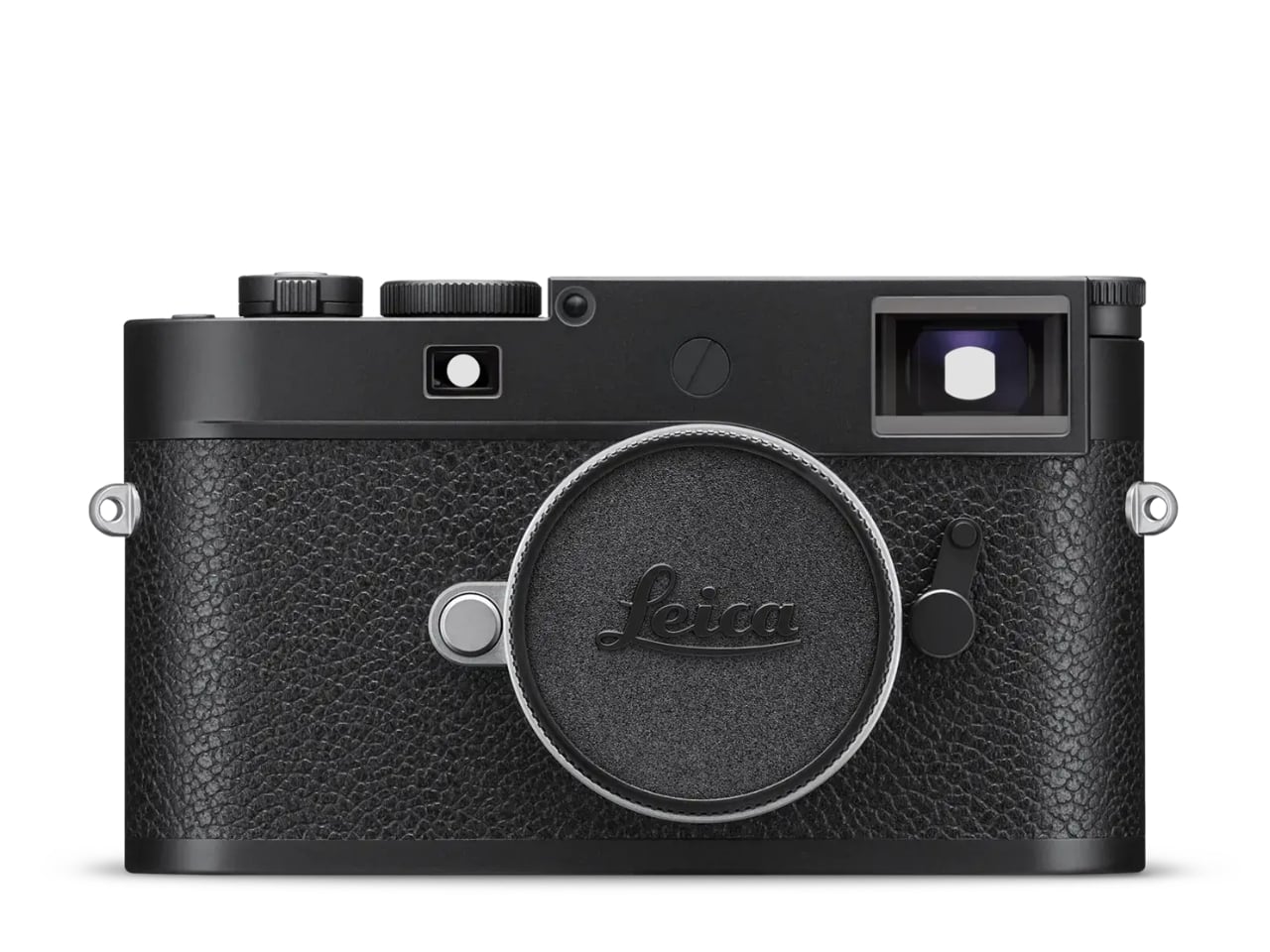
If you want something digital, the Leica M11-P Hammertone should be more your style. It maintains the look of a classic Leica camera but with more digital conveniences. This special edition also receives newly rounded edges on its top and base plates, along with a silver-chrome screw on the front. In terms of technical specs, you still have 256GB of internal storage as well as 60, 36, and 18MP settings, so you can choose a capture resolution that fits your needs. It also connects to the Leica FOTOS app via Bluetooth, Wi-Fi, or a cable, giving you a way to transfer photographs to your phone.
Of course, neither finish is going to make you a better photographer, and these editions don’t add photographic capabilities to the standard cameras. The appeal is more in owning something that really feels well-designed and has a history tied to the brand. If you already enjoy Leica’s way of doing things, these details give you another reason to pay attention to the camera in your hands. I can appreciate that part. Remembering my own film camera, I can see why the way an object feels might matter almost as much as what it does.