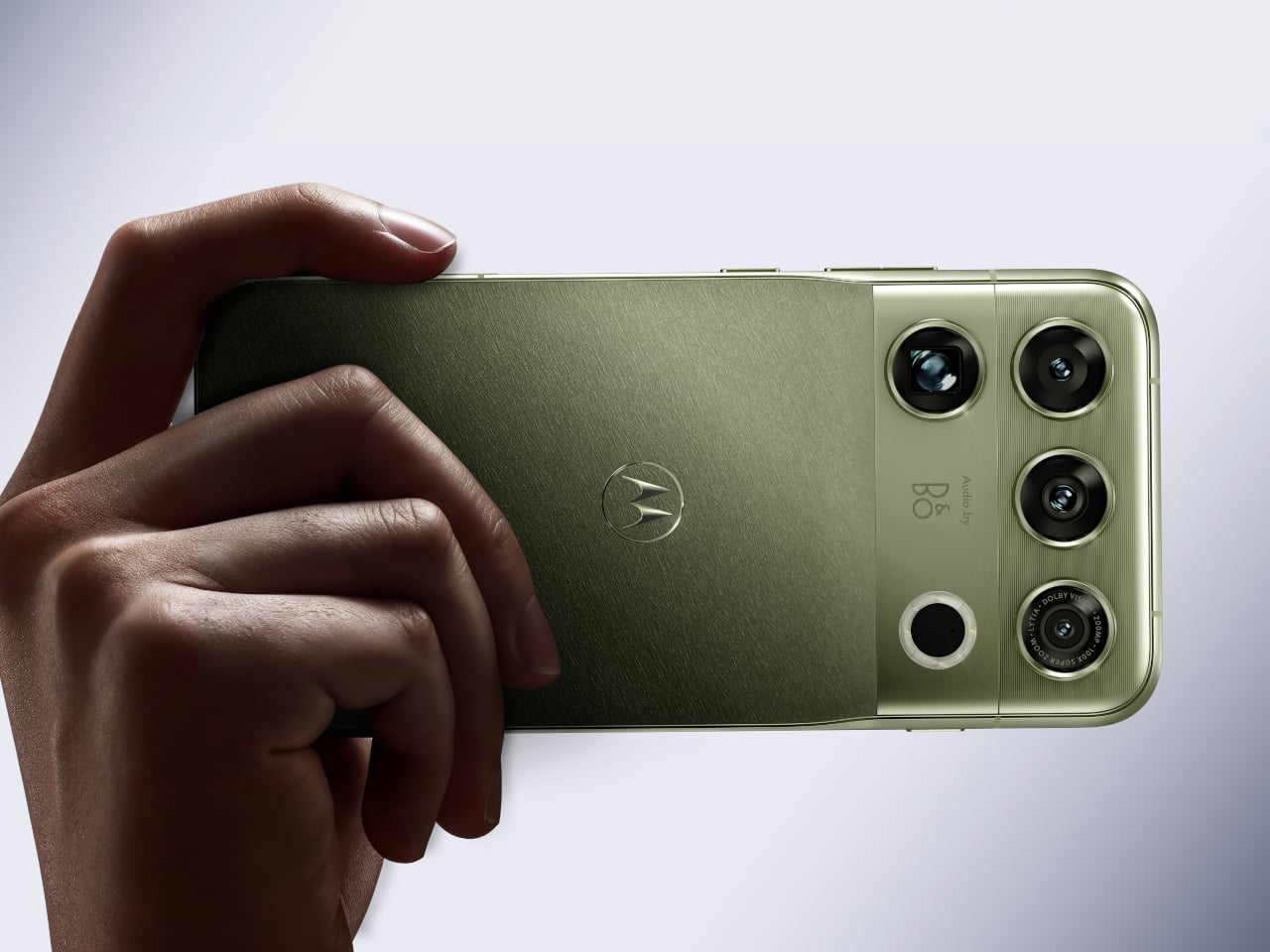
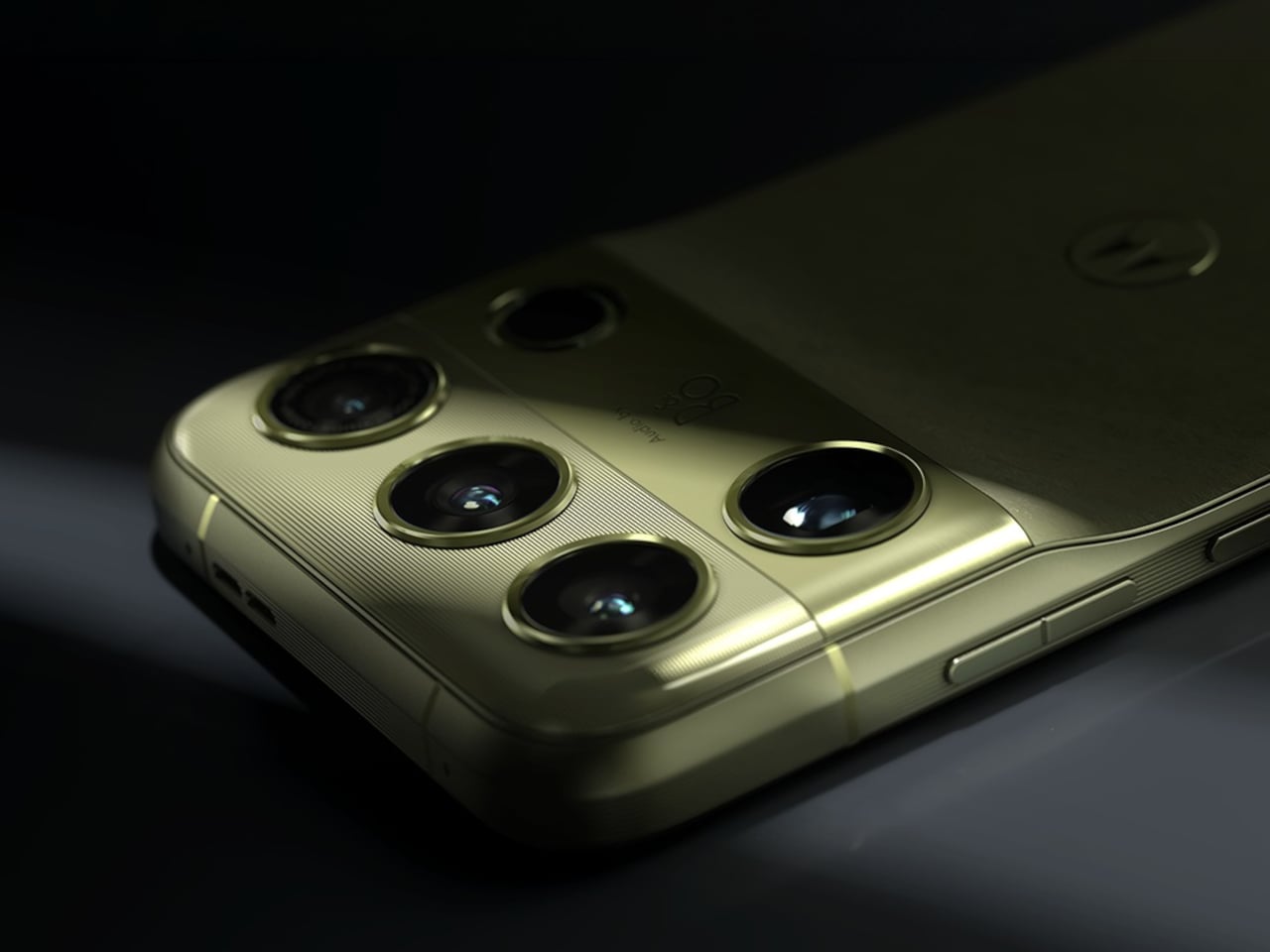
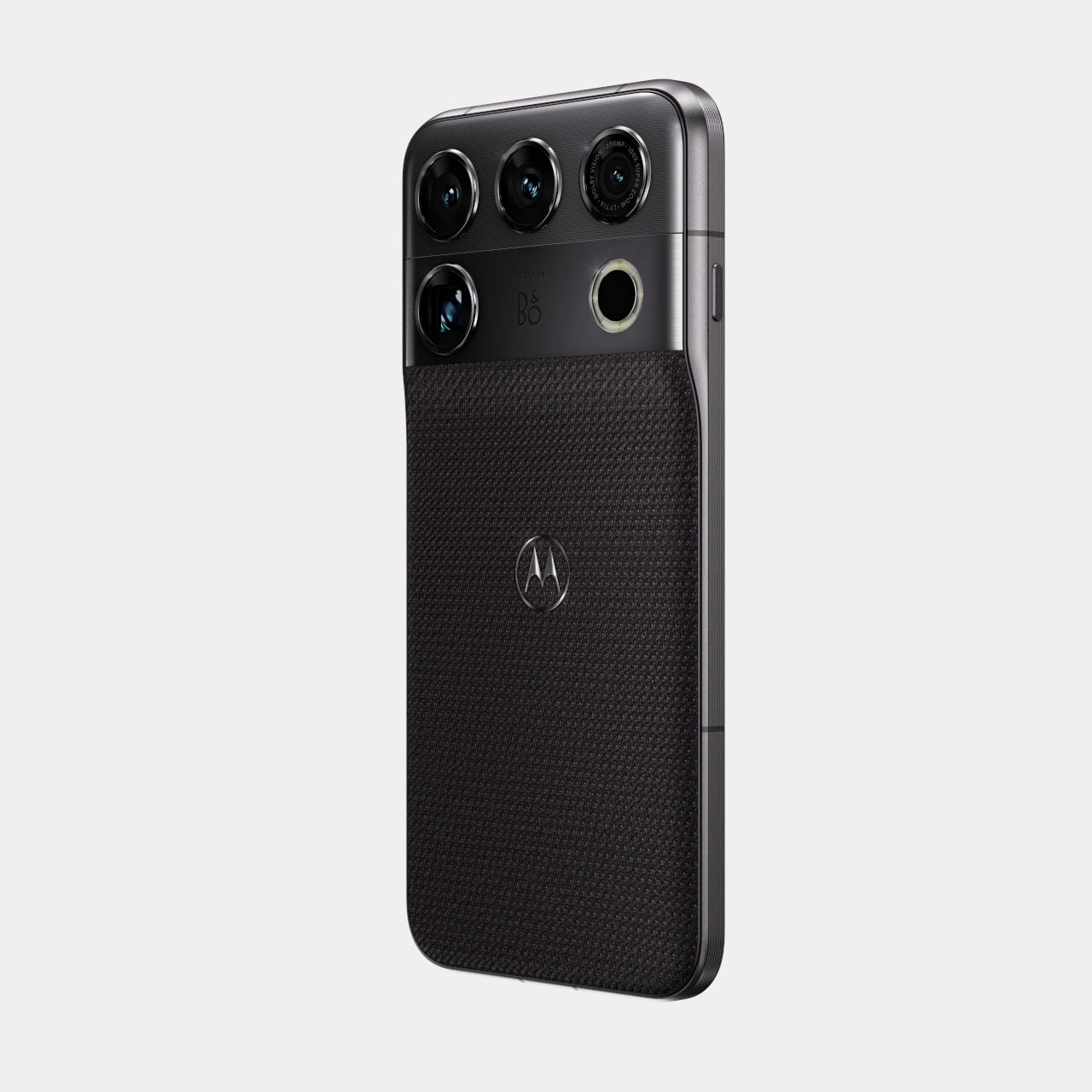
A smartphone’s camera bump usually exists to hold lenses and nothing else, a necessary bulge nobody asks to admire. The motorola signature 27 turns that same block into a badge, stamping a Bang & Olufsen wordmark directly onto the module beside the lenses themselves. It’s the clearest possible signal that this device treats audio as a design decision, not a spec buried three pages into a press release.
That badge marks Motorola’s first phone built under its new multi-year partnership with Bang & Olufsen, a deal aimed at making sound feel purposeful rather than incidental. Camera hardware and speaker hardware rarely share billing on the same panel of glass, yet here they sit side by side, treated as equally important reasons to pick this phone up and turn it over in your hand before ever opening an app.
Designer: Motorola, Bang & Olufsen
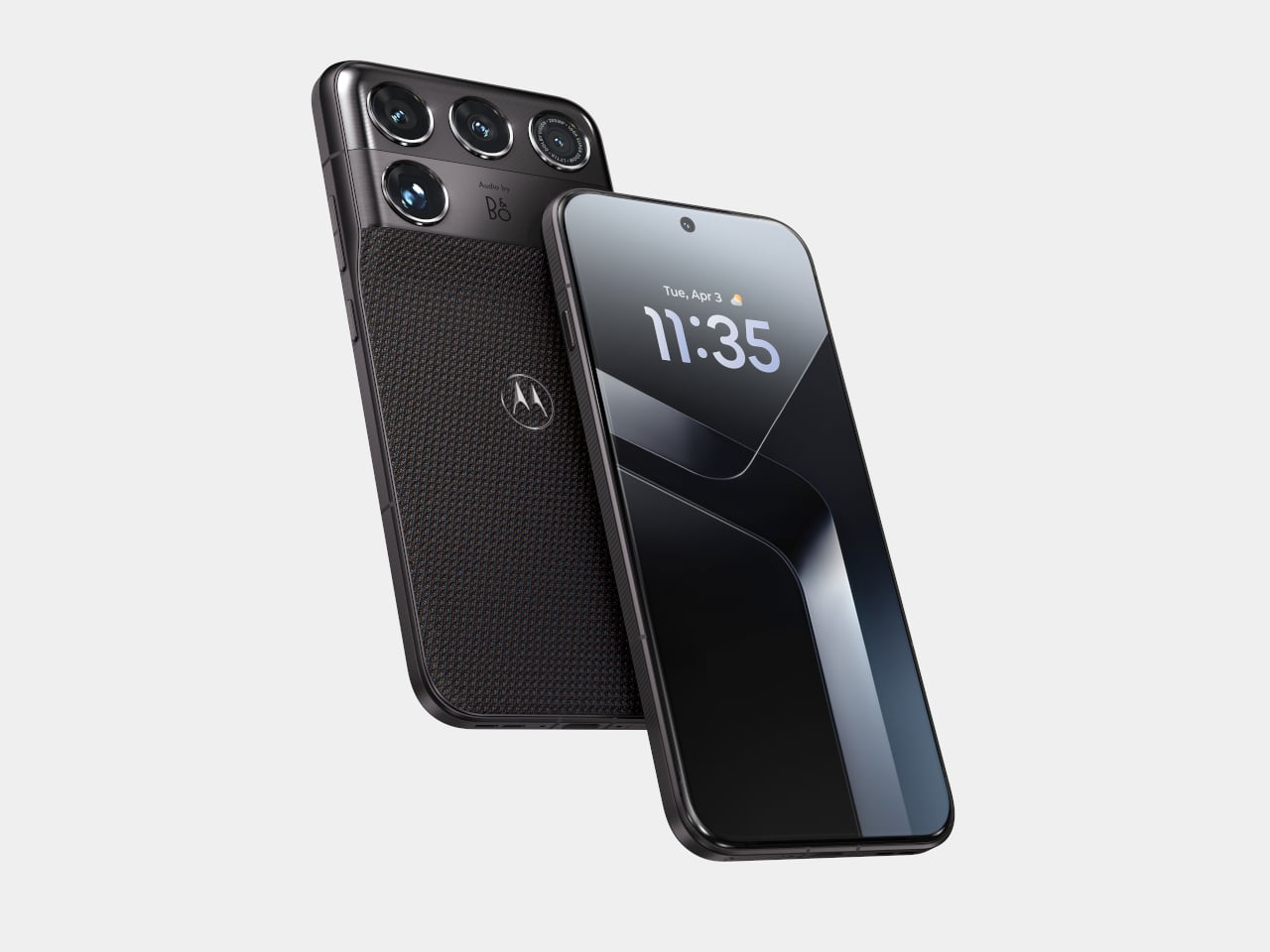
The name itself carries intent too. Motorola is retiring its old naming logic in favor of a simple year-based tag, with this device marking the first signature phone to carry a number tied directly to 2027 rather than an arbitrary sequential digit. It’s a small administrative choice that quietly promises a predictable rhythm going forward, one flagship a year, clearly dated, without guesswork about where it sits in the lineup.
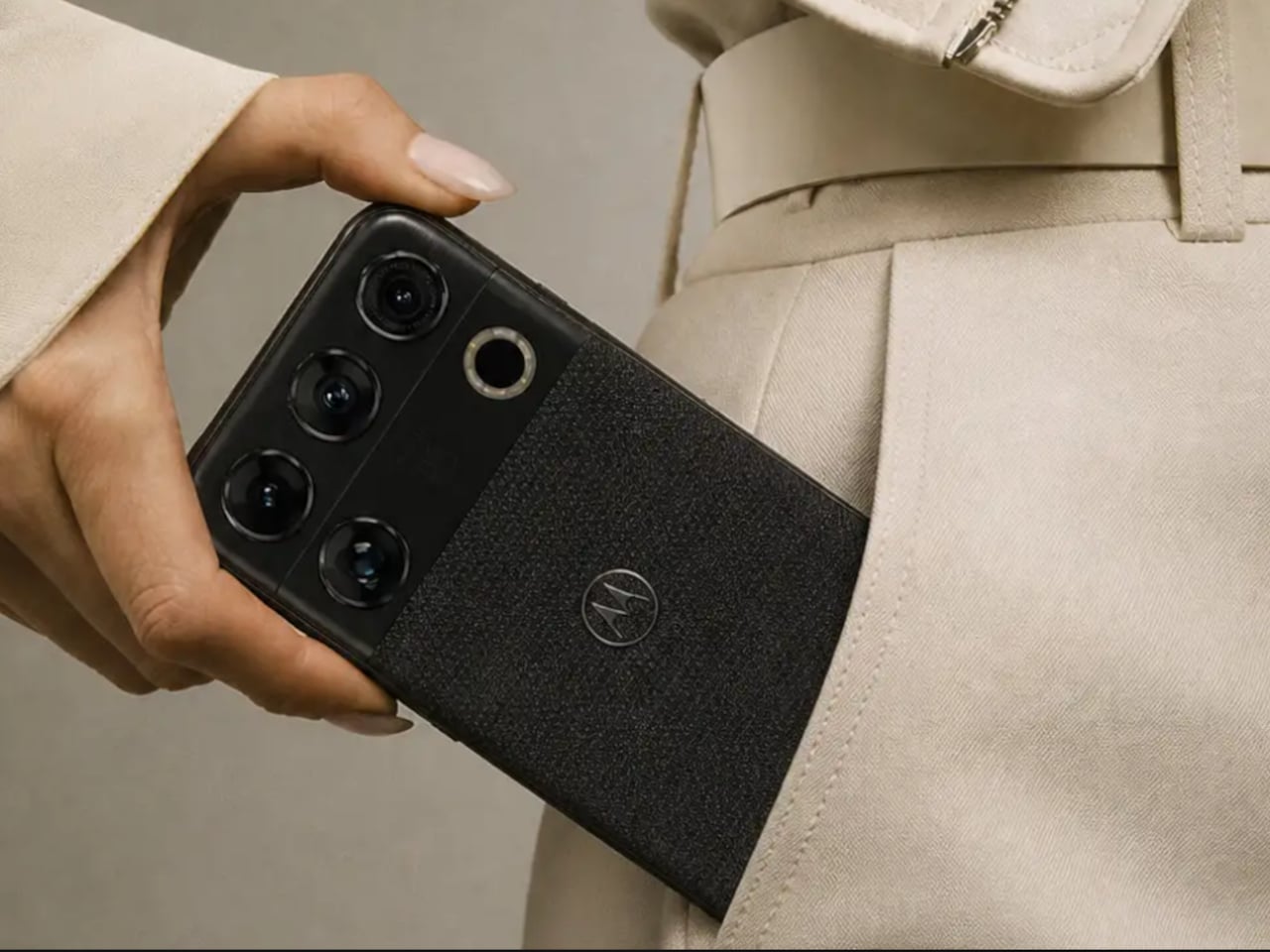
Flip it back around, and the chassis keeps making that same argument through touch alone. The Coal Smoke colorway wears a tightly woven, tactical-feeling texture borrowed from automotive interiors and performance wear, grippy enough to trust in a bag without a case. Capulet Green swaps that for a brushed, fabric-like softness pulled from fashion and interior design instead, warmer under a thumb than any glass back manages.
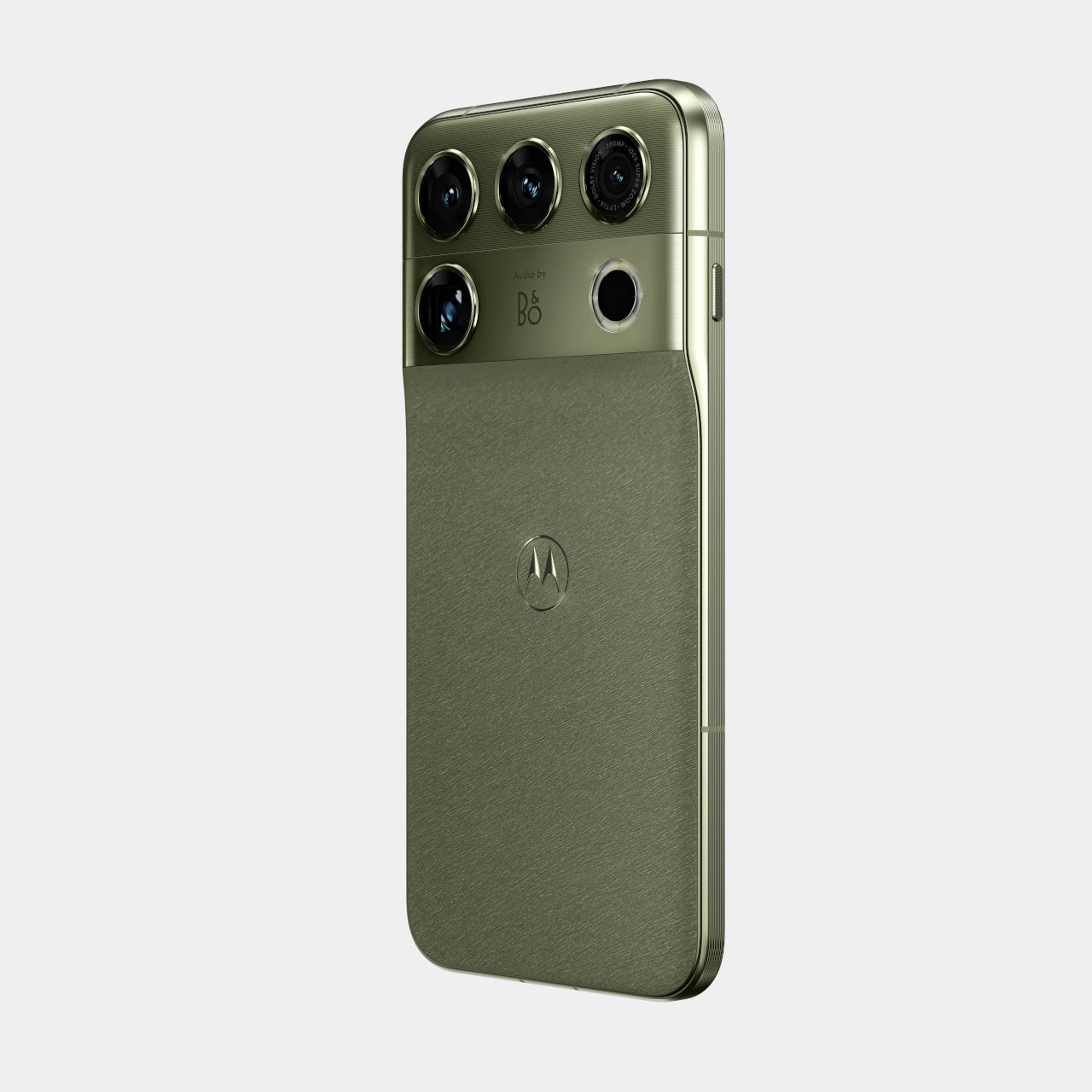
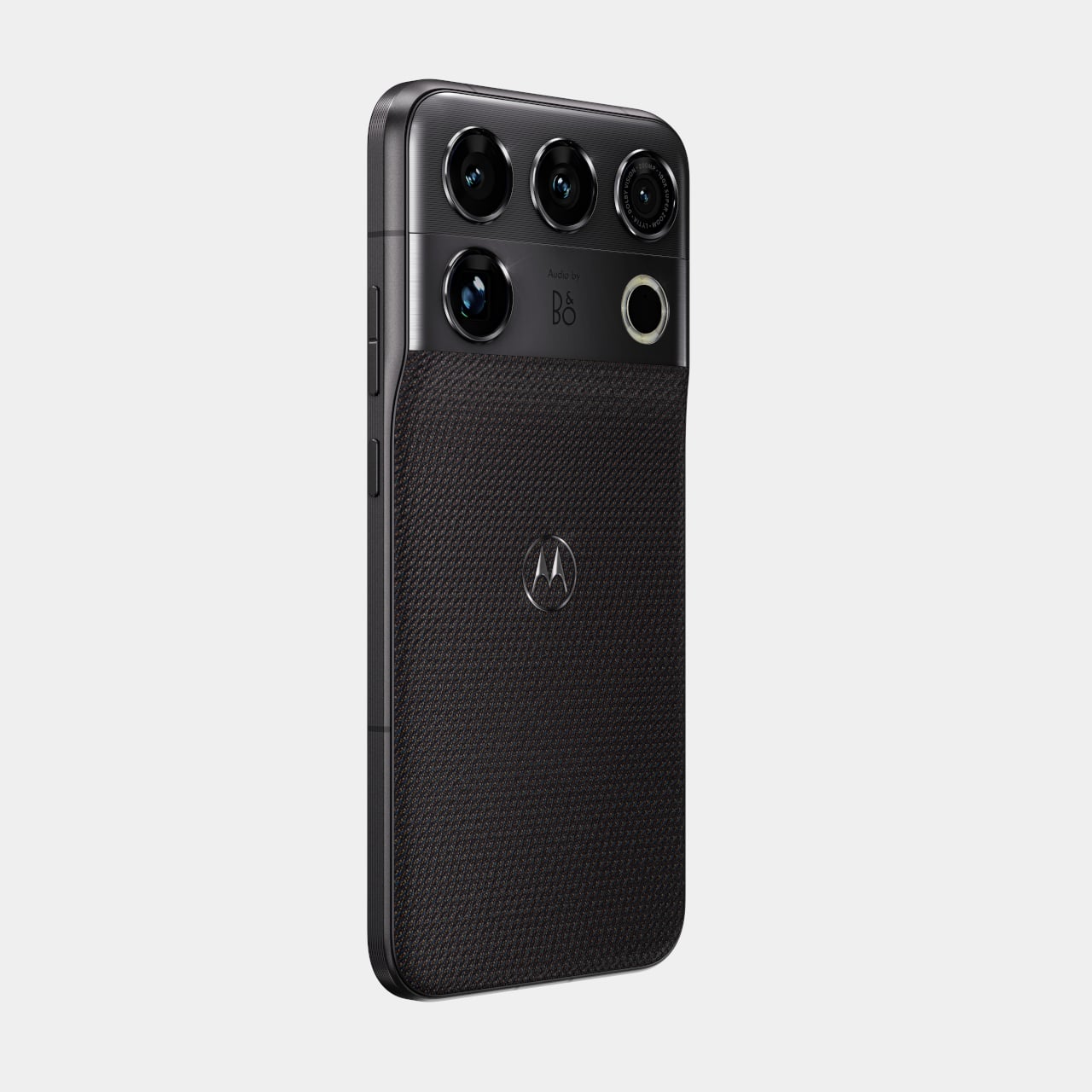
Both finishes wrap around a body built specifically to survive its own performance. Powering everything is Qualcomm’s brand-new Snapdragon 8 Elite Extreme Gen 6, paired with a cooling system Motorola calls ArcticMesh, combining diamond-infused gel, liquid metal, and copper mesh across a vapor chamber 40% larger than before. That matters most during long gaming sessions or video exports, when cheaper phones start throttling, and this one keeps its pace steady.
Photography gets the same layered treatment. A 50MP Sony sensor anchors the main shot, backed by a 200MP periscope lens for distant detail, while stabilization hardware works alongside Qualcomm’s own image processing to keep handheld footage from wobbling during a walk or a pan. Motorola’s Video Enhancement Engine reads a scene in real time, adjusting color before and during recording so a sunset or a dim concert stage looks the way it actually felt standing there.
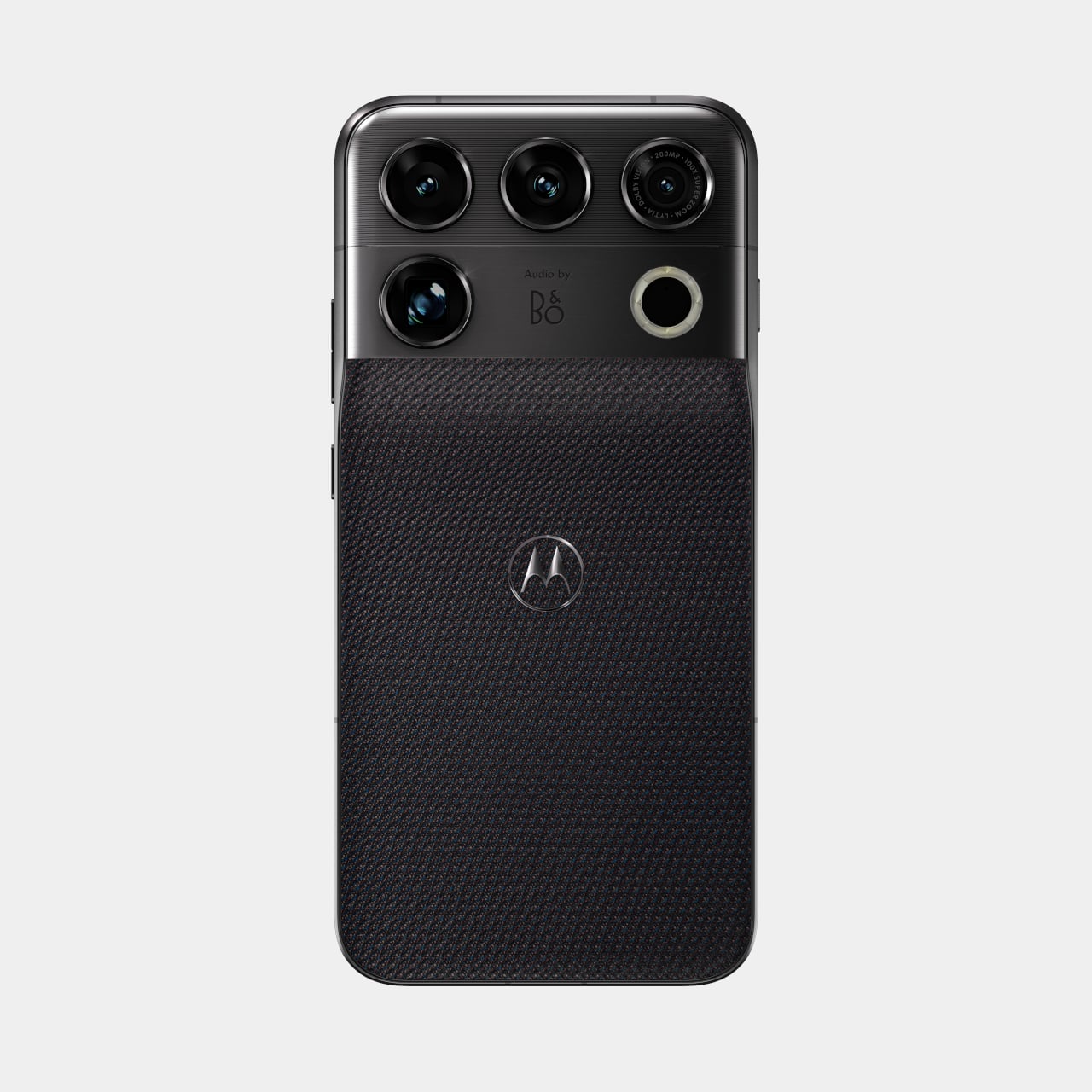
Google’s Gemini threads through the software layer without waiting to be asked. It handles more than answering questions, moving from a spoken intention to a finished action, booking a table, drafting a plan, or turning a handful of photos into an edited video through a tool Motorola calls Gemini Omni. A companion feature named Lyria builds original music and soundtracks from scratch, folding creative software into hardware that already looks built for it.
None of this arrived as a finished retail package. What Motorola showed at Snapdragon Summit is a preview, missing pricing and a firm release window, with the company promising fuller detail as 2026 continues. What’s already clear is the intent: sound, texture, and image quality are being treated as one connected decision here, not three separate boxes checked down a spec sheet.
SHARE