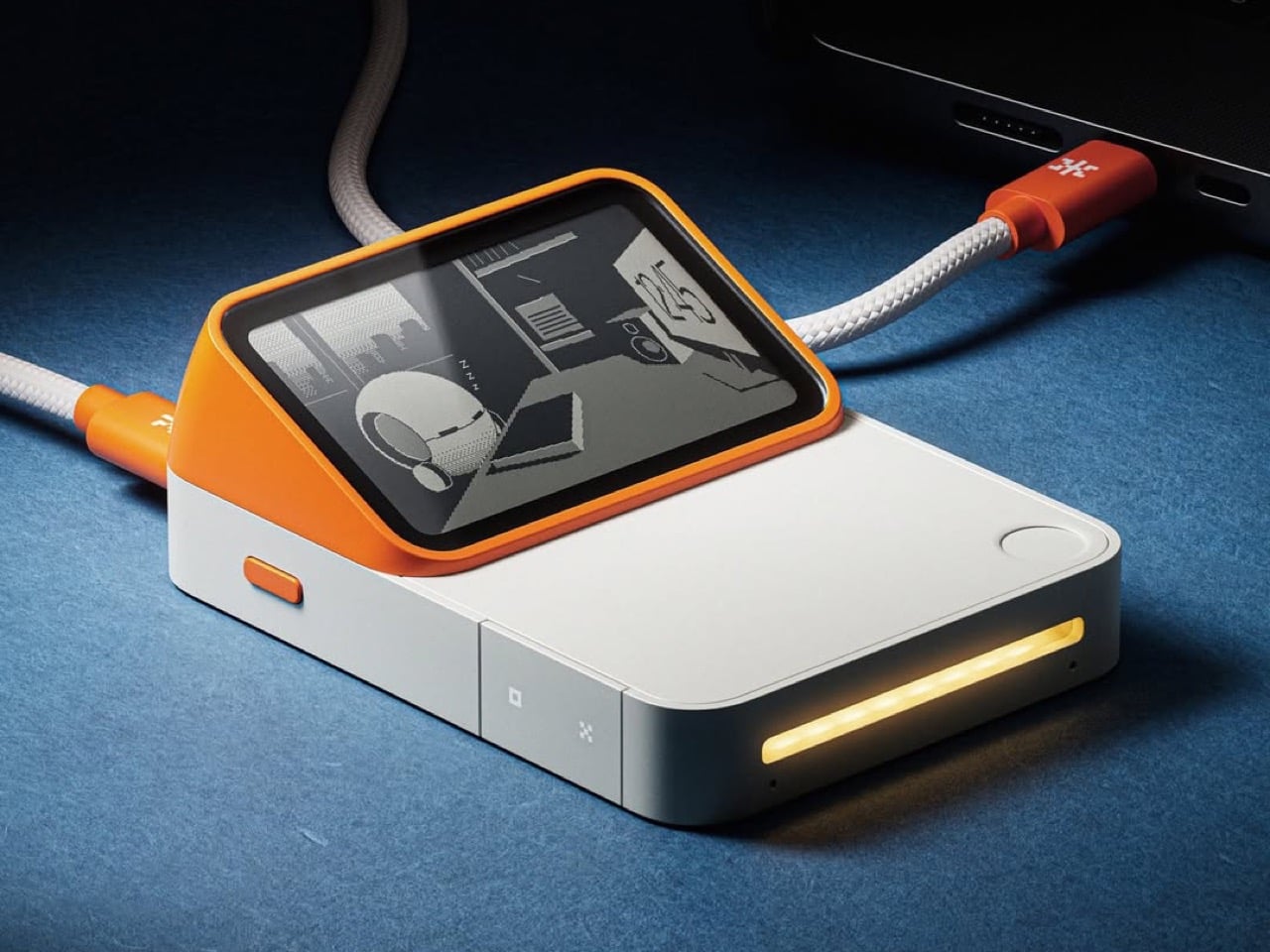
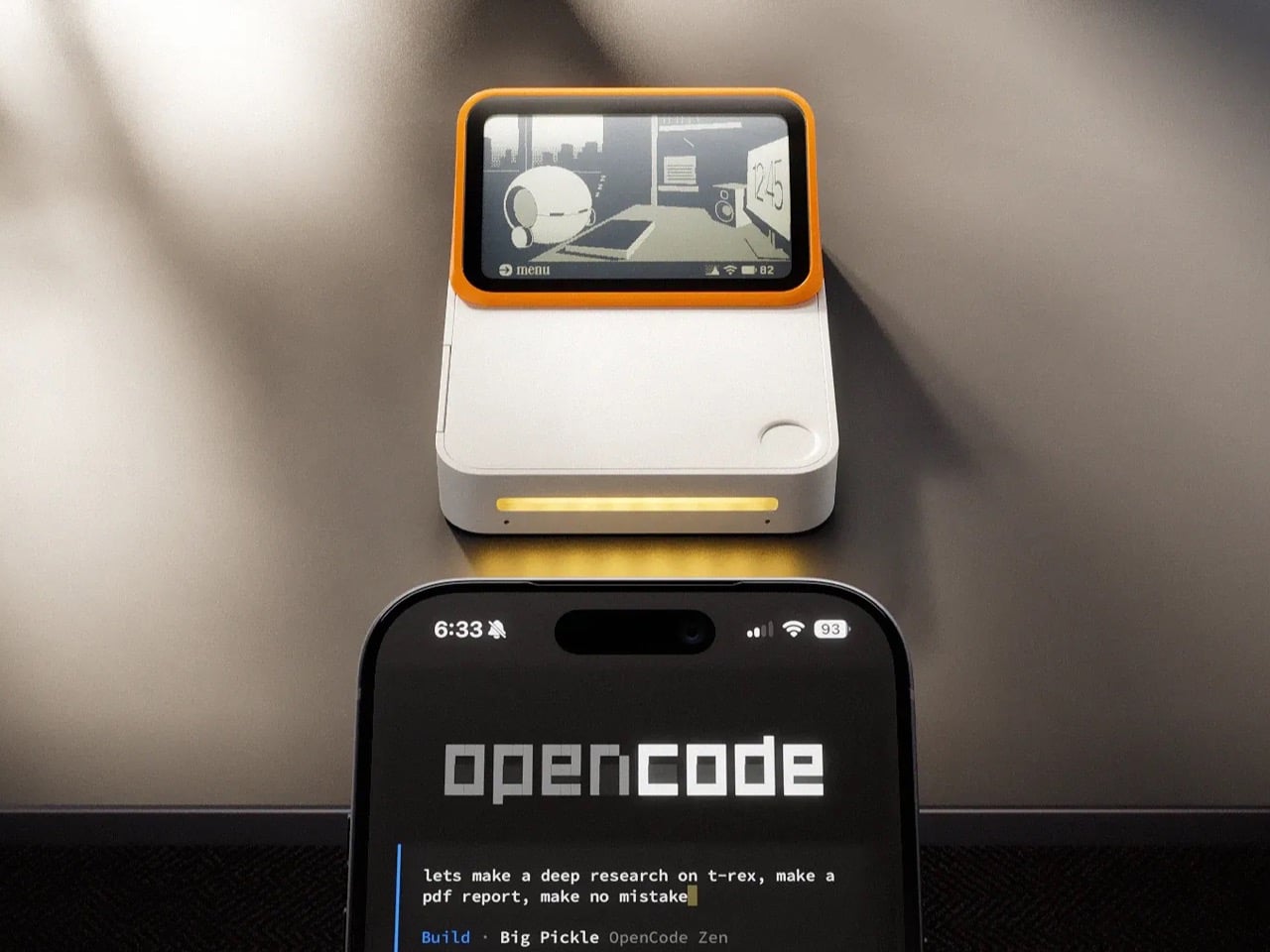
Earlier this year, people were buying Mac minis by the cartload just to give their OpenClaw agents somewhere to live, and Apple Store staff reportedly started calling it the “OpenClaw machine.” Pamir’s Lapis One looked at that trend and asked a very reasonable question: what if the agent’s computer was actually designed for the agent? The answer is a coaster-sized Linux box with a Rabbit R1 orange cap, an iMac G3 two-tone body, and a pixel robot snoozing on its little screen. Your AI assistant gets its own desk, its own internet connection, and its own battery, while your laptop finally gets some peace. Frankly, it’s a nicer setup than my first apartment.
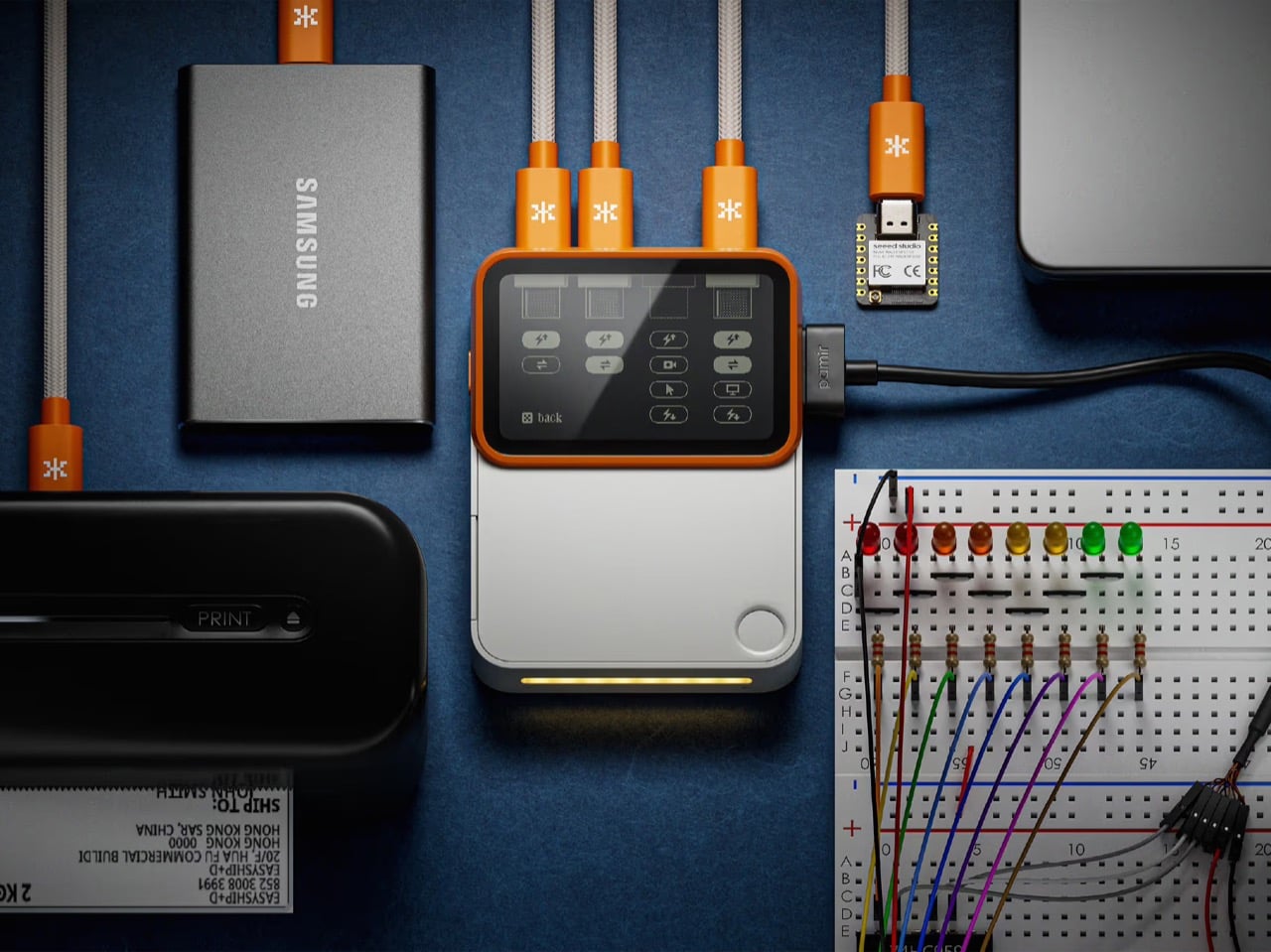
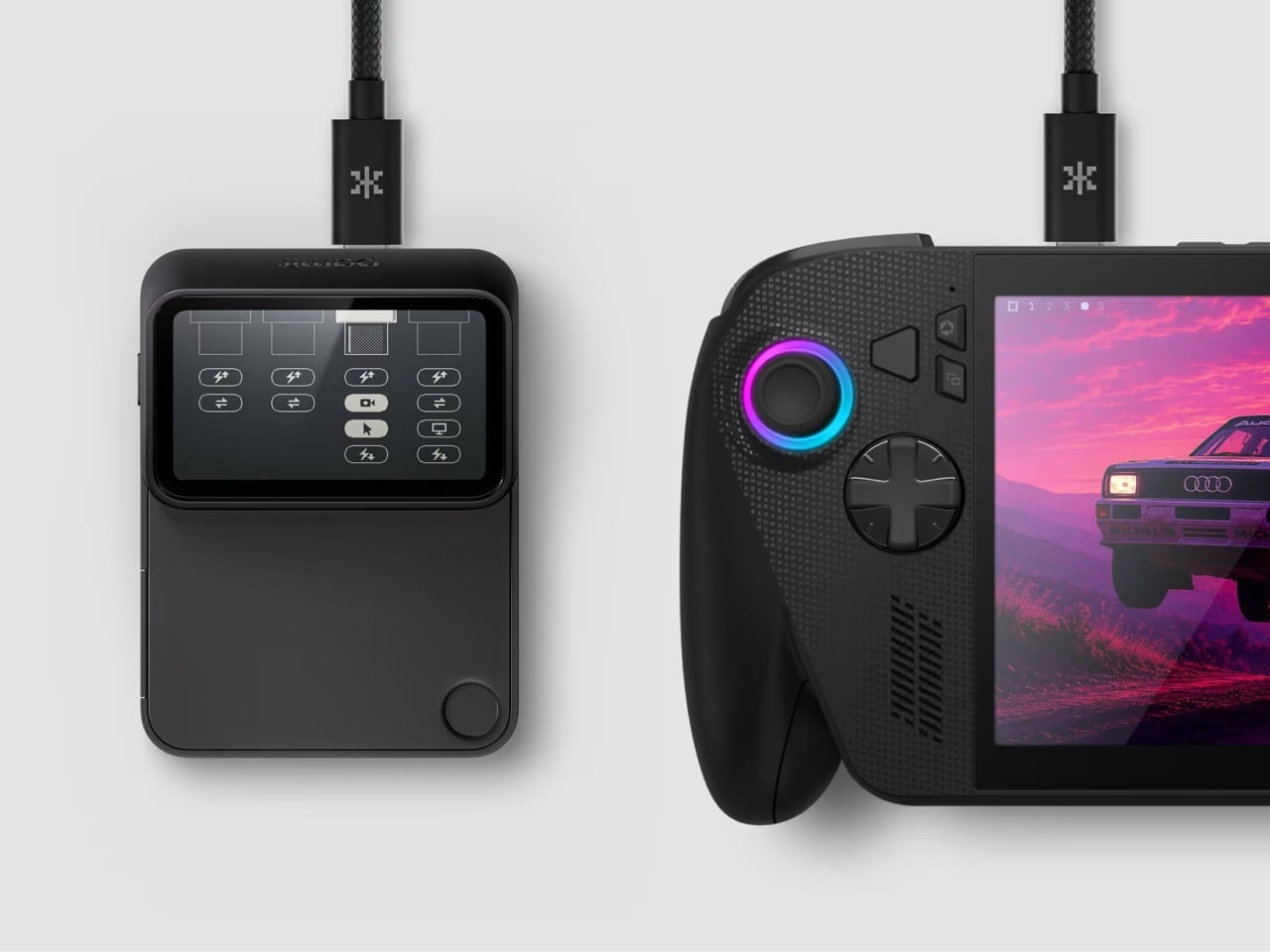
Under that playful shell sits a Rockchip RK3576 chip with a 6 TOPS NPU, 8GB of LPDDR5 RAM, 64GB of storage, and room for an M.2 SSD and a microSD card. The standout feature is Agent KVM, a dedicated USB-C port that captures another computer’s display and fakes a keyboard and mouse, letting your agent operate a second machine the way you would. Tailscale comes baked in, so you can check on your agent from your phone in the grocery store checkout line. Pamir, a San Francisco startup that previously shipped the Distiller dev kit, has pre-orders open at $499, with December shipping to the US. The regular price will be $599 once pre-order pricing ends.
Designer: Pamir AI
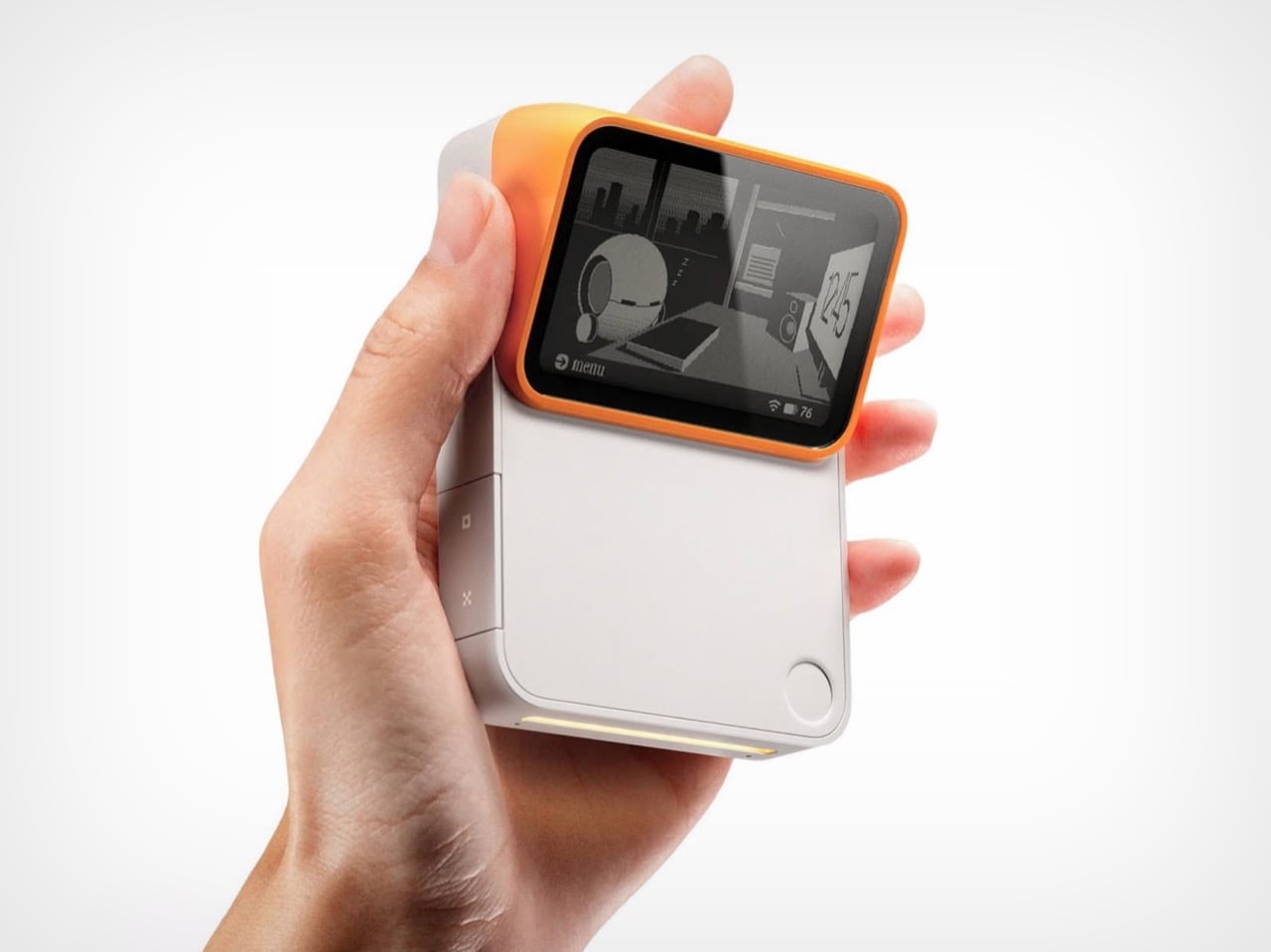
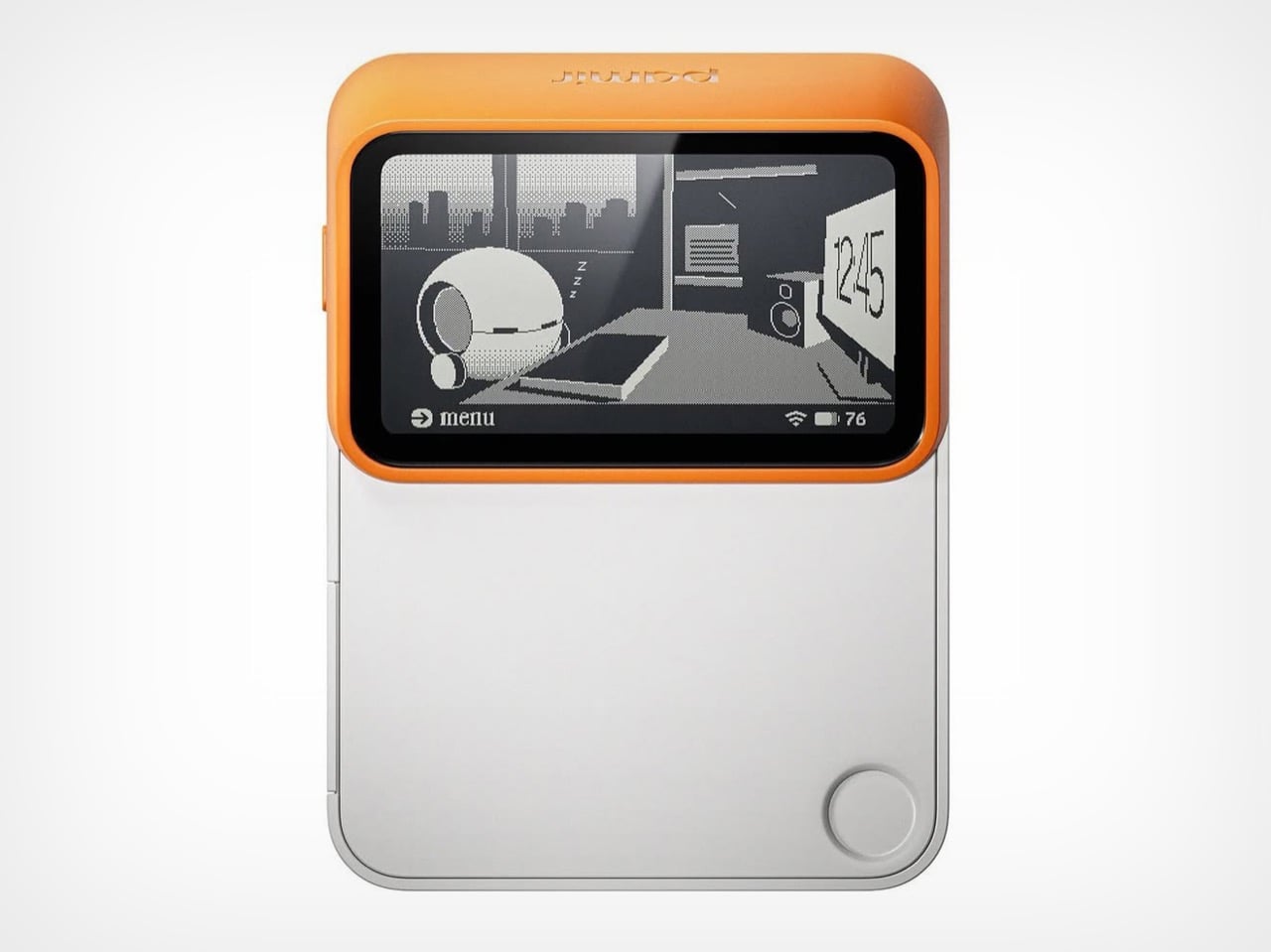
Pick the Lapis One up and the design lineage is impossible to miss. The orange wedge housing the screen is doing a very direct Rabbit R1 impression, right down to the color and the cute pixel-art creature that lives on the display. We covered the R1 when it launched, admiring how Teenage Engineering gave it a Tamagotchi-like charm, and the comparison mostly holds here too. Where the two devices split is purpose. The R1 tried to replace your phone and got clowned for it because your phone already does everything a phone needs to do. The Lapis One doesn’t compete with anything you own. It just wants a permanent outlet and a Wi-Fi password, which is a much easier ask.
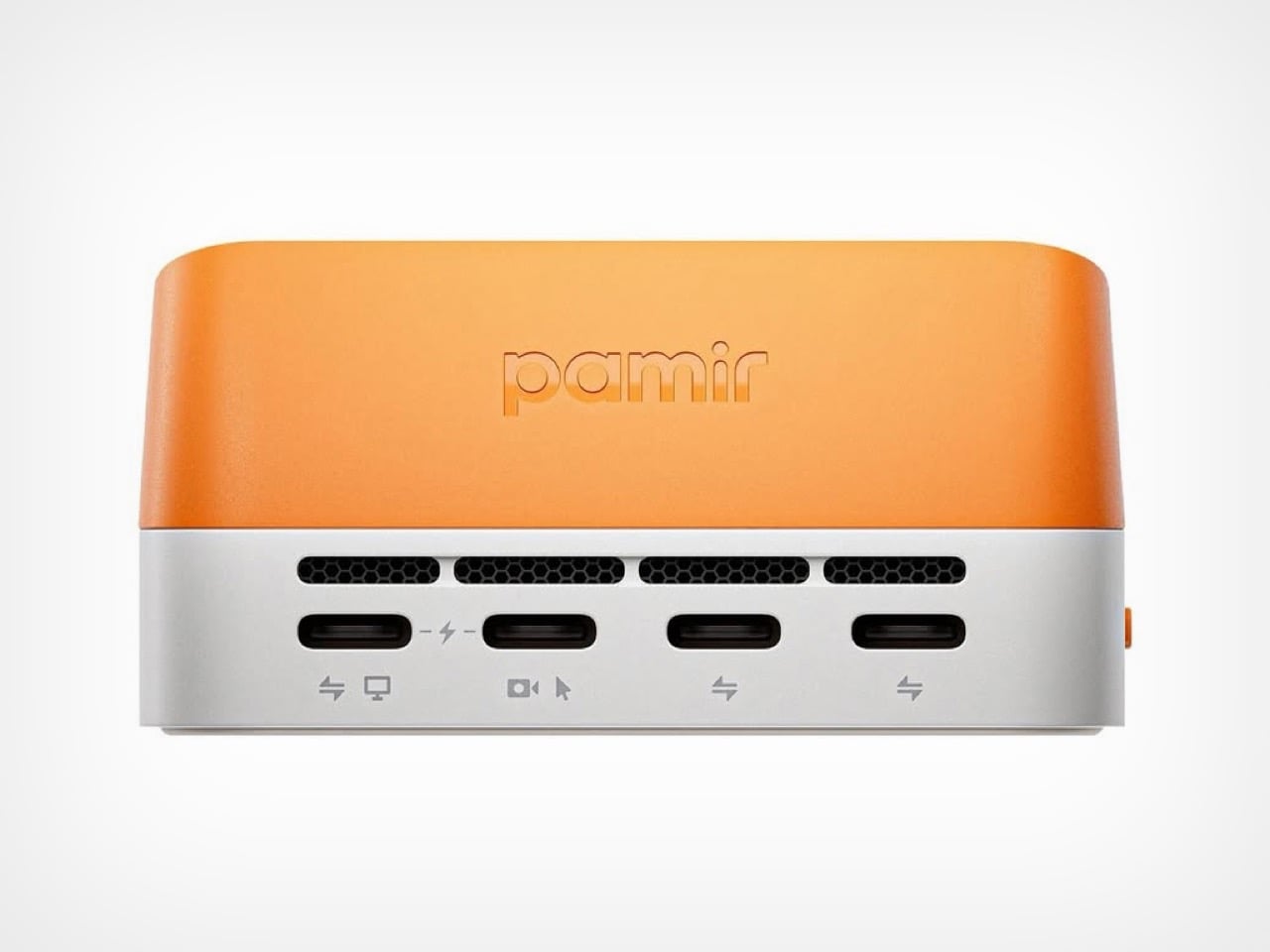
The other reference point is the iMac G3, and it shows up less in the color and more in the attitude. Apple’s original iMac made a whole generation comfortable with computers by wrapping them in candy plastic and betting the farm on USB when almost nothing supported it yet. The Lapis One runs a similar play for Linux, a platform whose default personality is a bare green board and forty tabs of forum troubleshooting. Four labeled USB-C ports on the back handle power, video out, data, and the KVM function, and the whole thing boots into a clean, readable interface instead of a terminal prompt. That is a genuinely useful decision for anyone who wants Linux without becoming a systems administrator.
The screen is a Sharp memory LCD from the same panel family as Panic’s Playdate, a device we have written about more than once for its willingness to be delightfully impractical. That low-power panel means the Lapis One can sit there all day, idle screen glowing faintly, without murdering its 3,300mAh battery, and it doubles as a desk clock when your agent isn’t busy. It is a small detail, but it is the kind of small detail that separates a product from a dev board somebody forgot to case.
None of this erases the real questions. Battery life tops out around four hours, which turns the “personal UPS” pitch into more of a personal nap timer. Agent KVM hands your agent direct control of a second computer’s keyboard and mouse with zero software safety net on the target machine, so you are trusting your own judgment about what that agent is allowed to click. And $499 for what is, on paper, a mid-range ARM chip in a nice box will keep the Raspberry Pi comparisons coming, same as they did the day this thing launched.
Still, I like where Pamir landed. The industrial design does the job good industrial design is supposed to do, which is make a genuinely intimidating category of hardware feel like something you would not mind on your desk. Whether $499 buys enough agent to justify the coaster remains an open question until October’s first batch actually ships.
SHARE