If you live a life full of meetings and conversations, there’s a good chance you’ve forgotten something important that was said to you. Sure, you can take notes or jot things down as you go, but not everyone likes doing that, and not everyone has the time to stop and sort through everything they hear during a busy day.
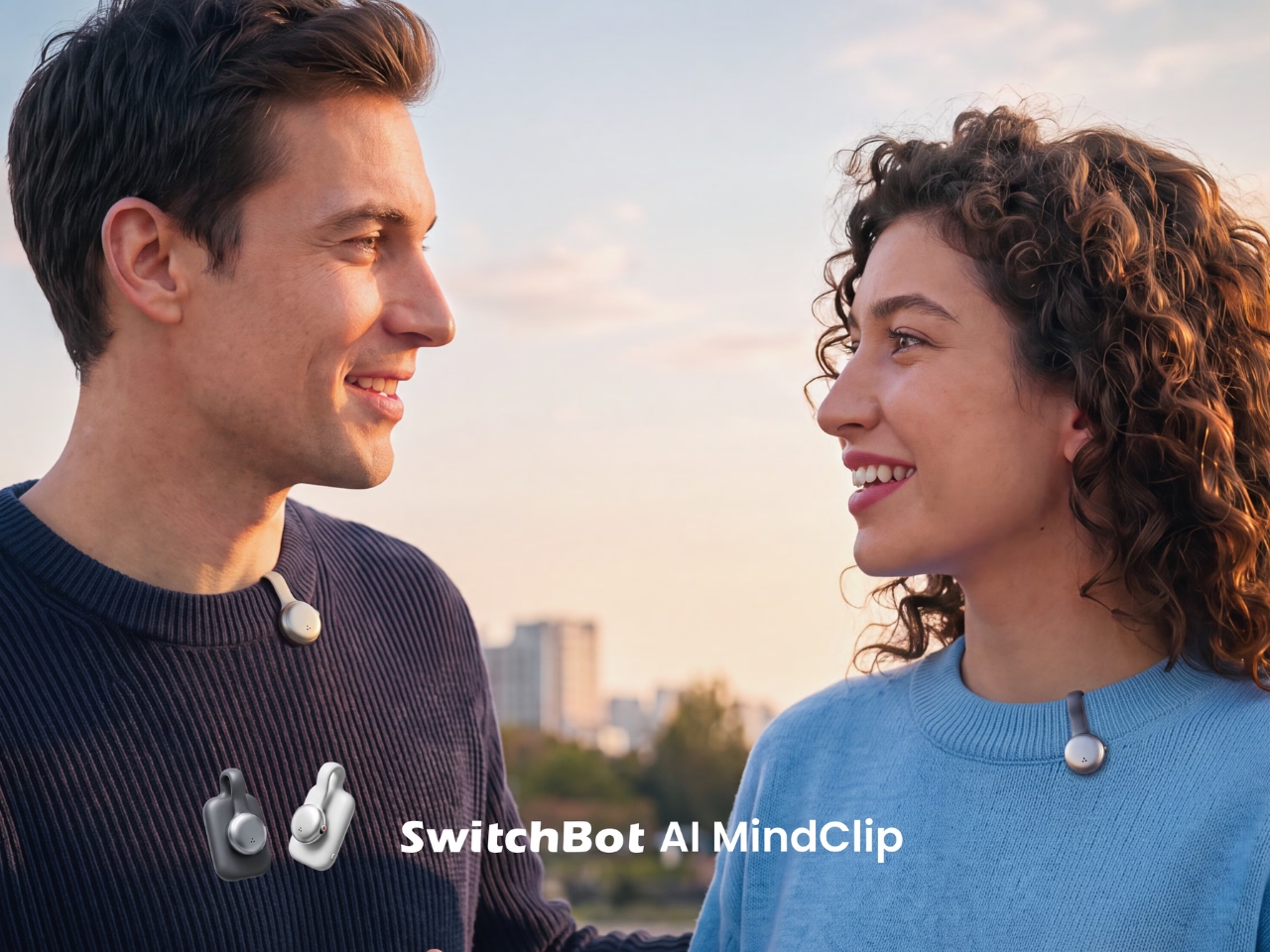
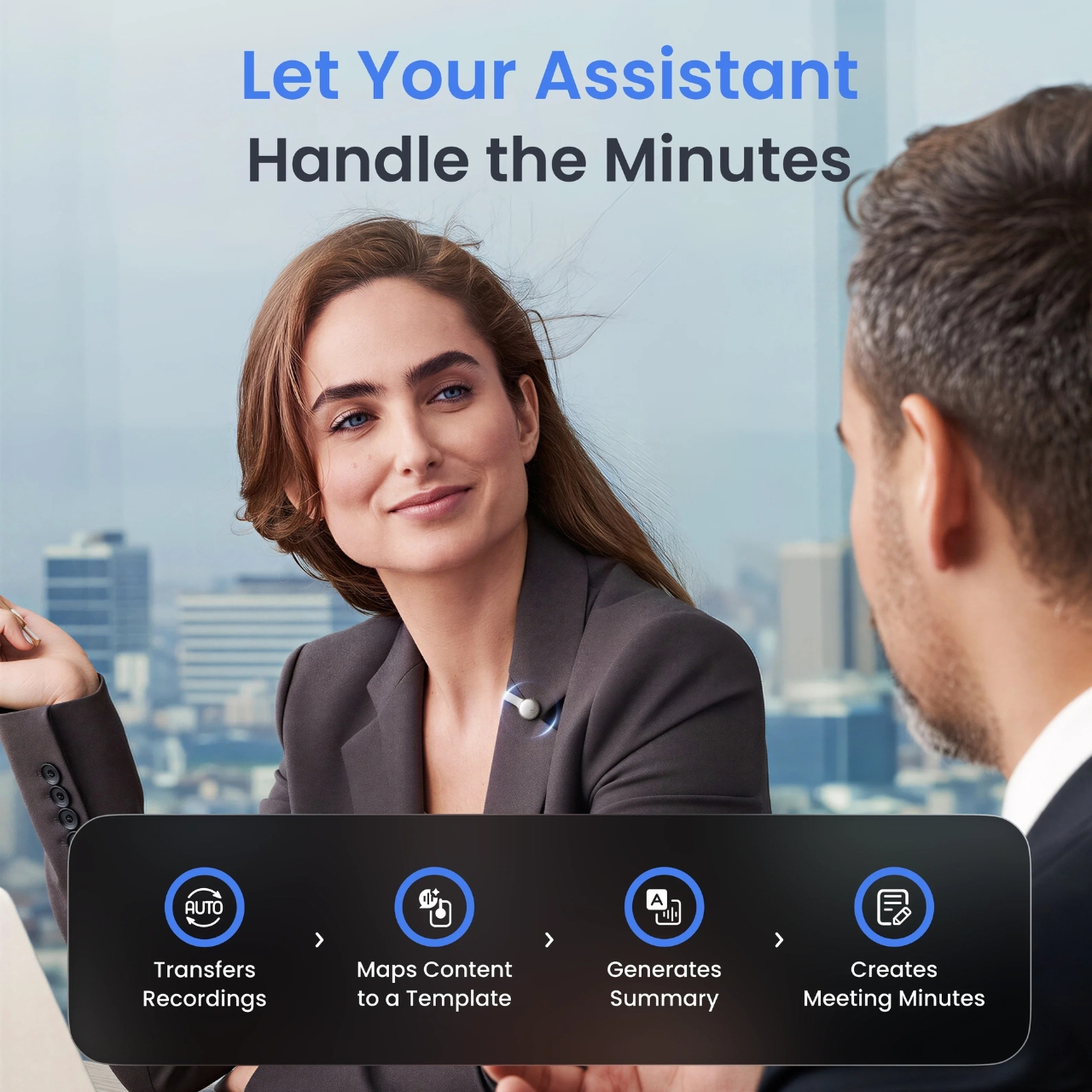
The SwitchBot AI MindClip wants to do the heavy lifting for you by creating a “second brain.” It’s a lightweight, clip-on wearable AI gadget that can record conversations and meetings while also letting you add voice notes whenever inspiration strikes. From there, it automatically transcribes, summarizes, and organizes everything so the information ends up exactly where you need it, whether that’s your calendar, your to-do list, or a searchable archive you can revisit later.
Designer: SwitchBot
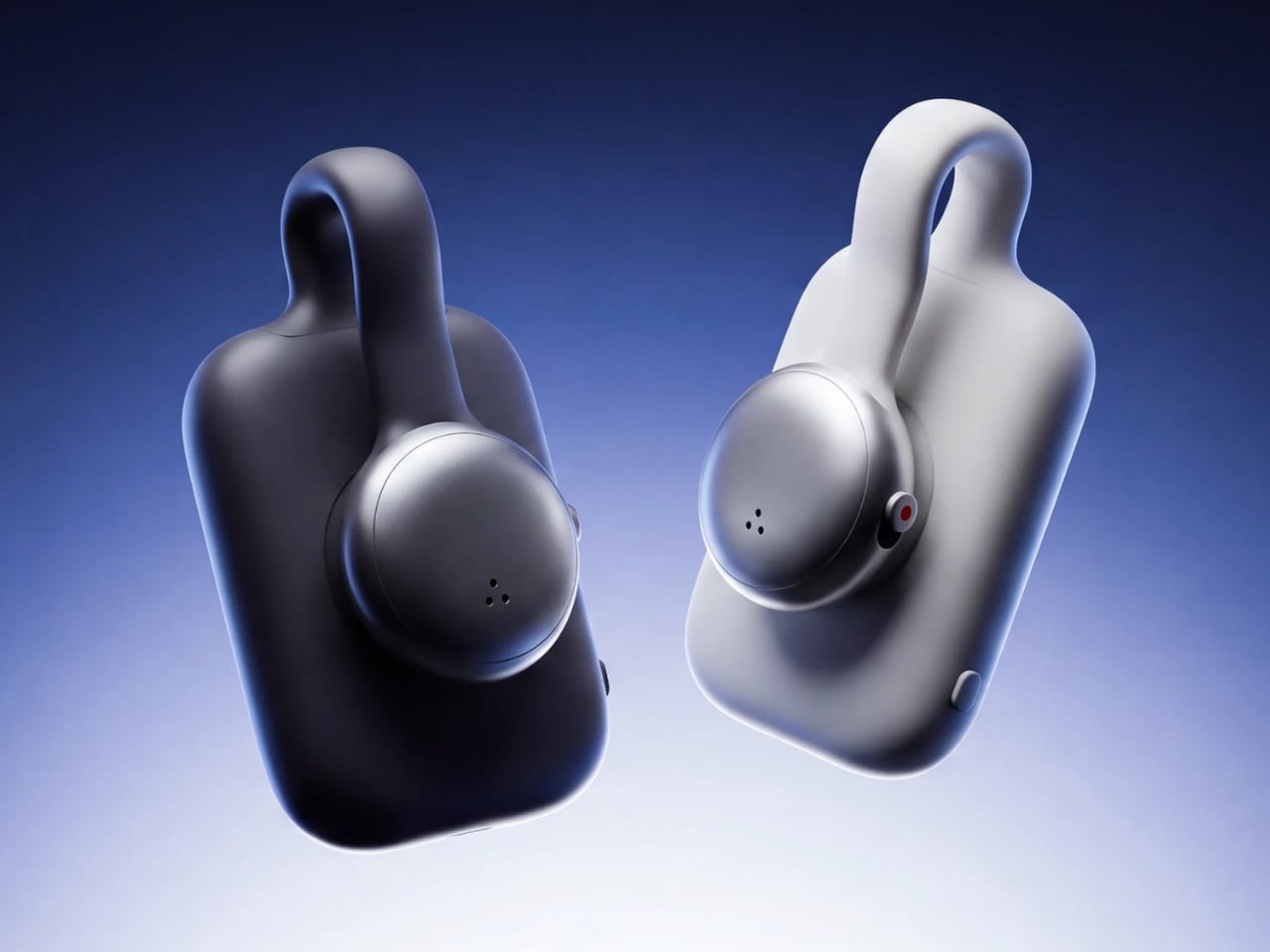
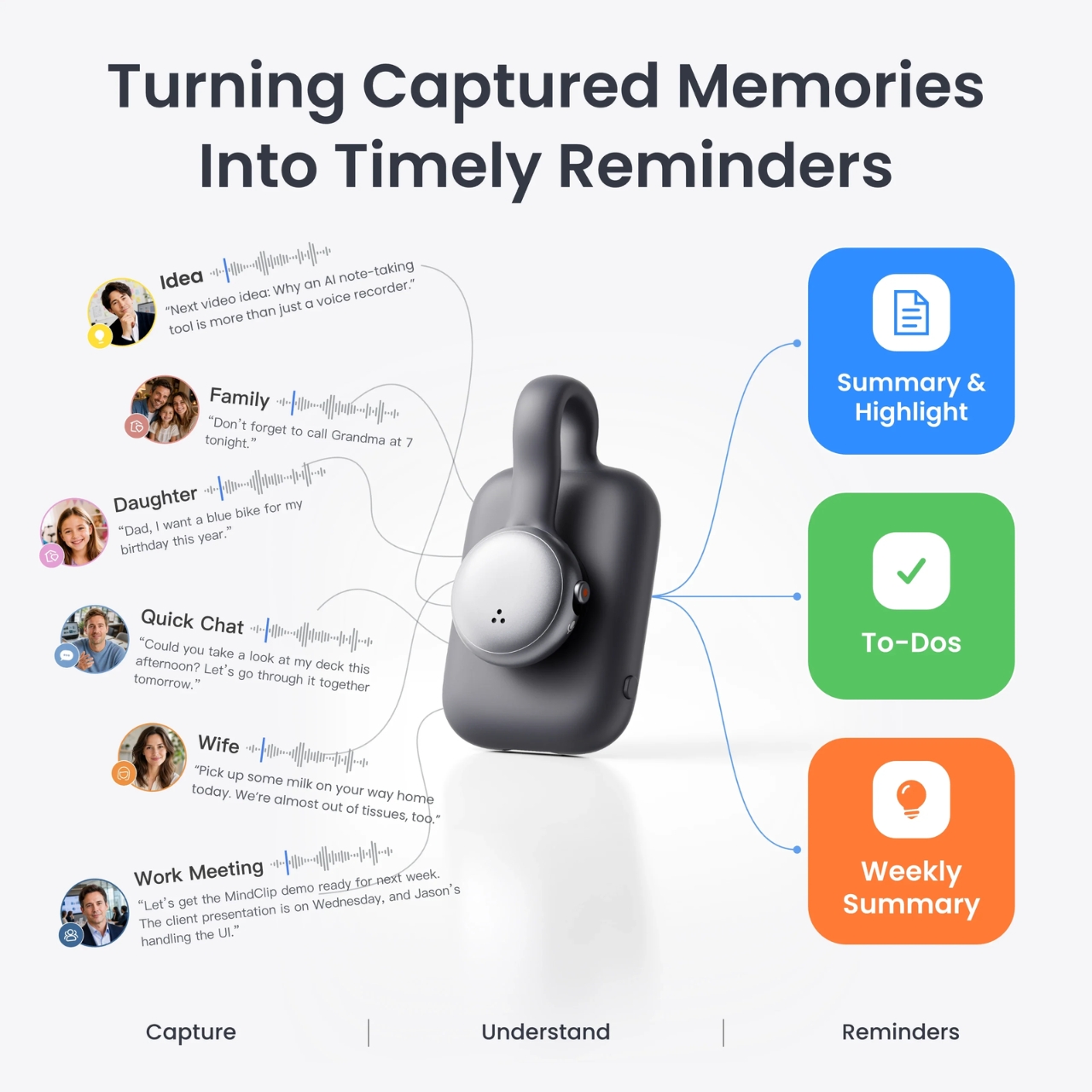
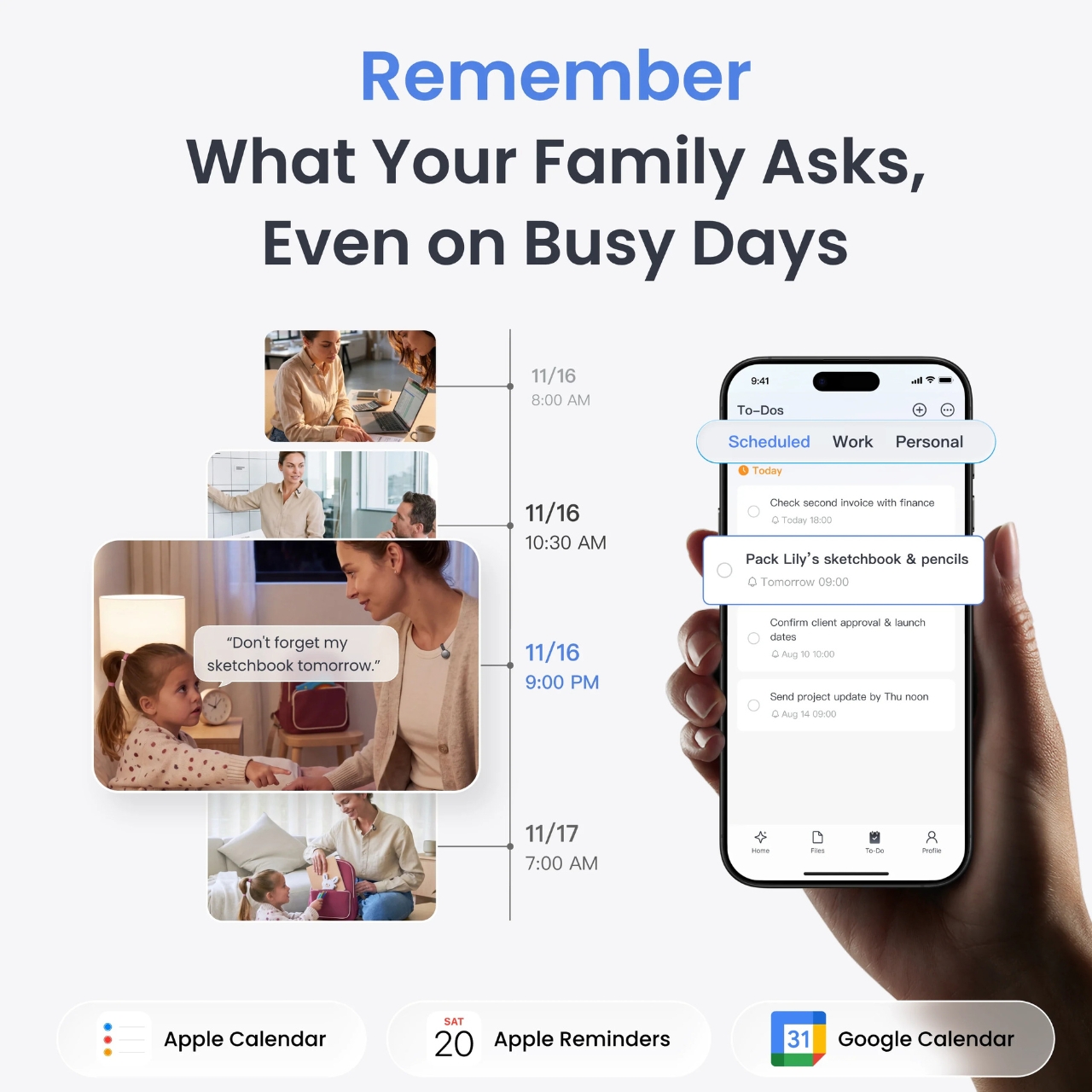
Plenty of recording devices already exist, mostly built to capture meetings and interviews. But the MindClip does more than just dump everything into one long audio file. It sorts your recordings into categories like Timeline, Priority, Daily Memory, Weekly Summary, and To-Do Overview. You can even sync it with your calendar and reminder apps, turning those “overheard” details into real, actionable schedules and tasks instead of letting them slip away.

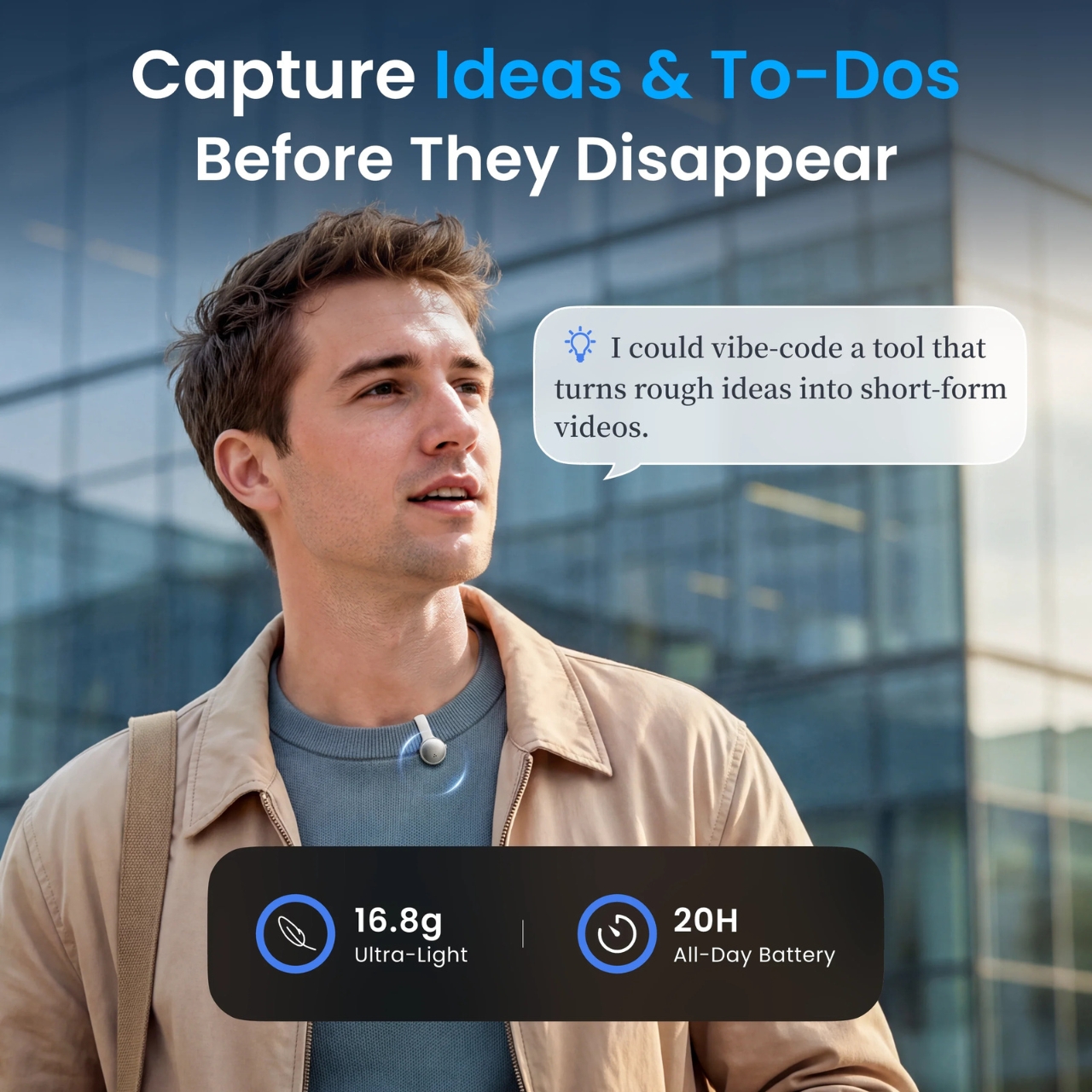
As for the design itself, the AI MindClip is a small, button-like, square-shaped clip that looks more like a tiny badge or pin than an actual recorder. It’s built to blend into whatever you’re wearing rather than stand out, which makes it easy to put on every day and take just about anywhere. The device is made from aluminum alloy and ABS plastic, giving it a premium feel while keeping it both durable and lightweight at just 16.8 grams. It comes with a clip-back mount that easily attaches to collars, jackets, bag straps, and lanyards. It’s also sweat-resistant and splash-resistant, so it’s built to handle real-world scenarios like commuting, phone calls, meetings, and everyday wear without missing a beat.
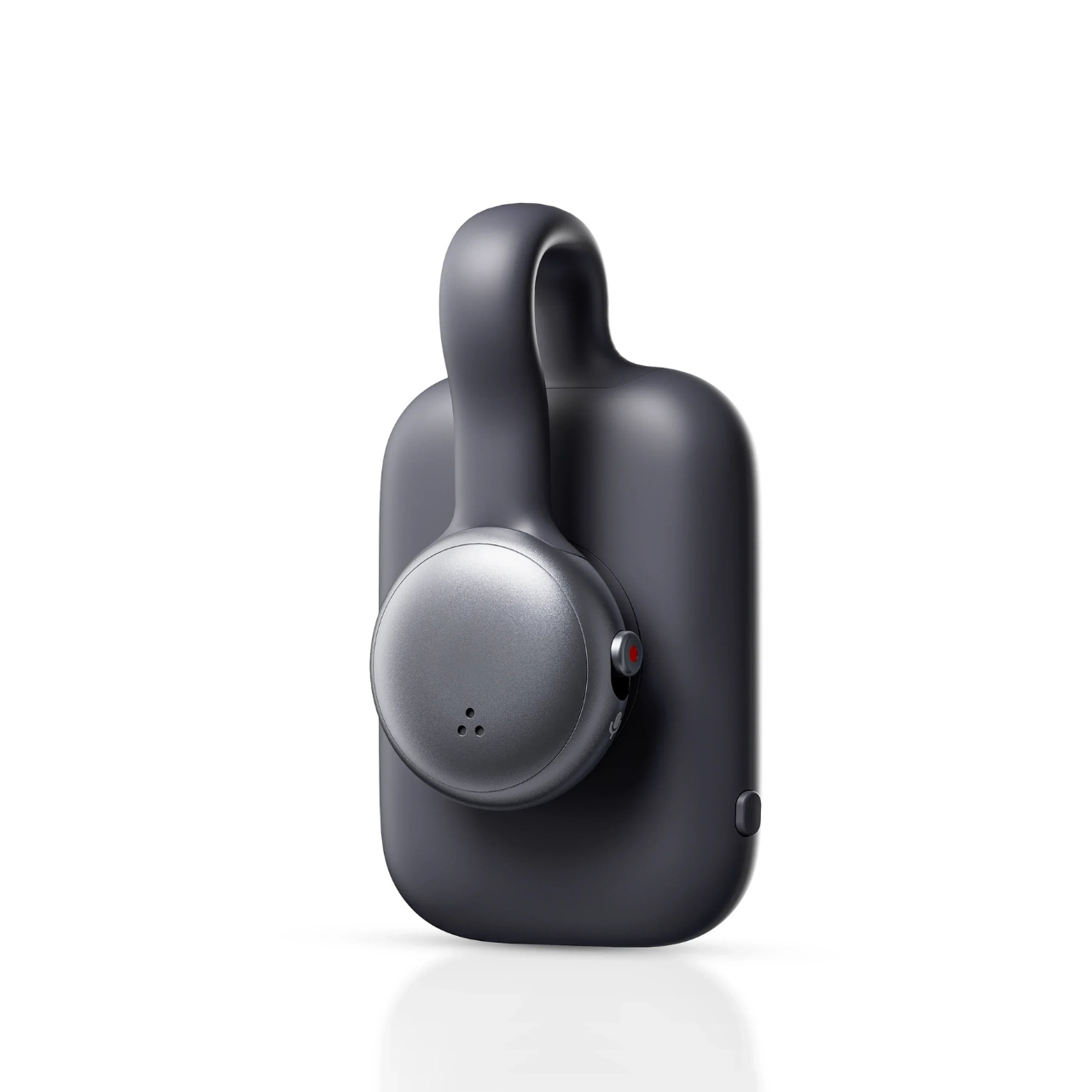
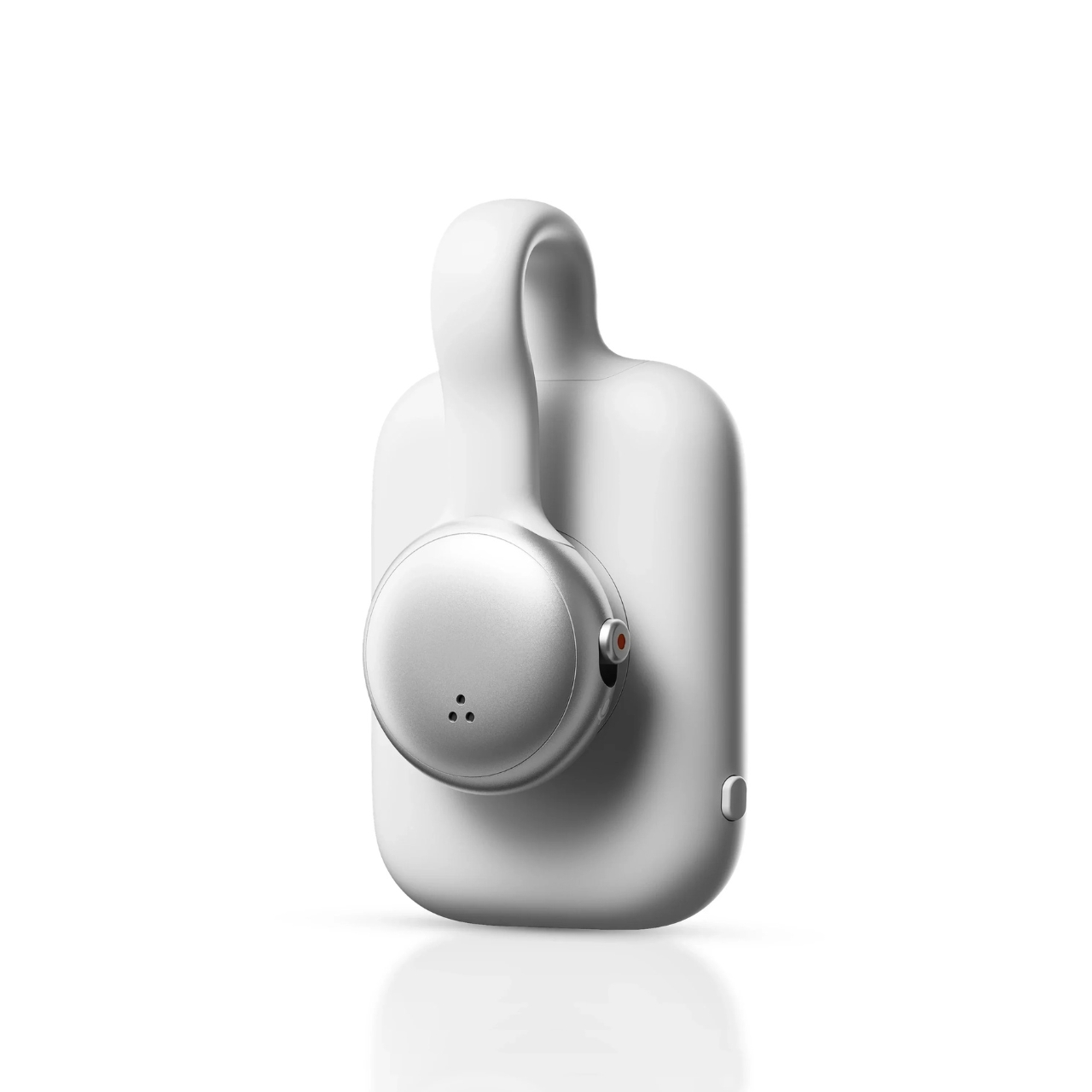
This tiny device is packed with AI-powered features, including automatic speech-to-text transcription, AI summaries built from a variety of templates, automatic to-do generation, and weekly recap summaries. You can even ask it questions about past recorded audio using its “AskAI” conversational search feature, so instead of scrolling through old notes, you can simply ask what was said and get a straight answer.
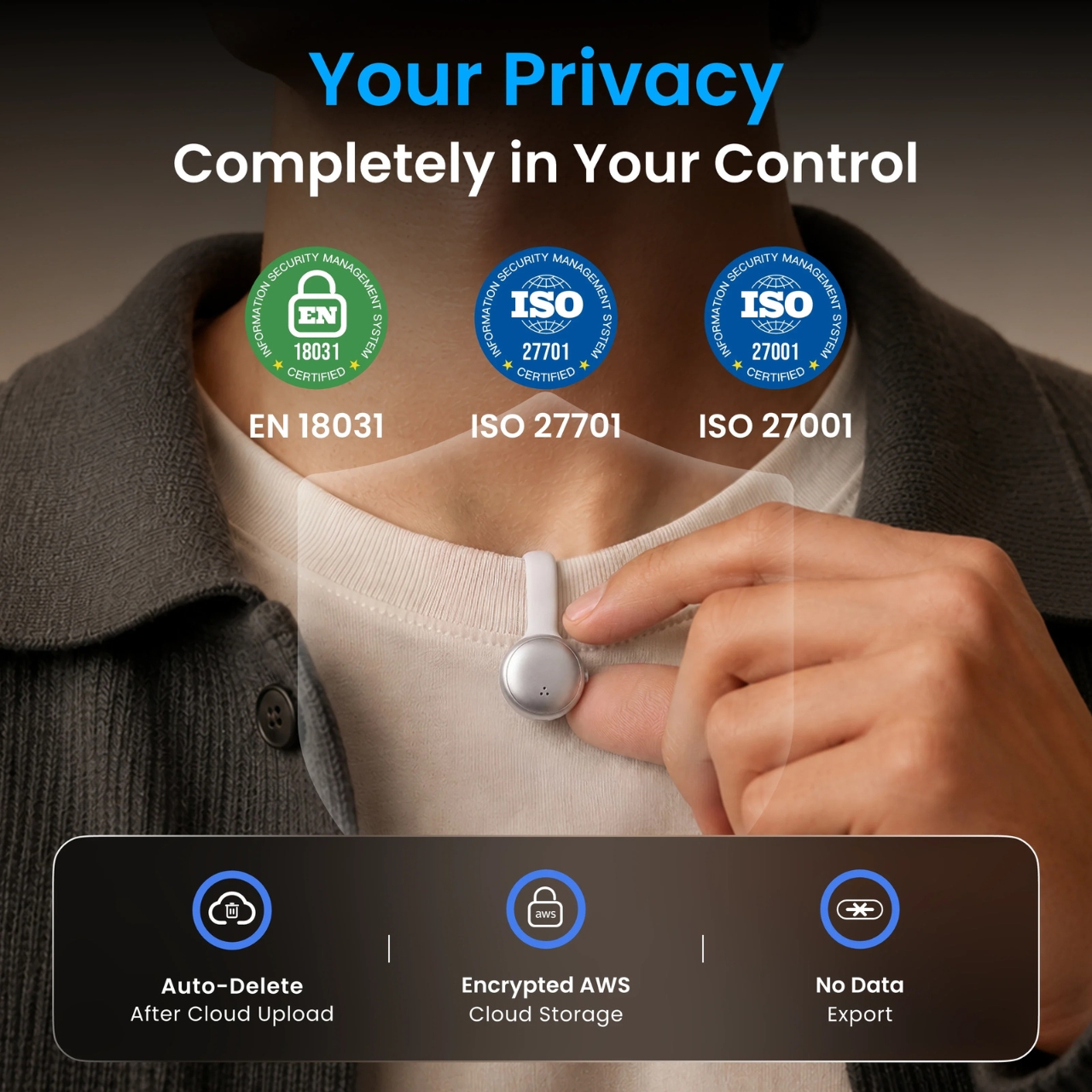
Of course, a device like this naturally raises questions about privacy and legality. SwitchBot has built in a number of in-app privacy and data management controls, along with end-to-end encryption for both pairing and file transfer. Even so, there will likely be ongoing concerns given the device’s “always recording” nature. SwitchBot will need to make it clear that these features won’t create problems for the wearer or for the people around them, especially since many U.S. states require everyone in a conversation to consent to being recorded.
Personally, I still prefer pen and paper, or typing things out on a keyboard, when it comes to note-taking and remembering things I need to act on later. But no method is foolproof, and there are definitely moments, like a packed workday or a hectic family schedule, when a tool like this could genuinely come in handy.
At the end of the day, the SwitchBot AI MindClip is an interesting bet on where note-taking might be headed. Instead of asking people to change their habits by pulling out a phone or opening an app mid-conversation, it simply rides along, quietly listening and organizing so nothing important gets lost in the shuffle. Whether it becomes a genuine everyday essential or just another gadget that ends up in a drawer will likely come down to how well the AI features hold up in daily use and whether people feel comfortable wearing something that’s always listening.
Still, for busy professionals, parents juggling a dozen things at once, students sitting through long lectures, or anyone who’s ever walked out of a meeting thinking, “wait, what did we just agree to?”, the MindClip is at least trying to solve a problem most of us know all too well. Sometimes the best kind of tech isn’t flashy. It just quietly helps you remember.