Most lighting collections come with a concept attached, some blurb about inspiration and intention that sounds compelling on paper but doesn’t survive contact with an actual room. Aura, the latest collection from French design studio Maison Cédrat, is the exception. It’s quietly confident in a way that doesn’t need to announce itself, and that alone is worth paying attention to.
Designed by Pierre Samouilla and Alix Lalucaa, Aura is a family of three luminaires named Lumia, Écla, and Nova. The material pairing at the heart of the collection is deceptively simple: handcrafted clay and translucent washi paper. On the surface, it reads as an obvious contrast, mineral weight against near-weightlessness. But the real conversation between the two materials happens at the light source, and that’s where the design earns its keep.
Designers: Pierre Samouilla and Alix Lalucaa
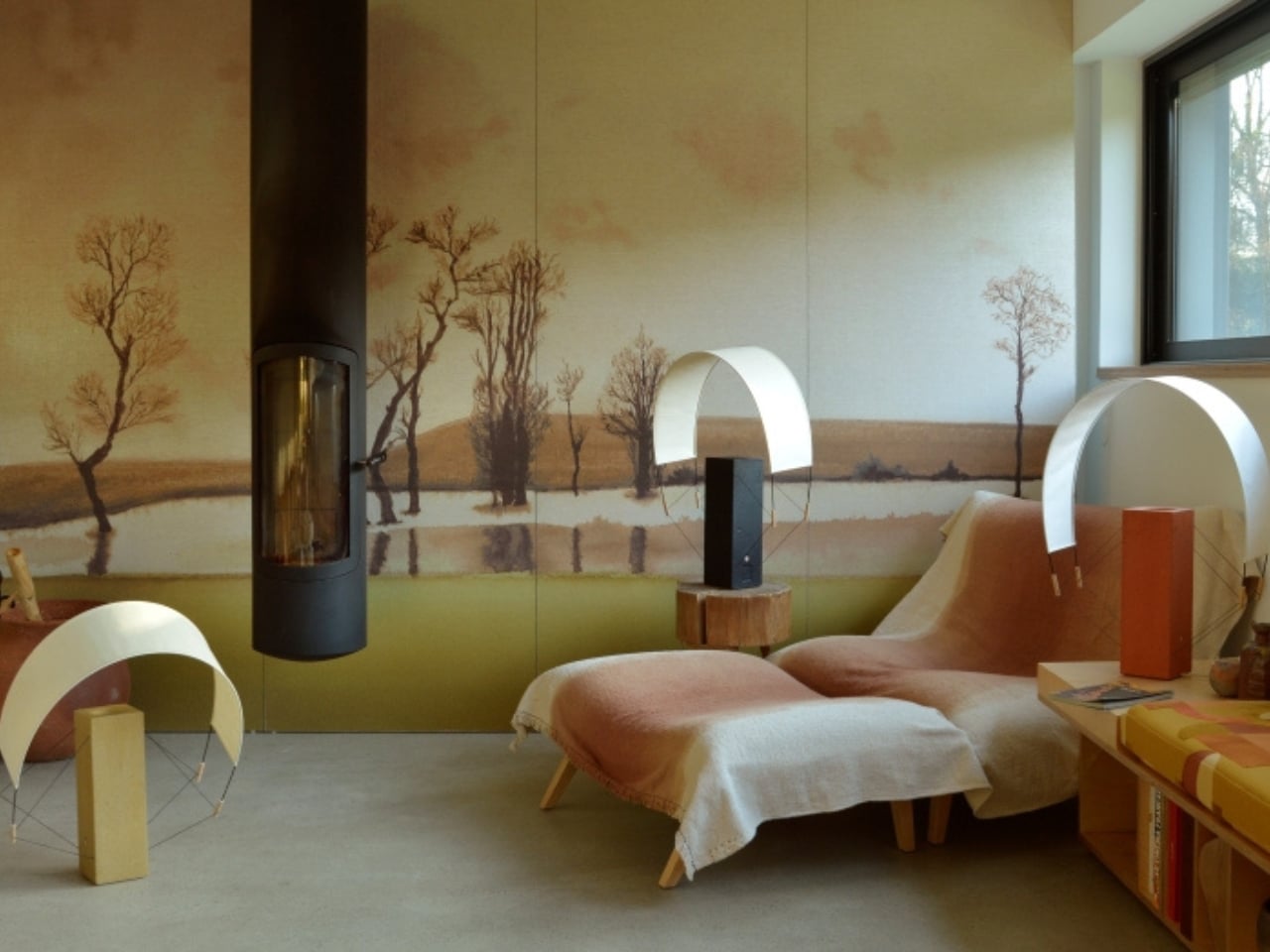
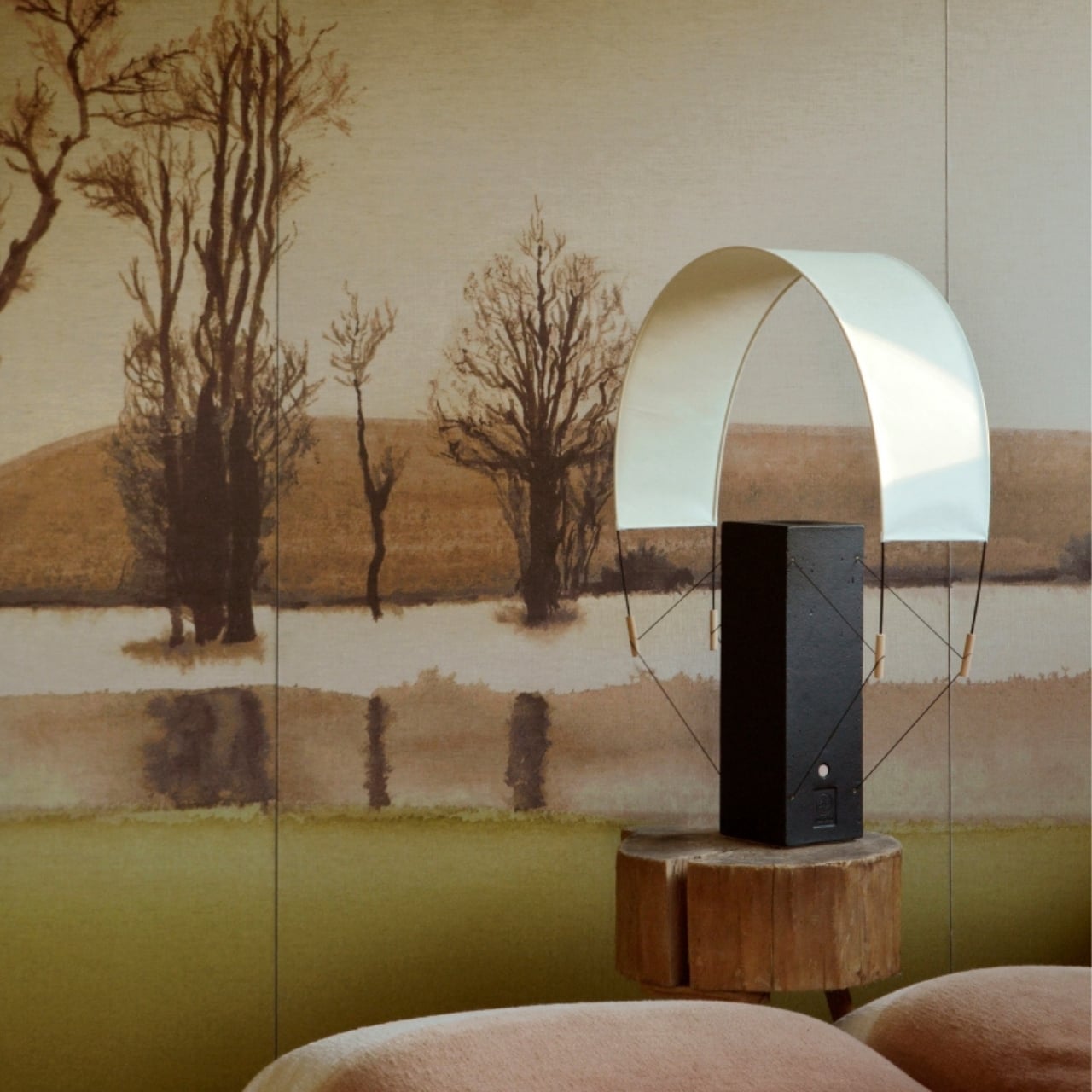
By day, the lamps read as sculptural objects. The clay bases carry a tactile, geological presence, their surfaces retaining the warmth and slight irregularity of something shaped by hand. The washi paper shades sit in quiet tension against them, delicate enough to feel almost temporary. Then night falls, and the whole equation flips. The paper glows, softly and evenly, while the clay recedes into the background. The same lamp, two entirely different characters depending on the hour. That kind of dual personality takes real consideration to pull off, and here it feels effortless.
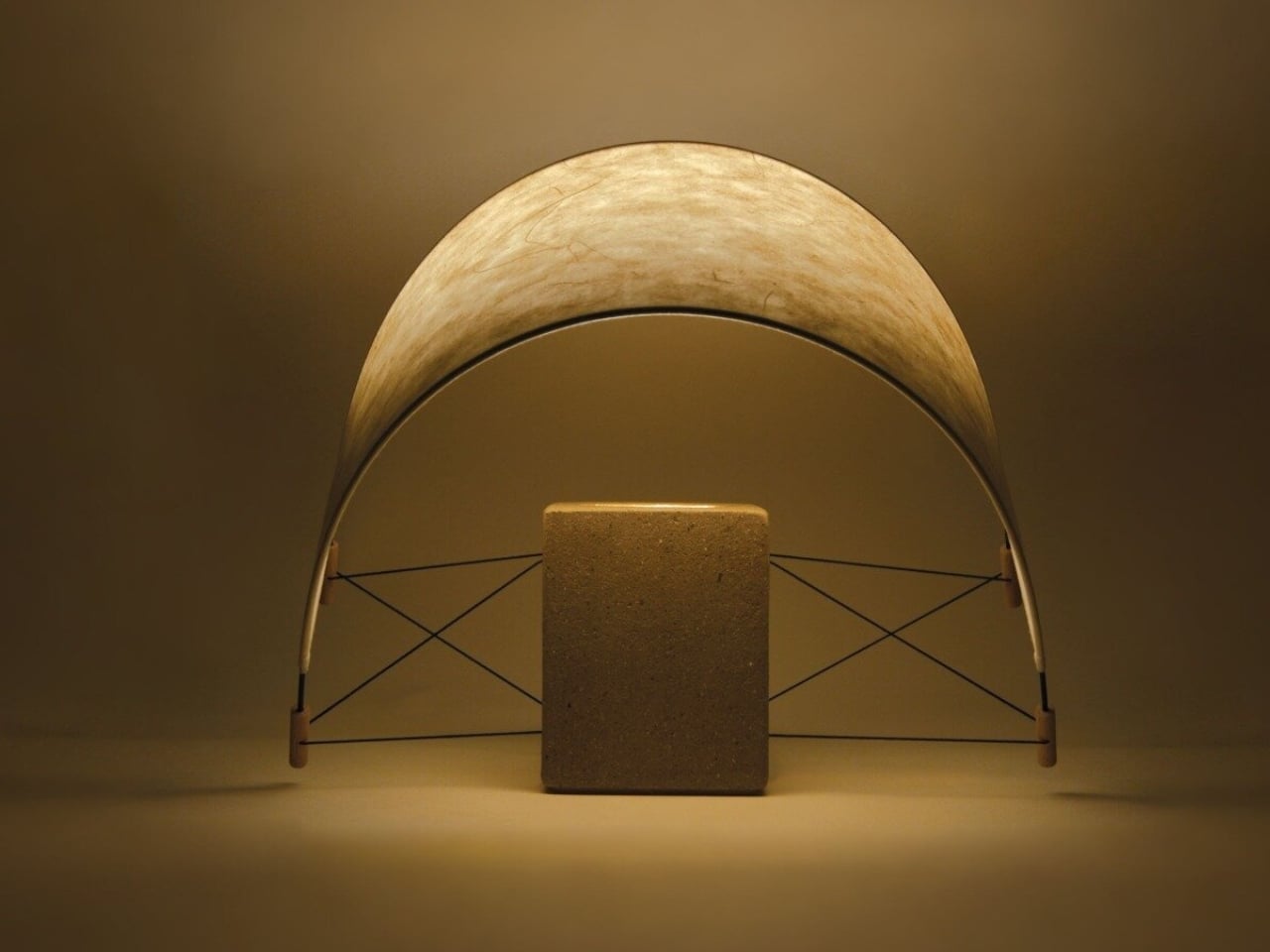
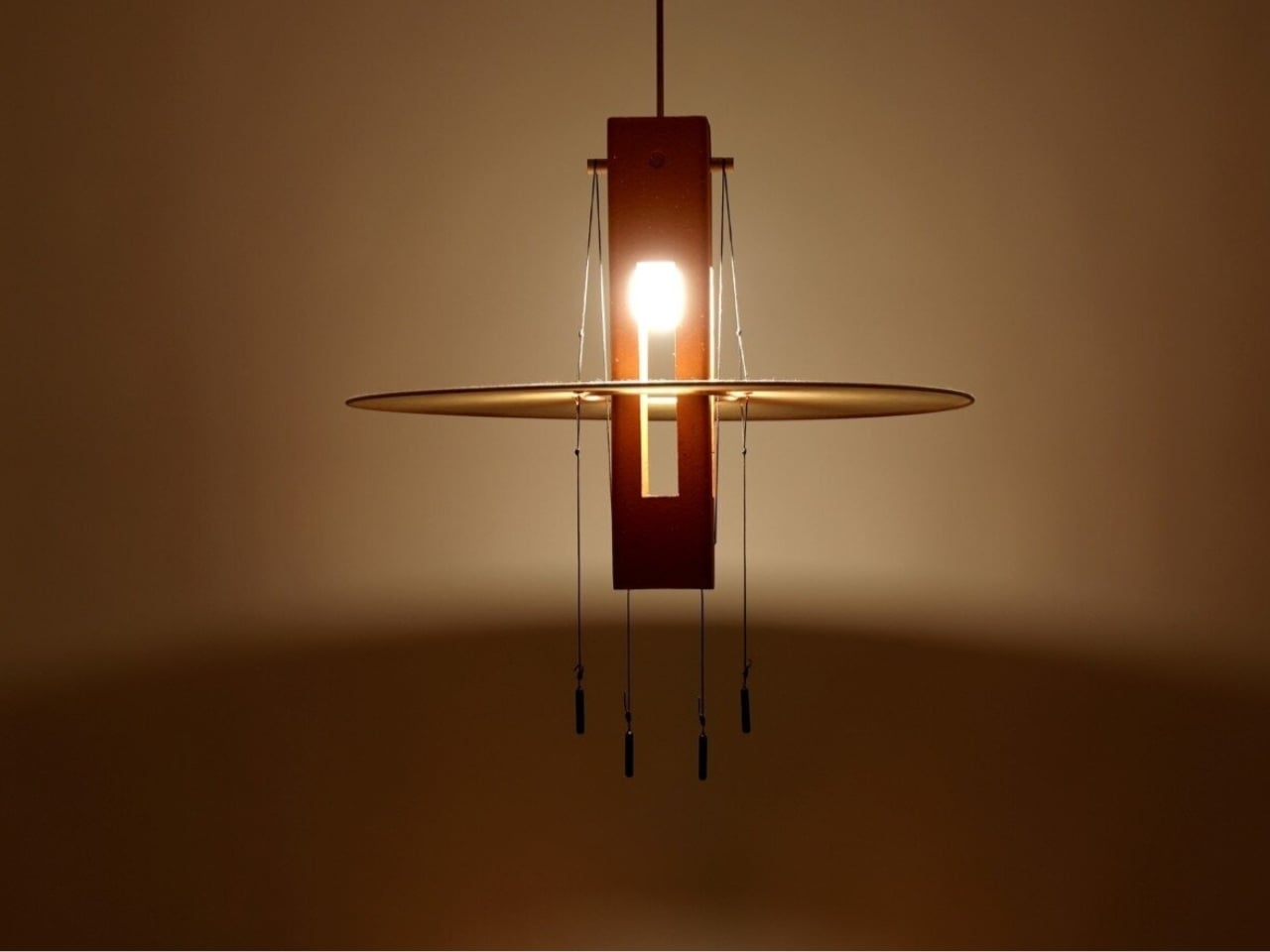
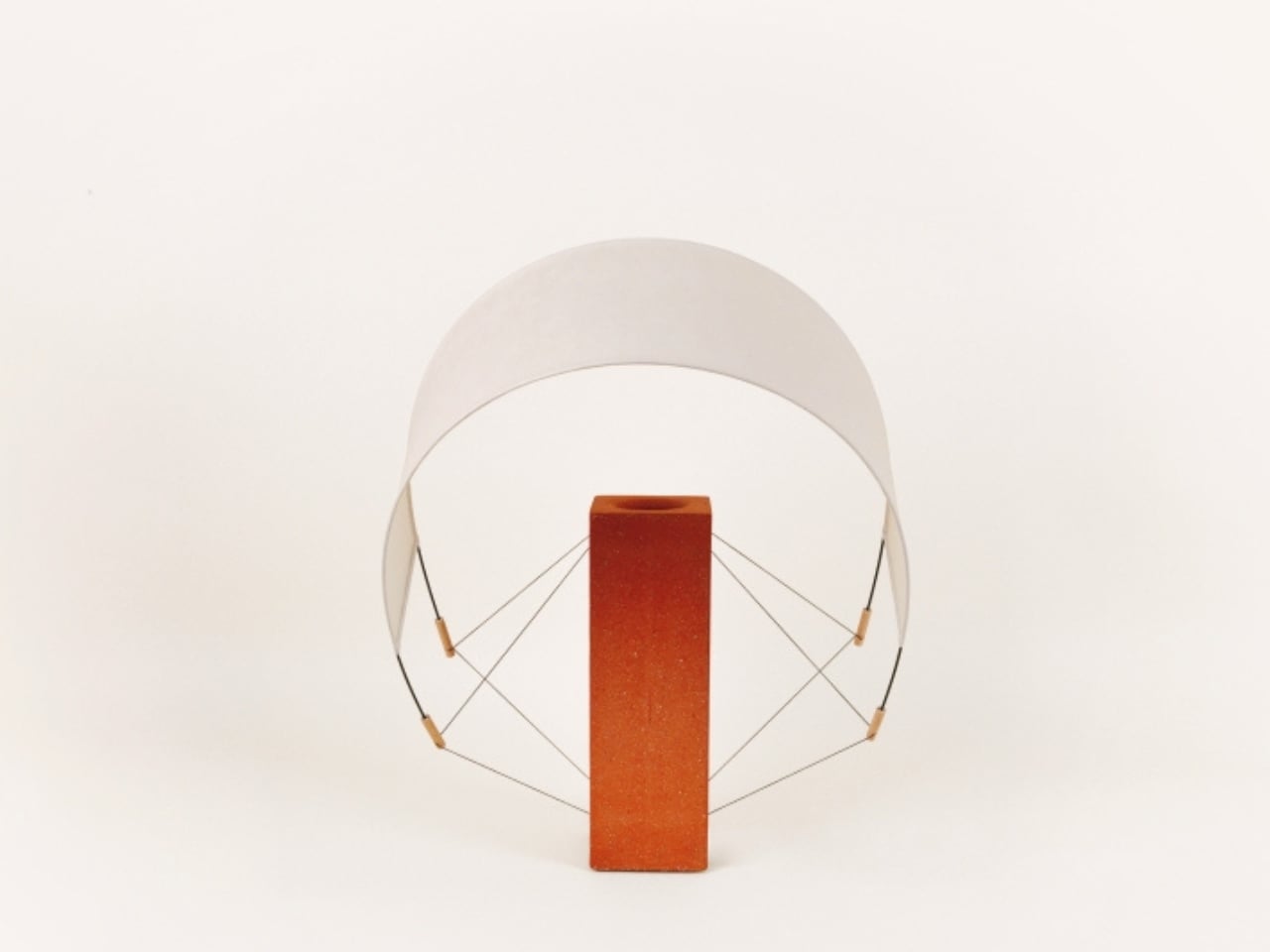
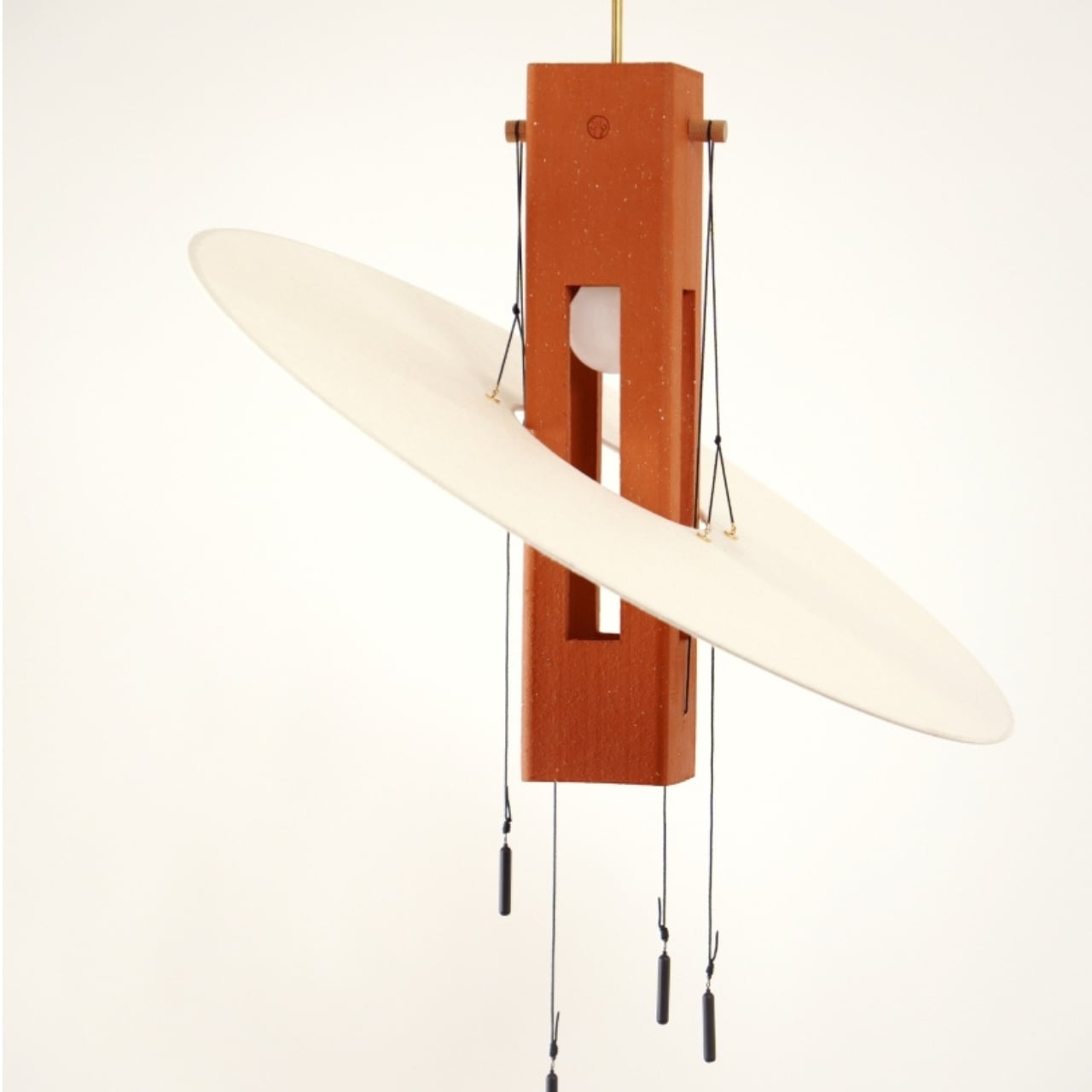
The three pieces each occupy a different position in a room. Lumia is the large table lamp of the family, the anchor. Its proportions are generous without being imposing, and it carries the kind of presence that draws the eye without demanding it. Écla scales the composition down into something more intimate. Its curved form evokes the arc of a setting sun, a reference that could have felt obvious but lands with enough restraint to feel earned. Nova takes the most expressive turn as the pendant of the three: a cloud-like washi paper shade wraps around an extruded terracotta core that hangs with a quiet, considered drama. The natural fibres of the paper are visible up close, catching light in a way that machine production simply cannot replicate.
What holds the three pieces together as a family is their shared commitment to balanced proportions and restrained geometry. There are no unnecessary flourishes here, no decorative moves made to catch attention in a product photo. The visual interest comes entirely from the material contrast and the way light moves through and around the forms. For a collection that’s fundamentally about illumination, it’s remarkable how little it relies on the light itself to do the heavy lifting. The objects are already doing it.
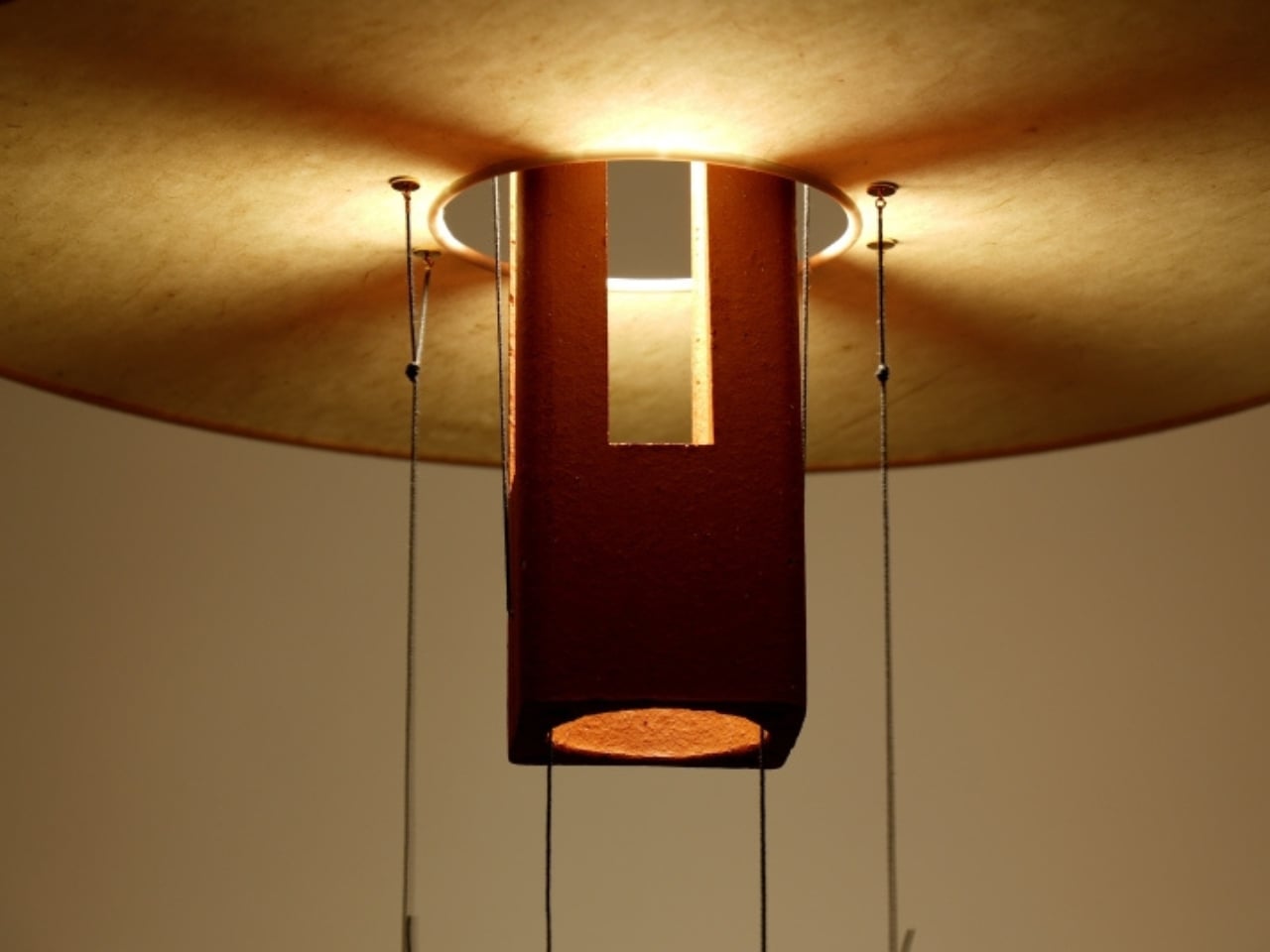
The colour palette stays close to the earth. Raw clay, terracotta, muted blacks. These are not lamps designed to coordinate with a trend cycle. They’re designed to belong to a room, to feel like they were always there. That quality of quiet permanence is increasingly rare in contemporary lighting, where the temptation to chase novelty tends to produce objects that look exciting in isolation and exhausting in a home.
Lighting is often the last thing people commit to when designing a space. It gets treated as a functional afterthought, something solved with a budget pick or a standard floor lamp ordered at midnight. Aura makes a quiet argument for reconsidering that habit. Not loudly, not with a manifesto, but with three objects that seem to understand the rooms they’ll eventually inhabit.
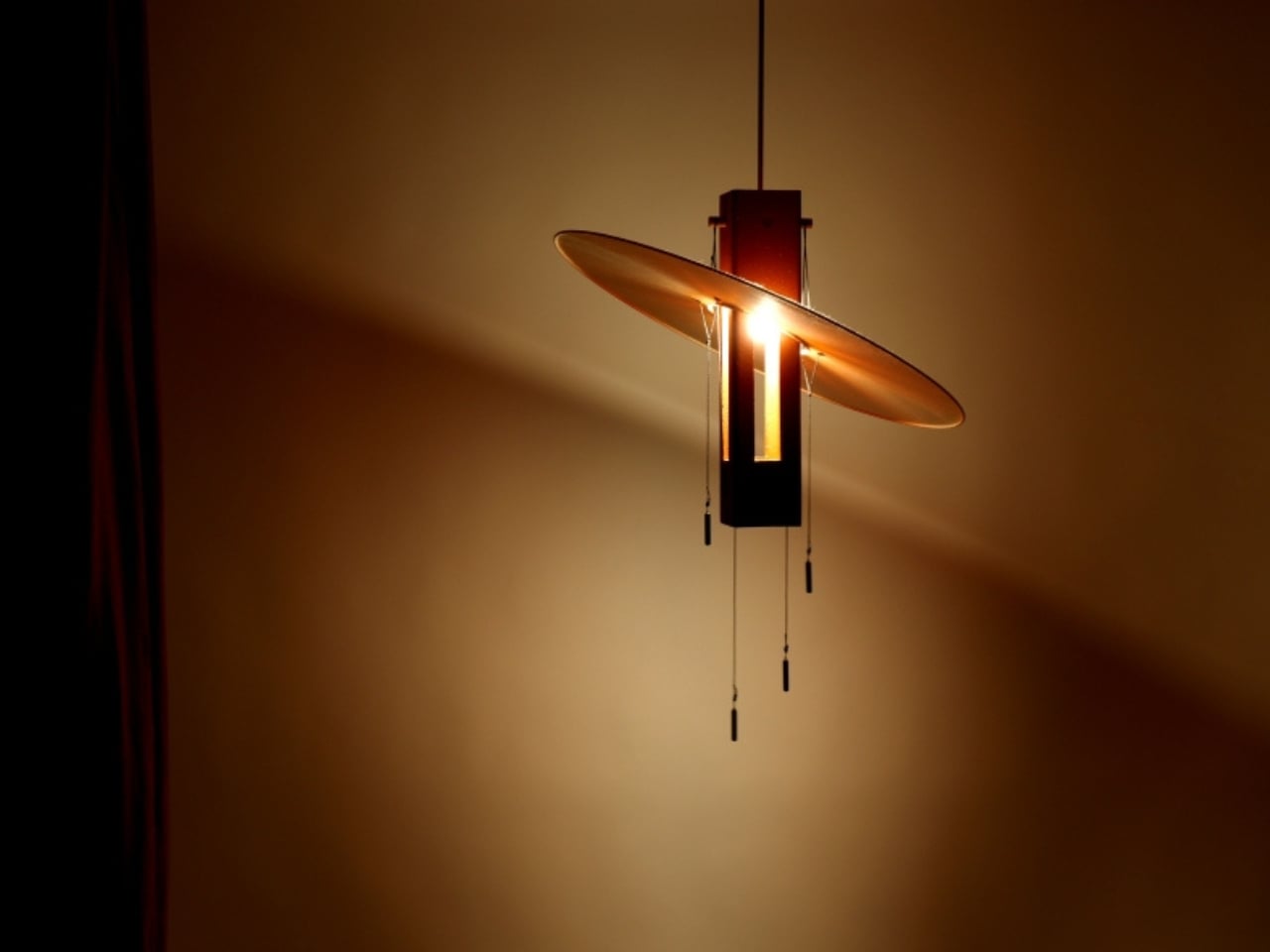
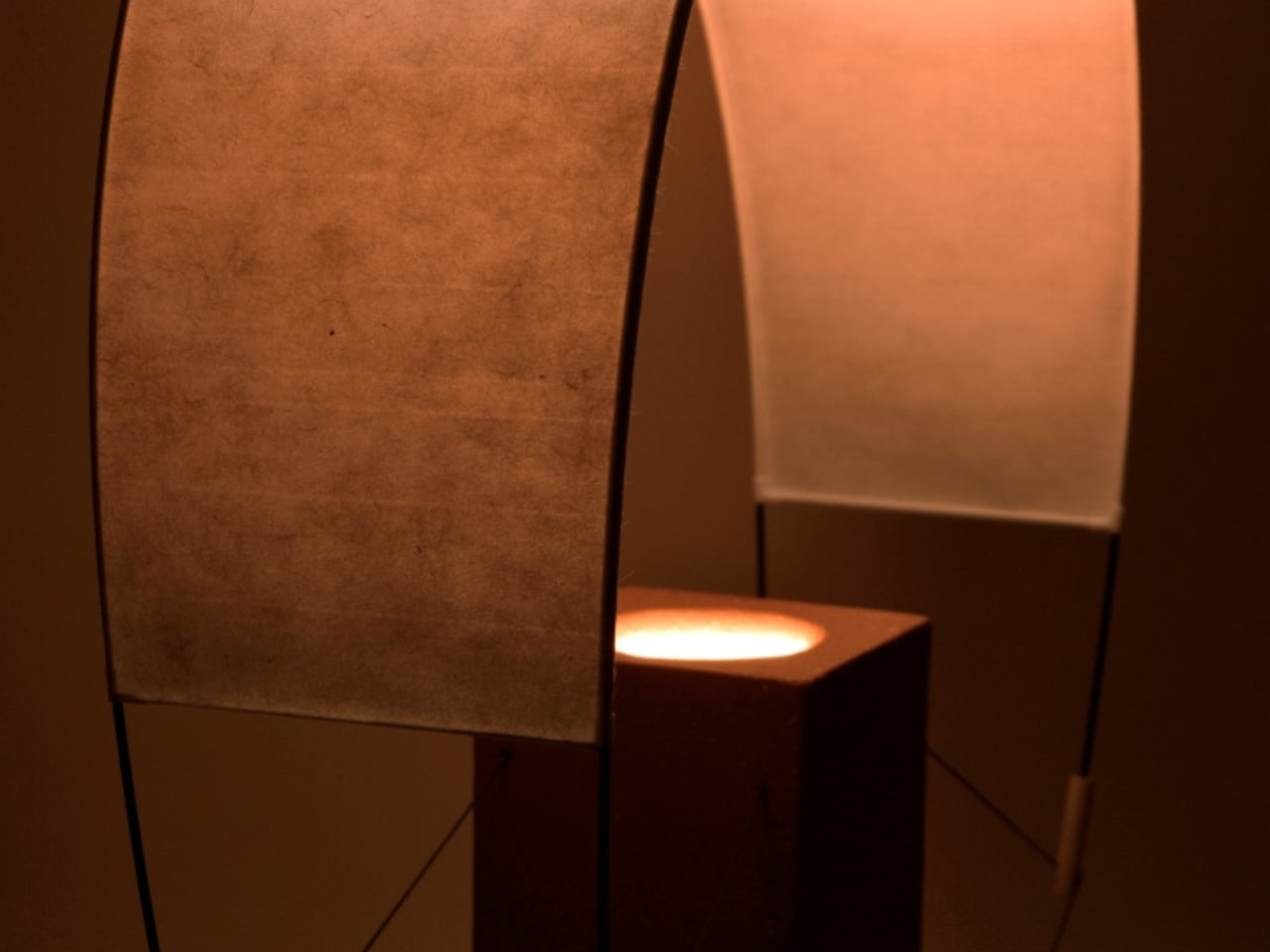
The handmade quality is not incidental to the design. It is the design. The slight variation in the clay surfaces, the visible texture of the washi fibres, the way each lamp carries a trace of the hands that made it: all of it feeds back into the visual experience. You can feel the intention in the objects, and more importantly, you can feel it in the light they cast.
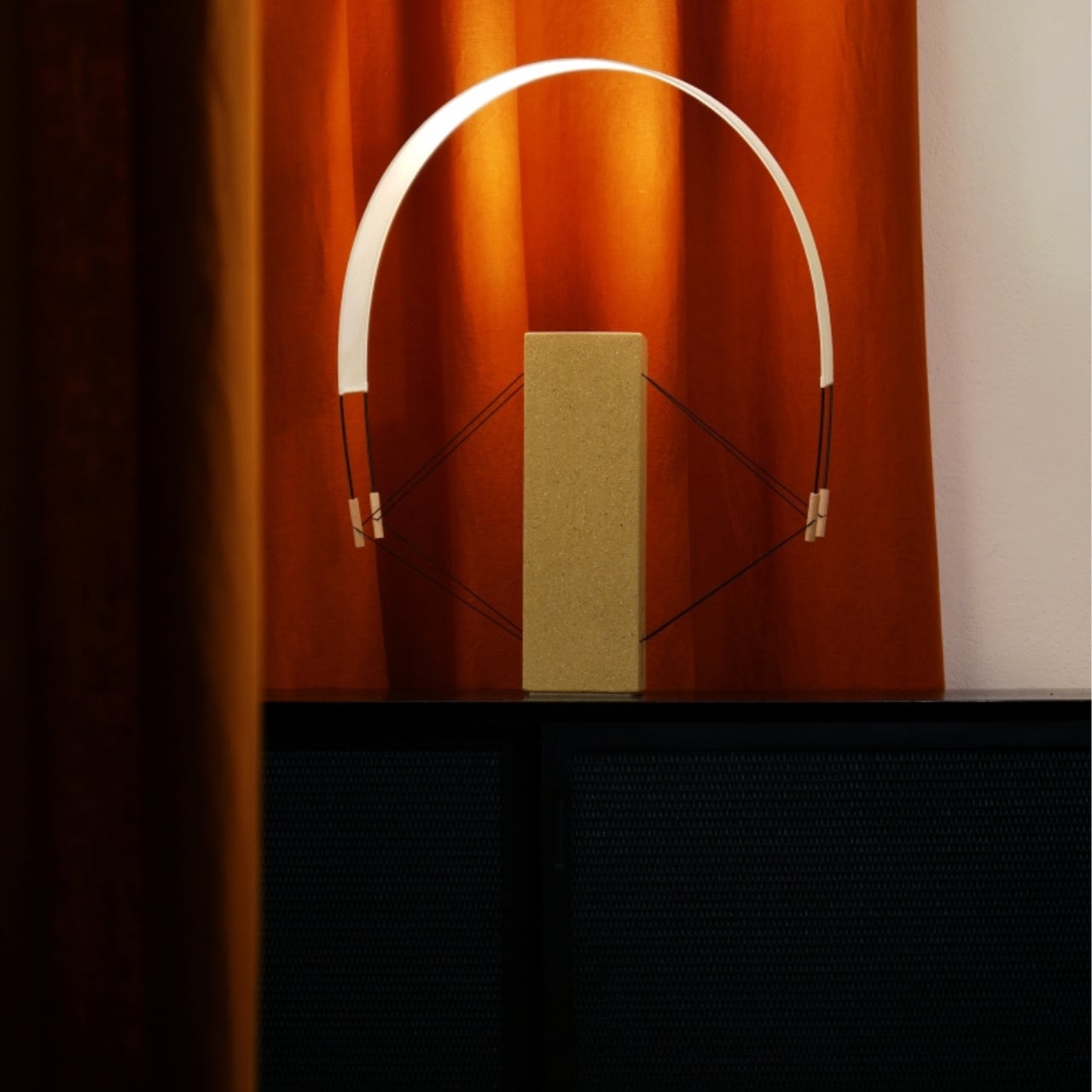
Maison Cédrat is not the first studio to work with clay and natural materials, and it won’t be the last. But Aura has an ease to it that’s rare, a sense that the collection was not forced into existence but arrived at gradually, the way most good things do.