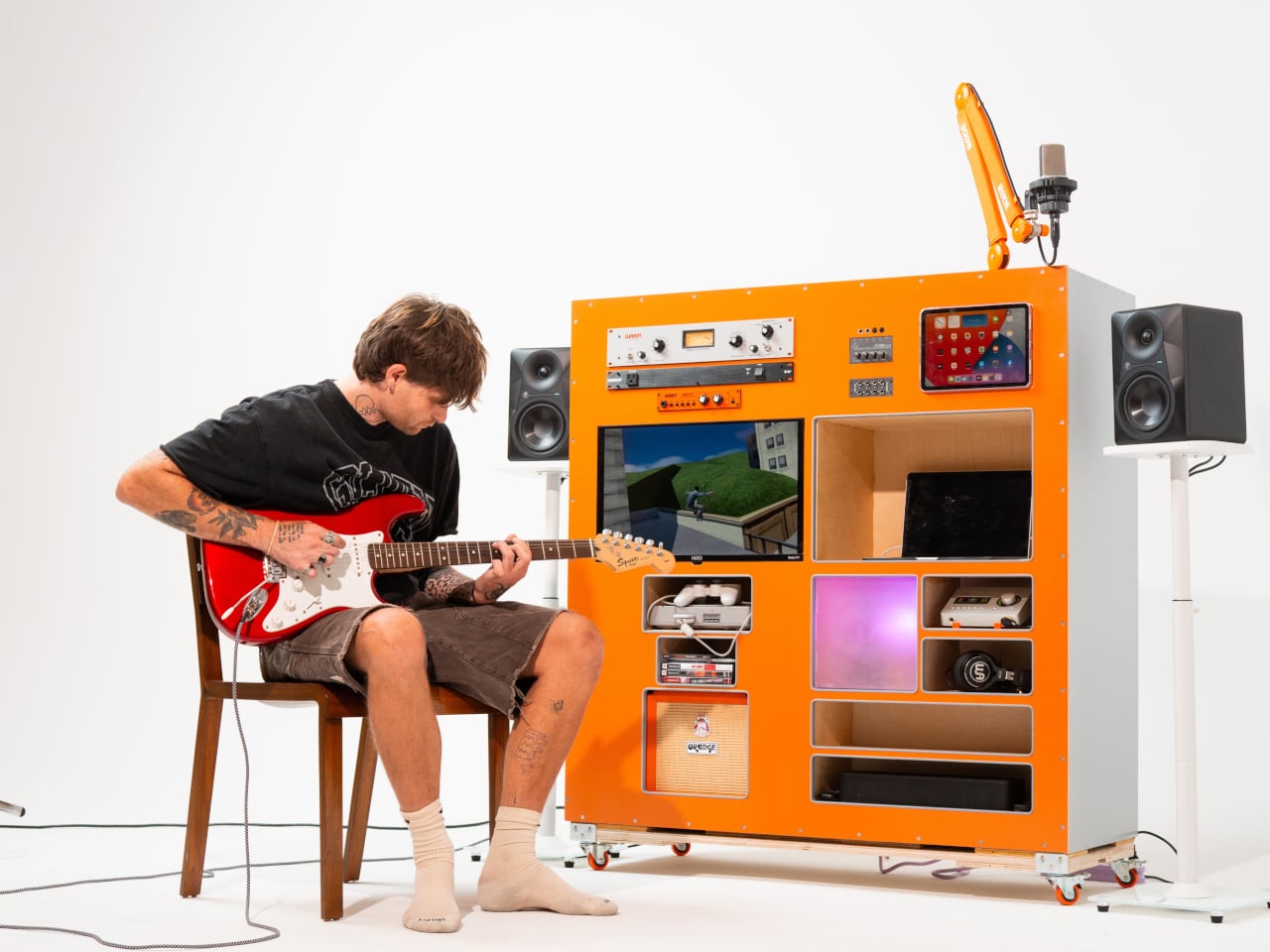
The studio setup has always been a deeply personal thing. Two producers with identical gear can arrange it in completely different ways, because the physical organization of creative tools shapes how ideas flow from head to hands. Most solutions involve buying a desk, then a rack, then stands and cables and panels until the accumulated sum starts to resemble something cohesive. The ToyBox starts from the opposite direction entirely.
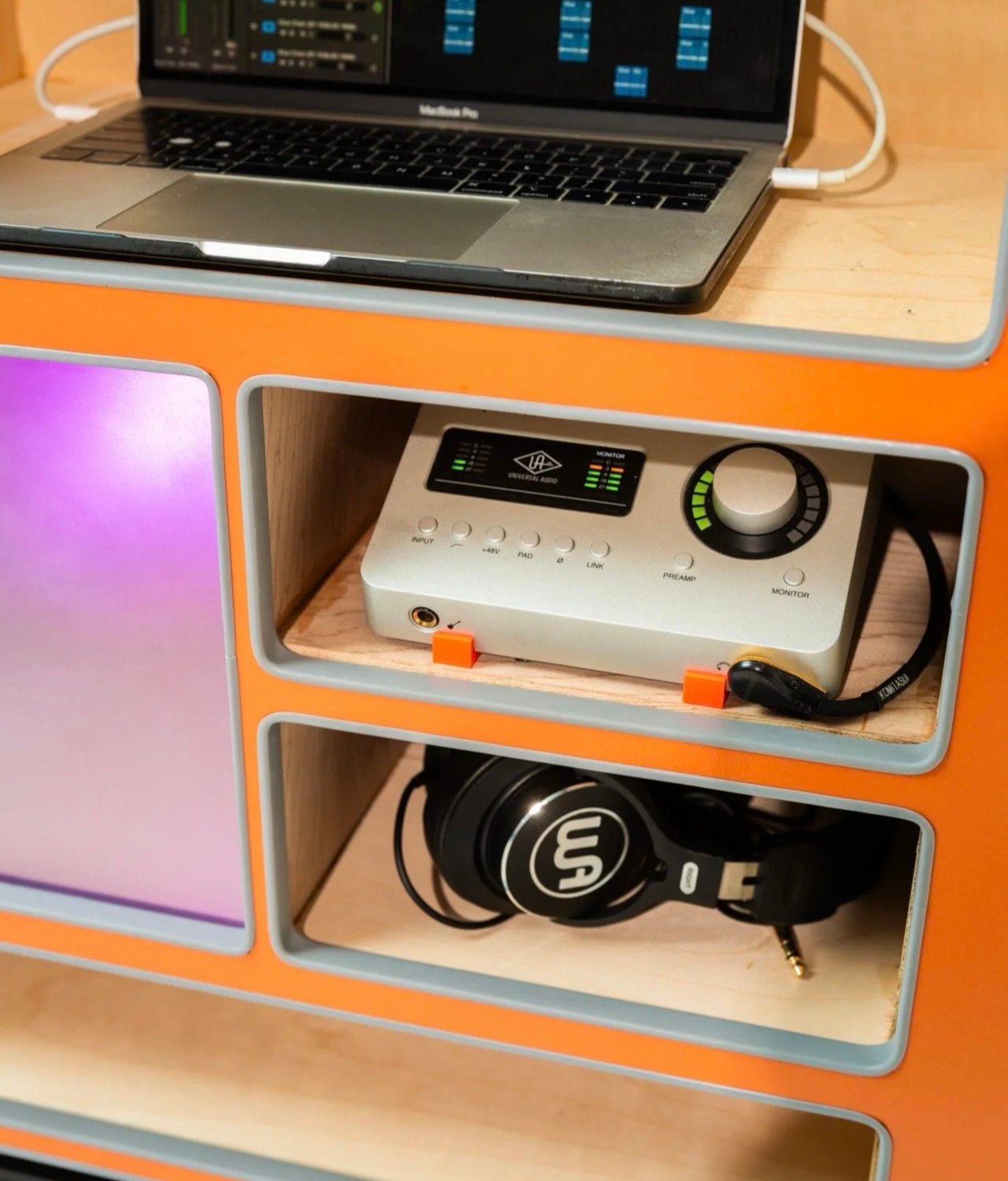
Weird Kid Engineering builds the ToyBox as a single, integrated physical object that collapses a full creative ecosystem into one custom-made enclosure. Music production gear, gaming systems, multiple displays, and storage all live inside the same structure, designed from the start to fit the specific workflow of whoever orders it. No two units are identical. Every ToyBox is hand-built to spec based on what each client actually does and needs.
Designer: Ellis Faulk (Weird Kid Engineering)
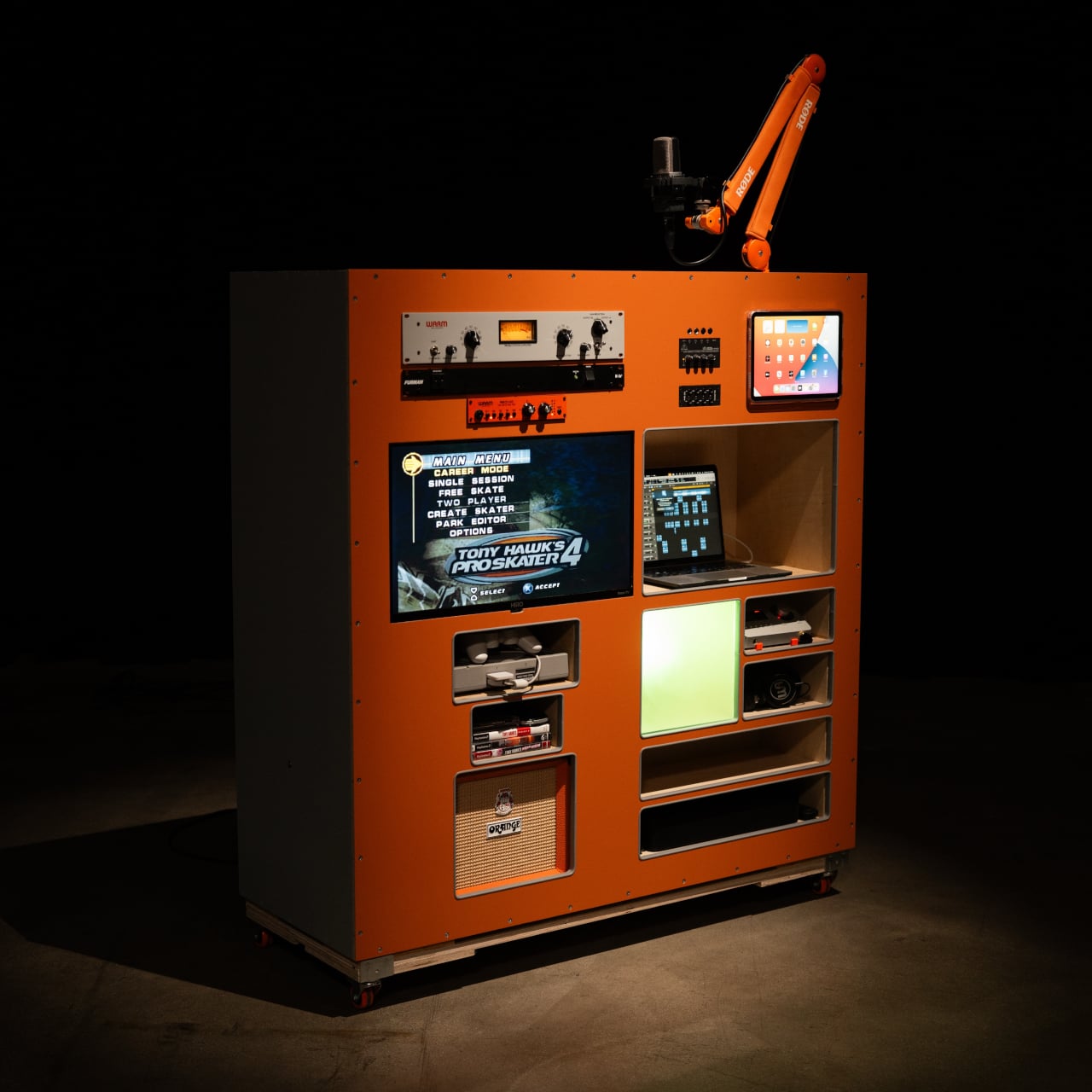
The hardware varies with each build, but a fully loaded configuration includes synthesizers, samplers, sequencers, effects pedals, gaming consoles, and displays, all integrated into the structure rather than resting on top of it. These aren’t tools that happen to share a surface; they’re components of a system designed around how they relate to each other and to the person using them. That relationship is what the build process is actually engineering.
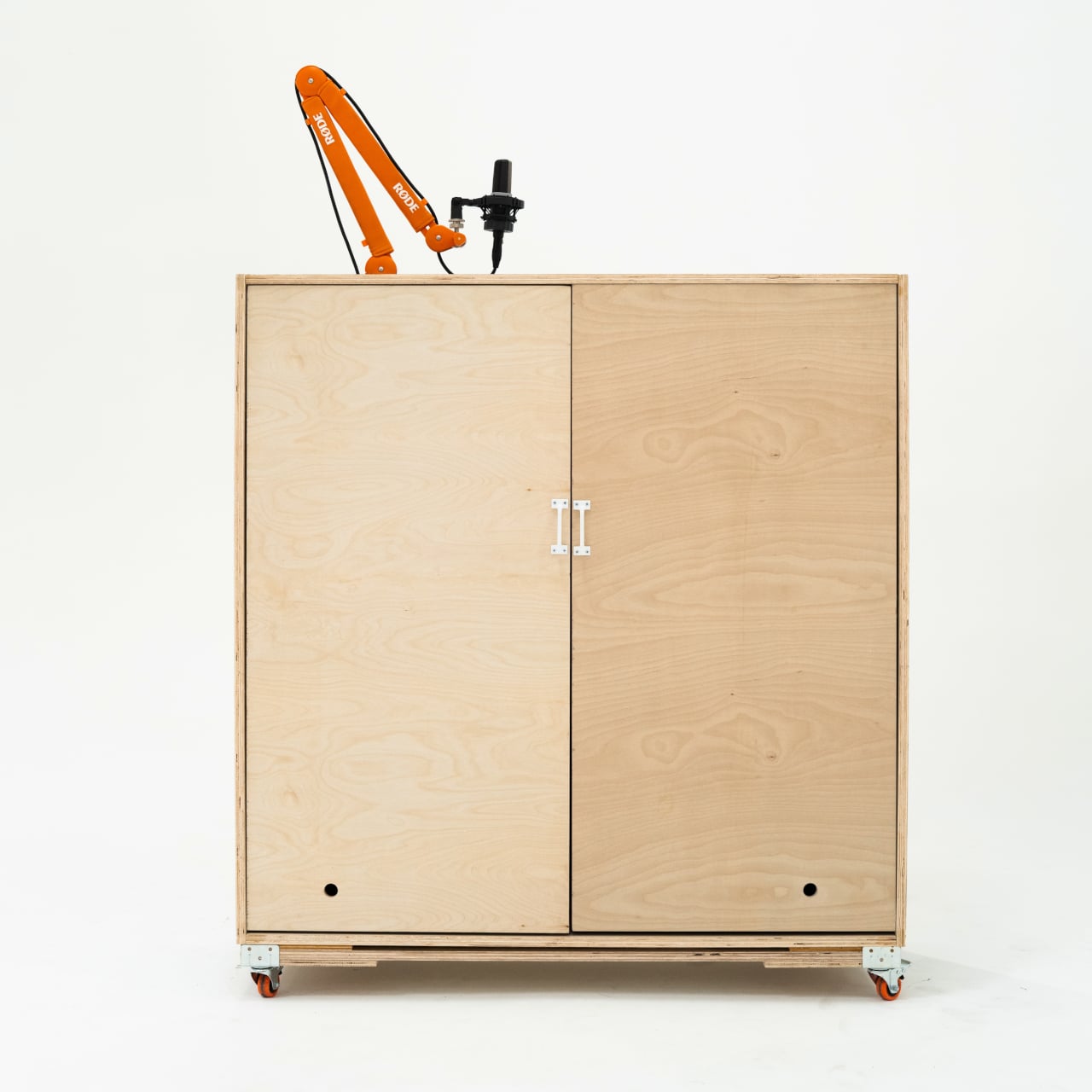
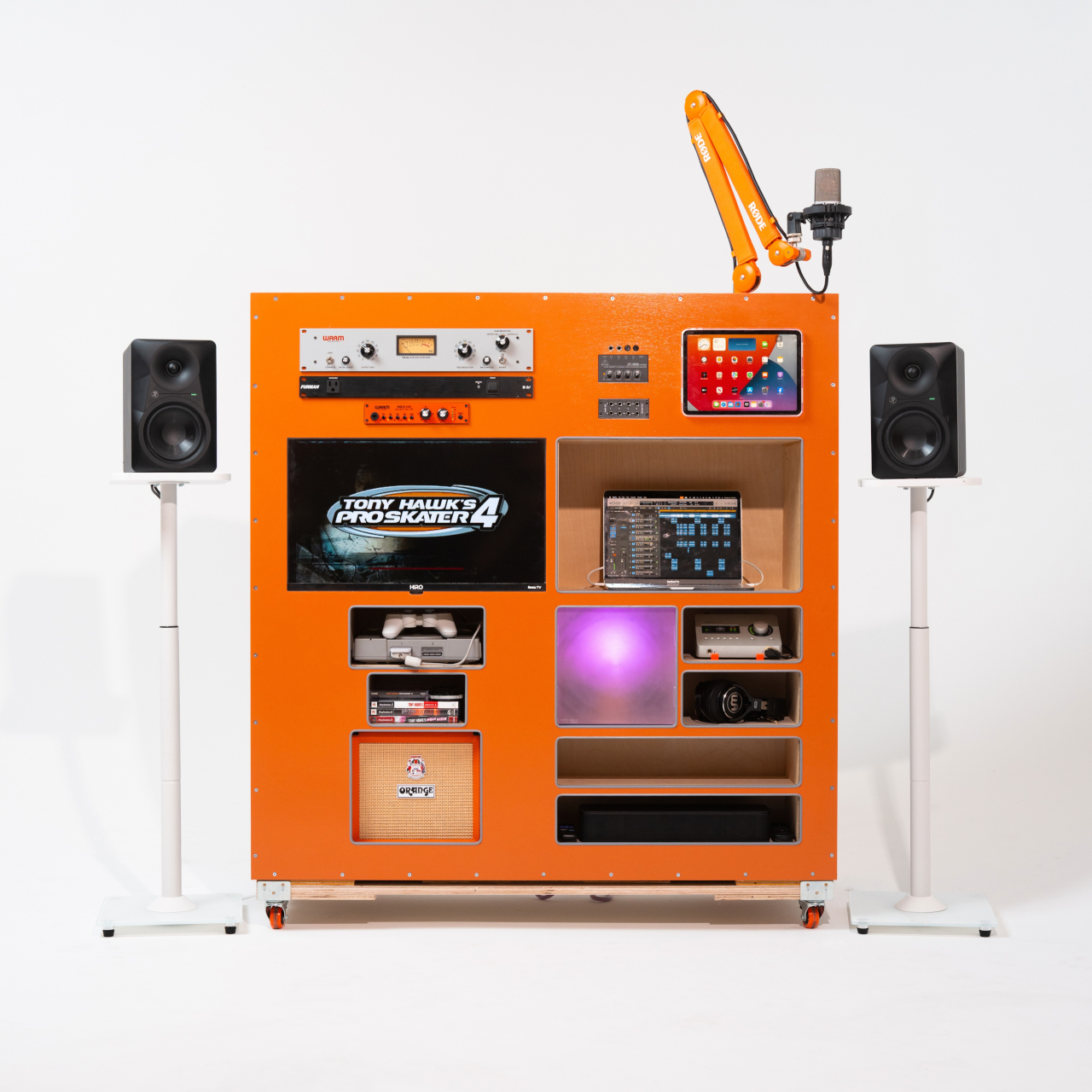
The appeal to anyone who has stared down a cluttered studio is immediate. Instruments, screens, and gaming consoles physically consolidated into one object changes the spatial and psychological experience of the room. You stop navigating a spread of disconnected surfaces and start working within a contained system. The friction of reaching across two desks or hunting for a buried cable doesn’t exist when everything is designed to coexist from the start.
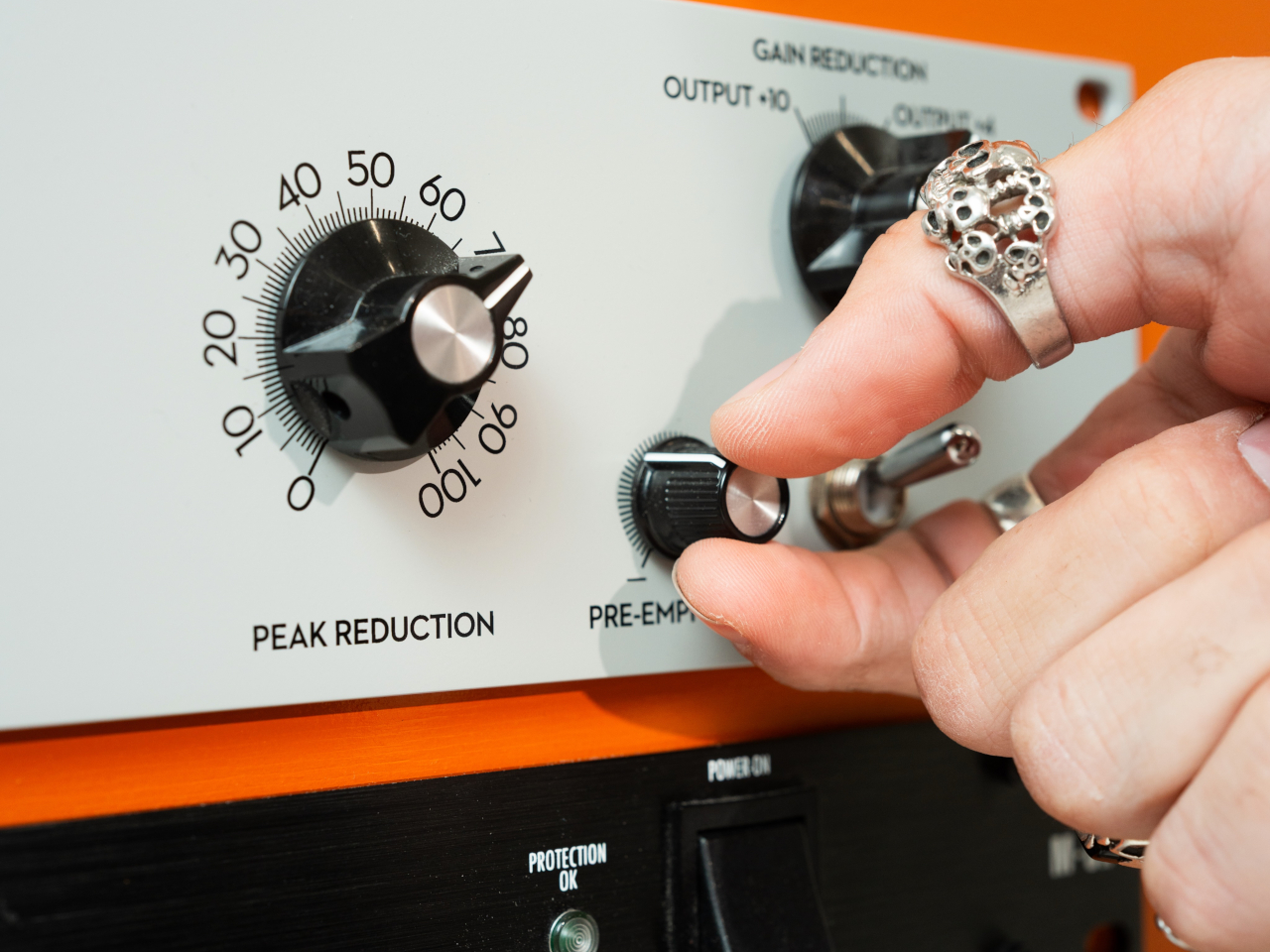
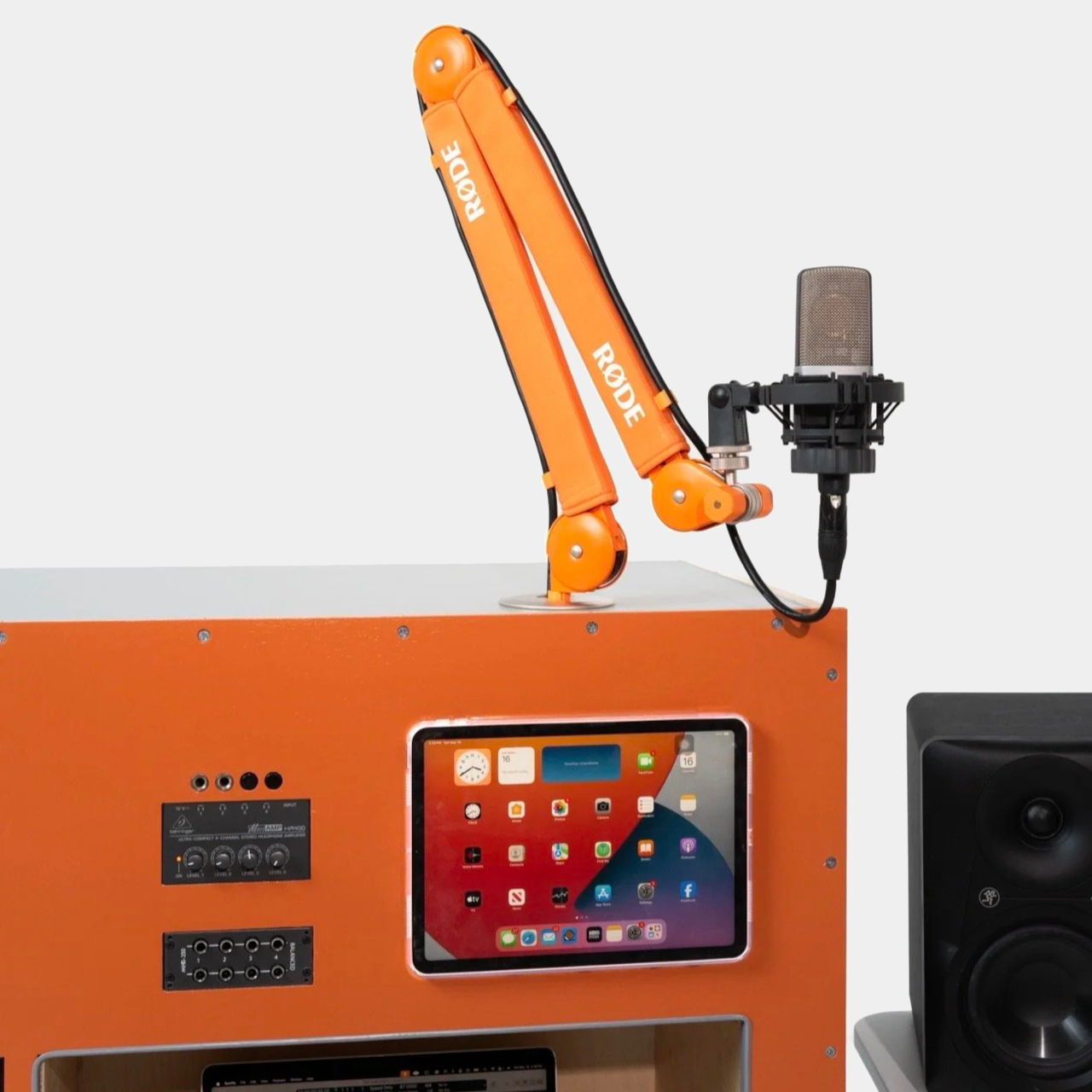
The flagship version, fully loaded with audio gear, screens, consoles, and equipment curated to the owner, costs $12,500. Base builds start at $3,500. That range reflects how deeply each order is customized and how extensively the hardware is selected to suit a specific creative workflow. It’s not the cost of a desk with gear on it; it’s the cost of a single integrated object designed around how a particular person works and creates.
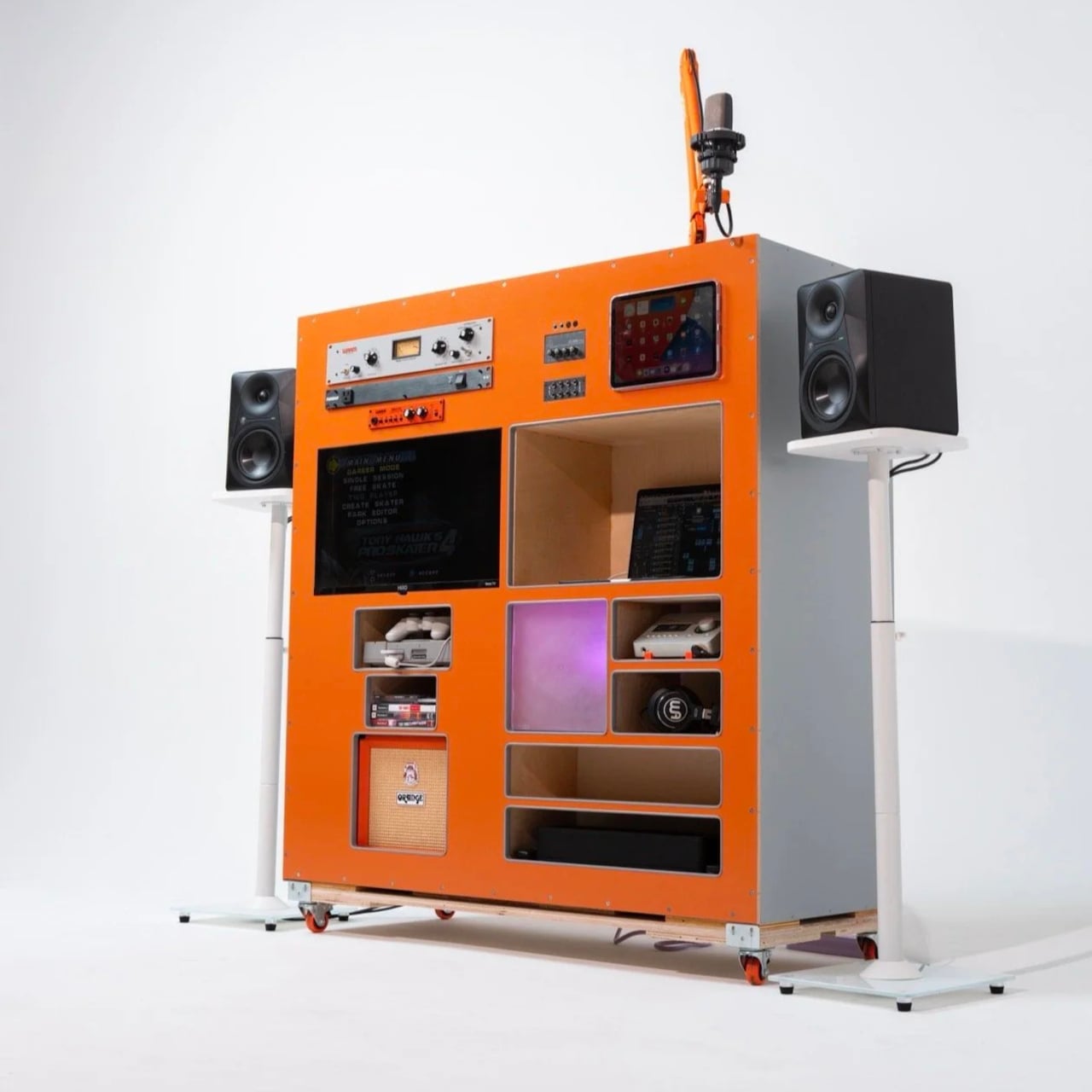
There’s something about the ToyBox’s form that most studio furniture doesn’t attempt. It reads as an object rather than as furniture that happens to hold other things. The visual coherence that comes from designing everything together, rather than assembling incrementally over years, is a genuine design quality. That totality separates it from a better desk or a more organized cable management solution, and it’s a distinction that most studios never even think to make.