Something happens in September that carries habits nobody quite plans for. The lighter pockets of summer, built around a phone, a card, and a key, suddenly feel under-equipped for the longer evenings, the heavier jackets, and the seasonal shift from outdoor spontaneity to structured routine. Fall is when everyday carry earns its name. The tools you reach for in August are no longer the same tools that September asks for.
These five picks address that transition directly. Each one is featured for a strong reason, and each one fits the fall brief: dark materials, tighter tolerances, and a function-to-footprint ratio that earns a permanent pocket slot rather than cycling in and out of a bag. Fall is a wardrobe edit. It should also be a carry edit.
1. Olight Baton 4 Premium Edition
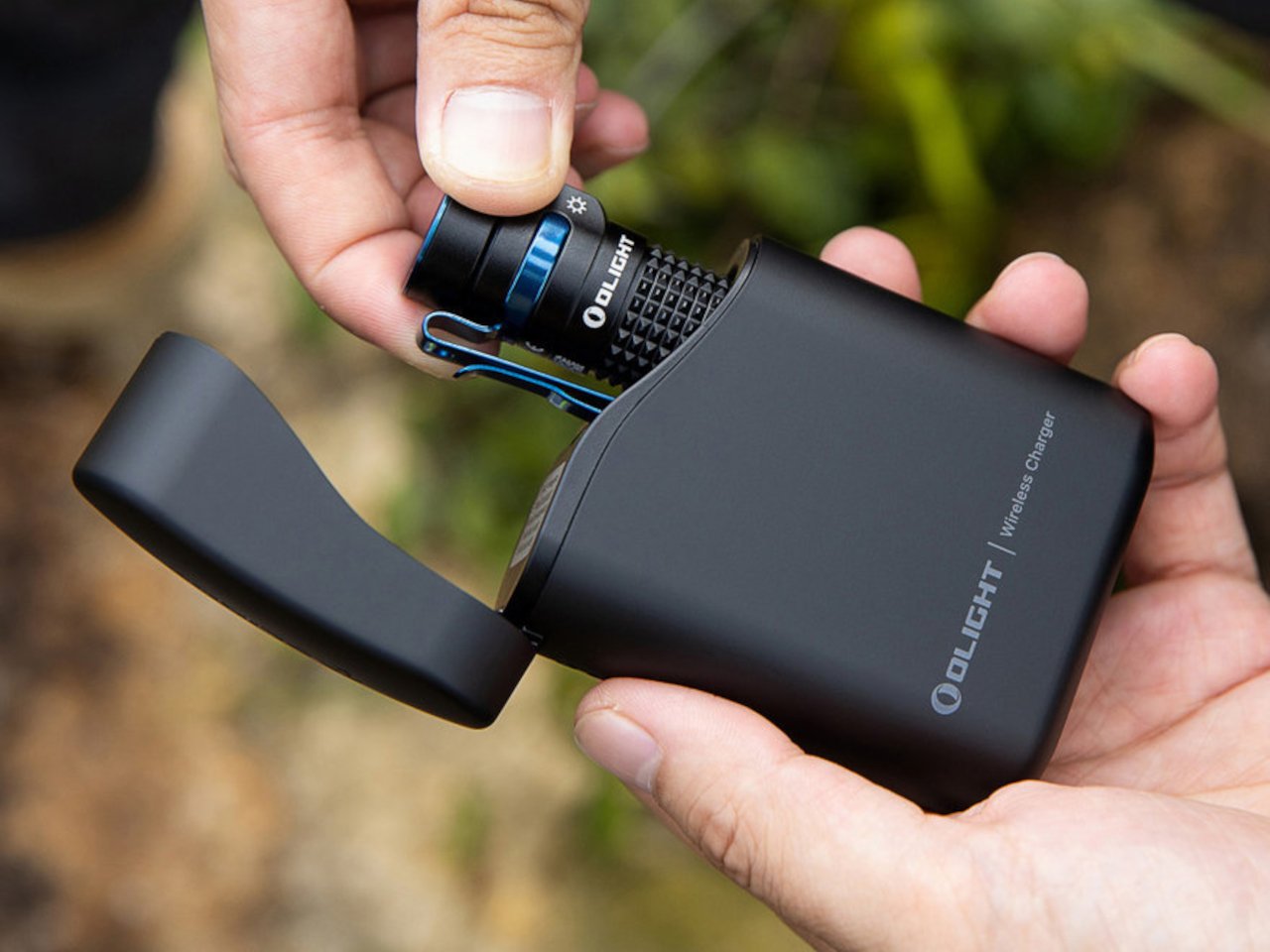
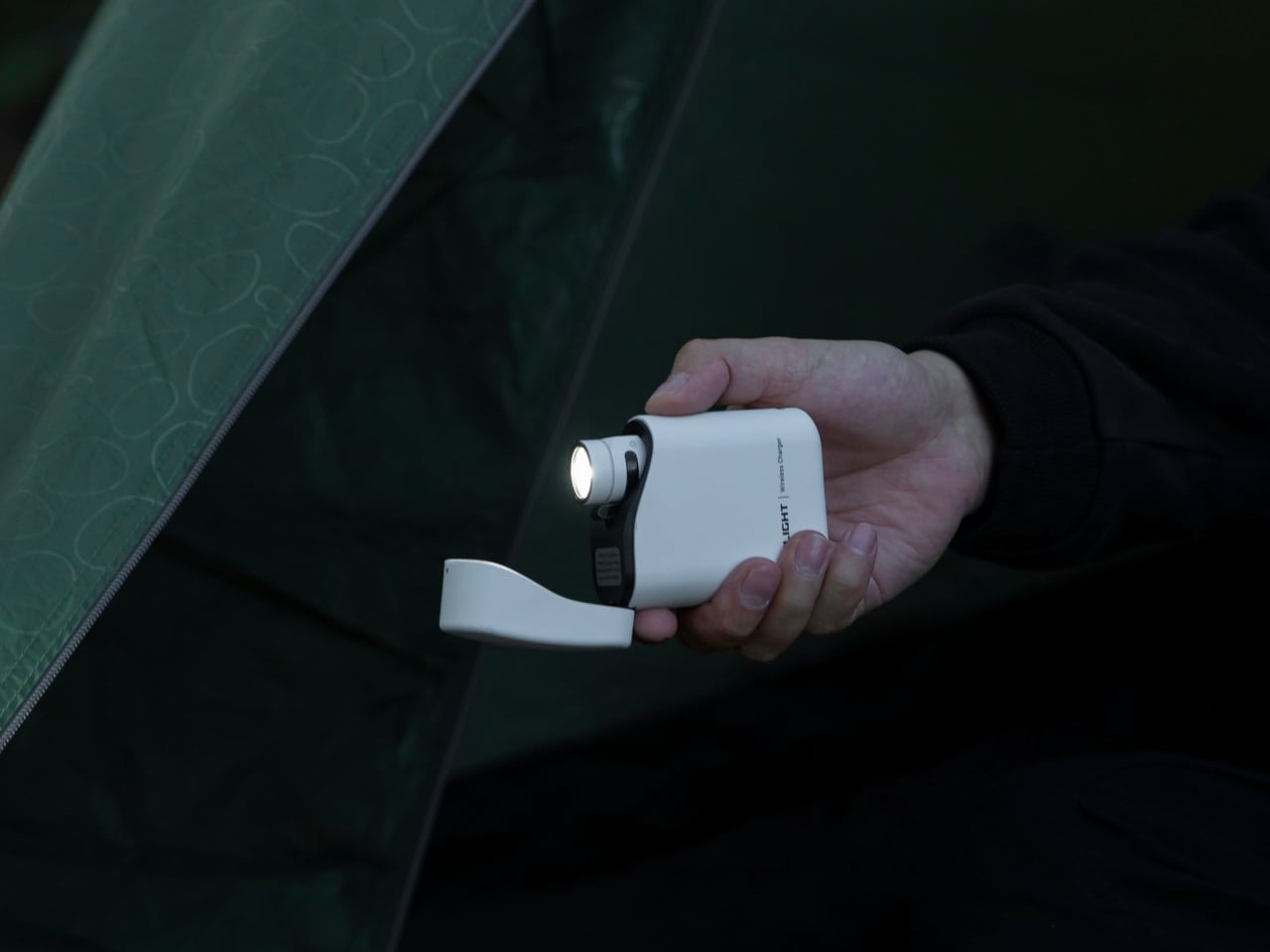
Most compact flashlights solve half the problem. They produce light, and then they ask you to carry a separate charging solution for them. The Olight Baton 4 Premium Edition takes a cue from the wireless earbud category and ships the flashlight inside a 5,000mAh case that charges the light, charges a phone as a power bank, and doubles as an operational housing — flip the lid and press the side button, and the Baton 4 fires without ever leaving the case.
The flashlight itself reaches 1,300 lumens with a 170-meter throw distance, with LED indicators for brightness level and remaining battery charge. None of that is the story. The story is a single object that consolidates a flashlight, its charger, and a phone power bank into one pocket-sized unit, which removes three separate things from the bag before fall even starts. For longer evenings that arrive earlier than expected, the case-as-charger logic stops being a clever feature and starts being the only sensible way to carry a light.
What we like
- The 5,000mAh case charges both the flashlight and a phone, removing the need for a separate power bank and flashlight charger from the carry kit entirely
- The flip-top lid allows the Baton 4 to be used while still seated in the case, which removes the fumbling that makes most compact flashlights slower to deploy than they should be
What we dislike
- The case adds meaningful bulk compared to carrying the flashlight alone, which makes the tradeoff most worthwhile for those who genuinely need the power bank function regularly
- Compatibility for the case-on functionality is limited to Olight’s own Baton 3 and Baton 4, so the ecosystem lock-in is real if you carry lights from other brands
2. Gerber Shard
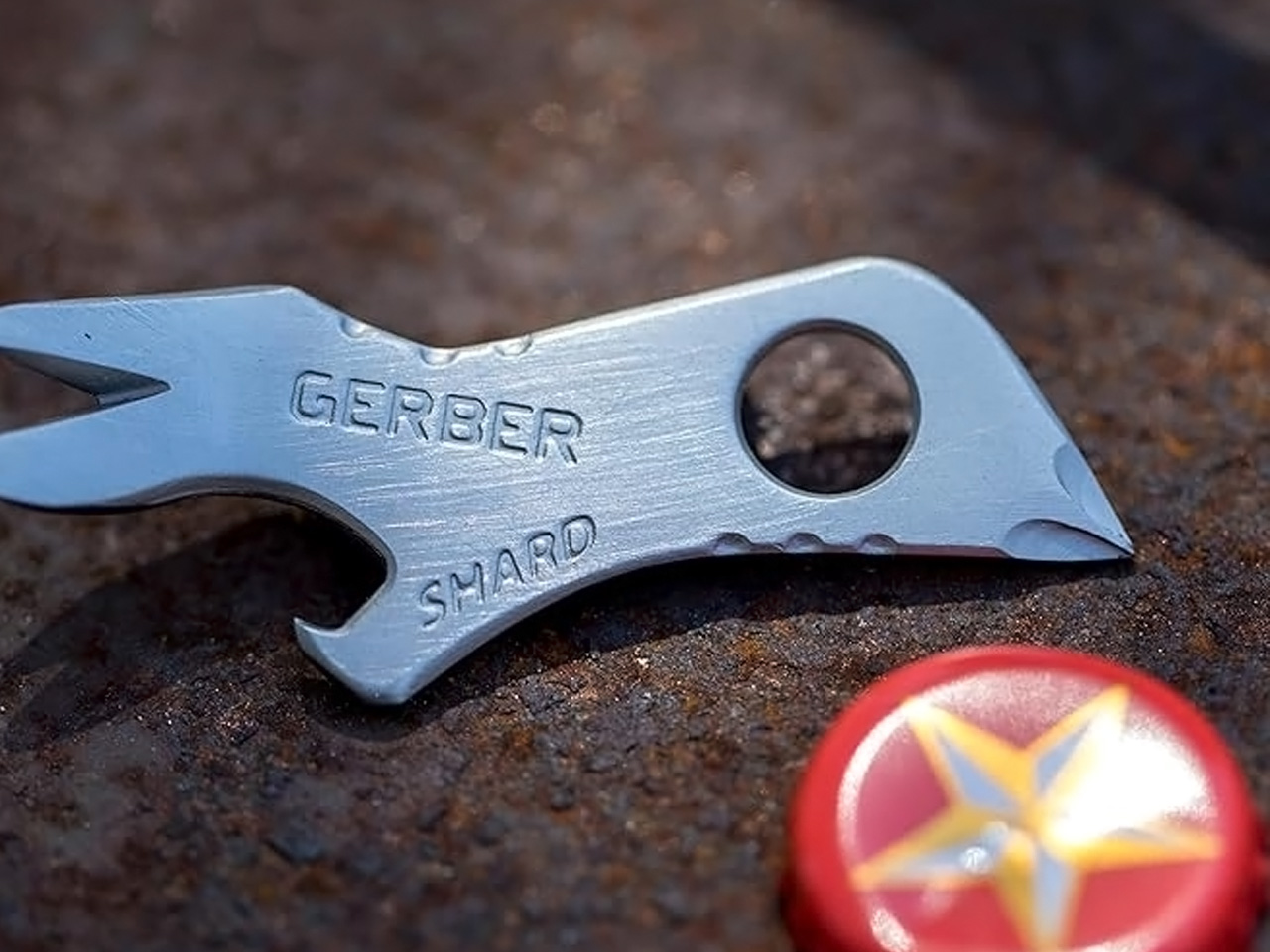
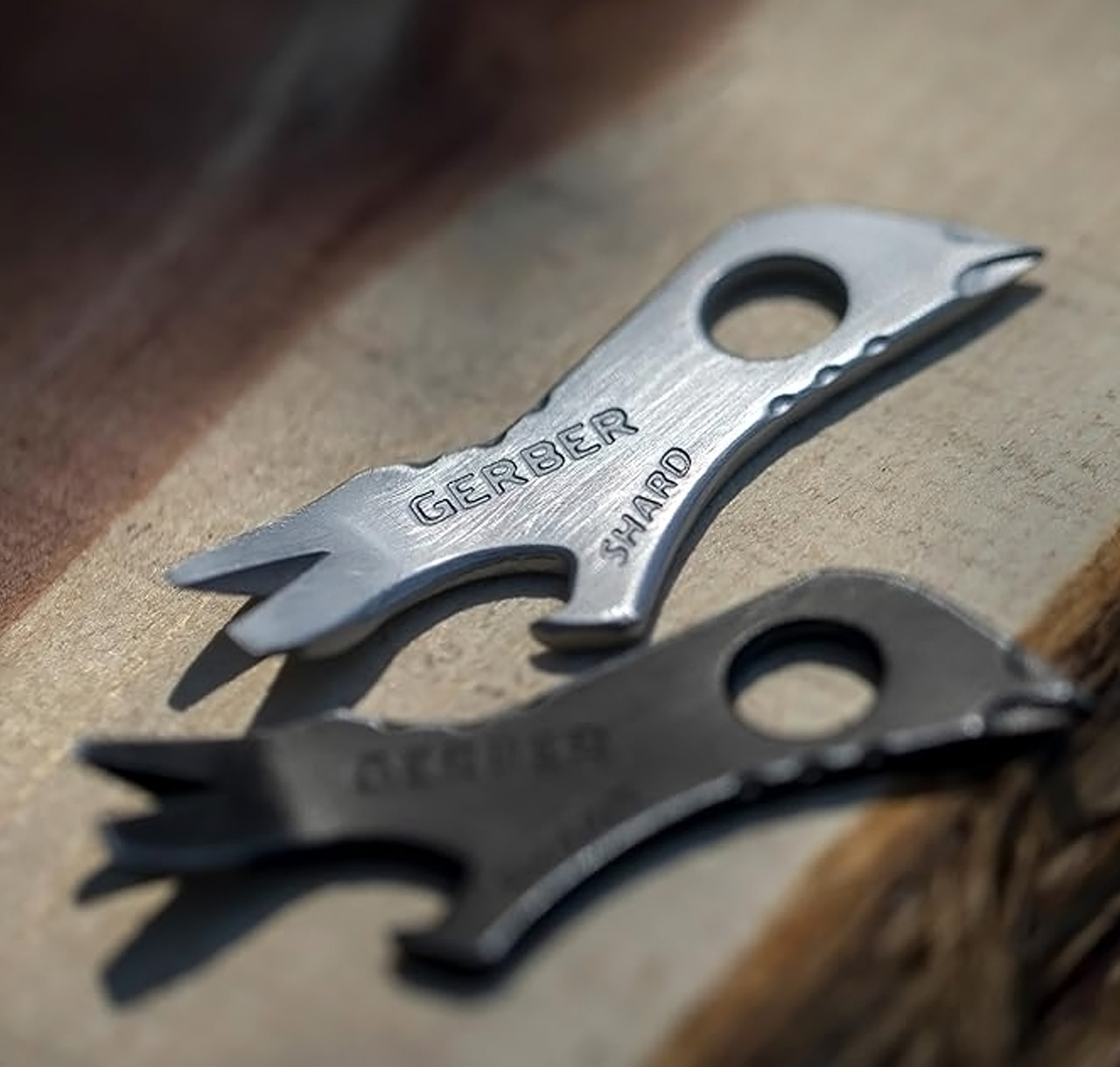
Start here if you have quietly accepted that your keychain is useless. The Gerber Shard is a single piece of stamped steel with no hinges, no springs, and no moving parts, which means nothing in it can jam, seize, or fail on a Tuesday evening when you actually need it. Six functions live in that flat body: a pry bar, bottle opener, small flathead slot, cross-driver tip, O2 tank wrench, and wire stripper. All of it weighs under ten grams.
What makes the Shard worth including alongside tools that cost ten times more is its clarity of purpose. It does not try to be everything. It identifies the handful of tasks a keychain tool is realistically asked to handle and solves those alone. At $13, it passes through airport security without any conversation about blade classifications. Clip it alongside whatever else you carry, and it will earn at least three genuine interactions a week before winter arrives.
What we like
- No moving parts means the Shard is the one carry tool that cannot fail mechanically at the wrong moment, regardless of how long it sits on the keychain unused
- TSA compliance and a sub-10-gram weight remove every excuse not to carry it, which is the most useful thing any $13 object can do
What we dislike
- Single-material stamped construction limits what it can handle, and tasks requiring real leverage or grip pressure fall outside its honest capability
- The utilitarian aesthetic reads as practical rather than designed, which will not satisfy anyone who treats their carry as a considered, visually coherent set
3. Fantom X Wallet
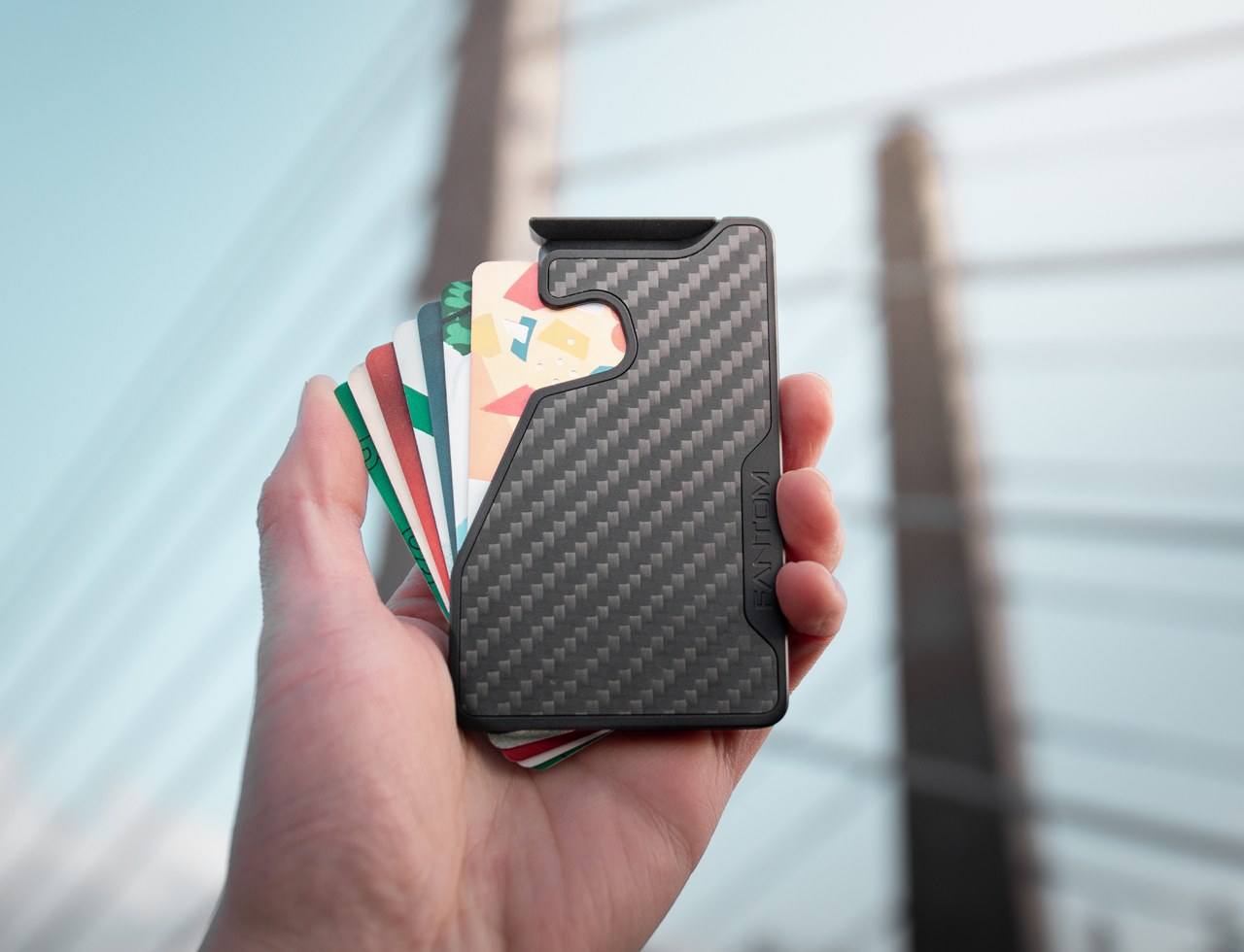
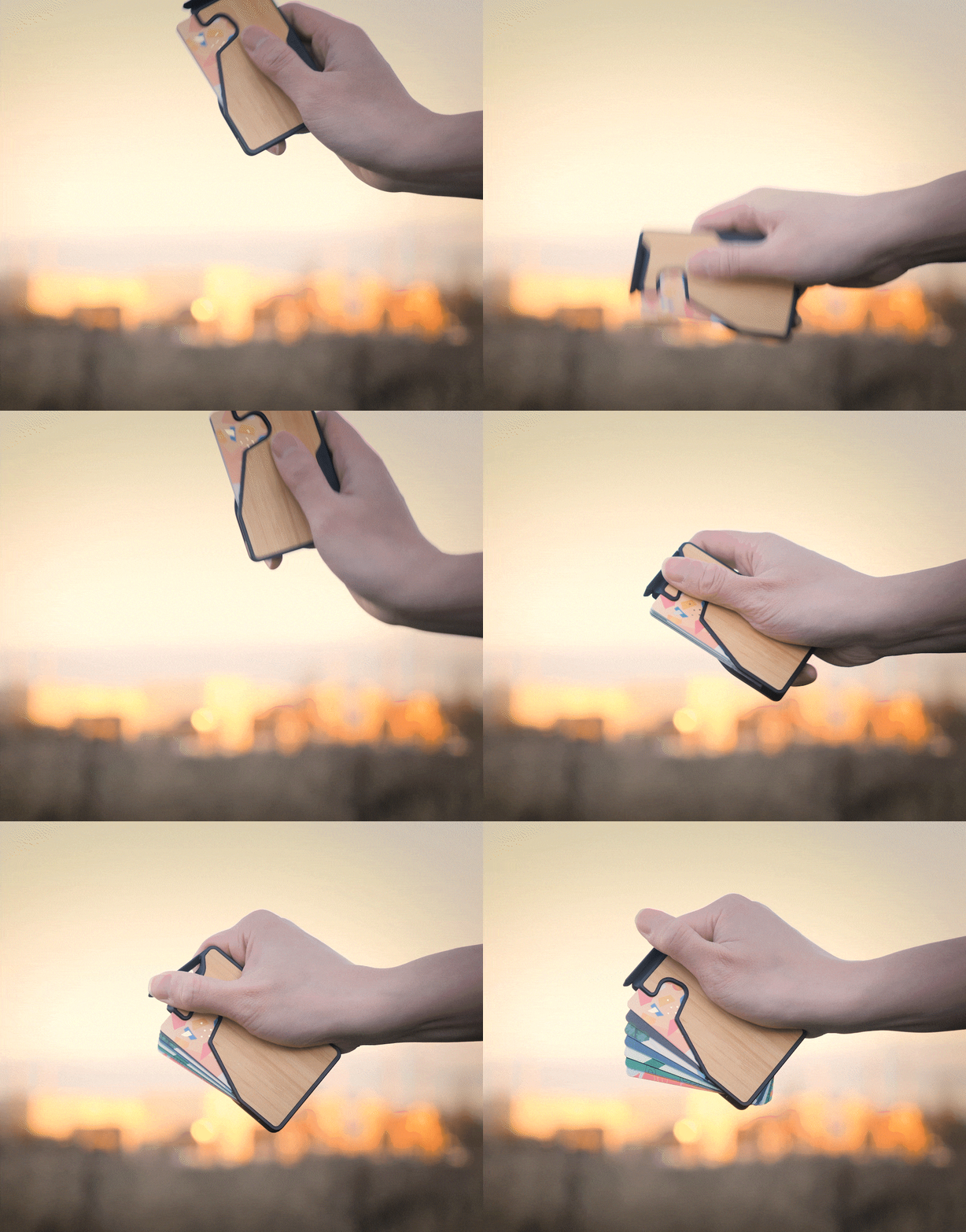
The wallet is the most frequently underestimated carry upgrade, partly because most people tolerate the one they have until it structurally fails rather than reconsidering it deliberately. The Fantom X builds the wallet chassis from machined aluminum, introducing zero soft materials into the construction. Nothing here stretches, cracks, or absorbs the contents of a jacket pocket across six months of daily carry. A spring-loaded ejection system fans cards in sequence at the press of a button, organized by frequency of use.
Fall is when wallets start competing with a heavier jacket for pocket real estate, and the Fantom X wins that negotiation by holding its slim dimensions through any season. The bead-blasted aluminum finish handles daily contact without developing the surface texture that leather wallets acquire by November. Switching from a bifold introduces a one-week adjustment period while the ejection sequence settles into your actual card hierarchy. After that week, the old wallet does not come back out.
What we like
- Machined aluminum construction makes the wallet immune to the slow structural failure that defines the lifespan of every leather alternative, regardless of what the leather costs
- The spring-loaded card ejection removes fumbling entirely, which becomes specifically useful in cold weather when dexterity drops alongside the temperature
What we dislike
- The rigid form does not adapt as card count changes, which creates real friction once a work badge or additional card pushes the configuration past its ideal capacity
- Cash carry is minimal depending on the setup, which still matters in environments where notes are the expected currency at a market or small café
4. Pininfarina Aero Ethergraf
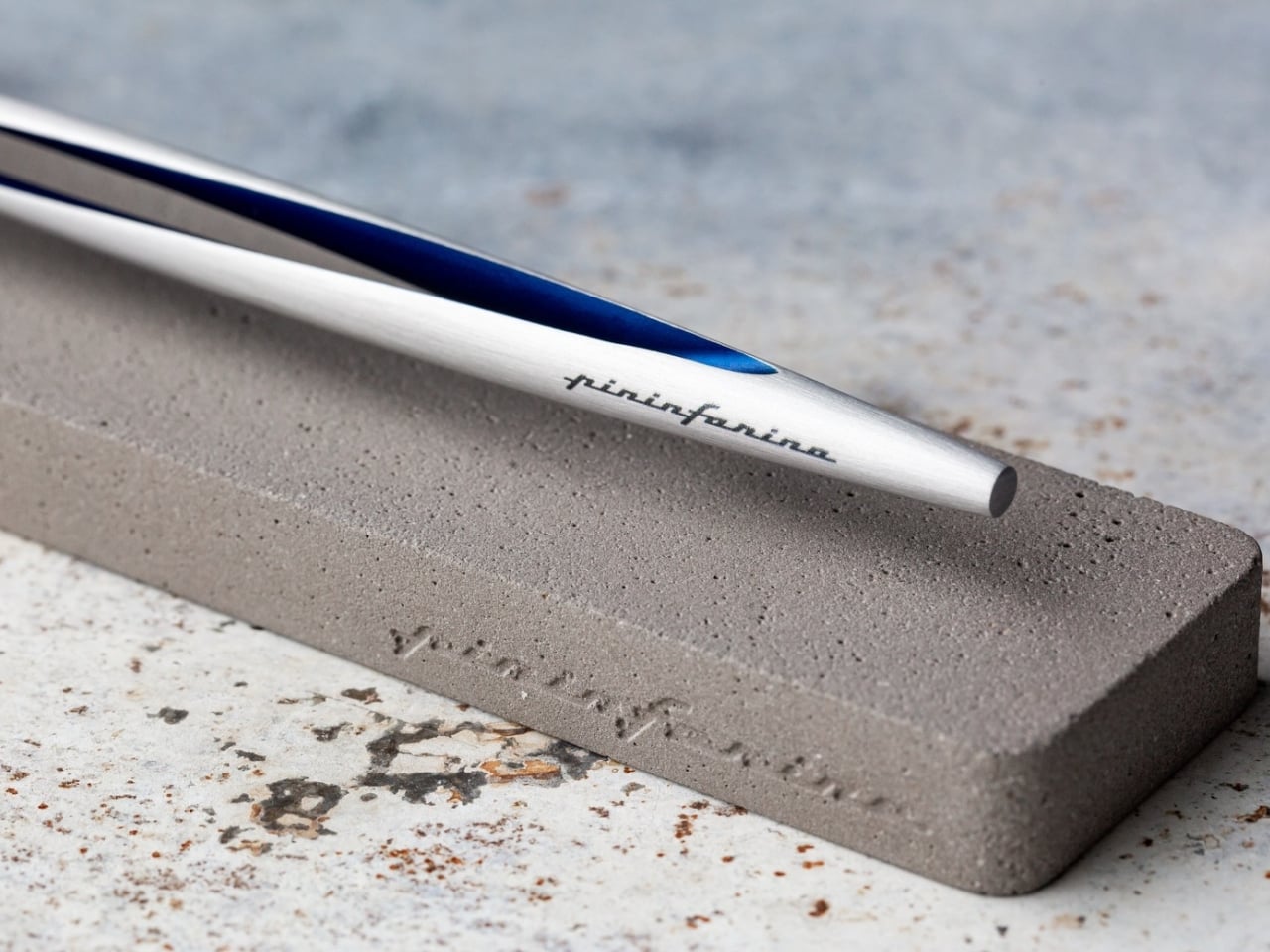
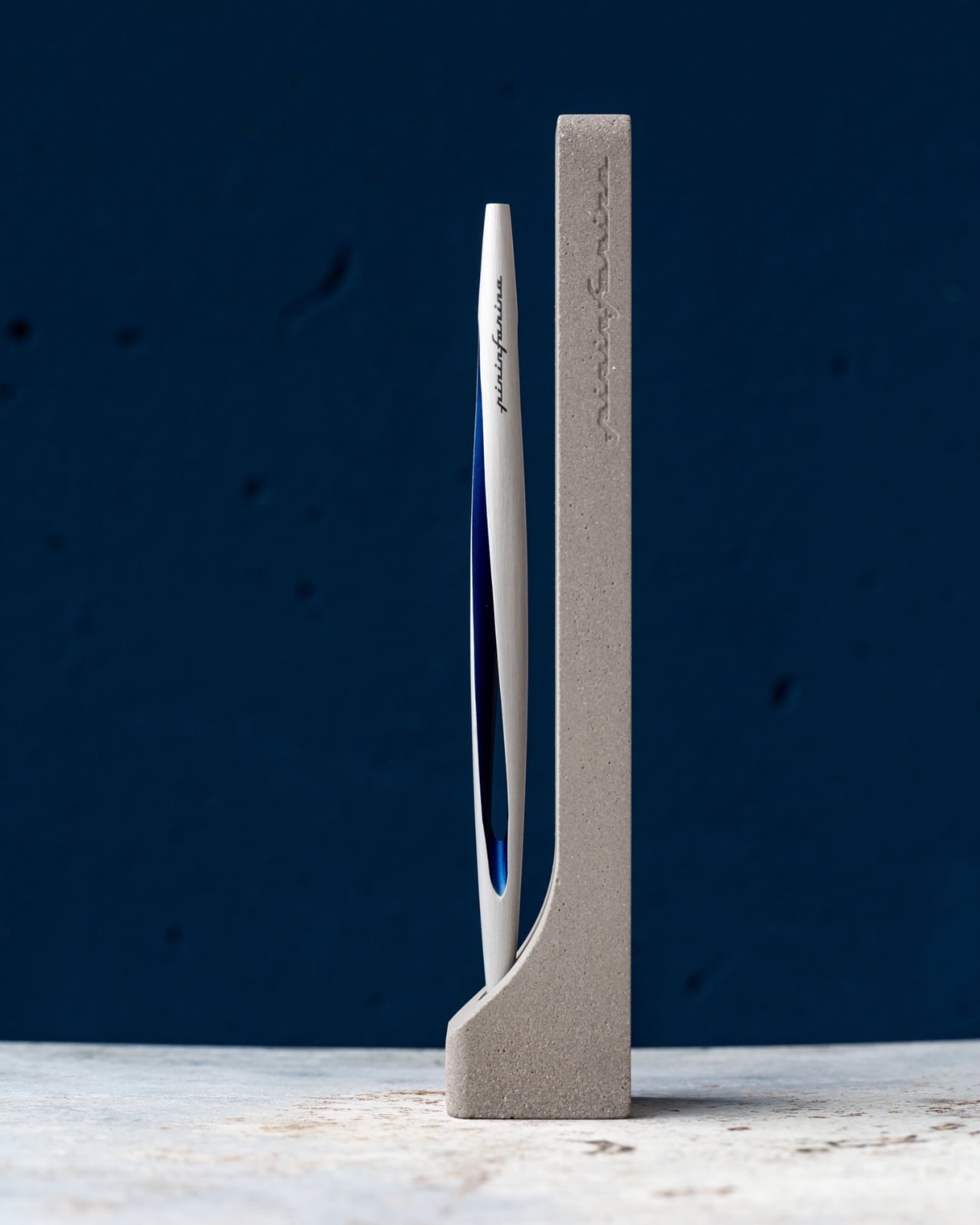
The ink pen is a carry category with a built-in expiration date, which most people accept as simply the nature of the tool. Pininfarina disagreed. The Aero Ethergraf writes through an Ethergraf metal alloy tip that leaves a permanent, graphite-like mark on paper via oxidation rather than ink transfer. There is no refill, no cartridge, and no dry-out. The tip writes identically on day one and three years later, producing a line that does not smudge and does not bleed through paper.
The pen is aerospace-grade aluminum, 17 grams, and 160mm long. Pininfarina, the Italian studio responsible for Ferrari and Maserati bodywork, applied that same economy of means: a single confident form, a blue accent visible from the right angle, and nothing present that serves no purpose. It ships with a raw concrete desk cradle. Switching a carry pen from refillable to the Aero reads less as an upgrade and more as a correction to something that should have been addressed earlier.
What we like
- No ink or refill means this pen performs identically at the start and end of a season, removing the replacement cycle that every other pen eventually demands at the least convenient time
- The aerospace aluminum body and Italian design pedigree give it the presence of a considered object that earns a permanent desk position, not just a pocket slot
What we dislike
- The Ethergraf line is lighter than ballpoint output and requires slightly more deliberate pressure on thinner paper stocks to produce consistently confident marks
- The metal tip performs best on standard paper and produces inconsistent results on coated or glossy surfaces, which limits its range on certain materials
5. Streamlight Wedge SL
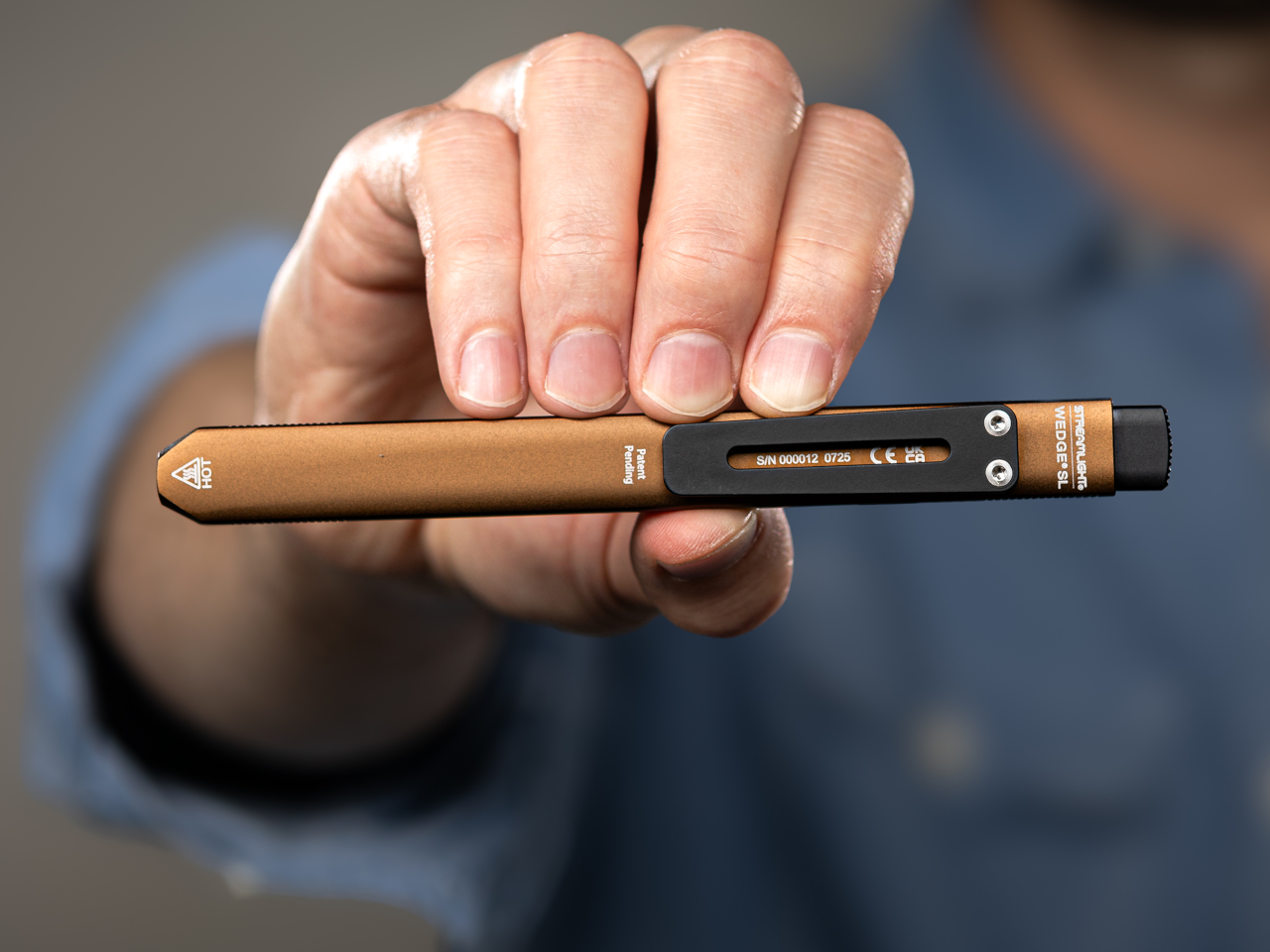
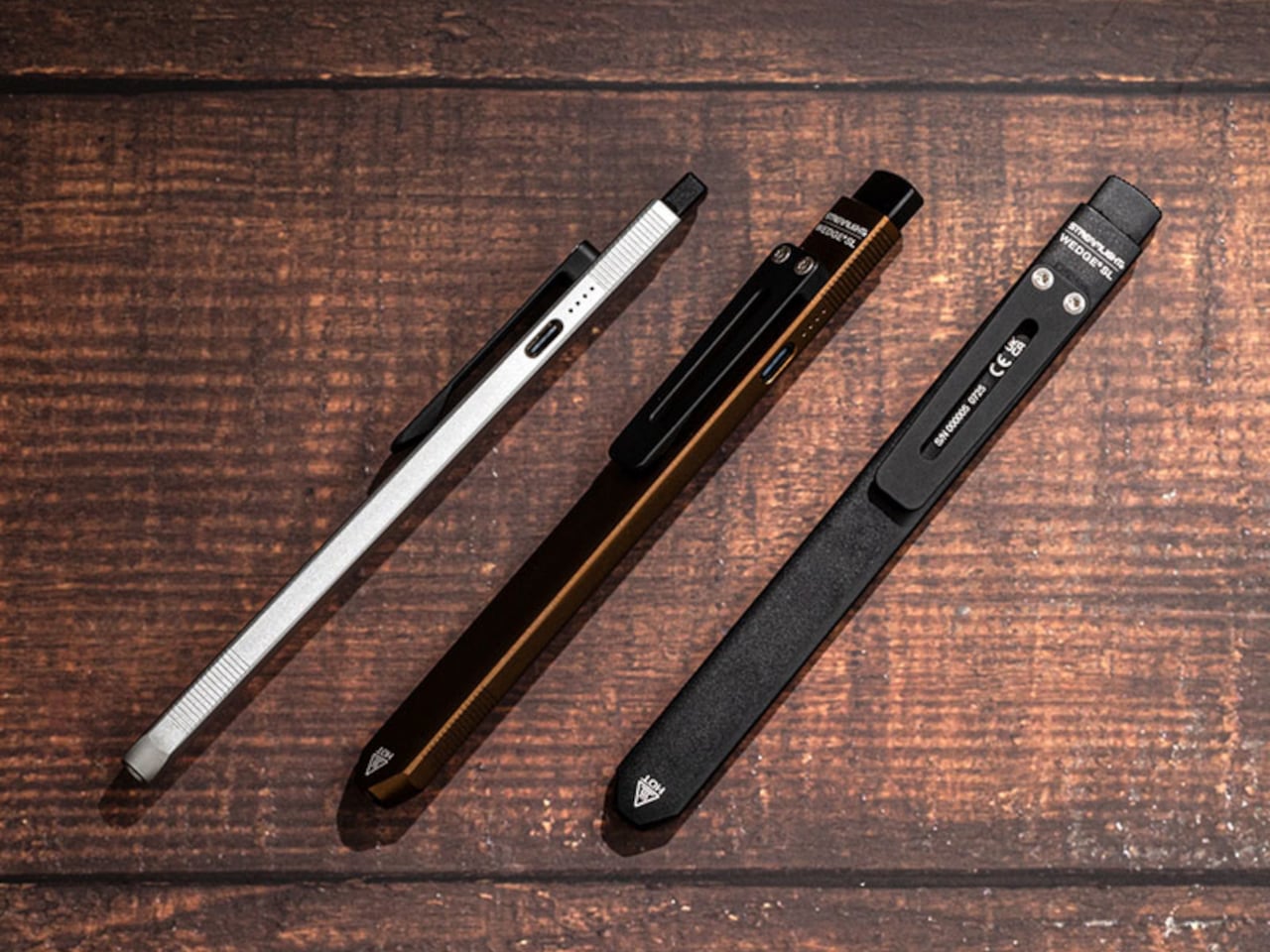
Most people leave a flashlight at home because it is too large to carry comfortably and too rarely needed to justify the space. The Streamlight Wedge SL removes that reasoning by measuring 5.65 inches long, 0.28 inches thick, and 1.14 ounces. That profile fits alongside a phone without competing for space, and the stainless steel clip secures it to a shirt pocket or tool pouch without adjustment. Fall means the sun sets earlier than anyone is quite prepared for, and the tool that solves that problem needs to actually be in the pocket.
Three output modes cover the realistic range of carry use. Constant-on High runs 100 lumens for 1.75 hours. Low delivers 50 lumens for 3.5 hours. THRO mode produces 500 lumens at an 80-meter beam on a three-second press, fast enough for genuine emergencies without being easy to trigger accidentally. The USB-C lithium polymer cell charges in four hours and is field-serviceable and user-replaceable. Type II MIL-Spec anodized aluminum and IPX4 water resistance mean fall weather is not a relevant variable.
What we like
- At 0.28 inches thick, it carries without compromising any pocket it shares space with, which directly solves the reason most flashlights get left on a bench at home
- THRO mode reaches 500 lumens without any mode cycling, making maximum output accessible the moment the situation asks for it rather than three button presses later
What we dislike
- Output is calibrated for inspection and everyday carry use rather than long-distance throw, so it will not work for anyone whose primary need is maximum beam distance
- At four hours for a full charge, it is slower than some current competitors in a category where charging speed has become a meaningful differentiator
Editor’s Choice: Eiger 8-in-1 Scissors
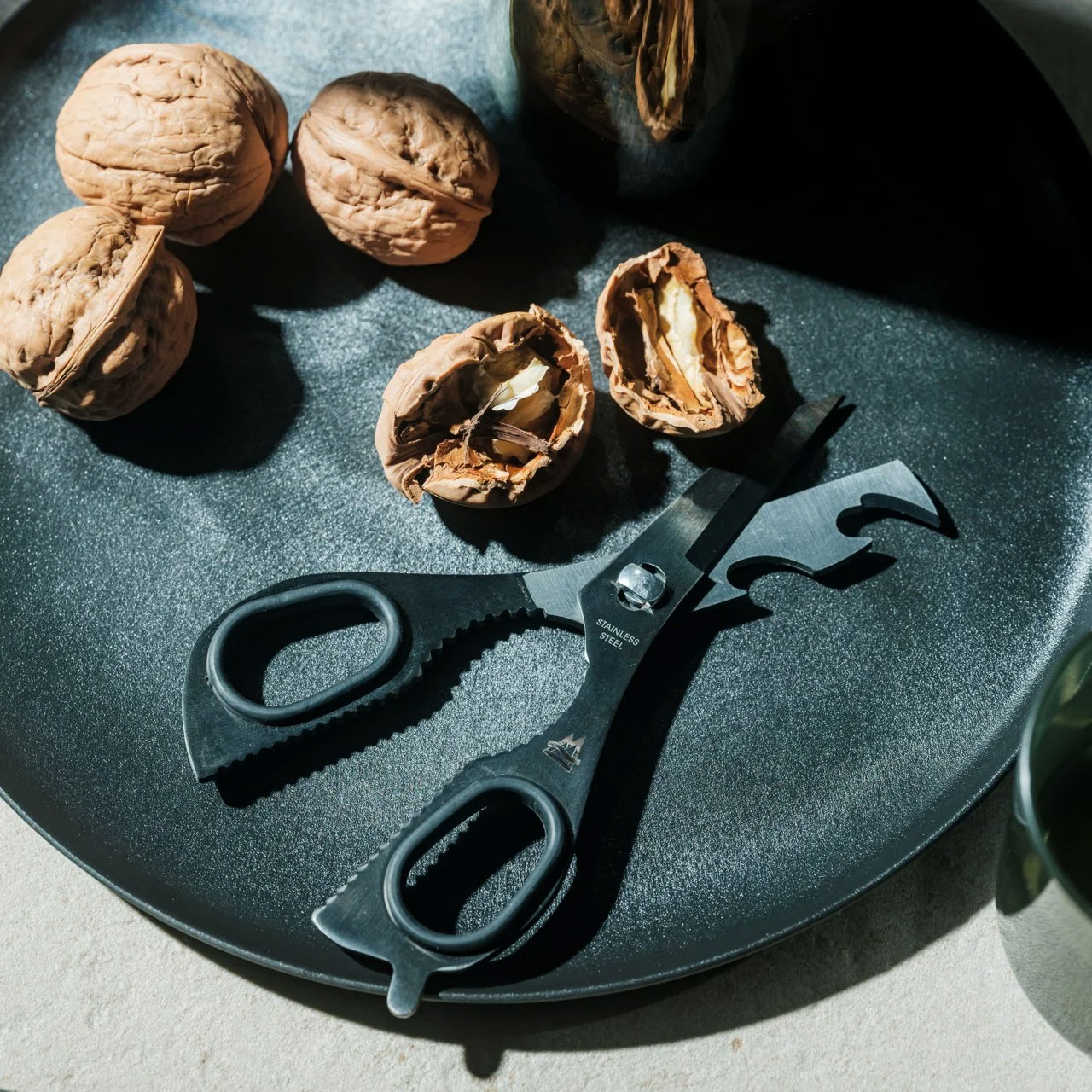
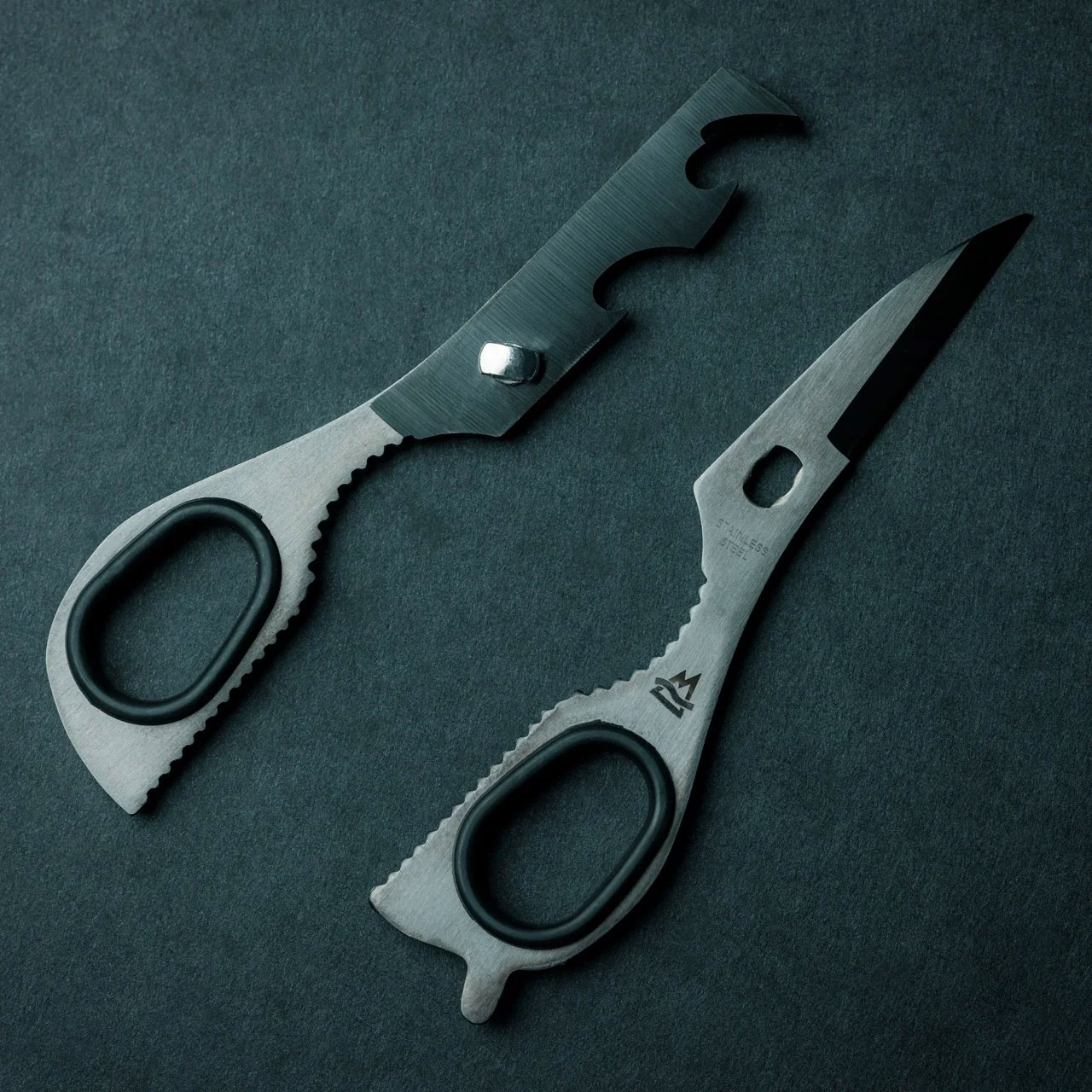
The multi-tool has been reinvented many times, usually by adding more – more blades, more attachments, more weight, and ultimately more of the bulk that makes people leave it at home. The Eiger takes the opposite approach. Eight functions – a knife, can opener, bottle opener, screw-cap opener, shell cracker, prying tool, and gas-release function – are worked into the handles and blades of what still reads, at first glance, as a simple pair of scissors. EigerTool makes each pair by hand in Sanjo, Niigata, a city with a centuries-long tradition in blade-making, with particular attention to sharpness. The black surface comes from an oxidation treatment that improves corrosion and weather resistance while producing subtle variation from one pair to the next. At 5.1 inches and 1.87 ounces, it sits in the palm without declaring itself.
The tool travels inside a leather case clipped to a bag strap by a red NITE IZE carabiner – red chosen specifically so it reads clearly among the rest of your gear. The value of carrying it is not in using all eight functions on a given day. Most trips, it opens a package or cuts a loose thread. The point is that when something else comes up, a bottle, a stubborn lid, a small task you hadn’t thought to plan for, the answer is already clipped to your bag.
What we like
- The scissors are sharp enough to justify carrying on their own, which makes everything else feel like a genuine addition rather than a reason to compromise
- The oxidation finish gives each pair a quiet individuality and holds up better over time than a standard coated surface would
What we dislike
- A few of the secondary functions take a moment to locate and deploy confidently, especially early on
- Those who want the barest possible carry may find the leather case adds just enough bulk to reconsider, though it does protect the blades
The Only EDC Rule That Actually Matters: Carry What You’ll Use
The five tools above do not ask for a lifestyle adjustment. They drop into a pocket, clip to a keychain, or live on a desk without demanding explanation or a dedicated bag compartment. What each one requires is a single deliberate decision at the point of acquisition: that the things you carry every day are worth choosing carefully rather than defaulting to whatever has been there since last winter.
Start with one. The Olight Baton 4 consolidates a flashlight and a power bank into a single case that makes carrying both easier than carrying either separately. The Gerber Shard costs $13 and will change what you notice about the physical world around you. The Fantom X removes a daily friction you have probably stopped registering because you have lived with it long enough that it feels normal. Any one of these improves the carry. All eight make pockets the most useful part of the outfit before the season ends.