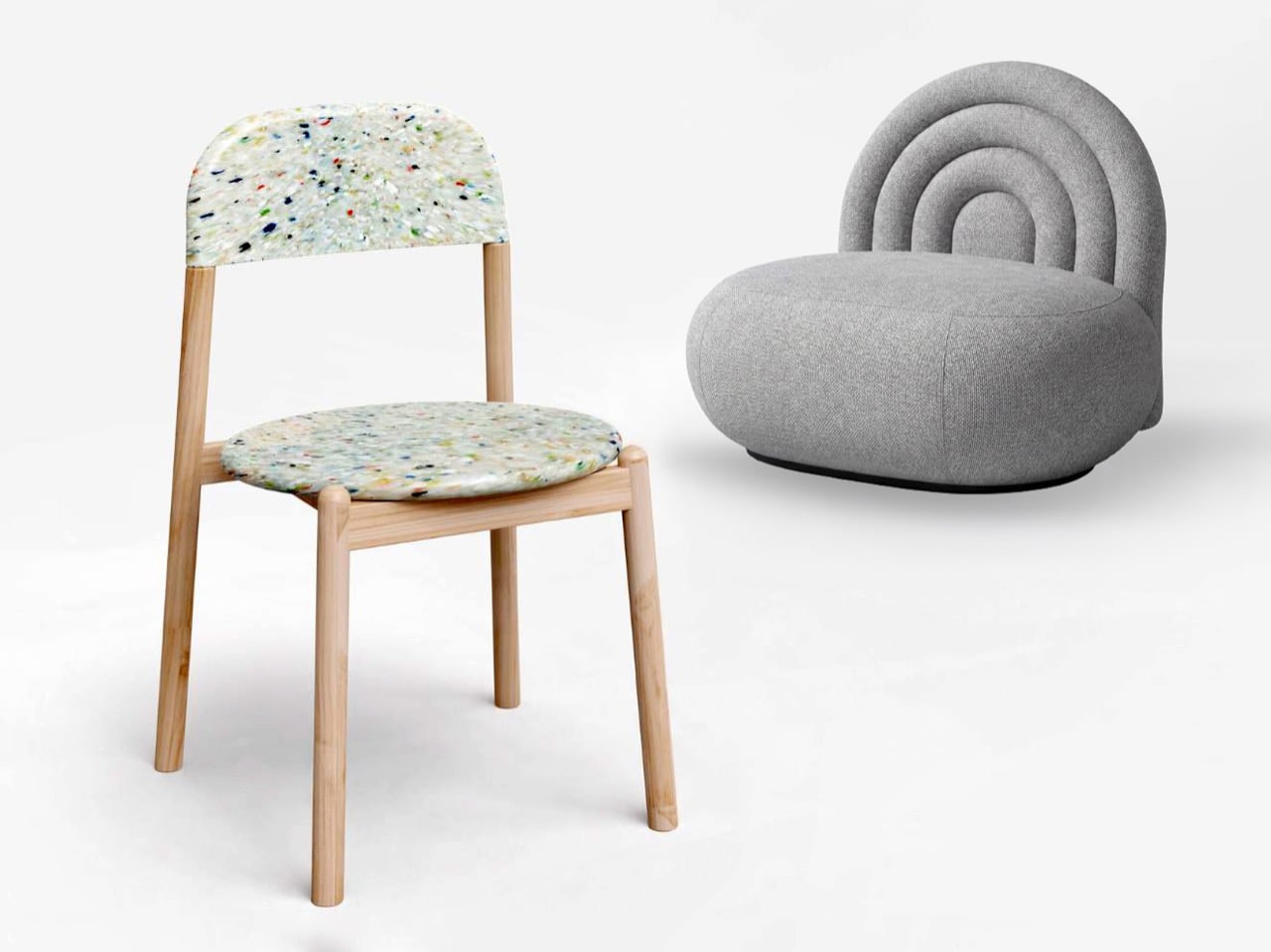
A chair can be a surprisingly effective storytelling device. Give it a different material, soften a familiar silhouette, or borrow a gesture from somewhere unexpected, and suddenly it becomes more than somewhere to sit. Jaro Kose’s CUT and ZEN chairs approach that idea from two very different directions: one gives discarded material a second life, while the other translates the meditative landscape of a Japanese Zen garden into an upholstered form.
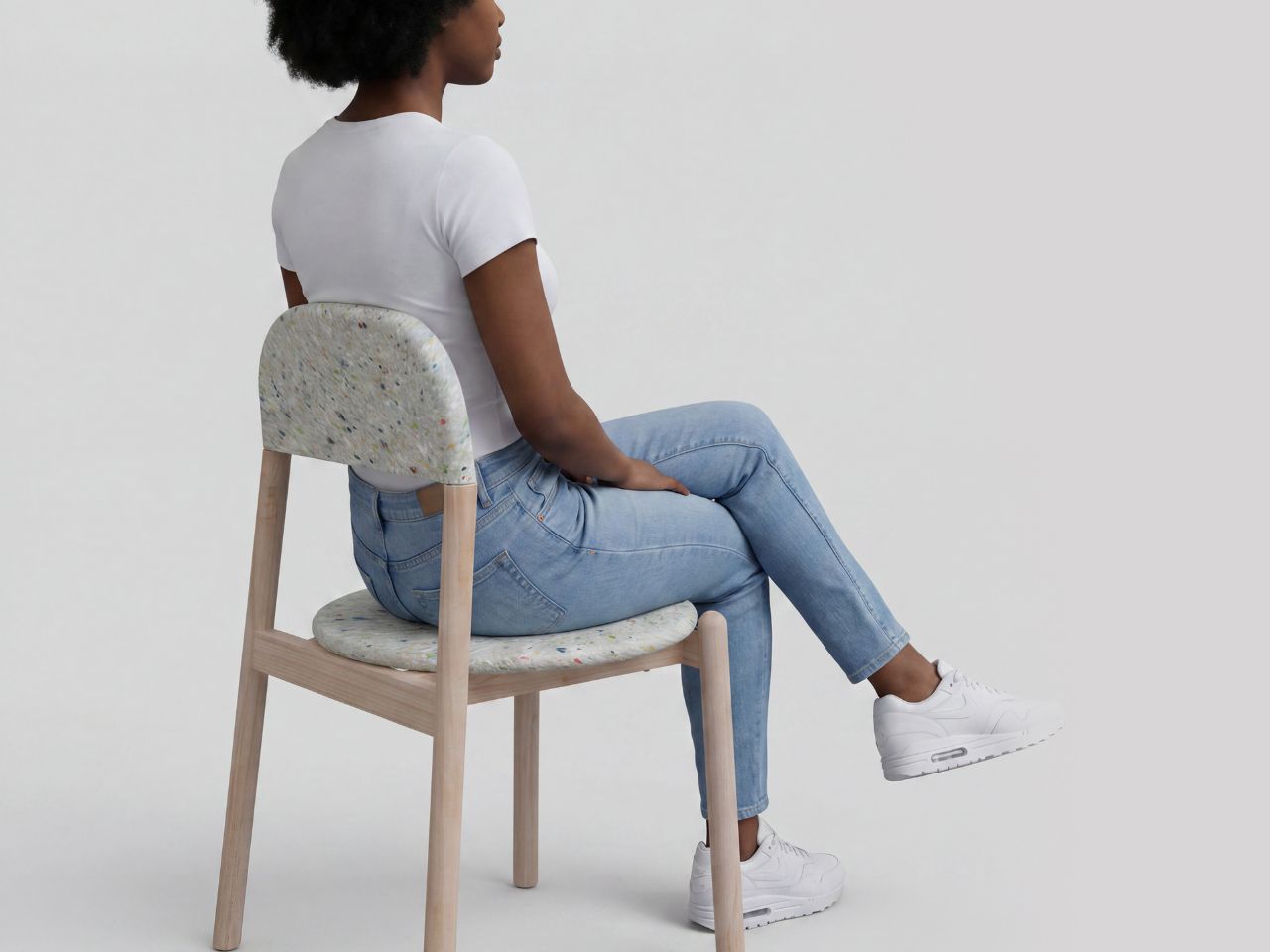
CUT is, at first glance, a fairly restrained wooden chair. Its clean oak frame, gently rounded proportions and broad backrest give it the familiarity of a classic dining chair, while its stackable construction makes it practical enough for both residential and public environments. The design also extends into upholstered and high-chair variations without losing the clarity of the original silhouette. But one version of CUT changes the story through material alone.
Designer: Jaro Kose
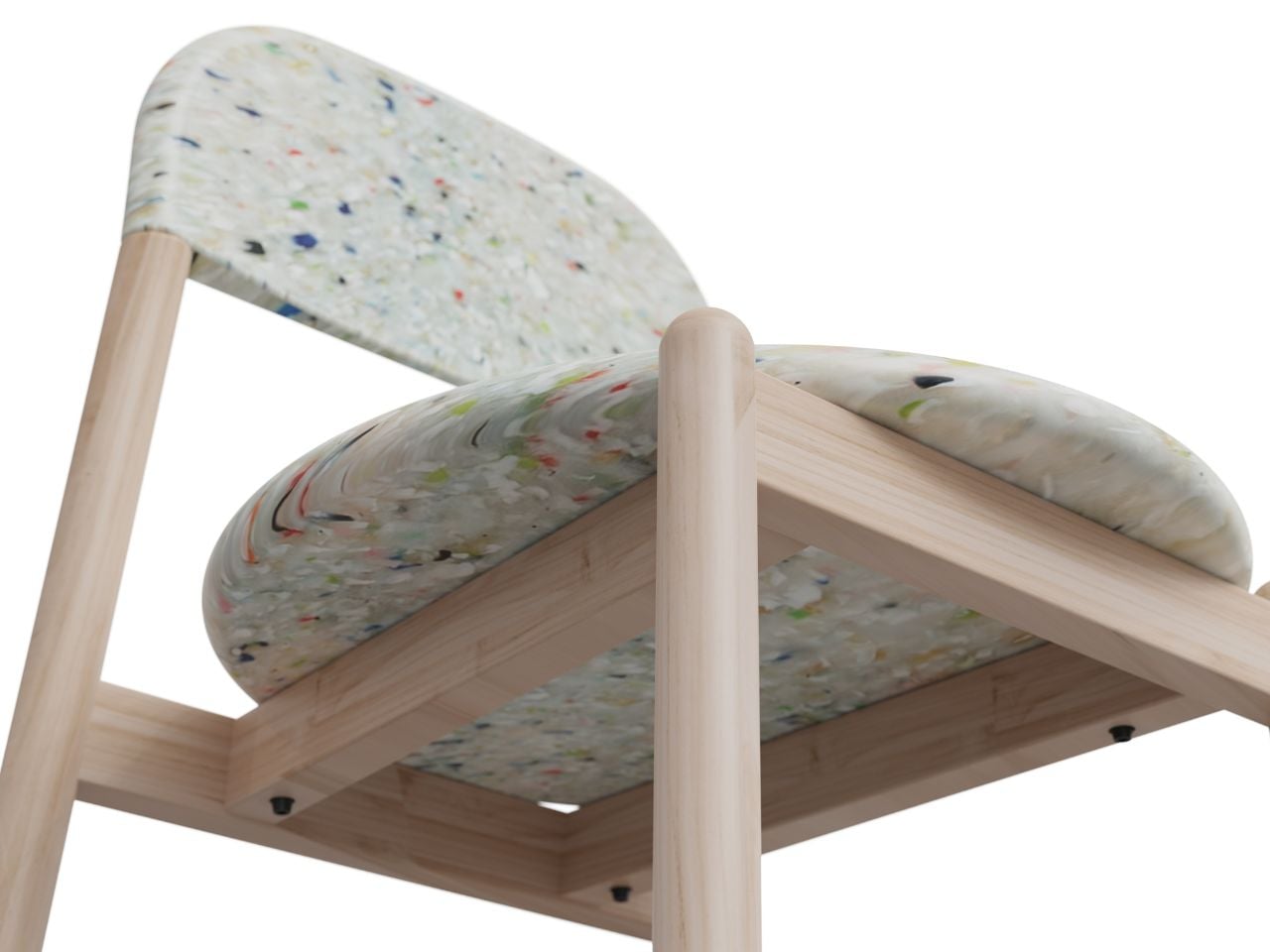
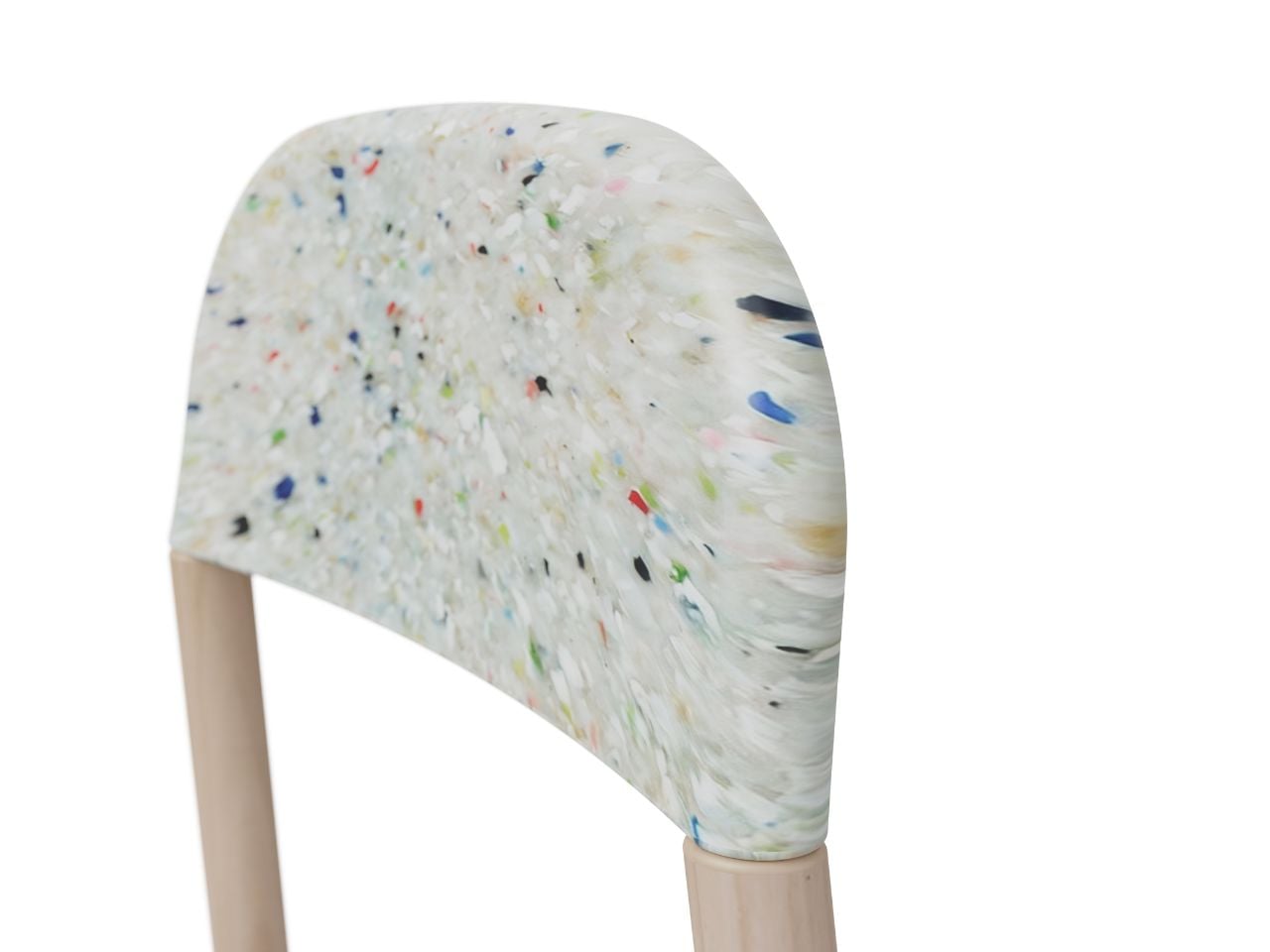
Sustainability plays an important role in Kose’s design approach, particularly in considering how materials are sourced, used and eventually given another life. Reflecting the client’s own commitment to sustainability, a version of CUT replaces the conventional seat and backrest with components made from recycled plastic.
Instead of disguising the material’s previous life, the chair celebrates it. The recycled surface has a visibly speckled texture, almost terrazzo-like from a distance, creating a sharp contrast against the quieter wooden frame. The project explores several possible recycled finishes, turning what could have been treated purely as an environmental choice into part of the chair’s visual character.
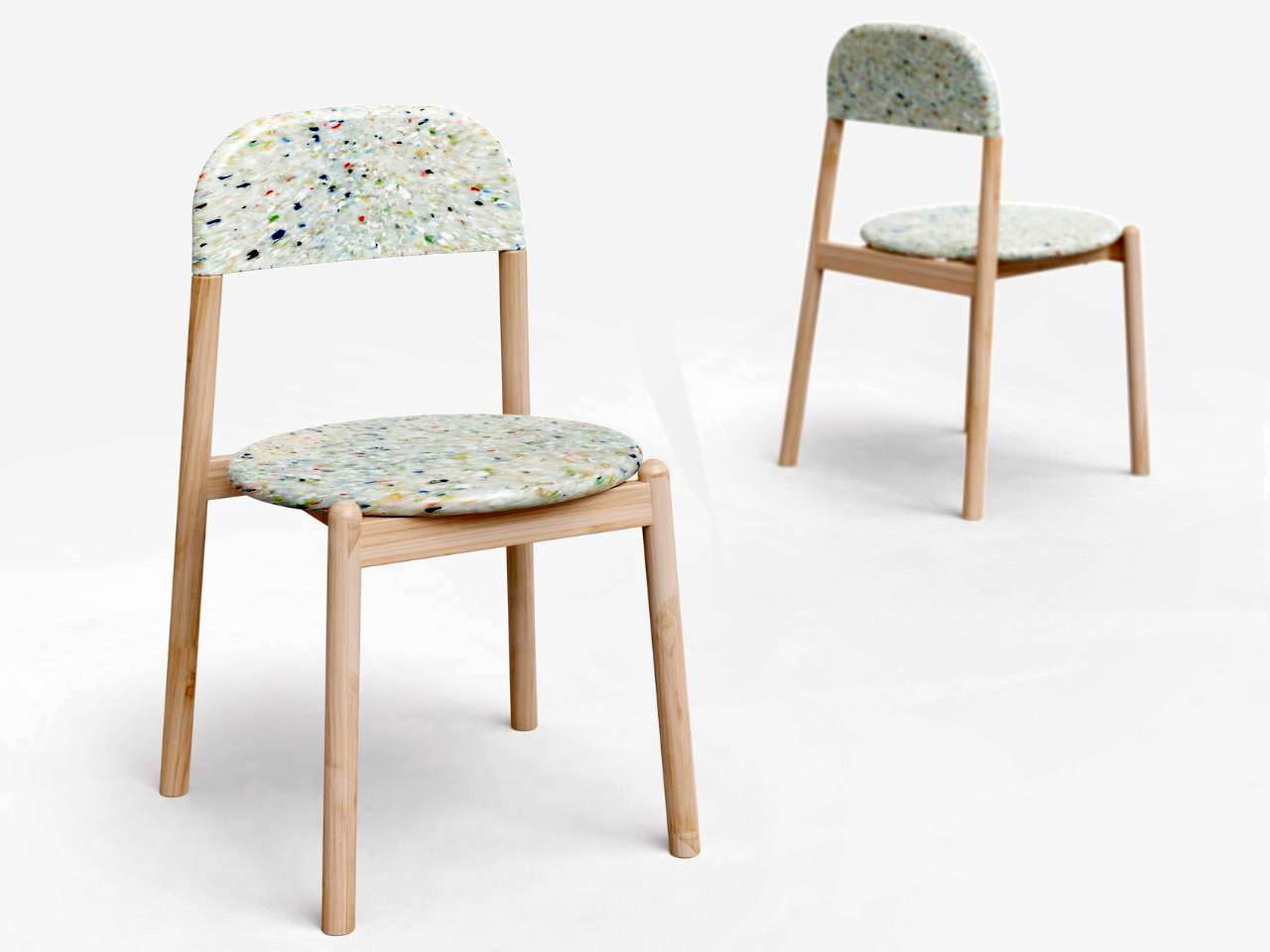
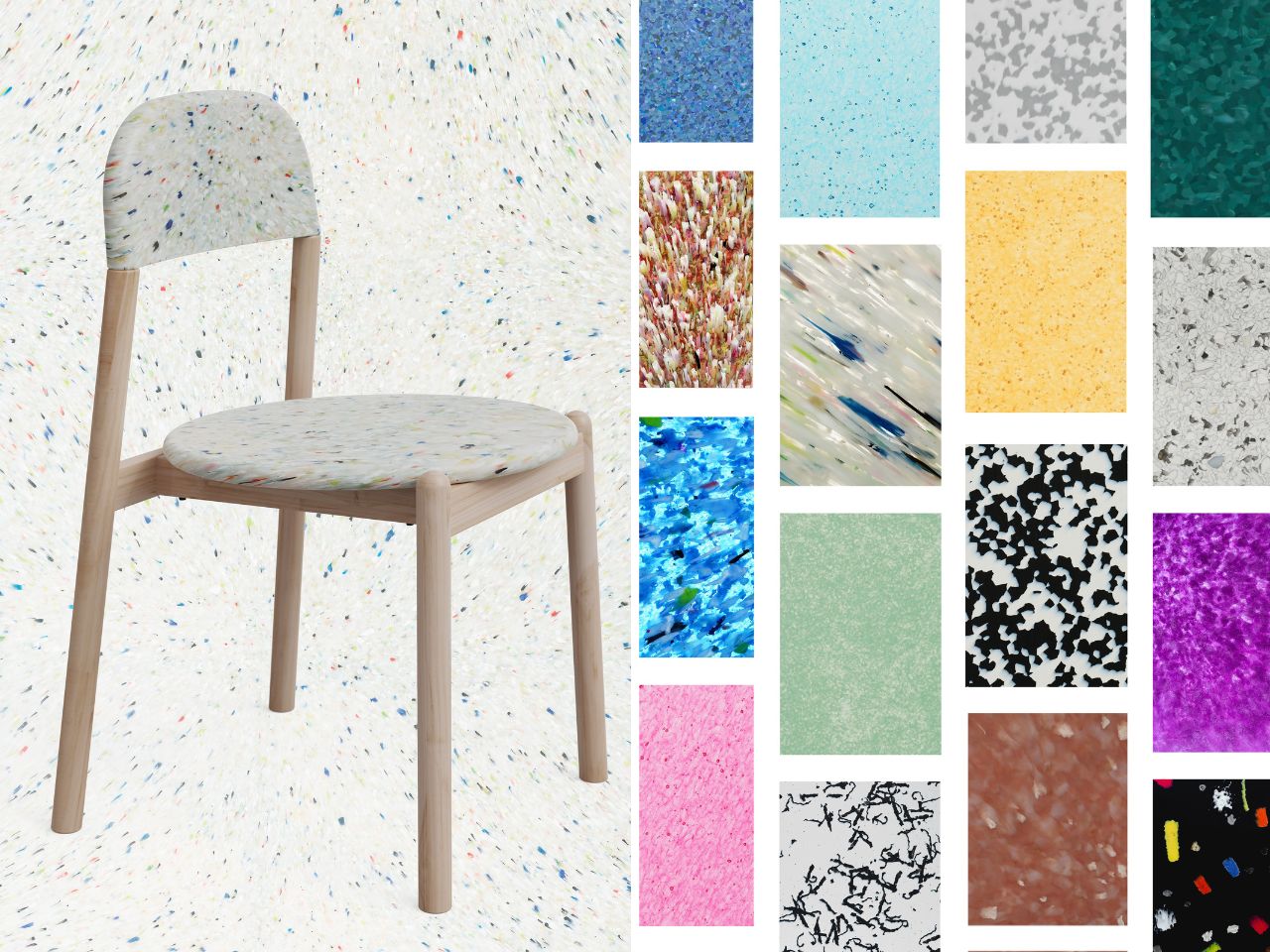
There is something appealing about that transformation. A material once categorized as waste returns as the element that gives the chair its personality. Sustainability here is not added as a label after the design is finished; it becomes visible in the object itself. CUT suggests that responsible material choices do not necessarily have to make furniture feel overtly ecological or compromise a refined interior aesthetic. Waste can simply become another raw material to design with.
ZEN moves in almost the opposite direction. Instead of beginning with a material question, the armchair begins with a feeling.
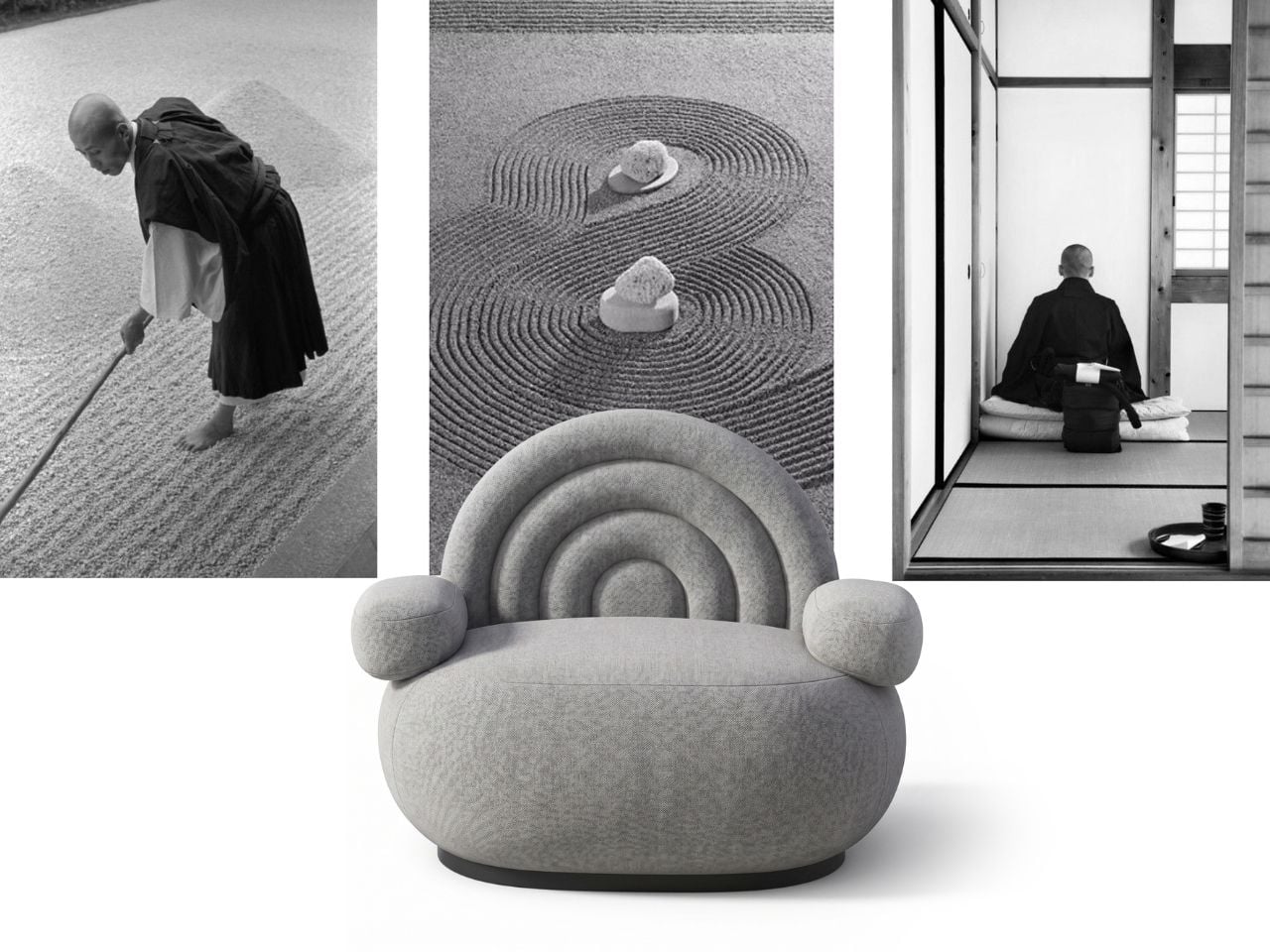
Its inspiration comes from Japanese Zen gardens, spaces historically associated with meditation and contemplation. Their carefully positioned stones and raked gravel create compositions that feel almost motionless while still suggesting movement. Kose translates that relationship into a chair designed around softness, stillness and visual calm.
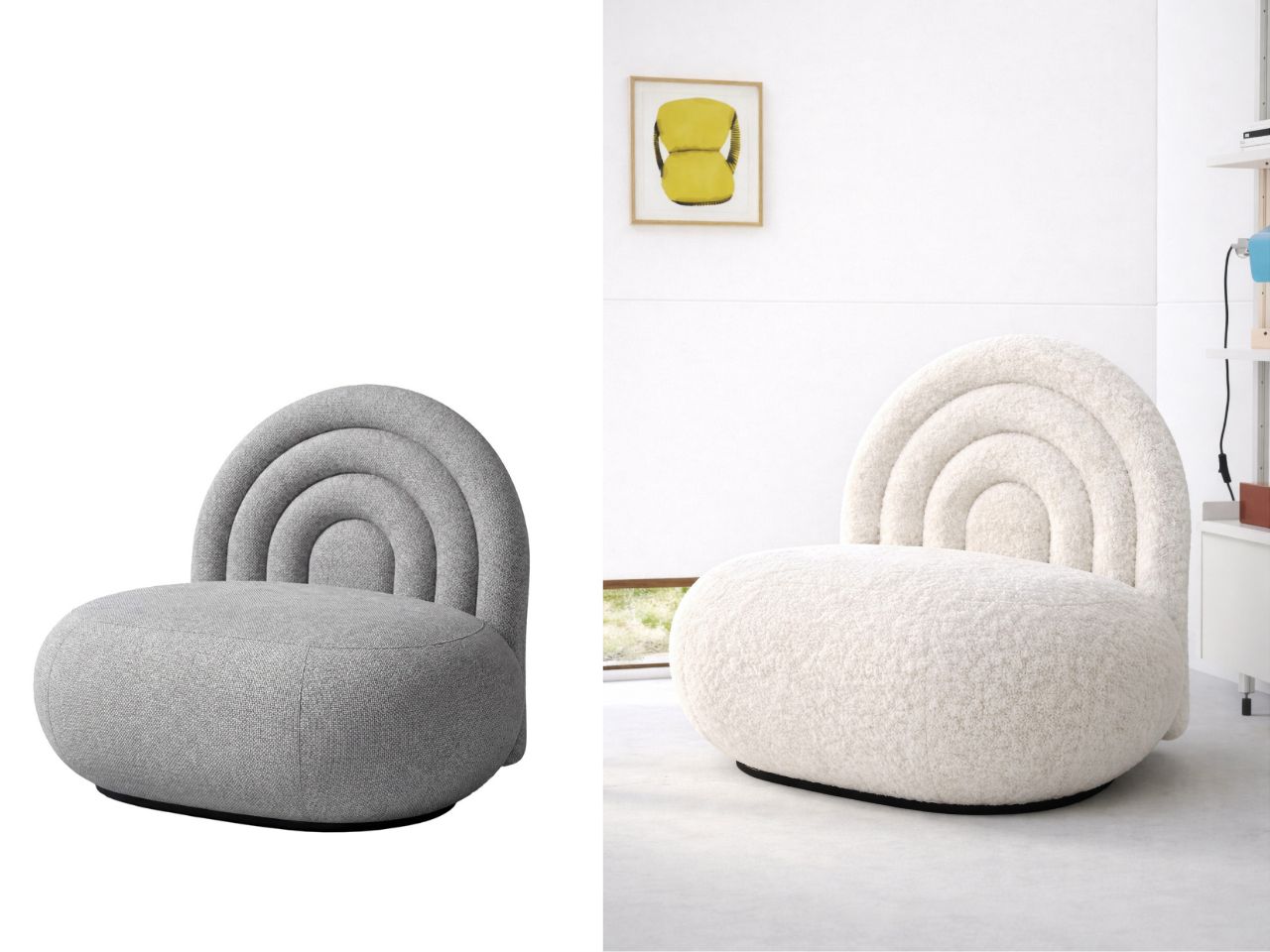
The connection is immediately recognizable. The generous upholstered seat resembles a smooth stone, except here the expected hardness has been replaced with foam and fabric. Behind it, a series of rounded concentric forms creates the backrest, echoing the repetitive lines drawn through gravel around rocks in a Zen garden.

It is a wonderfully literal reference without becoming novelty furniture. The chair still reads clearly as a contemporary lounge piece, but once you understand the inspiration, the relationship between every element becomes obvious. The seat becomes the stone; the backrest becomes the energy radiating around it.
That softness also gives ZEN an interesting presence within an interior. Fully upholstered furniture is already common in contemporary residential spaces, so the material itself allows the chair to blend naturally into its surroundings. Its unusually rounded proportions and graphic backrest, however, make sure it never completely disappears.
CUT and ZEN ultimately tell two stories about contemporary living. CUT asks what happens when designers reconsider the materials we have already used, while ZEN looks at how furniture can encourage a different relationship with our surroundings and ourselves. One gives waste another life. The other turns a meditative landscape into something you can sink into. And both show how a relatively simple chair can carry a surprisingly rich idea.