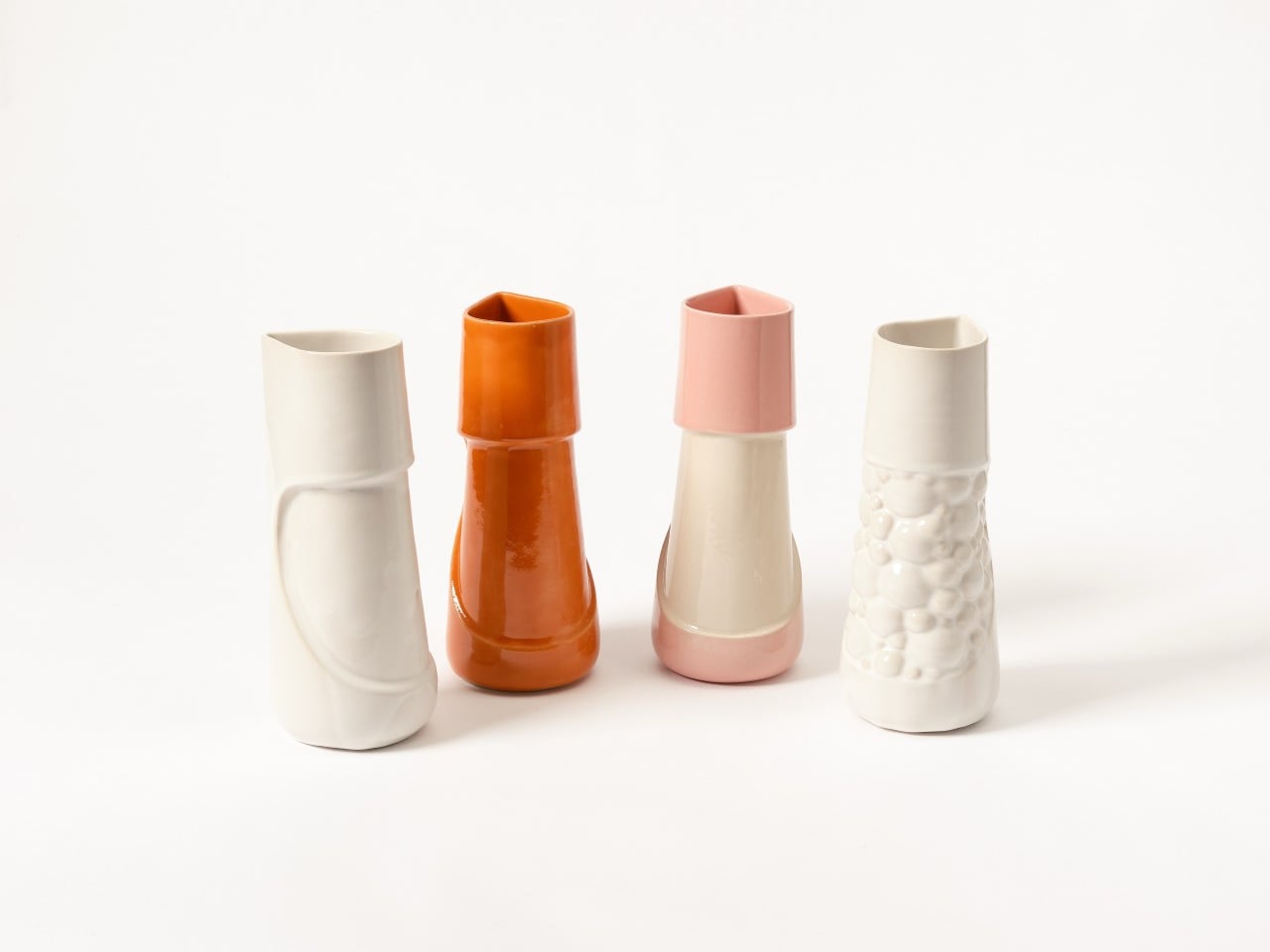
A full carafe can turn a simple refill into a little balancing act. The farther a handle extends from the vessel, the more carefully you have to tip it, especially when it’s heavy. The Ergo Jug and Bubble Jug approach that familiar moment from different directions: one tucks a grip into the body, while the other finds something useful in playful forms.
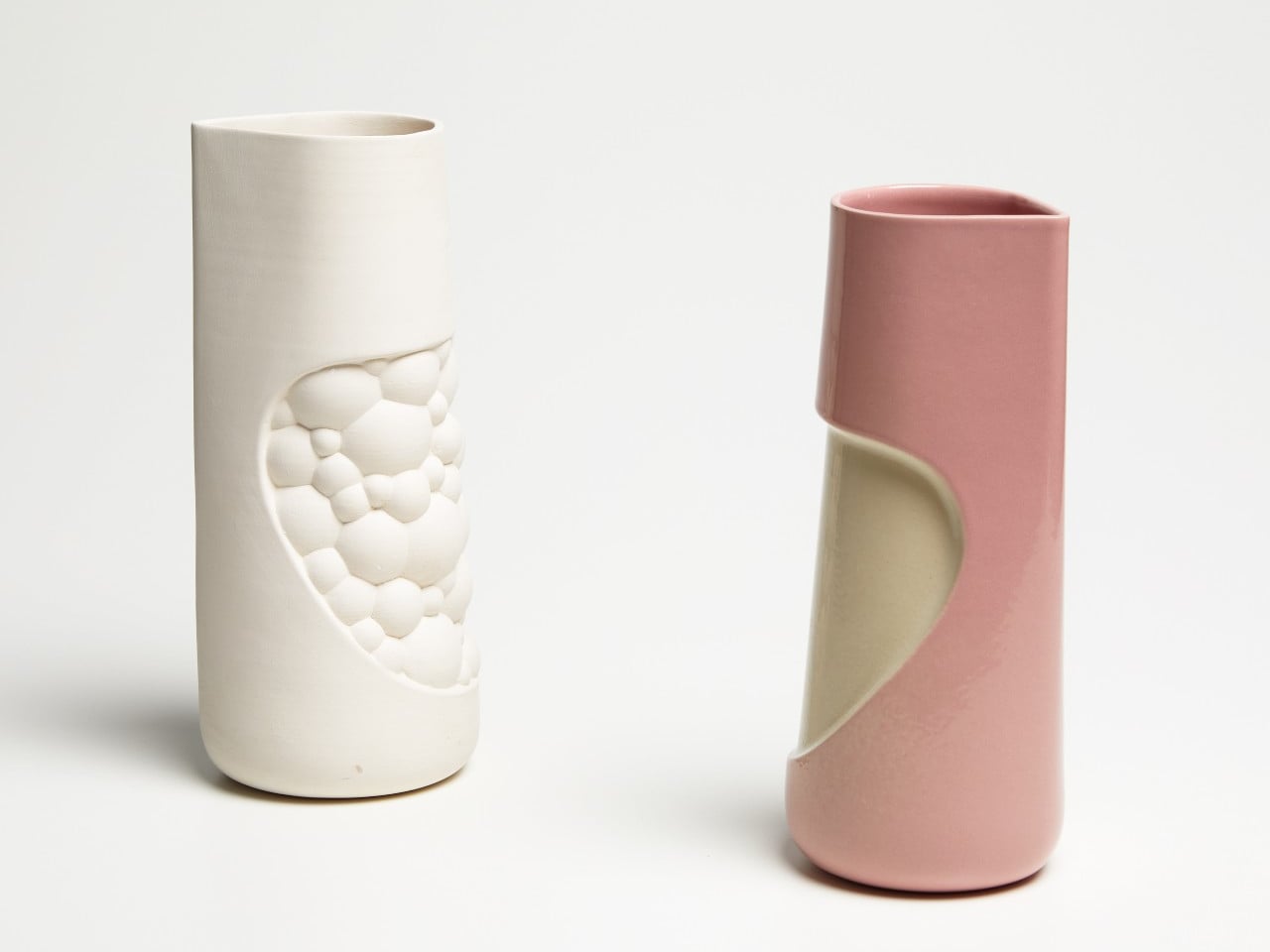
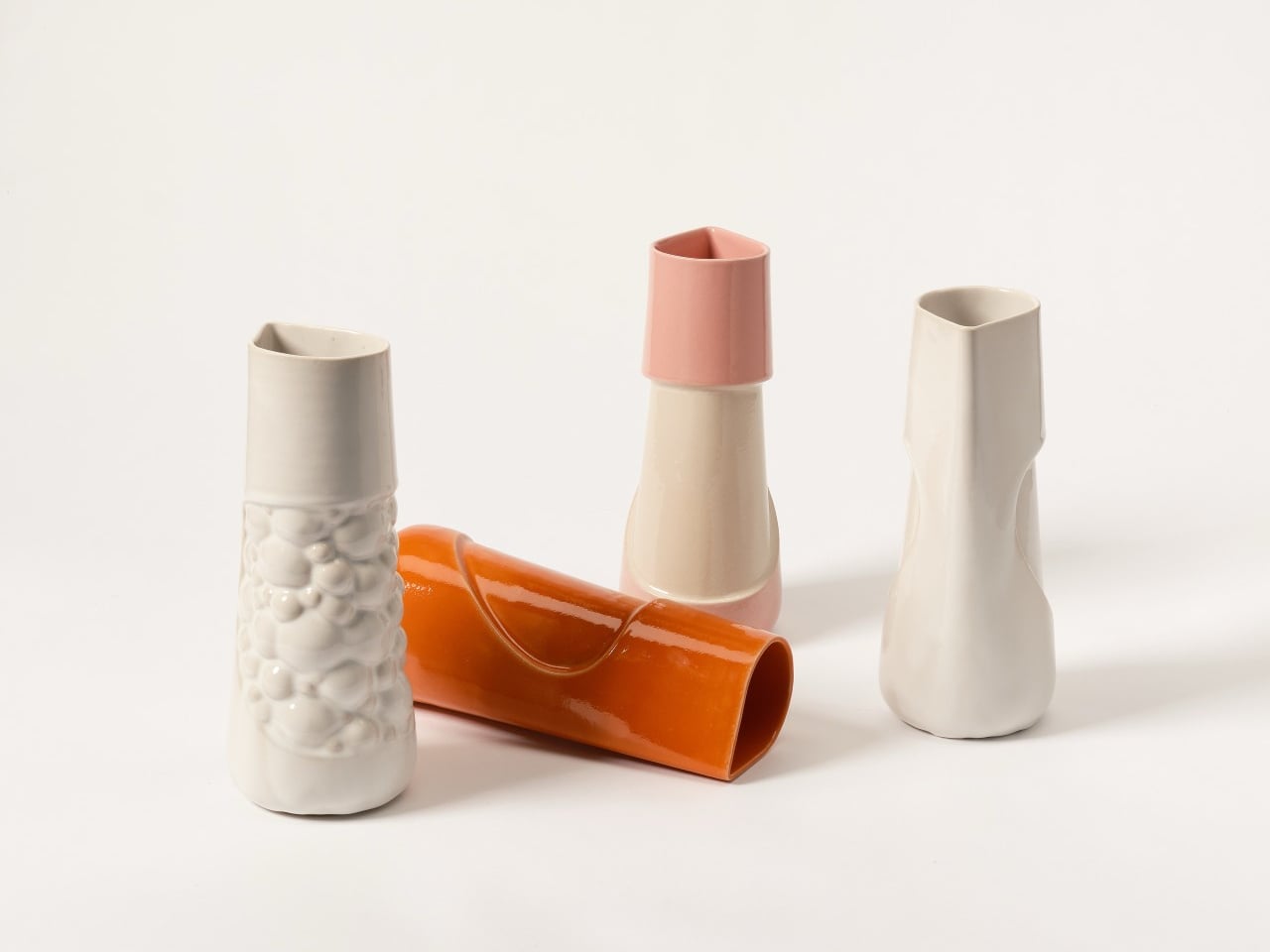
Most pitchers keep their handles outside, leaving a loop that can feel quite awkward. The Ergo Jug instead shapes its handle into the side, so your fingers settle inside the carafe’s outline rather than hanging off it. That brings the body closer to your wrist, giving you a steadier way to lift and pour without adding a handle that dominates the silhouette.
Designer: Raphael Klug
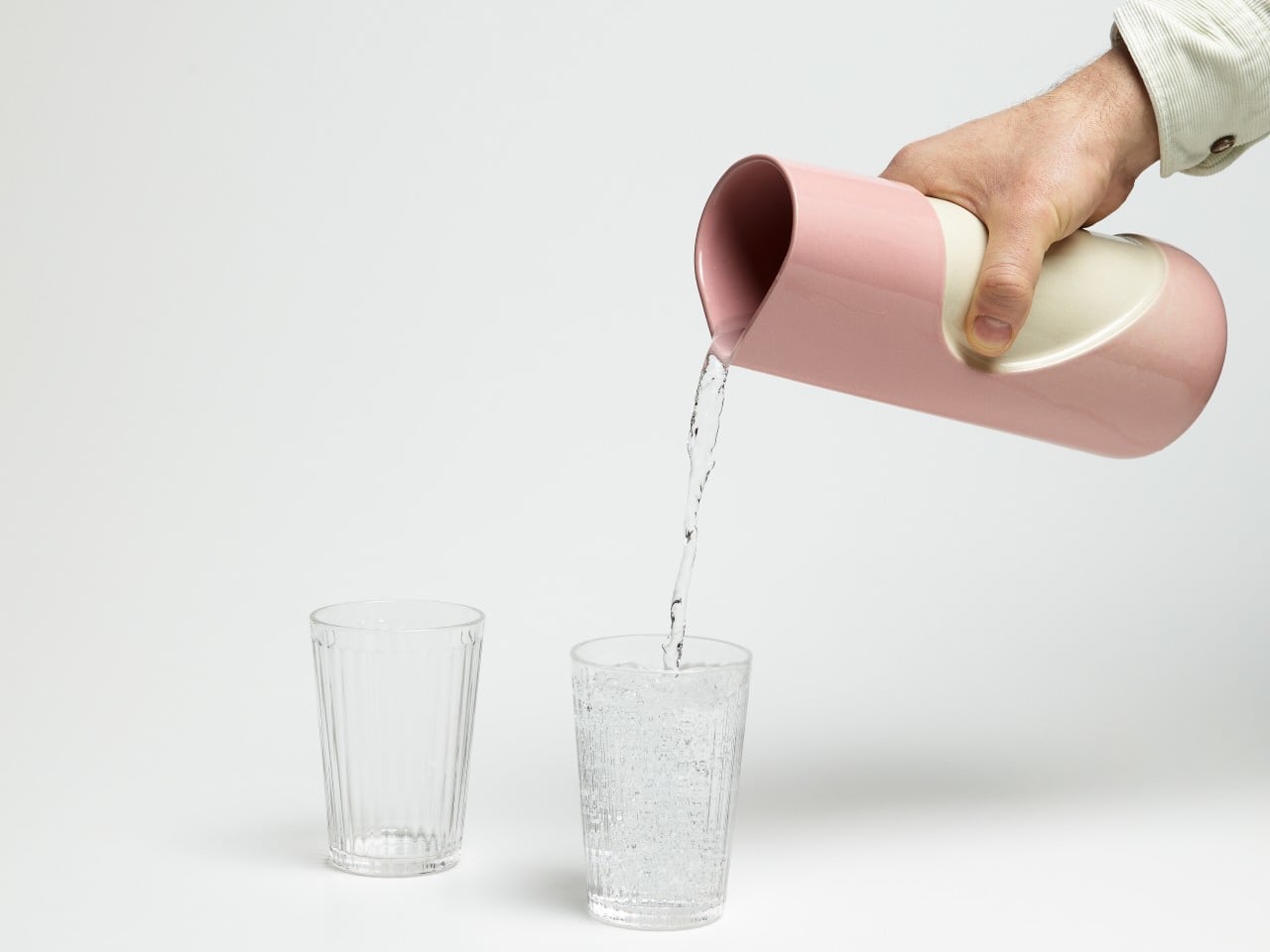
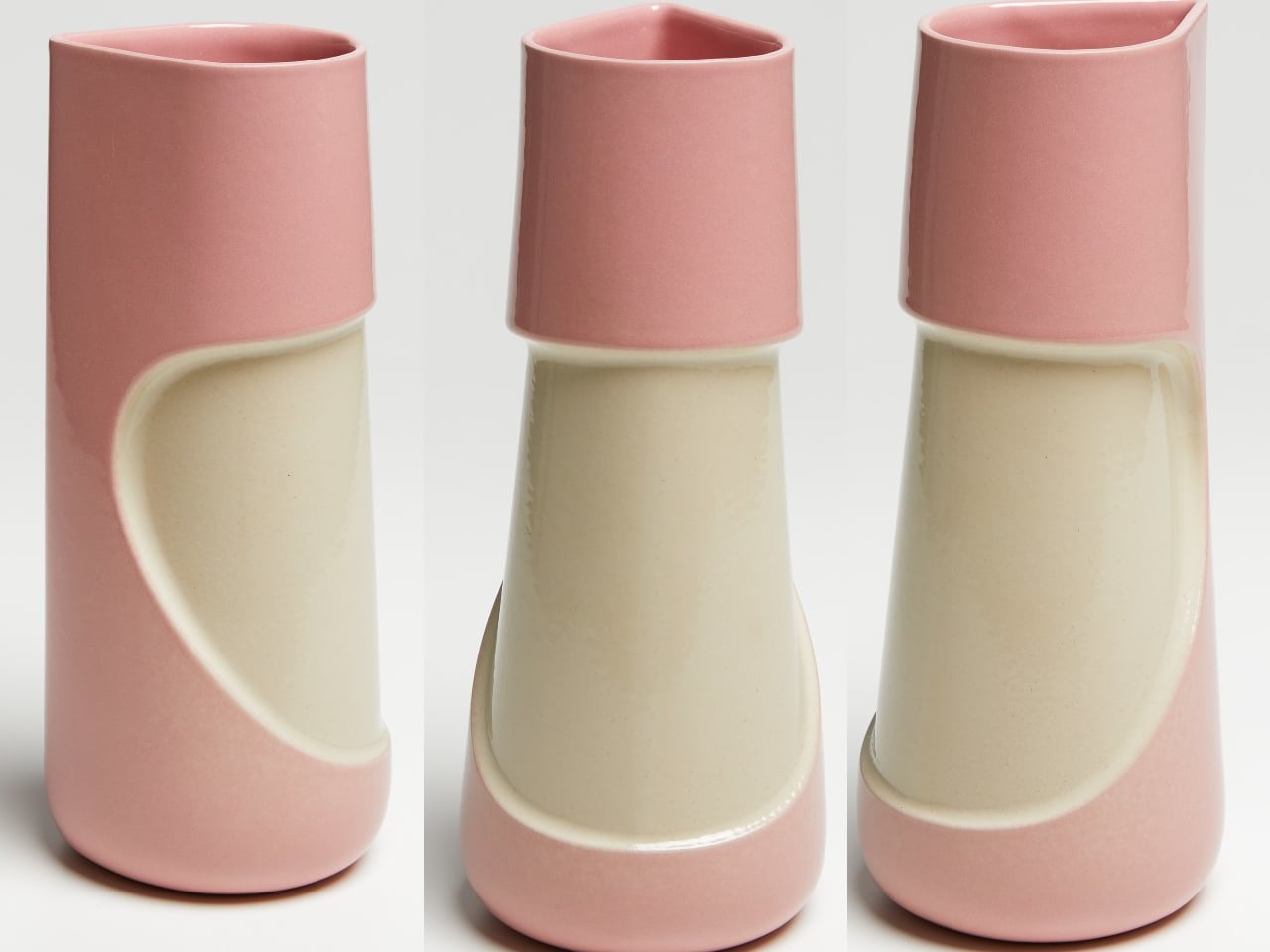
That inward curve came from hands rather than an arbitrary flourish. A soft-clay model weighed as much as a filled jug and was lifted by people with different hand sizes, including left- and right-handed participants. Their grip positions informed the overall contour, while the average depth of their finger impressions helped determine how far the handle should sink into the body.
The resulting grip accommodates a full hand without asking you to reach for a loop that projects away from the jug. That could matter when you’re pouring water across the table, or when a child wants to fill a glass without wrestling a pitcher. Keeping the load nearer the wrist may make the motion easier to control for people with less hand strength.
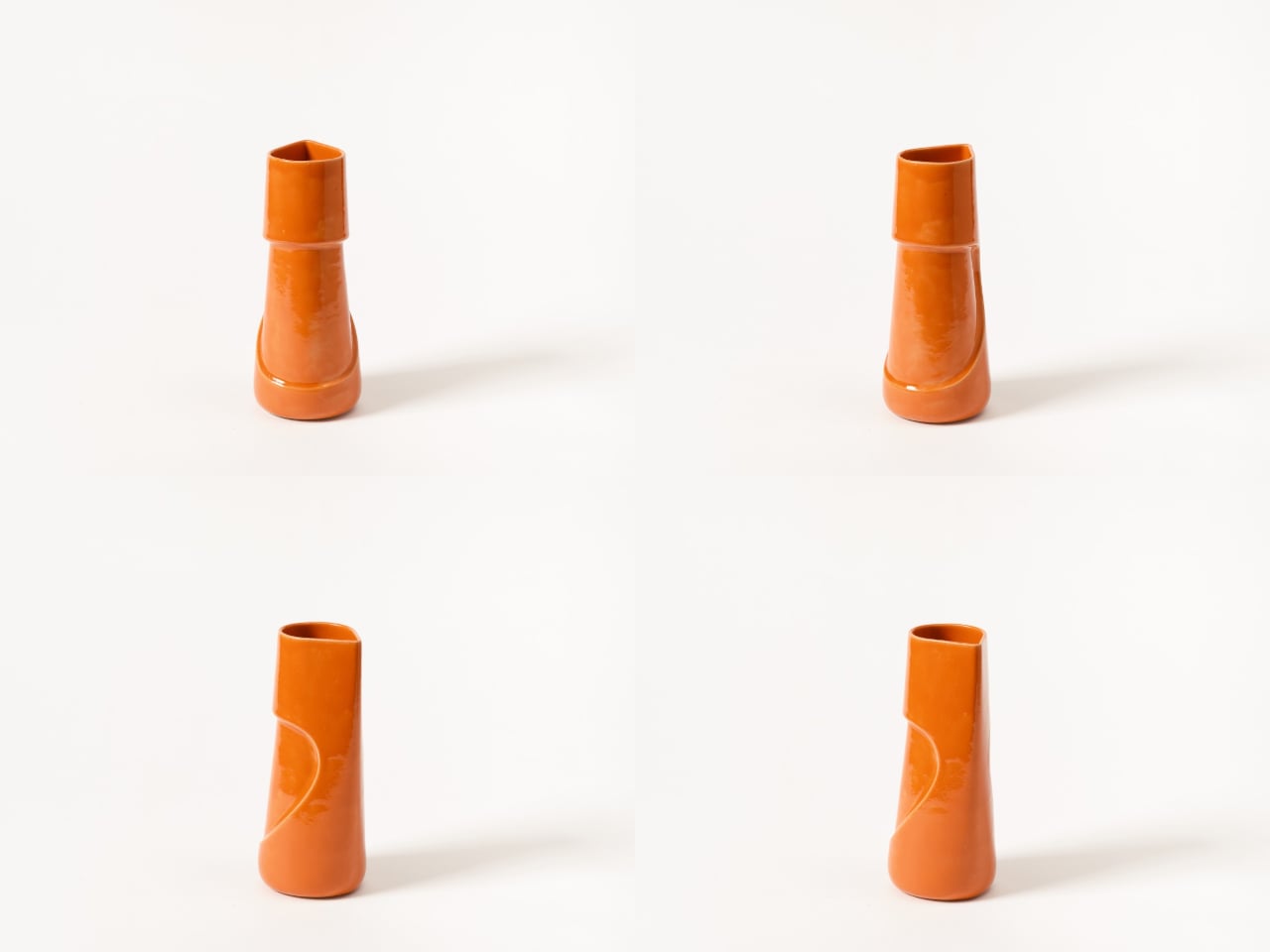
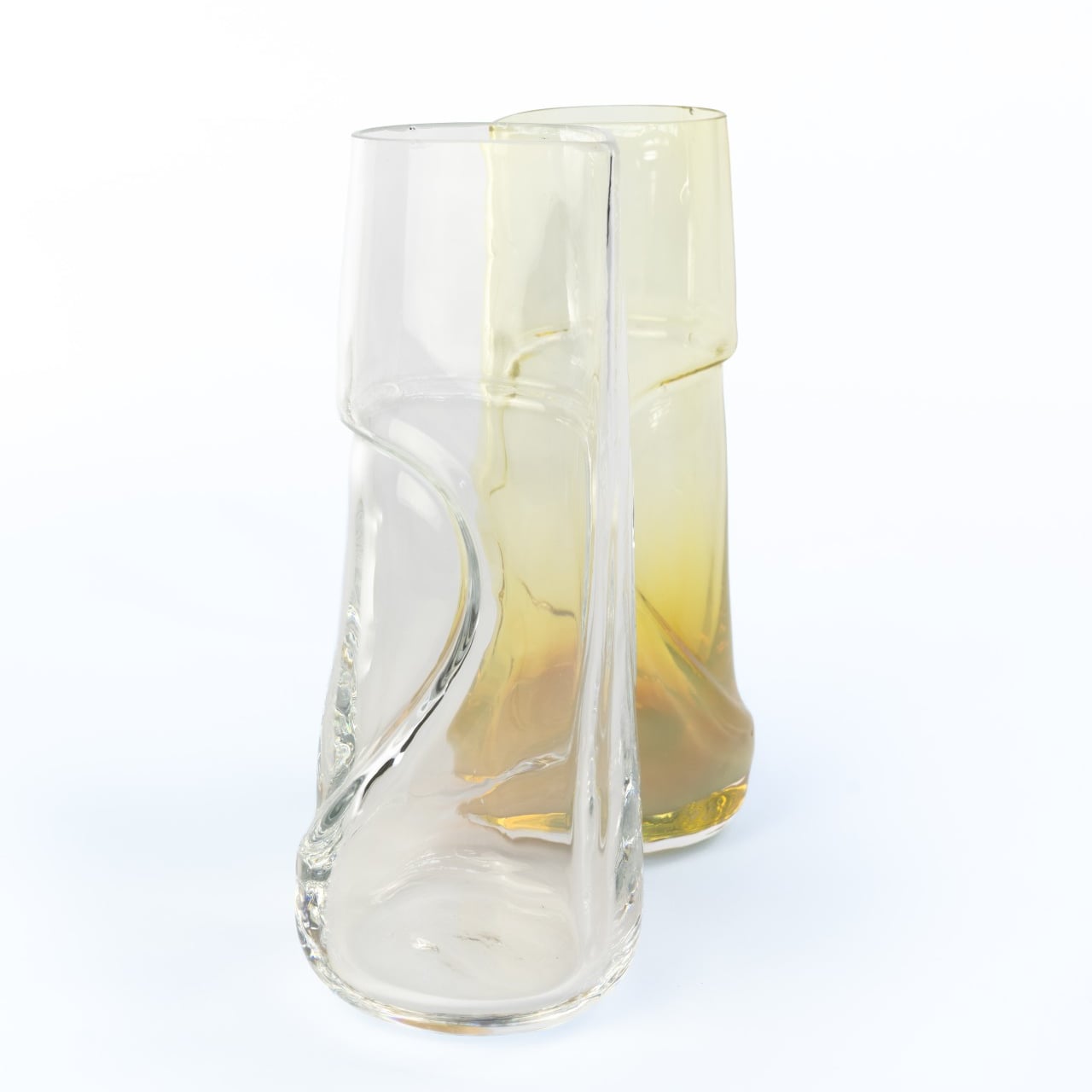
There’s a pleasing restraint to the Ergo Jug, too. It still reads as a tall, simple vessel; the grip becomes obvious only when you reach for it. Rather than attaching an ergonomic solution to an otherwise conventional carafe, the design lets the indentation shape the body itself. Its practical purpose becomes part of the silhouette, instead of an extra feature competing for attention.
The Bubble Jug takes that thinking less predictably. Its protrusions might seem like the last things you’d want to grab, yet their arrangement creates recesses where fingers can find purchase. Instead of relying on a handle shape, the design turns a surface detail into the part that helps you hold it. There’s something mischievous about a jug daring you to pick it up.
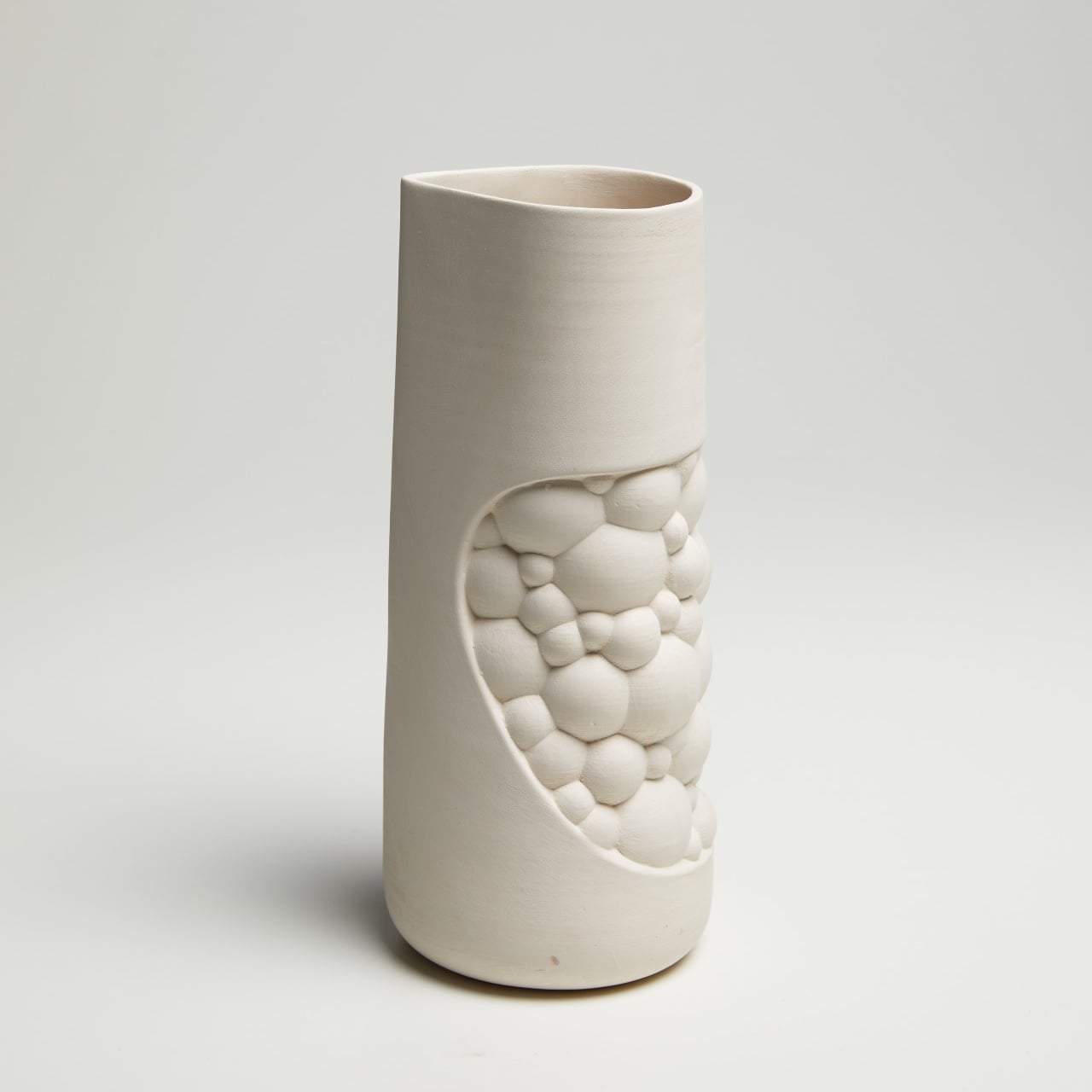
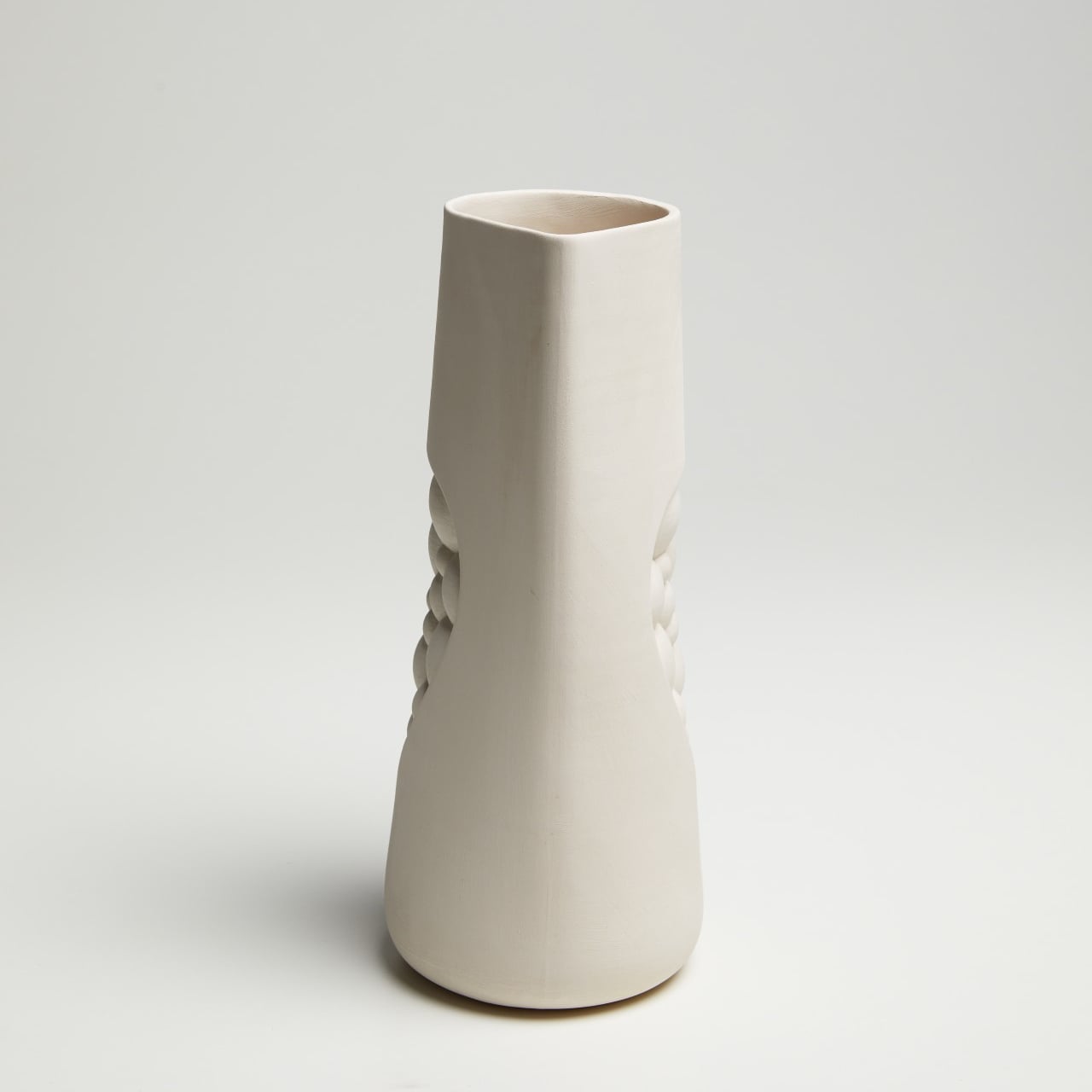
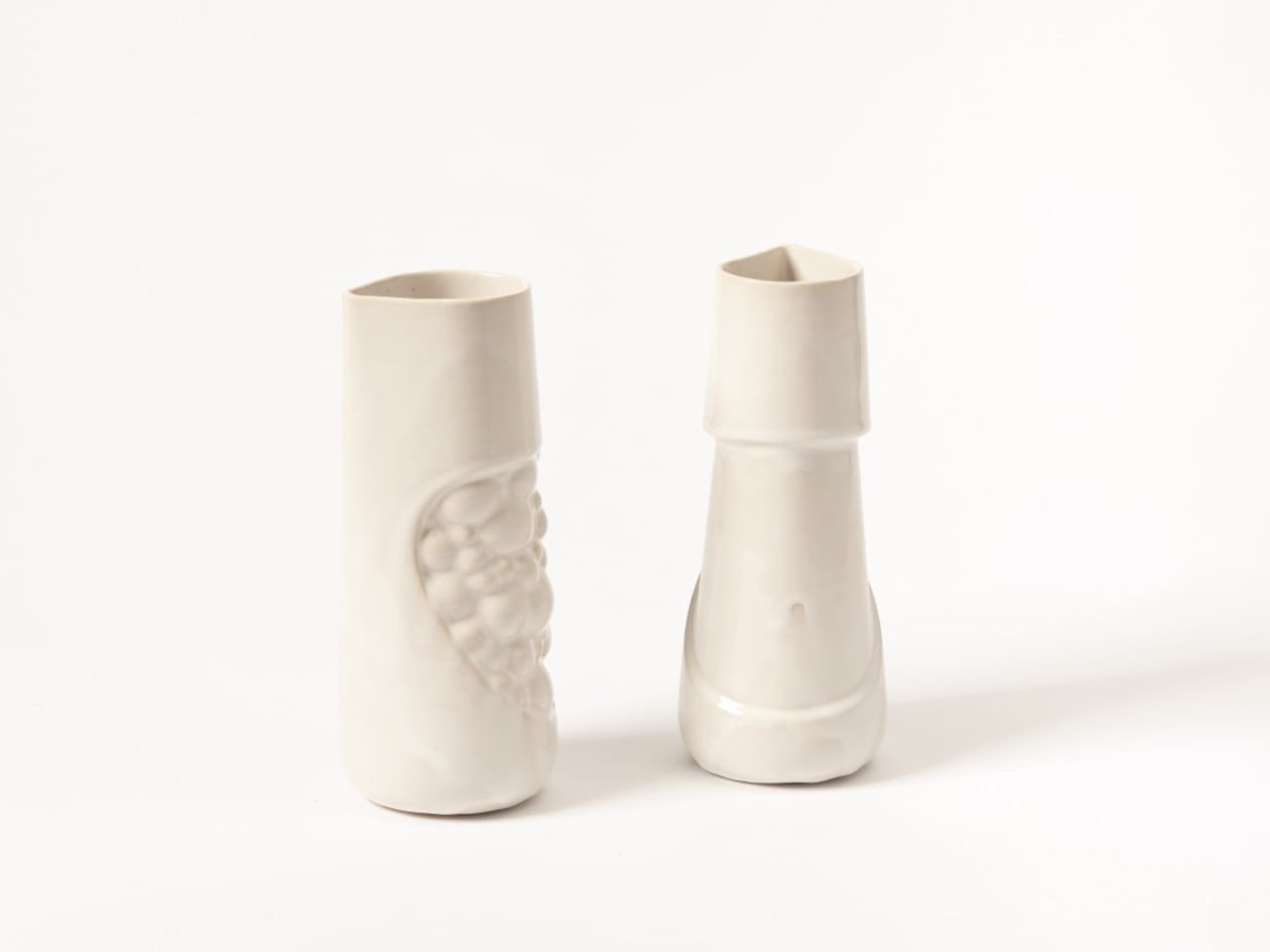
Its cutout is meant less as a conventional handle than as an opening for playing with form. The protrusions and spaces around them offer places to grip, while that opening gives the vessel a different character. Both jugs consider where a hand should go, but one hides the answer in a smooth curve, while the other encourages you to feel your way around it.
Neither project depends on a moving part or a pouring mechanism. They start with the awkwardness of holding a full vessel and let its surface do the work. The Ergo Jug makes comfort almost invisible; the Bubble Jug makes the act of gripping a little more playful. Either way, that moment between picking up a jug and filling a glass gets overdue attention.