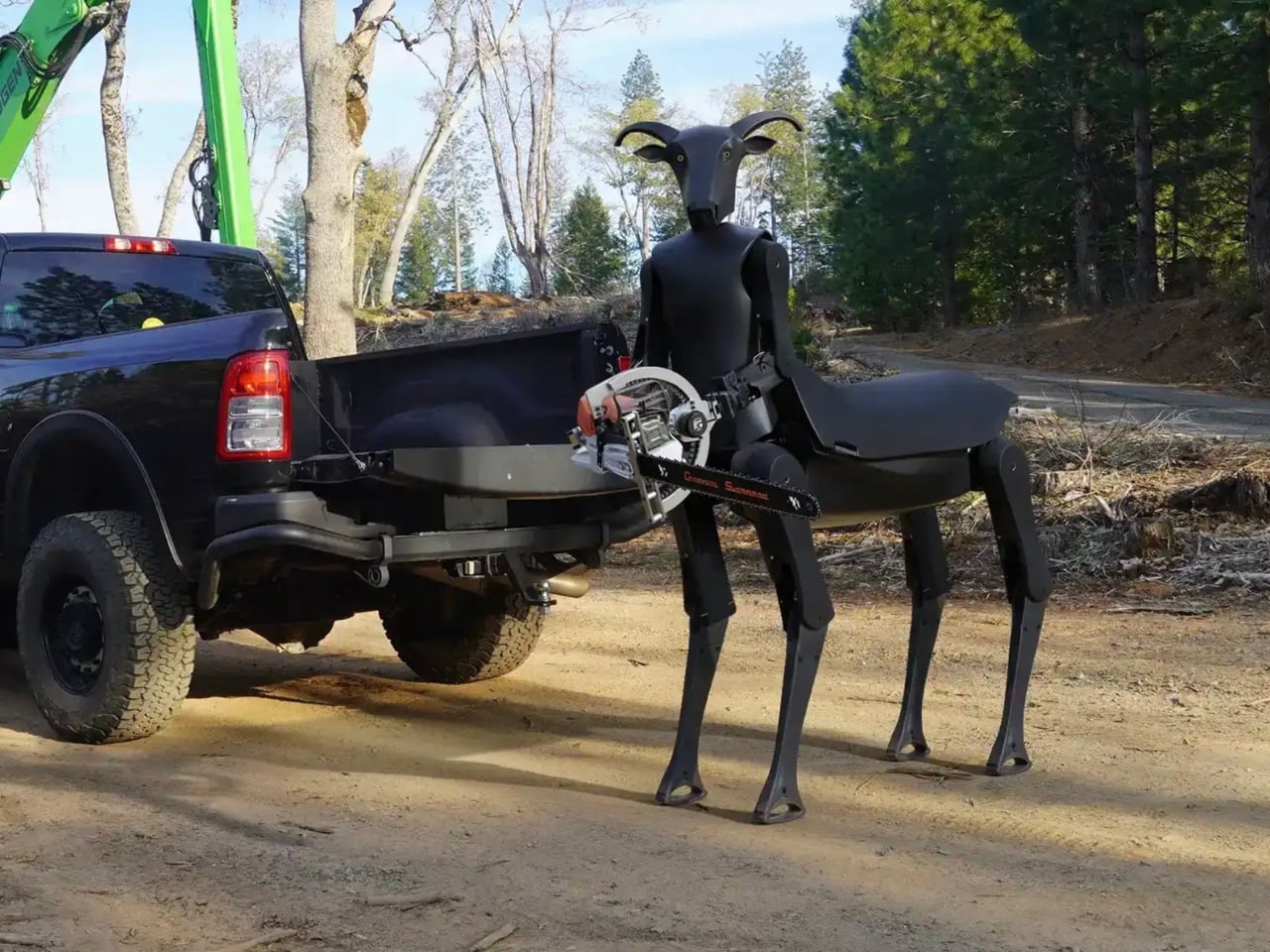
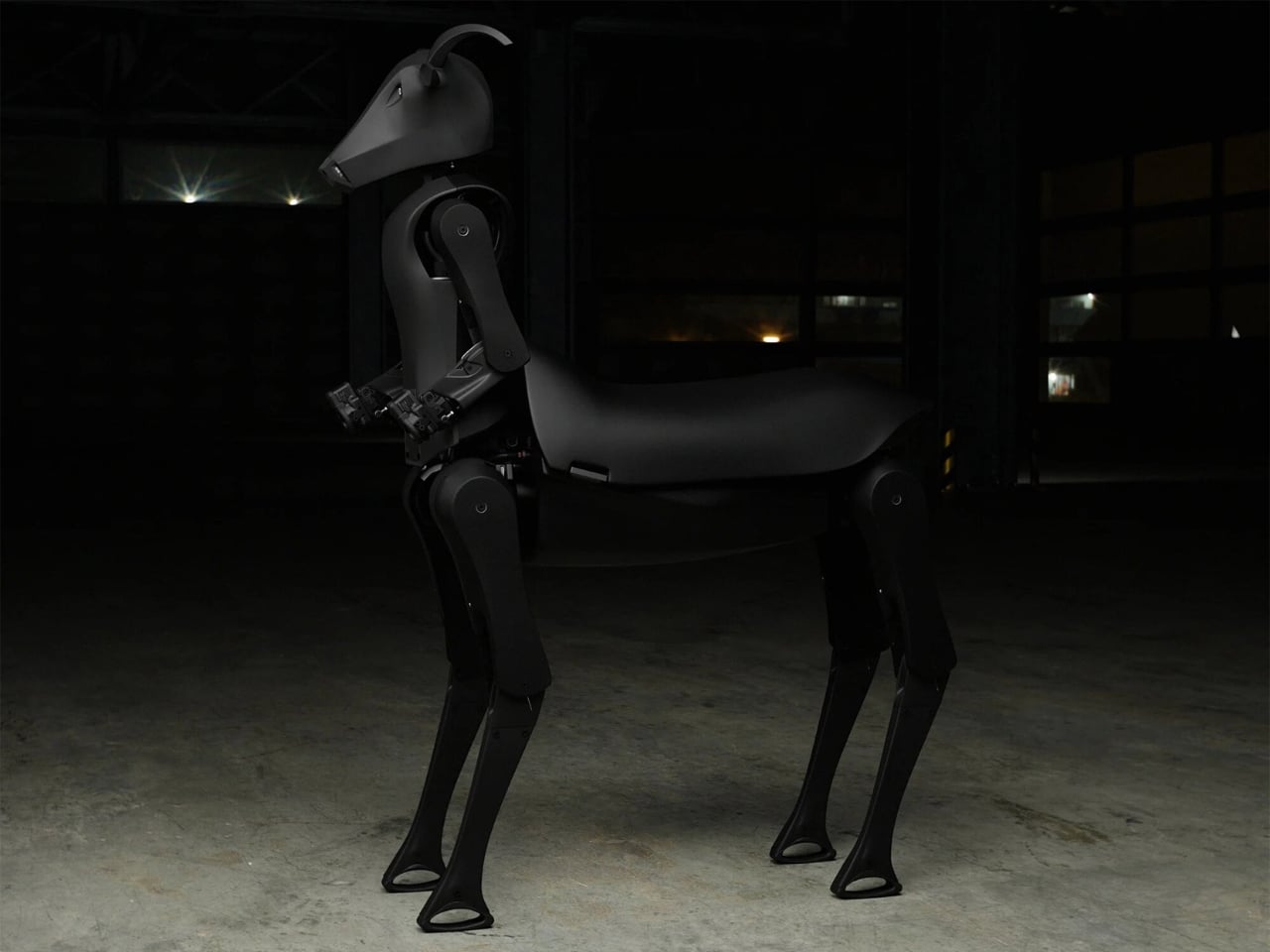
The first time I saw Threehalves, I did a double take. Seven feet tall, four-legged, with a horned goat head and glowing eyes, it looks less like a piece of modern engineering and more like something conjured from ancient mythology. It’s the kind of design that makes you laugh and feel slightly unsettled at the same time. Which is probably why, when images of the robot surfaced online last month, the internet absolutely lost its mind over it. But here’s the thing: behind all the viral chaos and sleep-paralysis-demon jokes, Threehalves is one of the most thoughtfully reasoned robot designs I’ve come across in a while.
Developed by Satyress, a small startup out of Auburn, California, Threehalves is described as a “superhumanoid general purpose robot.” Its creator, Beau G., spent about four years building the concept, inspired in part by the wildfire-prone foothills of the Sierra Nevada where he lives. The premise is simple and, frankly, hard to argue with: some jobs are too dangerous for humans, but they still need doing. Threehalves is designed to be the one doing them.
Designer: Satyress
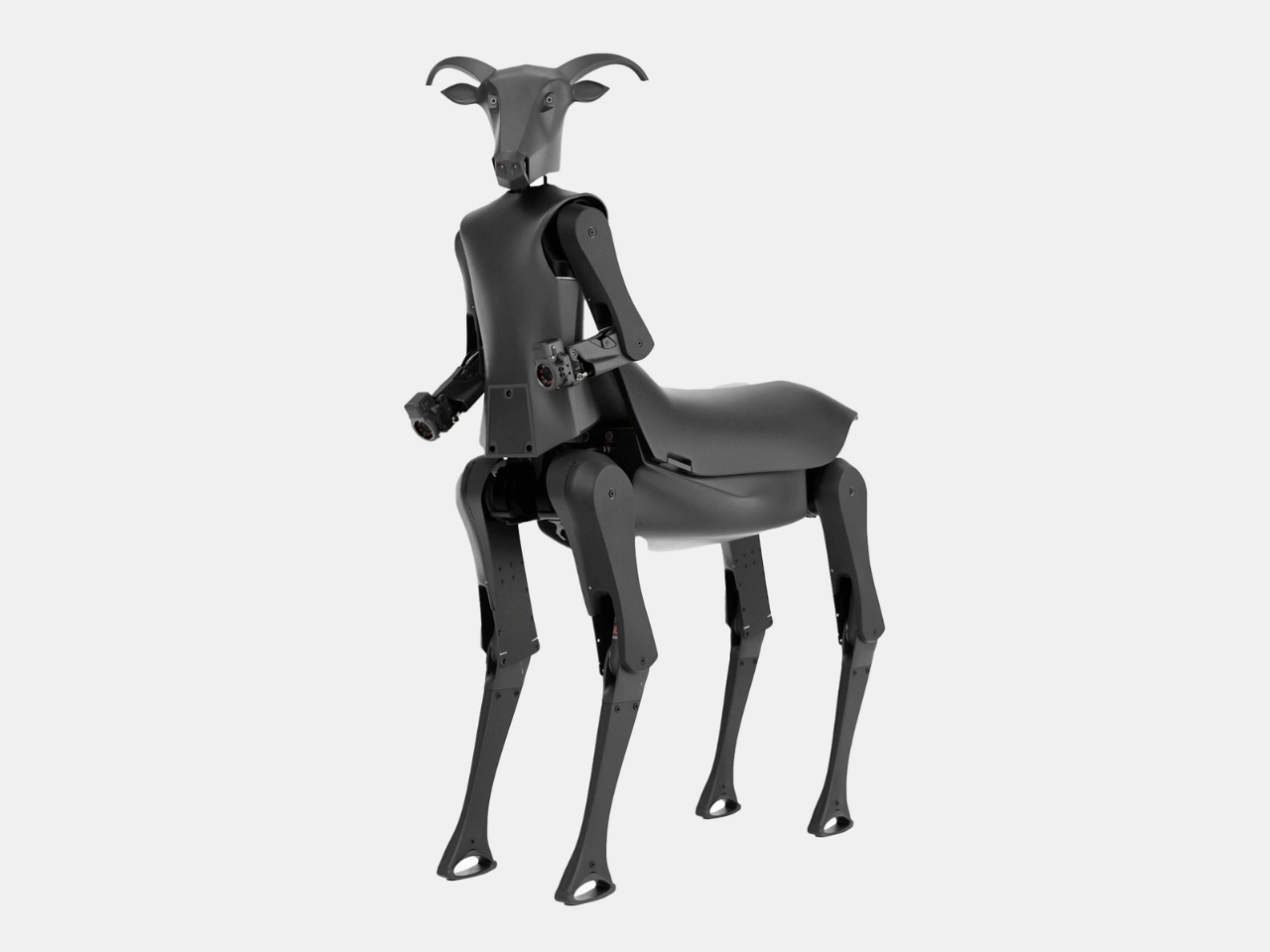
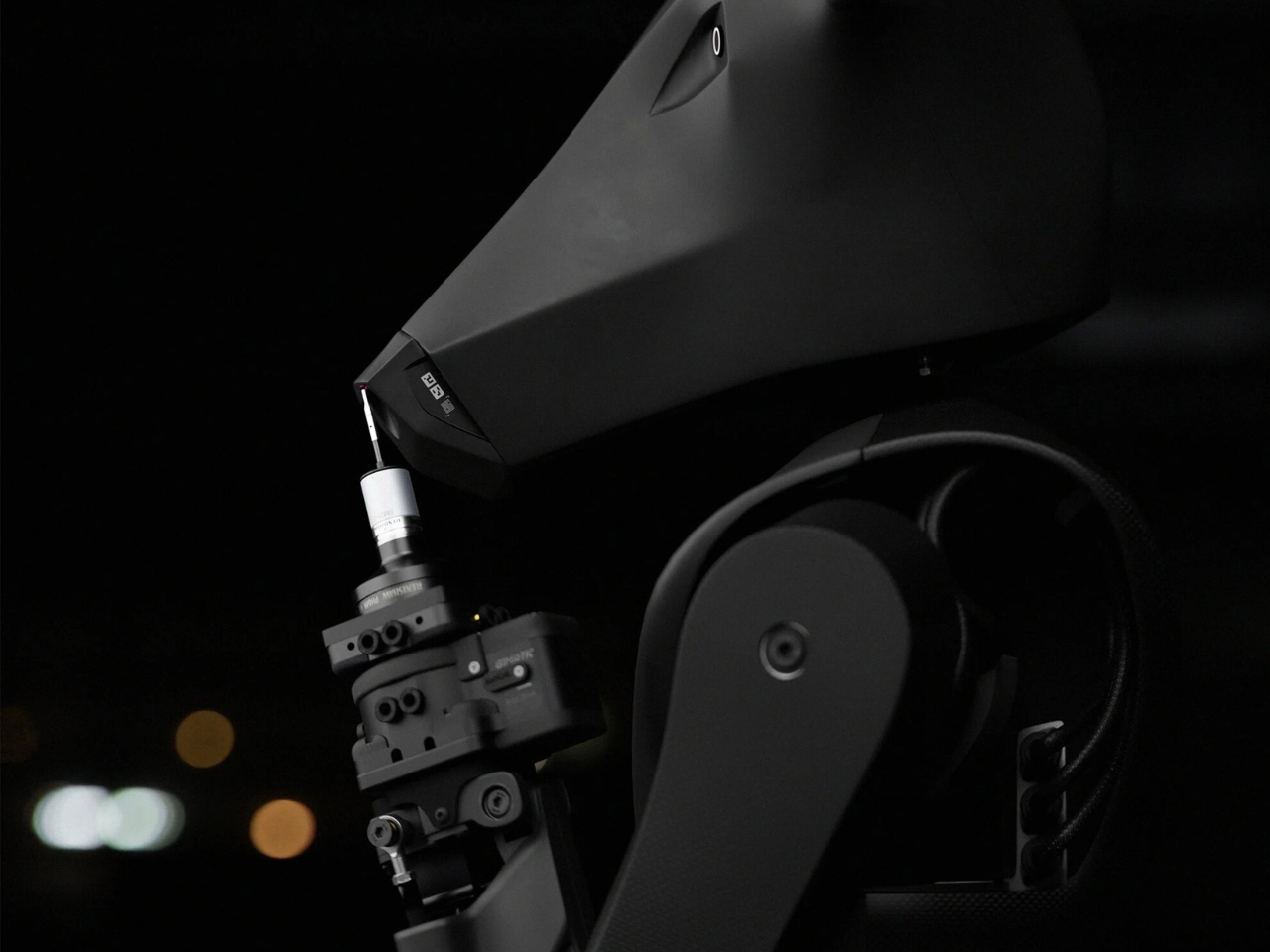
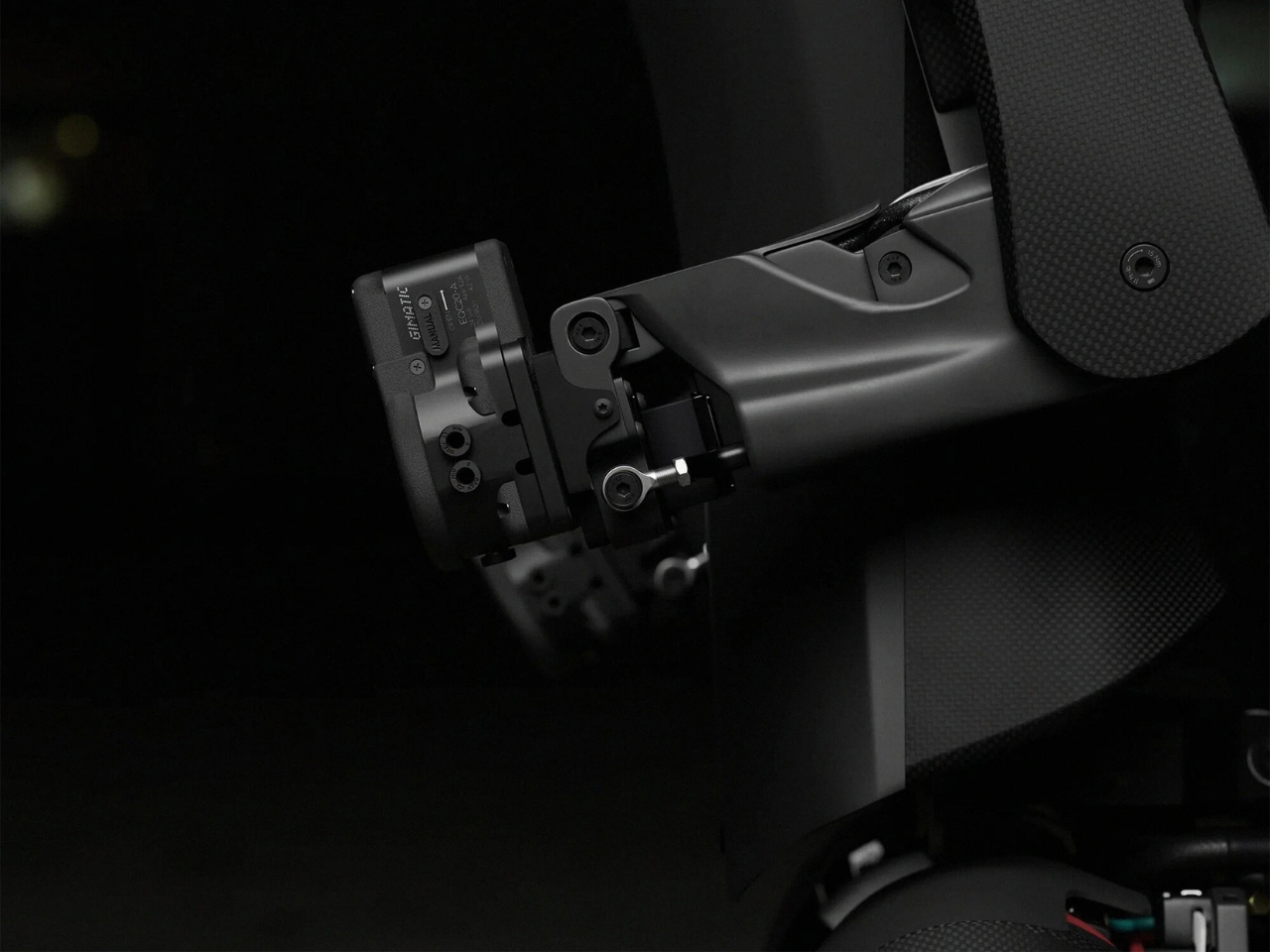
The centaur form factor isn’t a gimmick. The humanoid upper body and arms were deliberately chosen so the robot can operate tools designed for human hands, things like chainsaws, impact guns, and other heavy equipment that most existing robots struggle to interface with. The four-legged lower body provides stability on rough terrain, which is no small feat in environments like wildfire zones, collapsed buildings, or toxic sites. The quadruped base uses friction-braked joints, which means it consumes no power just to stay still. That’s a practical engineering decision that speaks to how seriously Satyress is thinking about real-world deployment.
The operation method is equally considered. Threehalves is teleoperated using a joystick controller, similar to a gaming setup, which dramatically lowers the skill barrier for the people using it. Beau describes the controls as abstracted: the joystick tells the robot where to go, and the robot handles its own balance. Think of it like modern autopilot. The operator focuses on positioning and task execution rather than the physics of movement. That’s a genuinely smart approach to making a highly capable machine accessible to tradespeople and emergency responders who don’t have engineering degrees.
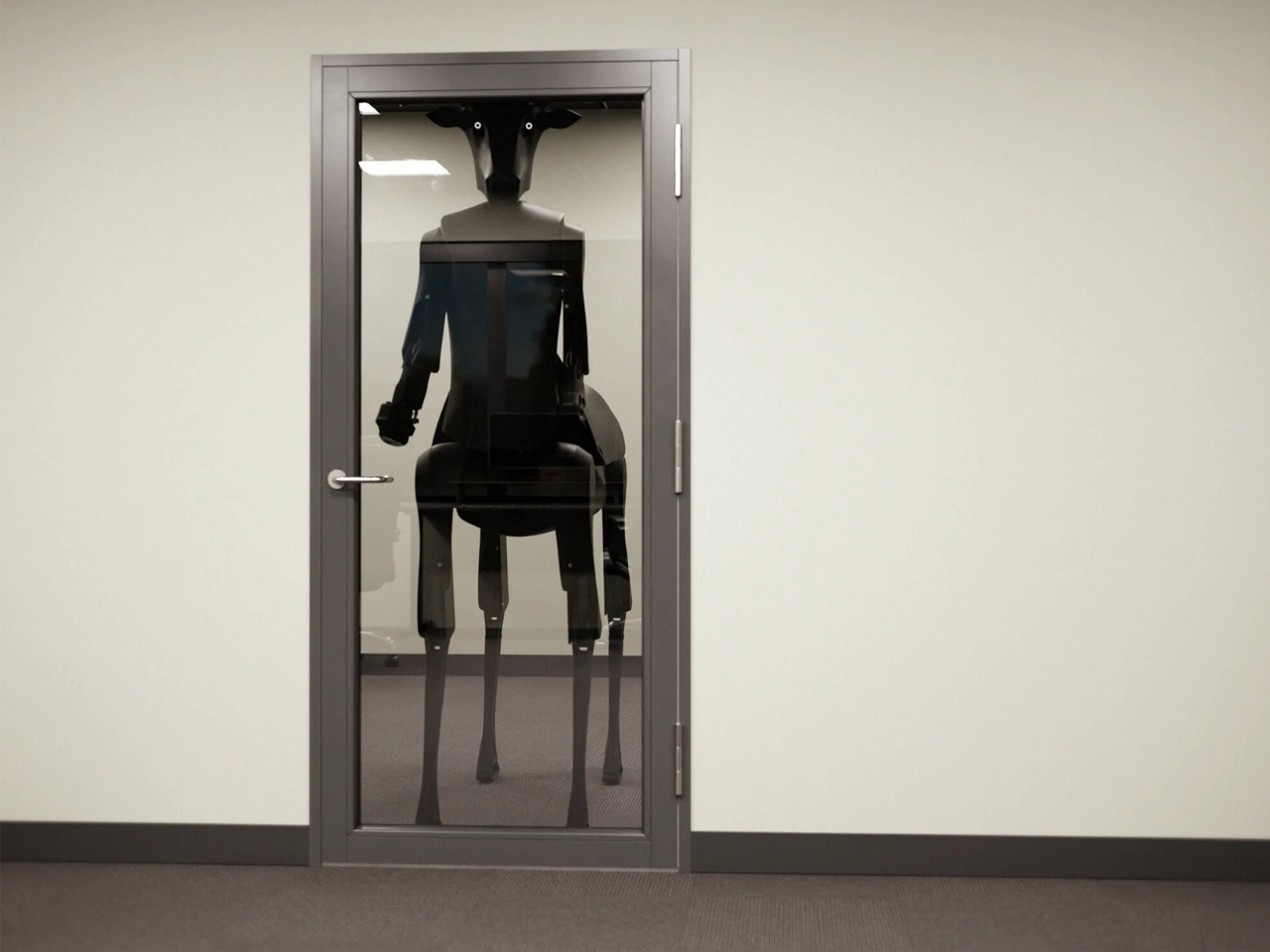
The design also carries a kind of radical honesty with it. The Satyress website lists the robot’s limitations openly, including the fact that Threehalves struggles to fit through a standard American doorway and cannot turn around in a narrow hallway. Larger horns can even be fitted to prevent it from passing through pedestrian doors altogether. It’s a rare thing in the robotics industry, an upfront acknowledgment that this machine is built for wide-open, unpredictable environments rather than office corridors or domestic spaces. That kind of transparency does more for the brand’s credibility than any polished launch video could.
One thing Beau said has stuck with me since I first read it. The tagline on the Satyress website reads: “No job is worth your health, safety, limbs, or life. That doesn’t mean a job isn’t worth doing.” It’s the clearest articulation of why this design exists, and it reframes the whole conversation. We tend to discuss robots in terms of what they’ll replace, but Threehalves is asking something different entirely. What if the real goal was to keep human bodies out of harm’s way while keeping human expertise firmly in control?
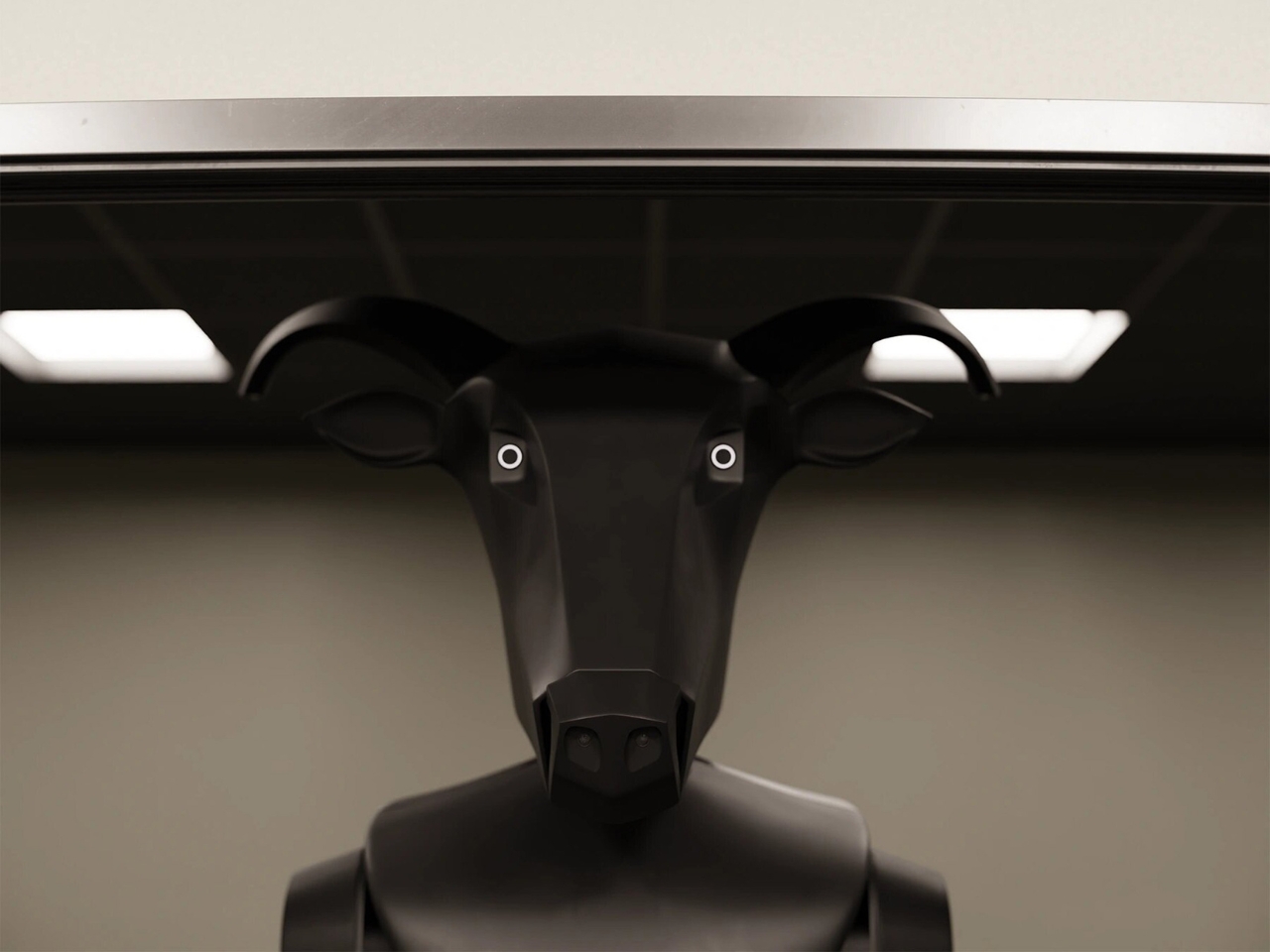
As for the goat head and the horns? Apparently intentional in their strangeness. “If we had nefarious goals, we probably wouldn’t have made it look like that,” Beau told Fox Weather. It’s the kind of quote that sounds like a joke until you realize he means every word of it, which is exactly the energy you want from someone building a chainsaw-wielding centaur robot for disaster zones. Threehalves is still in prototype stage, but the conversation it’s started feels long overdue. Not all humanoid robots need to walk through your front door or pass for human. Some of them just need to go where humans can’t, and do what humans shouldn’t have to.
SHARE