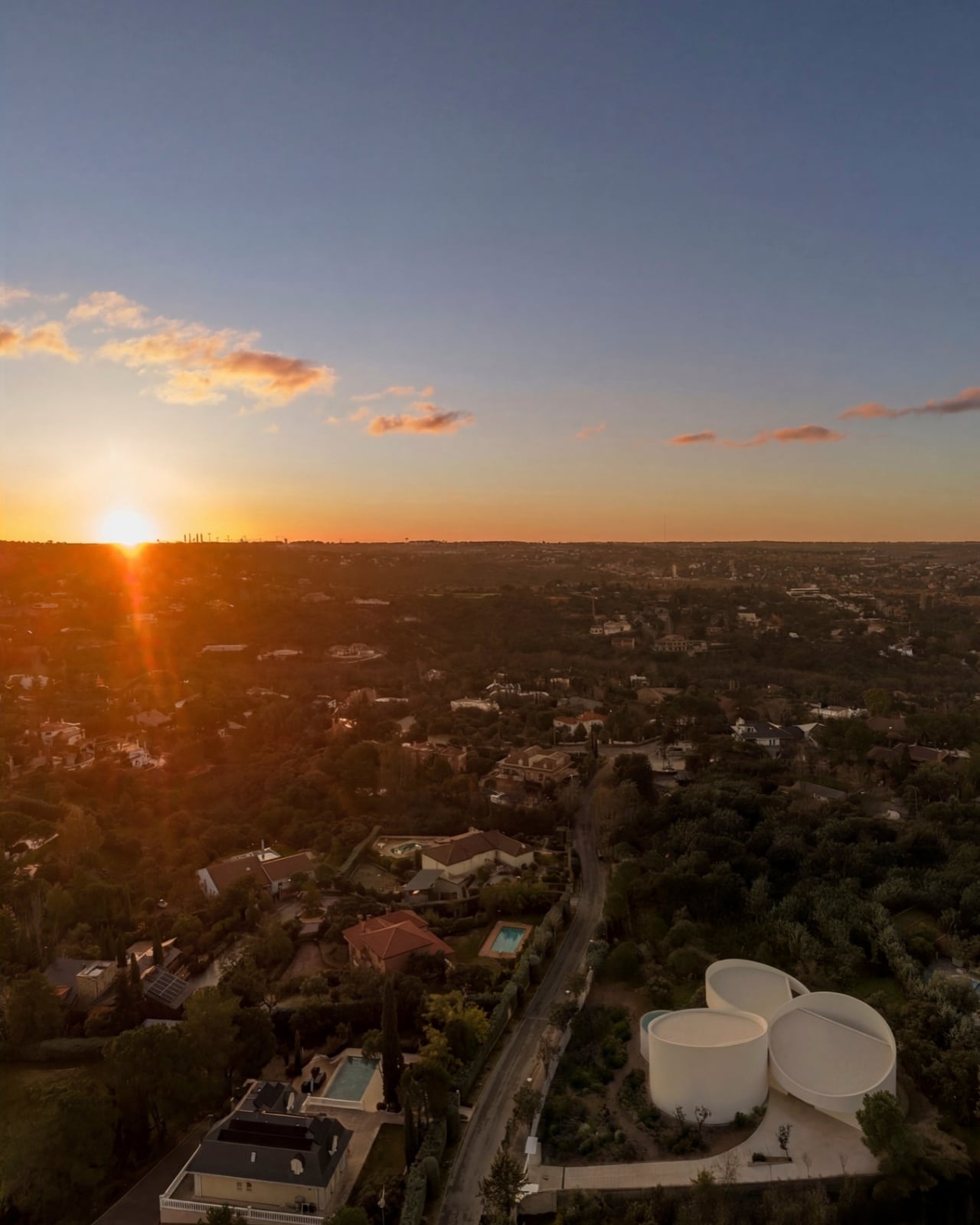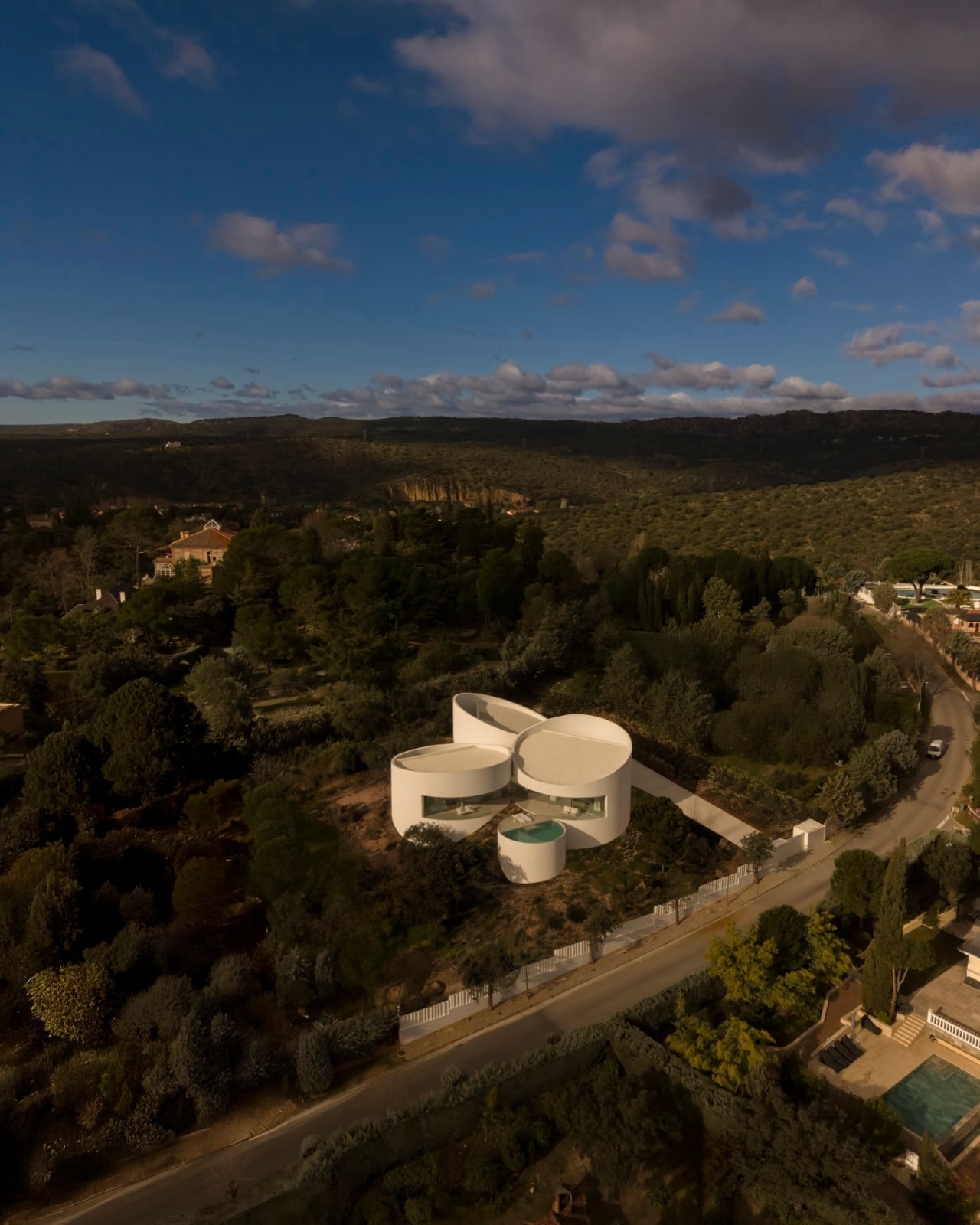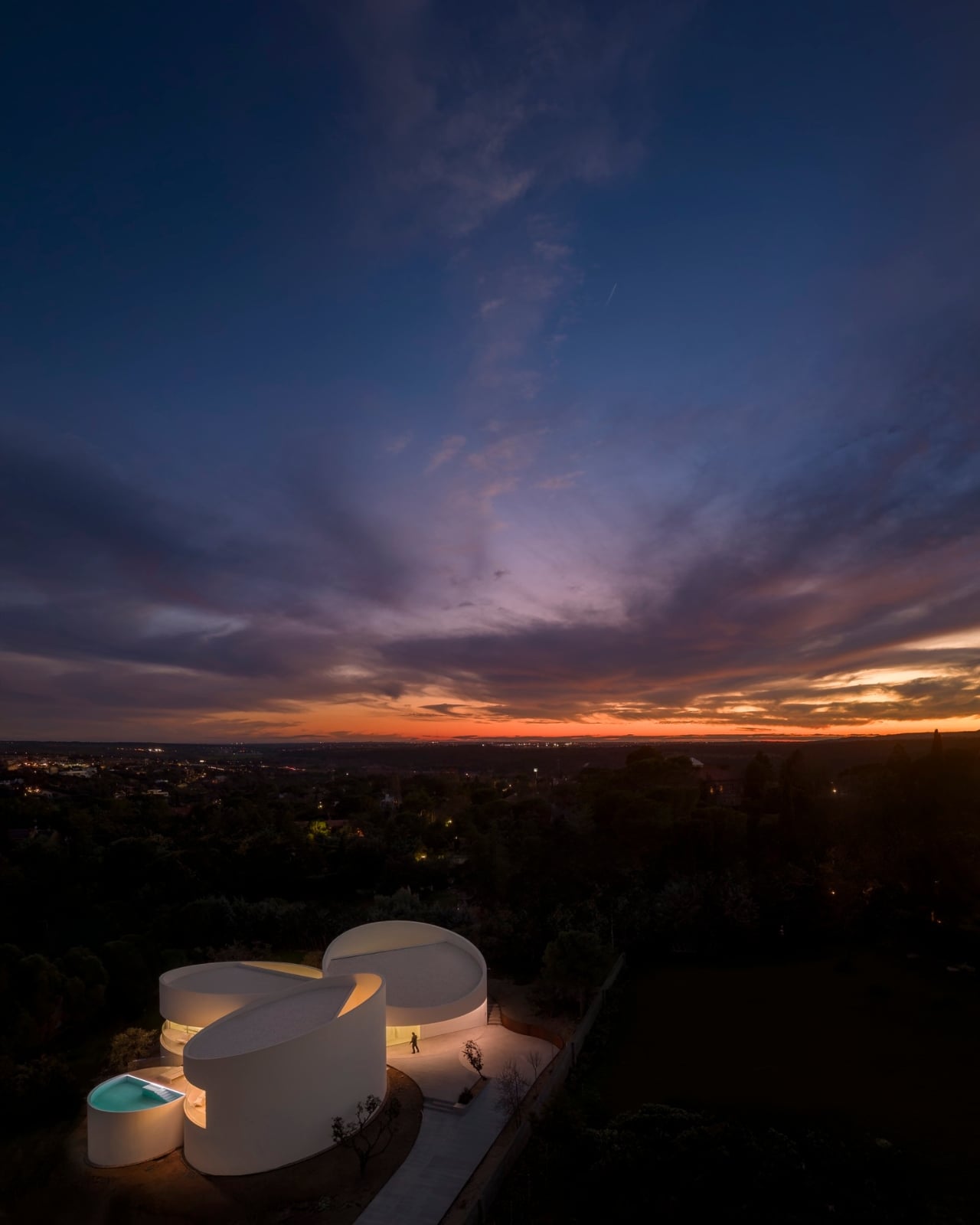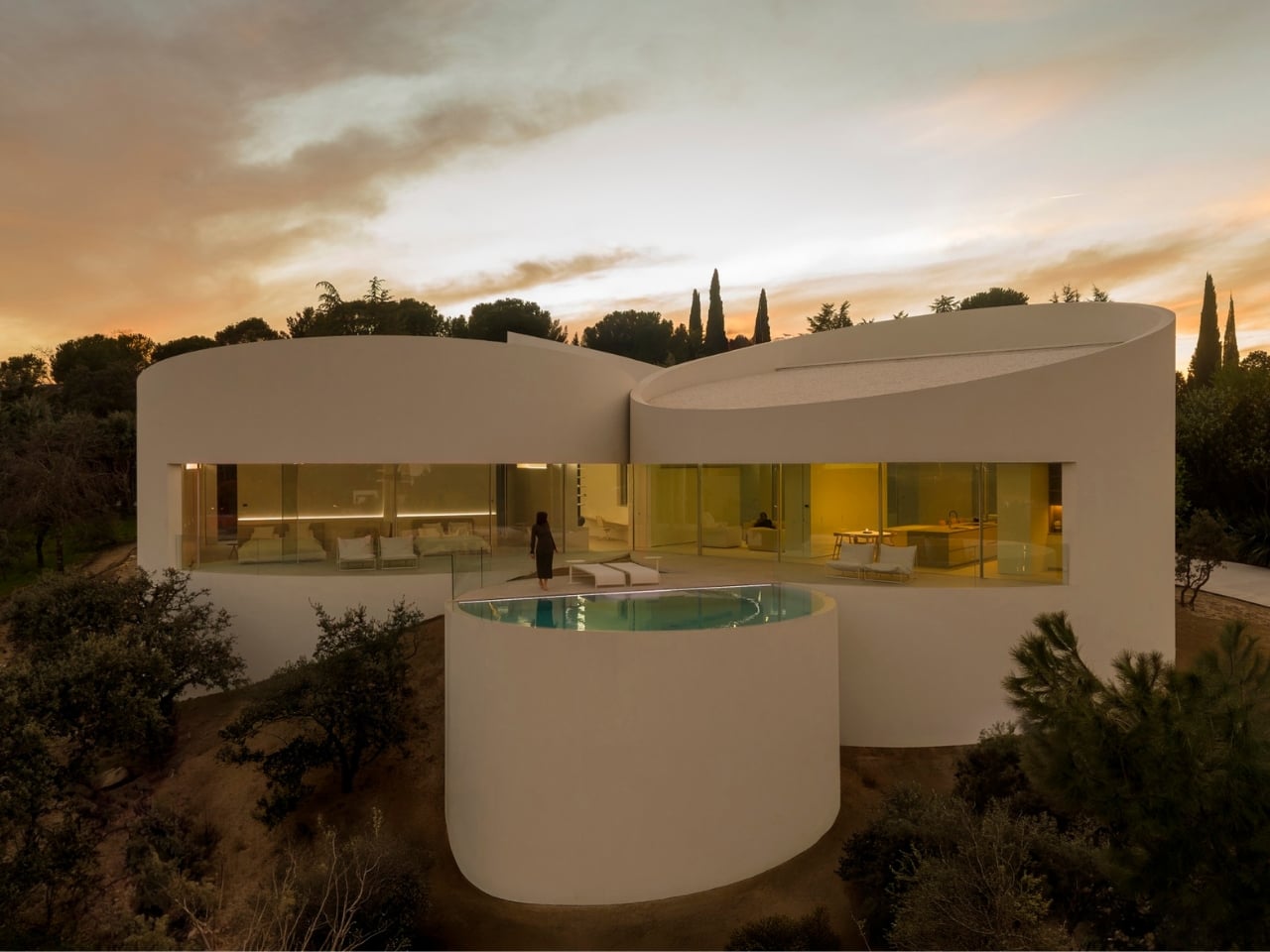
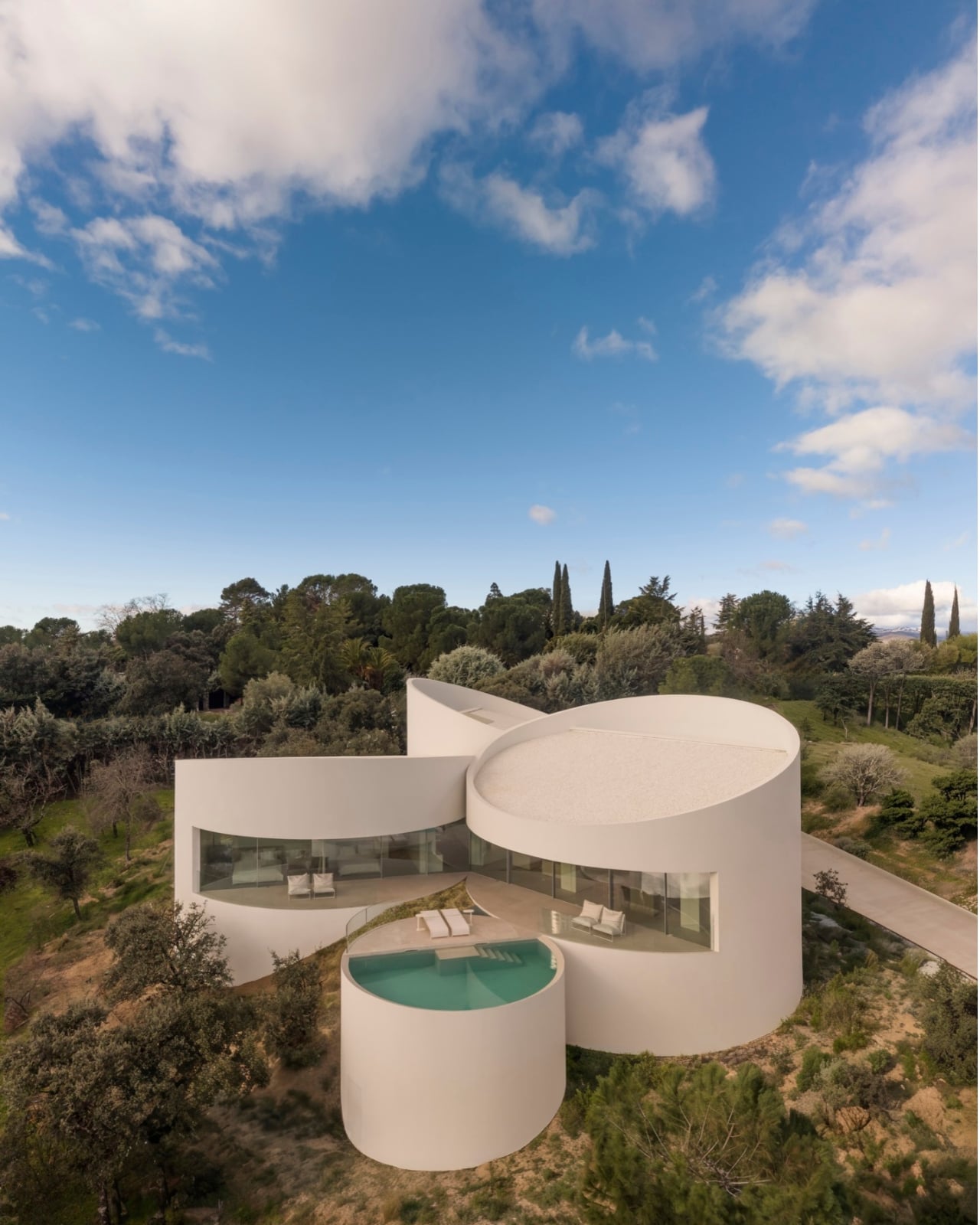
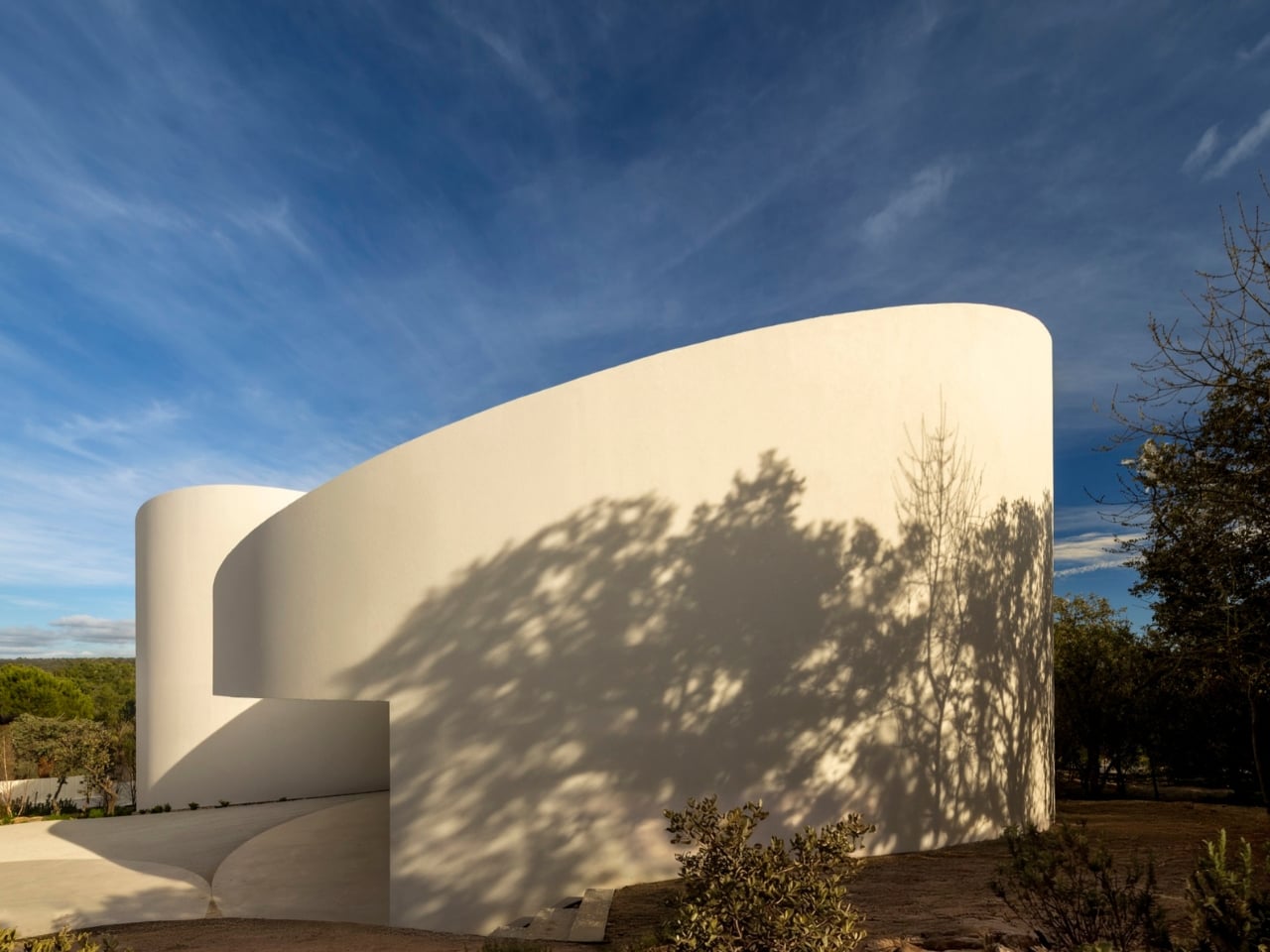
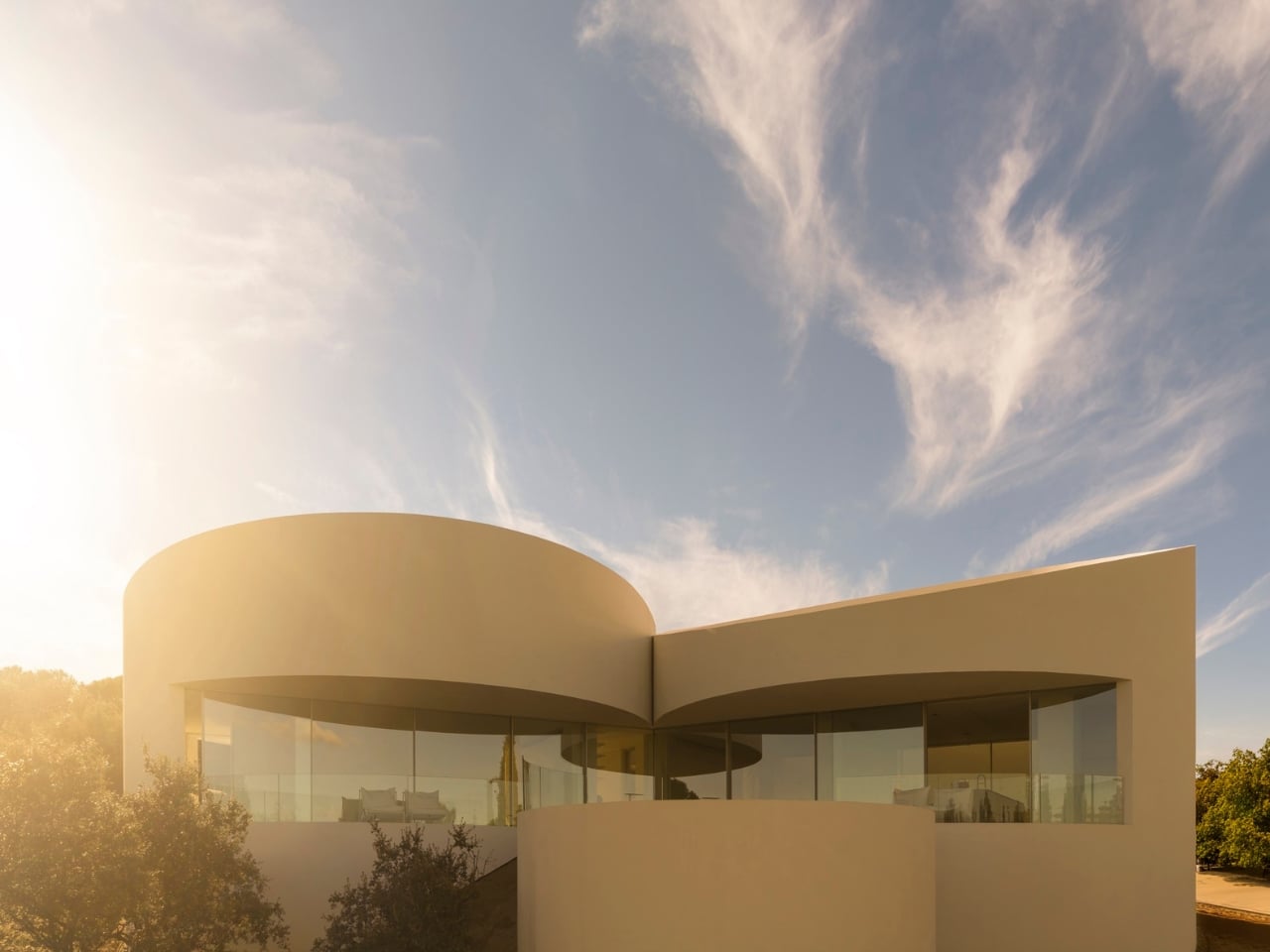
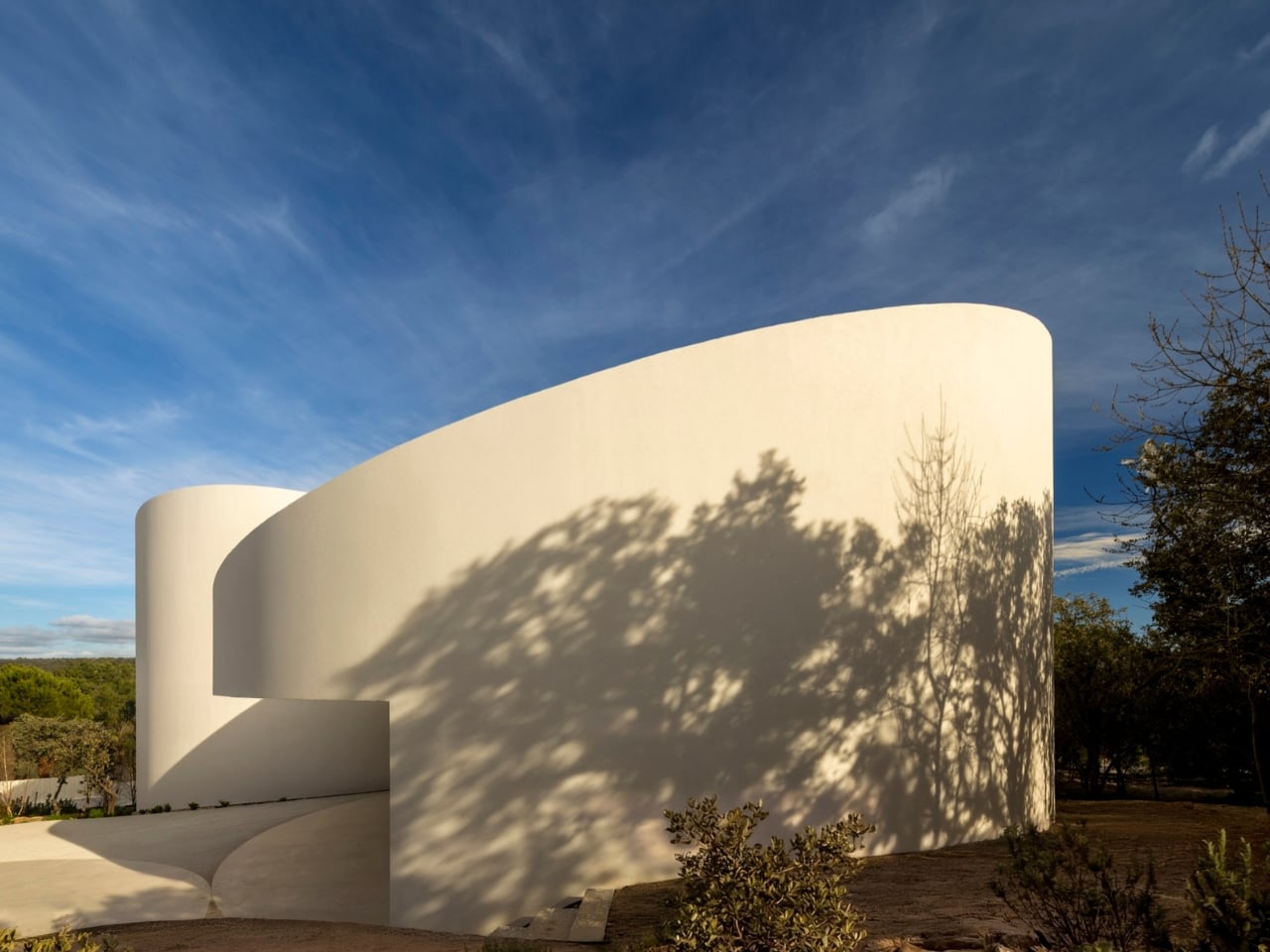
The first time I saw photos of the House in Las Rozas, I genuinely thought it was a render. Not because it looked fake, but because it looked too intentional to be real. Five white cylinders, intersecting and overlapping on a gently sloping hillside just outside Madrid, with the Sierra de Guadarrama stretched out behind them like a painting. It’s the kind of house that makes you pause, tilt your head, and wonder exactly what kind of mind looked at an empty plot of land and thought: cylinders.
That mind belongs to Fran Silvestre Arquitectos, a Valencia-based firm that has quietly become one of the most compelling architectural studios working today. Their portfolio already includes some breathtaking residential work, but the House in Las Rozas feels like a step further out on the ledge. It’s a 370-square-meter home built not just around a geometry, but entirely because of one.
Designer: Fran Silvestre Arquitectos
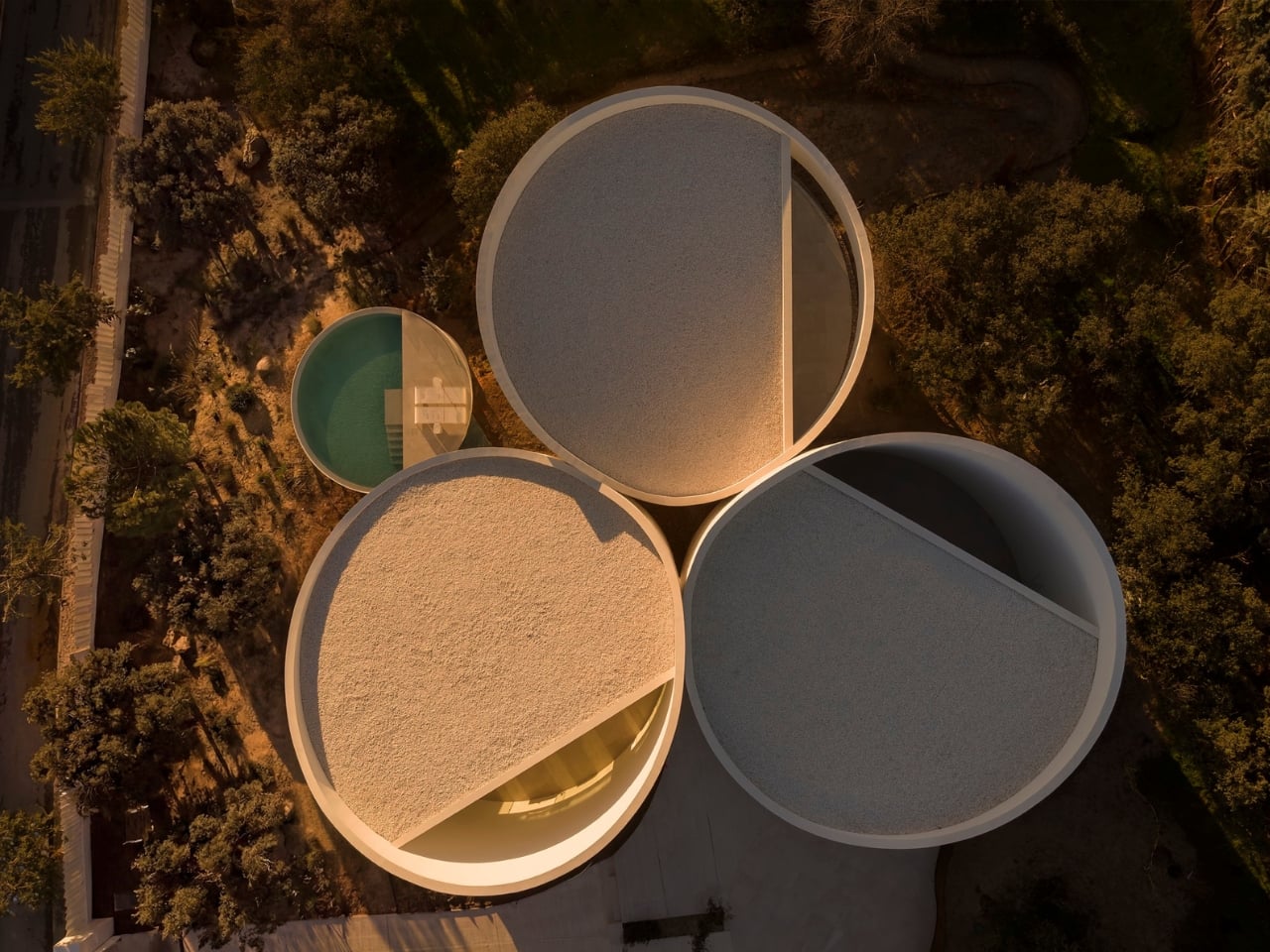
Here’s what makes this project genuinely interesting rather than just visually provocative: the cylinders aren’t decorative. Each one houses a specific function. One holds the bedrooms. Another wraps around the main living area. A third integrates the garage and wellness space. The fourth contains the pool and technical facilities. The fifth marks the entrance. The form follows the function so precisely that you almost feel the logic in your body before you consciously understand it. You just know where you are in the house, because the architecture tells you.
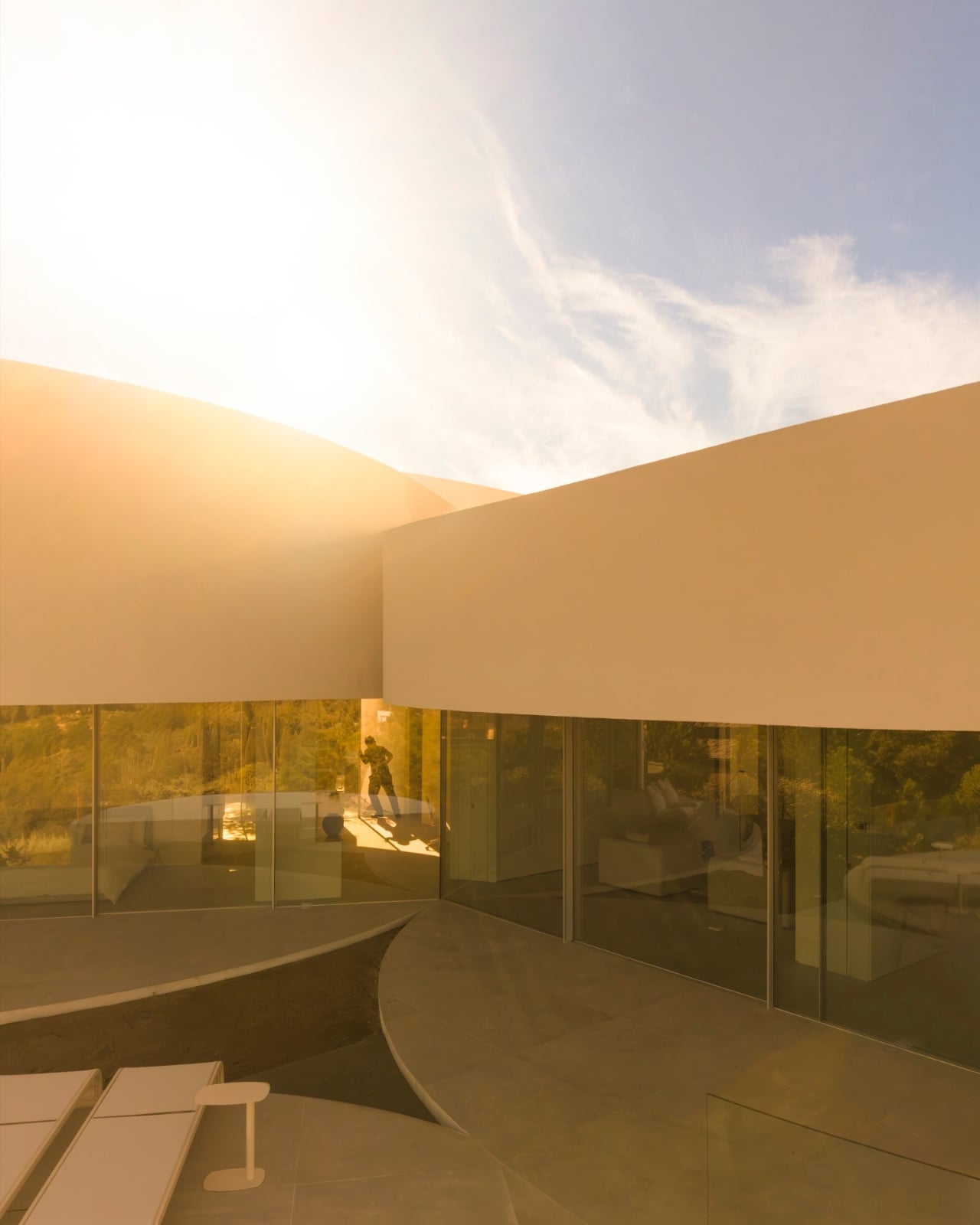
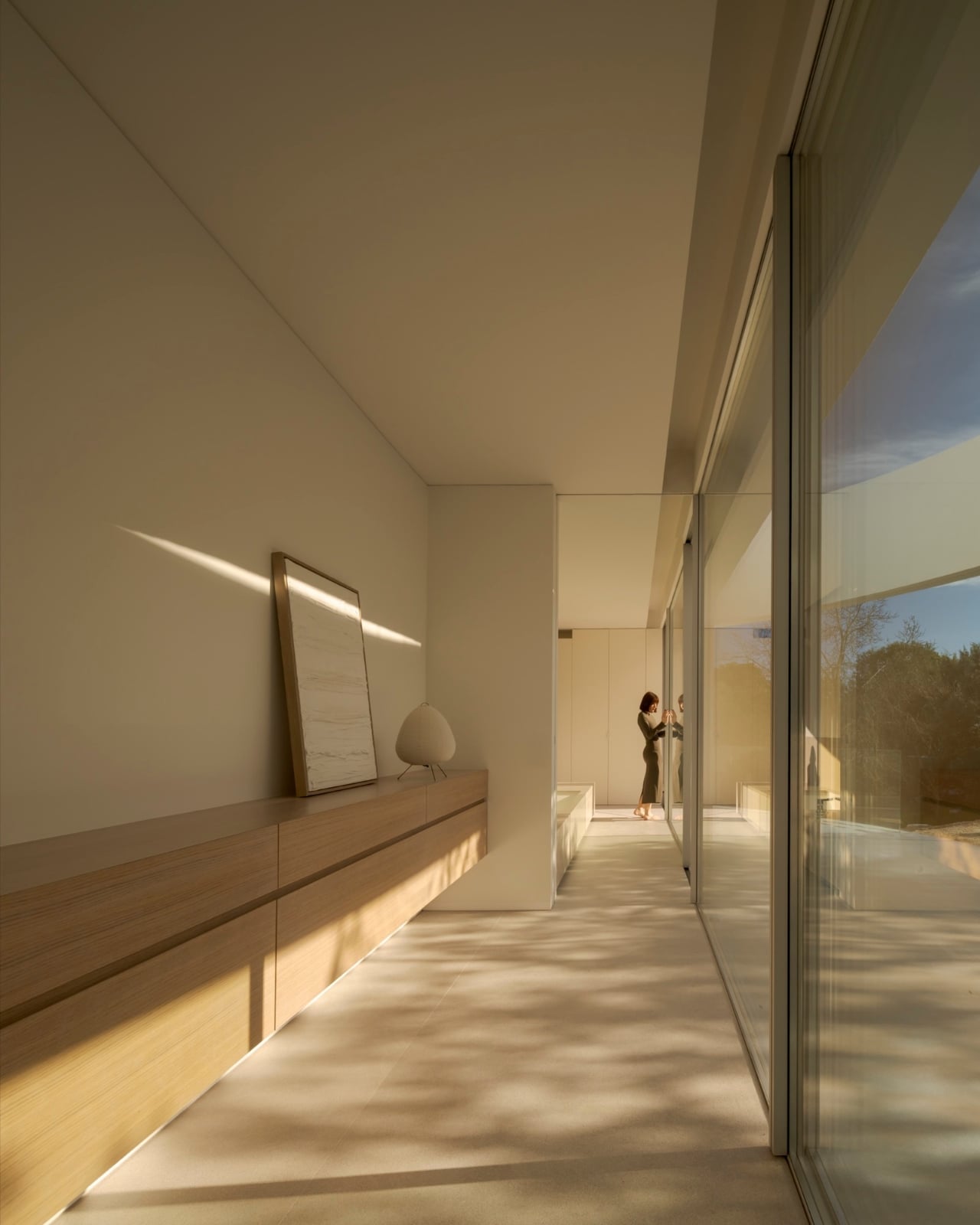
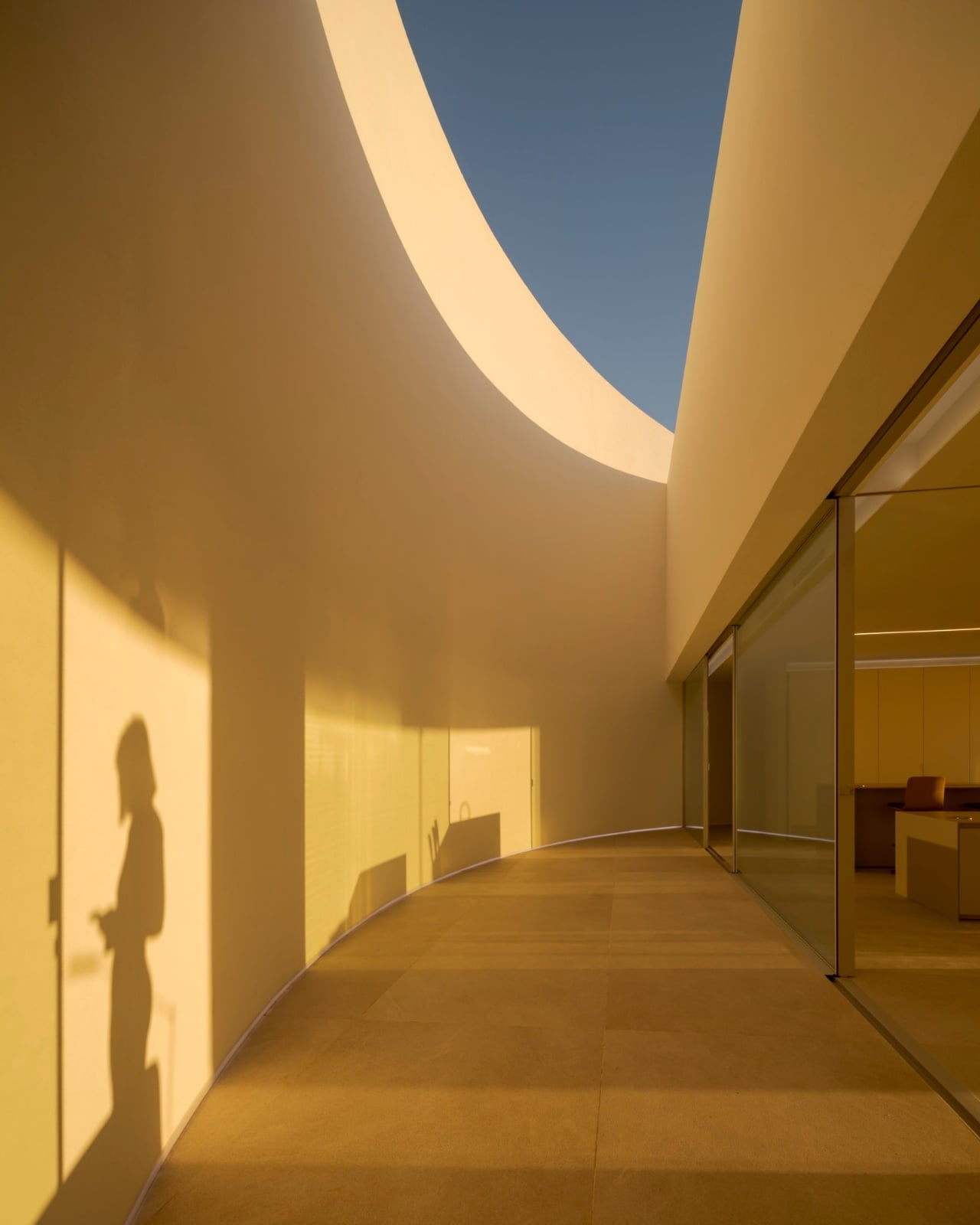
The site itself shaped a lot of the decisions here. The natural slope of the terrain meant that cutting the base of each cylinder at an angle was the most honest solution. Rather than leveling the ground to accommodate the building, the building accommodates the ground. Oblique cuts at the base of each volume let the cylinders sit naturally in the landscape, giving the whole composition a sense of growing from the earth rather than being placed on top of it. That distinction sounds small but it changes everything about how the house feels, and how it reads against those sweeping views toward the mountains.
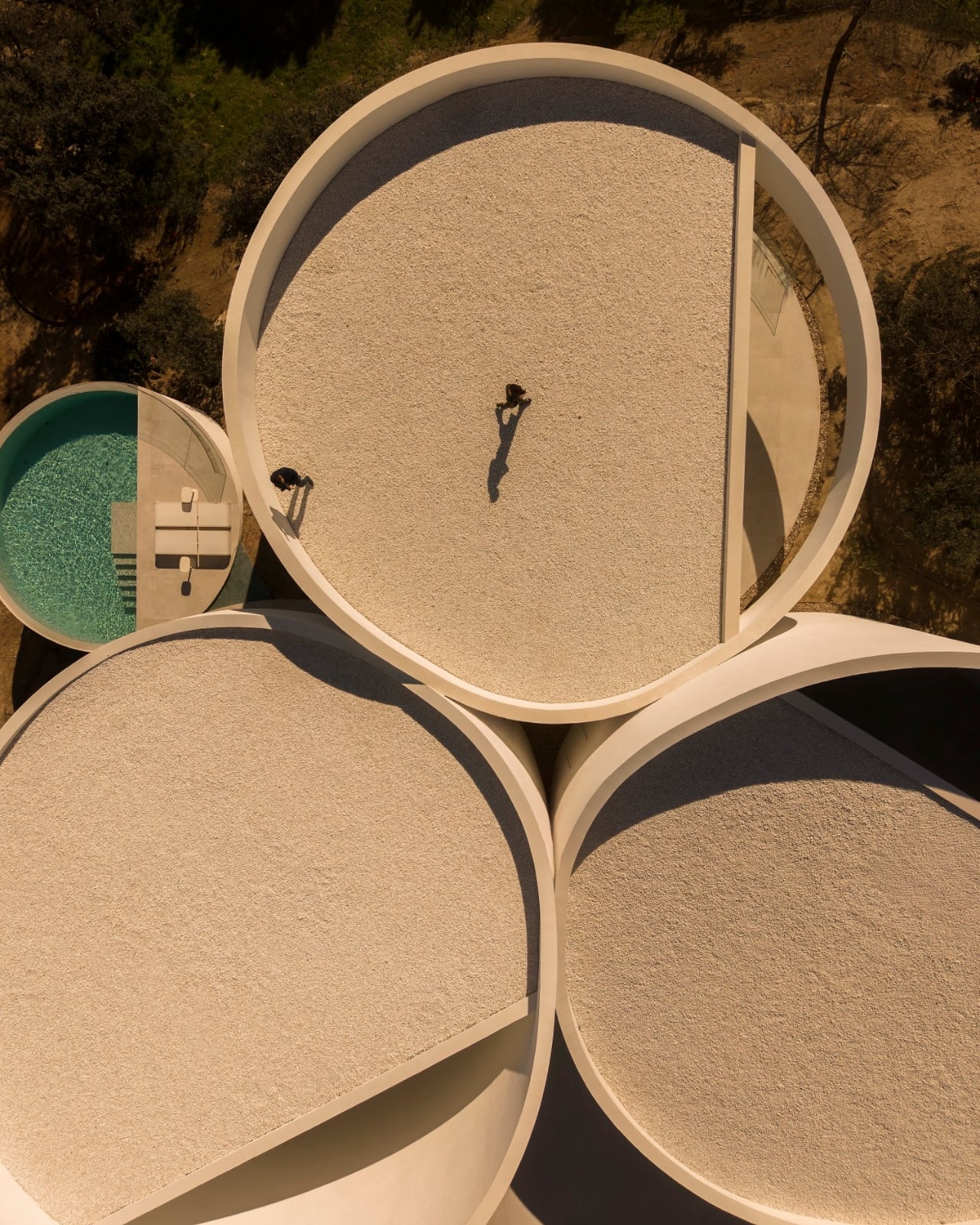
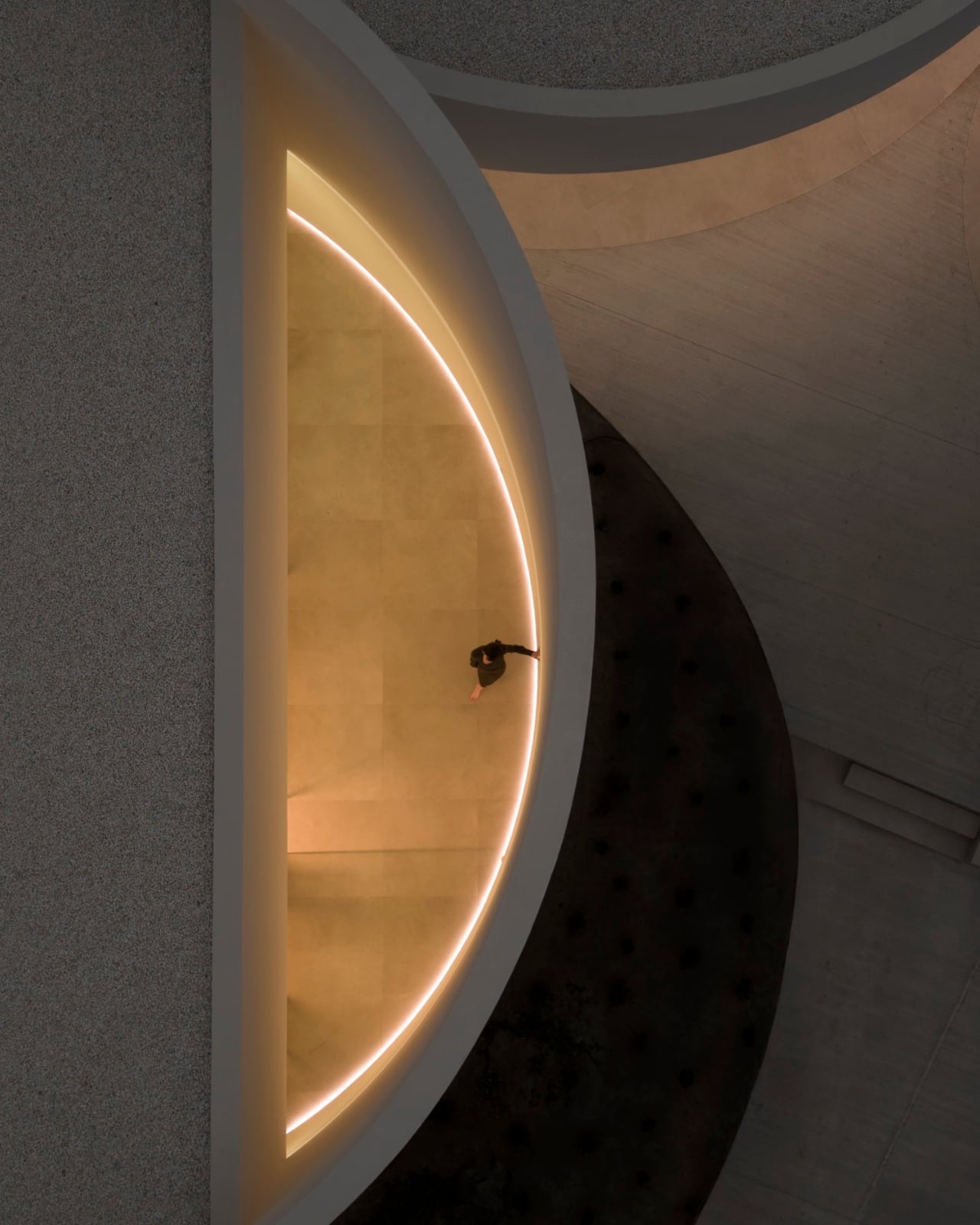
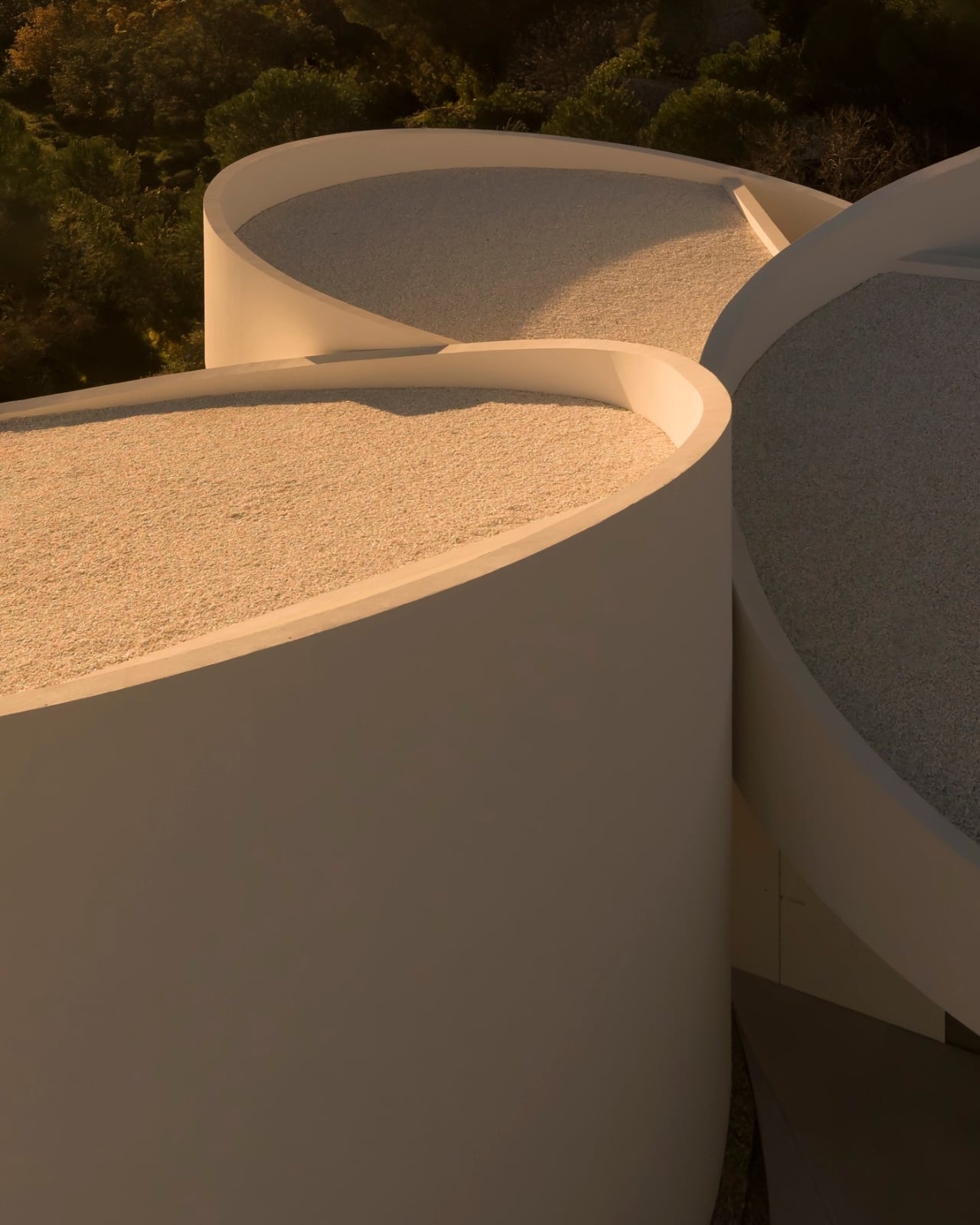
Light is handled with the same level of intentionality. Skylights and carefully positioned openings track the movement of the sun throughout the day, so the interior is never static. Curved walls catch light differently than flat ones do, and the architects lean into that fully. The effect is a home that shifts its mood depending on the hour, which is the kind of livability that doesn’t photograph well but makes a place genuinely worth living in. At the center of the five cylinders, a compact courtyard acts as the spatial anchor, pulling natural light deep into the house and creating visual connections between each volume and the landscape beyond.
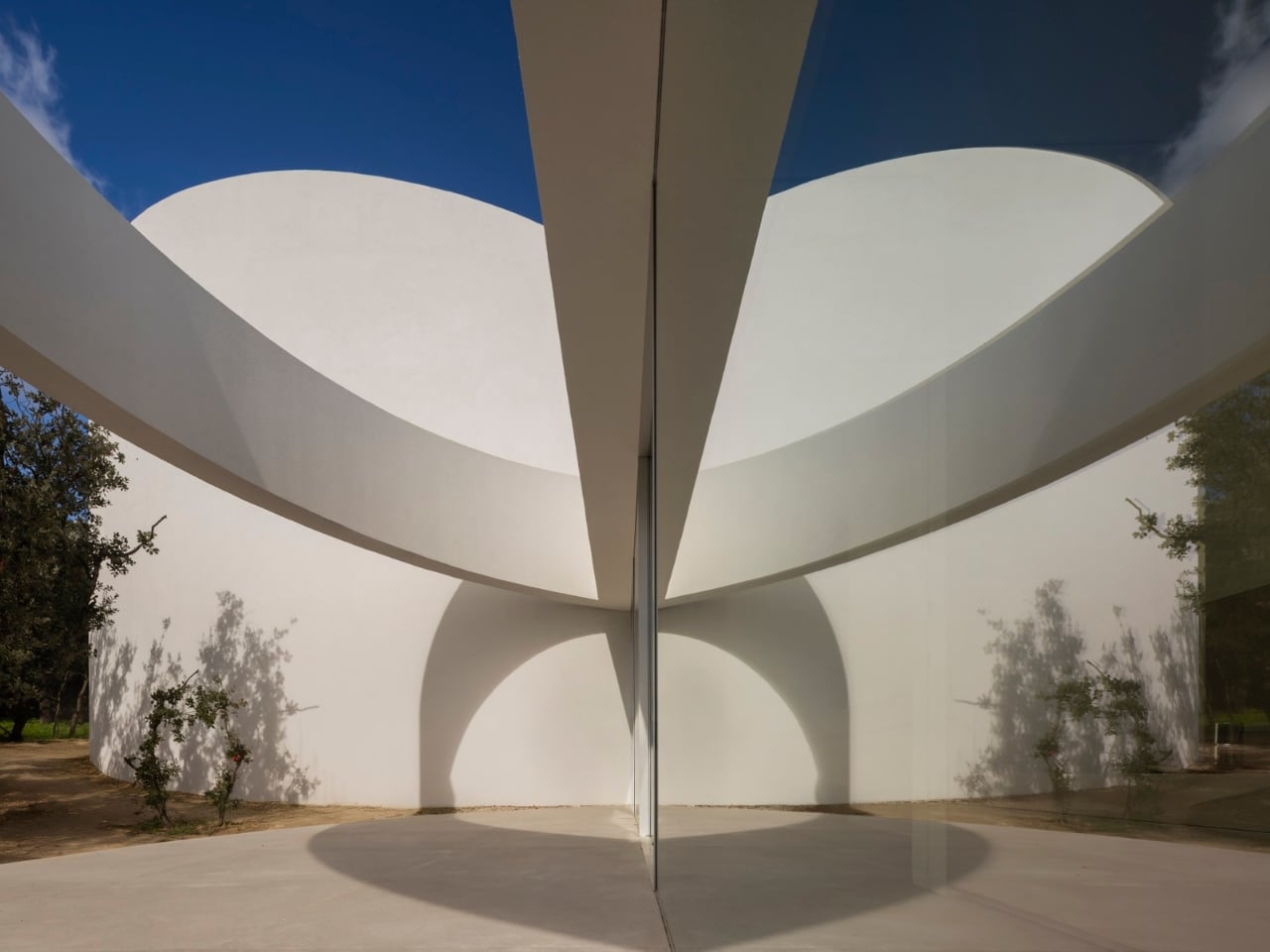
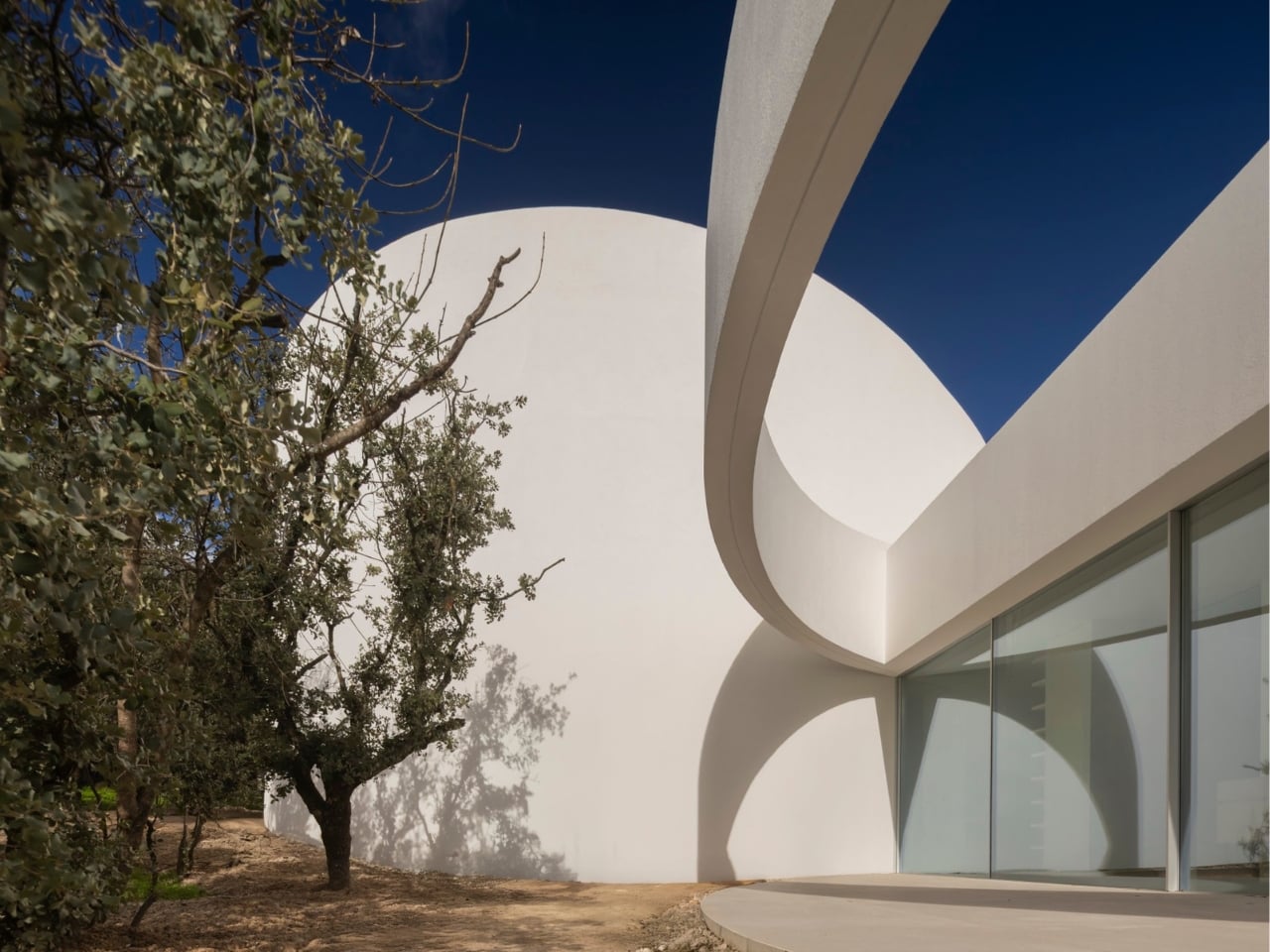
Minimalism is the interior language, and it works. Alfaro Hofmann handled the interiors, keeping the detailing clean enough that the cylindrical walls remain the main event. Each volume also opens onto its own terrace or courtyard, which means privacy is built directly into the plan. You don’t need curtains or clever furniture arrangements to carve out a personal corner. The architecture does that work already.
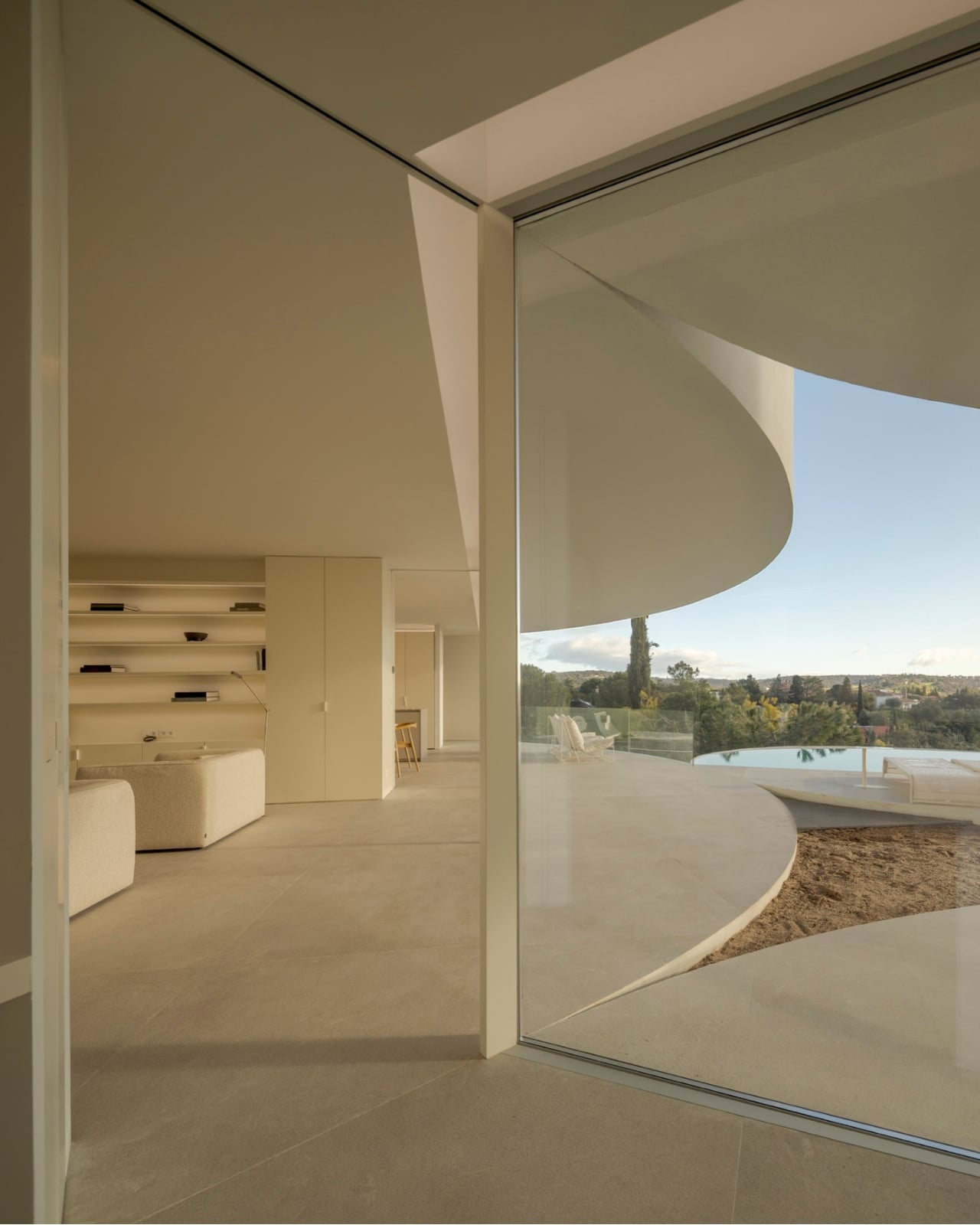
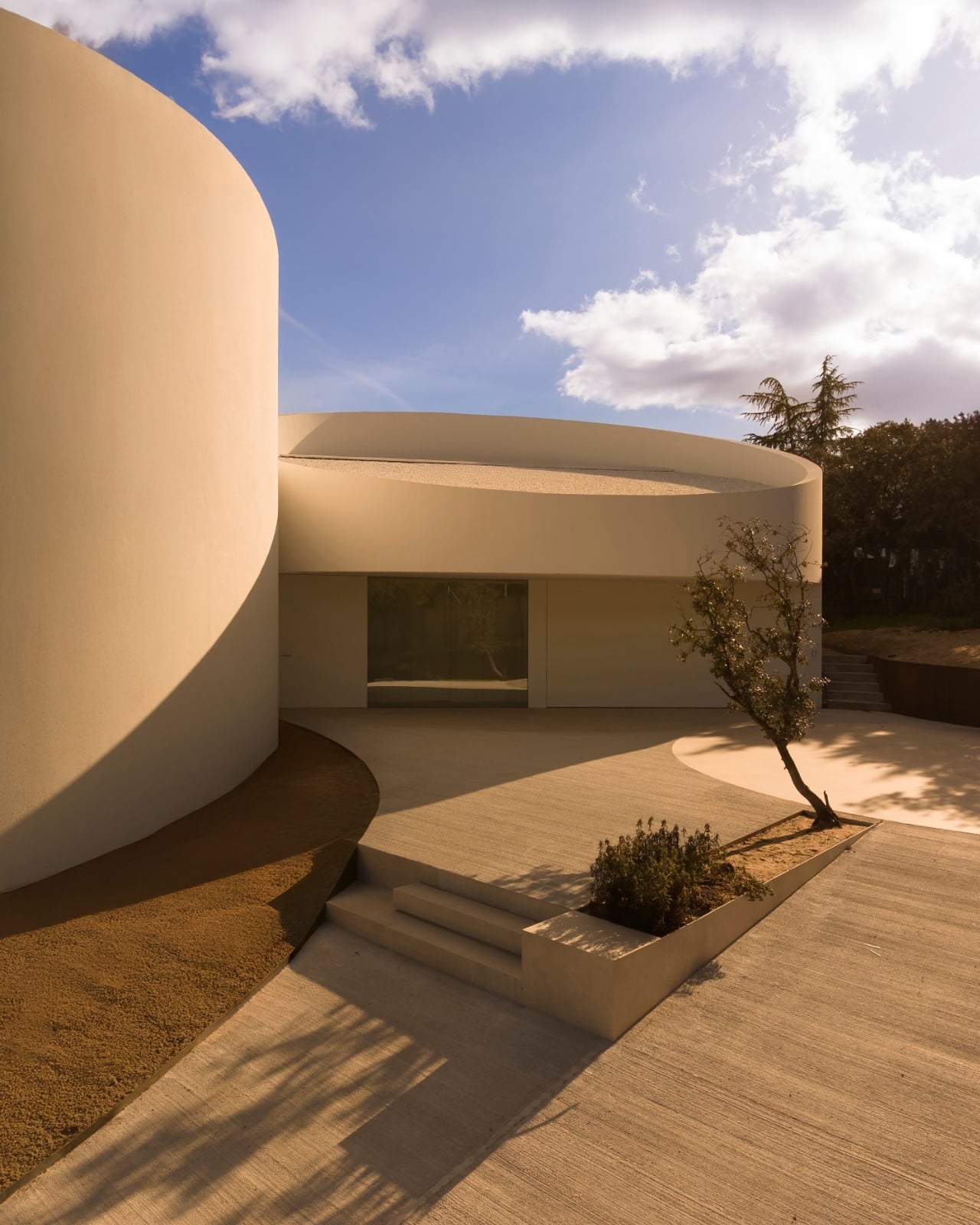
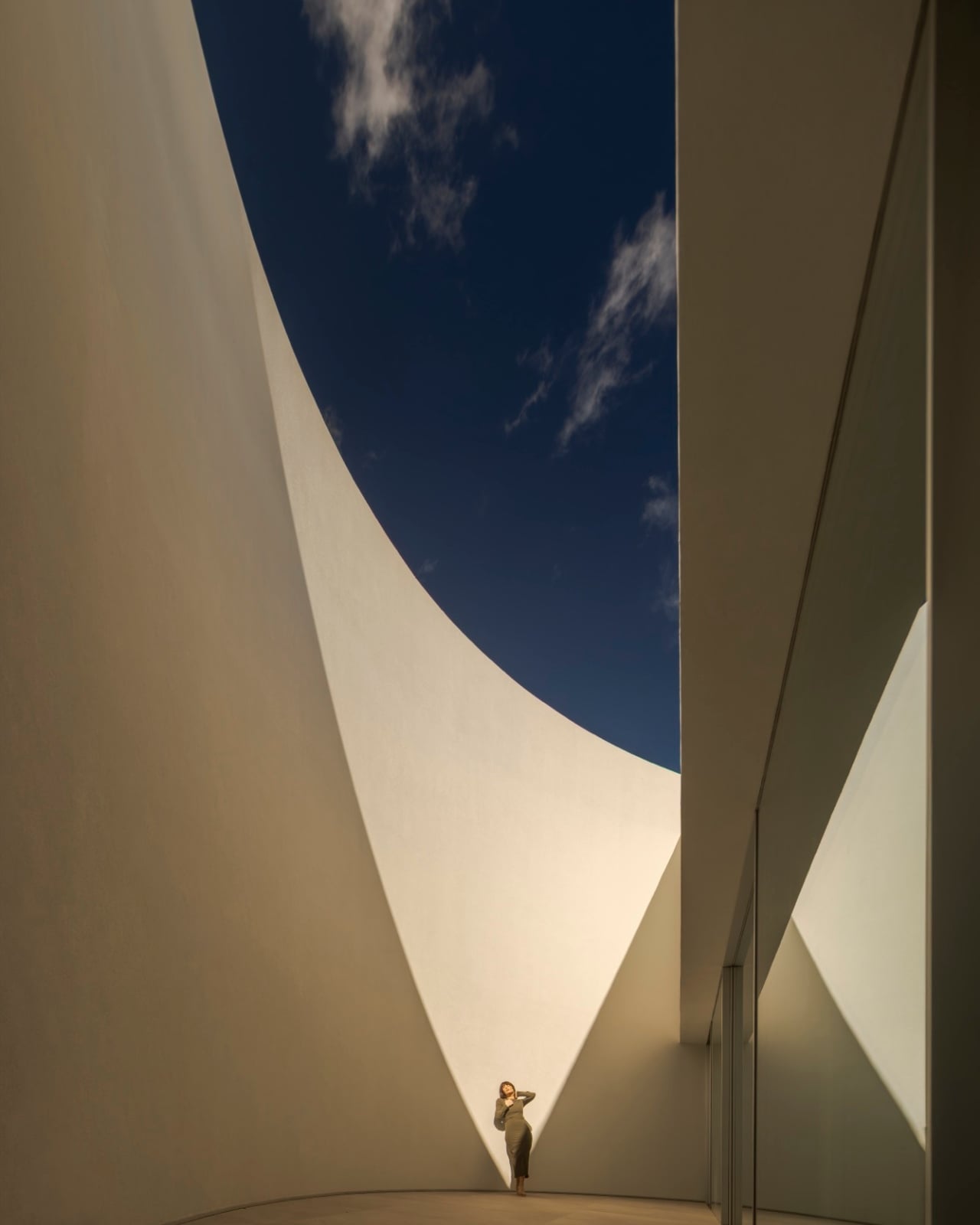
There’s a broader conversation happening in residential architecture right now about whether formal experimentation can coexist with genuine livability. A lot of striking houses look incredible from the outside and feel exhausting to actually inhabit. The House in Las Rozas seems determined to prove that the two don’t have to be in conflict. The curved walls, the natural light, the sequenced privacy, the connection to the terrain, none of these are trade-offs made for the sake of an interesting photograph. They are outcomes of a coherent idea applied rigorously from concept to completion.
What separates work like this from pure architectural ego is the sense that every unusual decision was made in service of the people who will live there. The cylinders are not a statement for the street. They are an organizing principle for a life. And somehow that makes them feel less radical and more inevitable, which is probably the highest compliment you can give a house.