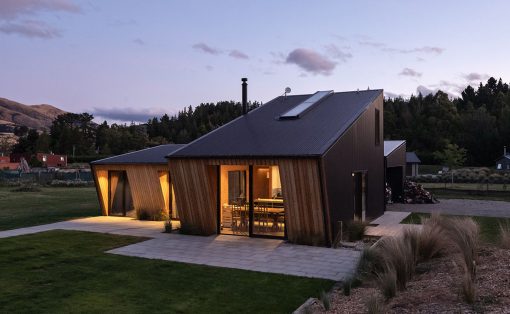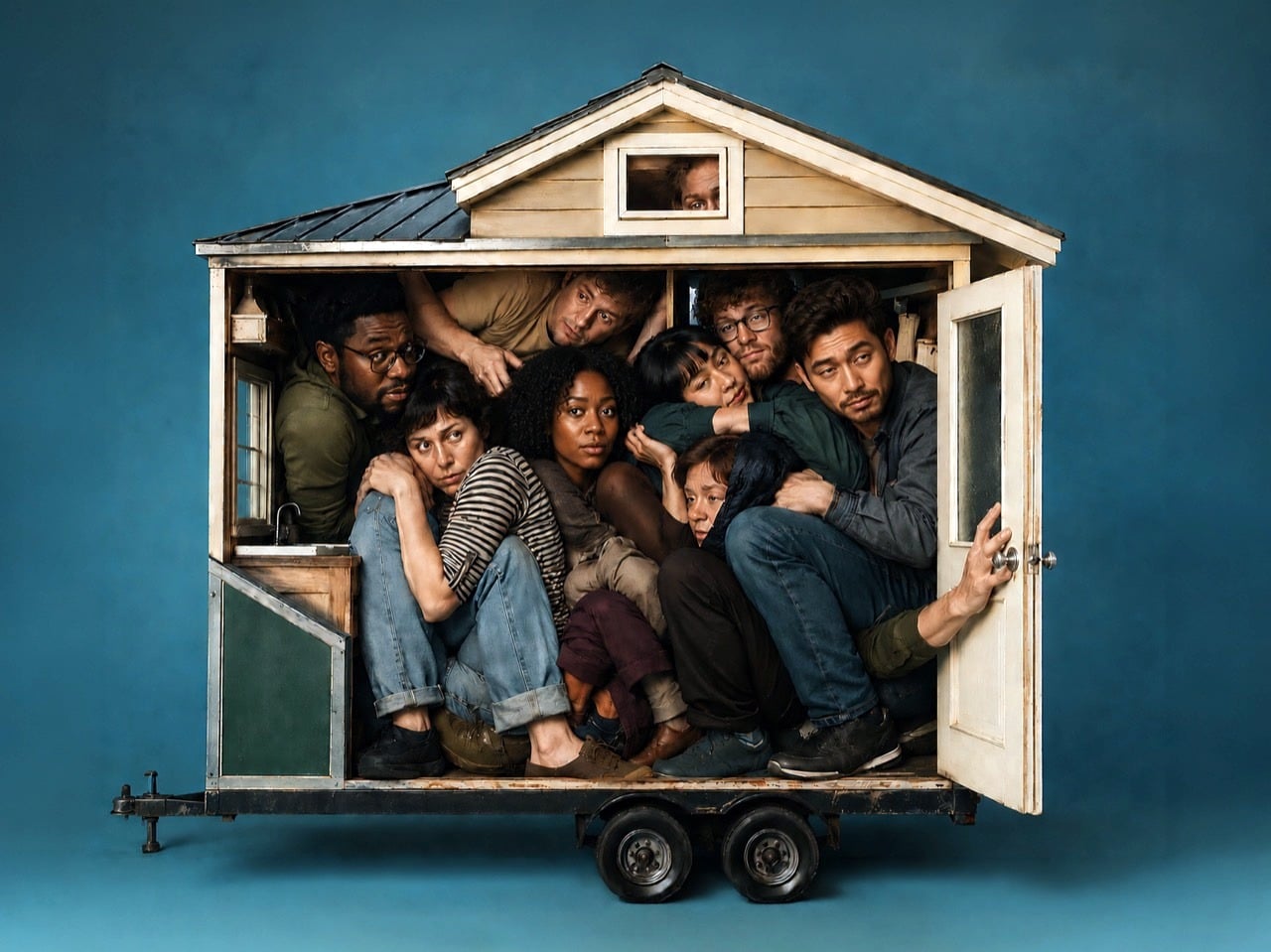
The tiny home showed up at exactly the right time. Post-2008, when the American Dream had basically become a meme, a whole generation watched housing prices climb while their salaries flatlined, and somewhere in that frustration, a 200-square-foot cedar box on wheels started looking really, really good. HGTV ran the episodes. Instagram fed the algorithm. Millennials pinned the floor plans. Tiny homes have consistently been one of the biggest, most-clicked categories on Yanko Design for years now, and that number reflects something real. When the conventional path feels rigged, you build a new one, even if it fits in a parking space.
The average first-time homebuyer in America is now 40 years old. In 1981, that number was 29. That eleven-year gap tells a specific story about a generation that expected homeownership at 29, got handed a tiny home at 30, and was told to call it a win. The term ‘Shoebox Apartment’ should tell you everything you need to know about how respectable or enjoyable micro-living actually is for most people. The backlash to tiny homes is coming, and it won’t arrive from critics or policy wonks. It’ll come from the people who actually bought one.
A Generation Priced Into a Movement
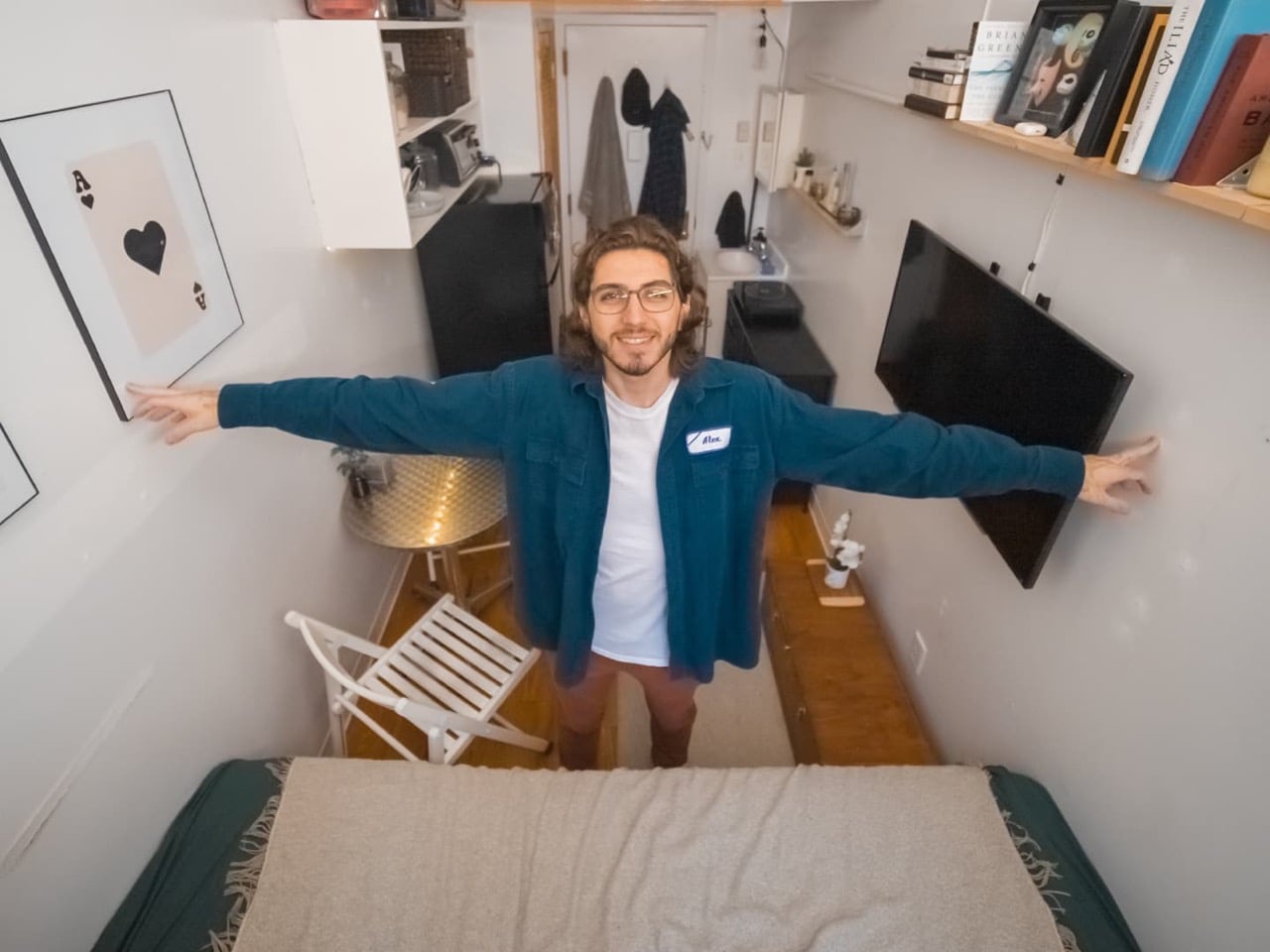
The numbers are staggering in a way that should make anyone uncomfortable. First-time buyers accounted for just 21% of all home purchases last year, the lowest figure recorded since the National Association of Realtors started tracking the data in 1981. Before 2008, first-timers regularly made up around 40% of the market, and the typical buyer was in their late twenties. That collapse didn’t happen because millennials suddenly decided they preferred renting. The price-to-income ratio on homes now sits at 5.5, against a benchmark of 2.6 that economists consider healthy. The market structurally closed on an entire generation, and tiny homes rushed in to fill that gap in a way that felt empowering and intentional rather than desperate. That framing was incredibly convenient for a lot of people who weren’t actually solving the problem.
Meanwhile, boomers are sitting on roughly $82 trillion in accumulated home equity and wealth, more than double what Gen X holds and four times what millennials have. A record 26% of 2025 home purchases were made entirely in cash, up from 20% the year before. Repeat buyers, now with a median age of 62, are moving through the market with resources that younger generations simply don’t have access to. So when the housing conversation gets redirected toward whether a 28-year-old can fit their entire life into 200 square feet and feel good about it, that is a deliberate choice about where collective energy gets focused. Tiny homes gave a generation something to do with their hands while the wealth gap quietly widened.
The Problem with Tiny Home “Ownership”
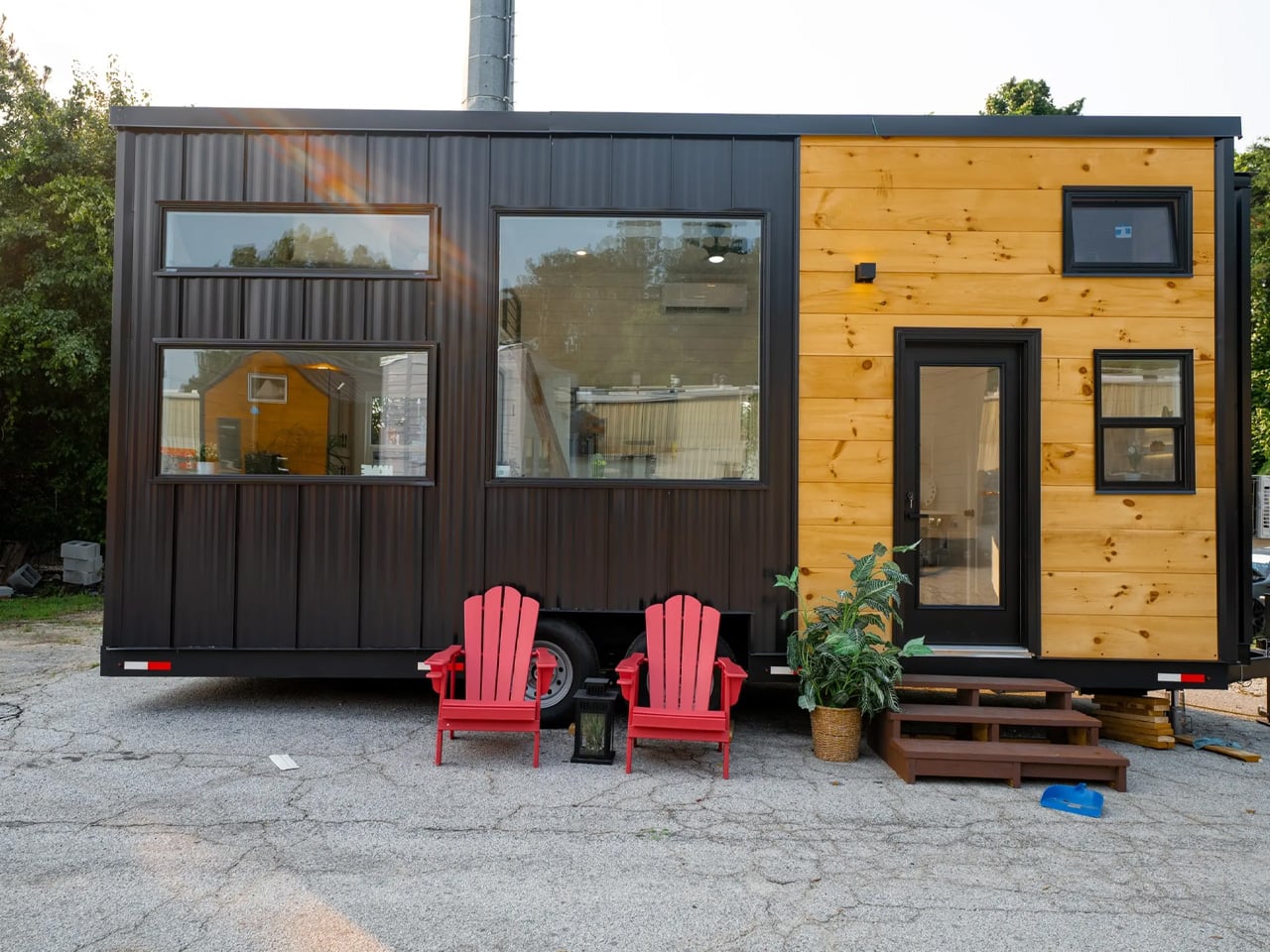
Here’s the thing nobody puts in the Instagram caption. Most tiny homes don’t build equity the way traditional real estate does. A significant share of the tiny home market, particularly Tiny Houses on Wheels, are treated by lenders more like RVs than real property, which means standard mortgages don’t apply. Financing either doesn’t exist or it comes with vehicle loan rates and shorter terms that dramatically inflate the actual cost of ownership. The land is almost always rented. The structure typically depreciates. When it’s time to sell, the resale market is thin, unpredictable, and offers nothing comparable to traditional real estate. All of that sounds manageable if you entered tiny home life as a genuine lifestyle choice with full awareness. It sounds considerably less fine when that was the only door available.
Research consistently shows that tiny homes are deceptively expensive on a per-square-foot basis, often running $300 to $400 per square foot when construction, fixtures, and systems are properly accounted for, which is comparable to or higher than conventional builds in many markets. Bankrate has pointed out that buyers missing the conventional ownership window aren’t just delaying a purchase; they’re losing years of appreciation on an asset that historically doubles in value roughly every decade. Getting locked out of traditional homeownership could cost Gen Z approximately $150,000 in lost equity over their lifetimes. A tiny home with no land, no appreciation, and no mortgage pathway is a beautifully designed object. As a long-term financial strategy, it’s a significant liability.
Where Tiny Homes Are Actually Legal (Hint: Not Where You Need Them)
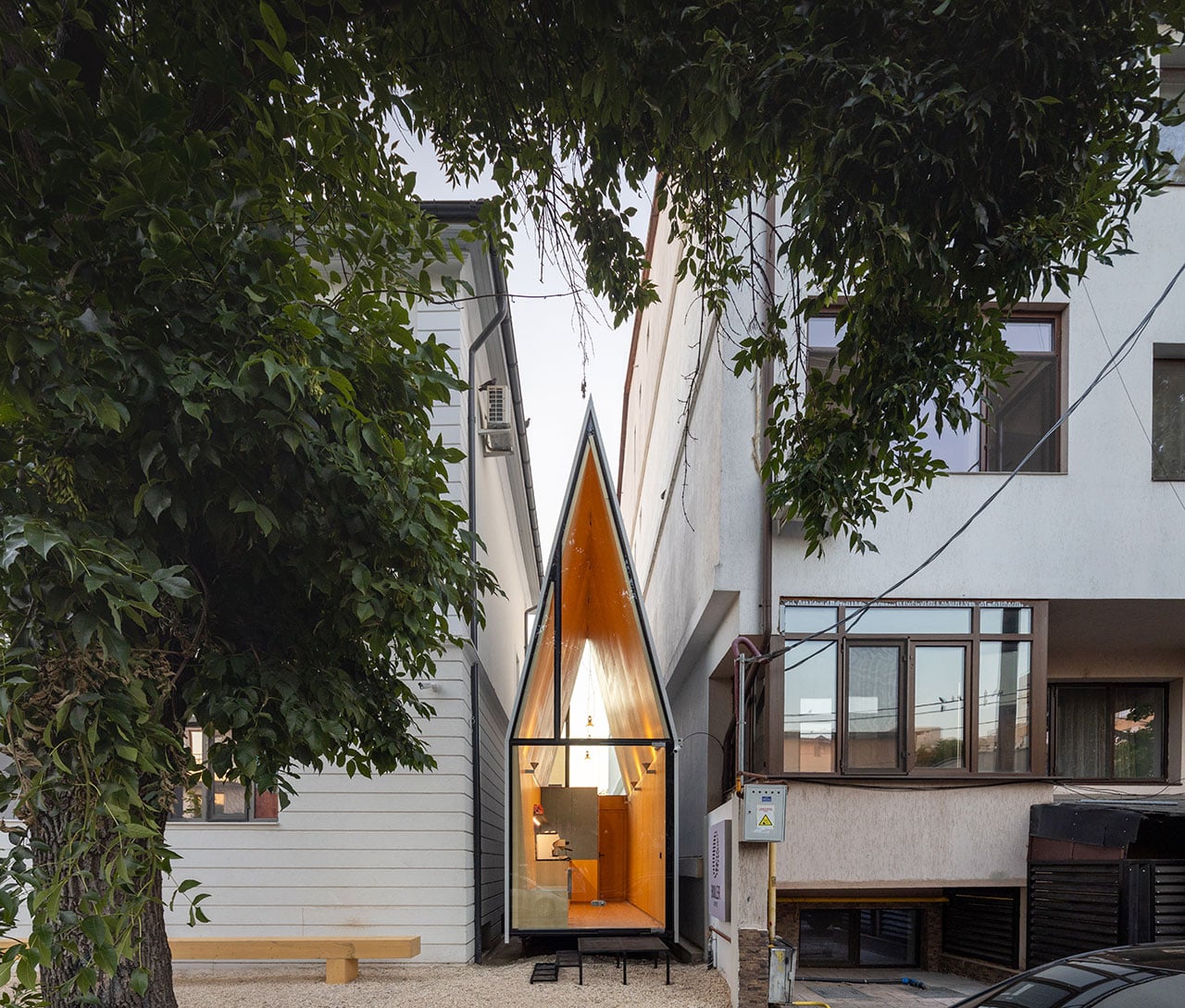
Around 40% of urban municipalities impose zoning or regulatory restrictions on tiny home construction, and the places with the tightest rules are overwhelmingly the ones dealing with the worst housing shortages. States with strict residential codes commonly require homes to be between 600 and 1,200 square feet, which means a 200-square-foot build doesn’t pass without special variances. Those variances require time, legal fees, and political goodwill that most individual builders don’t have. New York, New Jersey, and Georgia all maintain minimum square footage requirements that functionally prohibit tiny homes as primary residences. The cities that most urgently need affordable housing solutions have zoning laws written specifically to keep density low and existing property values protected, and tiny homes run directly into that wall every time.
The geography problem is particularly brutal. The places where tiny homes are legally viable, where land is cheap and regulations are relaxed, are almost always rural or semi-rural. That means poor access to jobs, healthcare infrastructure, transit networks, and schools. The design press loves a tiny home surrounded by pine trees and open sky. The unsexy reality is that a tiny home three hours from an employment hub solves very little for a 32-year-old with student debt and a career to build. It relocates the affordability problem geographically and reframes it as a lifestyle upgrade, which is a very different thing from actually addressing it.
The Urbanism Problem Nobody Wants to Have
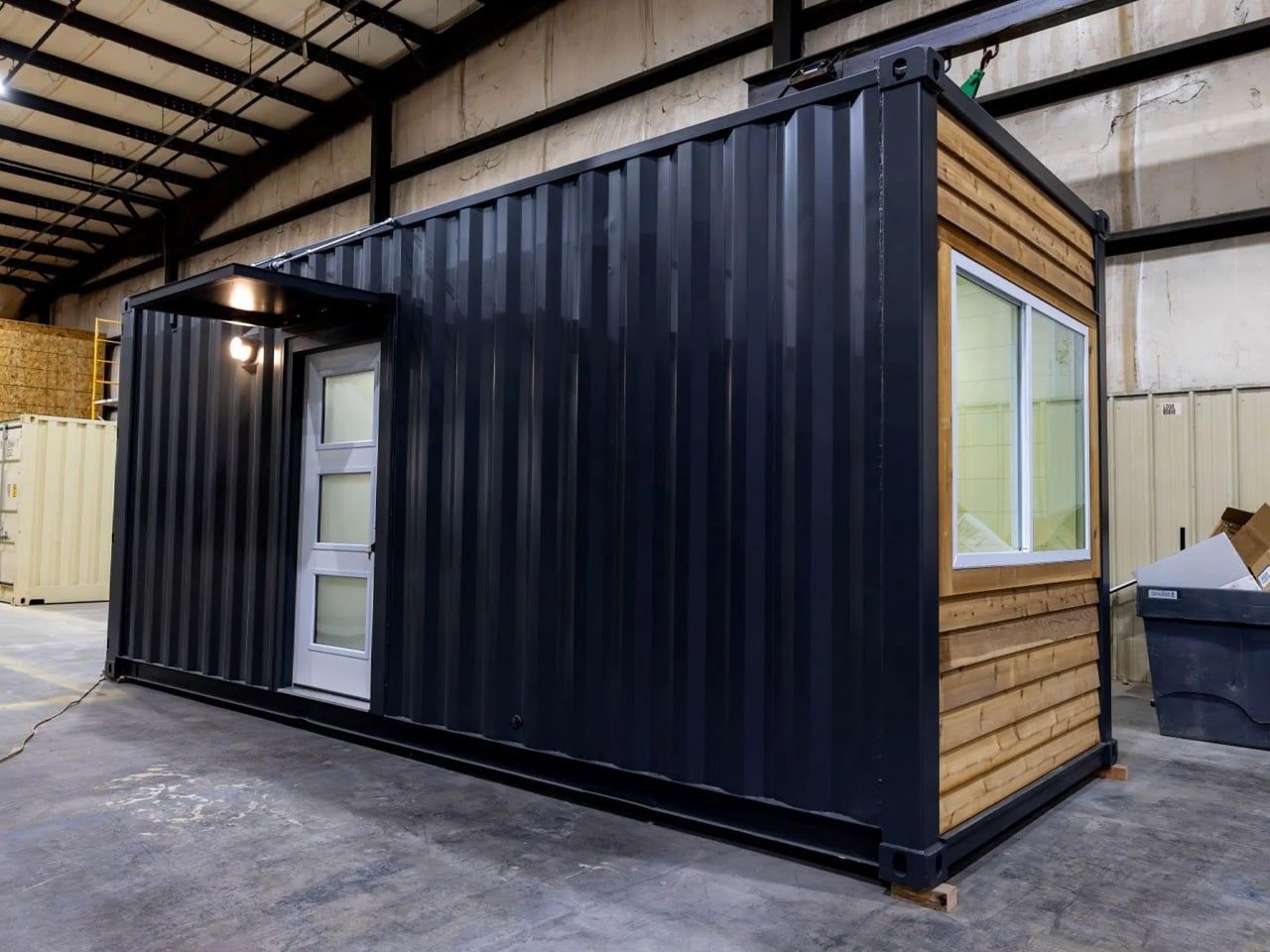
From a pure planning standpoint, tiny homes placed on individual plots are a land-inefficient response to a density problem. Planting a handful of tiny homes on an acre delivers dramatically fewer units of housing than a mid-rise multi-family building on the same footprint. Researchers have also found that tiny homes consume more construction materials per capita compared to apartment buildings. Apartment blocks house more people per floor area, so even with concrete and steel involved, the per-capita resource math heavily favors density. Small structures on large lots are, architecturally, a suburban pattern. The housing crisis is overwhelmingly an urban one, and solving an urban crisis with a suburban pattern is a bit like treating a fever with a decorative fan.
Here’s where the politics get genuinely uncomfortable. Cities sometimes approve tiny home villages because neighborhood opposition to apartment buildings is too intense to override politically. When a city council greenlights ten tiny homes instead of a 60-unit mixed-income apartment building, it frequently has less to do with construction costs and everything to do with avoiding the density fight. Tiny homes photograph beautifully, signal good intentions, and change almost nothing structurally. They give local politicians a way to announce action on affordable housing without delivering anywhere near enough of it. That’s not the fault of the tiny home as an object, but it is exactly how the tiny home gets weaponized as political cover.
Cities Are Running a Smarter Play
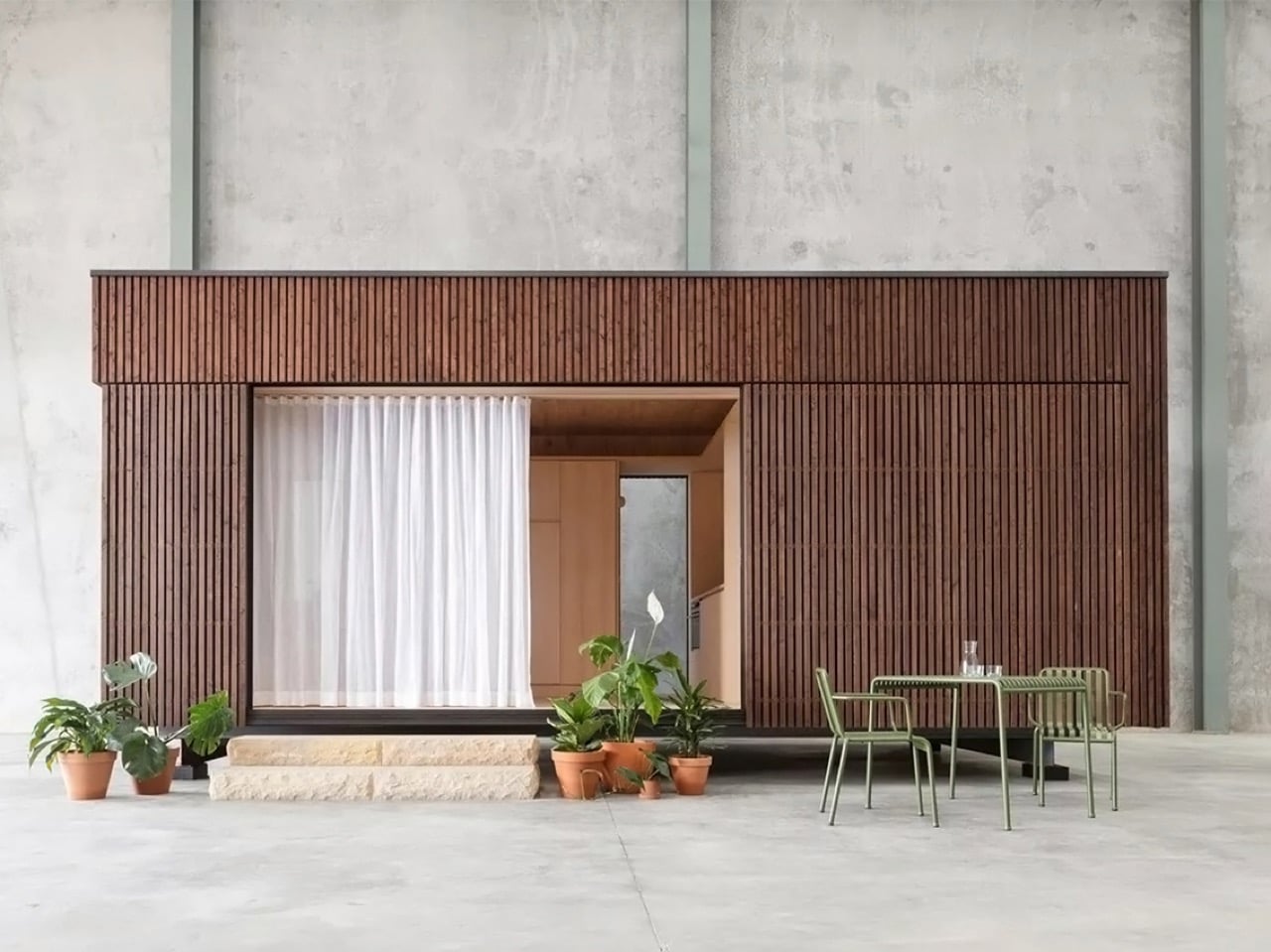
While the tiny home conversation has been spinning in its familiar circles, cities have been quietly executing something considerably more effective. Office-to-apartment conversions are surging, with nearly 71,000 units in the pipeline as of 2025, a record. We covered this in depth right here last month: the 90,300 offices already identified for residential conversion represent a fundamentally different philosophy about housing supply. These are buildings that already exist, sitting inside city centers, connected to transit, surrounded by employment and services. Converting them to housing requires no new land, no greenfield construction, and no fight about density because the density is already there. The infrastructure question is already answered.
Los Angeles expanded its Adaptive Reuse Ordinance citywide in late 2025, with officials estimating the move could unlock over 43,000 housing units in former office towers, including projects targeting 100% affordable housing. Chicago committed $260 million in tax increment financing for five major downtown office-to-residential conversions, with 30% of units designated affordable. The Urban Land Institute projects adaptive reuse could account for 20 to 50% of new housing supply in major American cities going forward. Converting office space to co-living cuts construction costs by 25 to 35% compared to conventional residential builds. On scale, location, economics, and sustainability, adaptive reuse operates in an entirely different league.
The Reckoning Is Already Building
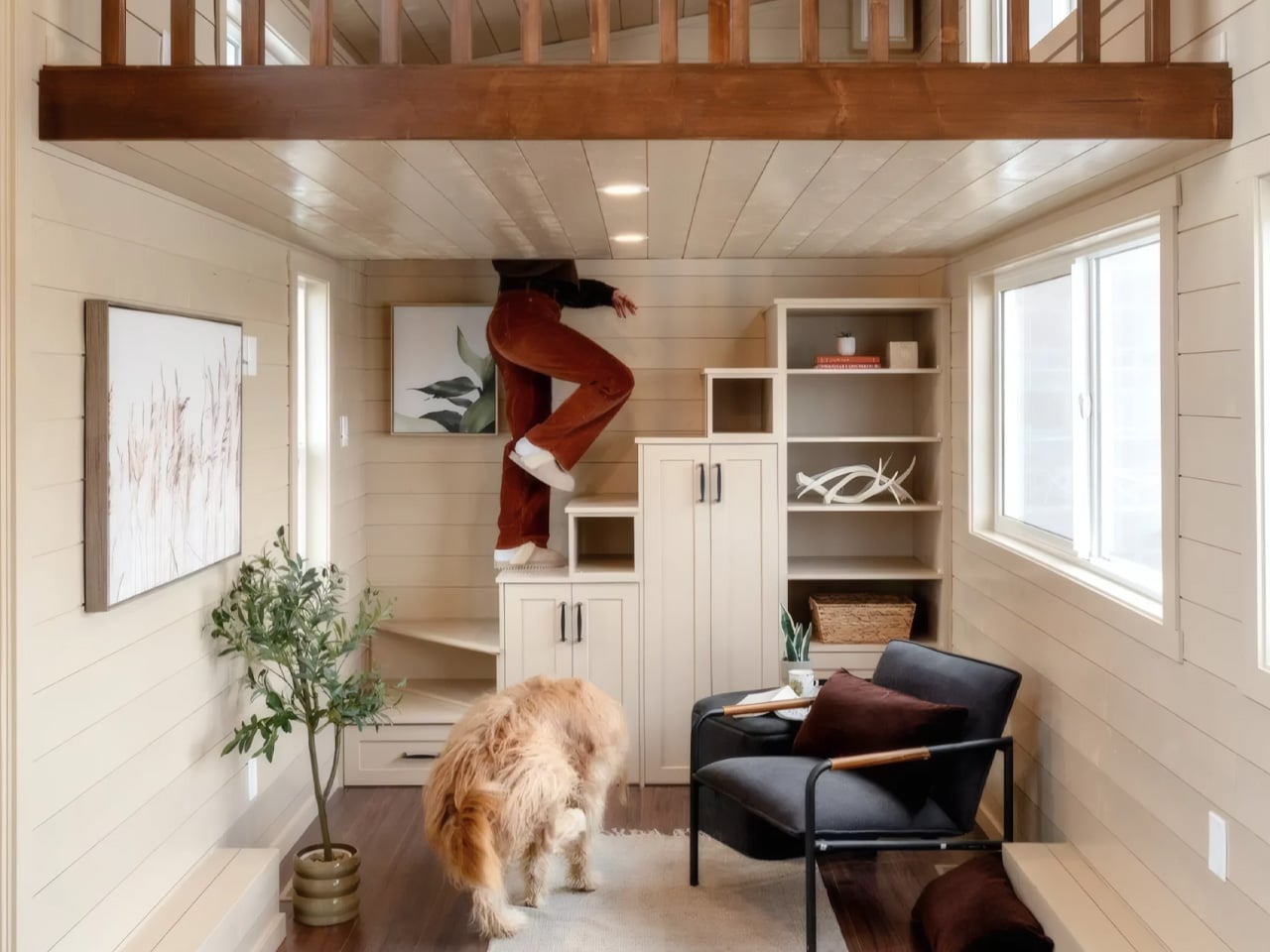
The backlash won’t arrive as a manifesto. It’ll show up as a 38-year-old who bought a tiny home on rented land at 30, discovered eight years later she can’t sell it for what she paid, can’t access a conventional mortgage to move up, and watched her parents’ suburban home double in value across the same window. It’s already building in Reddit threads from tiny home owners trying to figure out how to exit a purchase that lenders won’t touch. It’s in the zoning battles where municipalities keep manufacturing new reasons to say no, and in the quiet exhaustion of people who romanticized small living and discovered the romance has a specific expiration date once a second person, or a child, enters the picture.
Housing advocates have said this for years. Adequate housing was never about minimum viability. A home should be a place where people build financial security, raise families, and live with genuine dignity, not just technically survive in. When affordability gets defined downward to mean “small, impermanent, and asset-free,” the problem hasn’t been solved; it’s been repackaged. The tiny home movement grew from a real wound, and the people who built these homes did so with genuine conviction. But a generation deserves actual equity in actual cities on actual land, and no amount of shiplap and clever storage solutions changes that math. The backlash is coming. Honestly, it’s overdue.