

For years, professional stationery stayed neutral and invisible. Desks were filled with black pens, muted folders, and purely functional organizers. Utility mattered, but visual pleasure rarely did. That long-standing mindset is now beginning to change as designers rethink what belongs on a modern desk.
Let’s enter the era of playful stationery where cute meets carefully considered design. These pieces are not gimmicks but thoughtfully engineered essentials that elevate everyday work. By combining tactile satisfaction with visual charm, they turn routine tasks into moments of delight. The desk is no longer just a surface but a space for creativity, comfort, and self-expression.
1. Transparent Design Aesthetics
Transparency in stationery is no longer just a visual novelty. It reflects a deeper appreciation for clarity, precision, and the beauty of the machine. Clear materials such as acrylic and resin reveal springs, gears, and ink reservoirs, turning everyday tools into small design showcases. The user is invited to witness how the object functions, creating a stronger connection between form and mechanism.
Beyond aesthetics, transparent design reshapes the visual rhythm of a workspace. Its light presence reduces the sense of bulk and clutter, allowing the desk to feel open and breathable. The effect is subtle yet striking, blending minimalism with a futuristic edge while maintaining full functionality and tactile satisfaction.
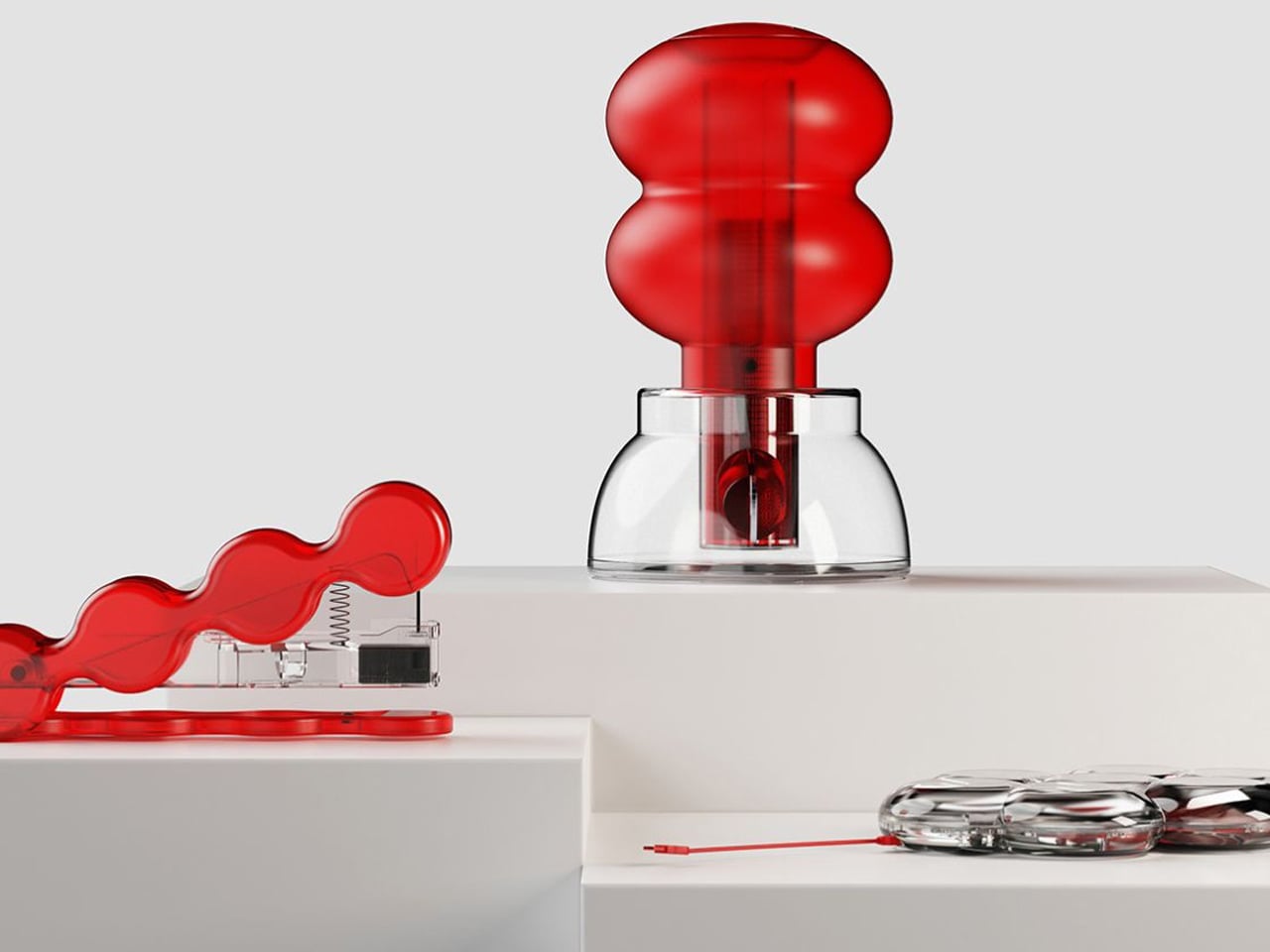
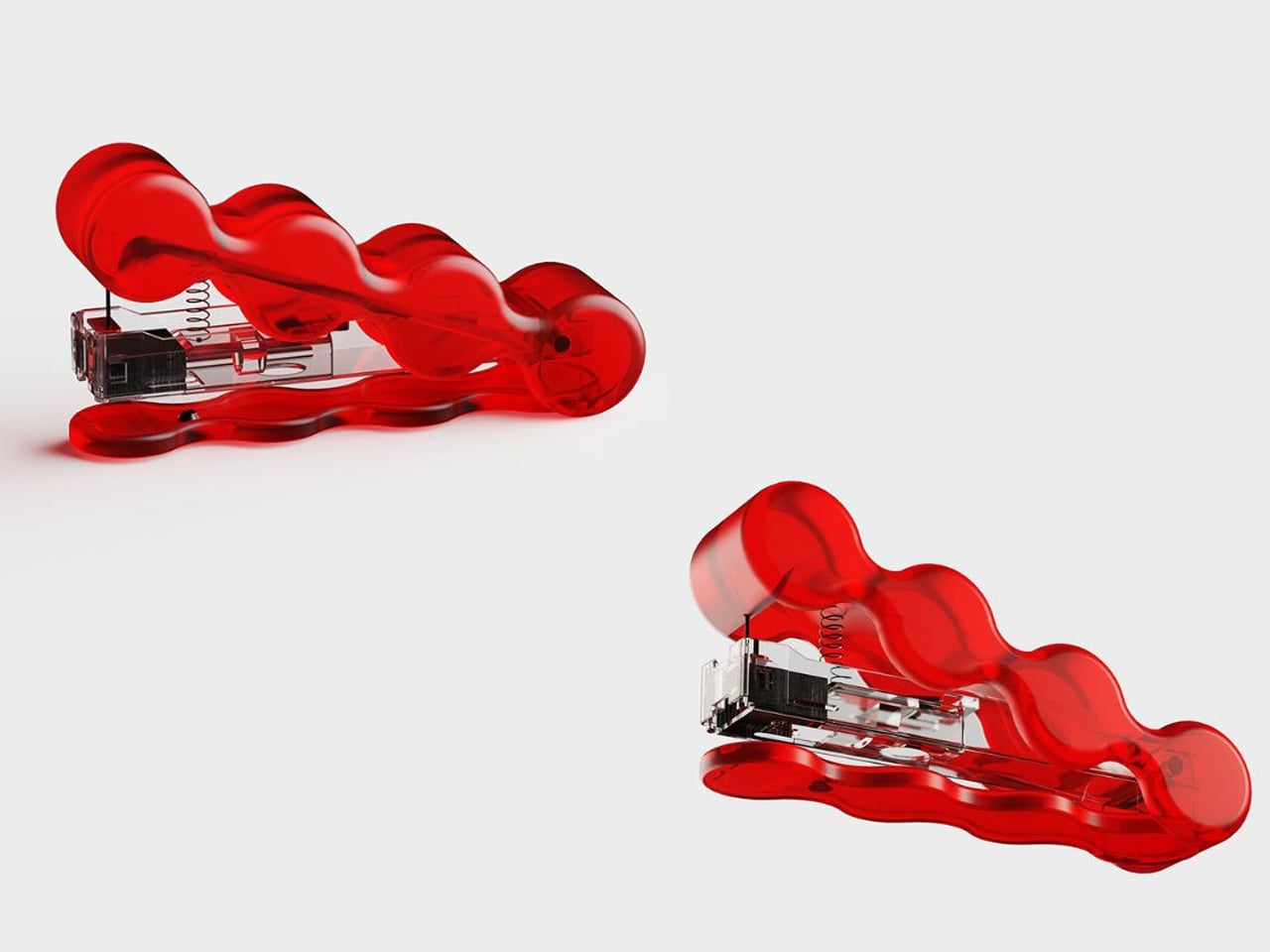
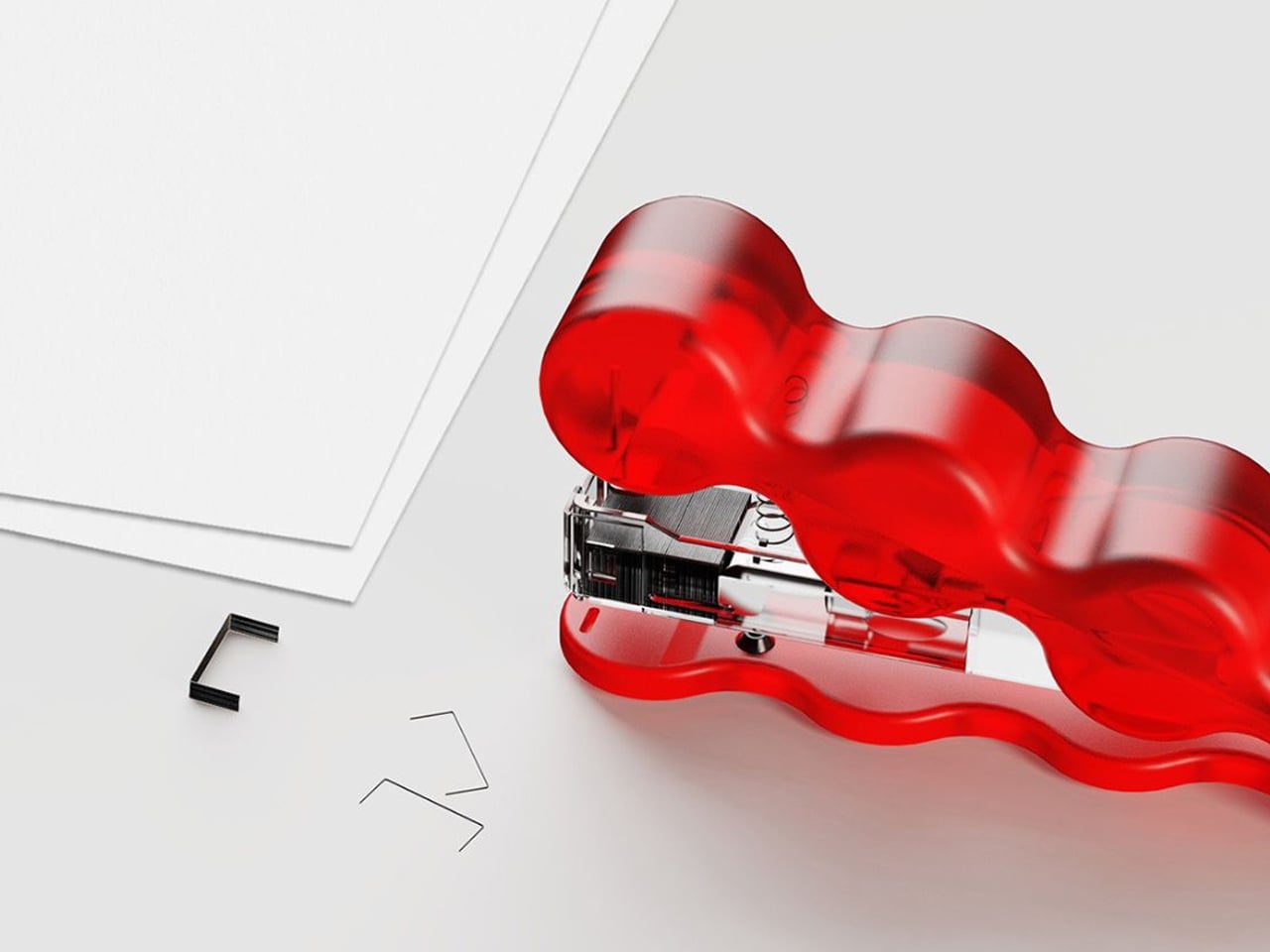
Royi Stationery places transparency at the heart of its design philosophy, transforming ordinary office tools into visually honest objects. Their clear staplers, external hard drives, and coin banks expose every internal component, allowing you to witness the mechanics that usually remain concealed. The transparent casing is not simply an aesthetic decision; it symbolises openness and authenticity. When you press the stapler, you see the staple move through paper. When you hold the hard drive, you observe the intricate circuitry protecting your data. This visibility creates a deeper connection between the user and the object.
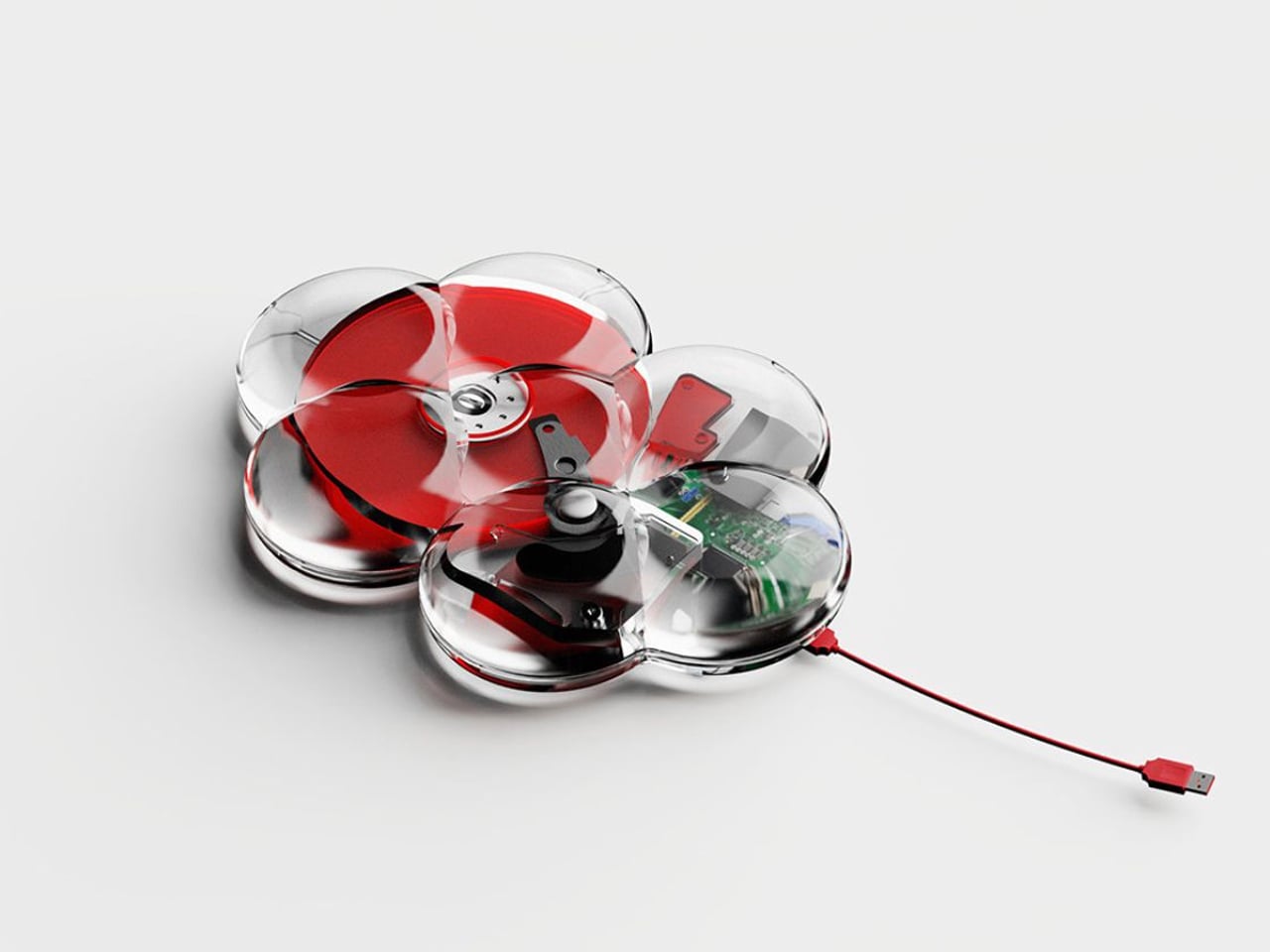
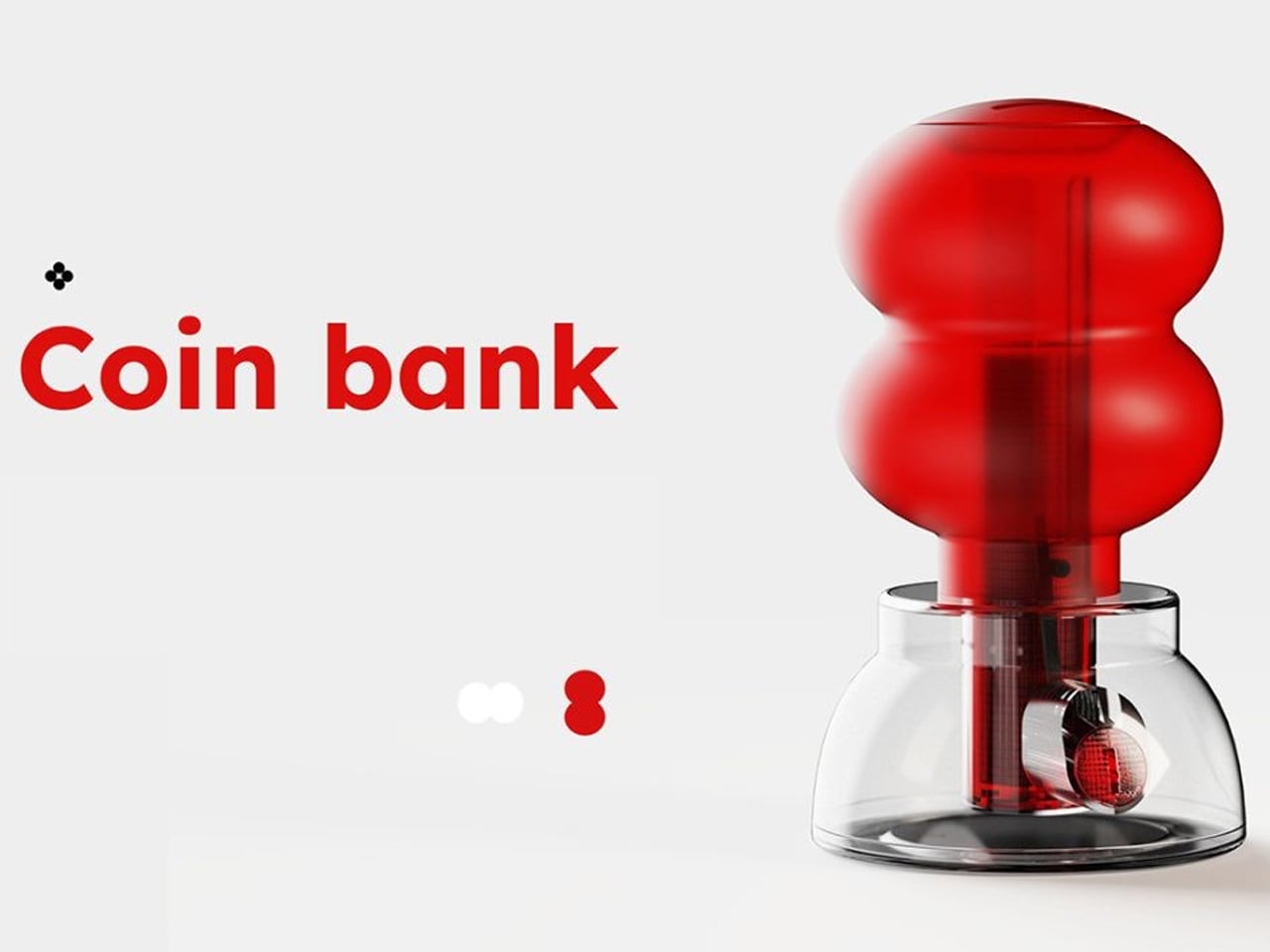
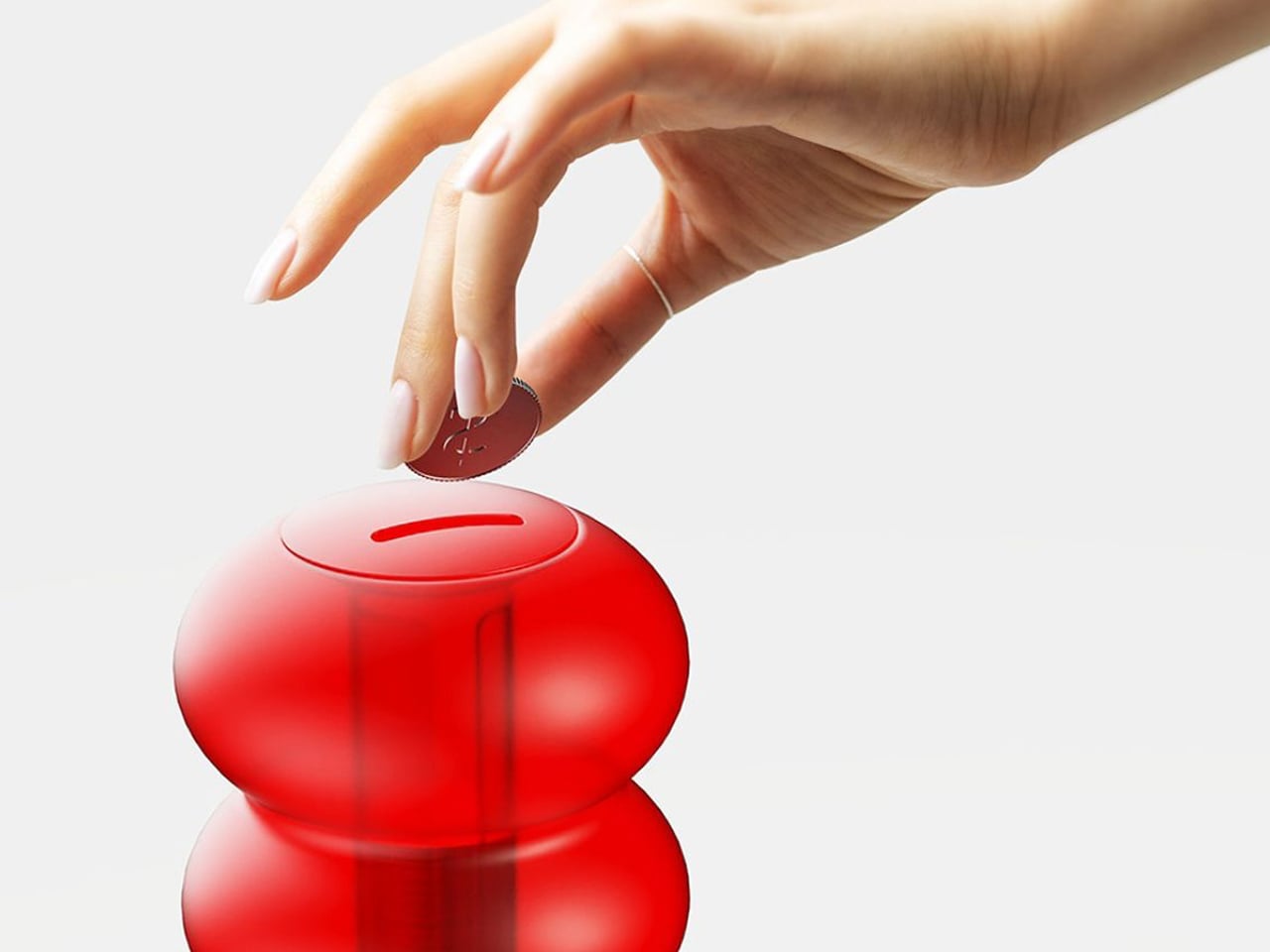
By removing the outer shell that typically hides complexity, Royi invites you to appreciate function rather than façade. The products celebrate engineering, structure, and process, reminding you that what lies beneath the surface often carries the greatest value.
2. Stationery as Sculptural Art
Stationery is evolving beyond utility, stepping confidently into sculptural art. Contemporary desk accessories are designed to captivate even at rest, with forms inspired by gallery objects rather than traditional office supplies. Tape dispensers resemble smooth metallic pebbles, while paperweights echo abstract statues, transforming ordinary tools into visual statements.
This shift reflects a growing desire for workspaces that feel curated and expressive. Form now holds equal importance to function, allowing these pieces to enhance the environment, whether in use or simply displayed. The desk transforms into a composition where practicality and artistry coexist, adding character, texture, and a sense of intentional design.
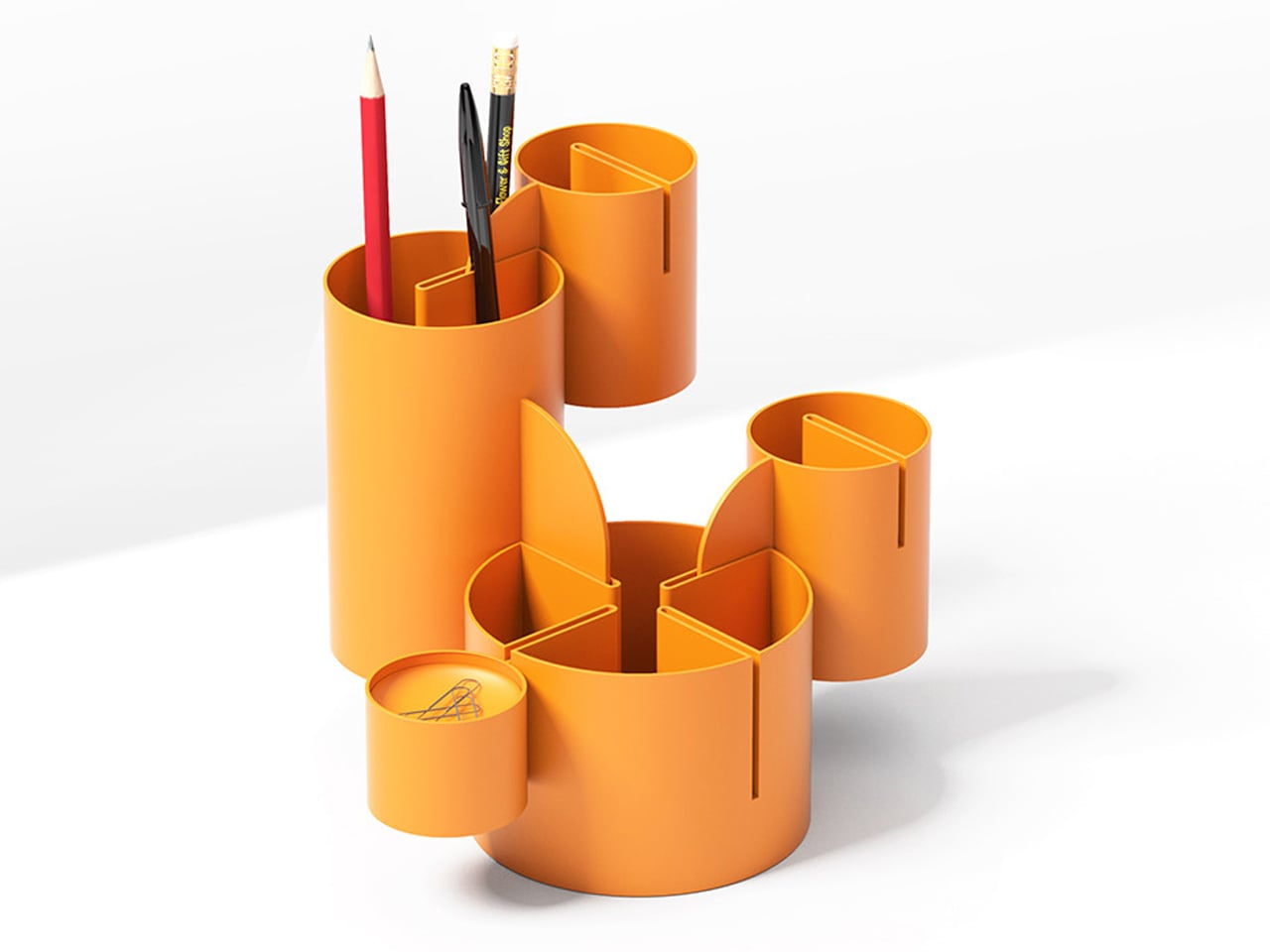
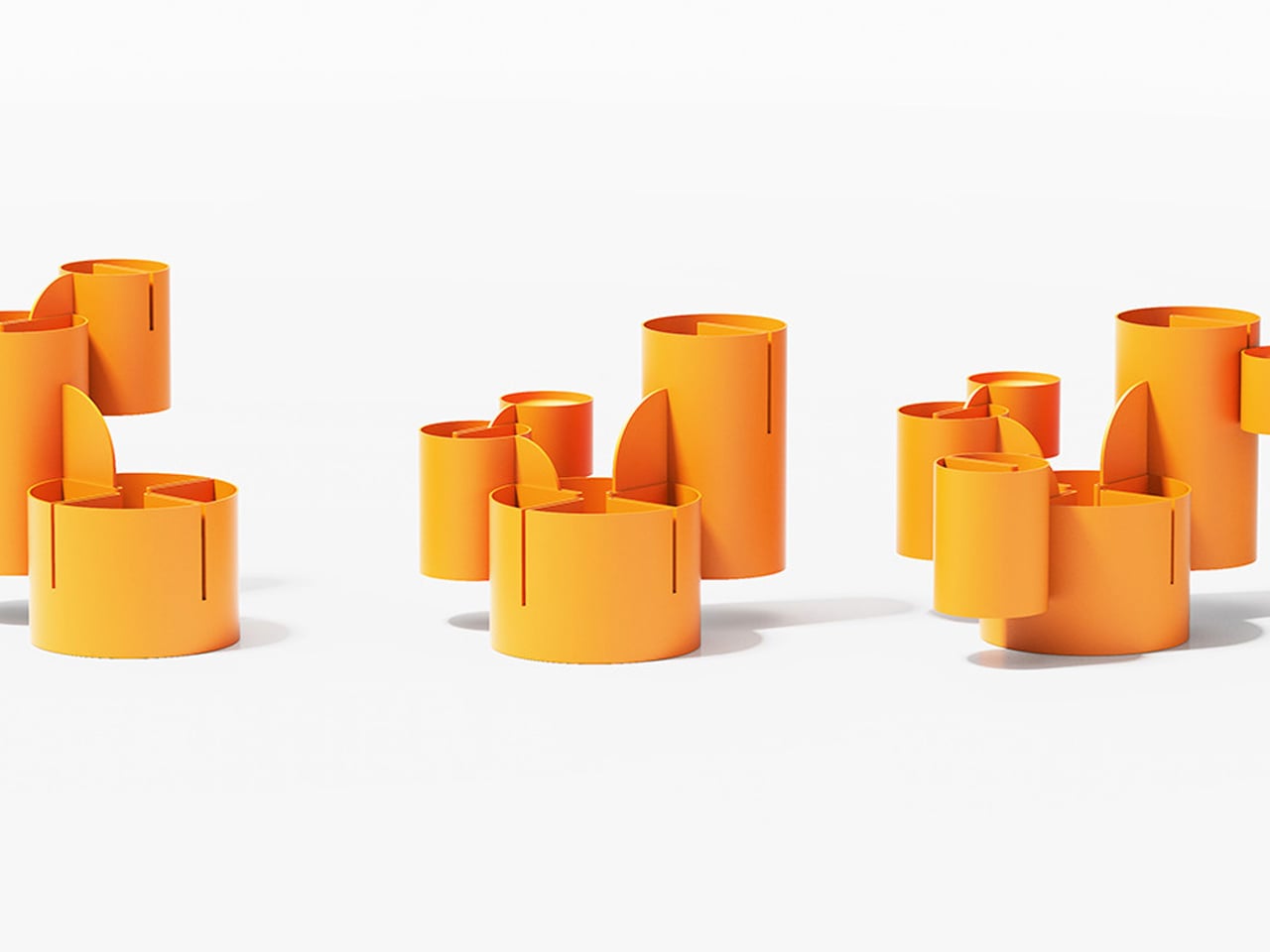
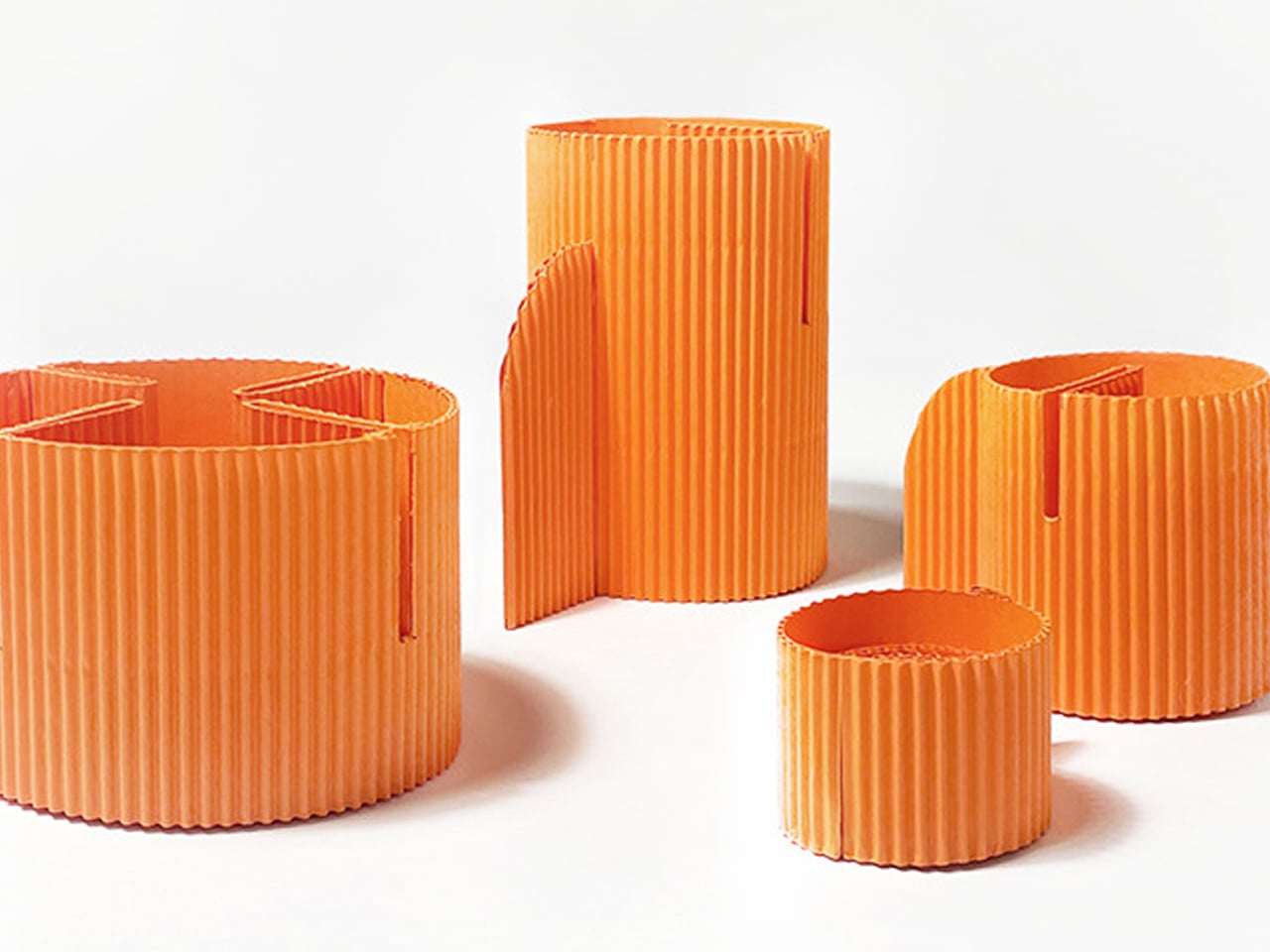
There are countless ways to organise a desk, but few solutions approach storage as a sculptural expression. Designed by Subin Song in collaboration with Fountain Studio, Cacty transforms the ordinary desk organiser into a vertical composition inspired by the organic growth of succulents. Rather than concealing clutter inside static compartments, the system rises upward in stacked forms, creating a silhouette that feels architectural and plant-like.
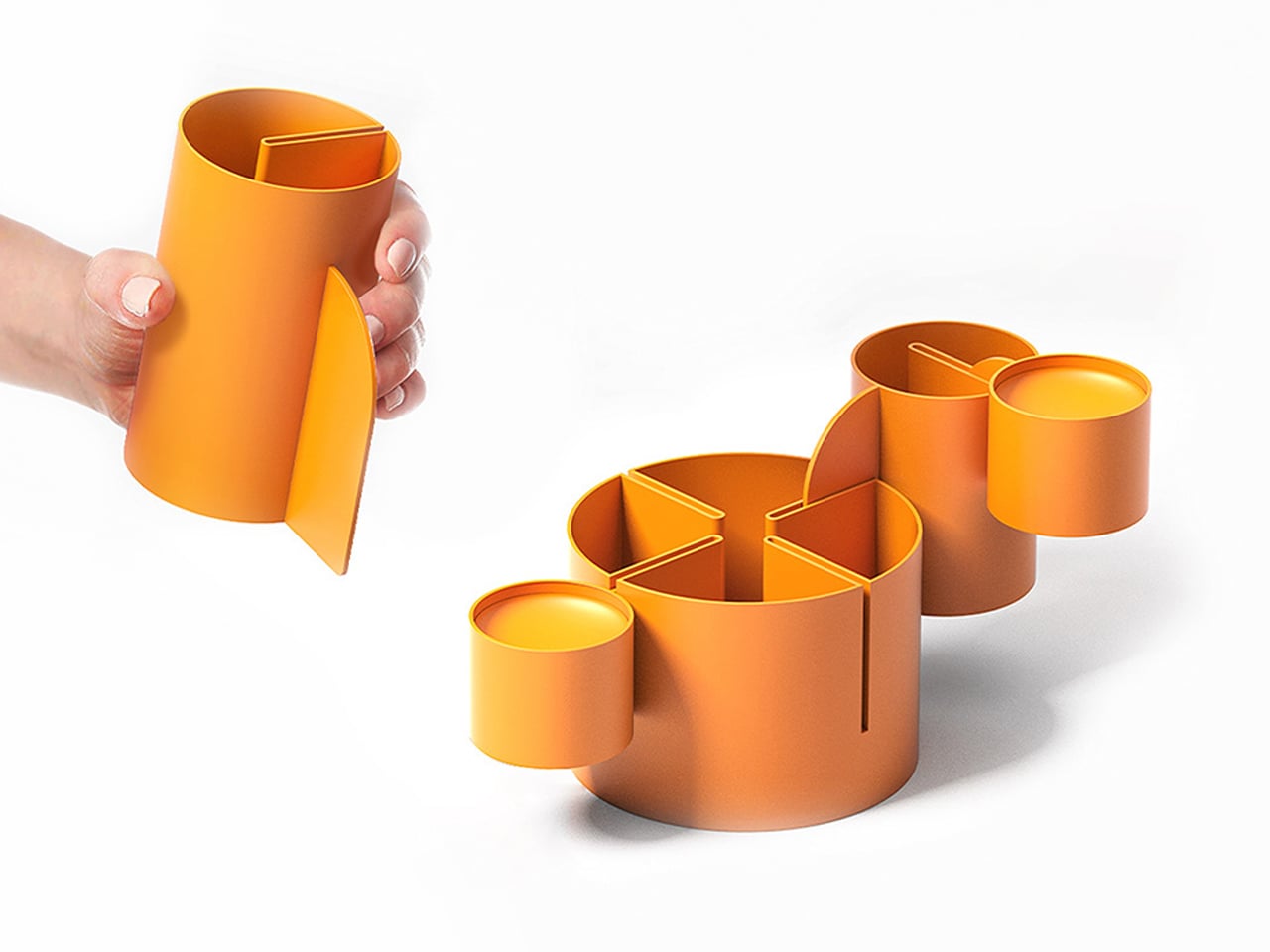
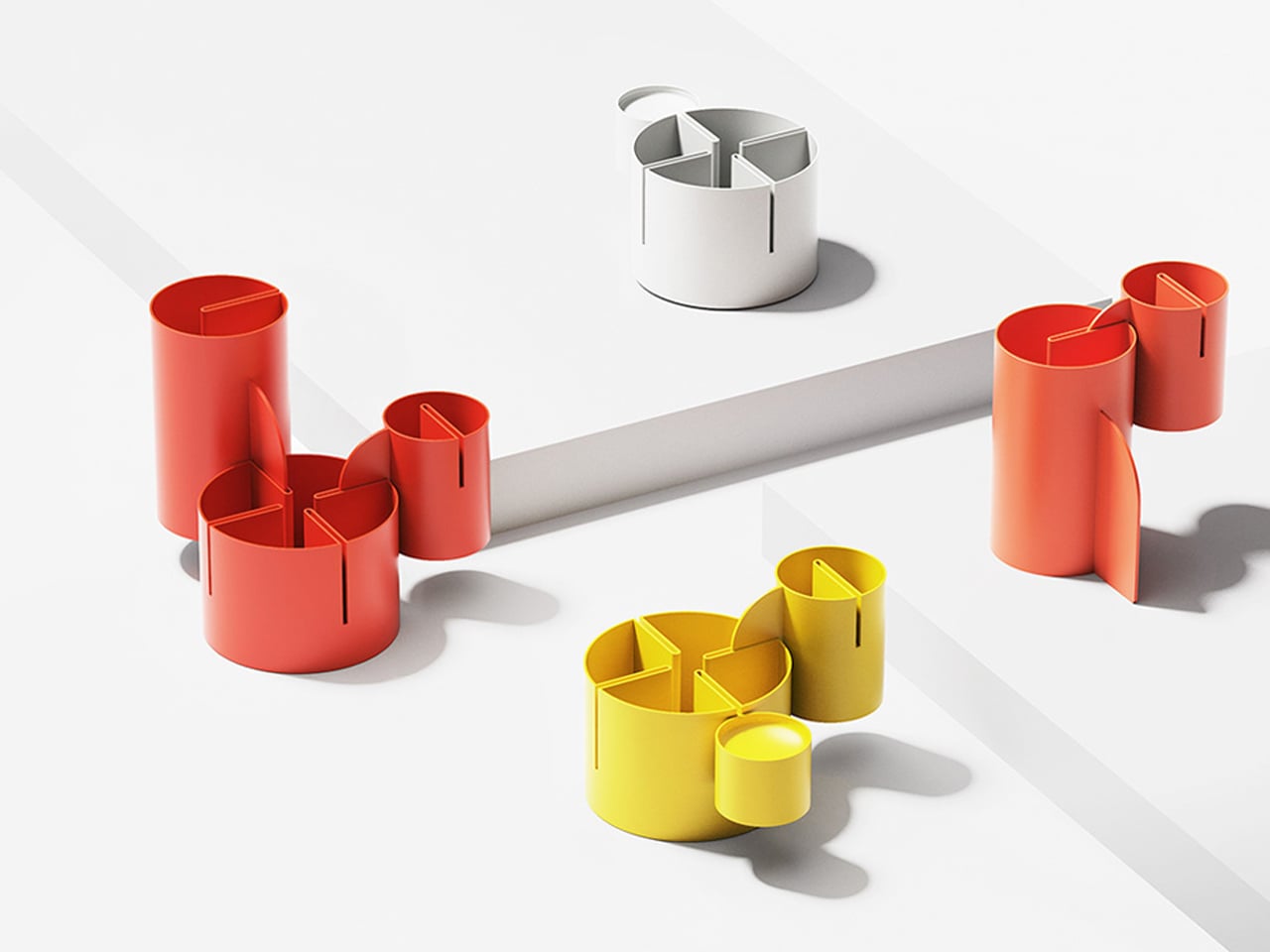
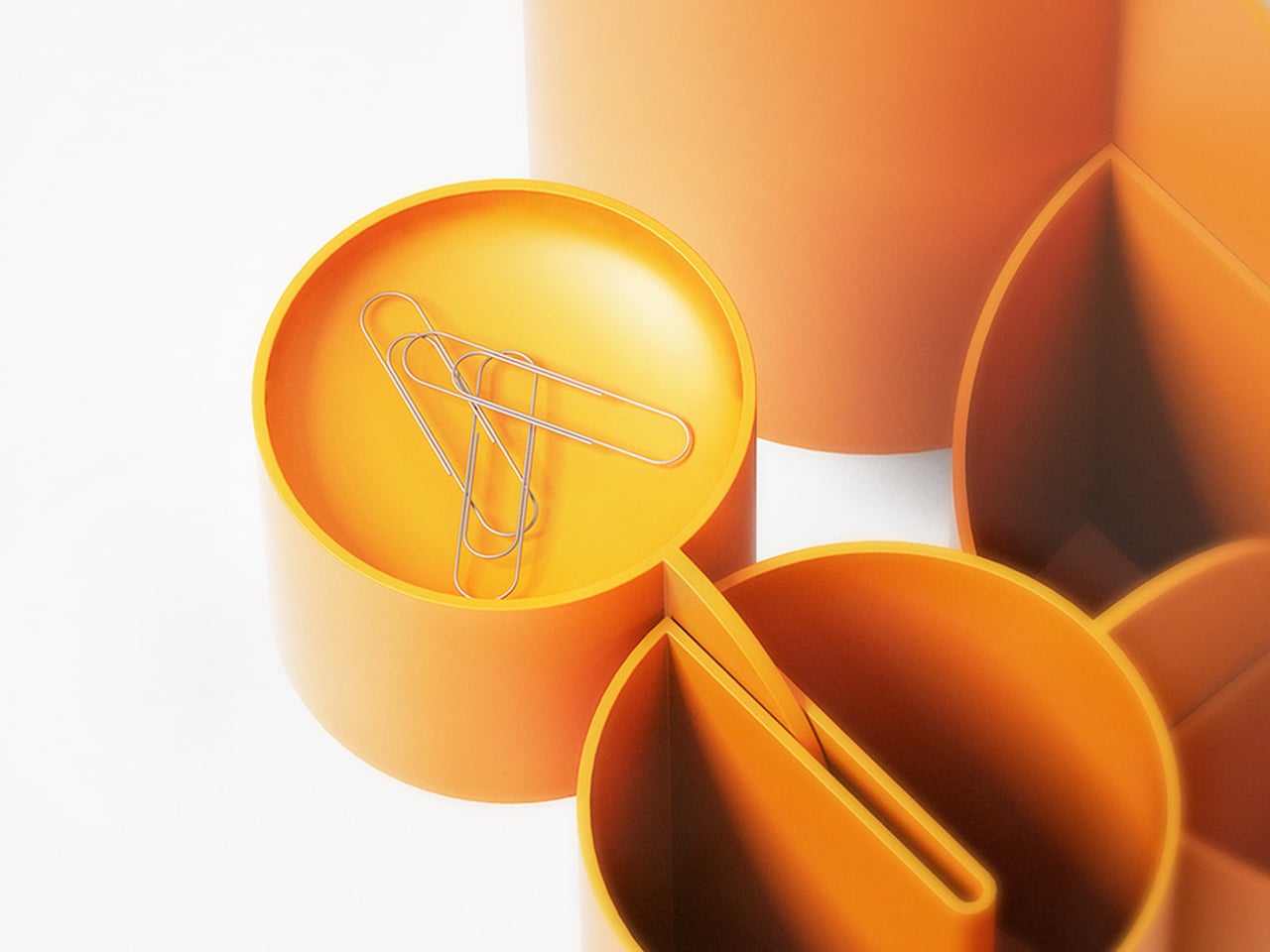
Each module functions as a container and a structural element, connecting through a slot-and-tab mechanism that allows the form to evolve endlessly. The base anchors the composition, while taller and shorter units interlock to create varied proportions, shadows, and depth. As modules accumulate, Cacty becomes a personalised sculptural tower which is an organizer and installation.
3. Architectural Desk Aesthetics
The structural edge in stationery draws heavily from architectural language and industrial design. Influenced by brutalism and modern drafting aesthetics, these pieces embrace sharp geometry, visible structure, and engineered balance. Materials such as concrete, steel, and solid brass introduce weight, texture, and a sense of durability that contrasts with conventional plastic desk tools.
Objects like pen holders shaped as miniature towers or cantilevered desk trays express stability and intention. They communicate permanence while maintaining full functionality. They transform the desktop into a composed landscape of lines and forms that exudes the quiet drama of structural design.
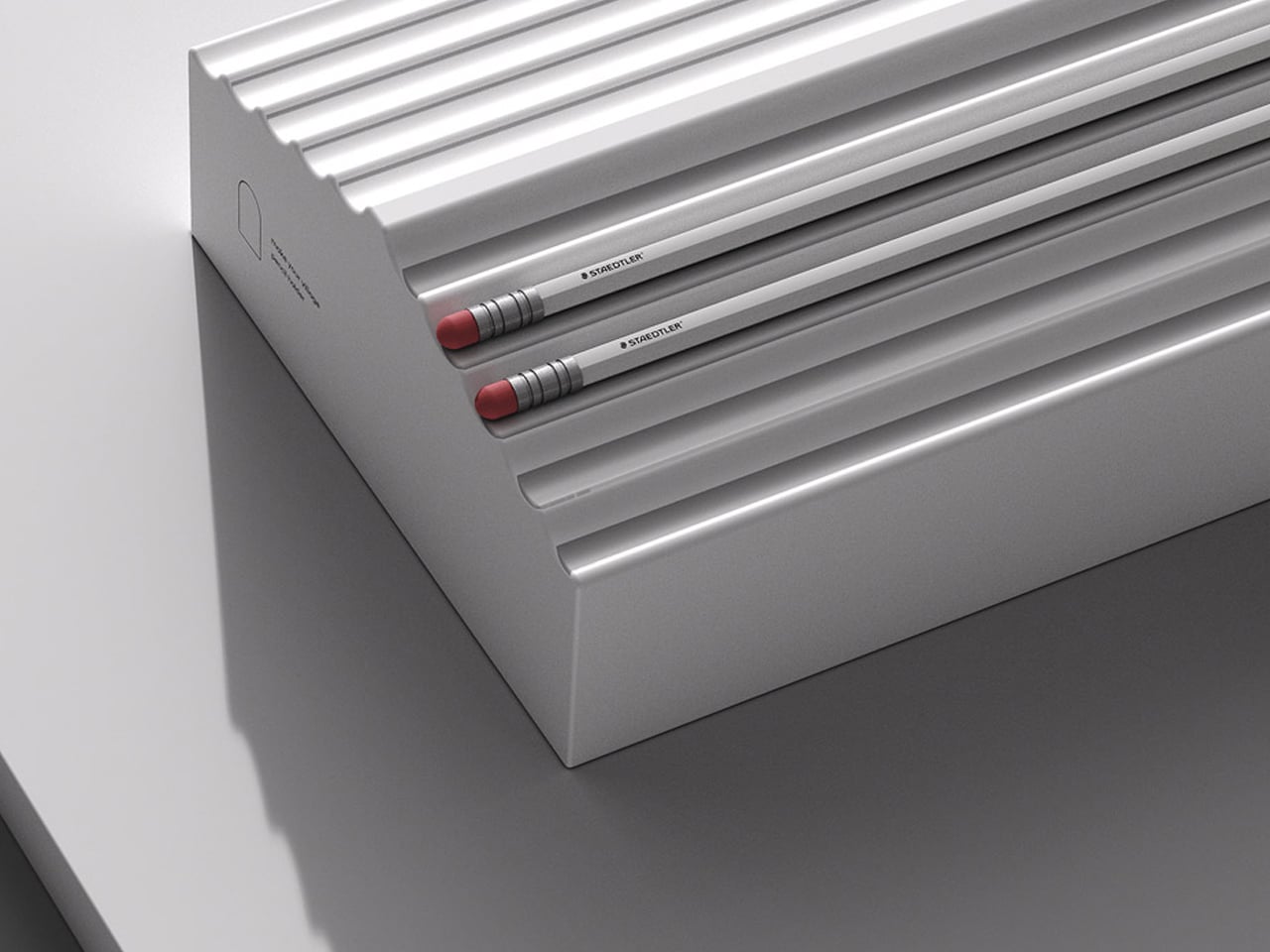
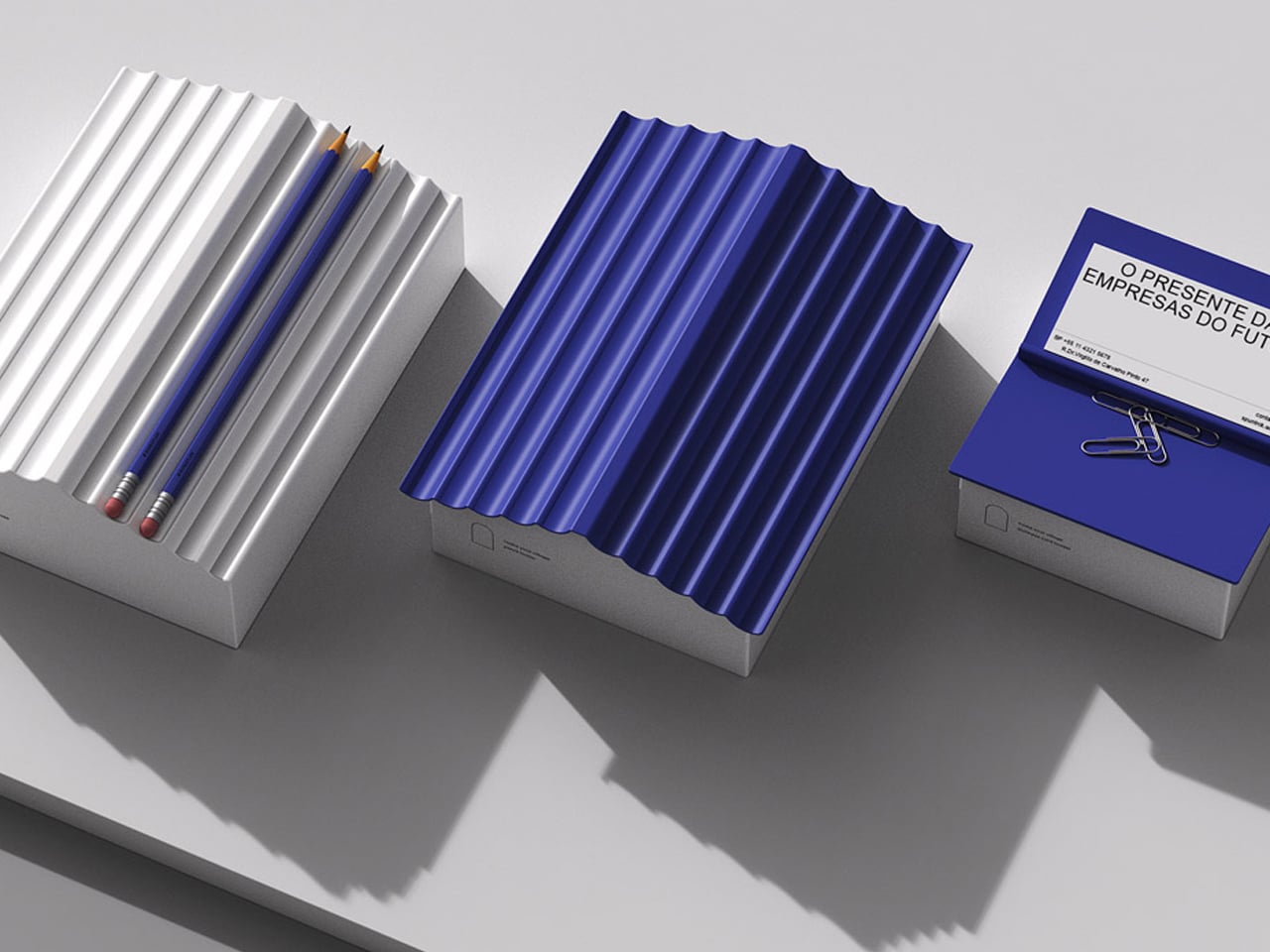
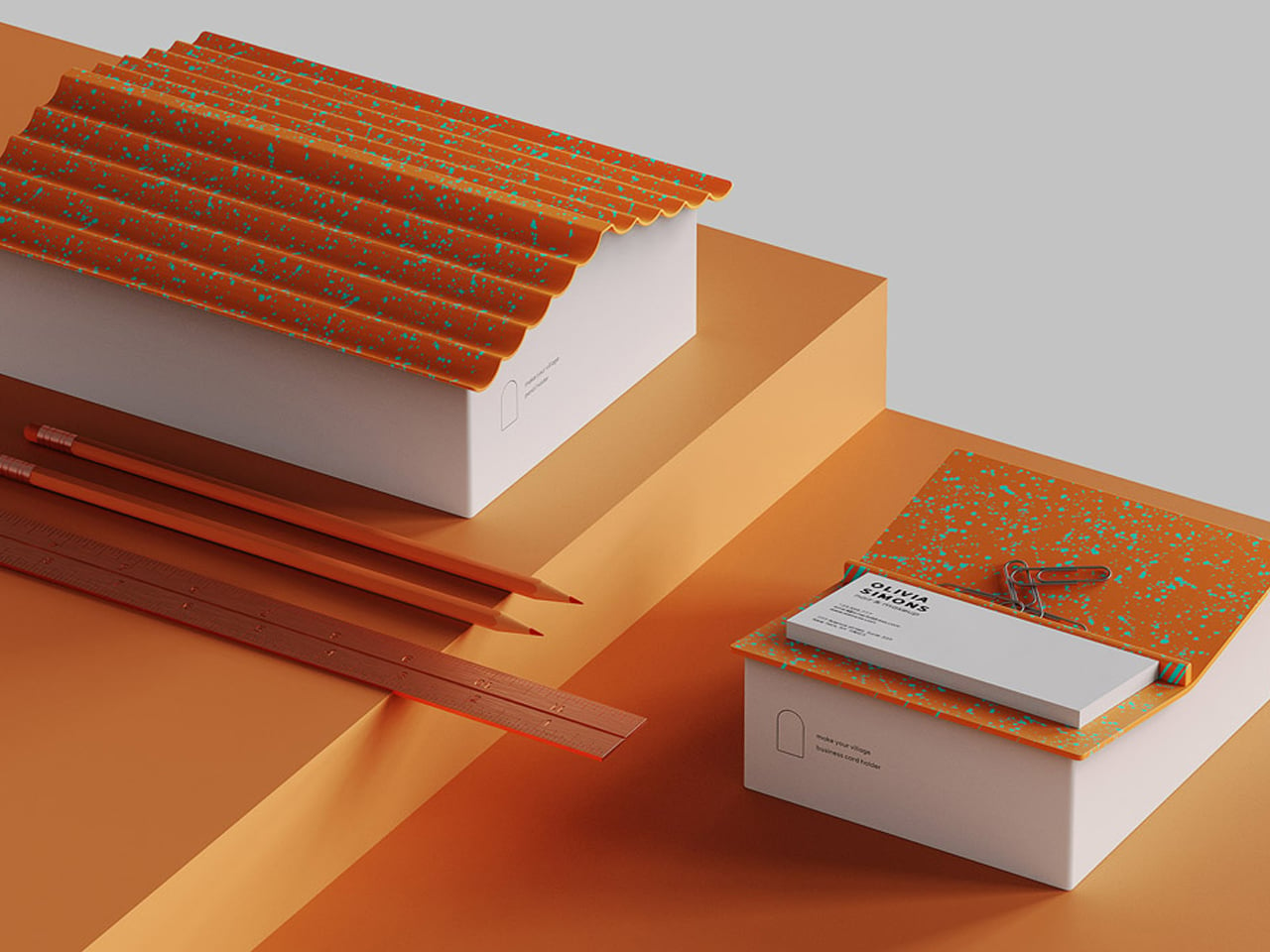
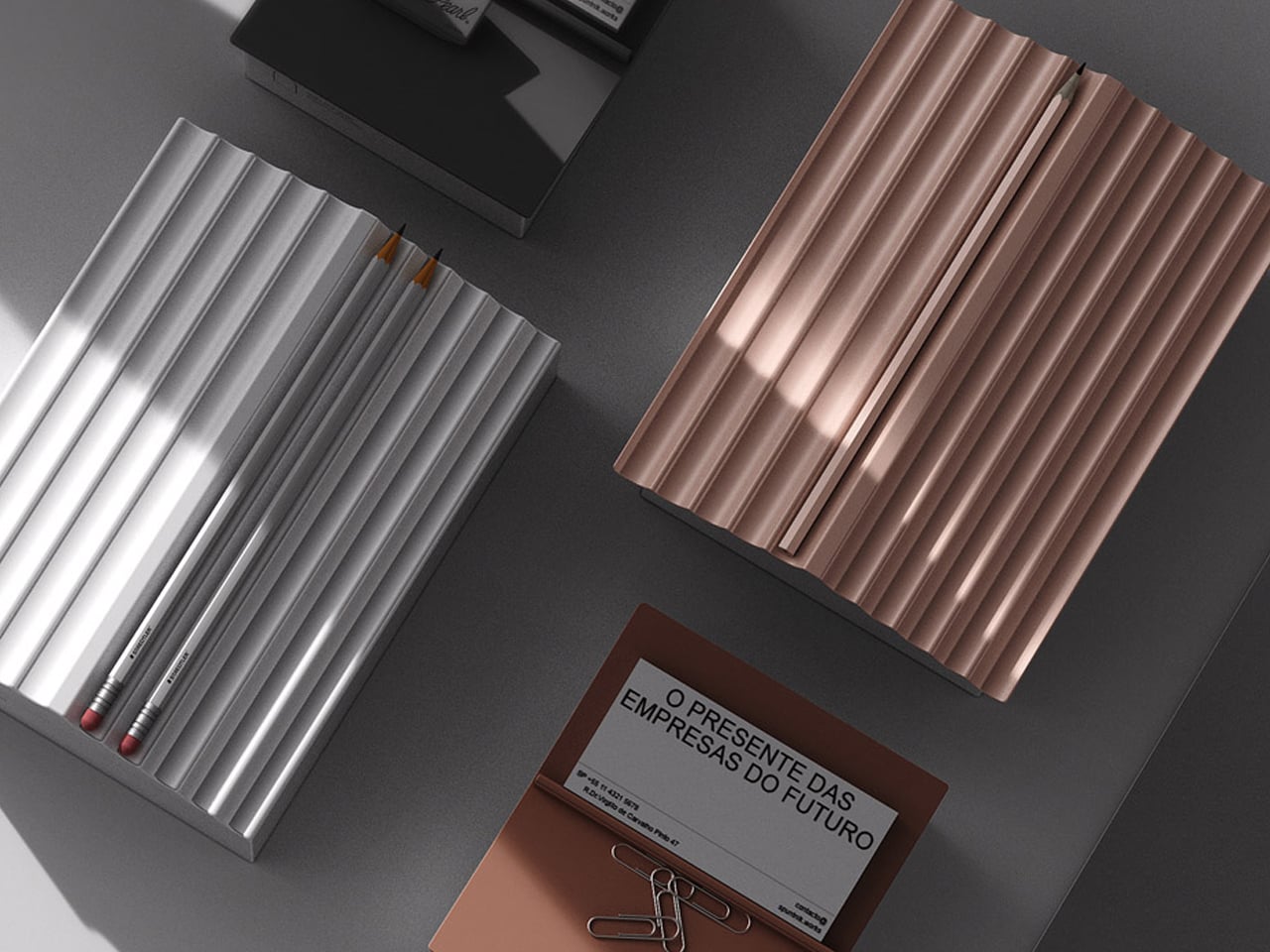
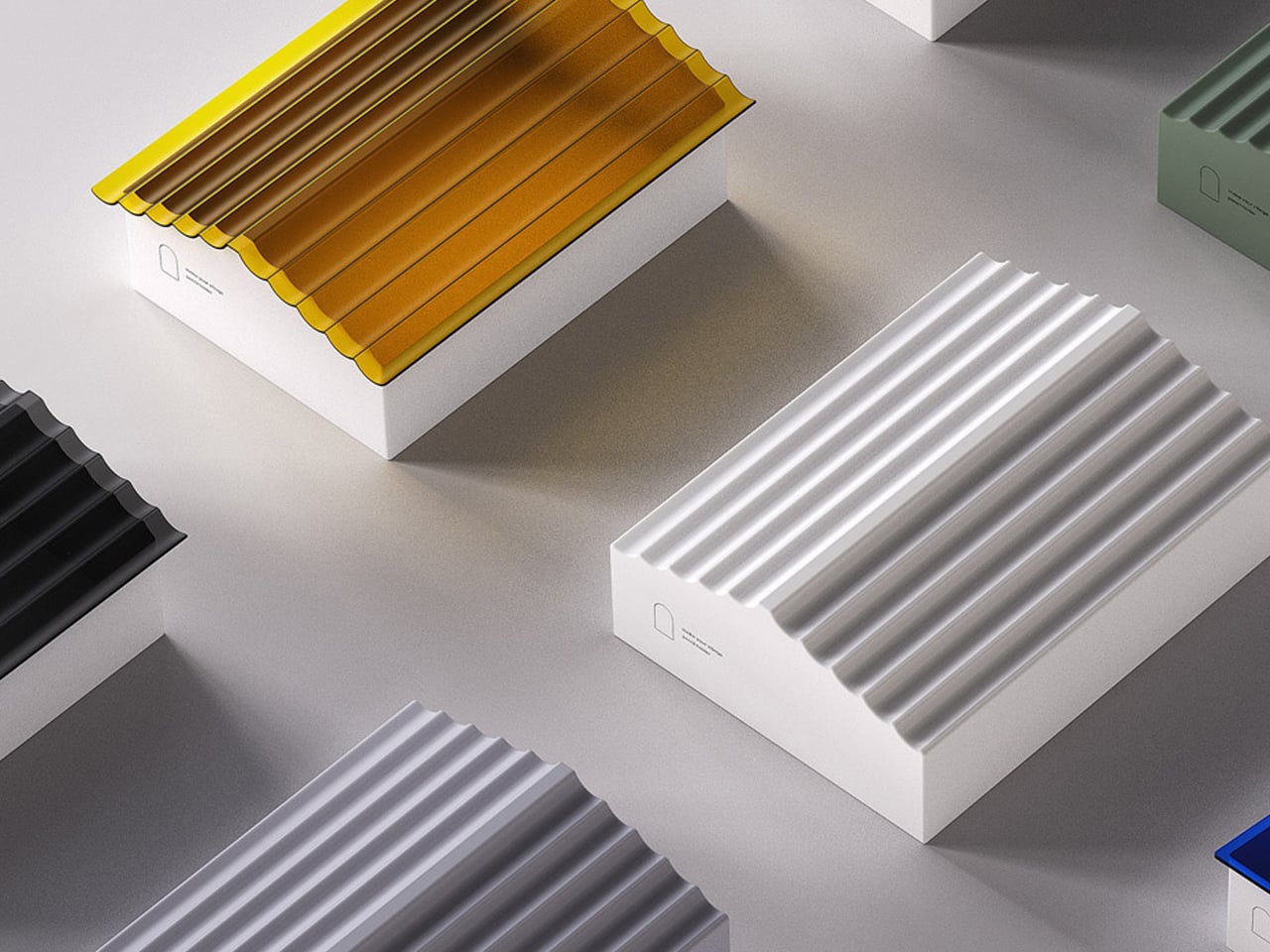
Industrial designer Jaekyoung Oh approaches desk organisation through the lens of product architecture rather than mere storage. The Small Town holder is conceived as a miniature built form, defined by a clear base structure and a pitched roof silhouette. The body functions like a compact architectural volume, solid, geometric, and carefully proportioned, while the slanted top incorporates linear grooves that transform pencils into structural elements.
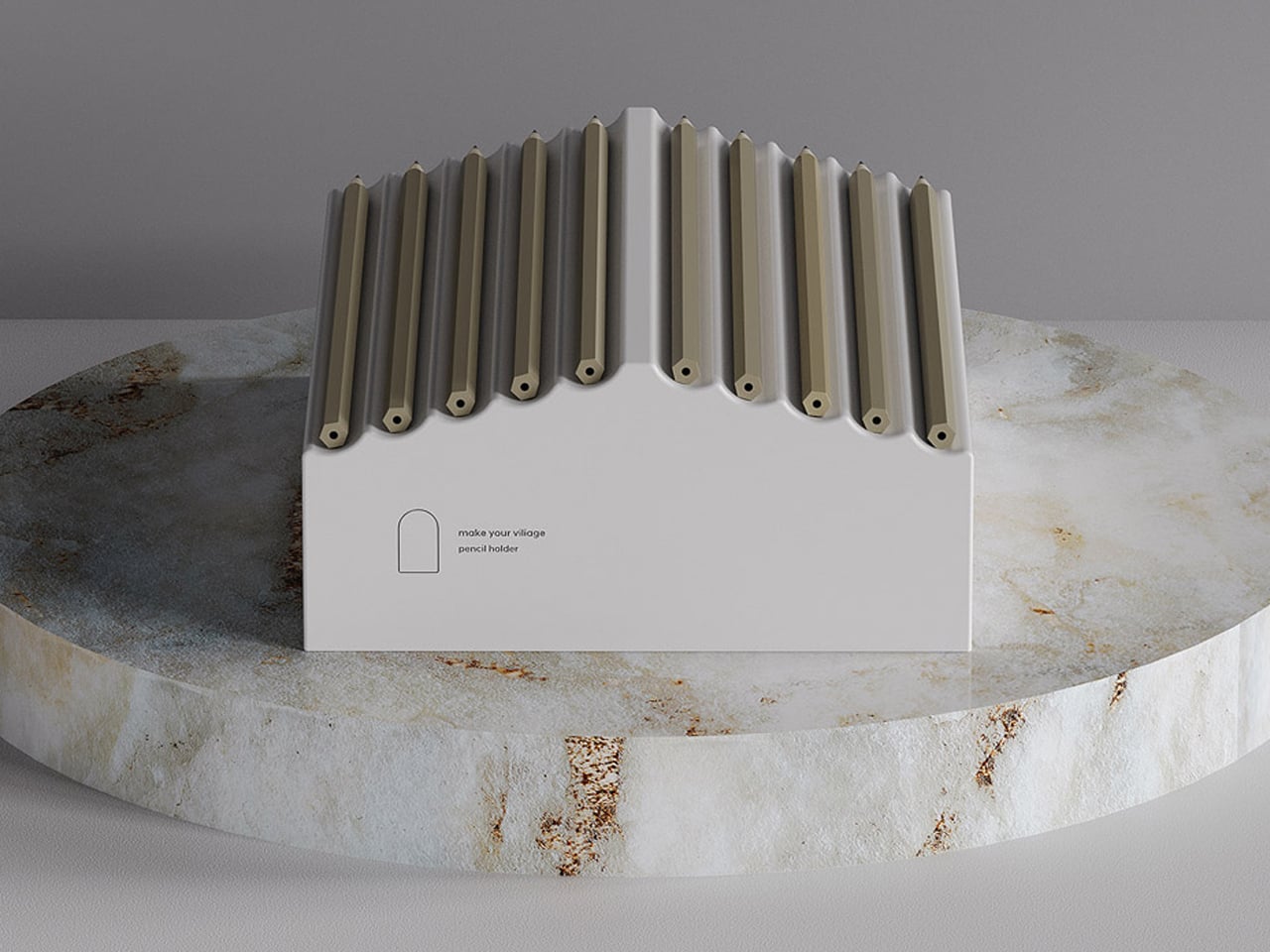
When inserted, the writing instruments complete the roof plane, turning everyday objects into integral components of the design’s framework.
The architectural logic continues in its modular potential. Multiple units can be arranged side by side, forming a cohesive streetscape across the desk. The repetition of gabled forms creates rhythm, alignment, and spatial order, much like a row of townhouses. Even without the pencil roof, the hollow interior operates as a contained volume for smaller stationery, maintaining both structural clarity and functional efficiency.
4. The Zoomorphic Design Trend
Nature-inspired design is embracing a distinctly playful yet sophisticated direction through animal-influenced forms. Rather than producing overtly cute novelties, designers are crafting elegant silhouettes that subtly reference wildlife.
These zoomorphic objects introduce warmth, character, and a sense of gentle storytelling to the workspace. They soften the often sterile mood of digital environments, reconnecting the desk with organic shapes and emotional familiarity.
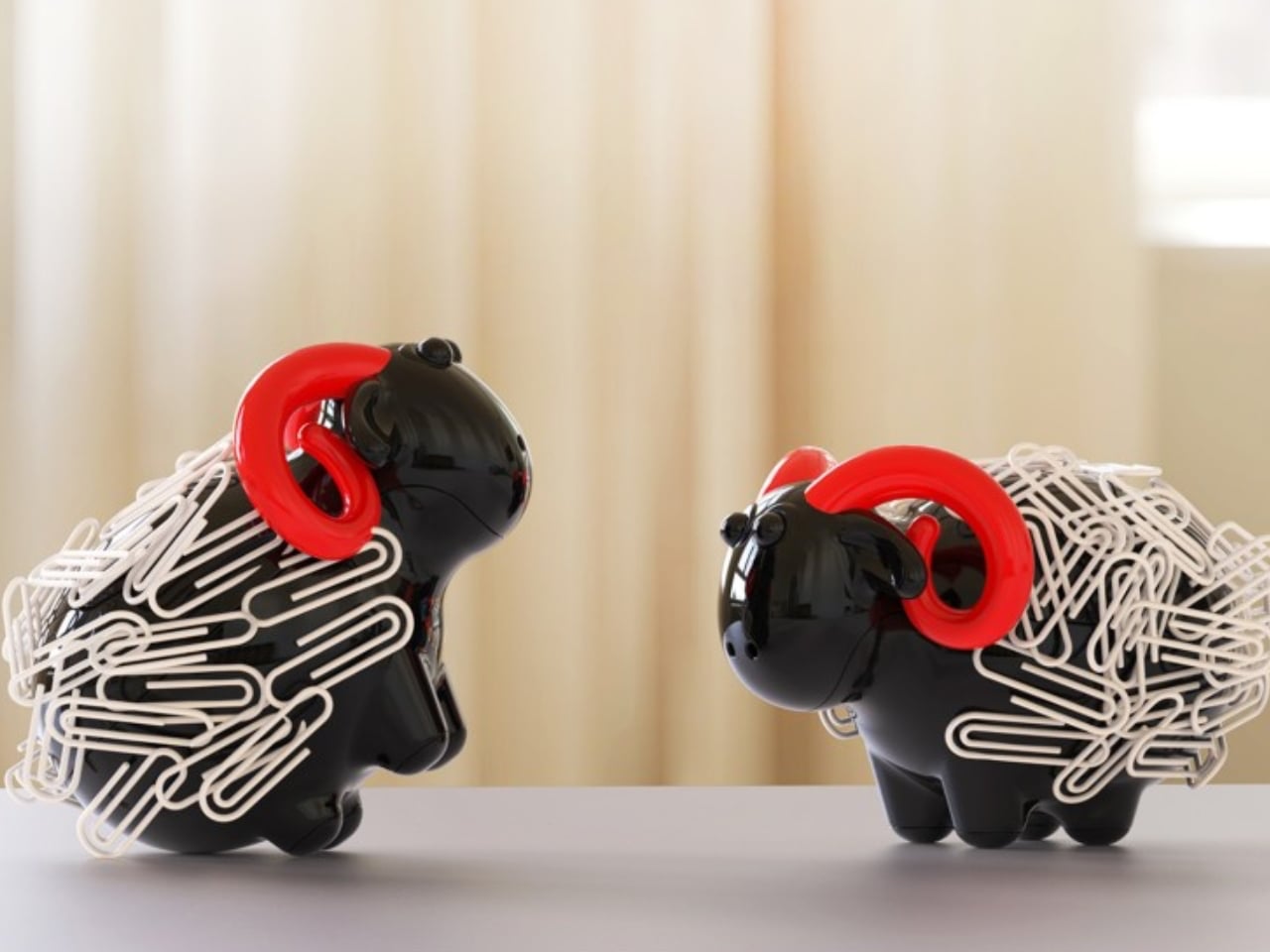

Shearing Magnetic Absorption, designed by Xin Se, is a compact magnetic paper clip organizer shaped like a simplified sheep. The product integrates a magnetic core within its sculpted body, allowing paper clips to attach directly to its surface. Rather than storing clips inside a container, the design uses them as a visible, textural layer that forms the sheep’s “wool.” This surface-based storage system keeps clips consolidated, accessible, and neatly displayed.


The form is minimal and carefully proportioned, avoiding excessive detailing while maintaining a clear and recognizable silhouette. Its small footprint makes it suitable for desks of any size, while the magnetic mechanism ensures functionality without mechanical complexity.
5. Modular Lego Design
Play has reemerged as a powerful design language through Lego-inspired stationery and desk tools. Functional rulers, organizers, and toolboxes now adopt the logic of interlocking systems, encouraging users to assemble and customize their workspace. What once belonged purely to childhood is being reinterpreted with precision, durability, and modern aesthetics.
This approach blends nostalgia with utility. Modular components offer flexibility, adaptability, and a deeply tactile experience. The act of rearranging pieces becomes productive and a satisfying experience.
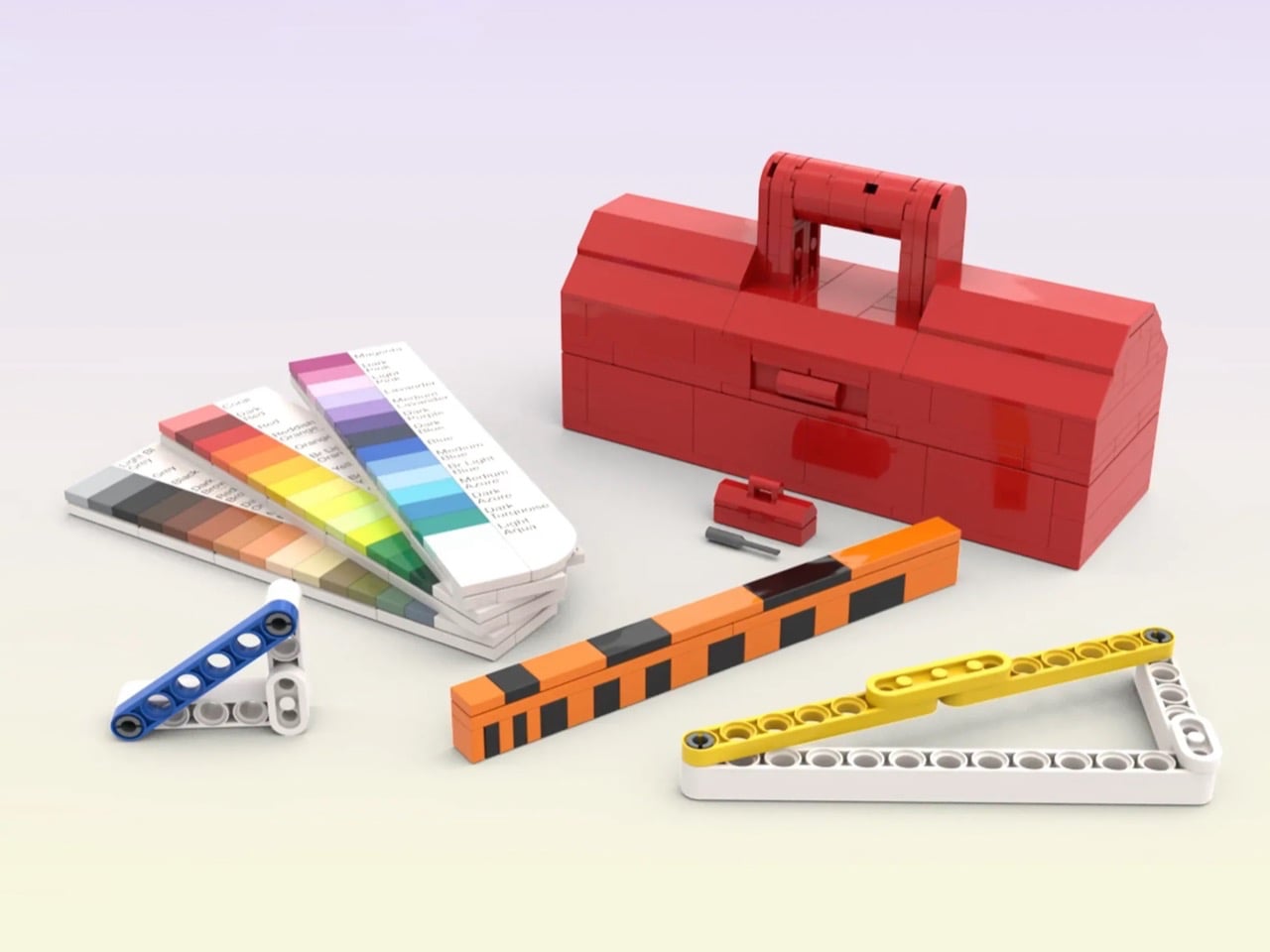
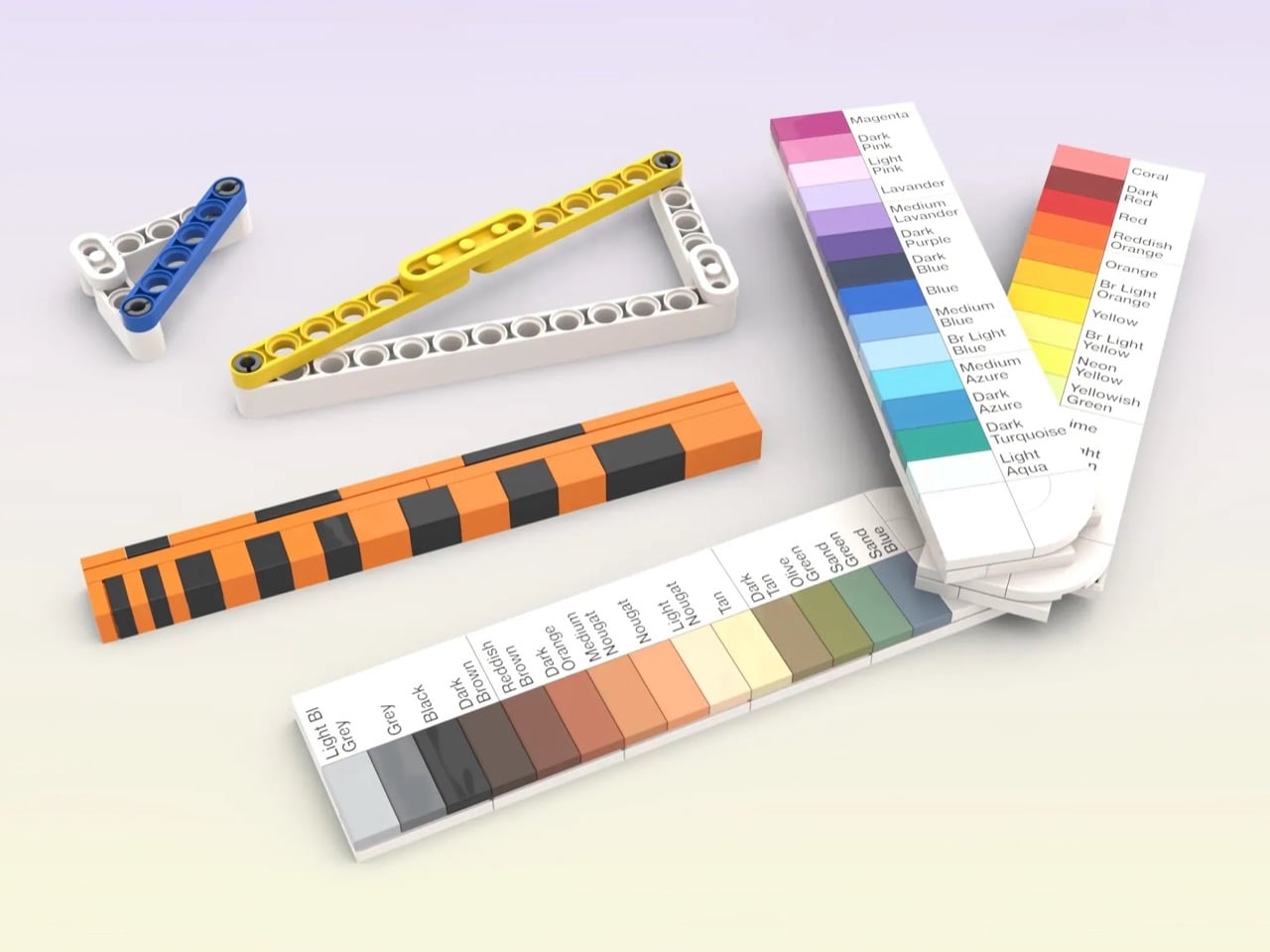
Inspired by the classic minifigure accessory from LEGO, this upscaled toolbox by luc.afol transforms a miniature object into a fully functional builder’s kit. The product retains the recognizable toolbox silhouette but scales it to a practical size, complete with an opening lid and structured internal storage. Designed specifically for AFOLs and MOC creators, it serves as a dedicated toolkit tailored to the precise demands of brick construction.
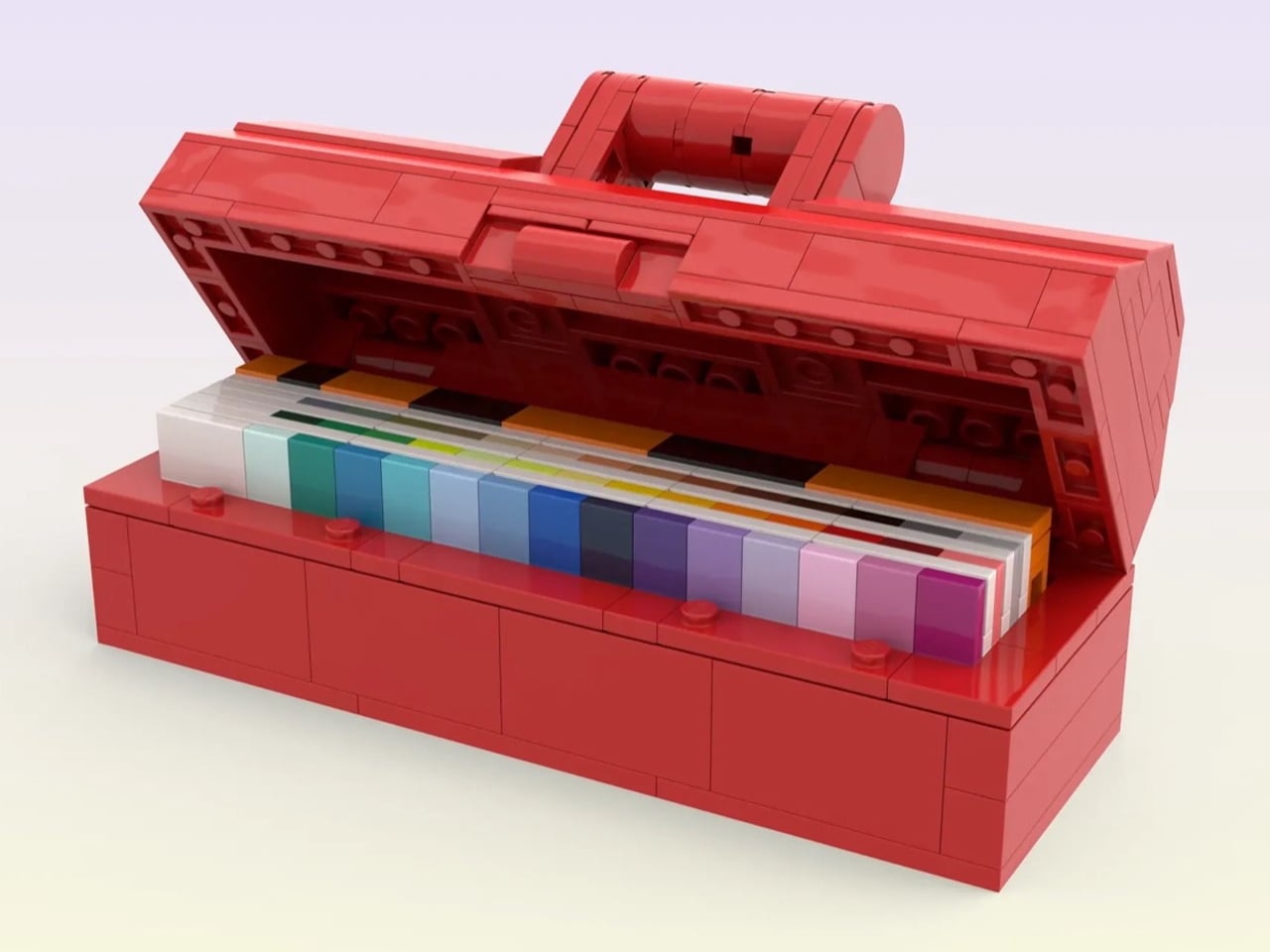
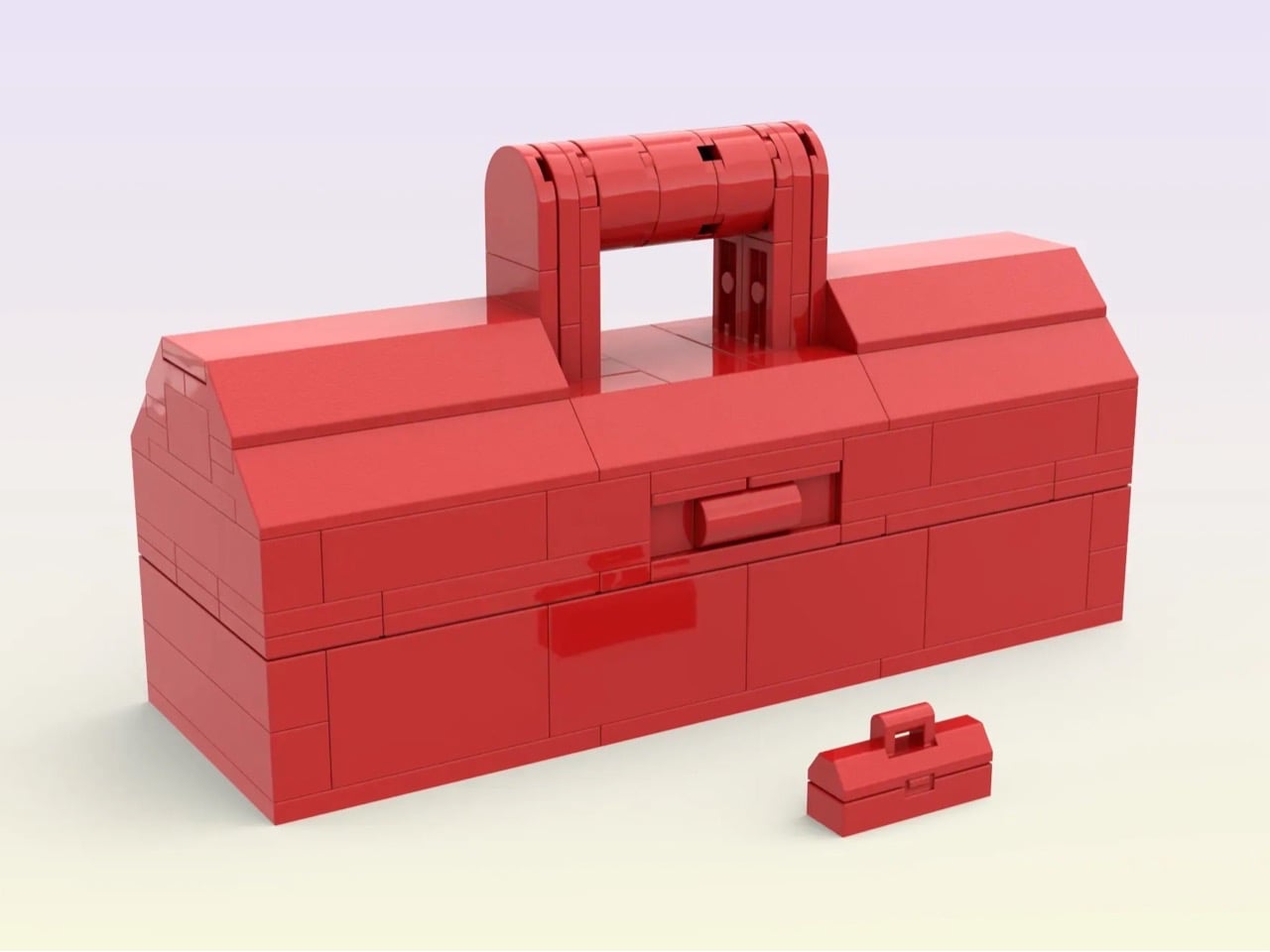
Inside, the toolbox houses a curated set of brick-built instruments: a foldable color sampler with labeled LEGO solid colors for accurate selection, a stud-calibrated ruler for precise alignment, and hinged triangle rulers constructed with Technic elements for angular measurement. Each tool is engineered to work within LEGO’s grid system, prioritizing measurement accuracy, portability, and compact storage.
Editor’s Choice – Rockstar Guitar Scissors
Every so often, a design arrives that encapsulates everything a well-considered desk accessory should be. It challenges assumptions, earns its place through both form and function, and introduces a layer of personality that quietly transforms the workspace around it. The Rockstar Guitar Scissors earned this selection not for spectacle but for the seriousness with which they approach an unlikely brief. They represent exactly what this edit celebrates: the conviction that everyday tools deserve extraordinary design.
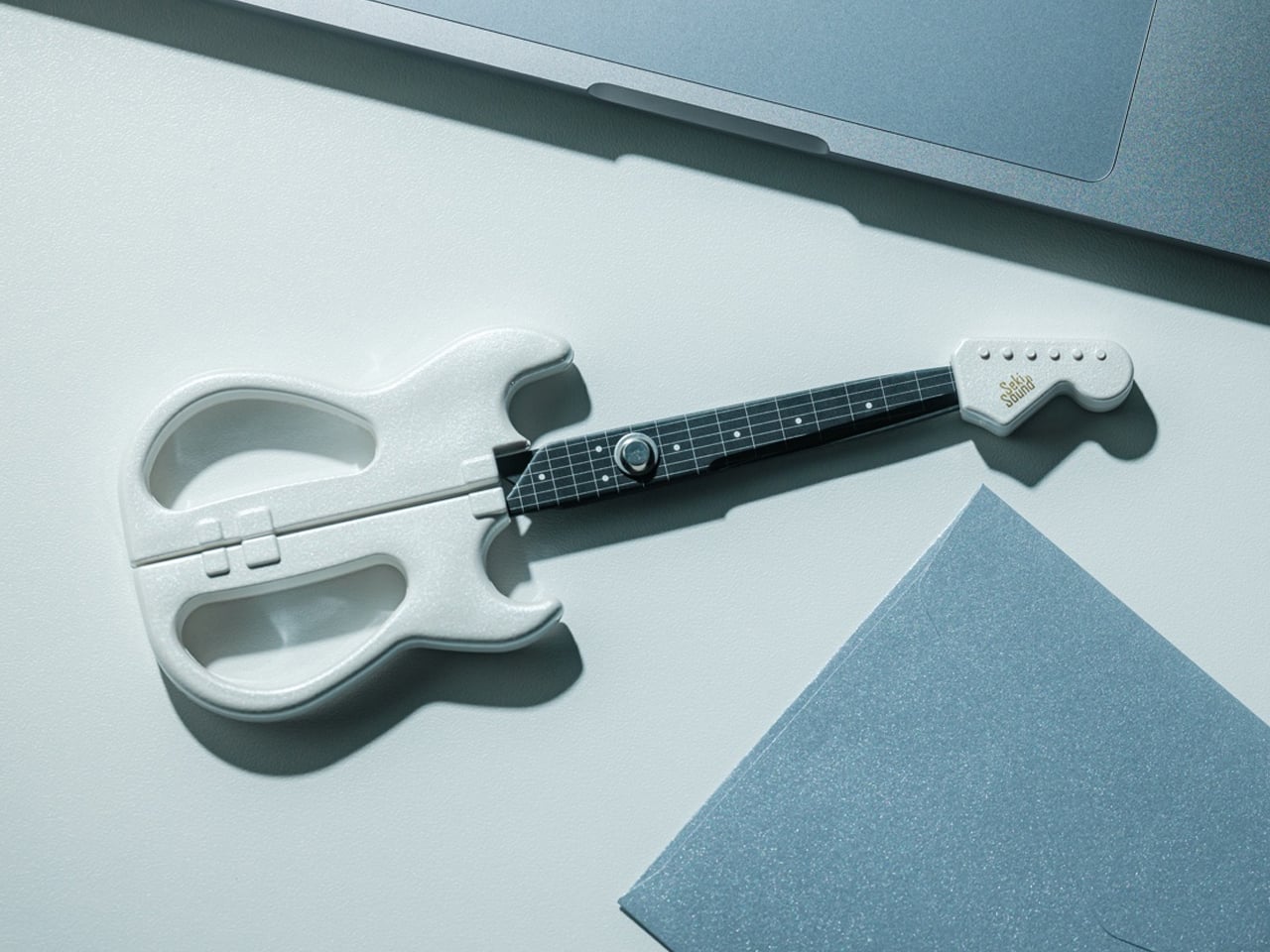
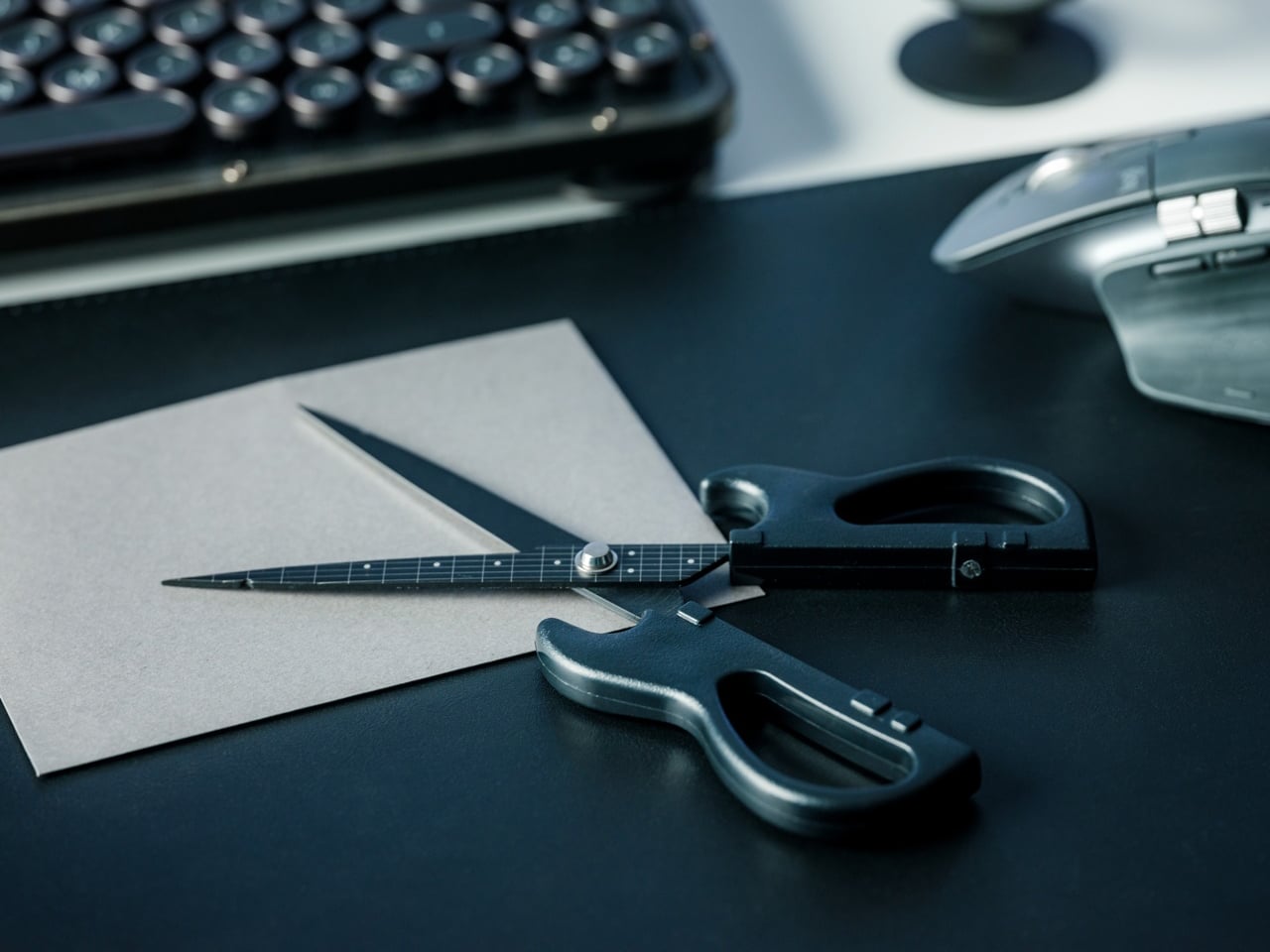
Not every desk accessory earns its place through function alone. The Rockstar Guitar Scissors justify their presence on both counts, arriving as a faithful reproduction of an iconic electric guitar silhouette and a precision cutting tool in the same breath. The body follows the exact curves of the original instrument, complete with six strings, a full fret count, and a contoured back that most replicas never bother to render. Sharpened by hand using the traditional Kobabiki method, the blades offer the kind of clean, lasting edge that makes every cut feel effortless. This is a piece worth keeping within reach, not stored away.
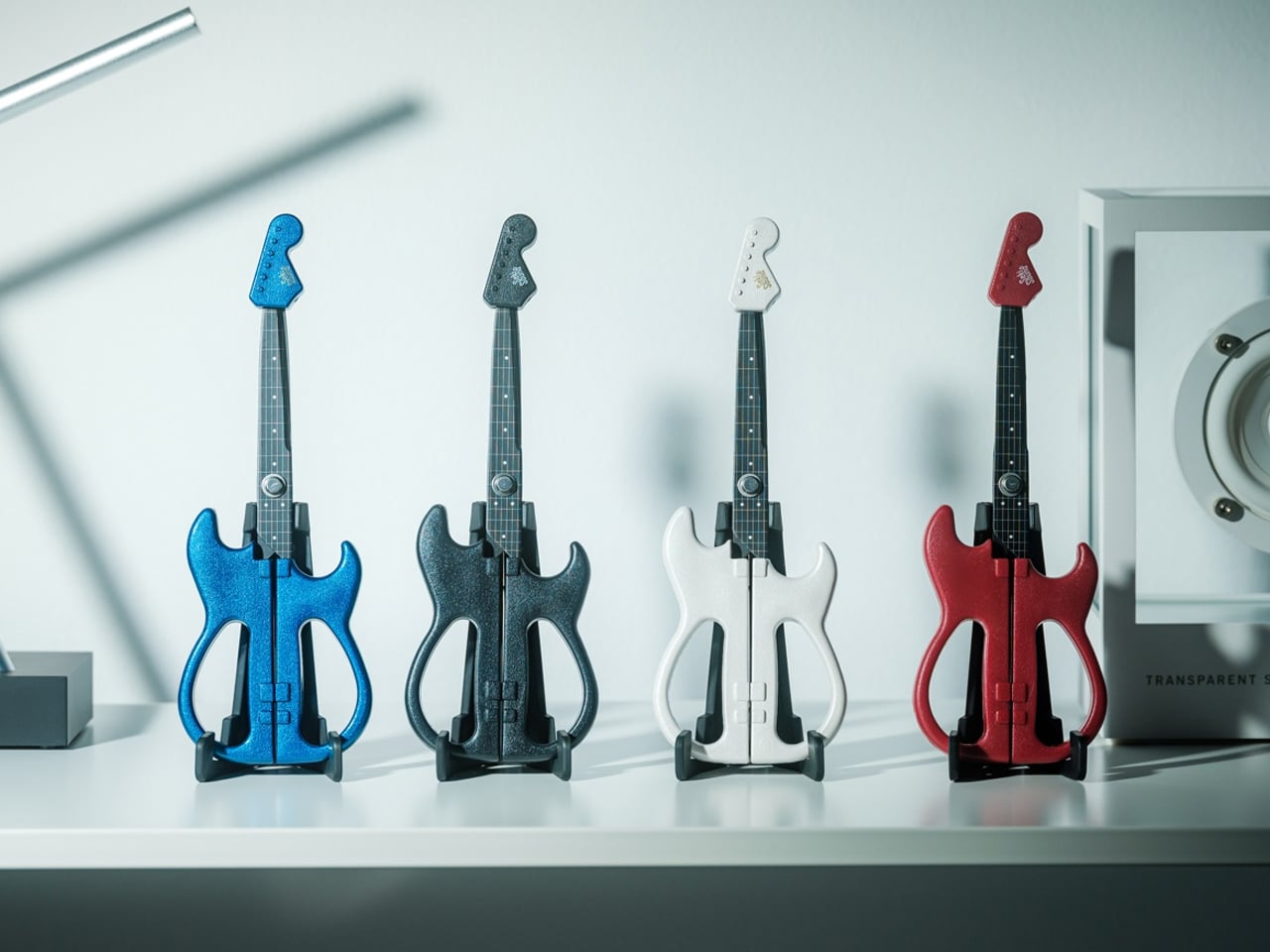
Owning an object that genuinely excites you changes how you engage with your workspace. The Rockstar Guitar Scissors tap into that principle with quiet confidence, offering a tool so visually compelling that routine tasks become reasons to pick it up. The elastomer stand keeps it displayed upright like a desk sculpture, while the ABS guitar head cap protects the tip and locks the scissors closed when not in use. Every detail has been resolved with intention, making this far more than a conversation piece. The Rockstar Guitar Scissor is the rare kind of stationery that earns a permanent place on your desk and a lasting impression on everyone who notices it, and is available for $29.
Playful stationery signals a new philosophy of work where function and emotion coexist. These thoughtfully designed objects transform desks into spaces of clarity, creativity, and personal identity. By embracing pieces that balance charm with engineering, productivity becomes more engaging and inspiring within everyday professional routines.