
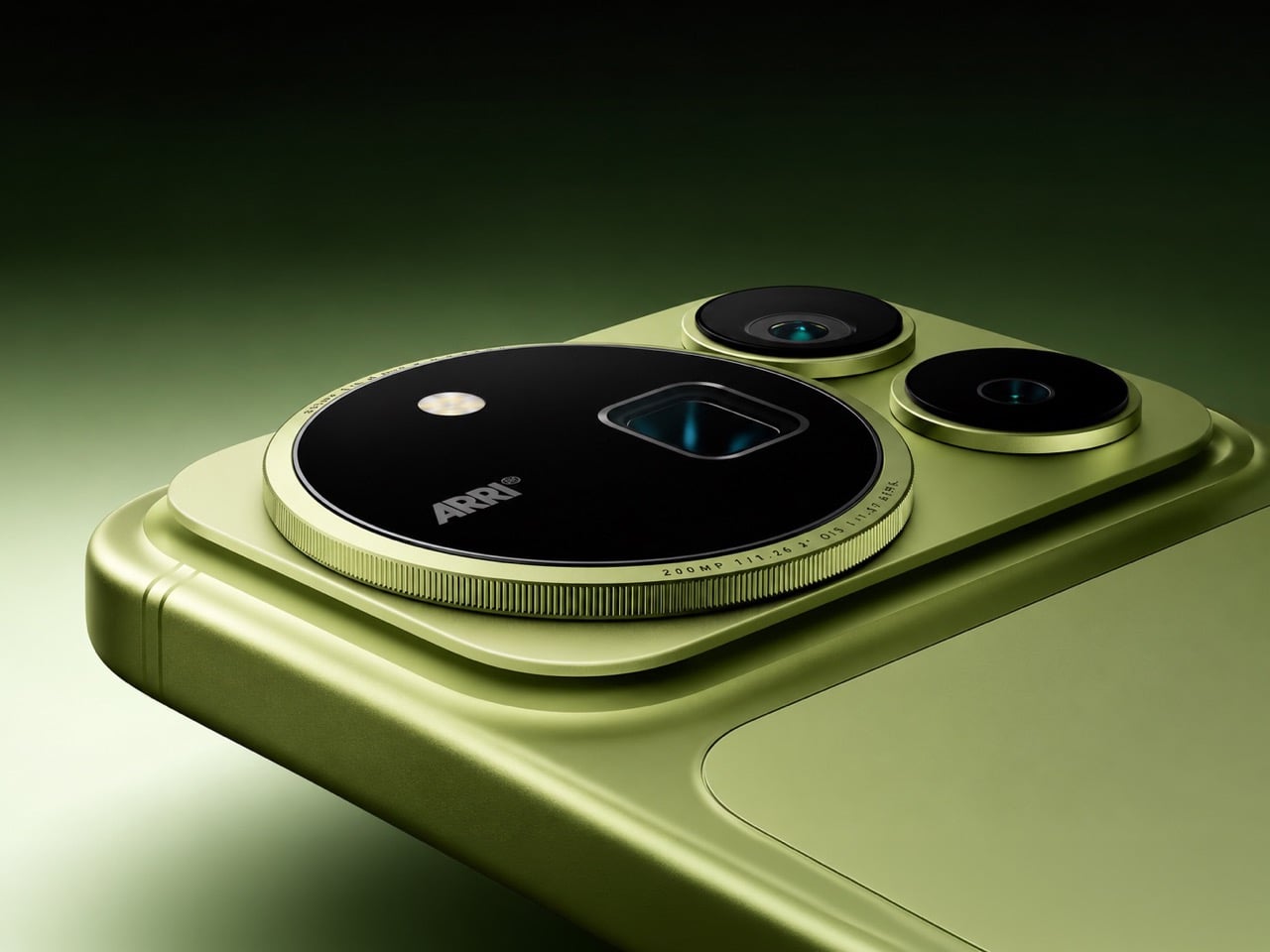
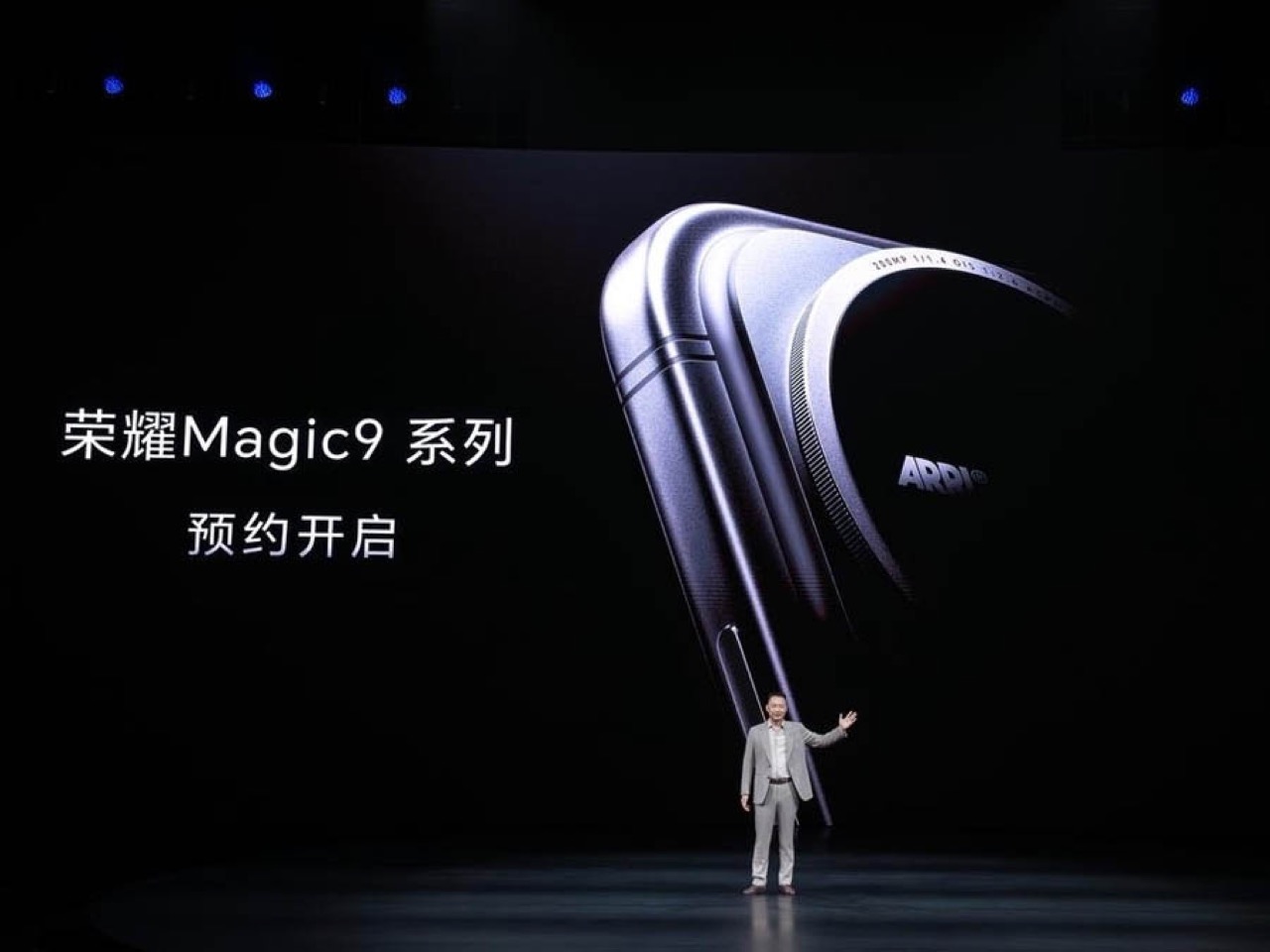
Honor apparently looked at a movie camera from 1937 and thought, yeah, let’s build for that. The Magic9’s camera module borrows its arrangement from ARRI’s iconic ARRIFLEX three-lens turret cameras, the design that shaped professional cinema for decades, translating into a 200MP main sensor, a 200MP periscope telephoto, and a 50MP ultrawide organized with actual compositional intent. It is a neat flex, dressing up a camera bump with nearly a century of cinema history. The phone launched in China on September 28 alongside the pricier Pro Max and the battery-heavy Super Edition, starting at RMB 5,000 for the 12GB/256GB version. Of the three models, the standard Magic9 makes the clearest design argument: serious camera ambition in a body that still wants to fit in a normal pocket.
Going fully flat at 6.37 inches while growing the battery to 8,000mAh and keeping the body around 8.5mm thick is a set of competing constraints Honor has not fully unpacked in public. The screen change also comes with a trade, stepping down from the Pro Max’s LTPO panel to a fixed 120Hz LTPS display. The base model runs the Snapdragon 8 Elite Gen 5, same as the previous Magic8, while the Pro Max moves to the newer Gen 6 platform. That gap is where a chunk of the price difference lives, and it makes the Magic9 feel less like a cut-down flagship and more like a very deliberate edit.
Designer: HONOR
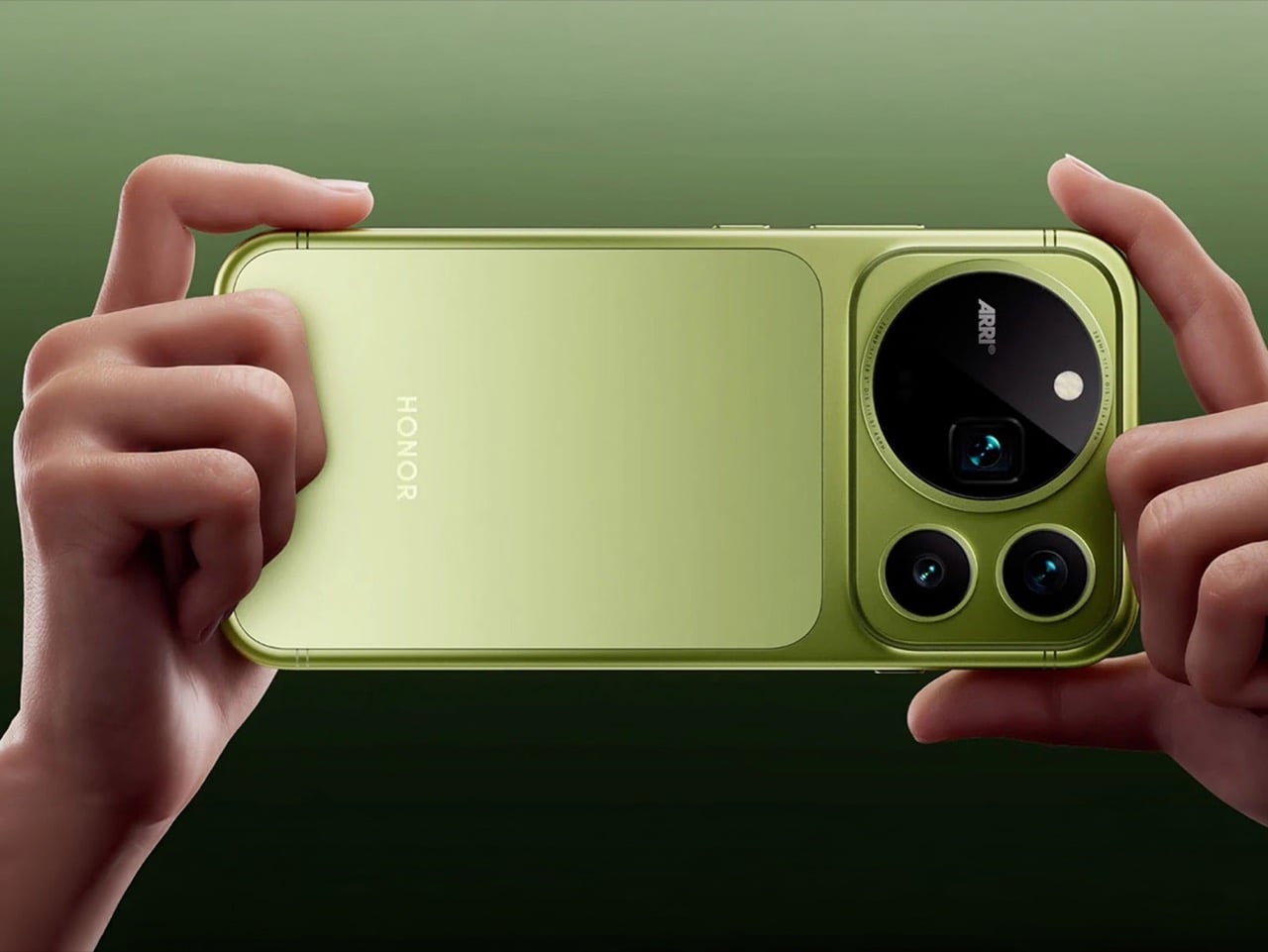
A camera bump with a film-school reference
ARRI’s ARRIFLEX, introduced in 1937, used a rotating three-lens turret that let cinematographers swap focal lengths quickly on set. That same 1+2 organizational logic now shows up in the Magic9 family, turning a smartphone camera island into something that feels arranged rather than merely installed. Most camera bumps look like a housing engineer gave up and drew a circle around the parts. This one feels like somebody actually cared where your eye lands first. That matters more than it sounds, because camera phones now live or die by how convincingly they present themselves as tools.
The raised module also has a practical side. On a smaller phone, finger placement gets messy fast, especially when a periscope camera and a big battery are competing for the same internal real estate. A high-set camera island can help keep fingertips away from the lenses during horizontal shooting, and the flat display helps too. Curved screens always looked sleek in renders, but a flat panel is easier to grip, easier to frame with, and less visually slippery at the edges. In a phone pitched around image-making, that kind of boring ergonomic win is actually the fun part.
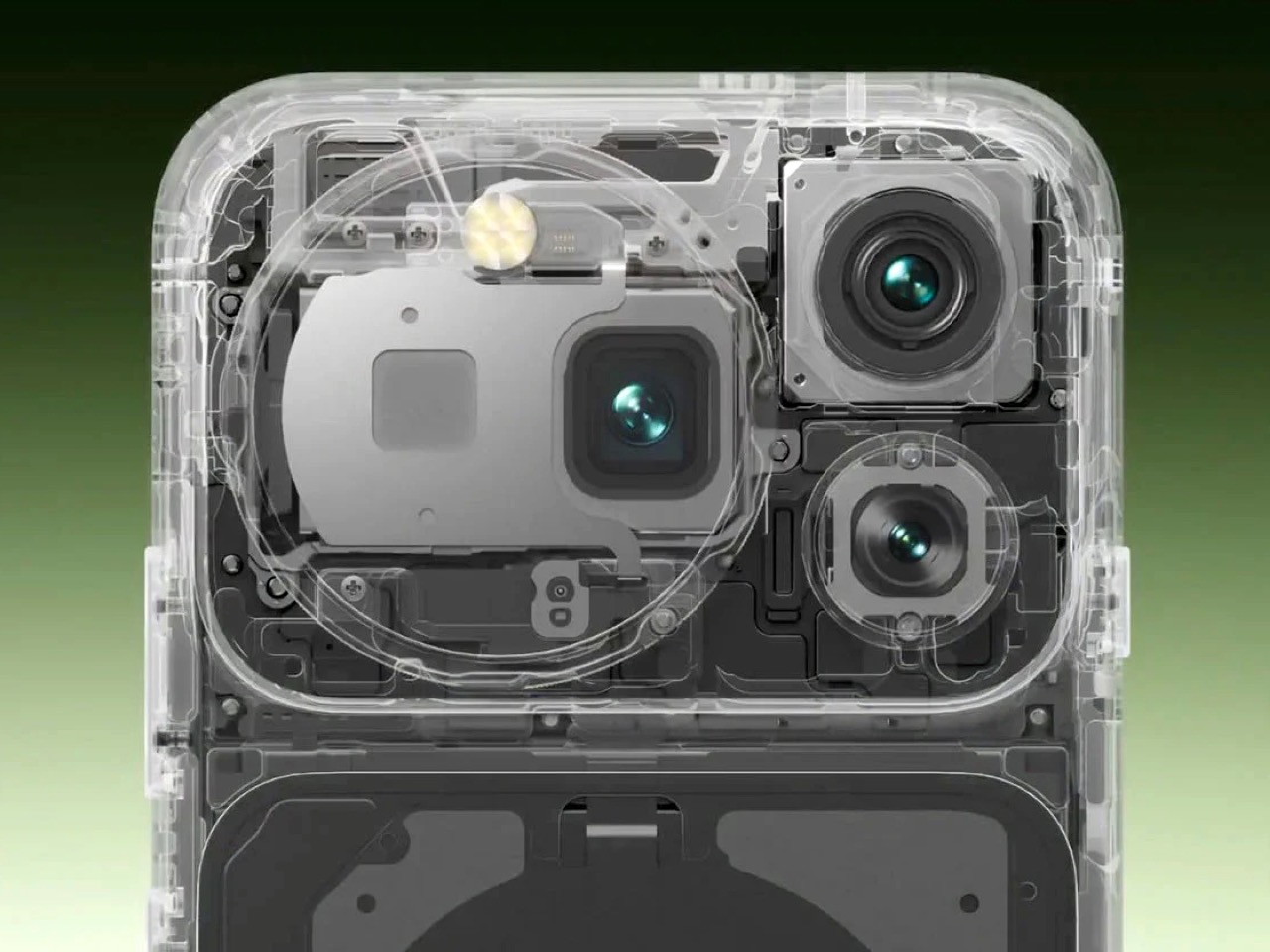
Dual 200MP cameras sound loud, but the details matter more
The base Magic9 pairs a 200MP main camera with a 1/1.4-inch sensor and f/1.9 aperture, plus a 200MP periscope telephoto with a 1/1.56-inch sensor and dual-prism design. A 50MP ultrawide completes the rear setup, while the front gets a 55MP square-format selfie camera designed for flexible vertical and horizontal crops. On paper, that is already enough to make most compact flagships sweat a little. The weirdly charming part is that Honor packed all of it into a 209-gram body, which is heavy enough to feel serious but still light enough that your wrist probably will not file a complaint by lunch.
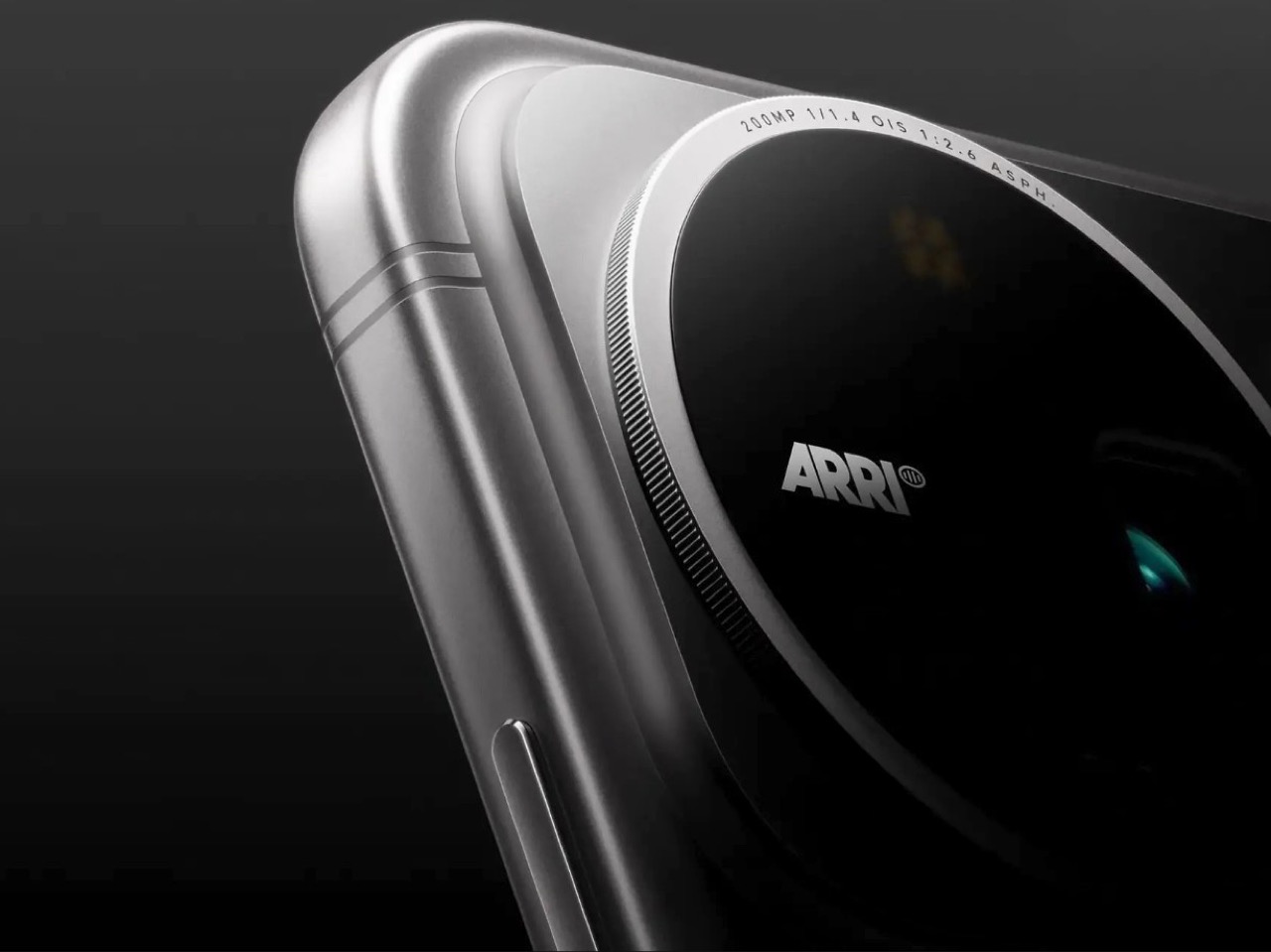
This is also where the ARRI partnership needs a little adult supervision. Honor’s Pro Max press material clearly confirms features like ARRI LogC3, 10-bit color, ARRI Wide Gamut 3, preset ARRI Looks, and a larger library of predefined color gradings. For the base Magic9, the public story is fuzzier. Coverage points to ARRI-tuned imaging and ARRI Looks across the series, but it is still not fully clear which cinema features carry over in full and which are more about color styling than deep capture control. So the safe read is this: the Magic9 definitely borrows some ARRI flavor, but the exact recipe still needs a proper hands-on.
The real compromise is not where most people will look
The easiest complaint is the chipset. The Magic9 uses the Snapdragon 8 Elite Gen 5 while the Pro Max gets the new Gen 6, and that immediately makes the base model sound like the one sitting at the kids’ table. In practice, this may be the smartest compromise in the whole lineup. Last year’s flagship chip is still plenty fast for 4K video, gaming, and daily use, and most people will feel the benefit of a bigger battery or better camera hardware far sooner than they will notice a one-generation jump in silicon. Spec sheet purists may clutch their pearls, but regular humans tend to notice battery anxiety before benchmark scores.
That trade-off becomes easier to respect once you look at what Honor did with the saved budget and space. The Magic9 still manages an 8,000mAh battery, 80W wired charging, 50W wireless charging, and a body that stays compact by current flagship standards. That is the part that makes this phone interesting from a design perspective. Honor did not try to win every category at once. It picked the categories that physically change how the phone feels in the hand and how long it lasts away from a charger. Honestly, that is a much more believable kind of ambition than the usual annual race to squeeze another chip name into a headline.
Compact now means choosing your priorities carefully
For years, “compact flagship” mostly meant a smaller battery and a camera system that got politely downgraded behind the scenes. The Magic9 flips that script a bit. It keeps the smaller 6.37-inch footprint, goes fully flat, hangs onto dual 200MP cameras, and stuffs in an 8,000mAh battery that sounds almost fake until you see it listed next to the weight. The cost of all that is visible in the panel tech and the older chip, and maybe that is exactly why the phone works as a concept. Every compromise is attached to something tangible on the other side.
That is what makes the Magic9 more interesting than a generic launch story about megapixels and brand partnerships. It feels like a phone designed by subtraction, where Honor kept asking what could be trimmed back so the body could hold onto the stuff people actually touch, carry, frame, and recharge. Whether the ARRI connection turns into genuinely better footage or just cooler color science remains to be tested. But as an object, the Magic9 already lands its point pretty clearly: if you want a compact camera phone in 2026, the real challenge is not making it smaller, it is deciding what deserves to stay big.