Stress relief gadgets usually look like what they are: cheap plastic toys designed to be squeezed, spun, or clicked until they inevitably break. Most fidget devices prioritize function over form, leaving you with something that works but looks completely out of place on your desk or bookshelf.
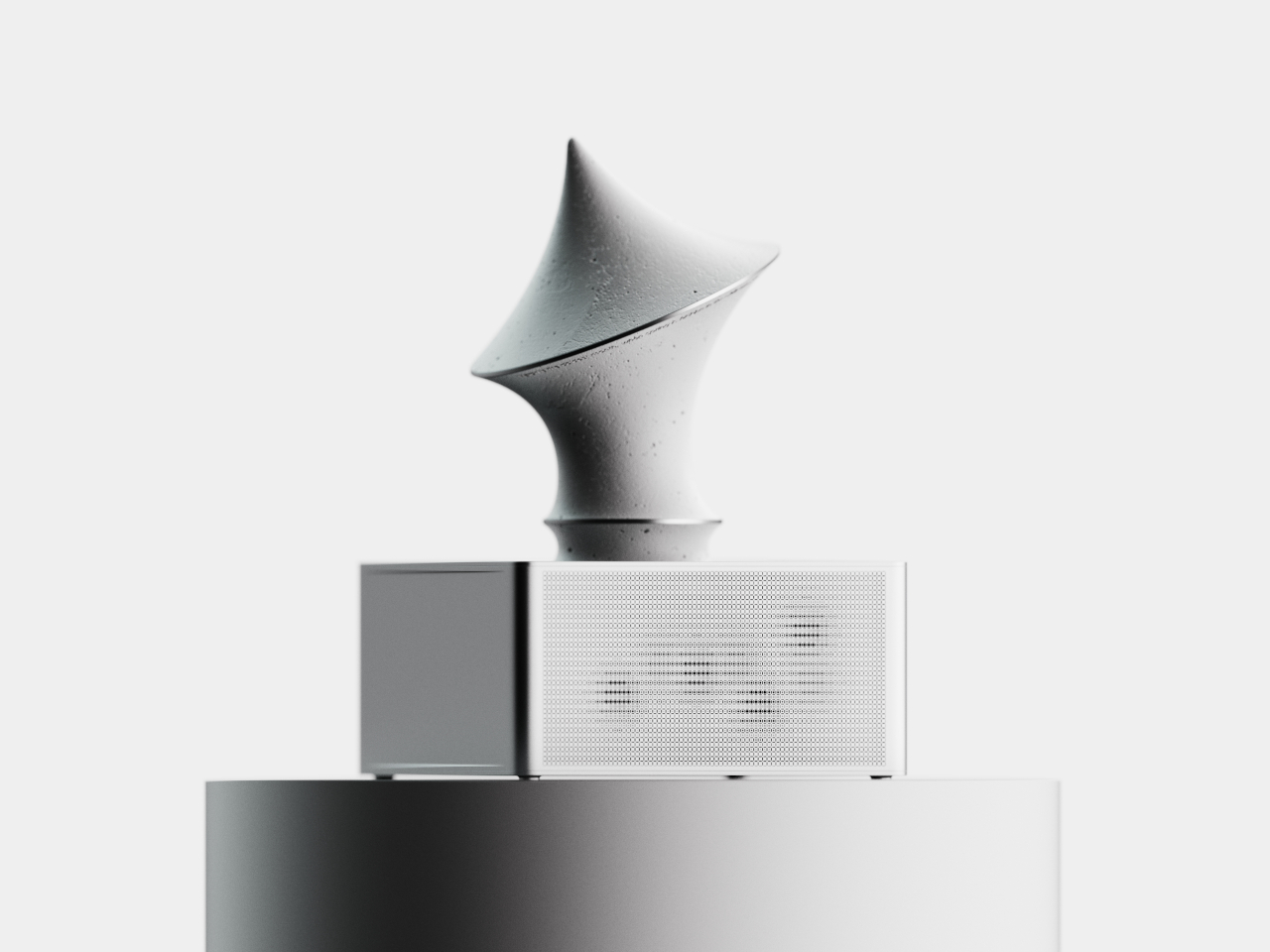
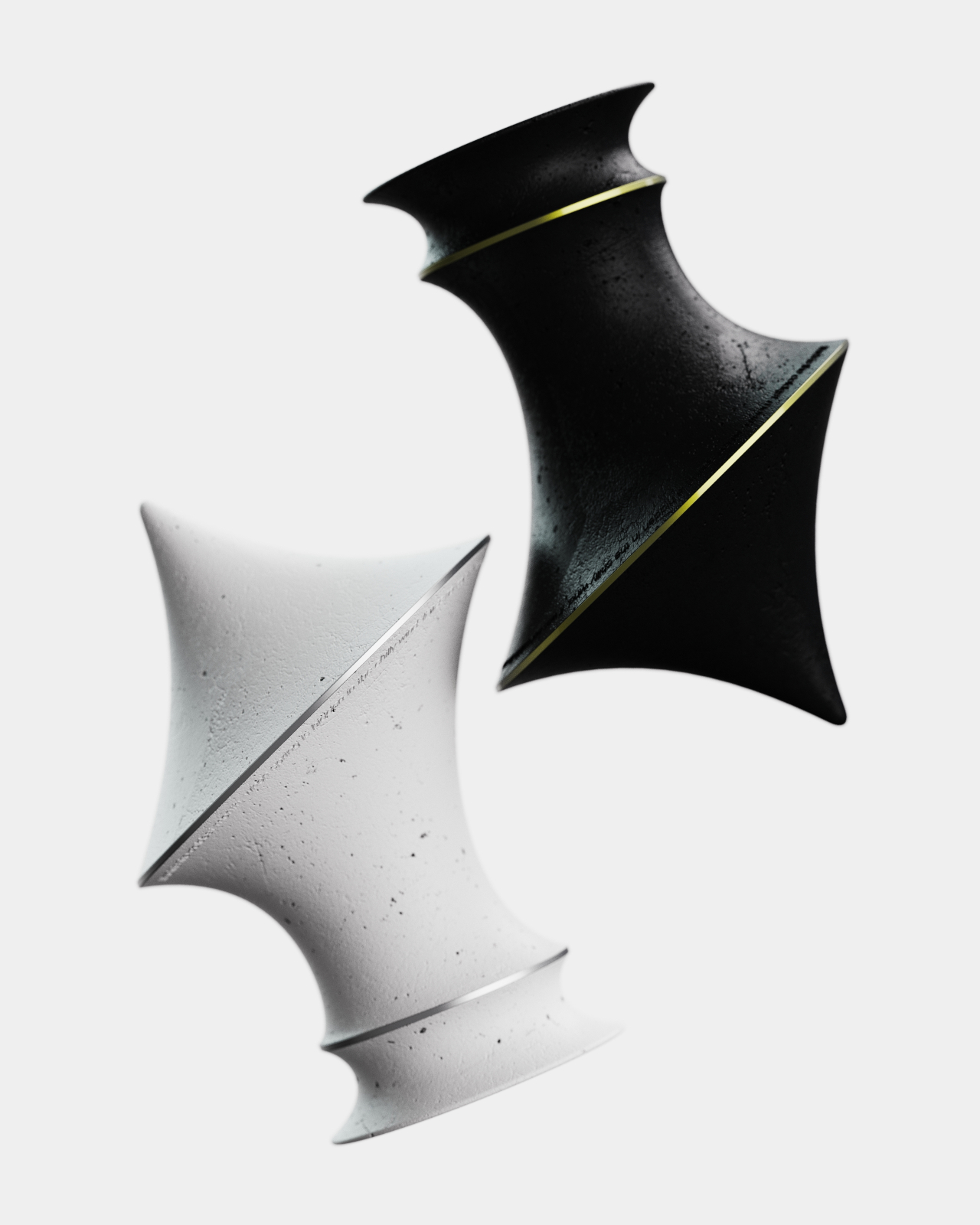
The TROPHY concept takes a completely different approach to mental care products by disguising stress relief as sculptural art. This portable device looks more like a modern art piece or an elegant trophy than a typical fidget toy, making it something you’d actually want to display in your home or office.
Designer: Mingi Cho
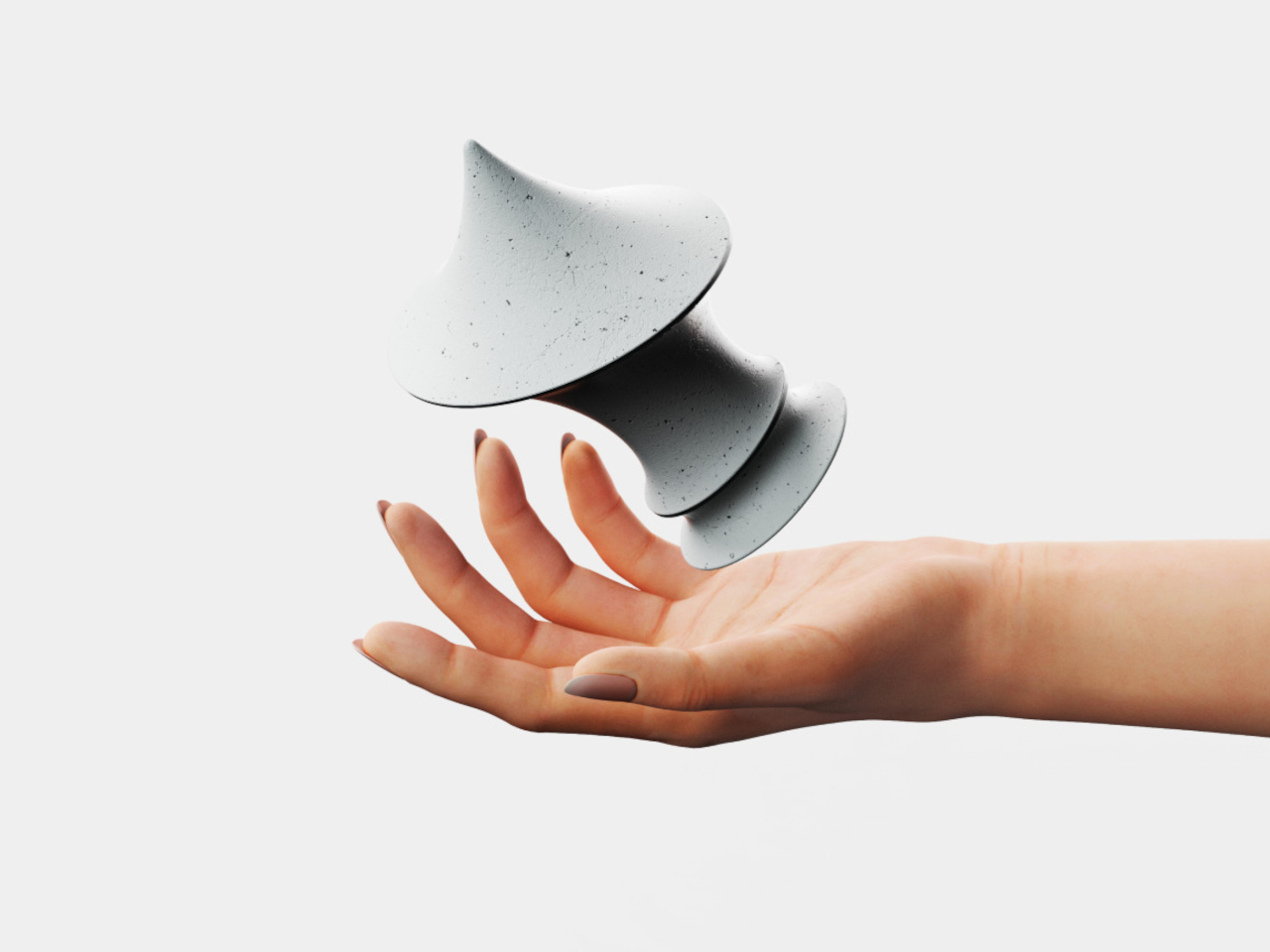
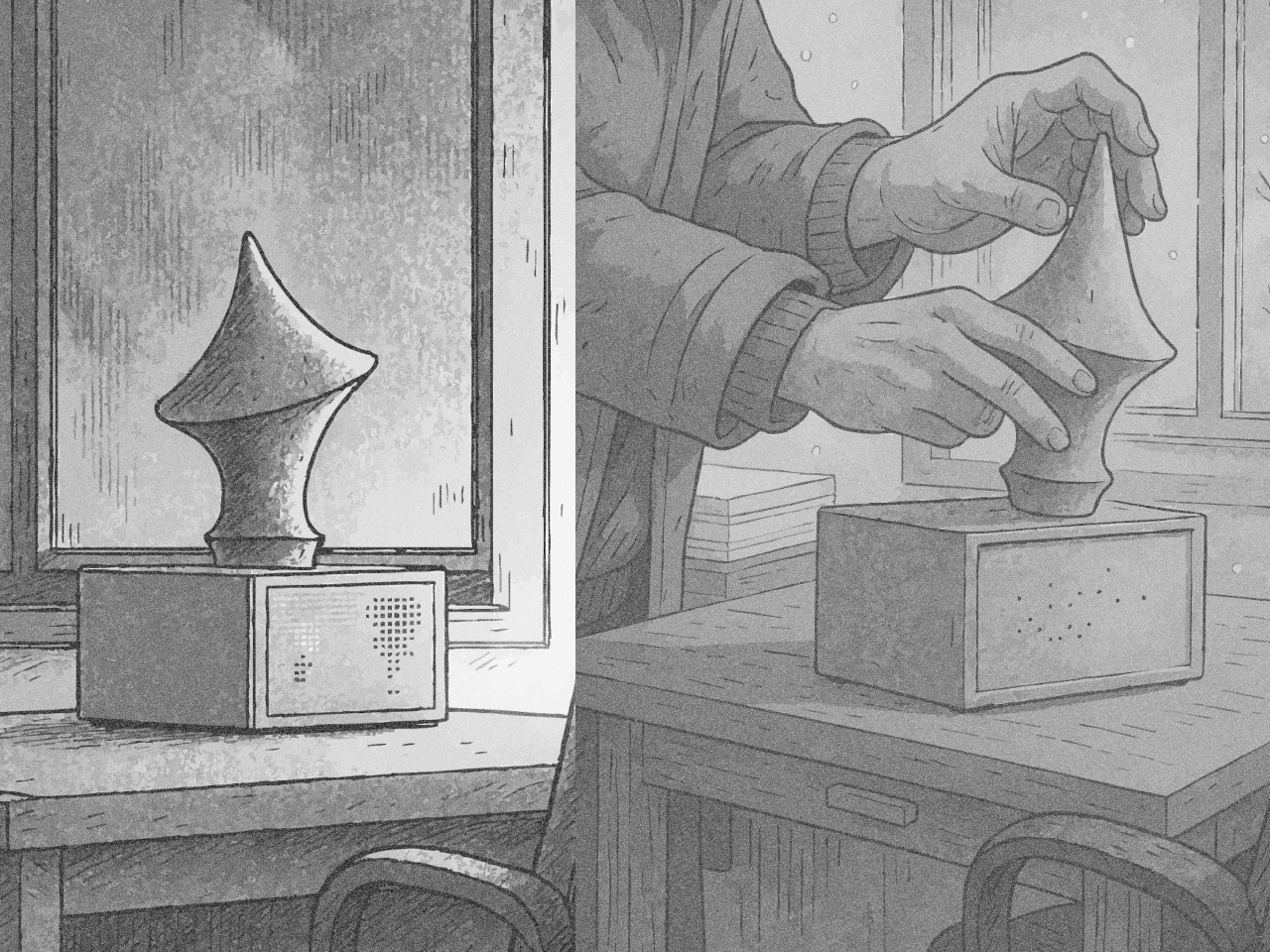
TROPHY works by combining the proven benefits of tactile stimulation with intentional design aesthetics. Users can hold, grip, and manipulate both the trophy-shaped object and its textured metal stand, using physical movement and touch to help manage negative emotions and stress. The concept leverages acupressure principles and the playful elements found in fidget toys, but packages everything in a form that feels sophisticated rather than childish.
Research supports the effectiveness of tactile fidget tools for emotional regulation. Studies have shown that stimulating the tactile system can help improve sensory processing along with related emotions and behaviors, particularly for people dealing with anxiety or attention challenges. Physical movement, even small tactile actions, releases dopamine and norepinephrine, which can increase attention and help sharpen focus.
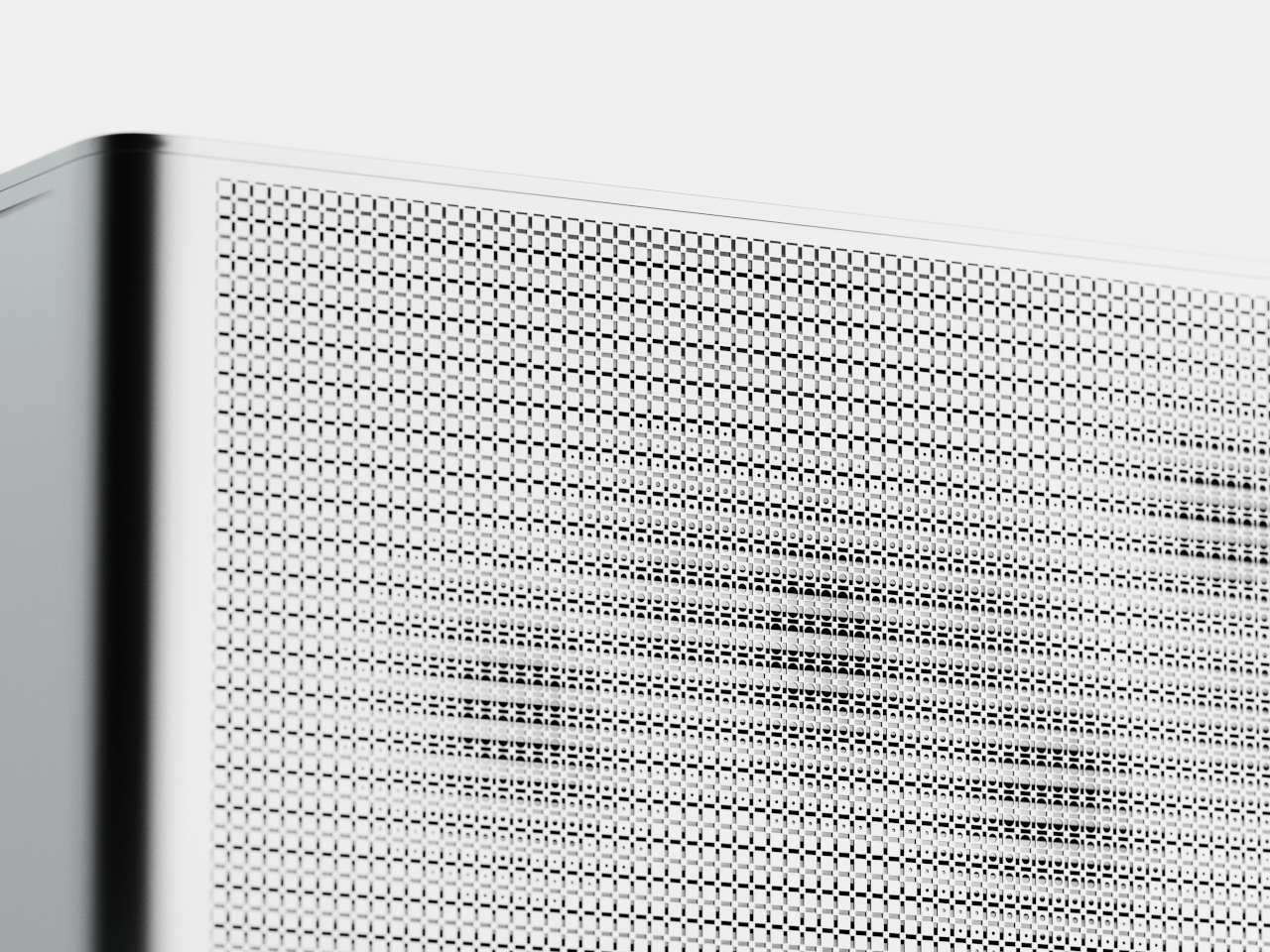
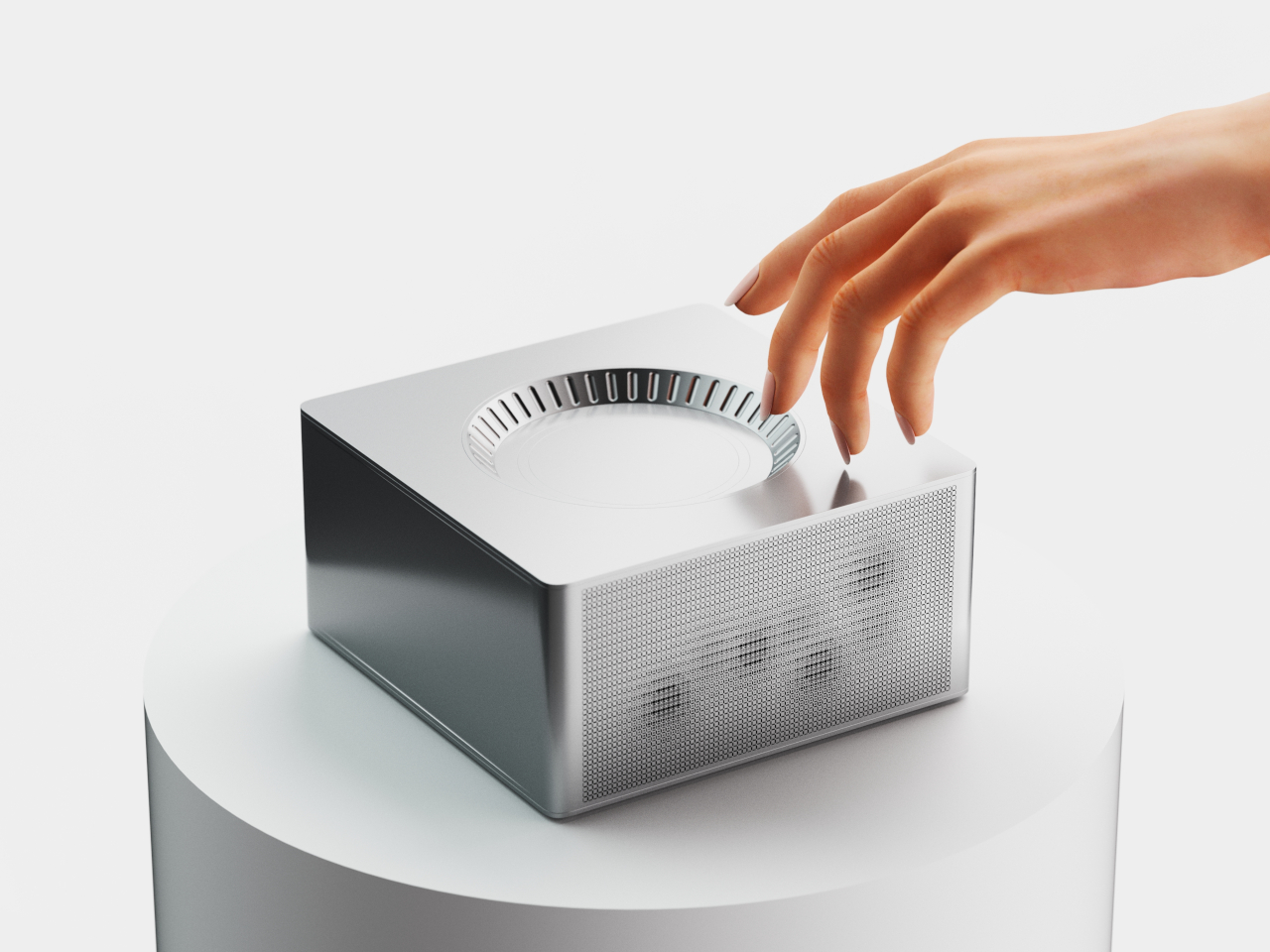
The analog approach feels refreshing in a world saturated with app-based wellness solutions and digital mental health tools. Instead of requiring screens, notifications, or connectivity, TROPHY relies entirely on physical interaction and sensory feedback. The device provides responsive communication through vibration, haptics, and rotation, creating a more immediate and tangible experience than smartphone-based stress management apps.
What makes TROPHY particularly clever is how it addresses the social stigma often associated with stress relief tools. Traditional fidget toys can look unprofessional or childish in adult environments, but this sculptural approach allows users to engage in stress management without drawing unwanted attention or feeling self-conscious about their coping mechanisms.
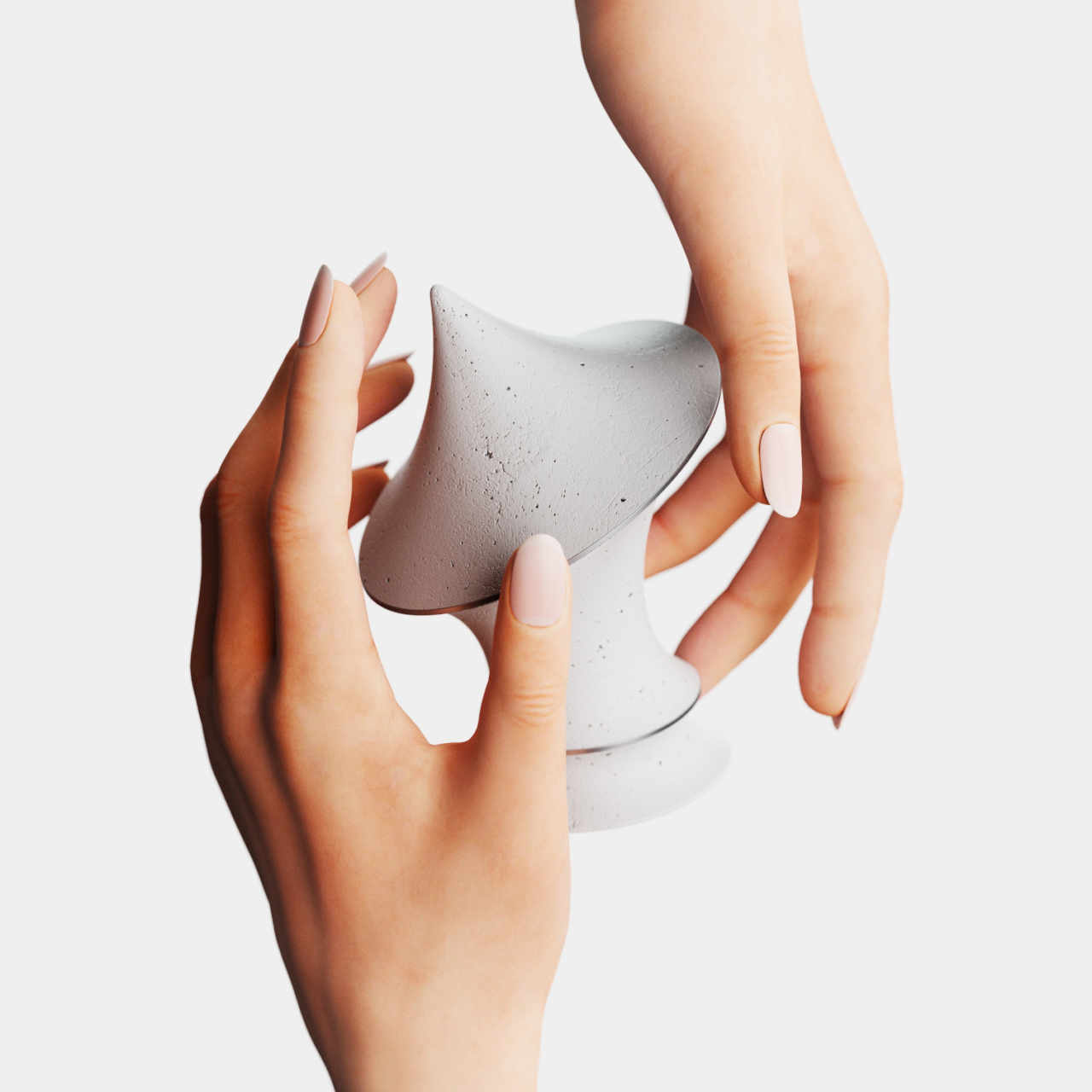
The concept’s tagline, “Things that never come back,” hints at the temporary nature of stress and negative emotions. By providing a physical outlet for these feelings, TROPHY encourages users to acknowledge their stress, engage with it through touch and movement, then let it go rather than carrying it around mentally.
The textured surfaces on both the trophy and its stand invite exploration and repeated interaction, much like worry stones or prayer beads that people have used for centuries to manage anxiety and promote mindfulness. This tactile engagement gives the mind something concrete to focus on, creating a meditative break from overwhelming thoughts or emotions.
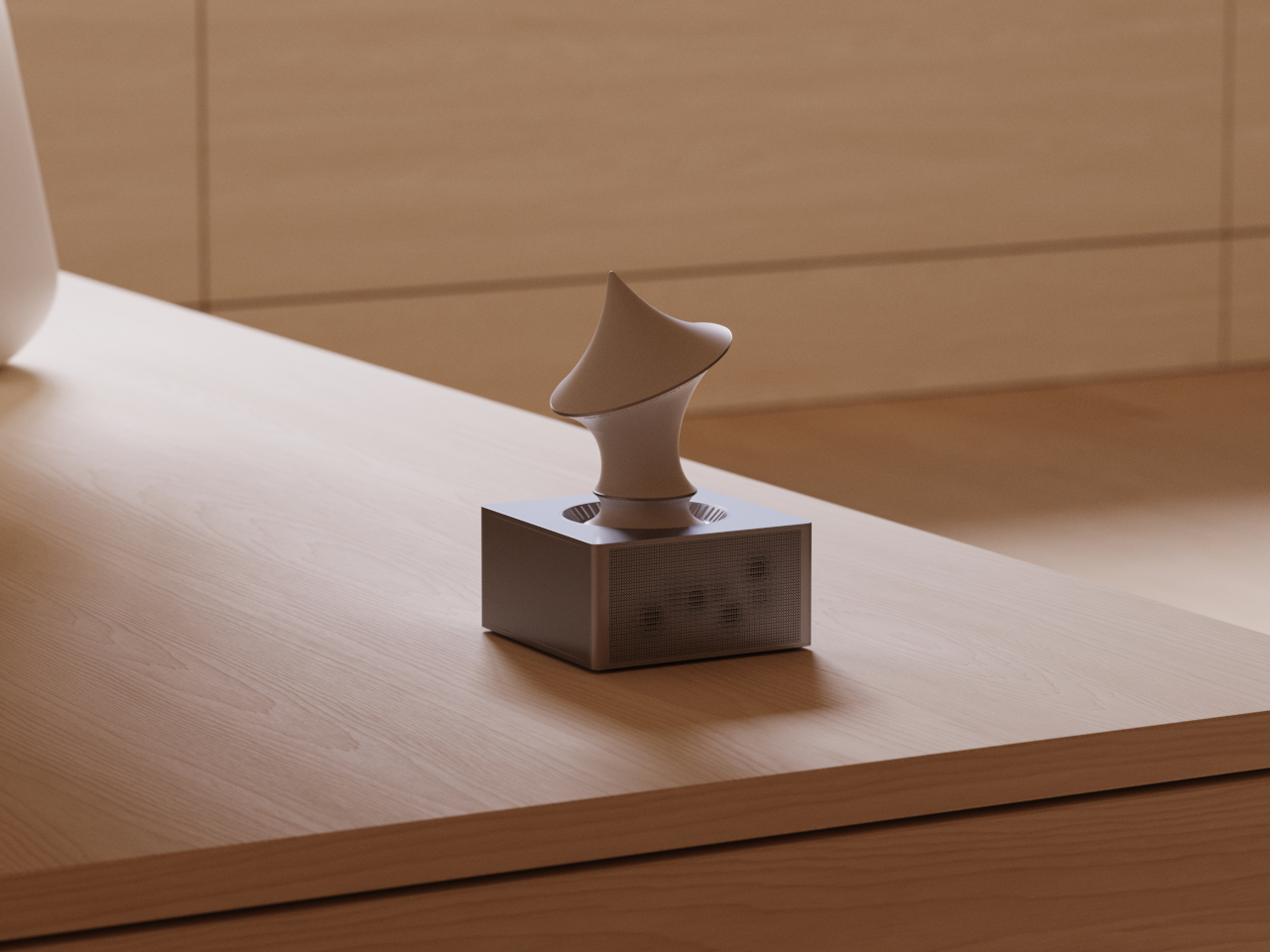
TROPHY demonstrates how thoughtful design can elevate everyday wellness tools from functional gadgets into meaningful objects that people actually want to use and keep around. By combining proven stress relief techniques with sculptural aesthetics, this concept shows that mental care products don’t have to sacrifice style for effectiveness.
SHARE