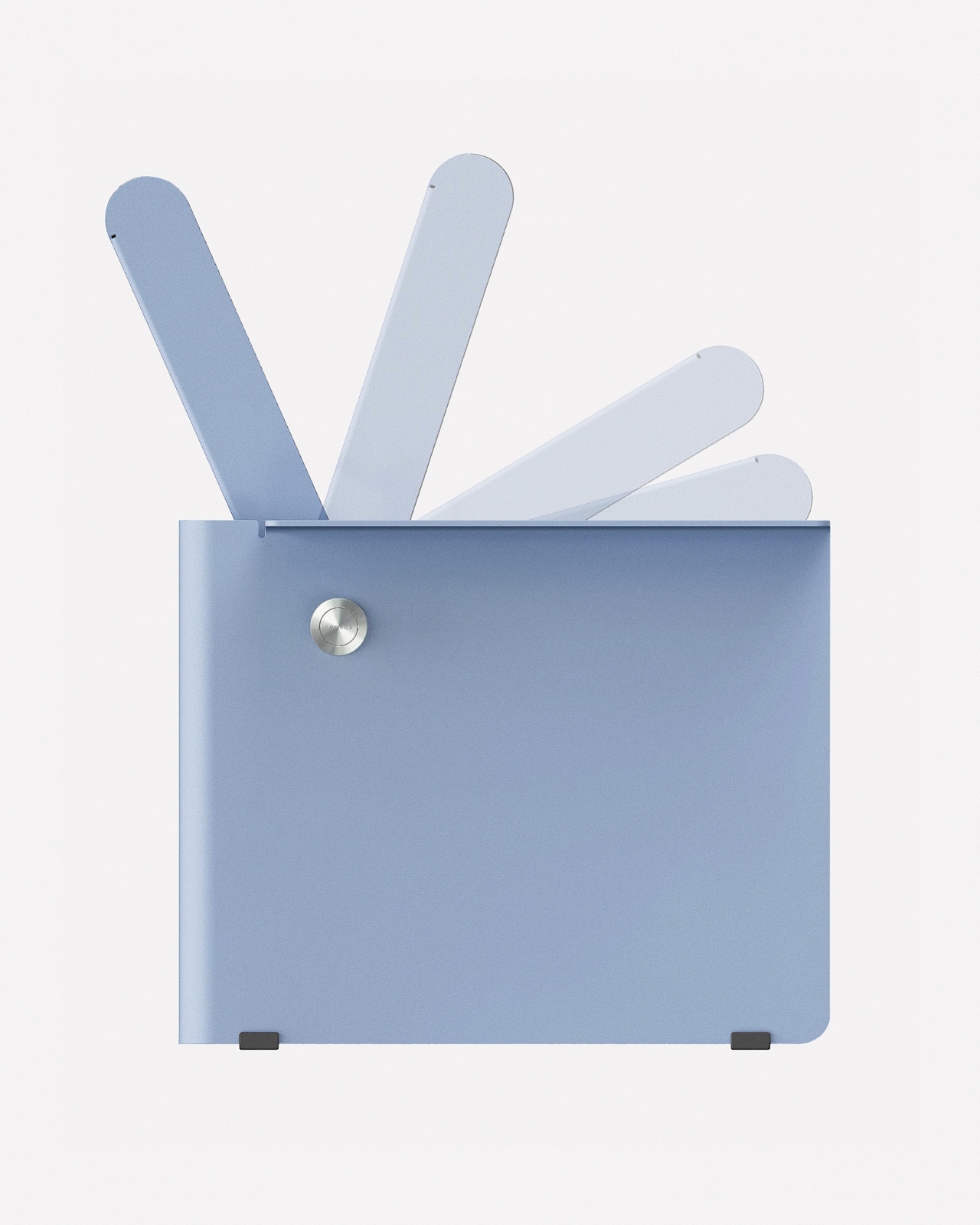
The least glamorous part of a beautiful patio is the pile of cushions waiting by the back door. Leave them outside and you might be wiping them off if the rain comes. Bring them in and that supposedly relaxing corner adds to the stress since you need to set it up. I like furniture that takes this kind of boring problem seriously, which is why Coozus Two caught my attention. It has a rotating backrest that closes over the cushions so your patio chair actually gets its own built-in shelter.
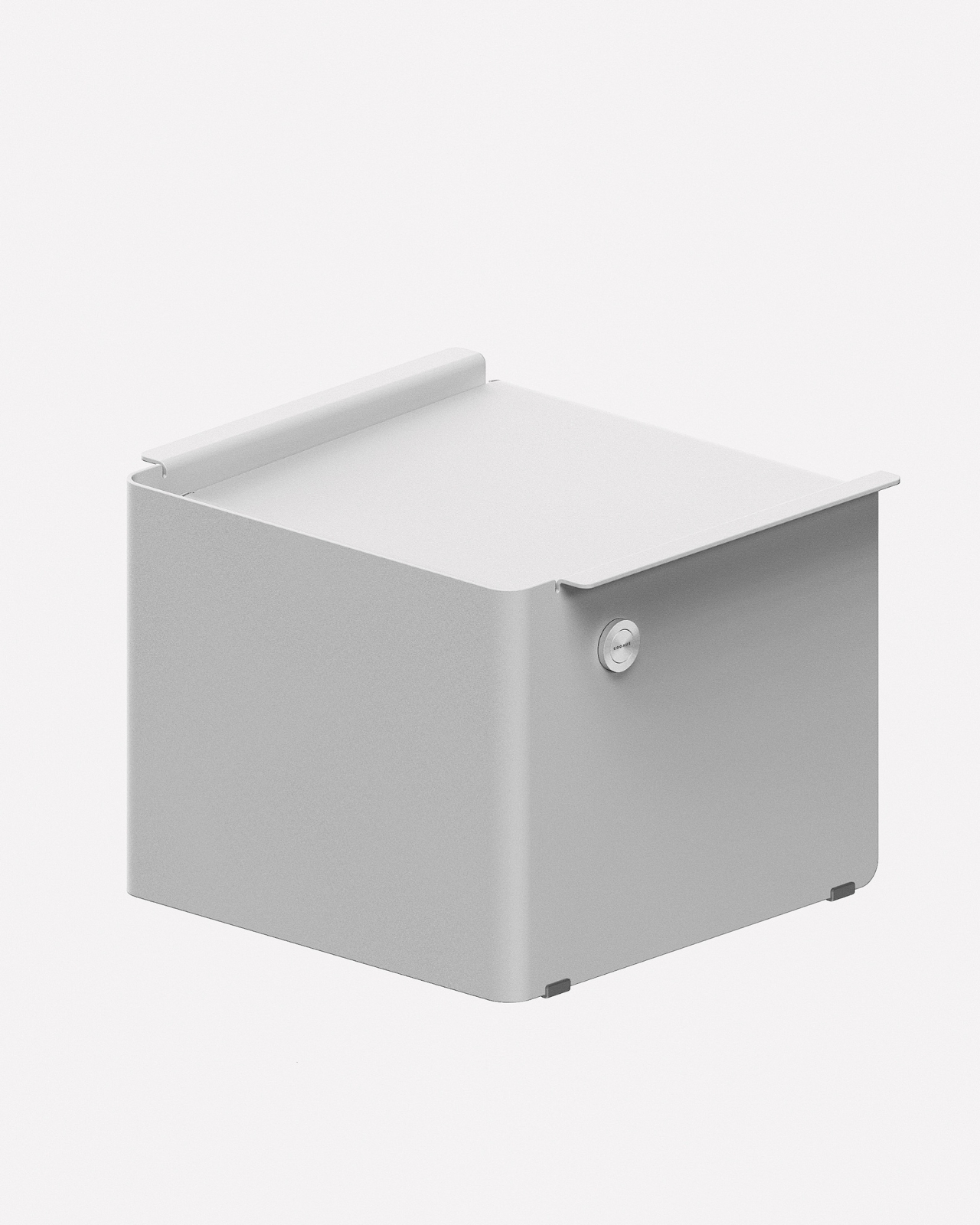
Designed by RAAK Design Studio for Belgian brand Coozus, the outdoor armchair transforms from an upholstered seat into a closed, boxlike object when not in use or when the weather needs it. The idea is to protect the cushions between uses without hauling them indoors or wrestling a separate cover over the furniture. Coozus describes its seating concept as a backrest that doubles as a protective shell. It’s actually a practical response to a problem that can make cushioned outdoor seating feel unnecessarily demanding.
Designer: RAAK Design Studio for Coozus
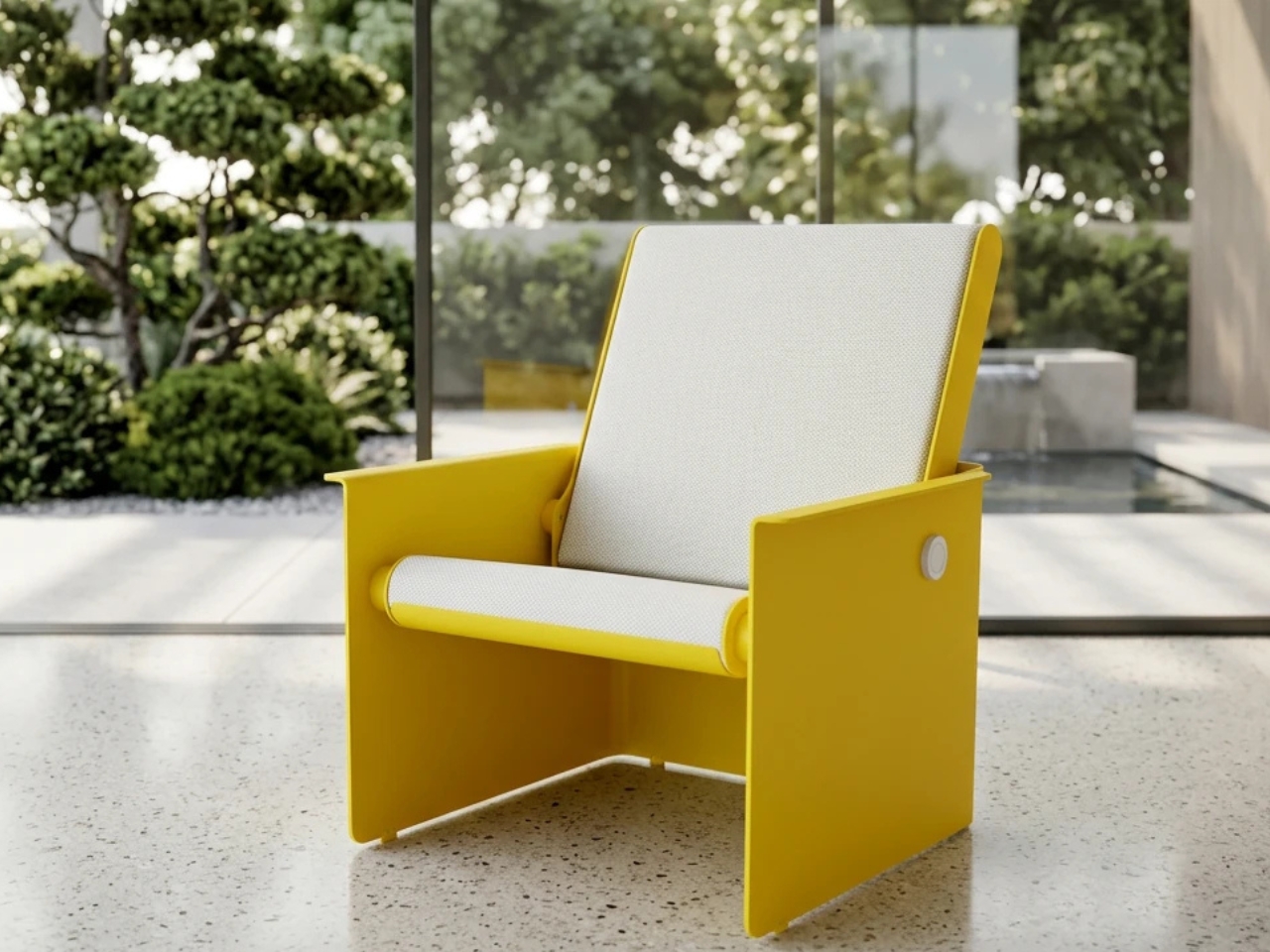
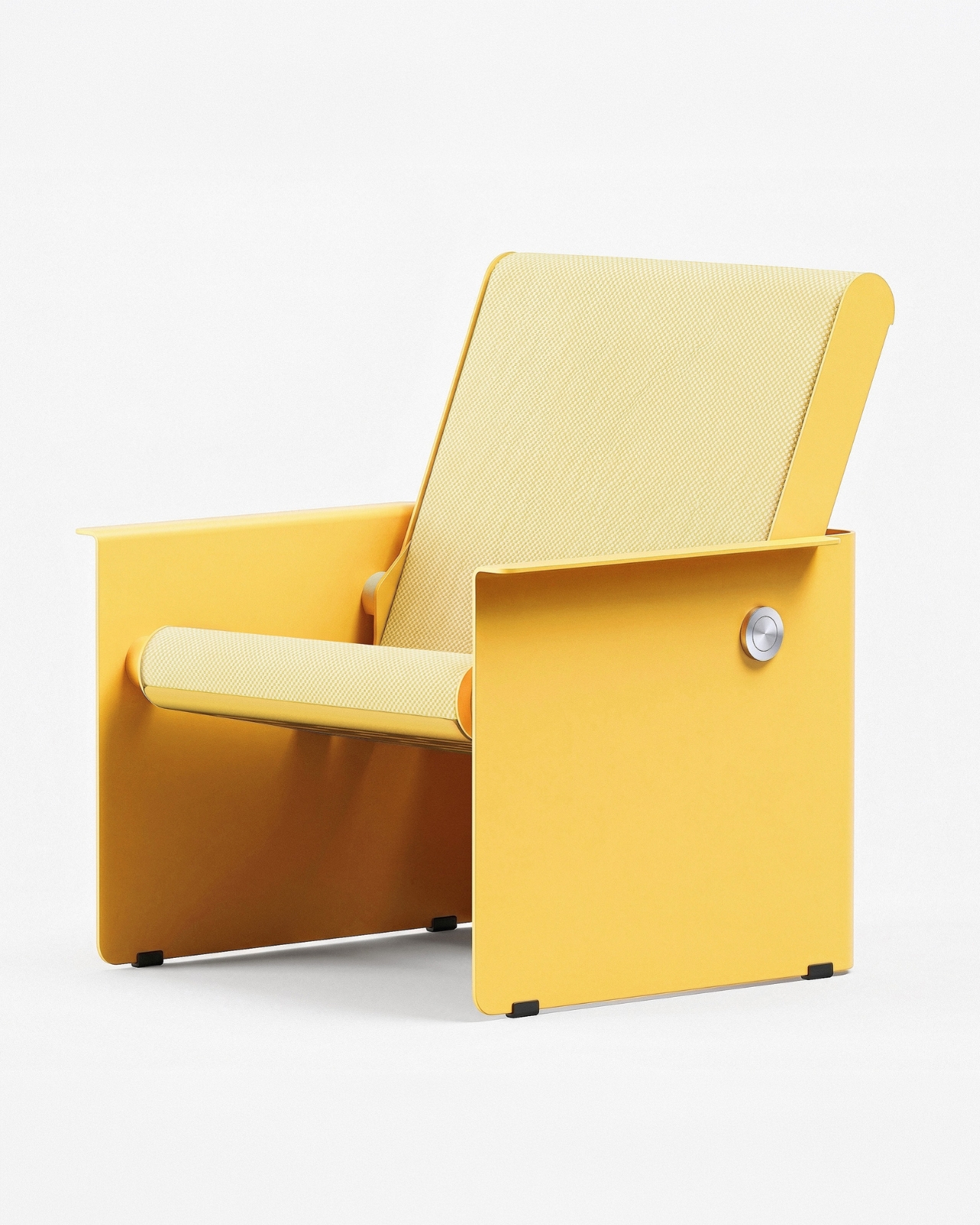
Visually, the chair commits to that enclosure. Broad side panels extend almost to the ground, while their upper edges turn outward into slim armrests. The back cushion rises above this low shell when the chair is open, giving the otherwise rectangular silhouette a softer, slightly reclined profile. I’m particularly drawn to the yellow version in the supplied images. The color makes those large, uninterrupted surfaces feel cheerful rather than severe, with the pale upholstery providing a quieter center.
The transformation also explains why the chair looks so substantial around its lower half. Those panels establish the enclosure that the backrest closes against. A circular metal detail marks the pivot area on the side, making the mechanism visually legible without filling the chair with exposed hardware. Closed, it looks more like a compact piece of terrace furniture than a chair hidden beneath a sagging fabric bag. That matters if you’re particular about how your terrace looks like even if you’re not actually using it.
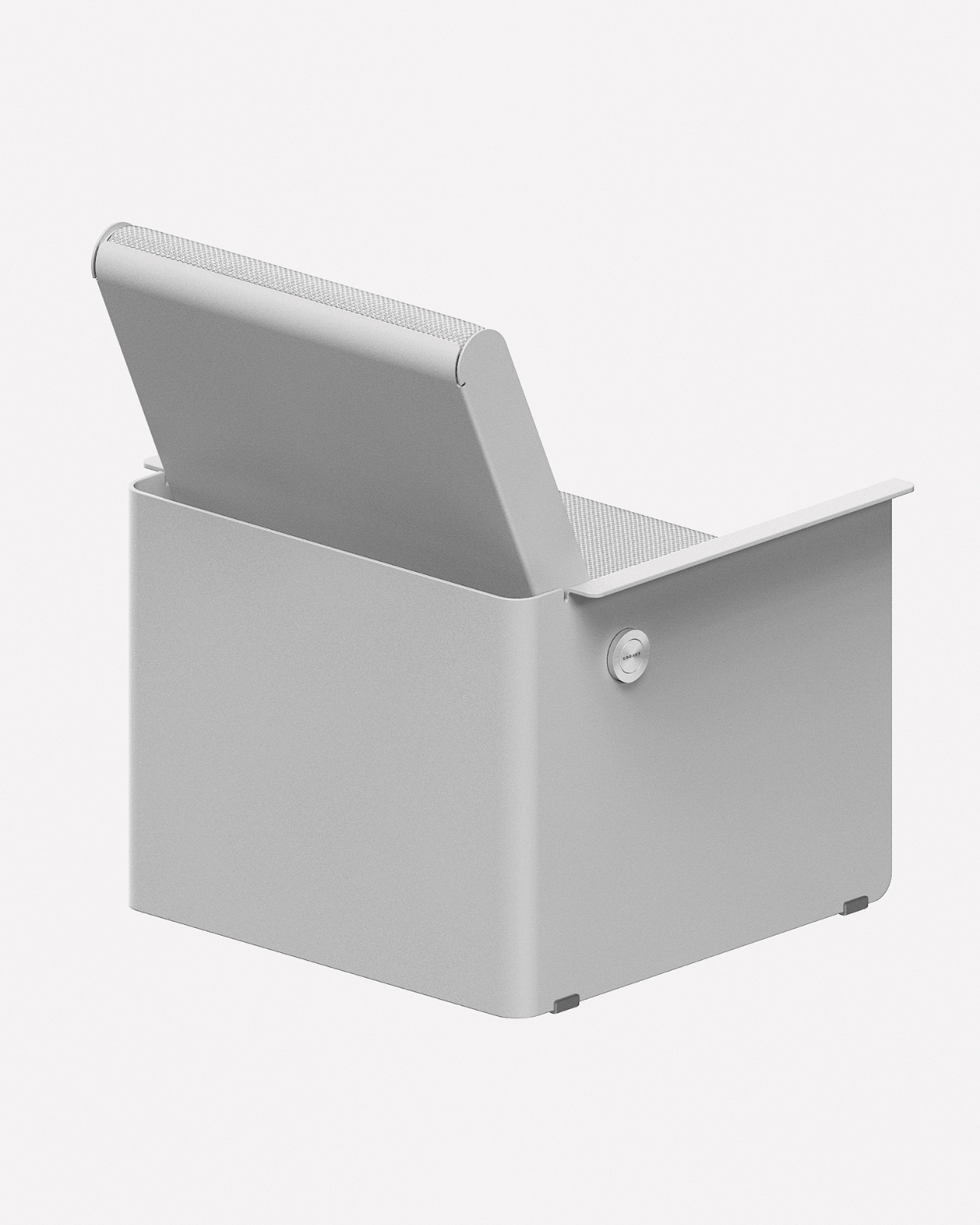
The chair has an aluminum frame between 3 and 6 millimeters thick, finished with a double layer of textured powder coating. The upholstery uses Sunbrella outdoor fabric over three-layer dry foam cushioning. Those are useful construction details, although they don’t establish how the chair feels during a long afternoon when you just want to relax comfortably. I’d still want to sit in it, particularly to judge the relationship between the slim armrests and the broad, padded seat.
The care instructions offer another practical detail: the upholstery can be removed from the foam and machine-washed at up to 86°F, following the fabric maker’s instructions. It also has ventilation holes and dry foam help manage occasional moisture. This means the closing shell is just protection and you should not forget about cleaning it occasionally or assume the interior is watertight.
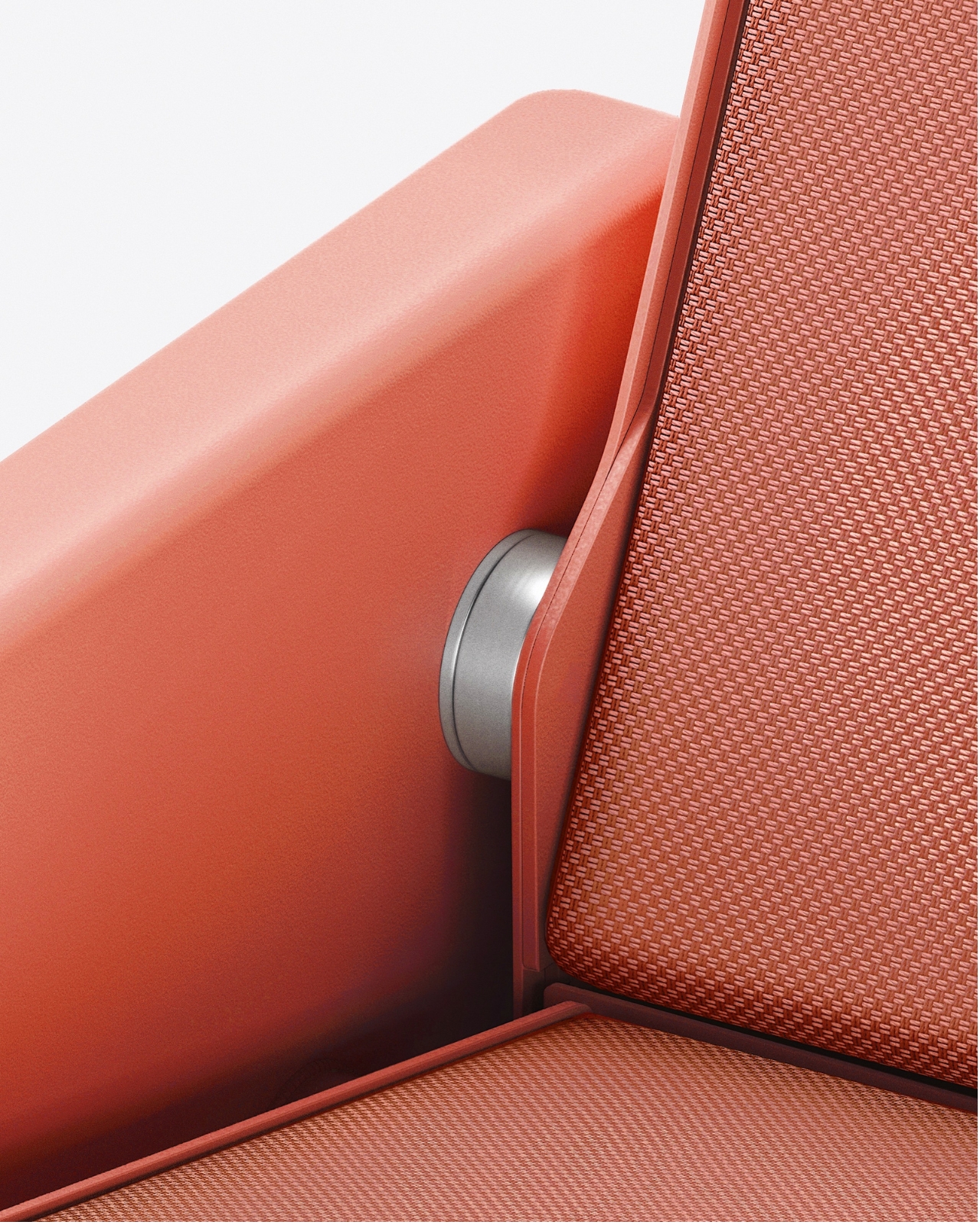
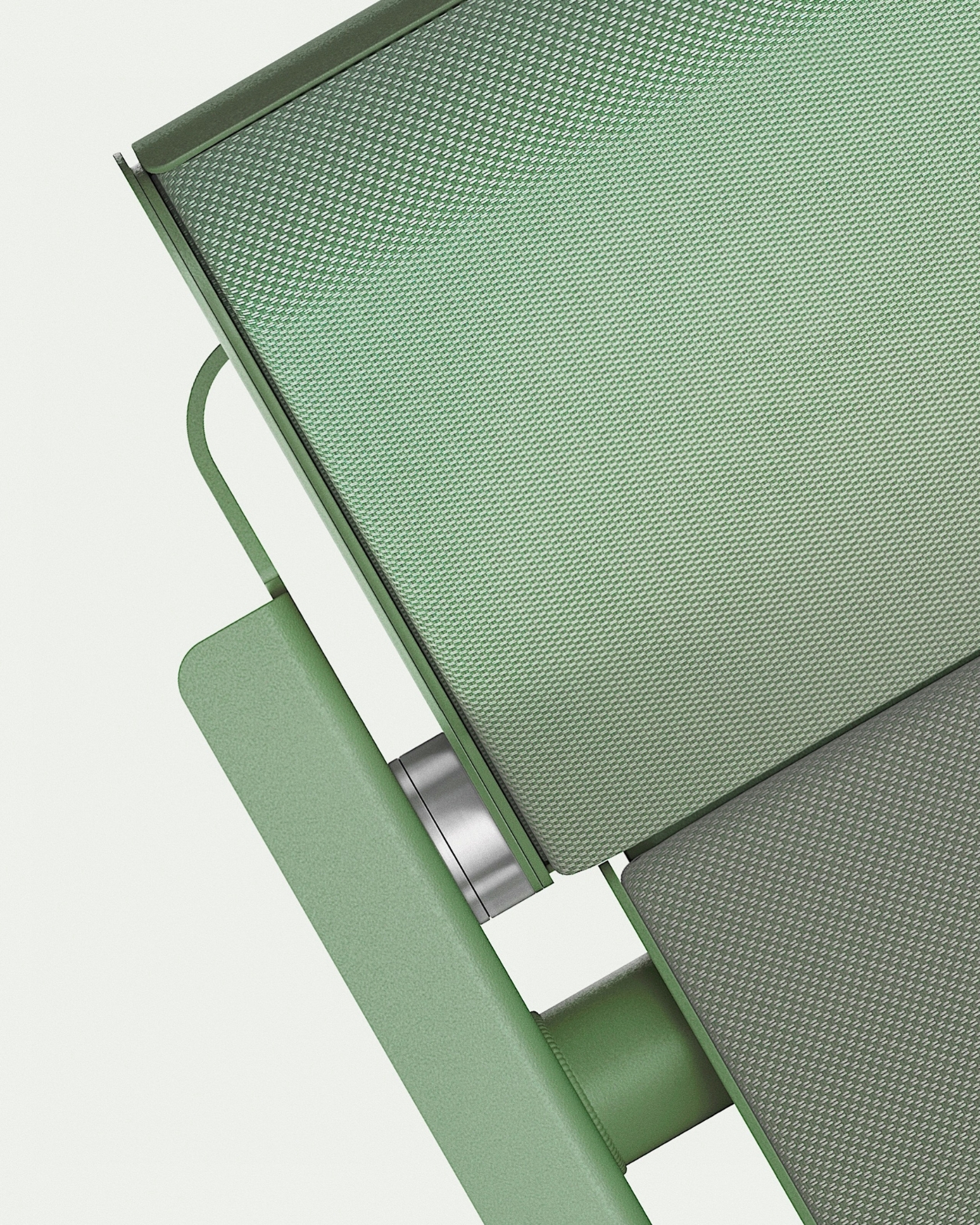
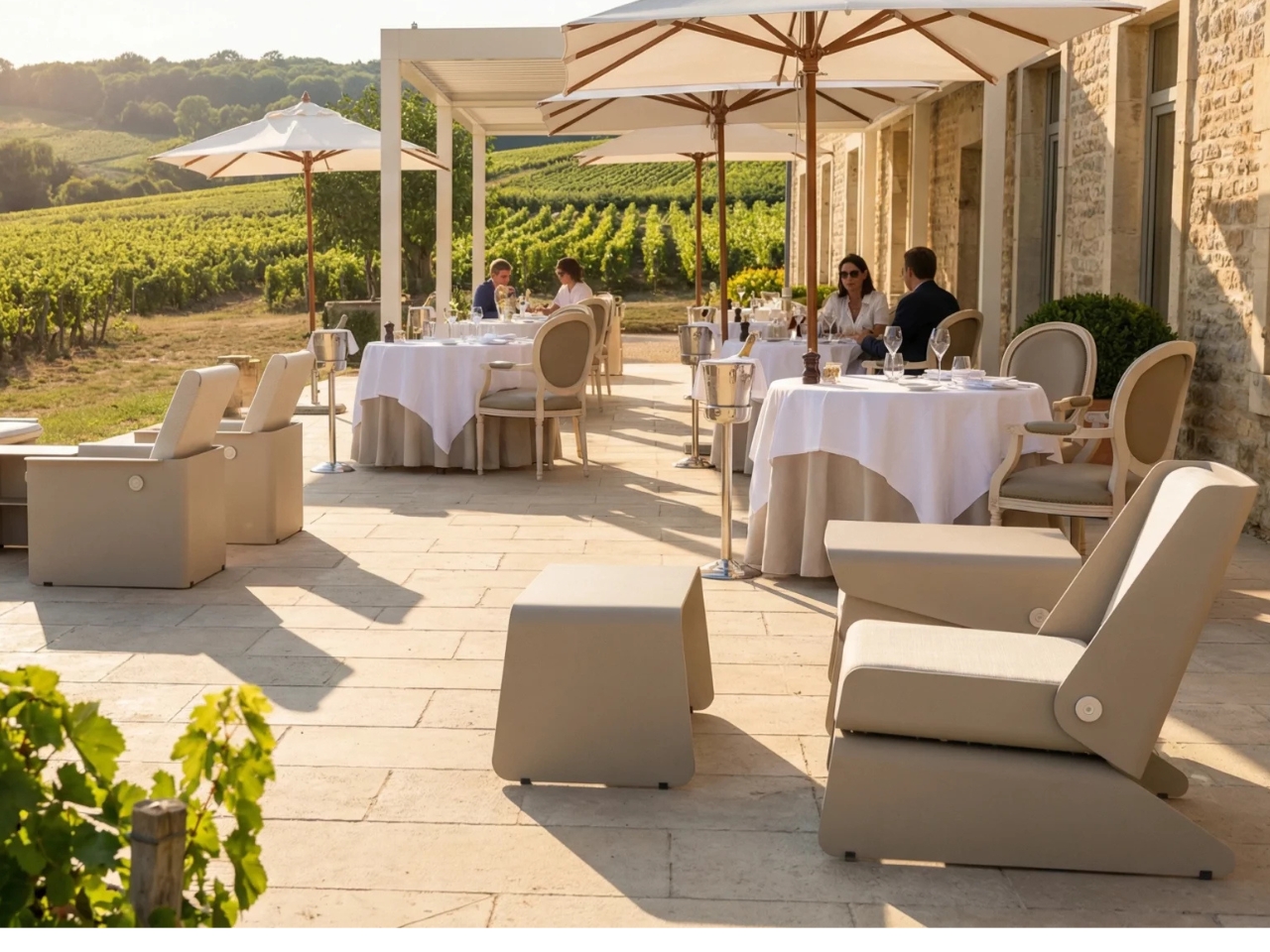
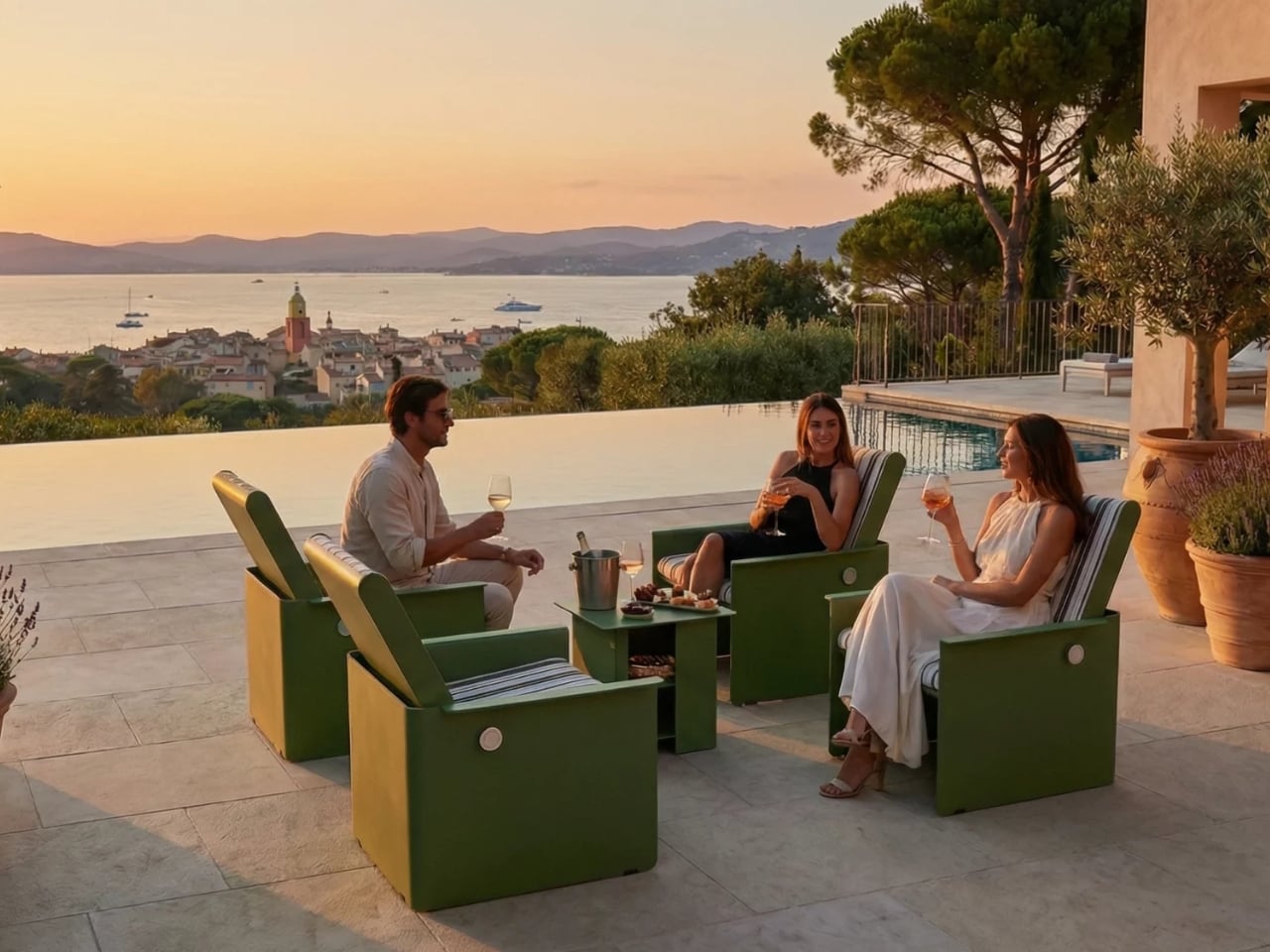
The collection is aimed at compact gardens, terraces, and hospitality settings. For a small patio, I think its strongest spatial argument is what might no longer need to sit beside it: a dedicated cushion-storage box. That doesn’t mean the chair disappears when folded. It retains its footprint, so this is a different proposition from a folding chair you slide into a closet. The transformation addresses what happens to the upholstery, rather than where the furniture goes.
There’s a significant price attached to that convenience. Coozus currently lists the Model 2.1 comfort chair, part of the Two collection, from €2,985. That’s the manufacturer’s euro price, not a confirmed US retail figure; local pricing and delivery would need checking directly. At that level, I’d want to try the movement as well as the seat. A mechanism intended for everyday use needs to feel easy enough that closing it becomes an ordinary habit.
For me, the appealing design decision is that the protection stays attached. Nothing has to be fetched, unfolded, or found a place afterward. You still have to close the chair, of course, and that small action is essential to the whole proposition. But it feels like a reasonable exchange: fold down the backrest when you head inside, rather than carry an armful of cushions through the kitchen.