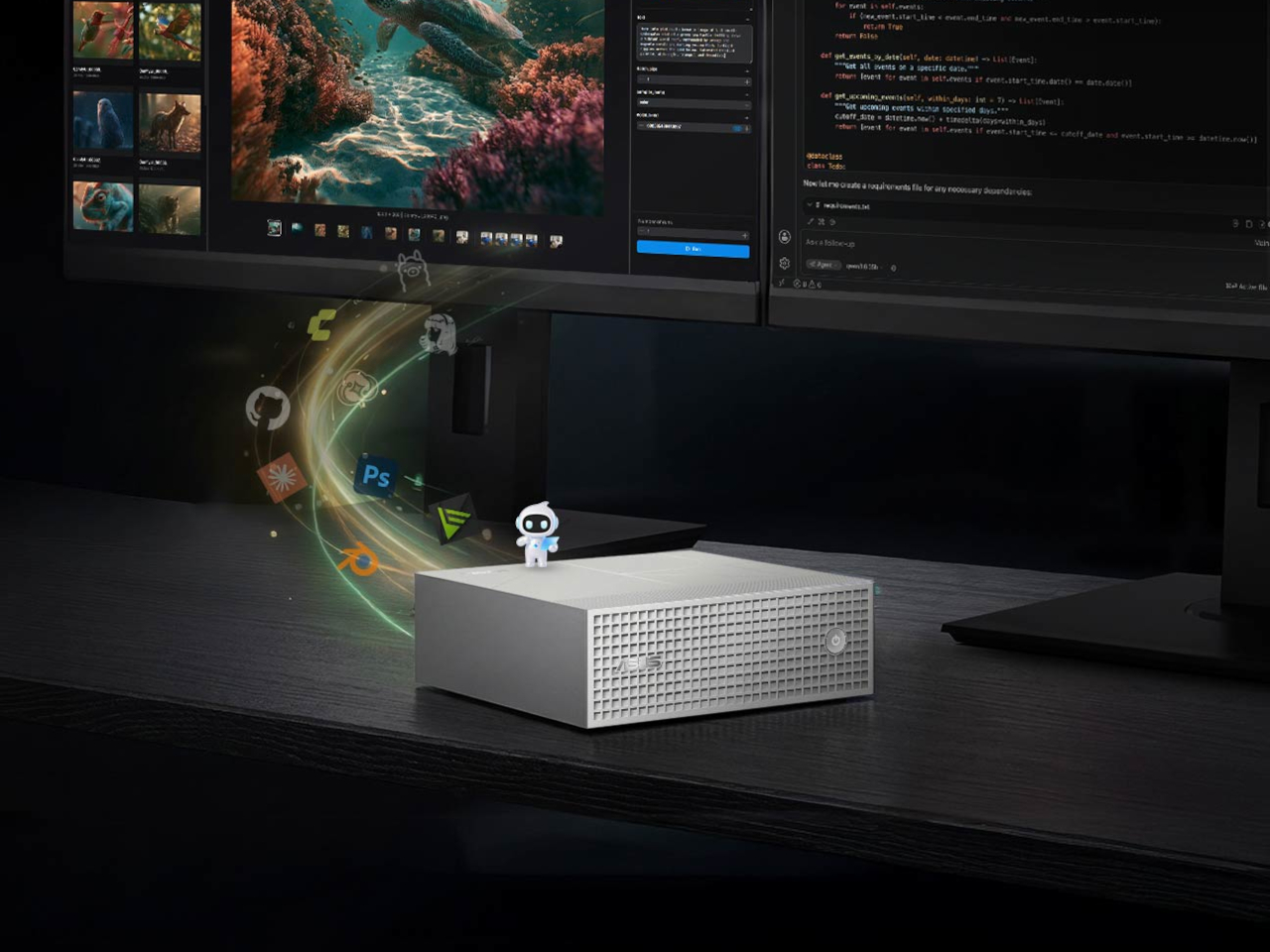
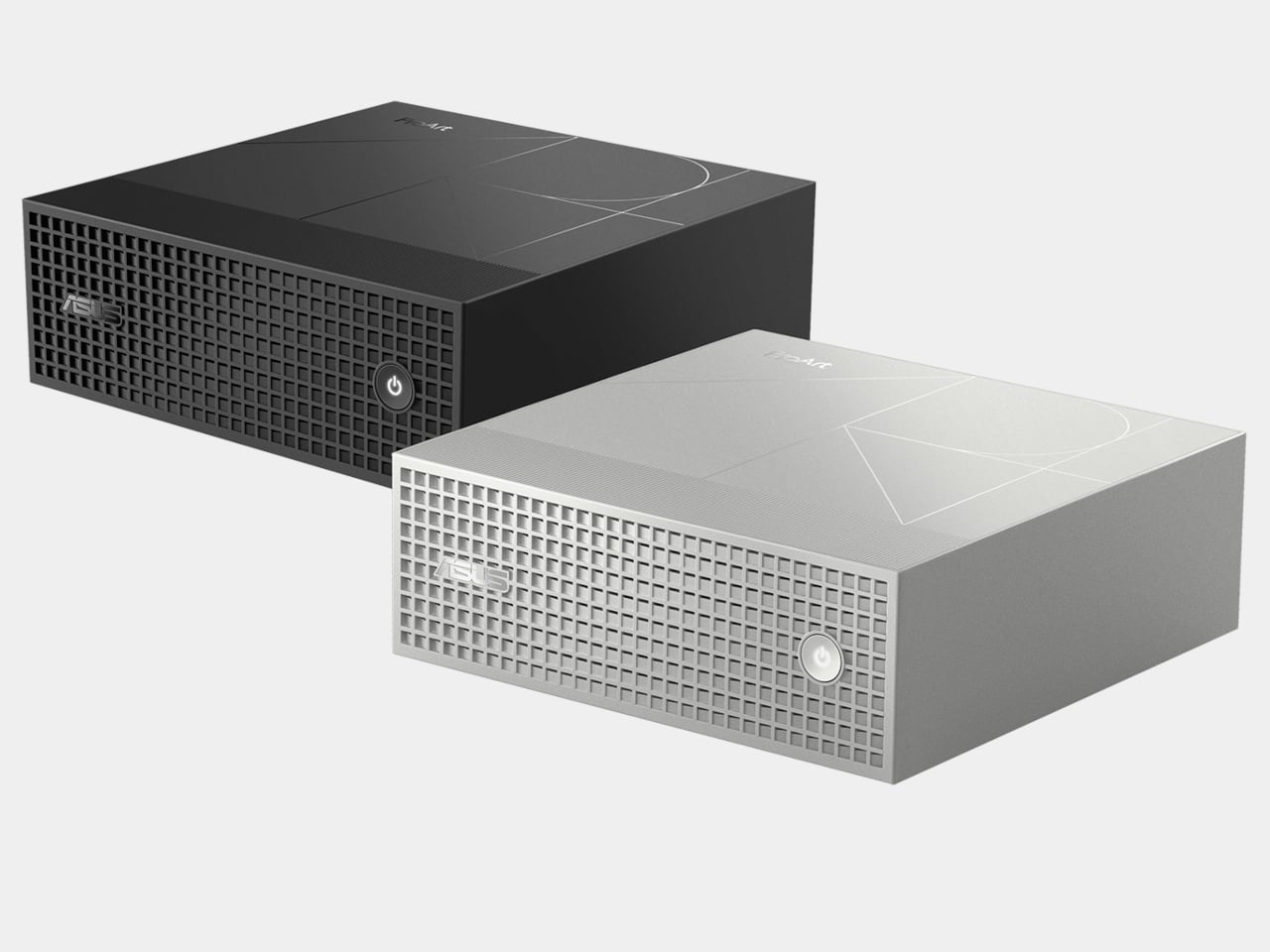
ASUS’s ProArt GR1X looks almost like a piece of audio equipment, with its square proportions and tightly gridded front. It is, however, actually a Windows mini PC intended to keep AI tools and creative work close at hand without surrendering your desk to a tower. It arrives on the scene wrapped in a compact enclosure designed for assistants that can keep running long after you finish working.
The box measures 5.91 inches across and deep, standing just 2.01 inches tall. Anodized black and sandblasted silver finishes offer different ways to fit a workspace, while fine geometric lines break up the otherwise plain top. The square-patterned grille gives the front a little architectural texture, with a circular power button interrupting its repeated pattern rather than demanding a separate control panel.
Designer: ASUS
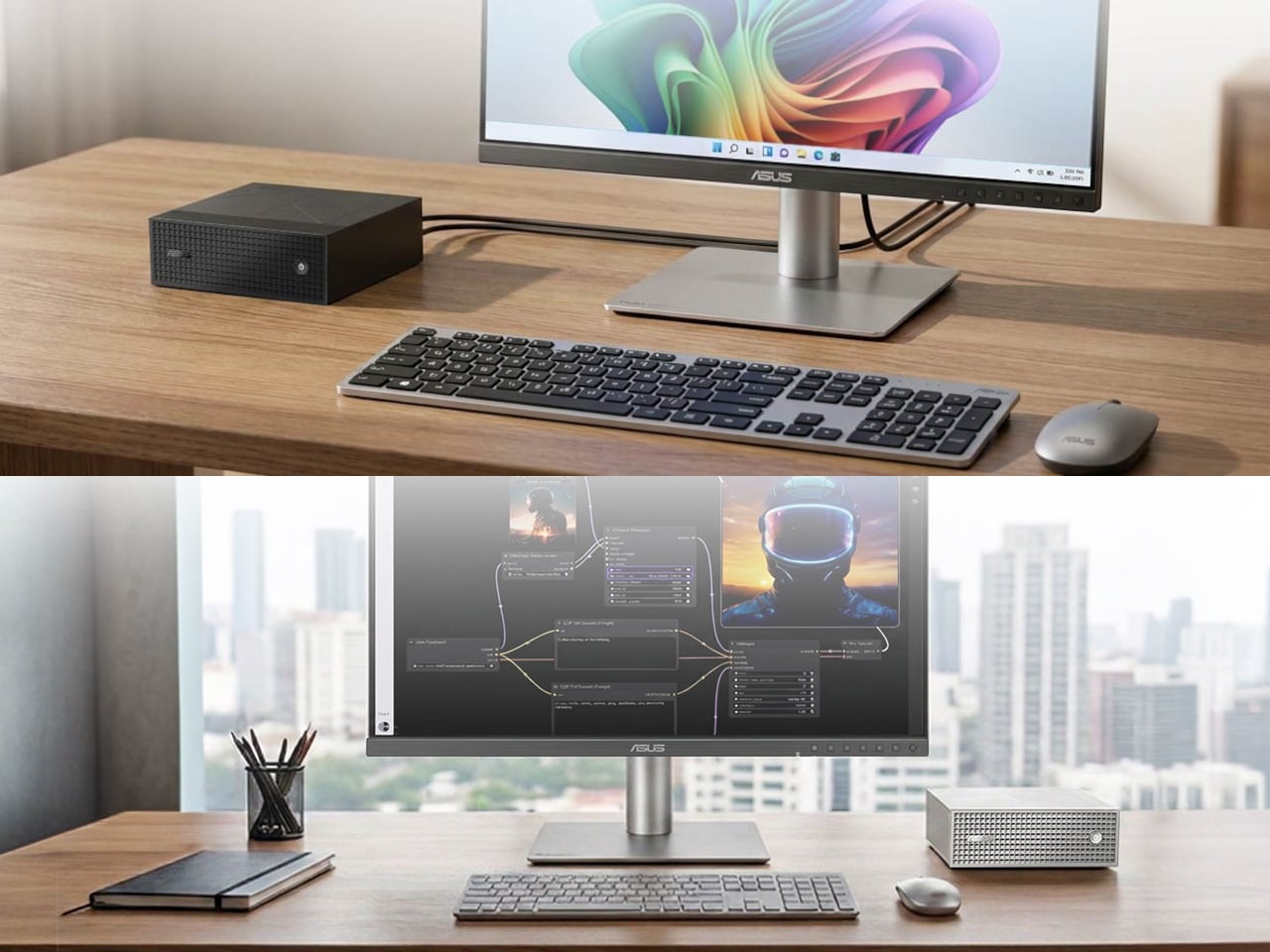
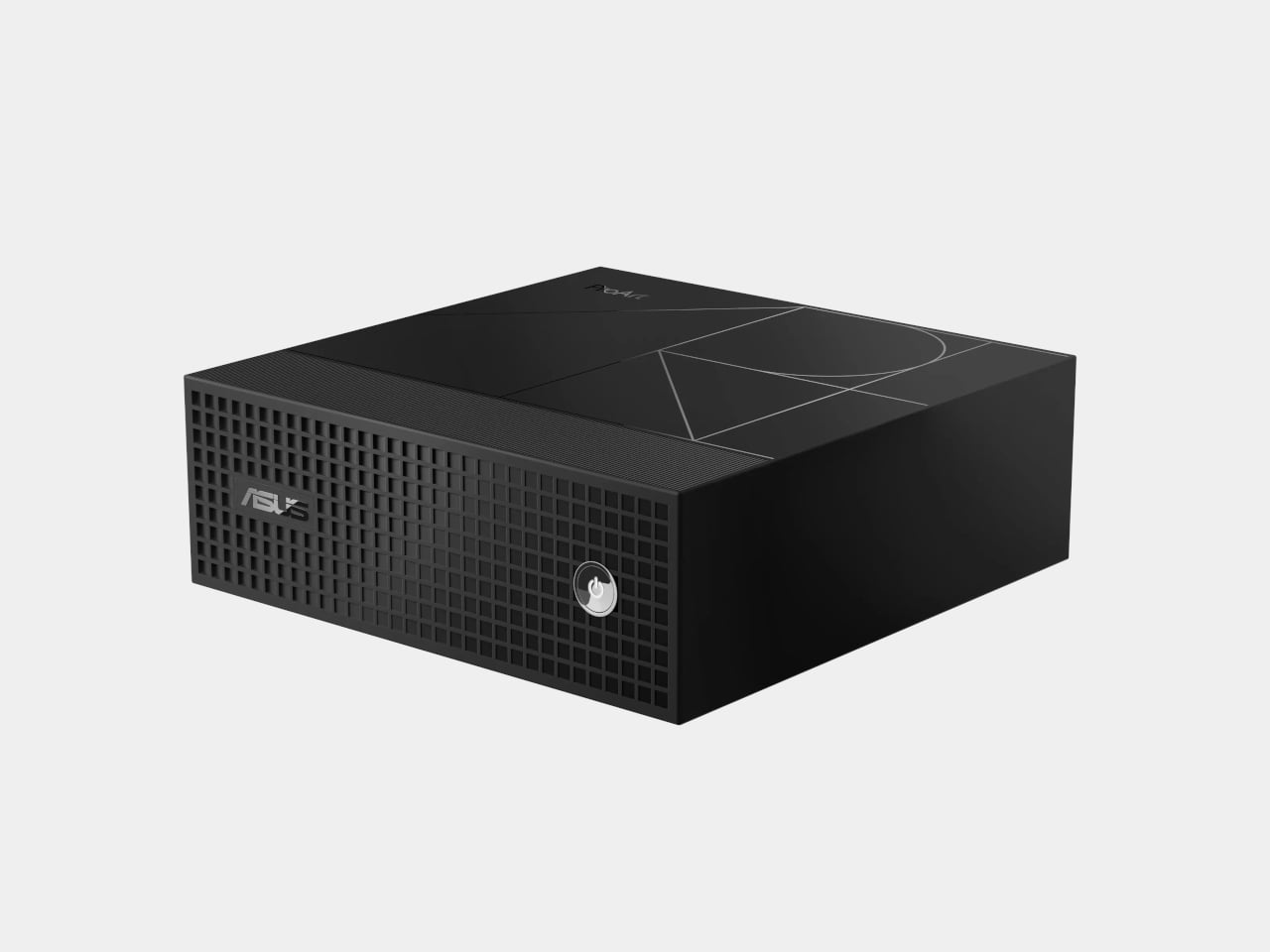
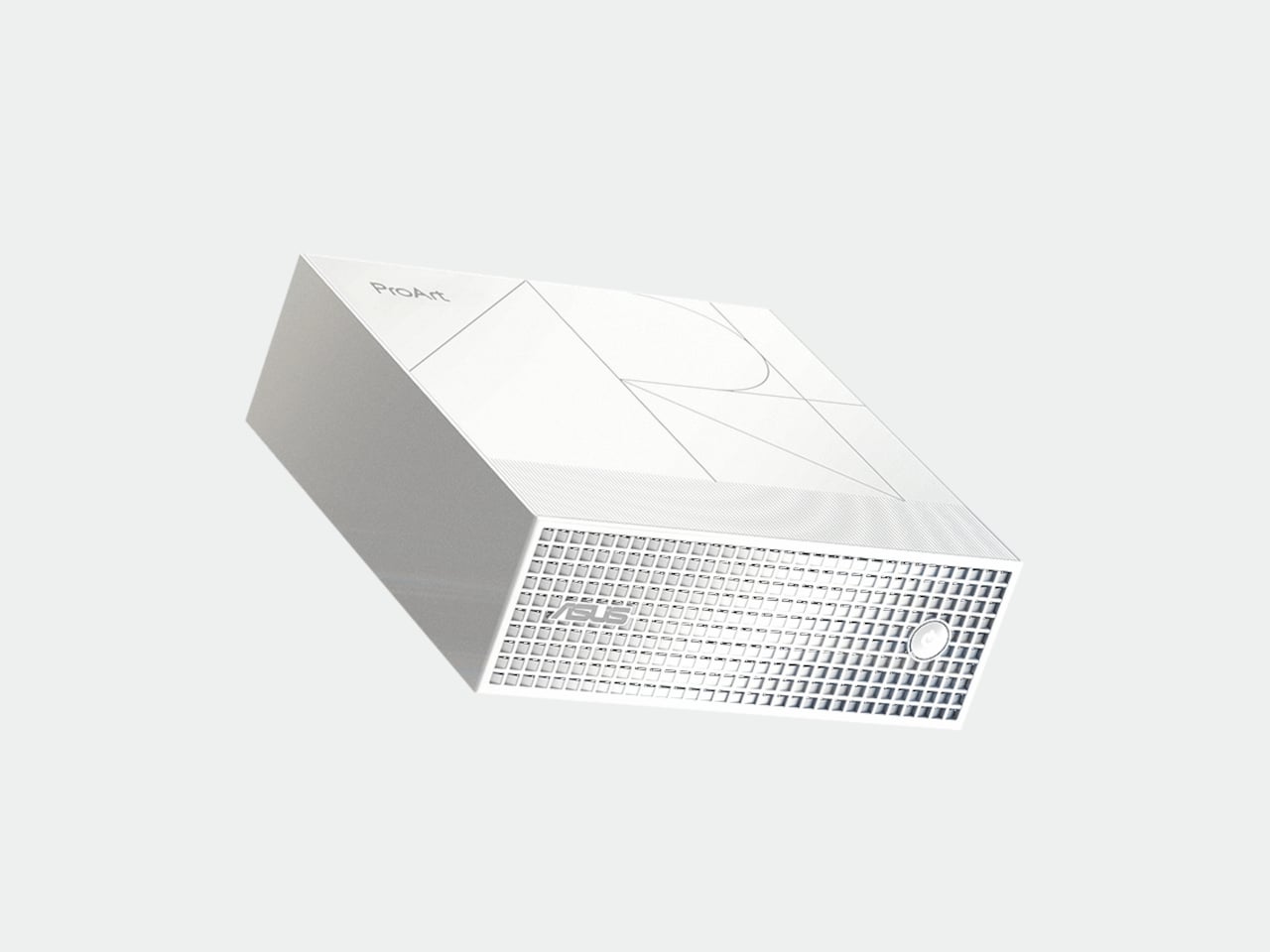
That ventilation isn’t simply decoration. ASUS fits two fans, four heat pipes, and 57 cooling fins inside the enclosure to accommodate a 140W thermal design. It’s intended to keep working while an AI assistant processes tasks in the background or a creative project occupies the hardware. That doesn’t make it silent, and the space around its vents still matters on a crowded desk.
Inside, NVIDIA’s RTX Spark combines a 20-core Grace CPU with a Blackwell RTX GPU featuring 6,144 cores. Configurations offer 64GB or 128GB of unified memory, shared between the two processors rather than divided into separate pools. That capacity is particularly relevant when you’re loading large AI models or complex scenes, instead of opening a few more browser tabs during your lunch break.
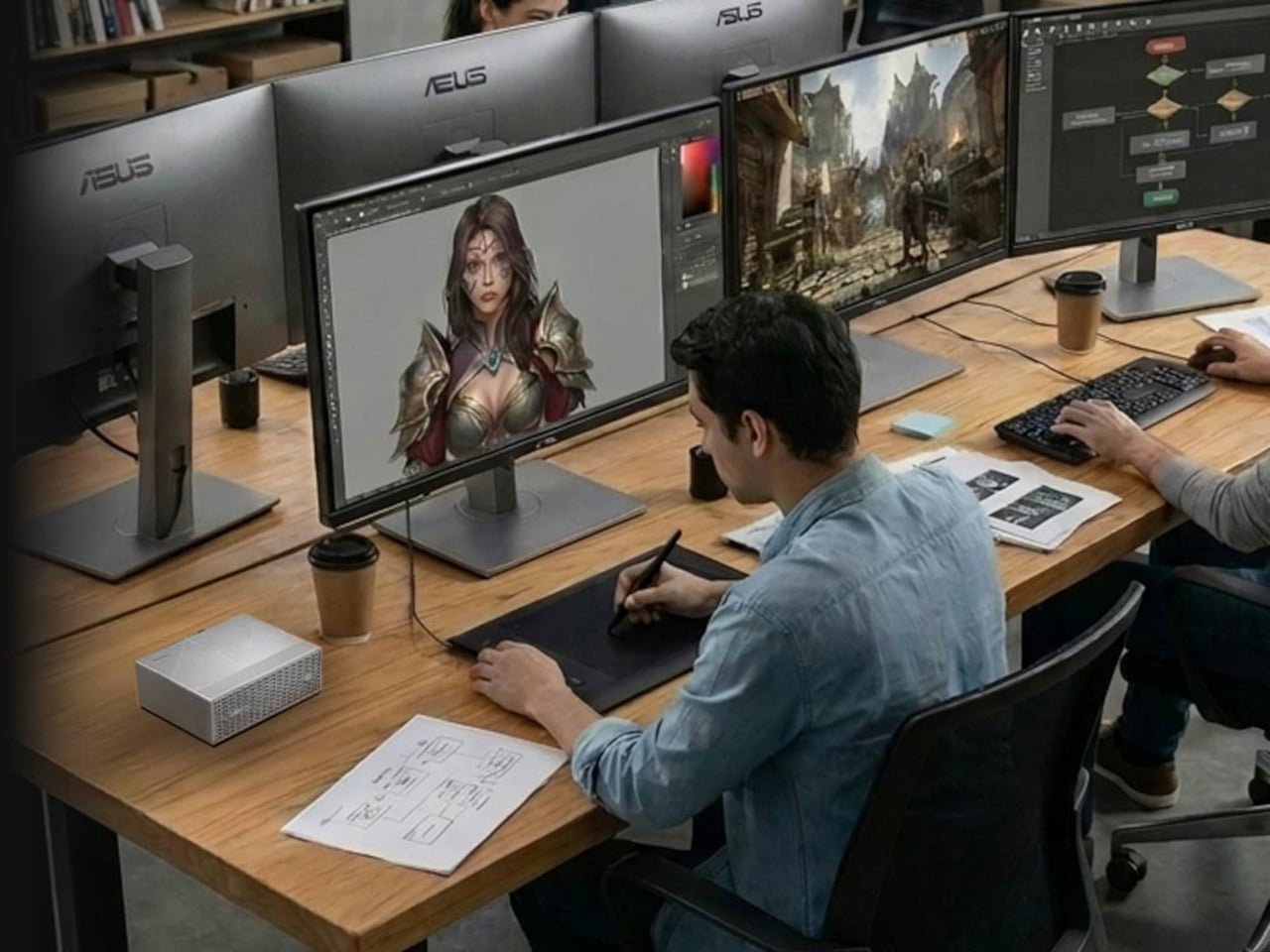
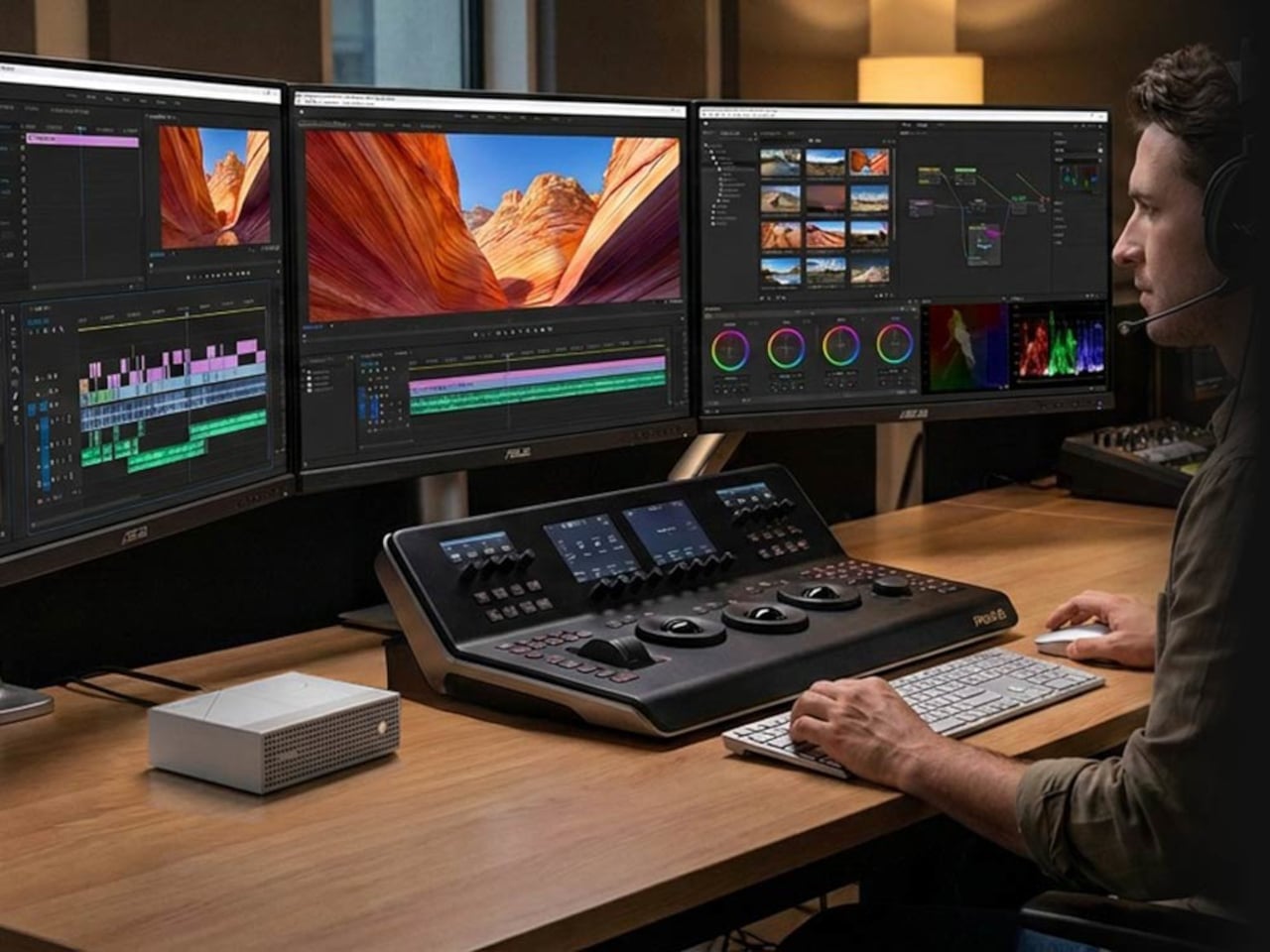
You could build image-generation workflows in ComfyUI or use MuseTree to develop visual ideas, with processing kept on the machine when the selected models and tools run locally. That’s useful for client material you’d rather not upload, although cloud-connected services require separate consideration. Windows 11 keeps the desktop familiar, but this is an Arm-based PC, so checking specialist software and peripheral compatibility matters.
There’s room to extend the workspace beyond one screen, with support for four 4K displays through HDMI and three USB-C connections. A video editor could separate the timeline, preview, and reference material instead of shuffling windows. Dual M.2 SSD slots provide storage expansion, while 10Gb Ethernet offers a wired connection for moving large files to compatible network storage without relying on wireless.
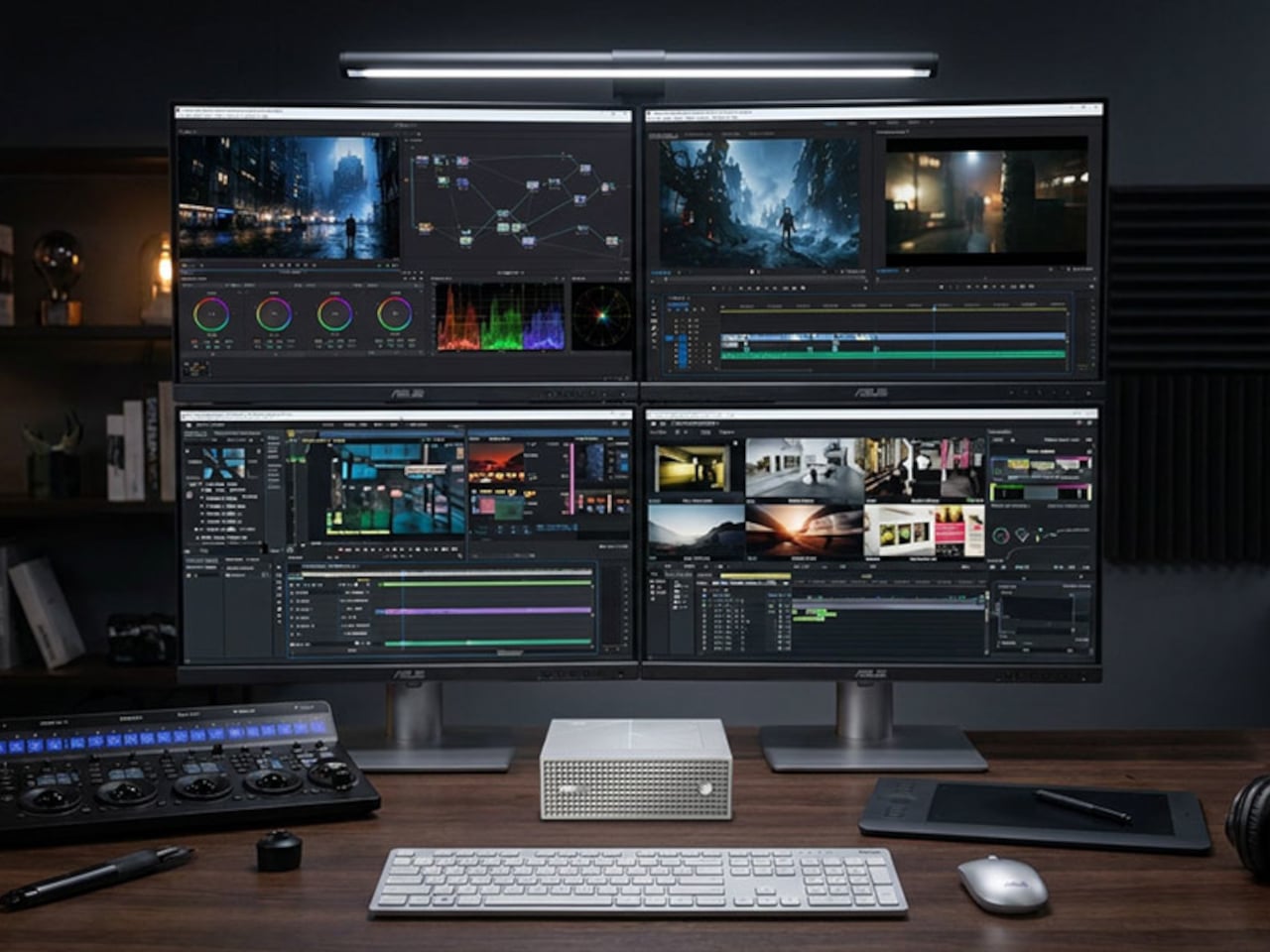
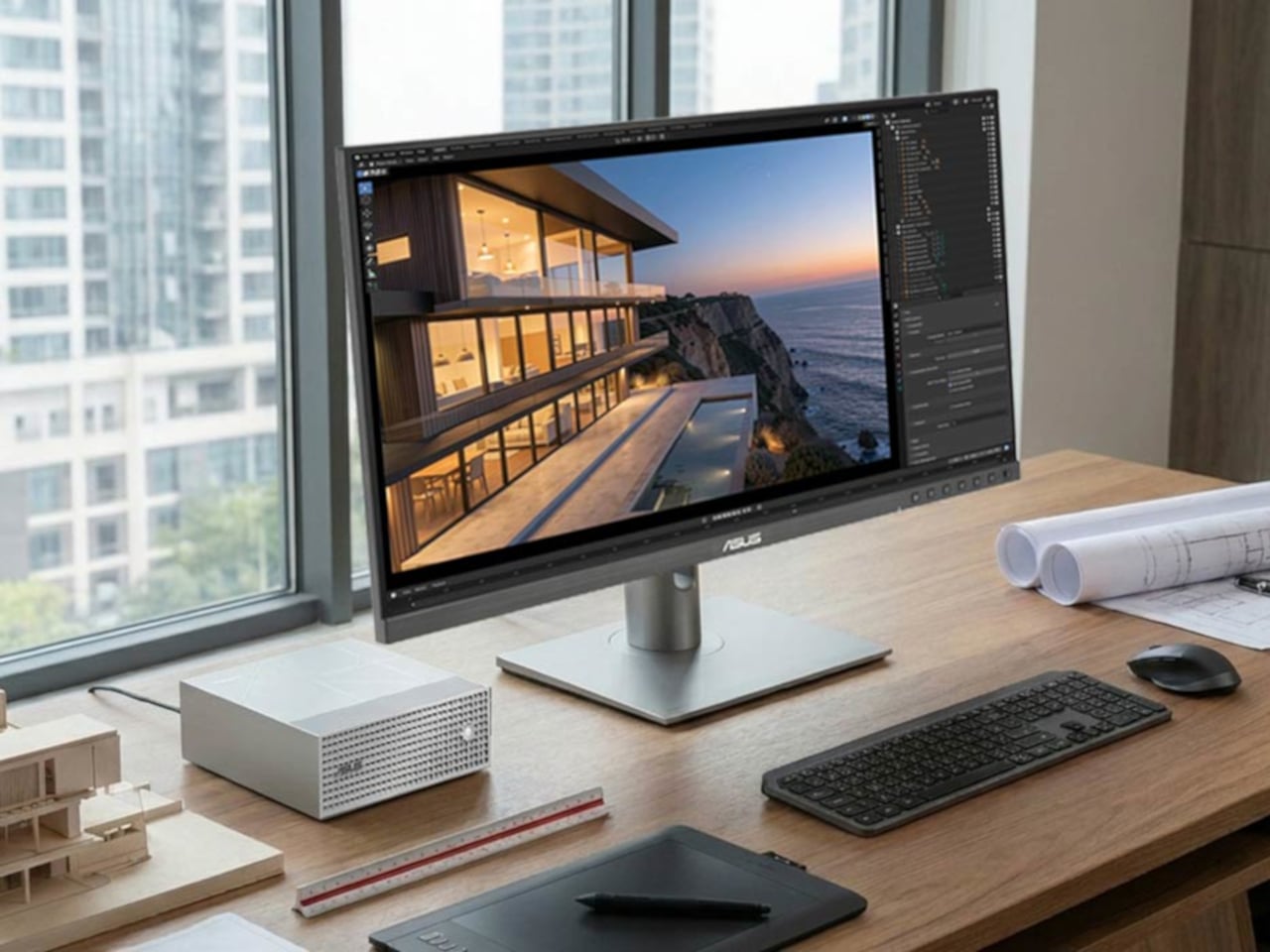
All those connections sit around the back, leaving the patterned front free of ports. The fourth USB-C socket handles power, so it isn’t another spare display connection. There’s no USB-A port or memory card reader, either. That keeps the object visually tidy, but a photographer returning with a camera card will probably need an extra reader sitting somewhere on that carefully cleared desk.
US launch pricing starts at $4,499 for 64GB of memory and a 1TB SSD, so a compact body doesn’t mean a small investment. Given the rising costs of memory and silicon today, that’s not exactly surprising. You could take a laptop to a client meeting while this dedicated desktop stays behind, keeping a local assistant available without leaving your everyday portable computer tied to the desk.