A wooden furniture base, a mechanical clock, and a camera can all look pixelated without working anything alike. These five designs explore that distinction through block-like geometry, moving panels, screen graphics, and deliberately low-resolution photographs.
Instead of hiding digital influences, designers are using different methods to transform pixel-inspired aesthetics into physical objects that celebrate nostalgia and innovation. As a result, Pixels have evolved into one of contemporary design’s most exciting creative trends.
1. Pixels Go Physical
Pixel-inspired design has moved beyond computer screens to become a tangible design language across furniture, lighting, home décor, and collectible objects. Designers are translating digital grids, square forms, and fragmented surfaces into physical creations that celebrate the visual identity of early computing while combining contemporary materials and craftsmanship.
As digital culture continues to shape everyday life, pixel-inspired forms offer a playful way to bring screen-based aesthetics into homes, workplaces, and public spaces.
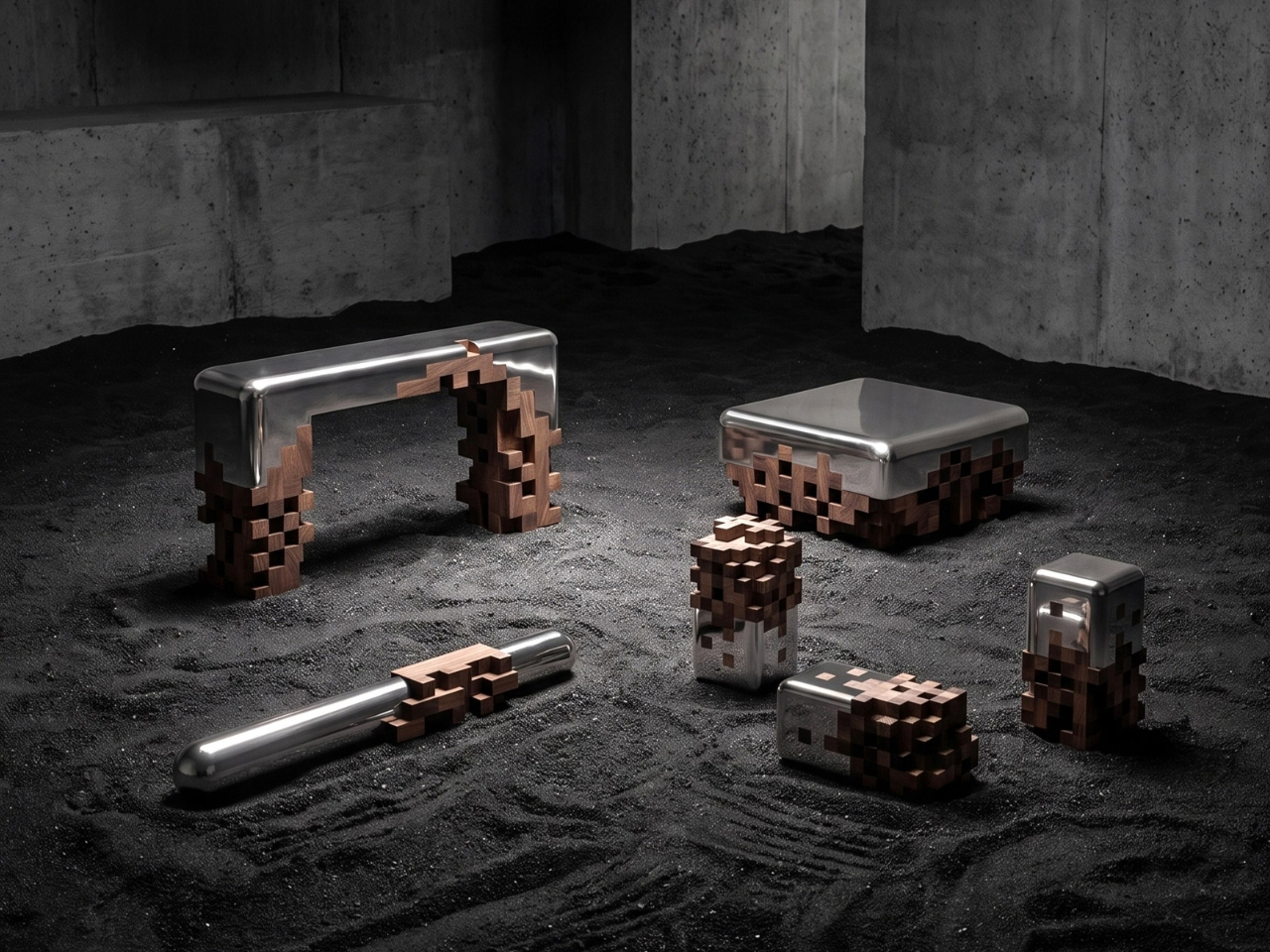
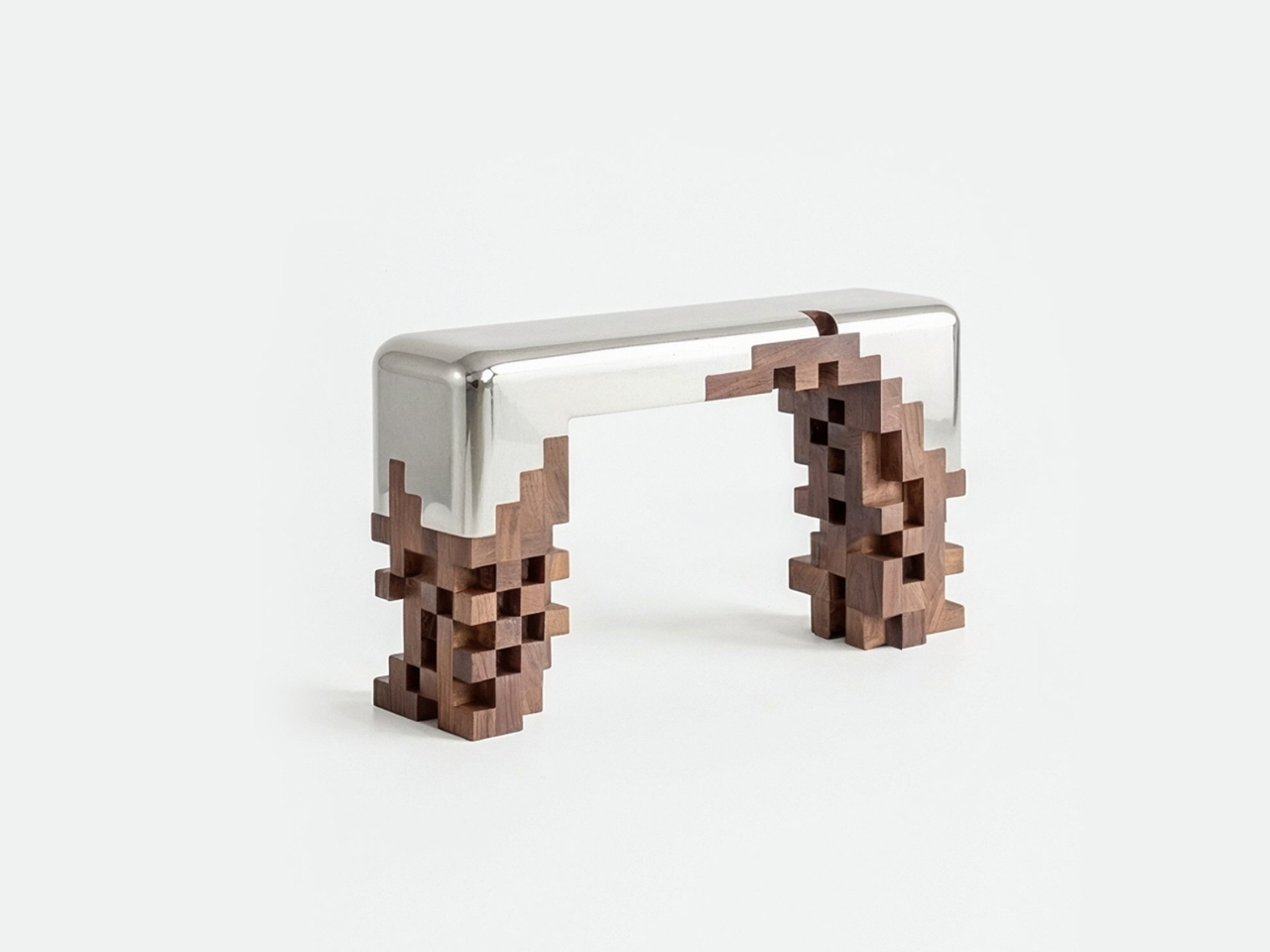
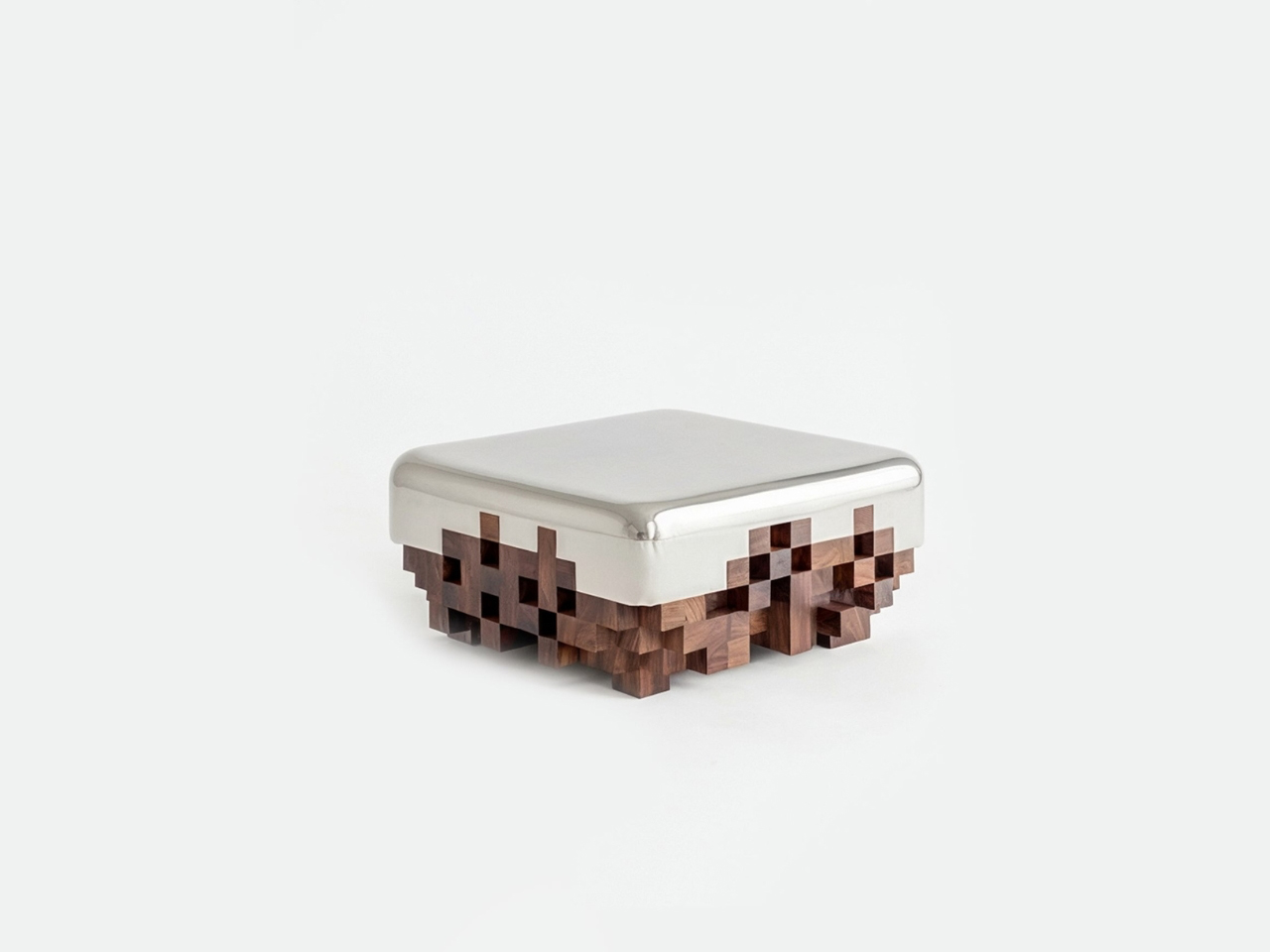
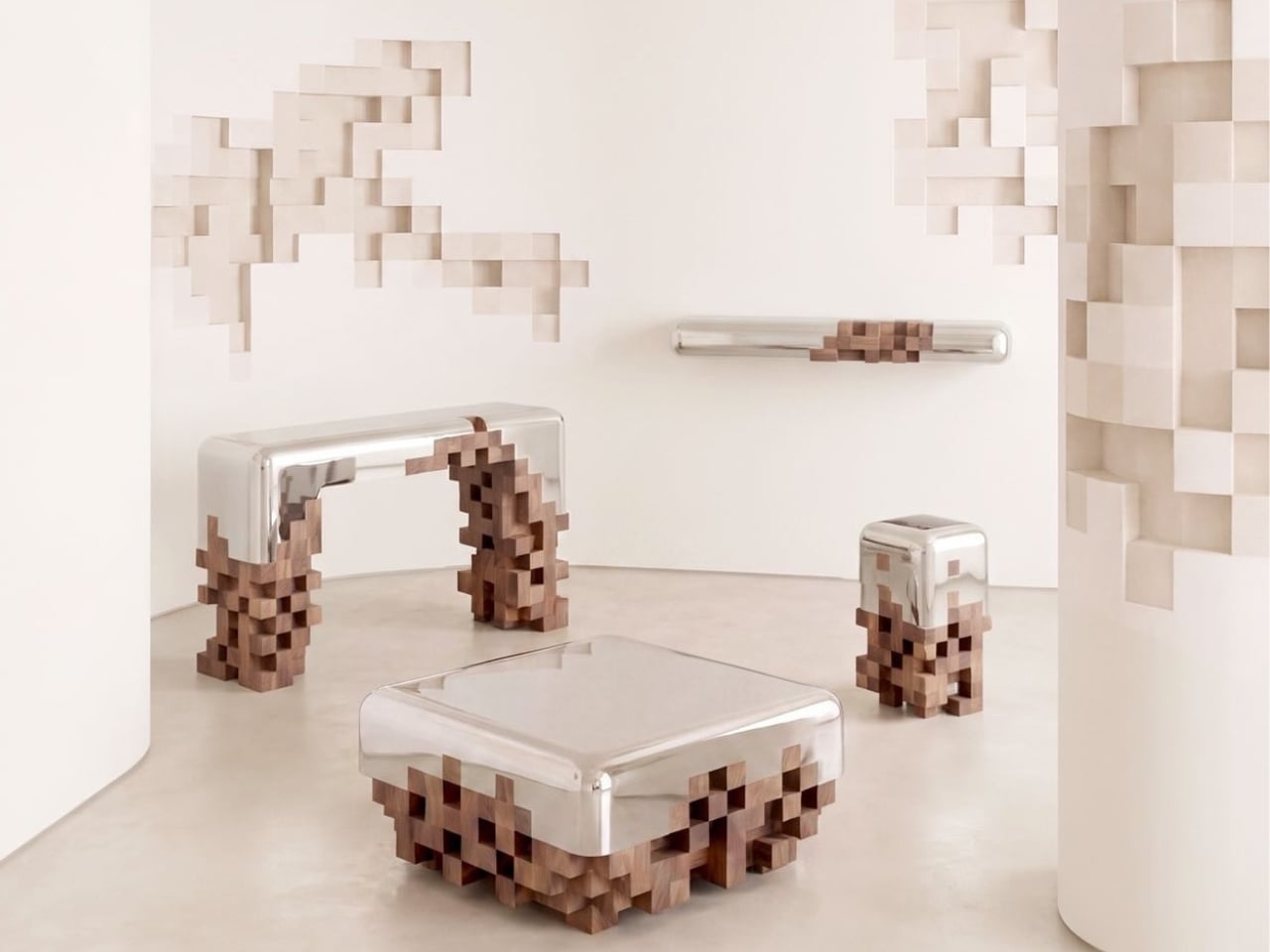
The Ghost Collection by Alberto Essesi transforms pixelation into a refined furniture design language. Mirror-polished aluminum is paired with solid walnut to create pieces that transition from smooth, reflective surfaces to deliberately blocky, pixel-inspired forms. Console tables, ottomans, and sculptural accessories recreate enlarged digital pixels through carefully stacked wooden modules, giving each object the appearance of existing between a virtual rendering and a handcrafted creation.
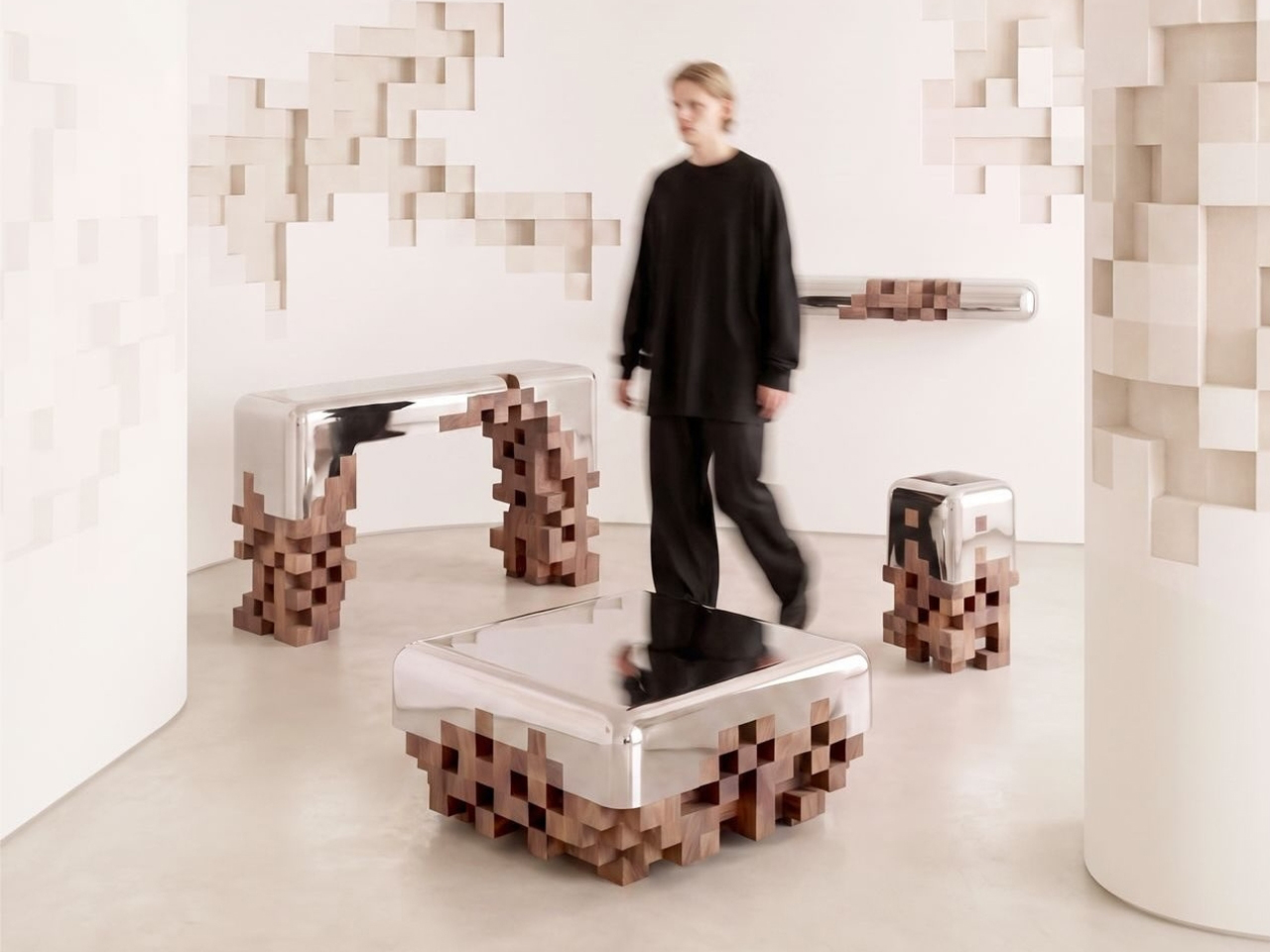
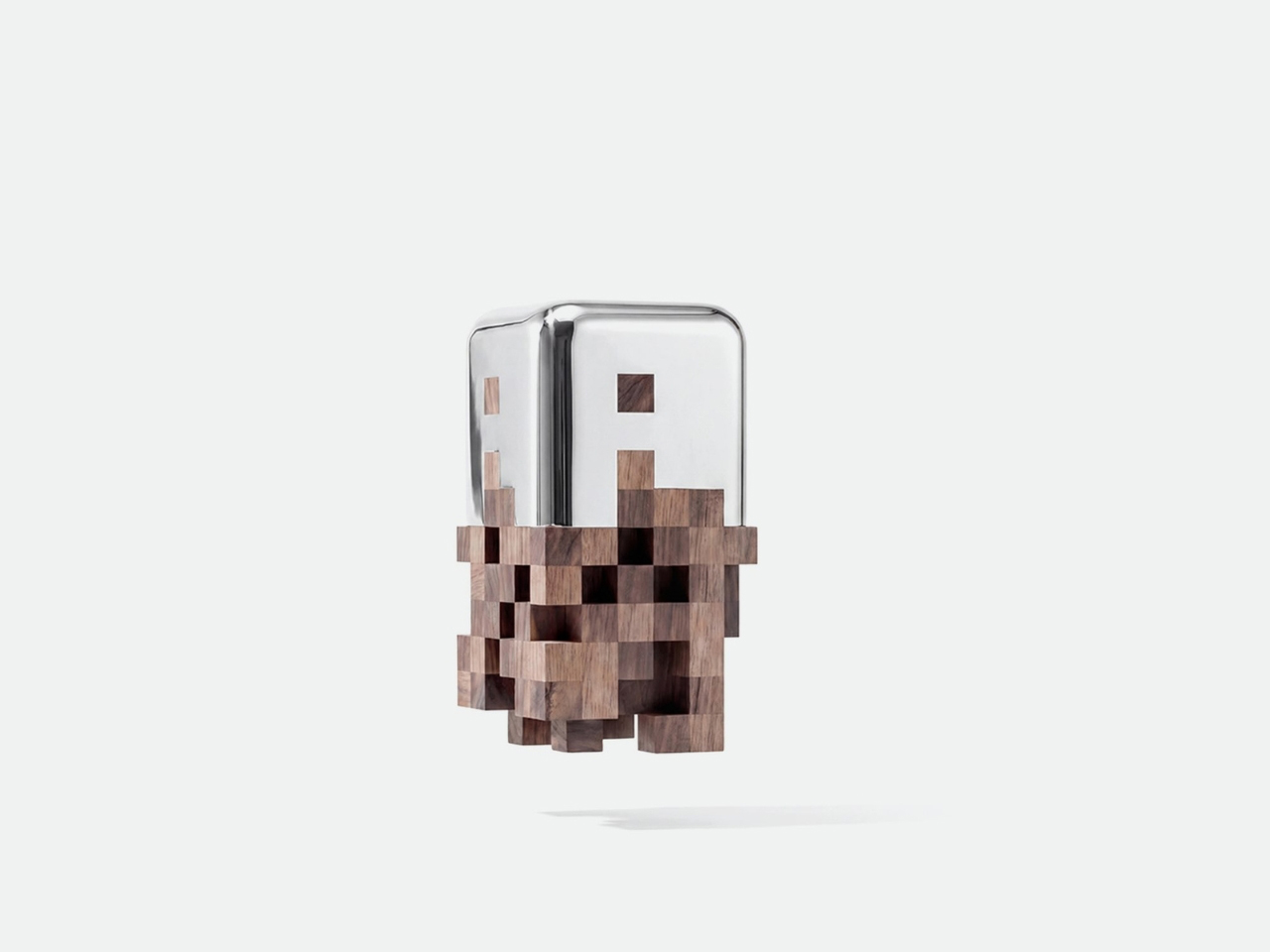
Every piece balances clean lines, natural materials, and geometric forms to create furniture that feels sculptural yet functional. Depending on its setting, the collection can appear as gallery-worthy art, a statement furnishing, or a conversation piece inspired by digital culture. It reflects how pixelation has evolved into a contemporary design language that seamlessly connects technology, materiality, and everyday living.
2. Retro Graphics Get a Modern Upgrade
Retro pixel graphics are no longer limited to gaming nostalgia. Designers are combining classic 8-bit aesthetics with smart technology to create products that are interactive, customizable, and highly functional. Pixel displays now serve as communication tools, displaying animations, notifications, artwork, and personalized visuals that adapt to users’ preferences.
This fusion of vintage inspiration and modern innovation allows everyday products to feel emotionally familiar and technologically advanced, proving that nostalgic design can evolve into meaningful and practical user experiences.
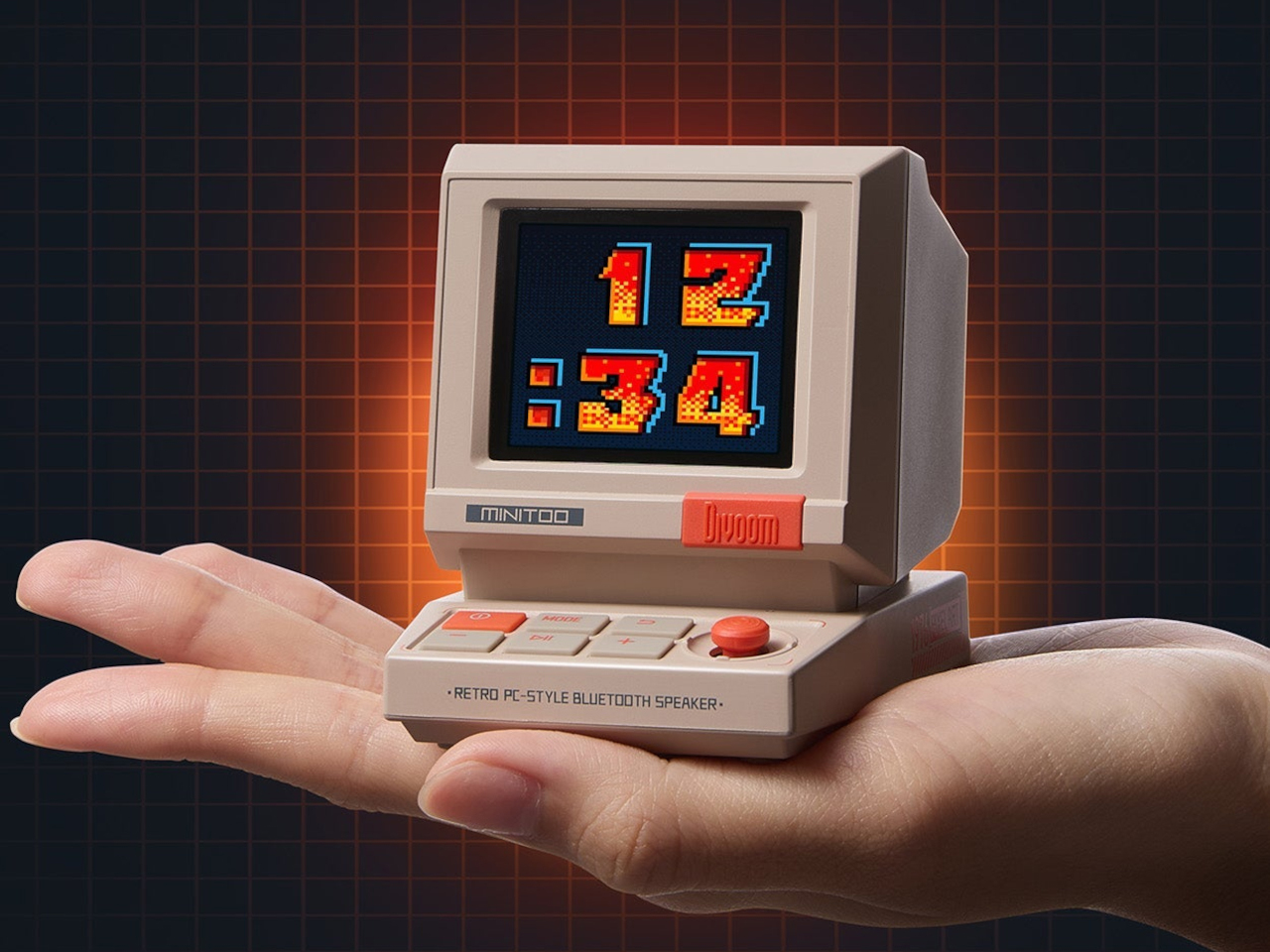
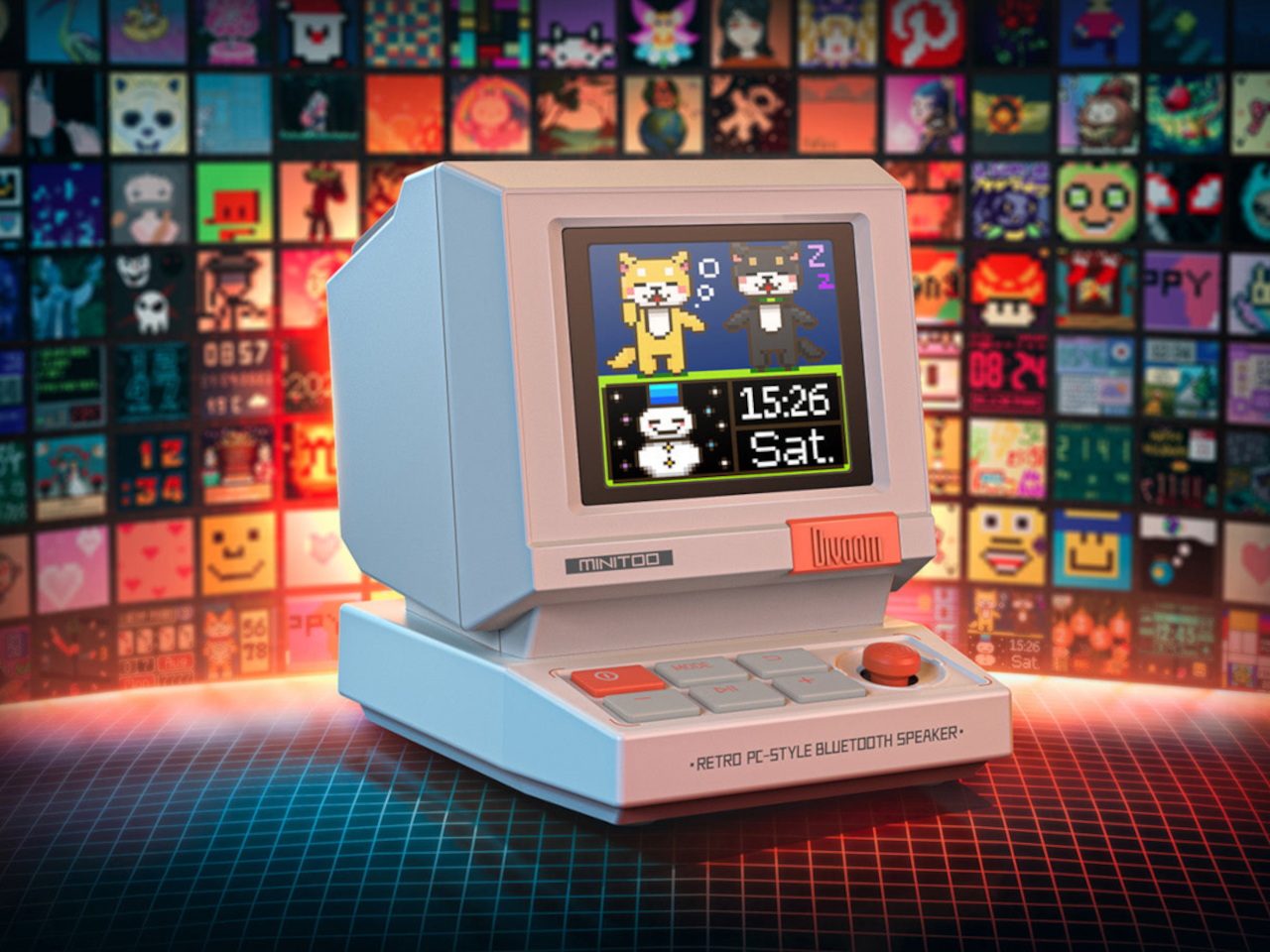
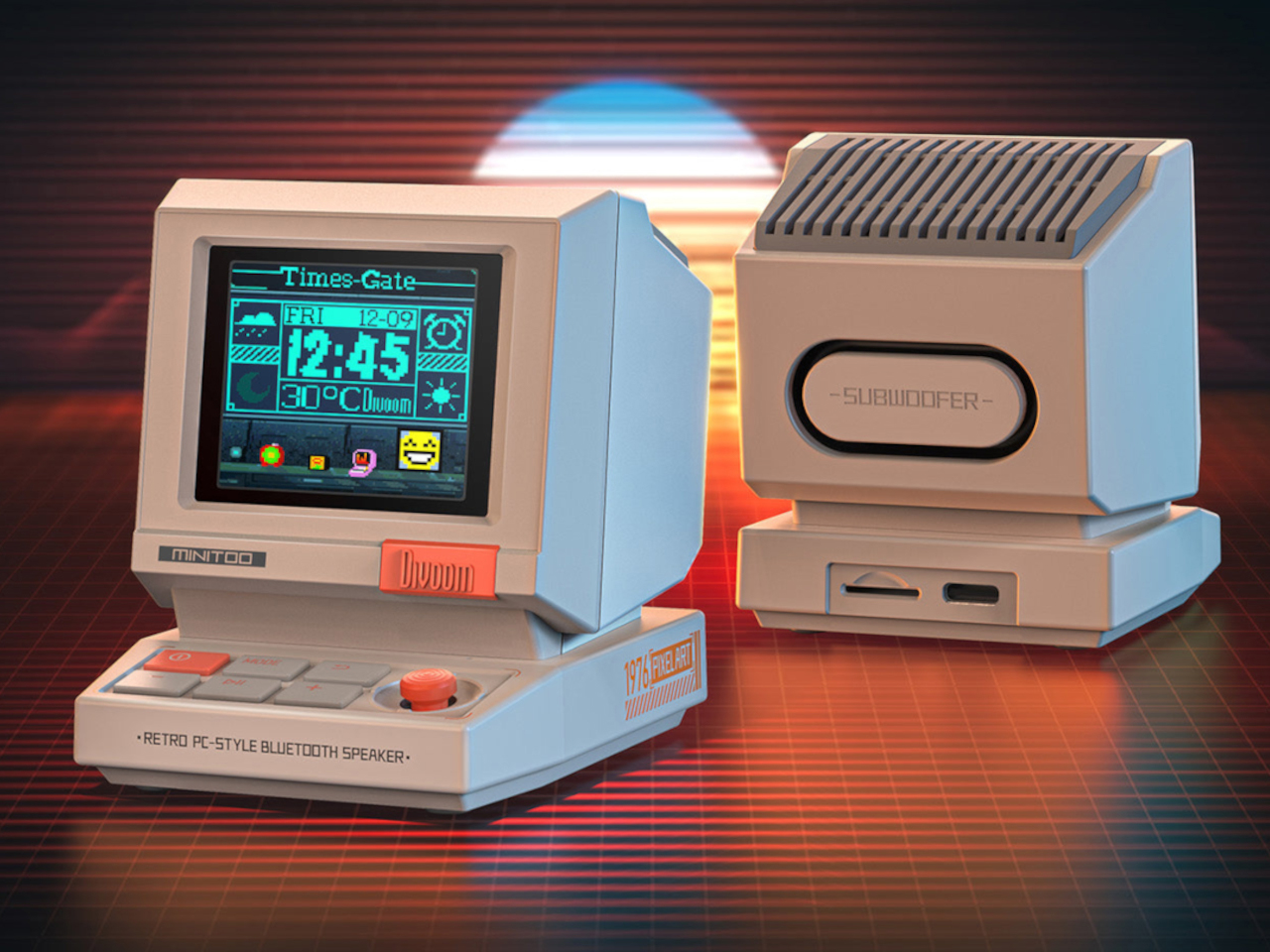
The MiniToo Retro PC-Style Pixel Bluetooth Speaker & Alarm Clock reimagines the classic desktop computer as a compact multifunctional device for modern workspaces. Inspired by 1980s PCs, it features a miniature CRT-style display, oversized keyboard-like buttons, and a signature beige finish. Its customizable pixel screen displays animated clock faces, digital artwork, text, and photos, allowing users to personalize their desks while bringing the charm of retro graphics into a contemporary setting with everyday practicality.
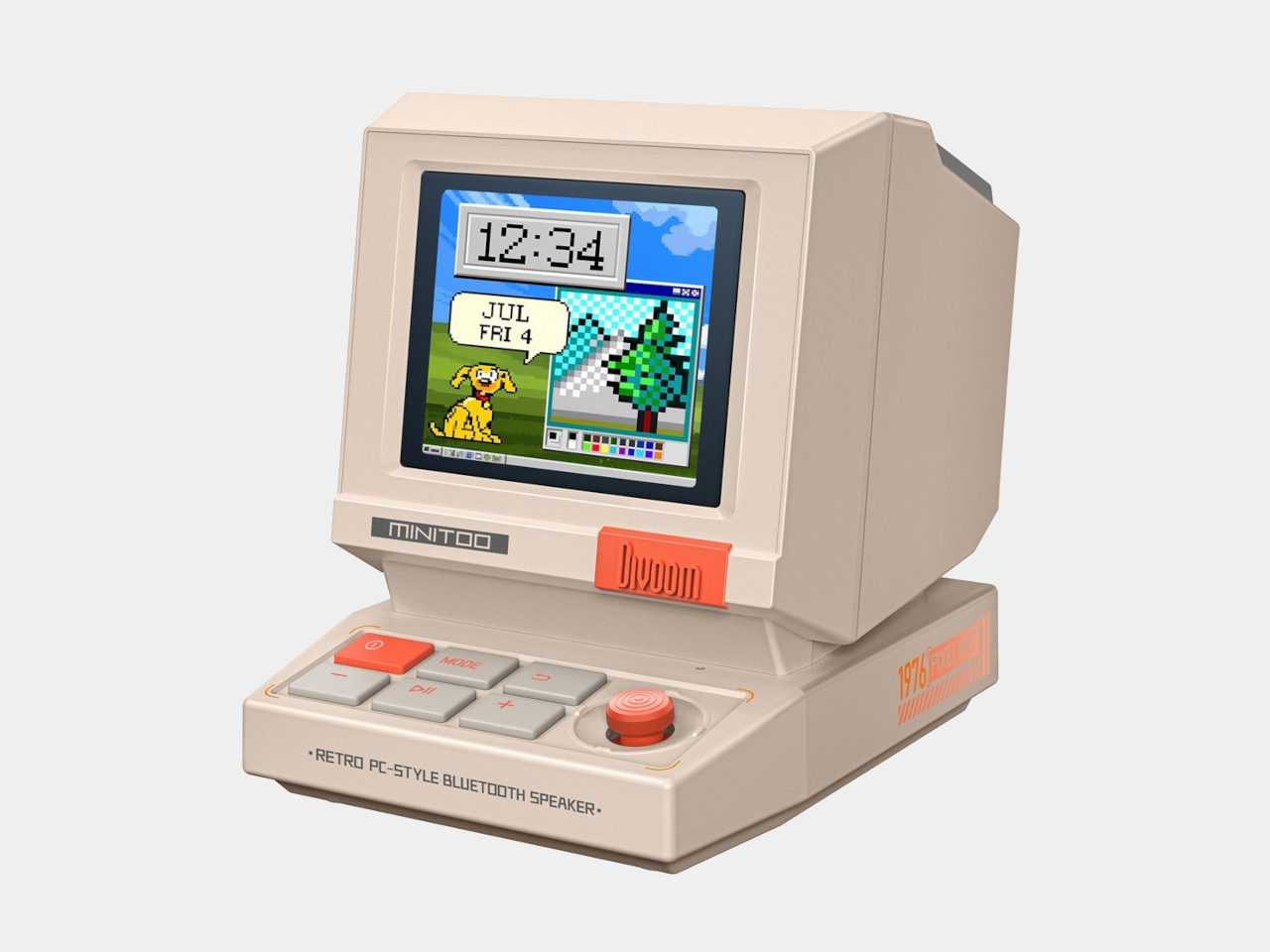
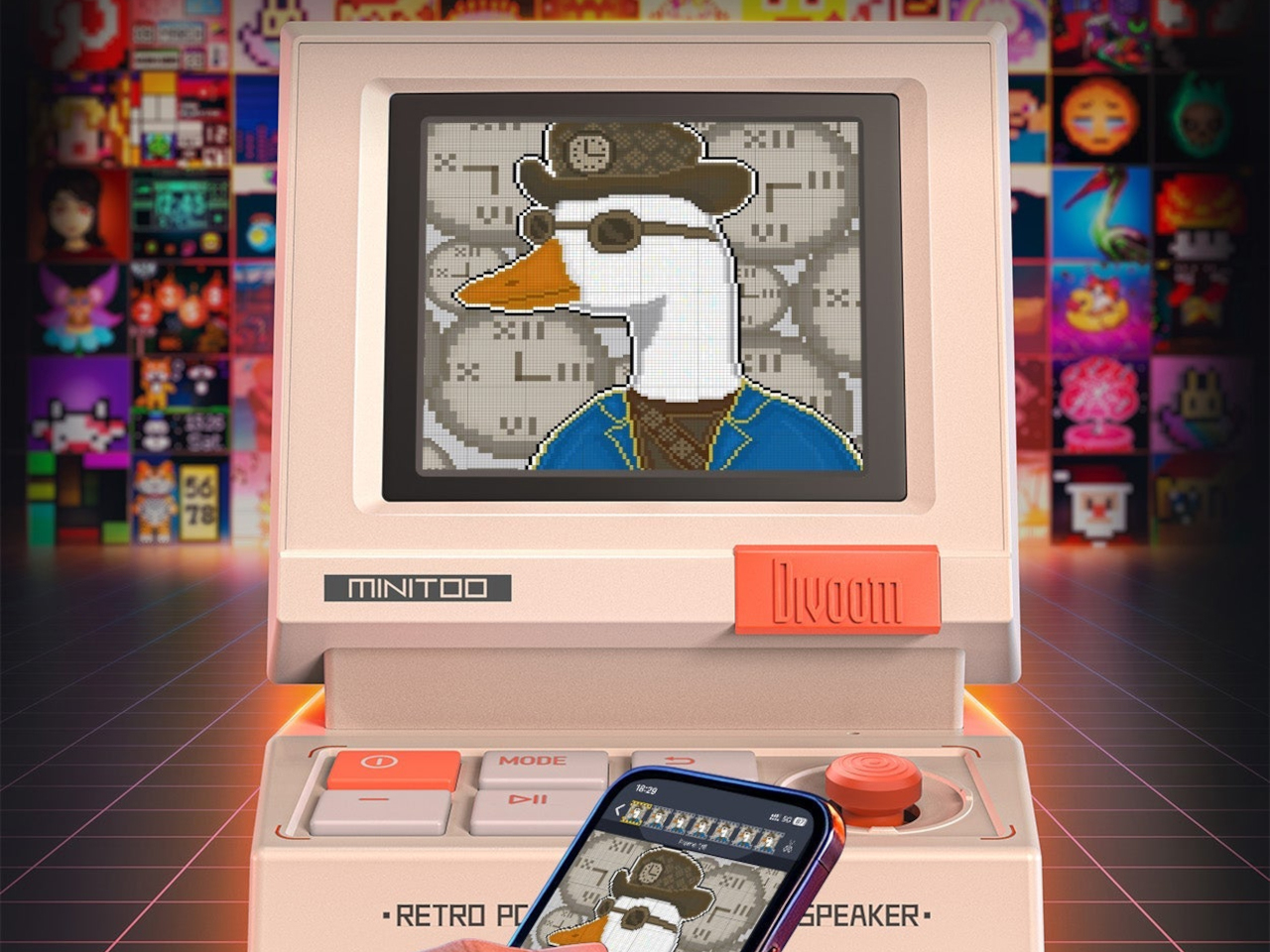
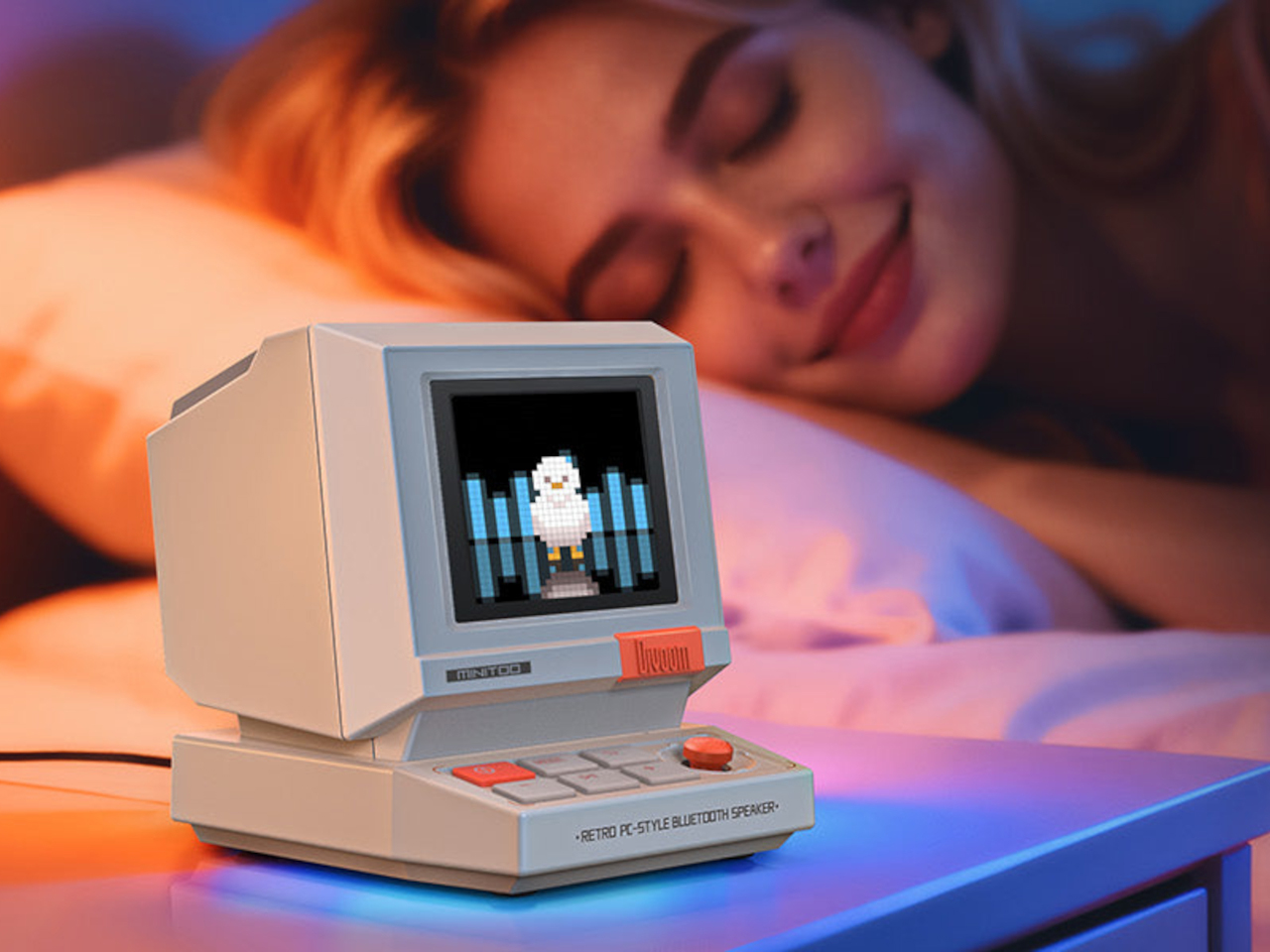
Designed as an all-in-one desktop companion, the MiniToo combines a Bluetooth speaker,
alarm clock, white noise machine, focus timer, reminders, and interactive pixel features in a single compact unit. Tactile buttons and a rotary volume knob provide intuitive controls, while wireless connectivity ensures seamless operation. By blending nostalgic styling with practical functionality, the product turns pixel-inspired design into an engaging everyday experience.
3. Reality Gets an 8-Bit Makeover
Instead of simply borrowing inspiration from digital graphics, some designers are transforming the way people experience the physical world through pixelation. By intentionally reducing visual detail and using blocky aesthetics, these products encourage creativity over technical perfection.
They remind users that storytelling, emotion, and artistic expression often matter more than ultra-high resolution. This playful reinterpretation of reality offers a refreshing alternative to today’s pursuit of flawless digital imagery while celebrating the charm of classic pixel art.
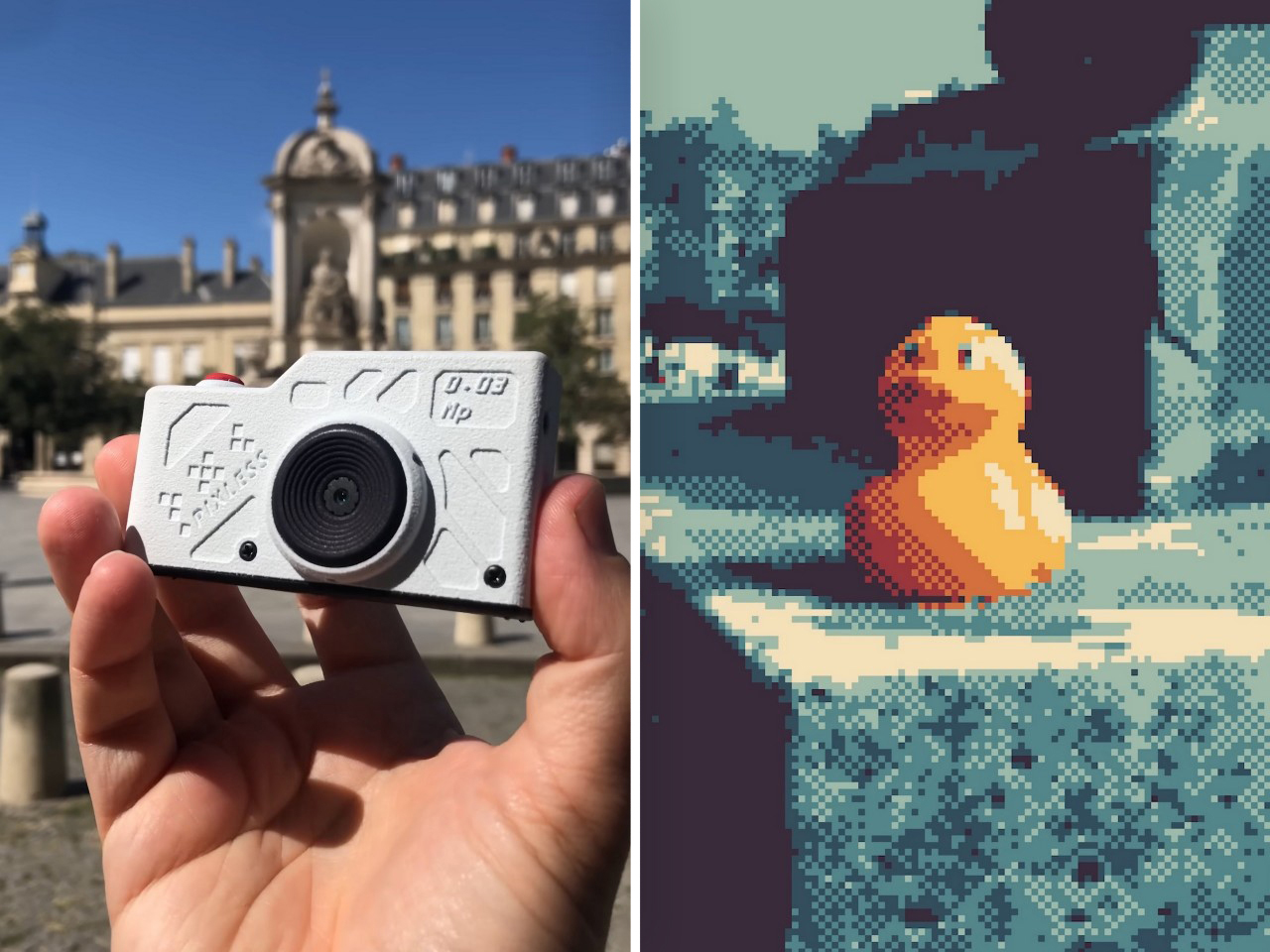
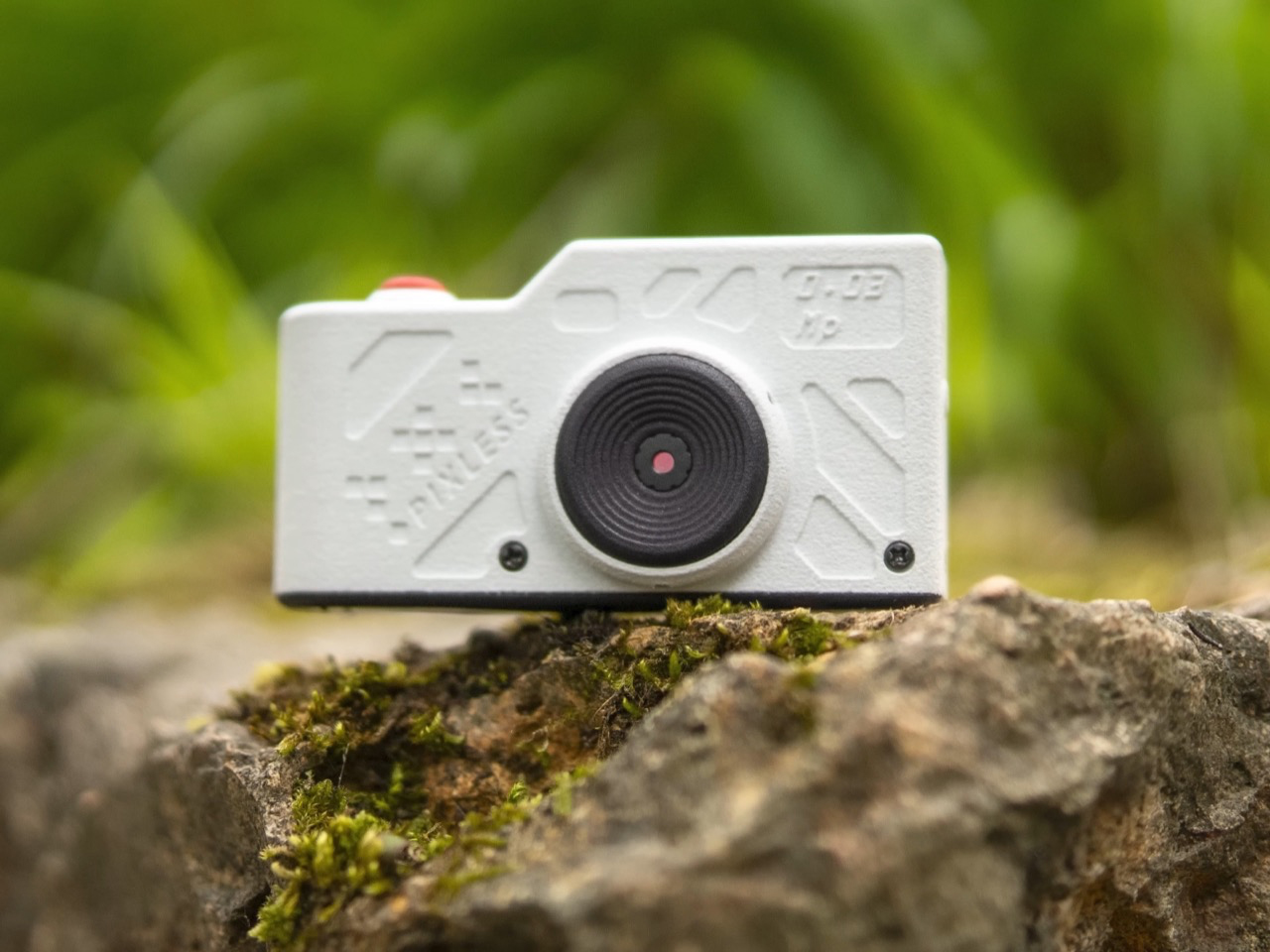
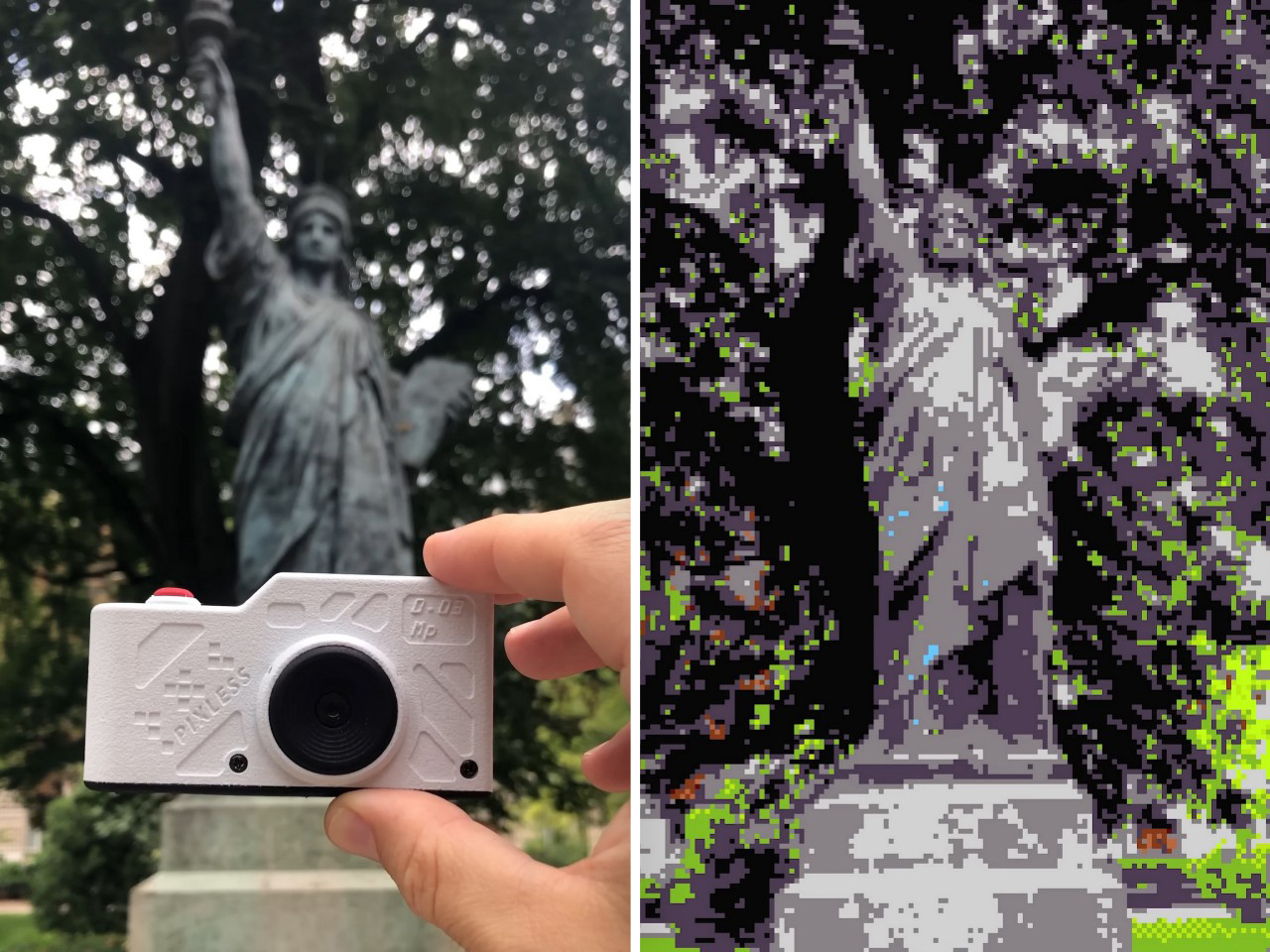
The Pixless Camera redefines digital photography by using pixelation instead of ultra-high resolution. Designed by Carlo Andreini, the compact camera intentionally captures images in a low-resolution, 16-bit-inspired format reminiscent of classic video games. Housed in a lightweight 3D-printed body with USB-C connectivity and micro-SD storage, it combines modern hardware with nostalgic aesthetics. Its software intentionally produces bold, blocky visuals, encouraging users to focus on creativity, composition, and artistic expression.
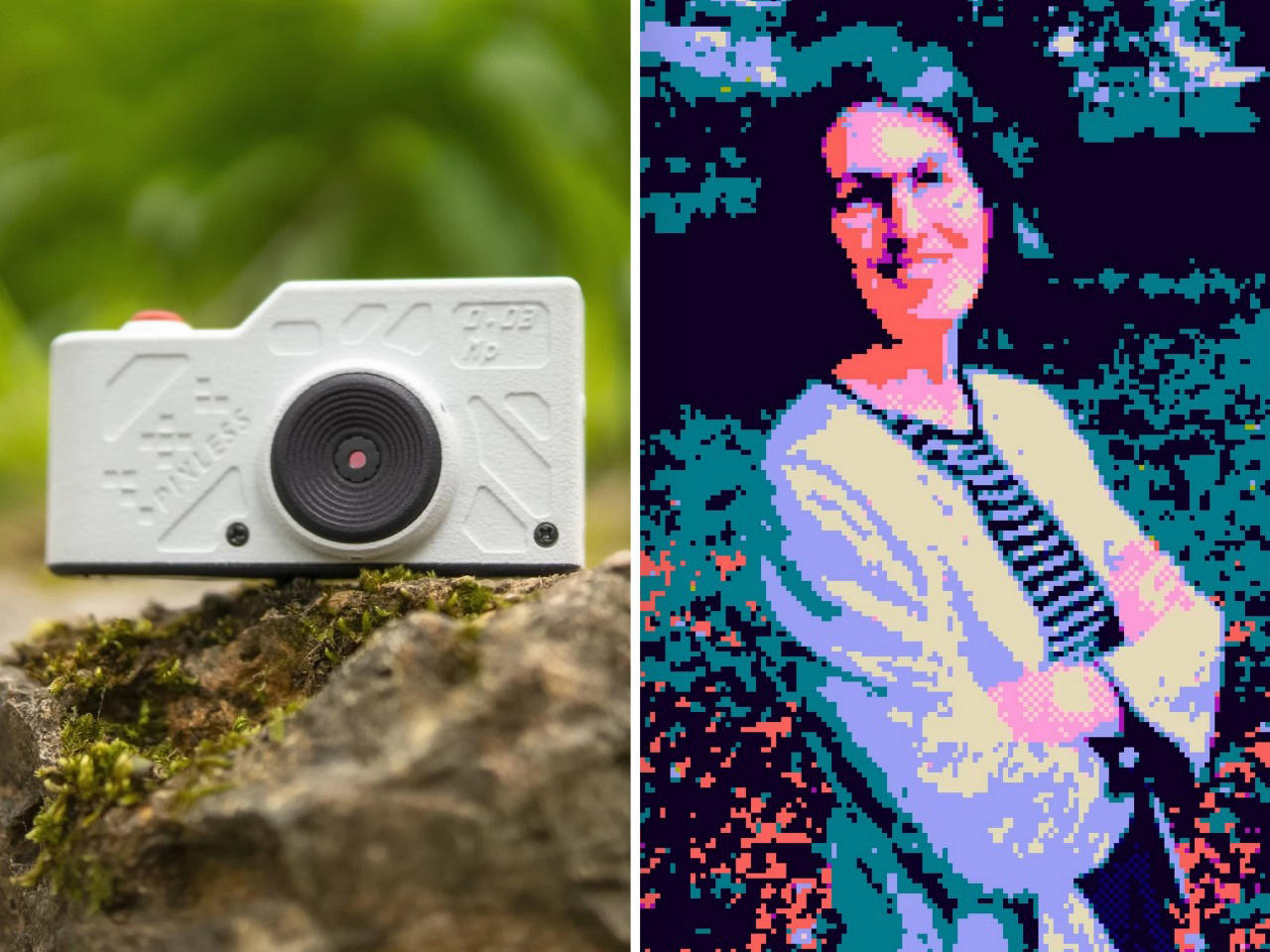
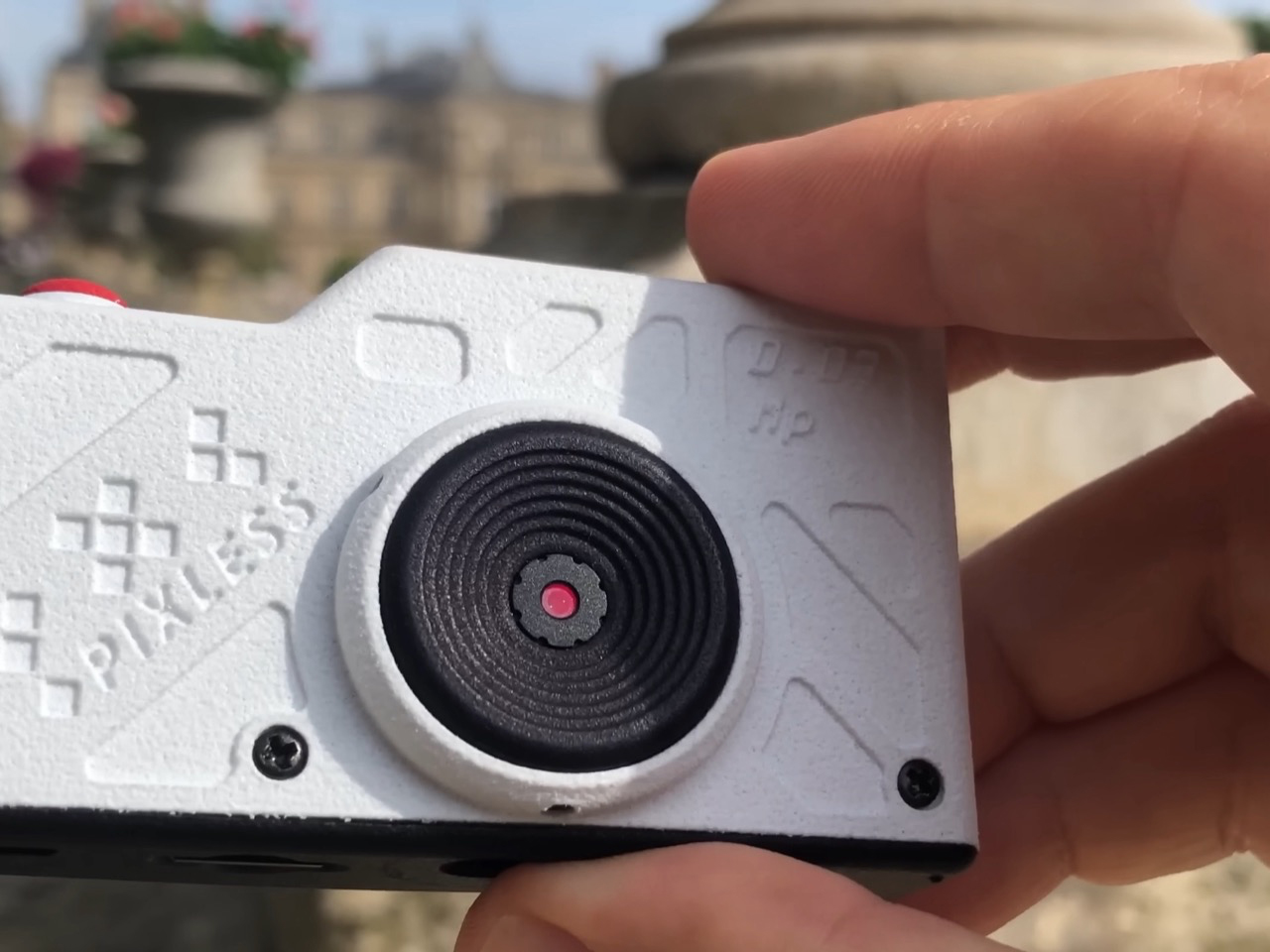
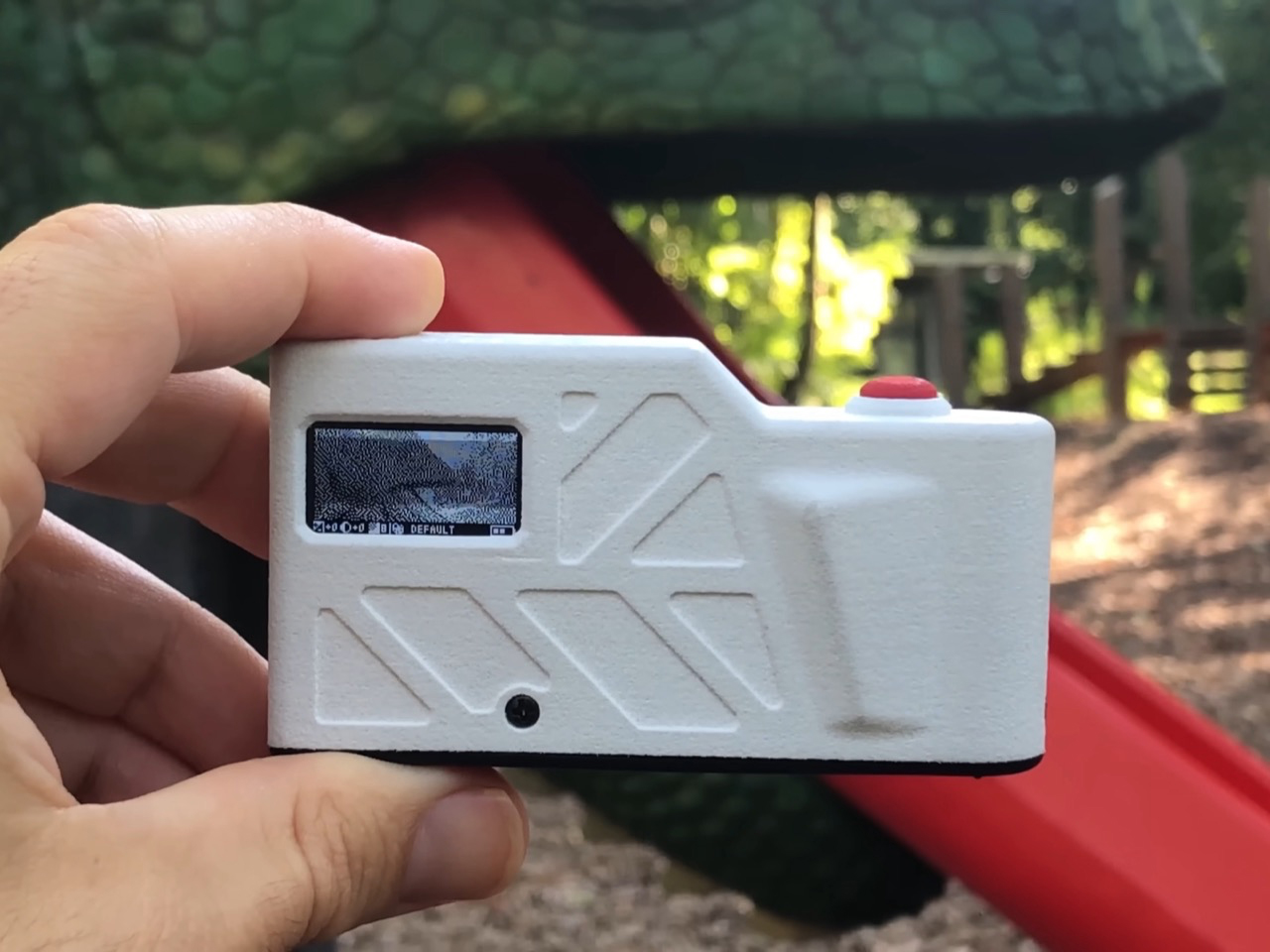
The Pixless Camera expands creative possibilities with customizable colour palettes inspired by classic gaming consoles, allowing every image to adopt a distinct retro aesthetic. A browser-based interface lets users preview photos, adjust settings, and switch between pixel-art styles without requiring a dedicated mobile app. By pairing simple hardware with software-driven creativity, the camera becomes more than a photography tool. It offers a fresh way to capture everyday moments through playful, stylized visuals inspired by early digital graphics.
4. Kinetic Pixels Steal the Spotlight
Pixel-inspired design has evolved from static geometry into dynamic, moving experiences. Advances in mechanical engineering and programmable systems allow designers to create products that continuously shift and animate using modular pixel-like components.
These kinetic designs blur the line between sculpture, technology, and functional objects, creating visual performances that change throughout the day. These new generation of products bring movement, interaction, and storytelling into everyday environments while showcasing the beauty of physical mechanics.
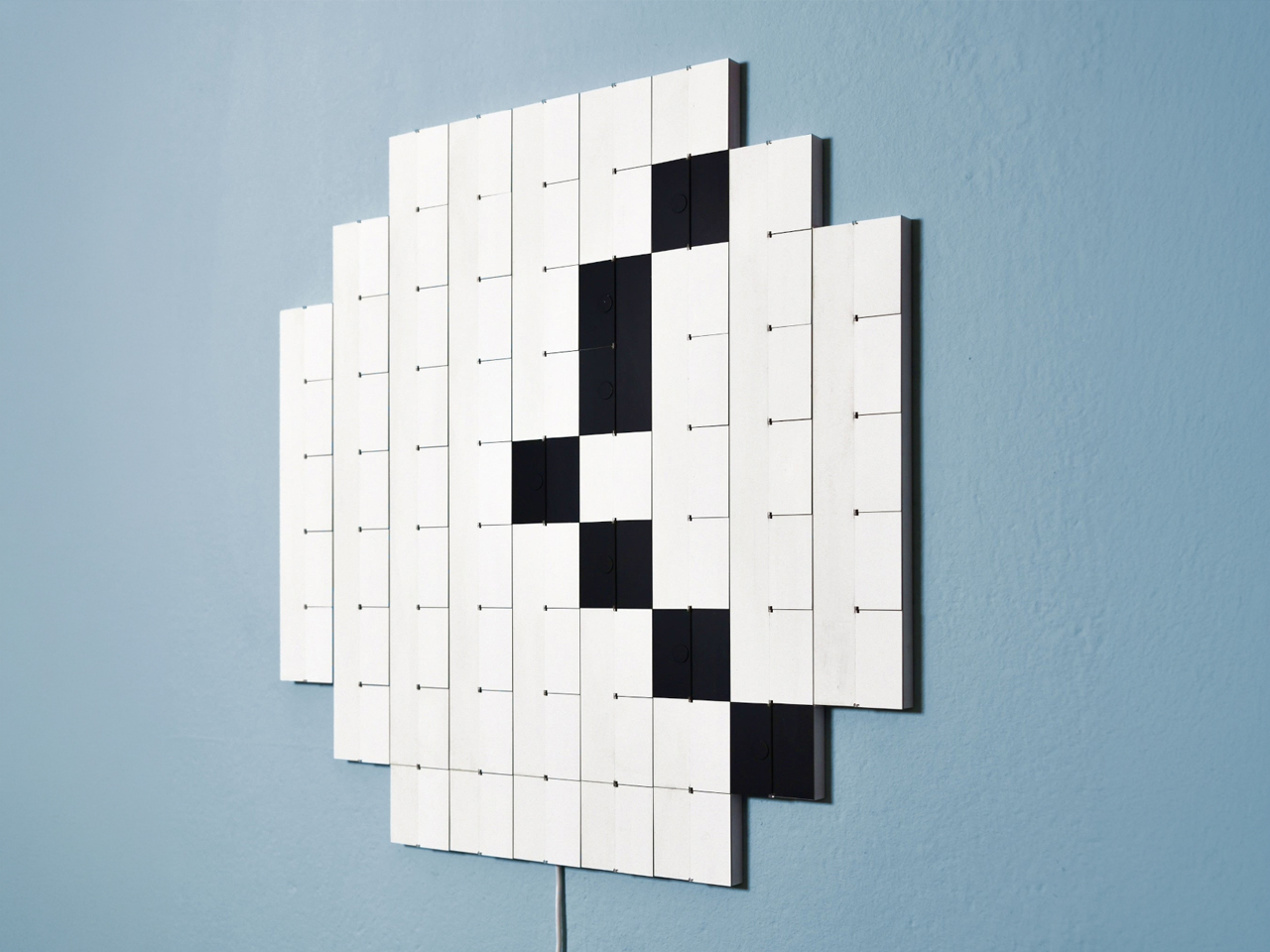
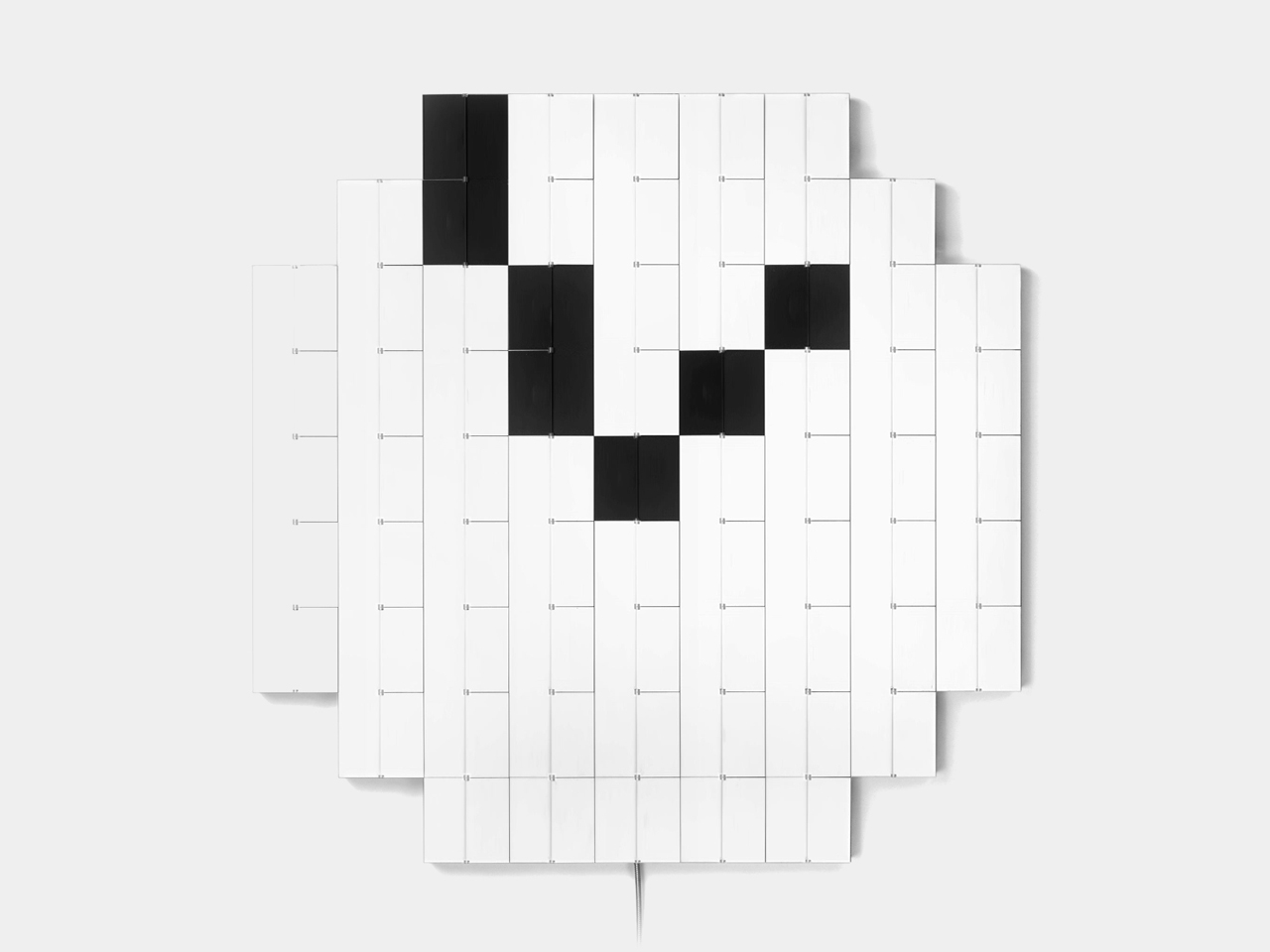
The Klapklok reimagines traditional timekeeping through a kinetic display inspired by vintage split-flap clocks and retro pixel graphics. The handcrafted clock features 69 individually moving panels that form a rounded pixel grid, replacing conventional clock hands with animated mechanical movement. Every few minutes, the panels shift to display the time, while each hour the entire grid transforms into a numerical display. Soft rhythmic sounds accompany the motion, creating a calming and immersive experience.
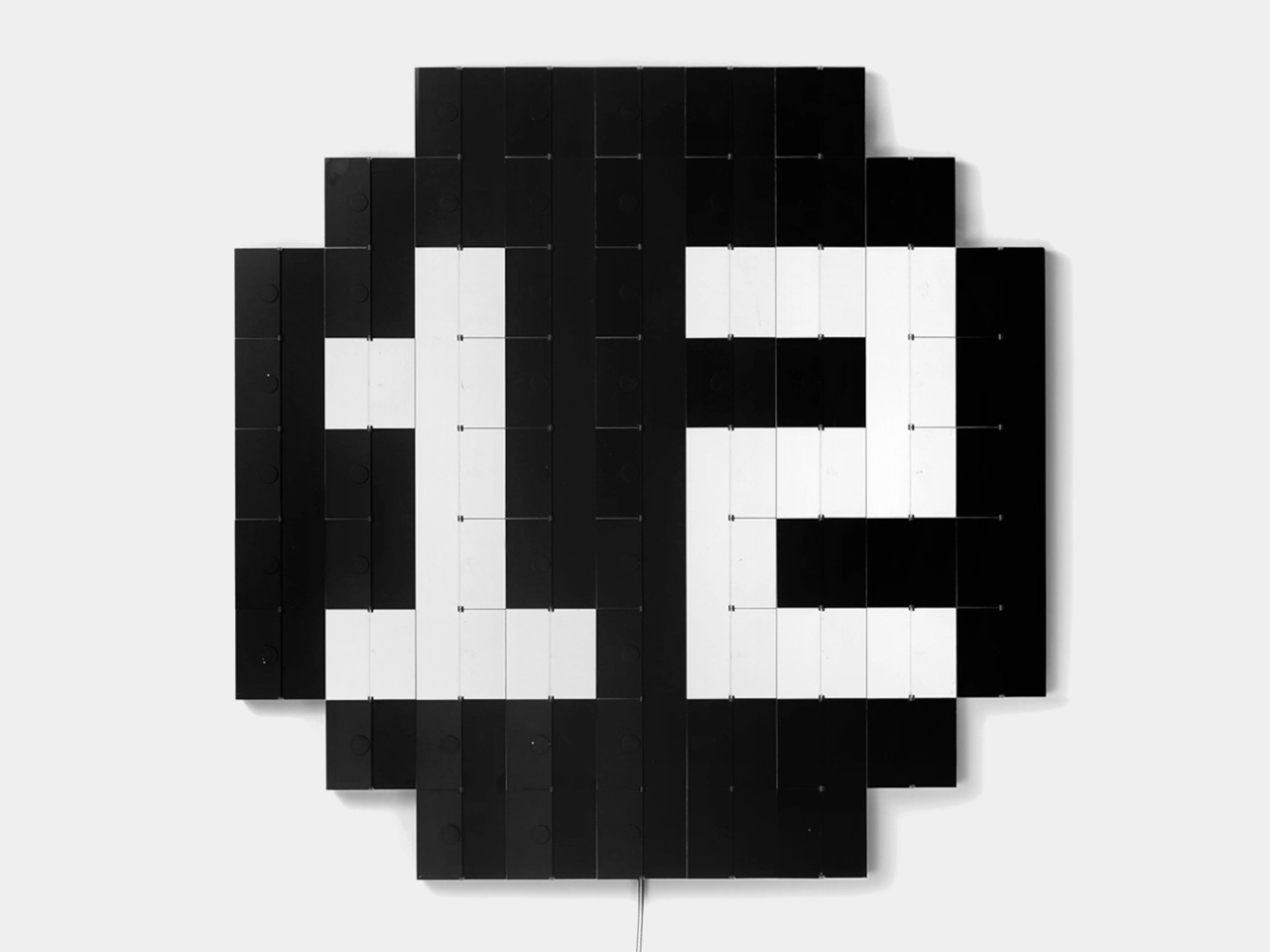
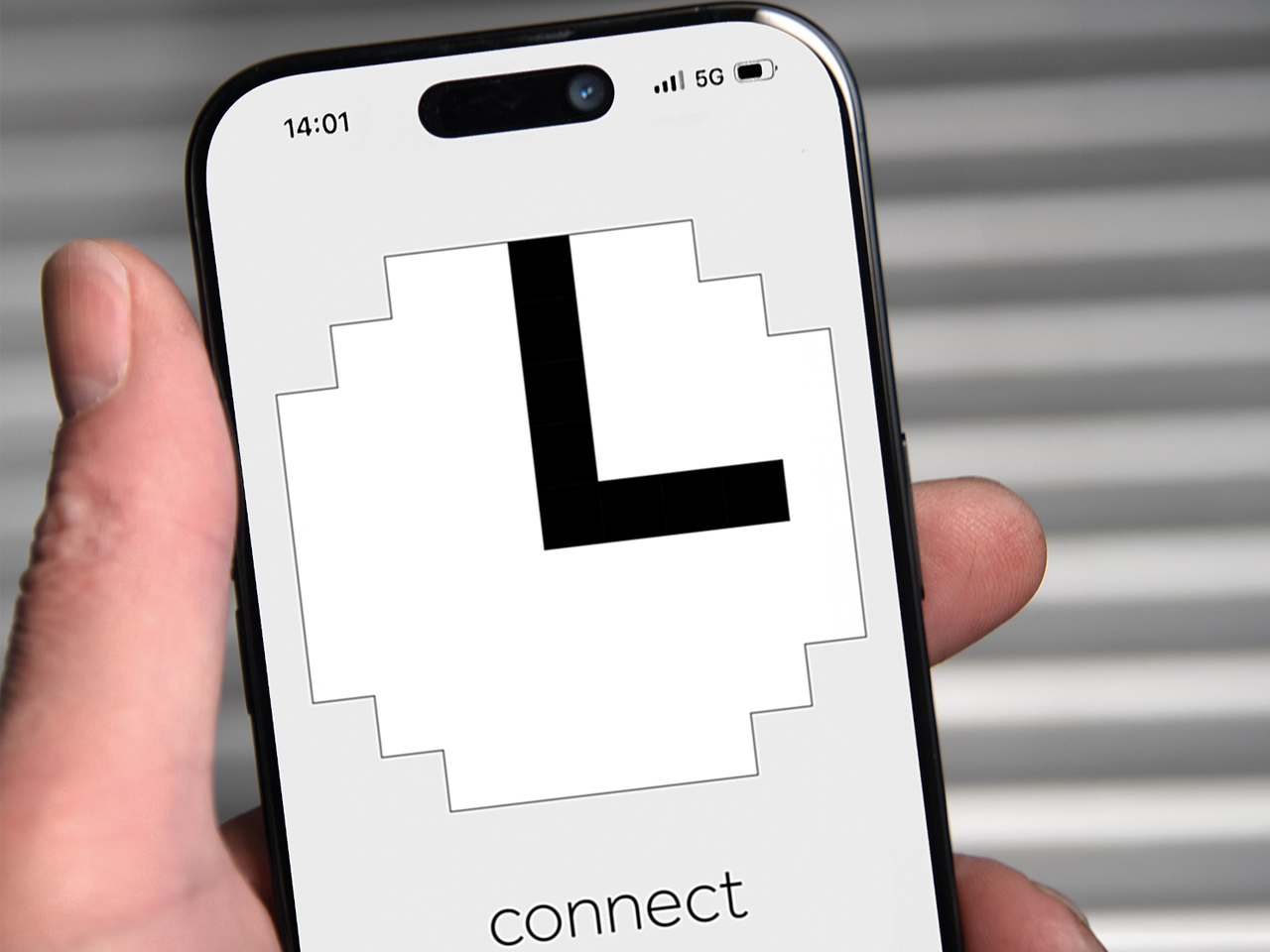
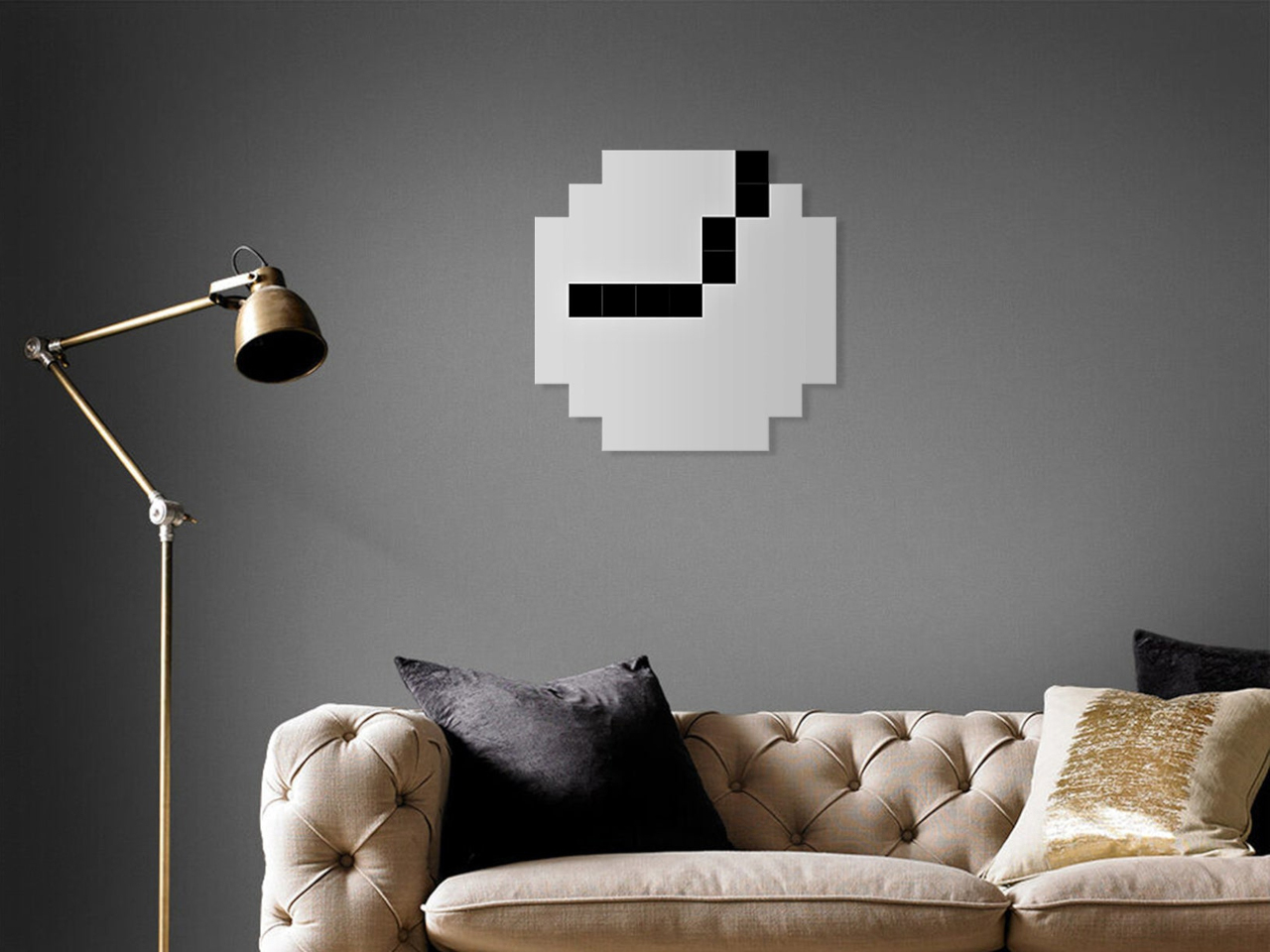
Designed as a functional clock and an interactive décor piece, the Klapklok is crafted from premium materials, including a bio-polyurethane frame and durable composite flaps. A companion smartphone app allows users to create pixel art, icons, and text on the mechanical display, adding a personalized touch. By combining precision engineering with pixel-inspired design, the clock turns a familiar household object into a dynamic centrepiece that blends craftsmanship, movement, and nostalgic digital aesthetics.
Pixelated Buildings Redefine Skylines
The influence of pixelation now extends to architecture, where modular grids and block-like volumes are reshaping contemporary buildings. Architects use pixel-inspired compositions to create façades with greater depth, improve environmental performance, and break down the visual scale of large developments.
These geometric arrangements produce striking urban landmarks while responding to practical needs such as shading, ventilation, and mixed-use planning. By translating digital thinking into architectural form, pixelated buildings show how virtual aesthetics can inspire functional and visually engaging spaces.
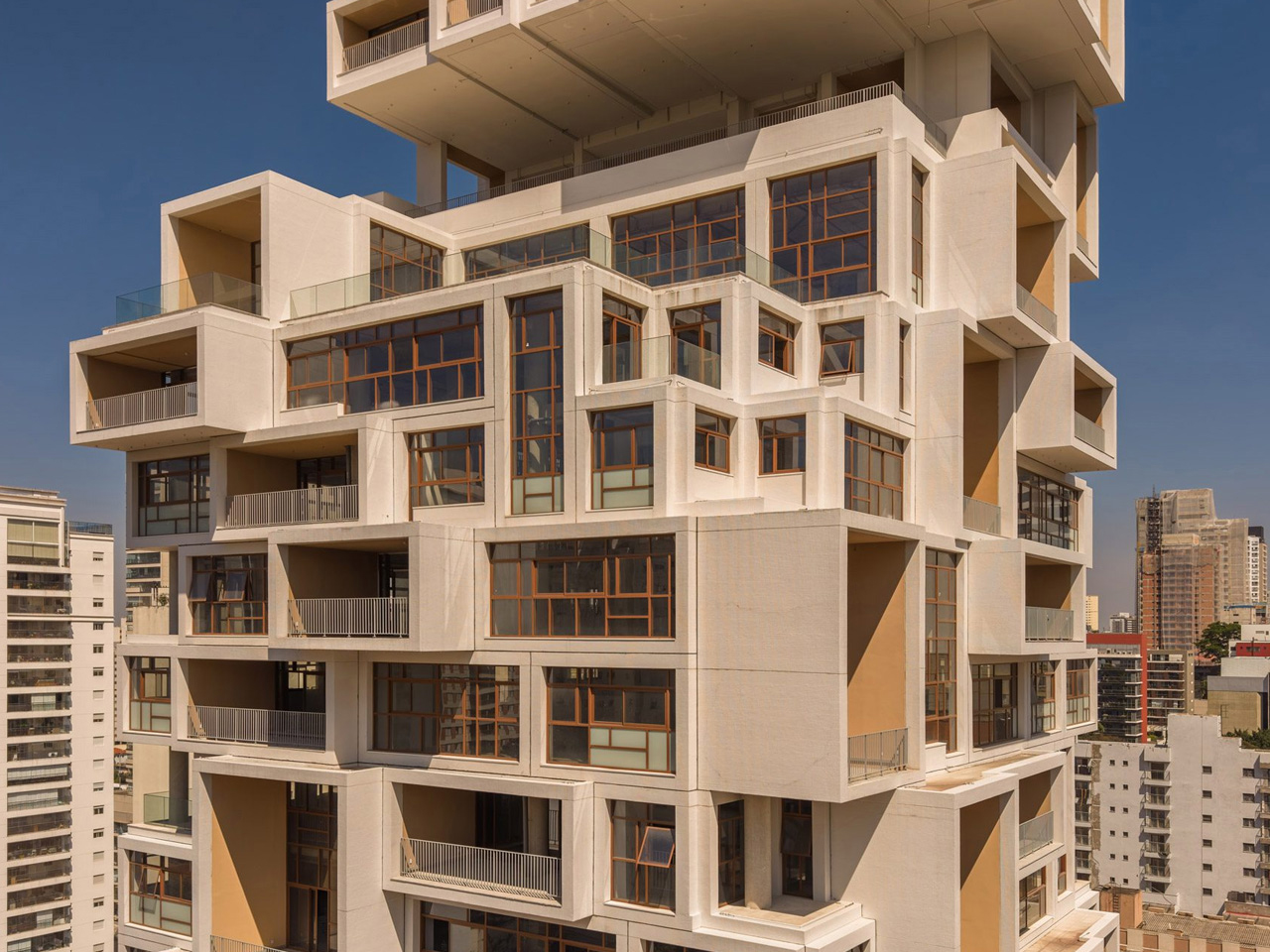
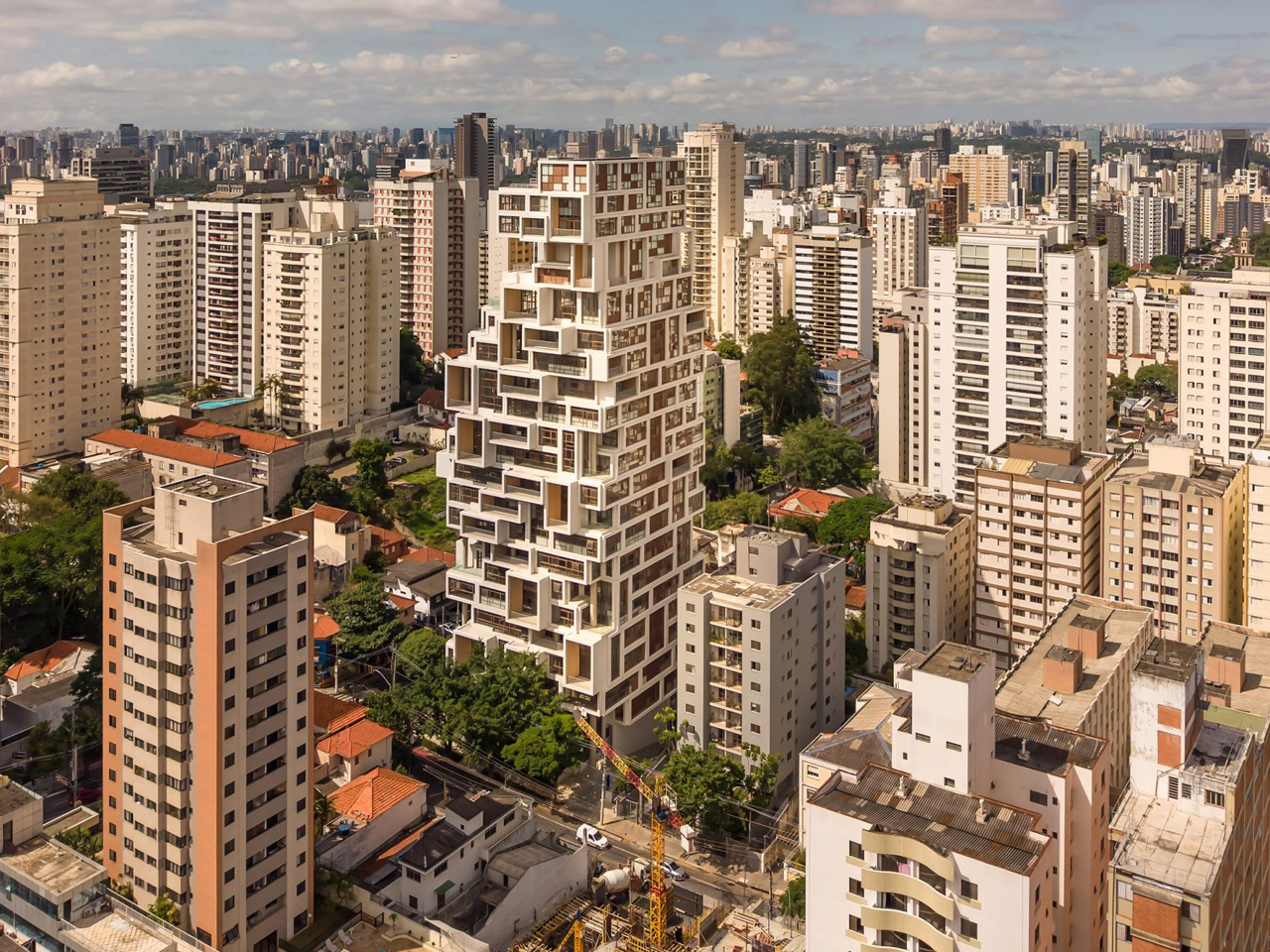
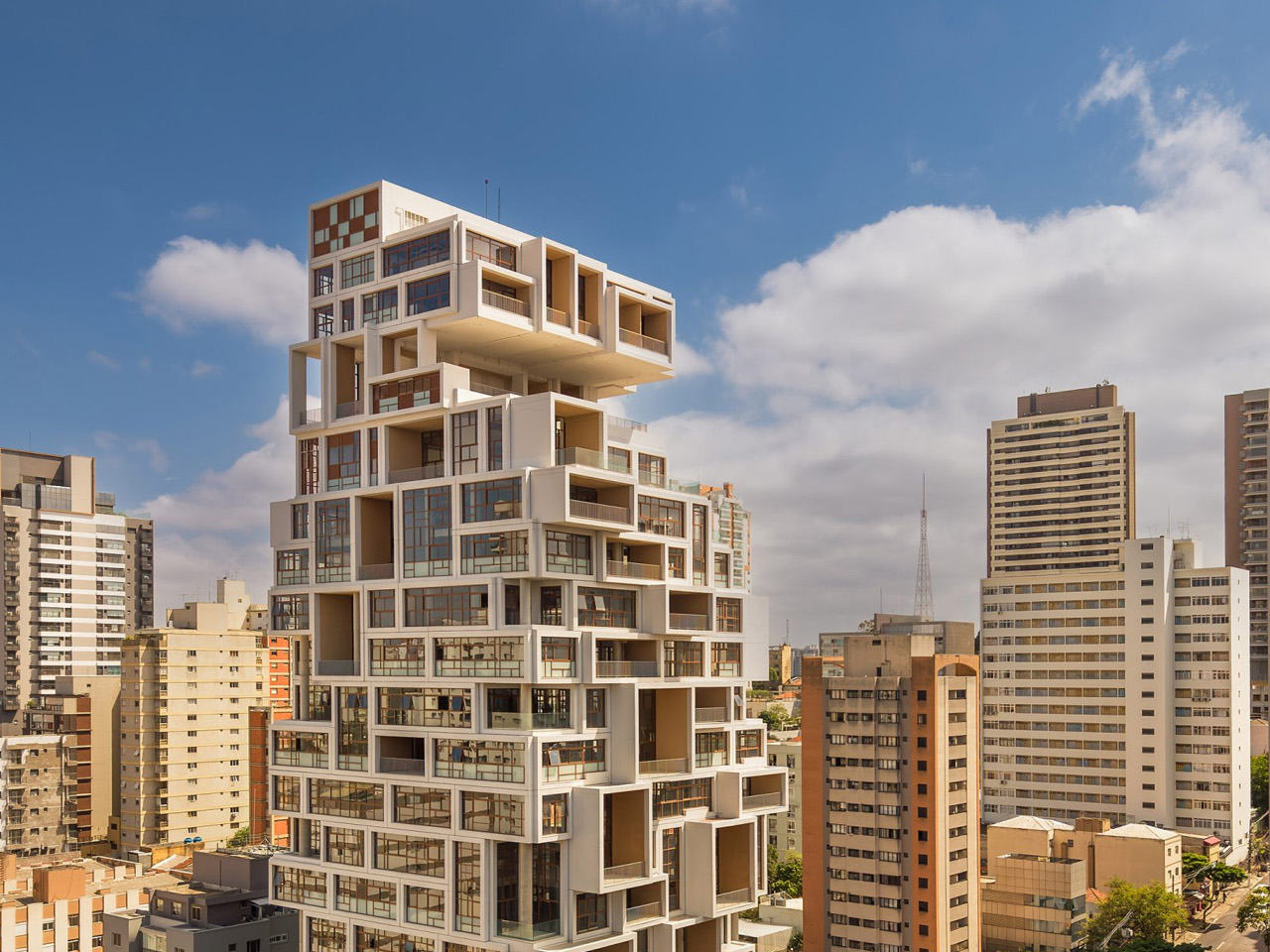
The Valente Building by FGMF Arquitetos brings pixel-inspired design to the urban skyline through a façade of stacked rectangular volumes that resemble enlarged digital pixels. Rising 21 storeys in São Paulo’s Pinheiros district, the mixed-use tower uses modular forms to create depth, shifting shadows, and a bold architectural identity. The geometric composition gives the building a distinctive appearance while allowing it to blend naturally into its vibrant urban context.
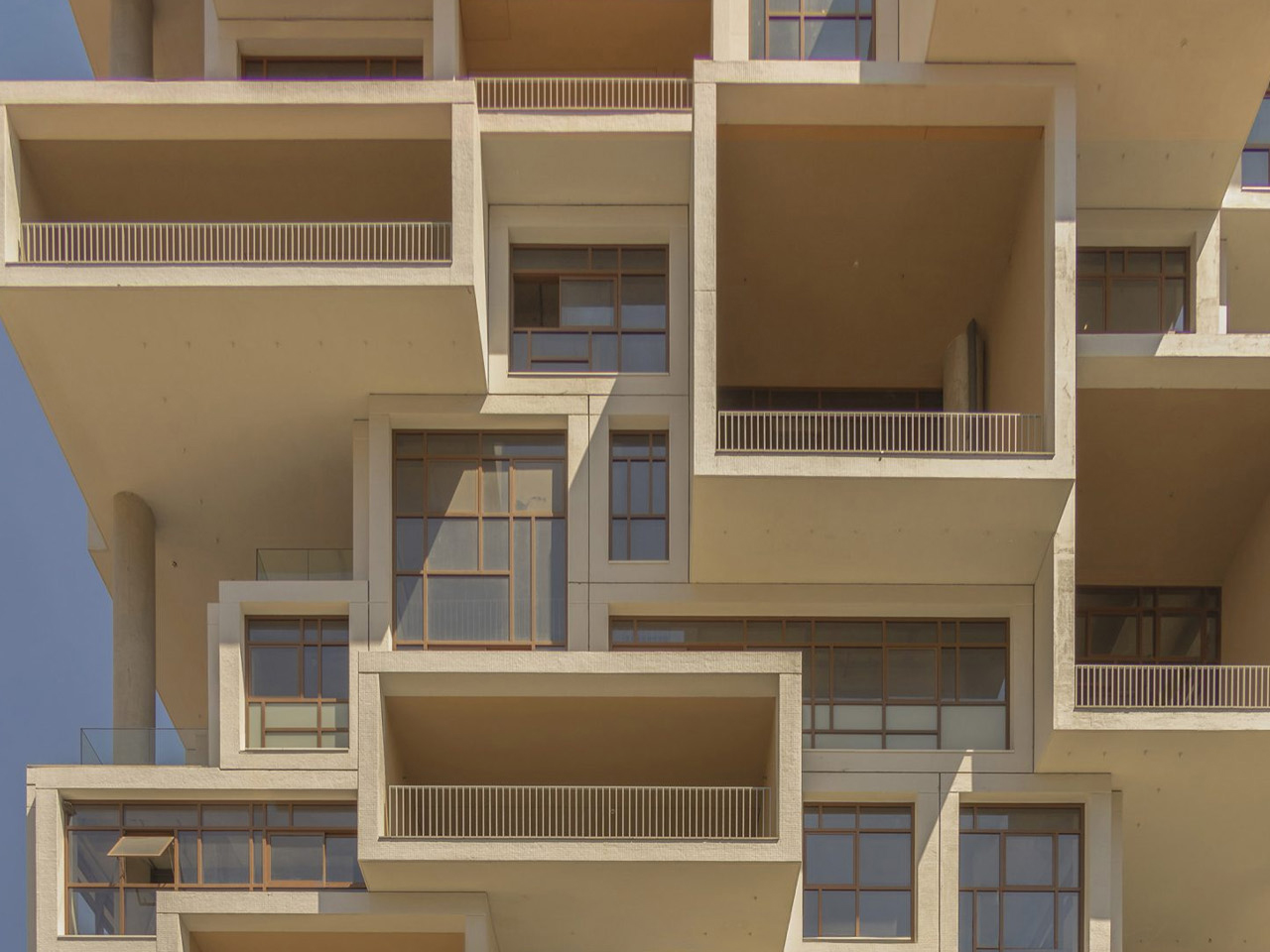
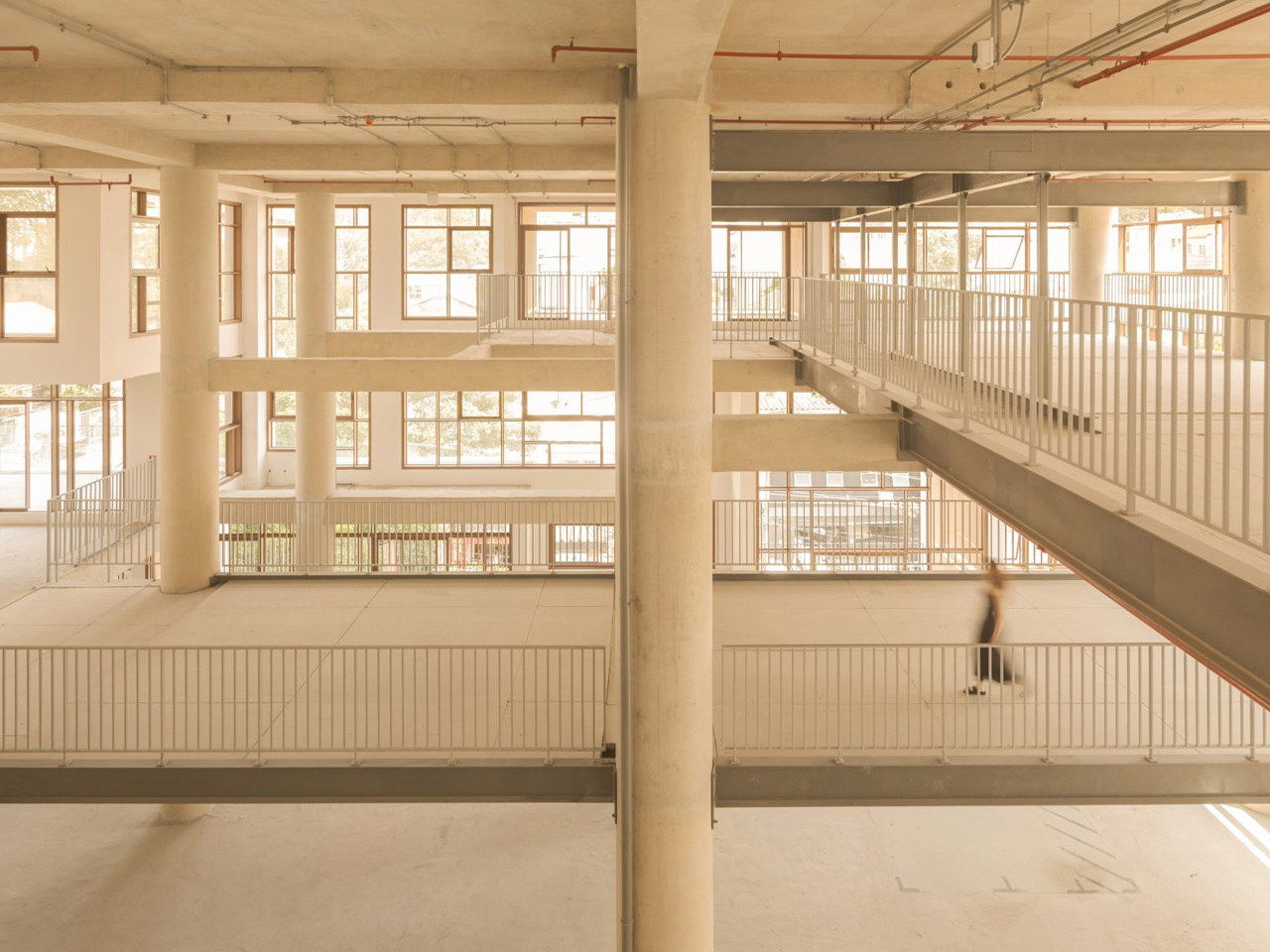
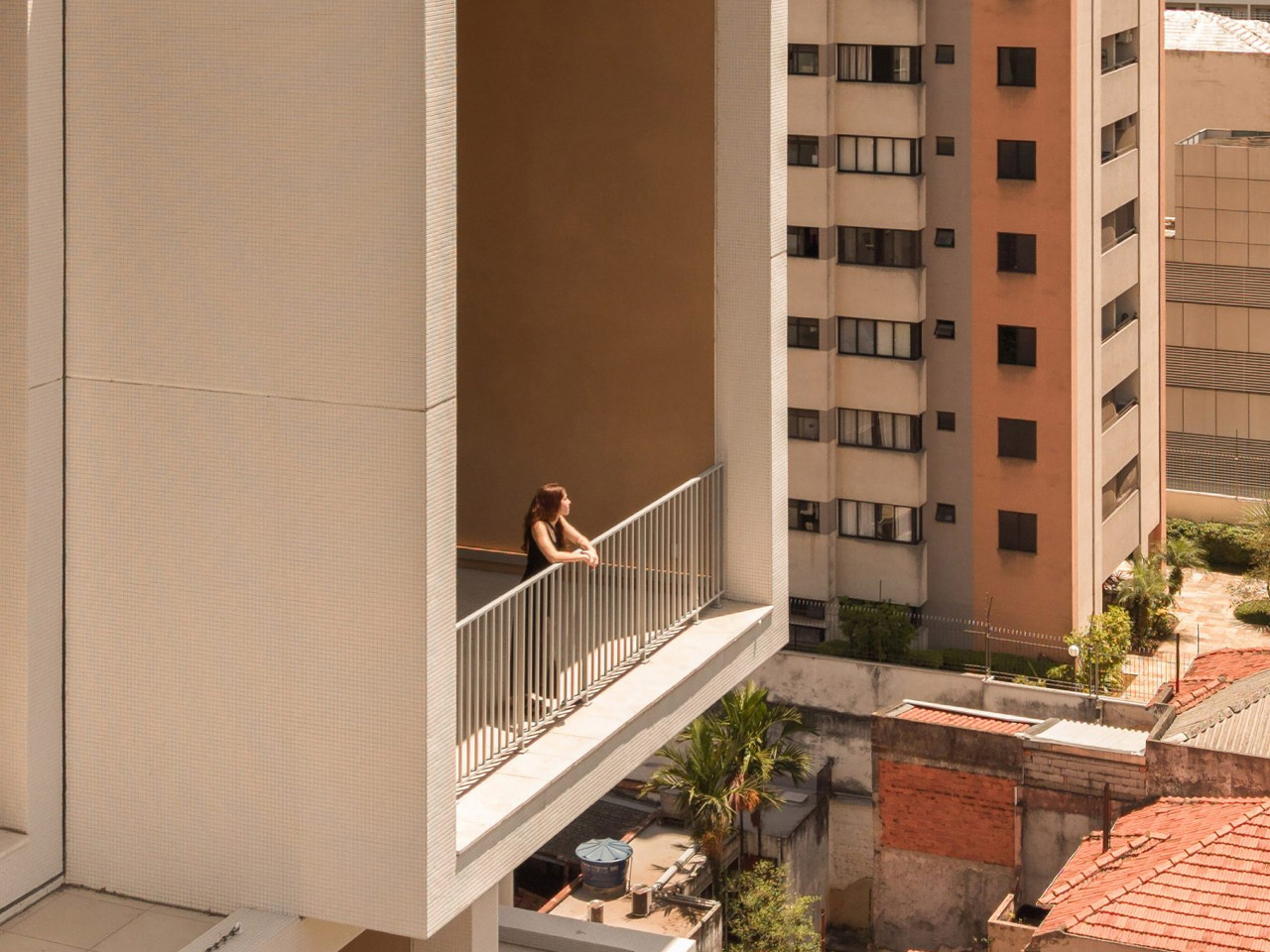
Designed from the inside out, each projecting volume corresponds to functional interior spaces, creating flexible duplex and triplex layouts that maximize natural light, ventilation, and city views. The pixelated geometry is more than a visual feature, as it shapes the user experience while supporting adaptable living and working environments. The project reflects how digital-inspired forms are influencing contemporary architecture with designs that balance visual impact, functionality, and urban integration.
Pixelated design is no longer just a nostalgic reference to early technology. It has evolved into a versatile creative language that connects digital culture with physical craftsmanship, inspiring products, interiors, and architecture that feel innovative, playful, and deeply connected to the way we experience virtual and real worlds