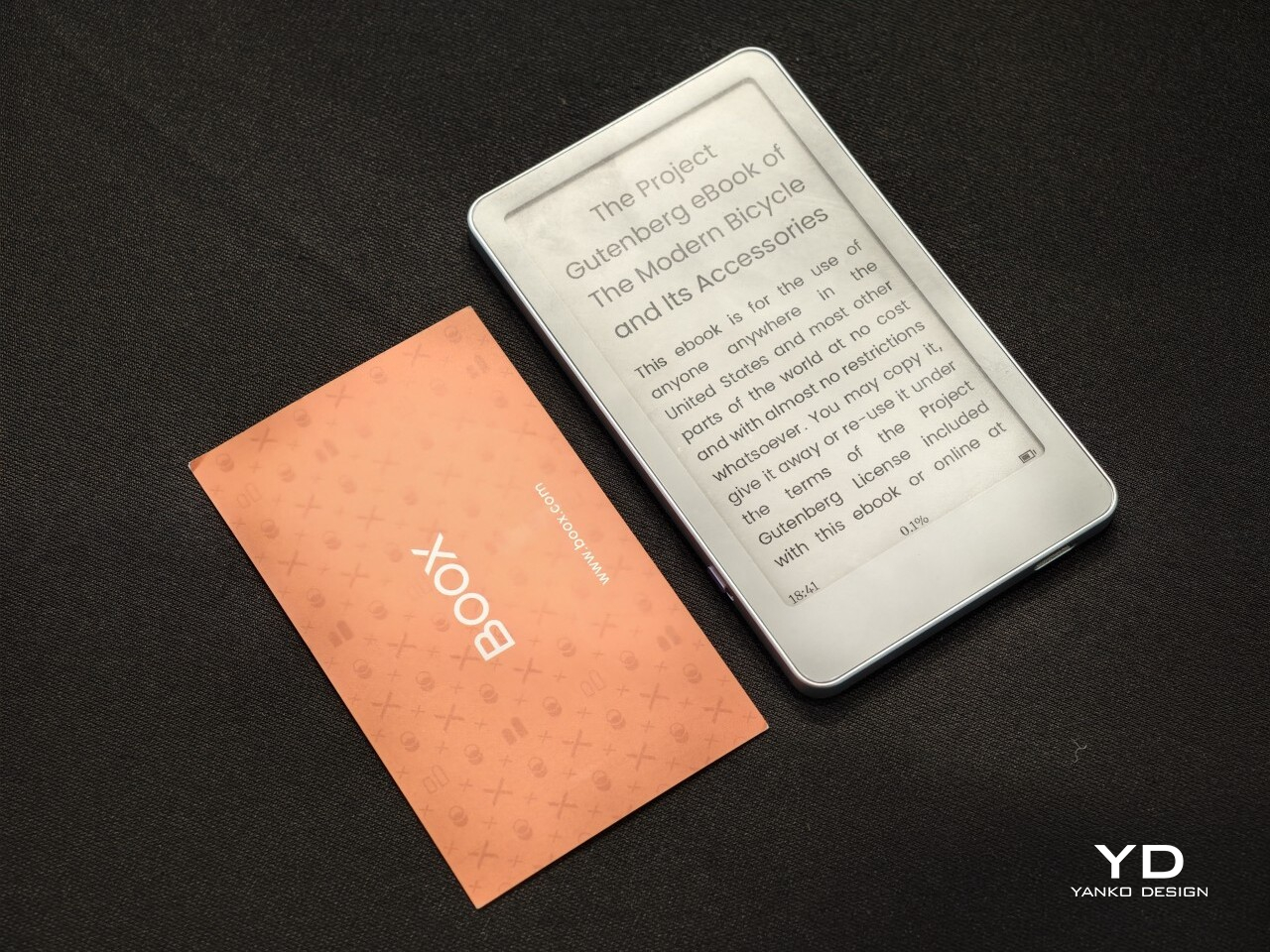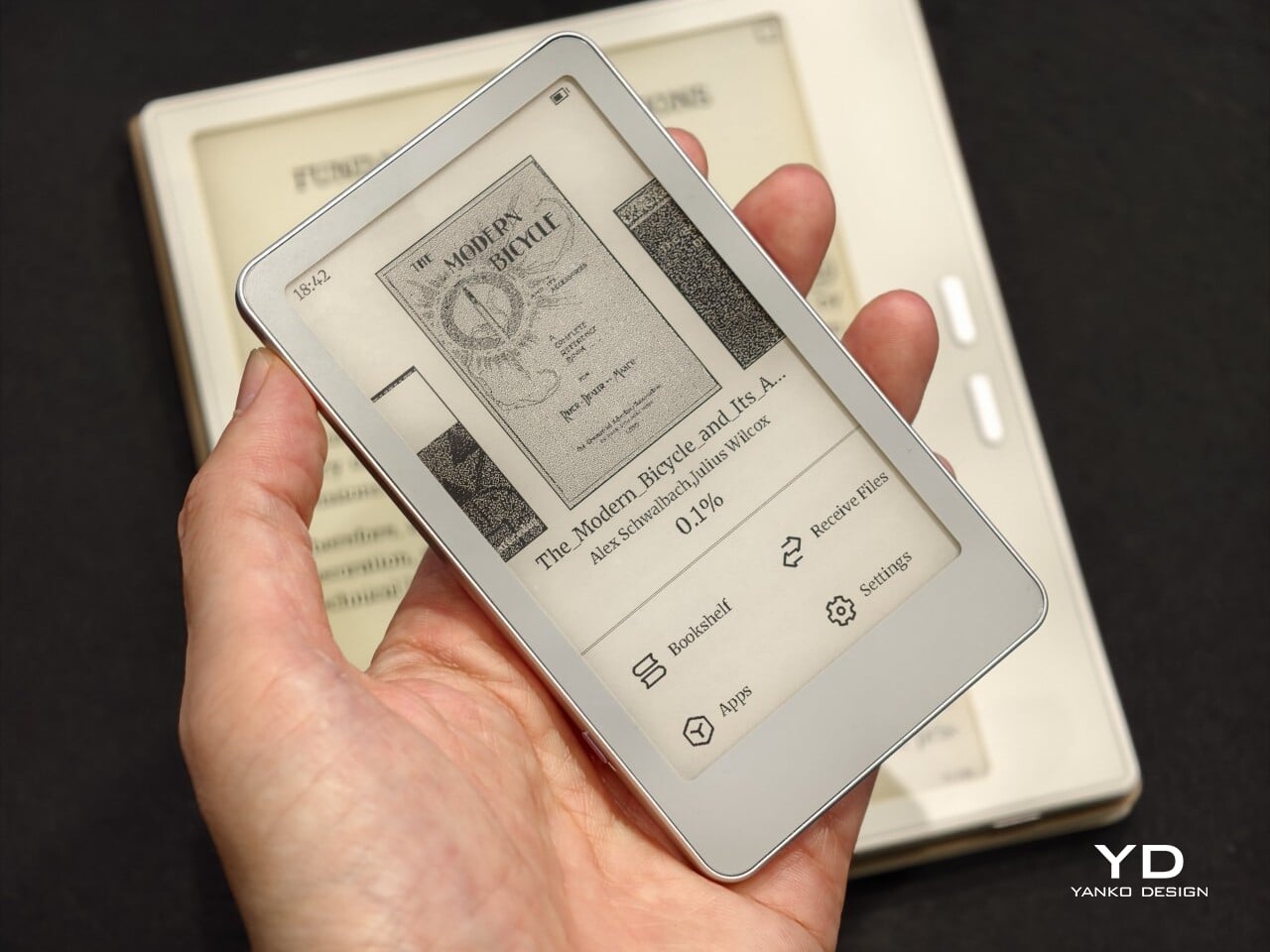
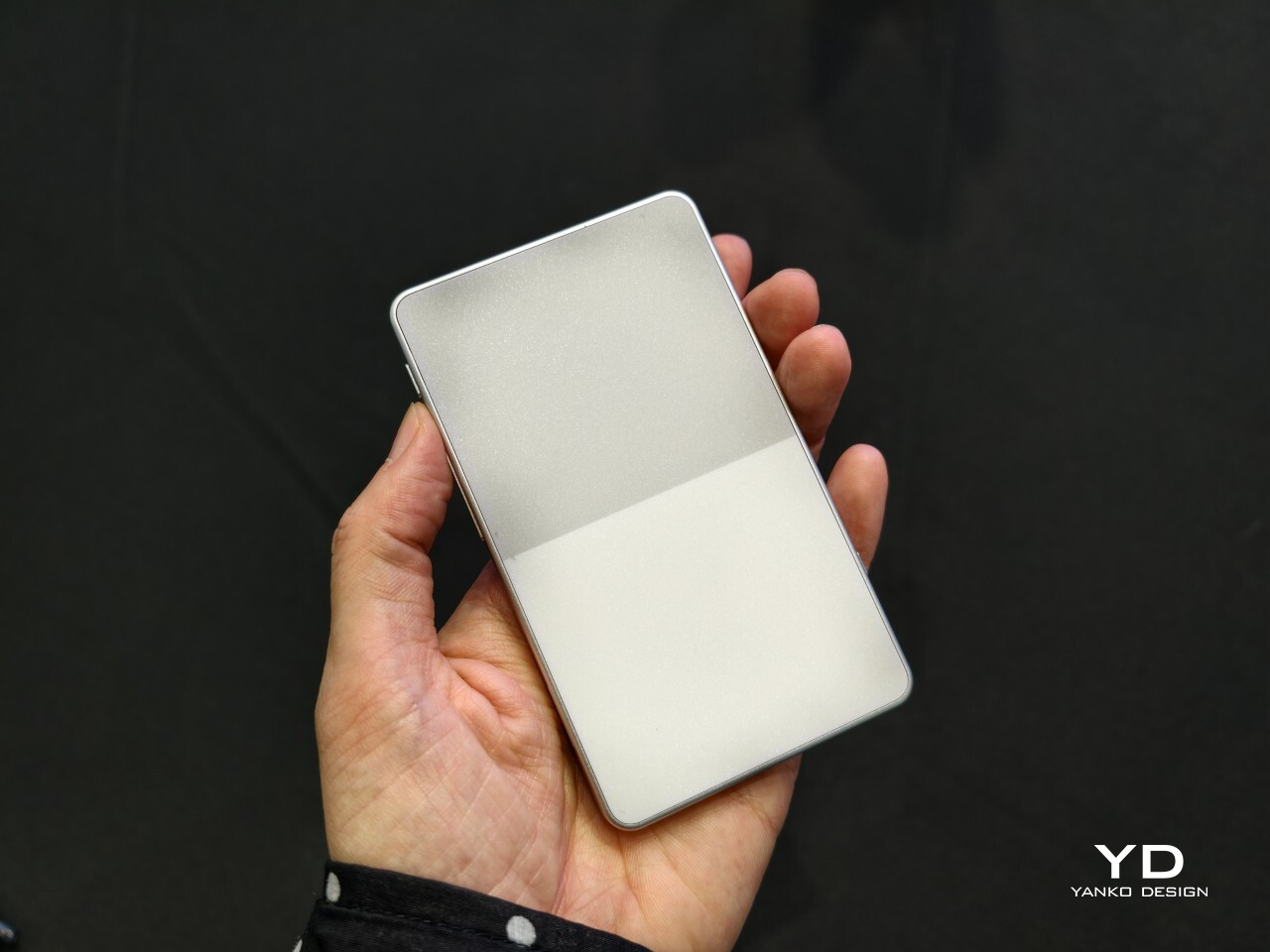
Word is spreading out of IFA 2026 about a tiny e-reader that fits in a pocket the way a stick of gum does, and it’s already reframing what a dedicated reading device should look like. The BOOX Picco pairs a 3.97-inch E Ink touchscreen with a footprint closer to a smartphone than a book. It’s a shape decision, not a spec sheet decision, and it changes how the device fits into a day.
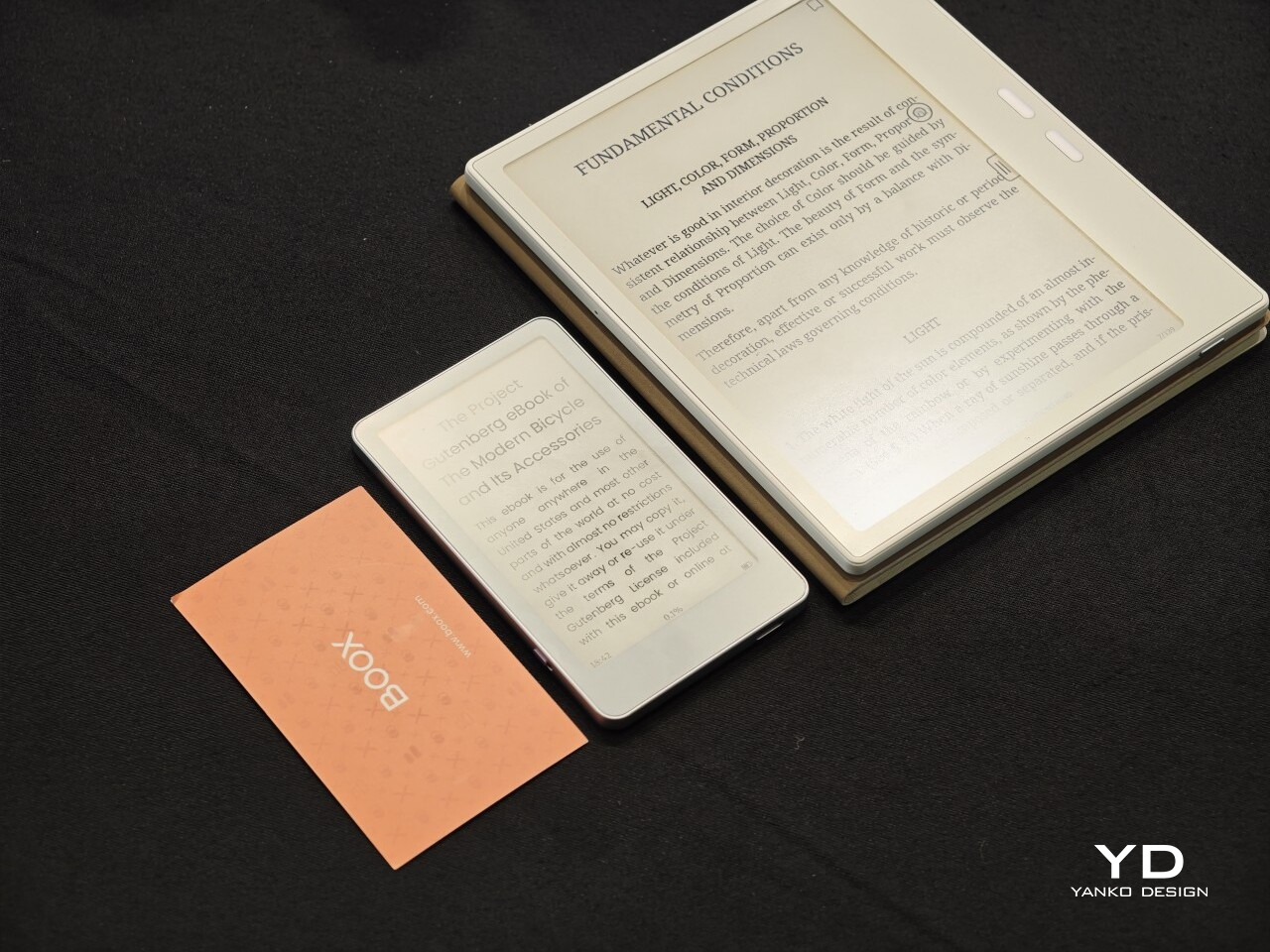
Pick it up next to one of BOOX’s larger notebook-style readers and the size difference stops being subtle. The Picco disappears into a coat pocket or sits flat against a wallet, while its sibling devices demand a bag. That physical gap is the whole pitch. A book you have to remember to bring competes with a phone you never put down. A book that already lives in your pocket doesn’t need to compete with anything.
Designer: BOOX
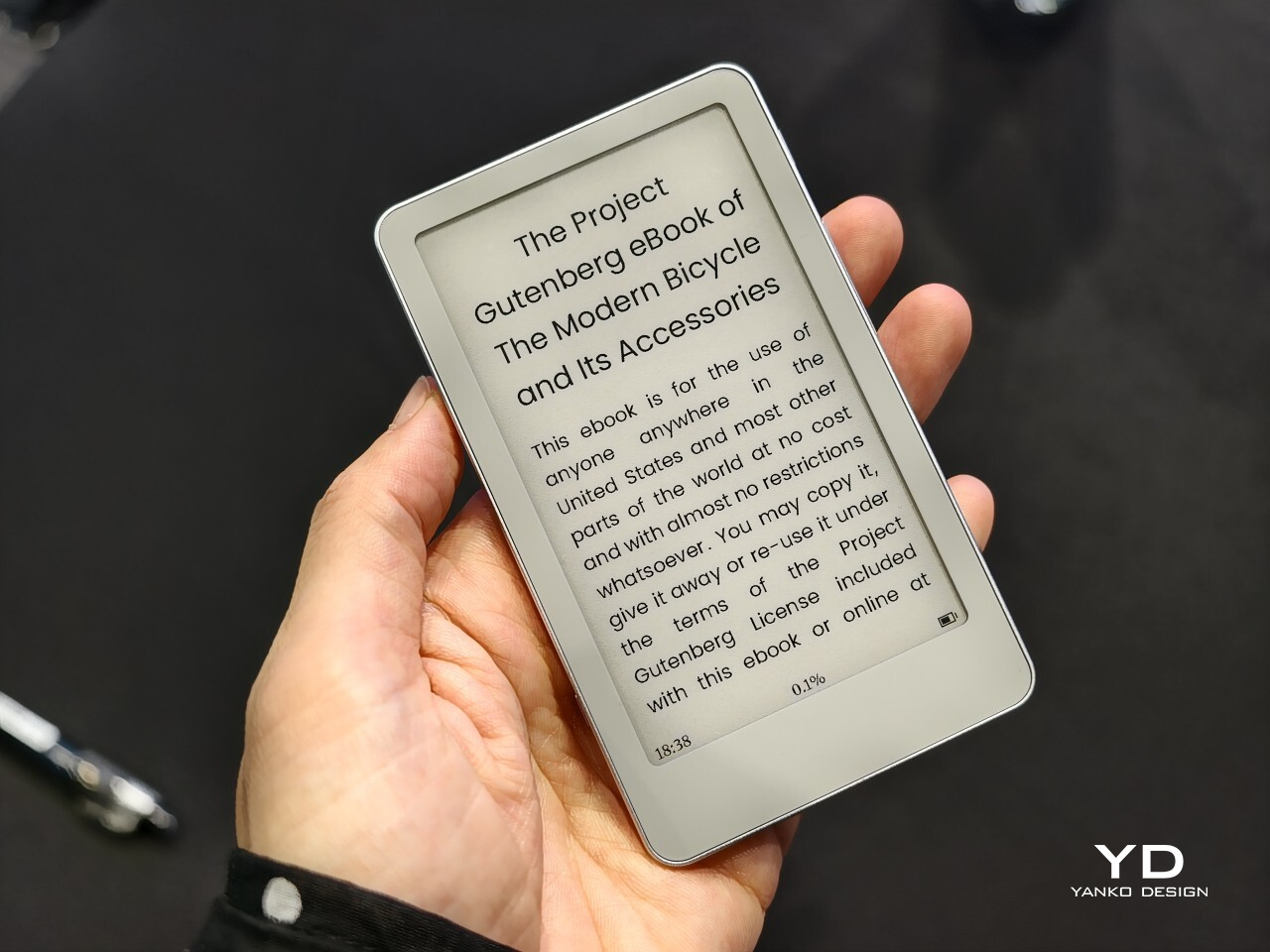
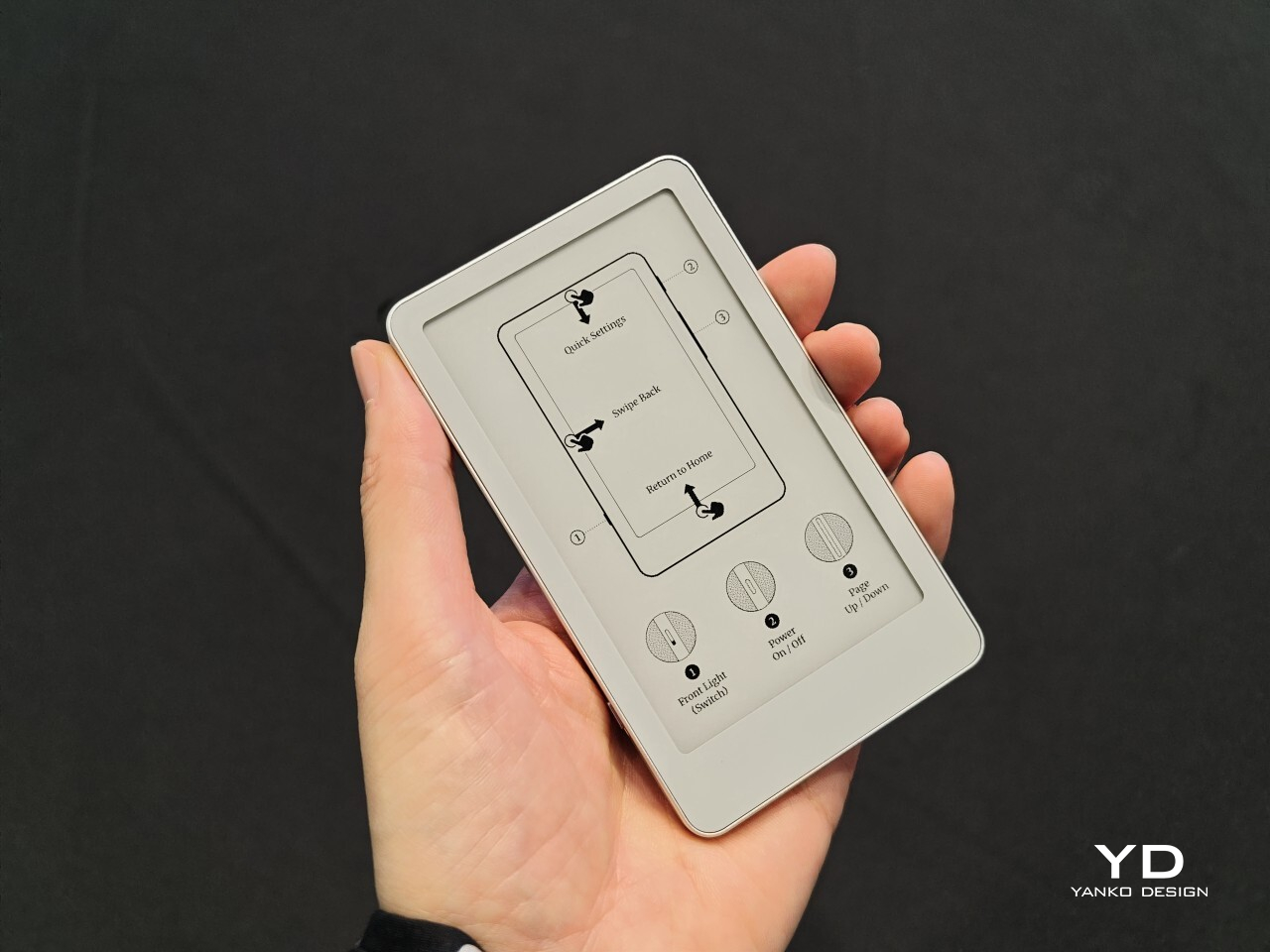
Physical buttons run along one edge, tuned for page turns with separate short-press and long-press actions, so a thumb can move through the buttons on a train platform without needing to squint at a menu. A front light switch and power button sit alongside them, laid out as simple raised circles rather than crowded icons. The touchscreen handles gestures like swiping back or returning home, giving the Picco two ways to get around depending on the situation.
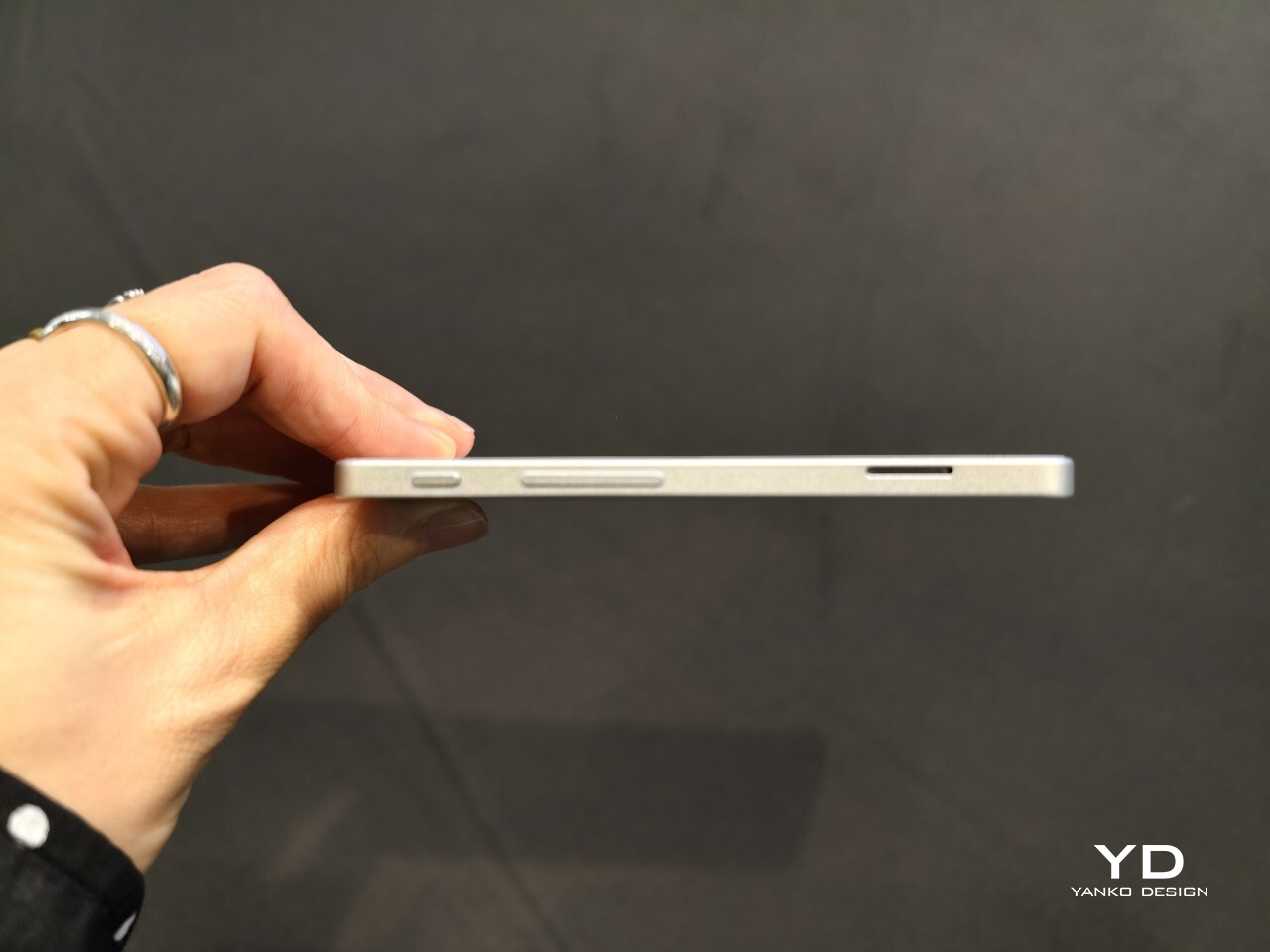
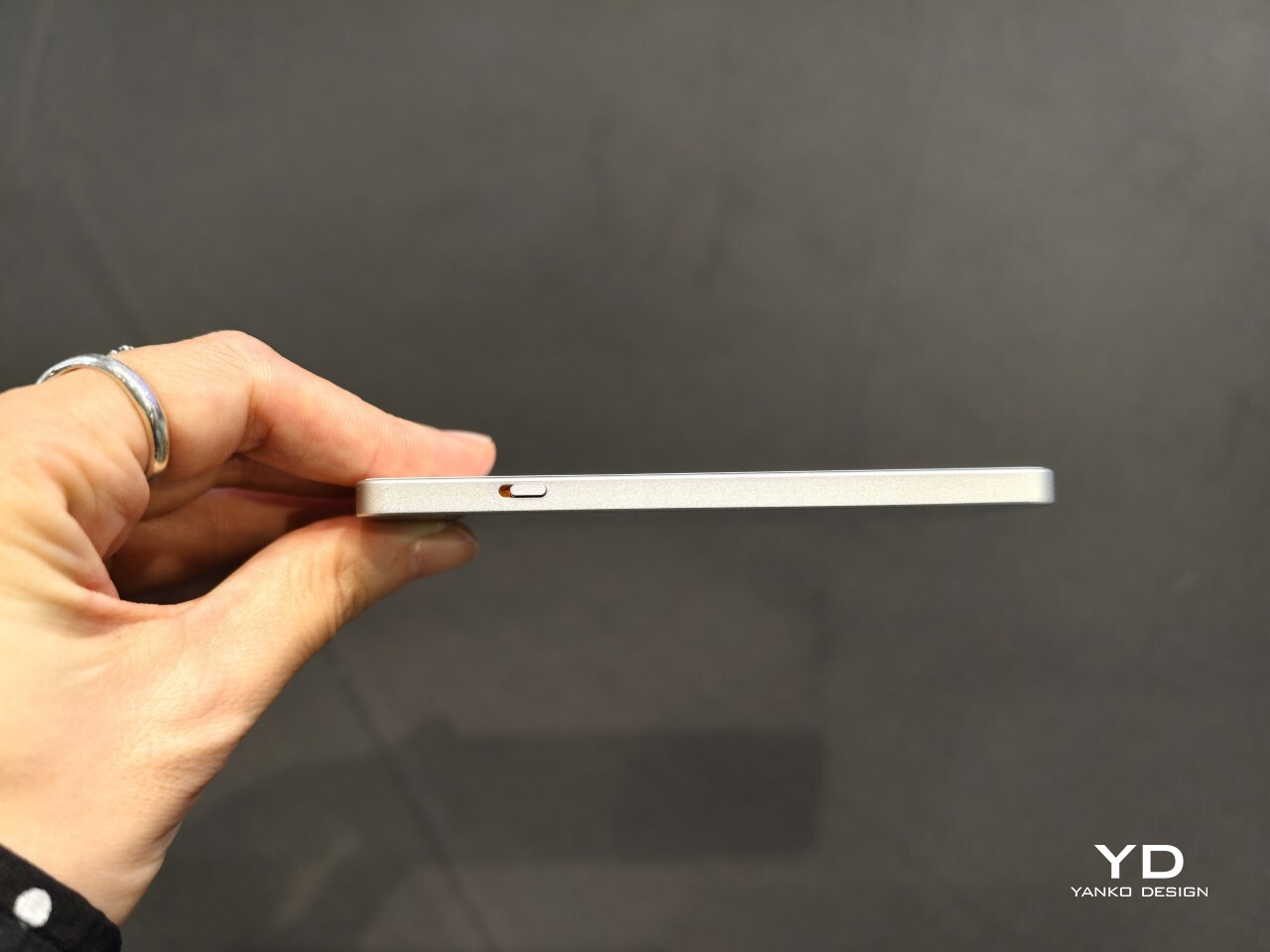
Storage stays refreshingly analog. Instead of packing in onboard memory, the Picco leans on a microSD card, treating your library as something swappable rather than sealed in. Files move over via USB-C or WiFi through a companion app, both quicker options than earlier tiny readers offered. It’s a small engineering choice that says something about who this device is built for: people who already have a shelf of digital books and just want a lighter way to carry them.
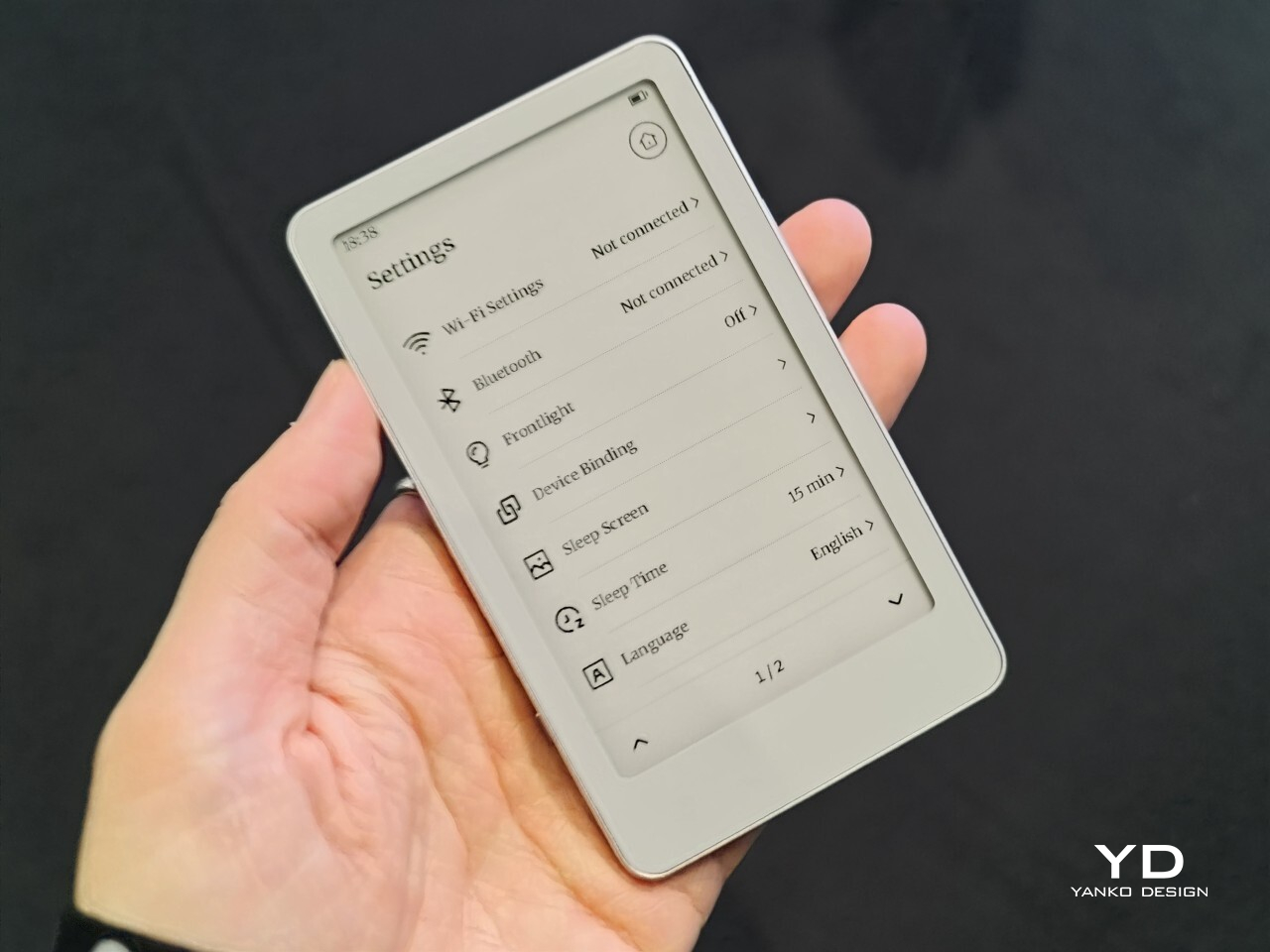
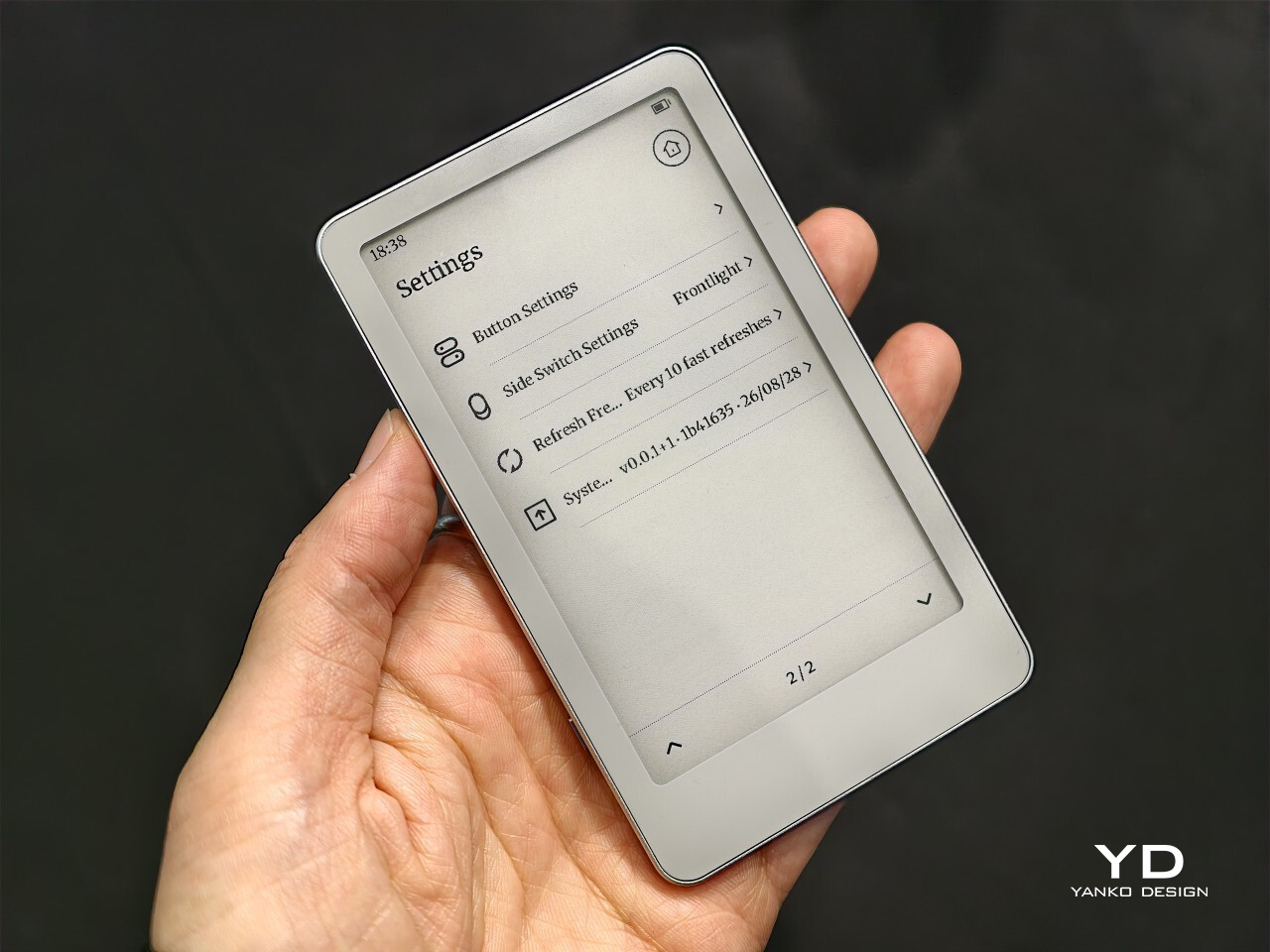
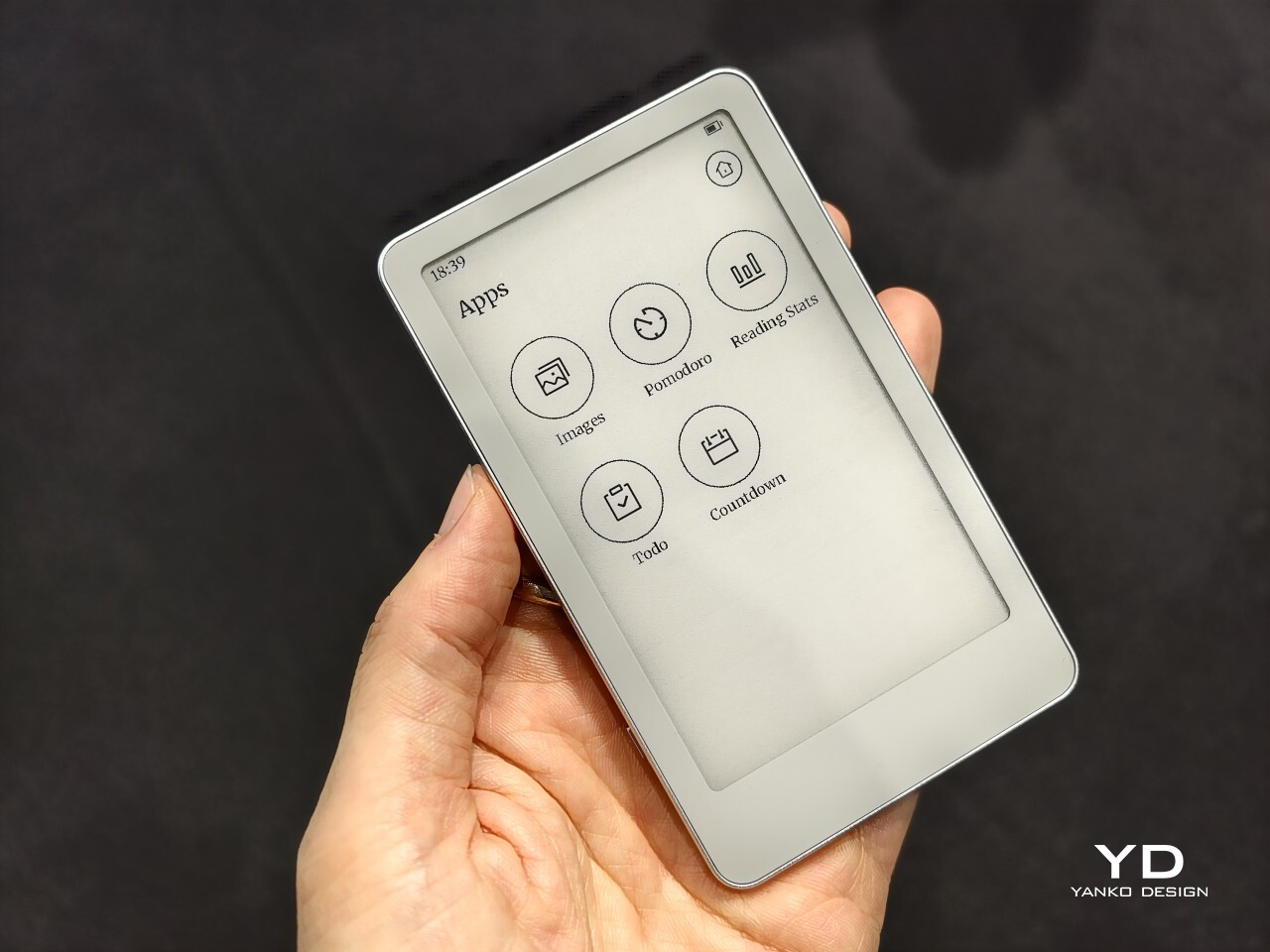
The software strips things down further. Instead of a full Android build, the Picco runs on a leaner Linux-based system, and the interface reflects that restraint. Icons for a handful of apps, Images, Pomodoro, Reading Stats, Todo, and Countdown, sit as plain circles on a clean home screen. There’s no algorithmic feed hiding behind a swipe, just a bookshelf, a settings menu, and a way to receive files.
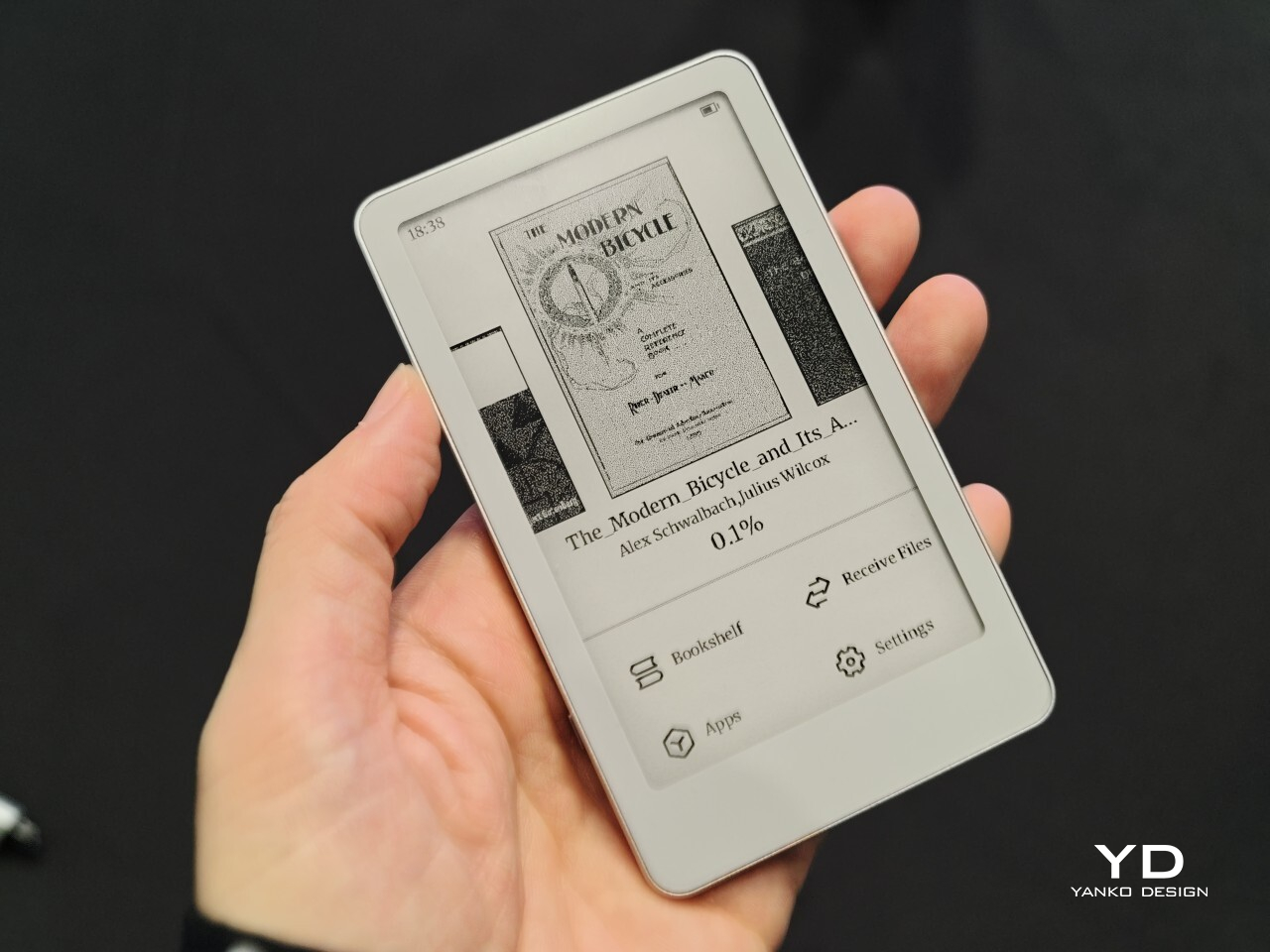
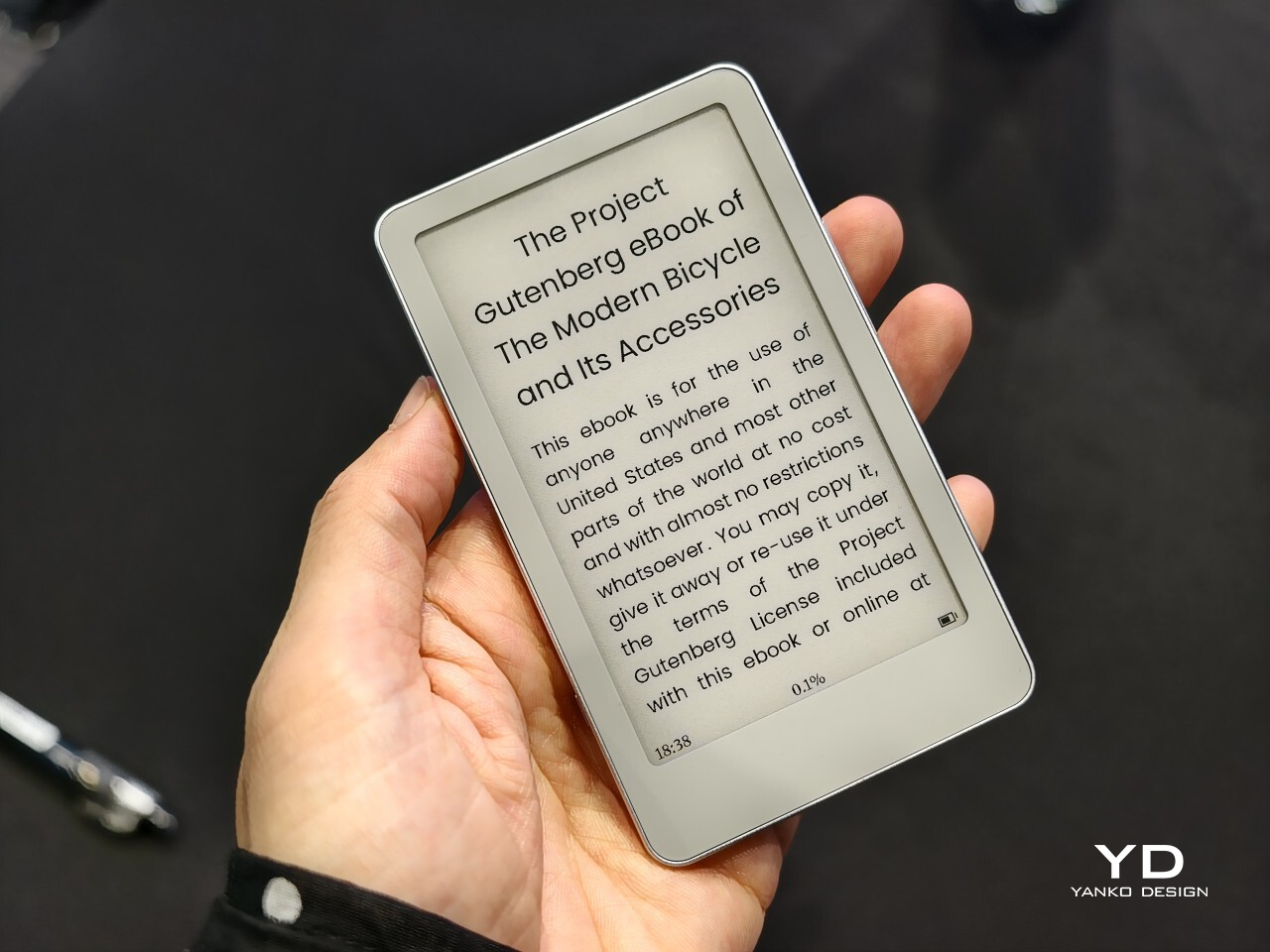
None of this reads as a shrunken flagship. It reads like a device built around a single decision: reading should require less friction than checking a phone, not more. A commute, a waiting room, a lunch break; the Picco is sized for exactly those in-between stretches where a full-size reader feels like overkill and a phone feels like a trap.
Pricing chatter points to around $100 (roughly matching entry-level tablets), with a possible release by the end of 2026, though BOOX has yet to confirm the finer details. What’s already clear from the hands-on looks is that the design logic holds up. Small screens force fewer words per page, but they also force fewer excuses not to read at all.