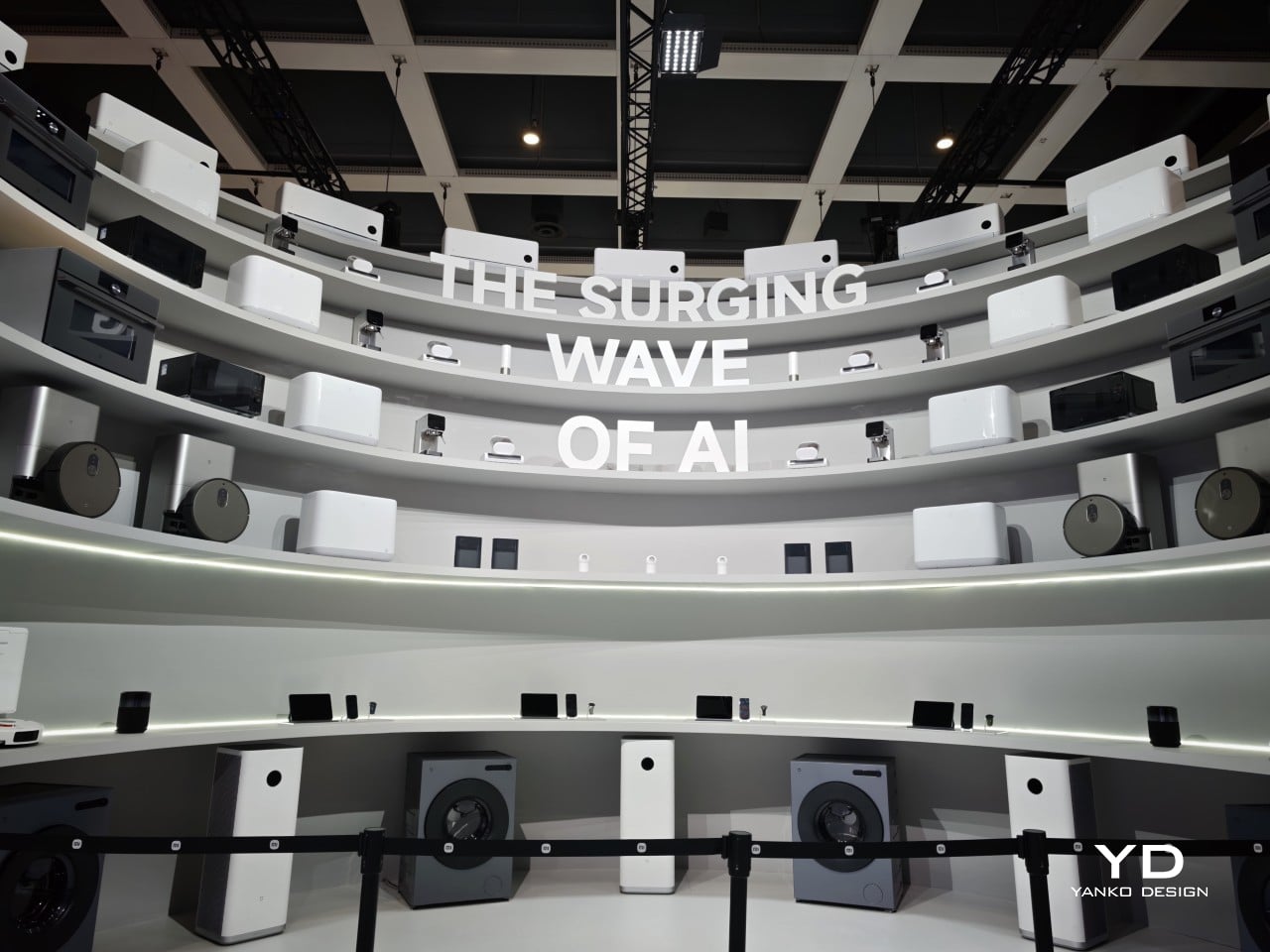
At IFA Berlin 2026, Xiaomi’s booth made a strong case for how far the company has moved beyond smartphones. Phones and personal tech were still part of the picture, but the larger presence came from Xiaomi Auto and Mijia, the company’s home appliance brand, with TVs, air conditioners, and kitchen and cleaning products giving the space a distinctly domestic weight. For a company still often associated first with phones outside China, it was a useful reminder that Xiaomi now wants to be understood through a much wider lens.
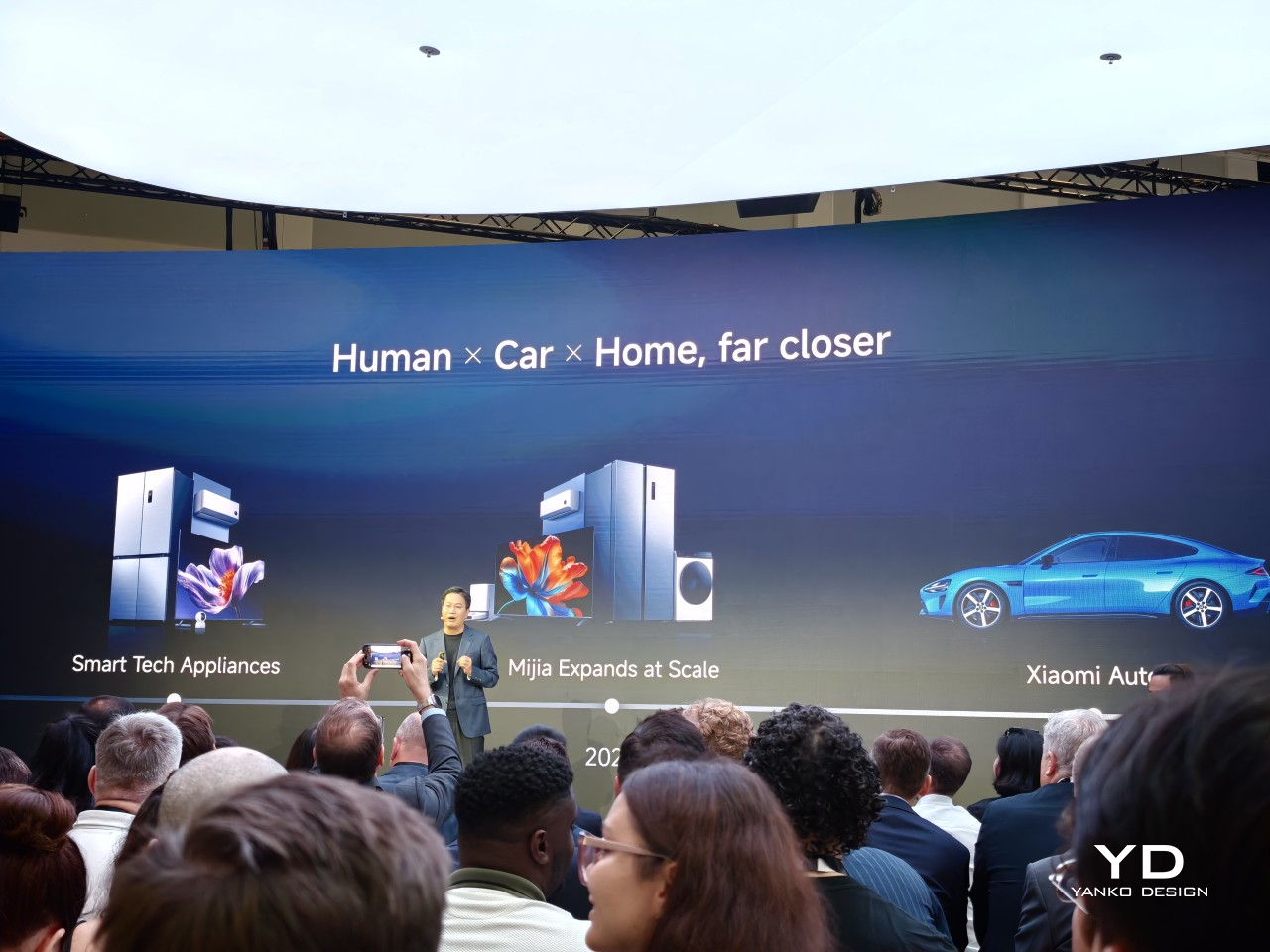
Xiaomi framed the booth around its “Human x Car x Home” smart ecosystem, the company’s term for connecting personal devices, vehicles, and home products into one system. On a trade show floor, that kind of idea can easily remain abstract. What made it more legible here was not the branding itself, but a series of smaller demonstrations built around ordinary routines. They gave the concept a practical shape.
Designer: Xiaomi
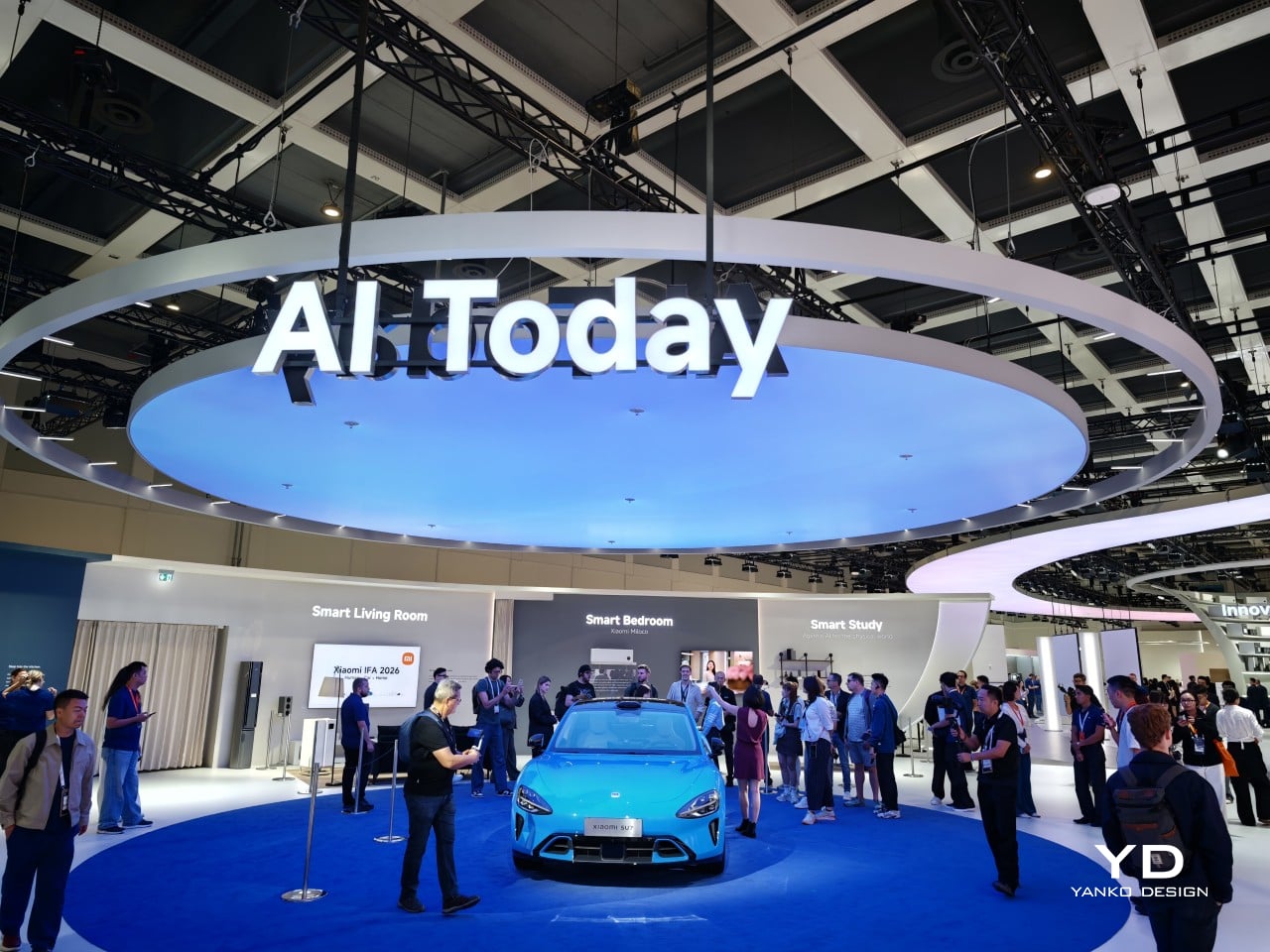
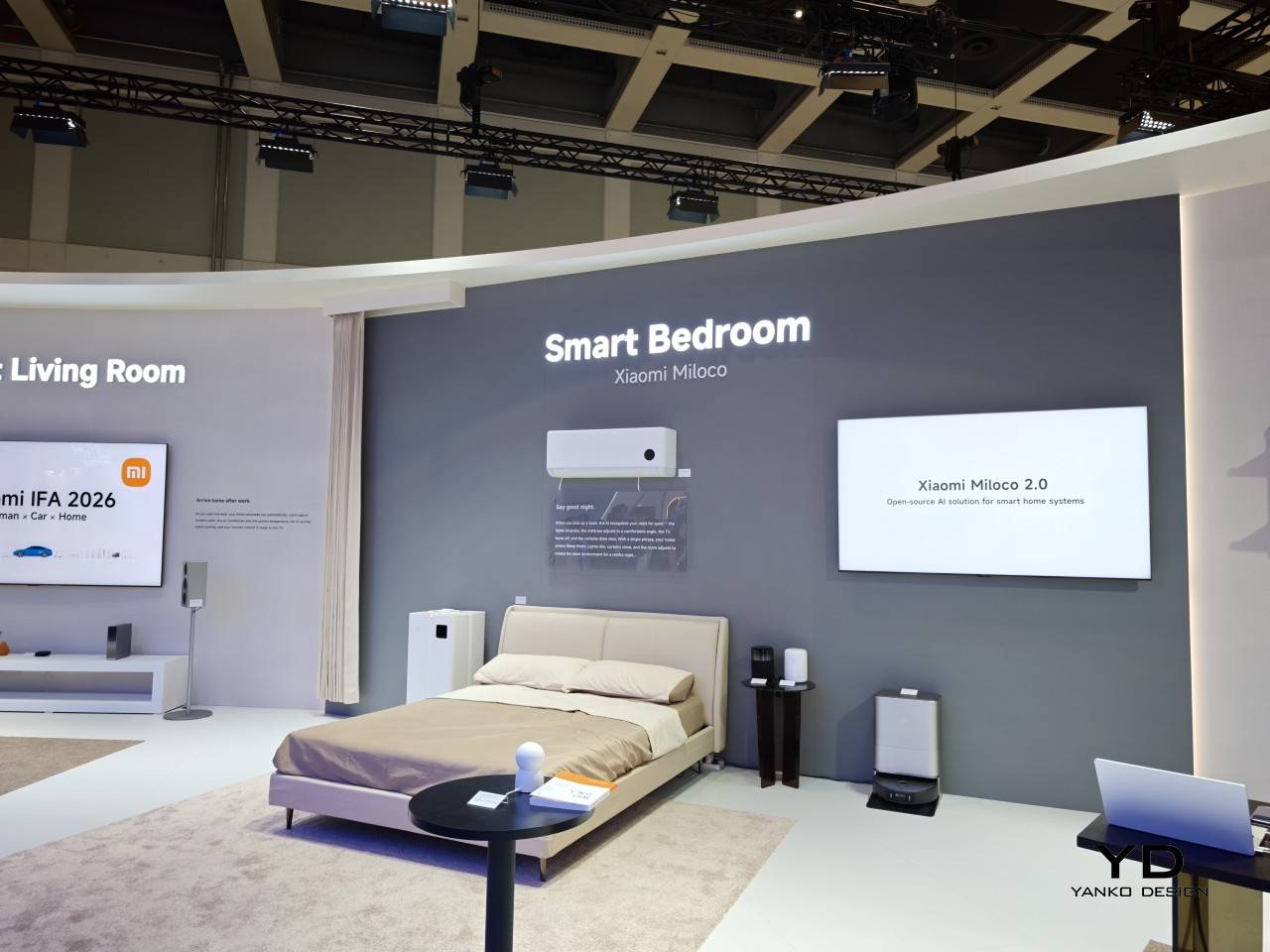
One of the most memorable examples was a car-to-home demo where opening the car door turned the TV off automatically at home. It is the sort of interaction that sounds minor until you picture yourself leaving the house and wondering whether you forgot to switch something off. Another demo connected the dishwasher to the robot vacuum, so once the dishwasher door was closed, the vacuum would start cleaning the kitchen floor. In the bedroom area, Xiaomi showed a bedside lamp turning on when someone started reading in bed. None of these moments were staged as spectacle, and that was part of why they worked. They felt close to real life.
That sense of everyday usefulness carried through to some of the appliances themselves. A tower air conditioner could either follow your movement with its airflow or avoid blowing directly at you, a small adjustment that made the product feel more attentive to comfort rather than simply powerful. Xiaomi also showed a washer with three separate loading sections that could run at the same time, an idea that immediately suggested a different rhythm for sorting and doing laundry. Then there was a refrigerator with a zero-degree fresh-keeping compartment for meat, designed to keep food right at the edge of freezing so it stays fresh without actually freezing. These were not necessarily the loudest products on the floor, but they were among the easiest to imagine living with.
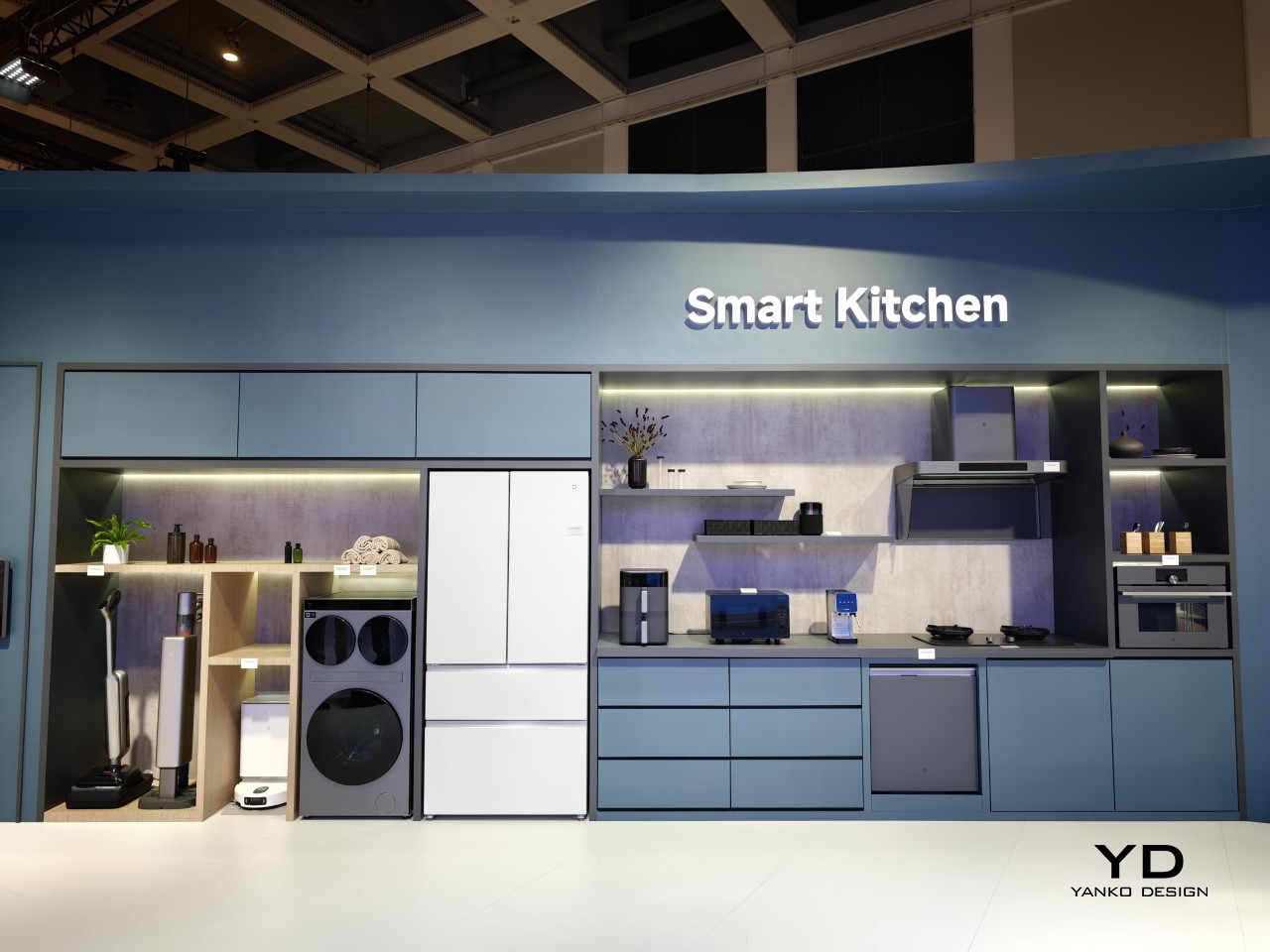
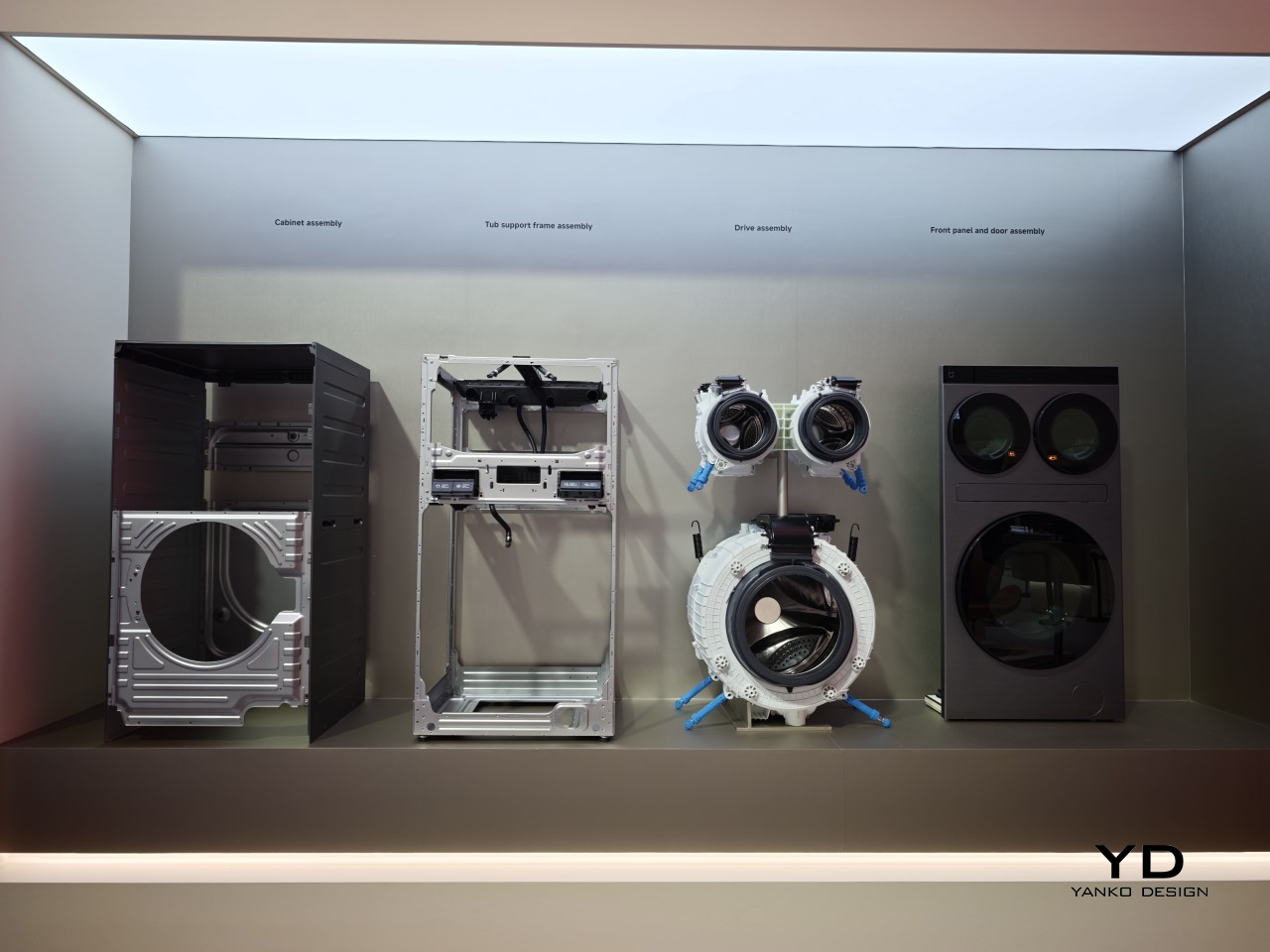
For a company showing such a wide range of products, Xiaomi’s design language felt notably controlled. The appliances and devices were clean and contemporary, but they avoided the kind of hard-edged minimalism that can make smart products feel distant or clinical. Nothing seemed desperate to stand out on its own. Instead, the products felt designed to live quietly in a room, which may actually be the more difficult thing to get right.
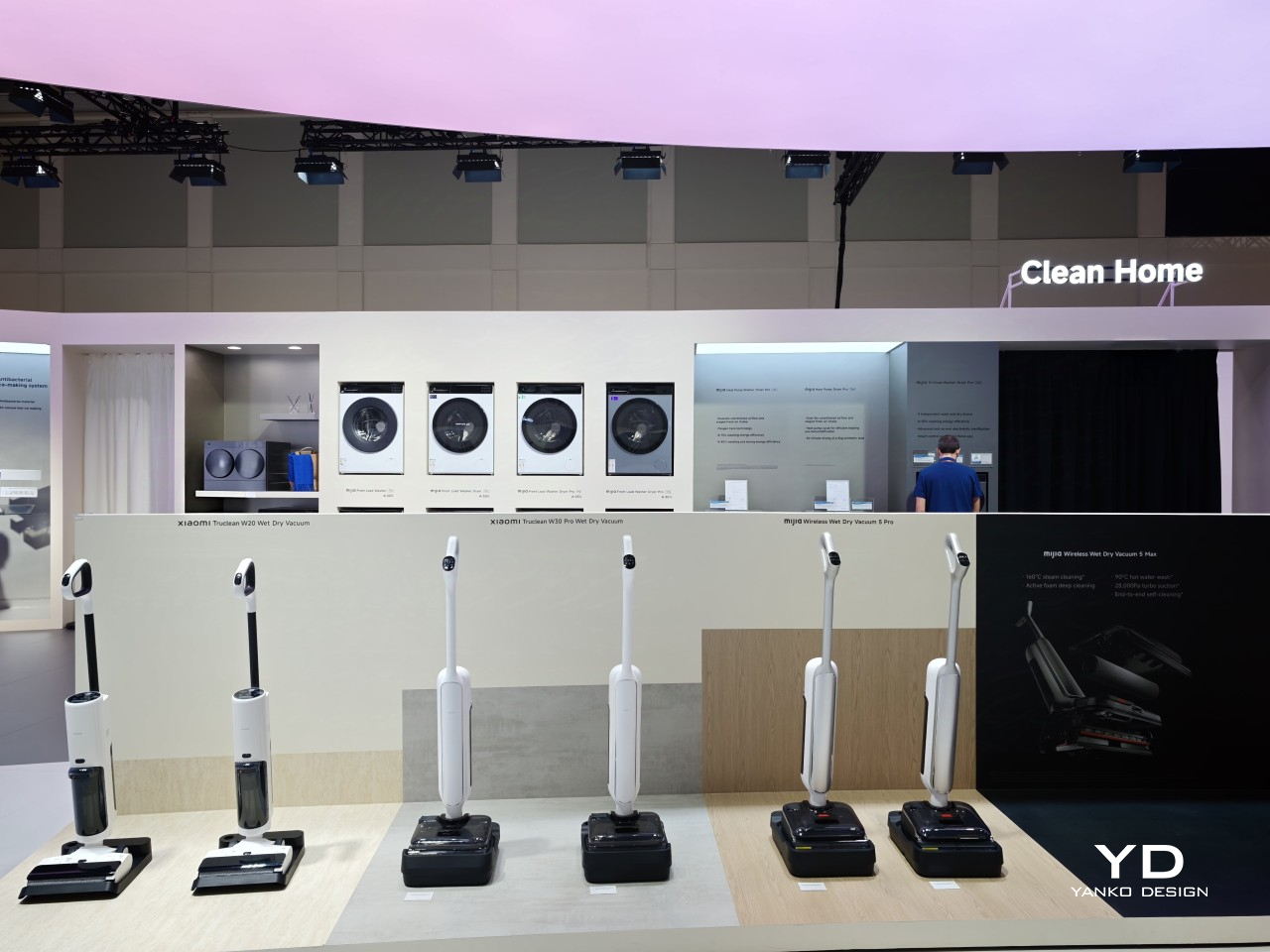
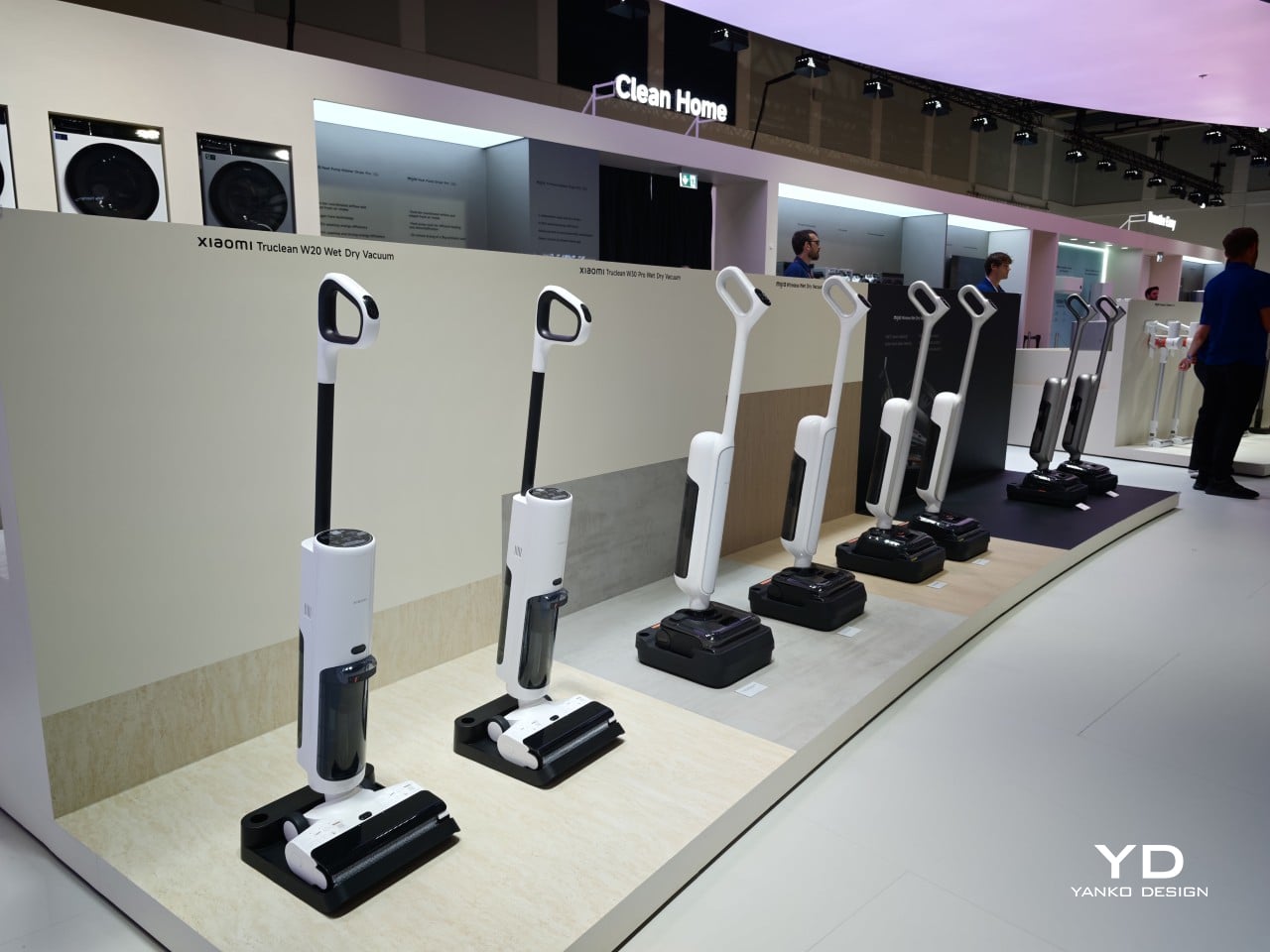
That restraint suited the broader ecosystem message. Xiaomi’s Human x Car x Home smart ecosystem, at least in the form shown in Berlin, was less about dramatic futurism and more about small reductions in friction. The booth as a whole showed Xiaomi’s range, but the more telling moments were the ones that suggested how the company wants its products to behave around daily habits. The TV switches off when you leave. The vacuum starts after kitchen cleanup. The bedside lamp responds to reading. The ambition is not hard to see. Xiaomi wants connected technology to feel less like a system you manage and more like a background layer that adapts around you.
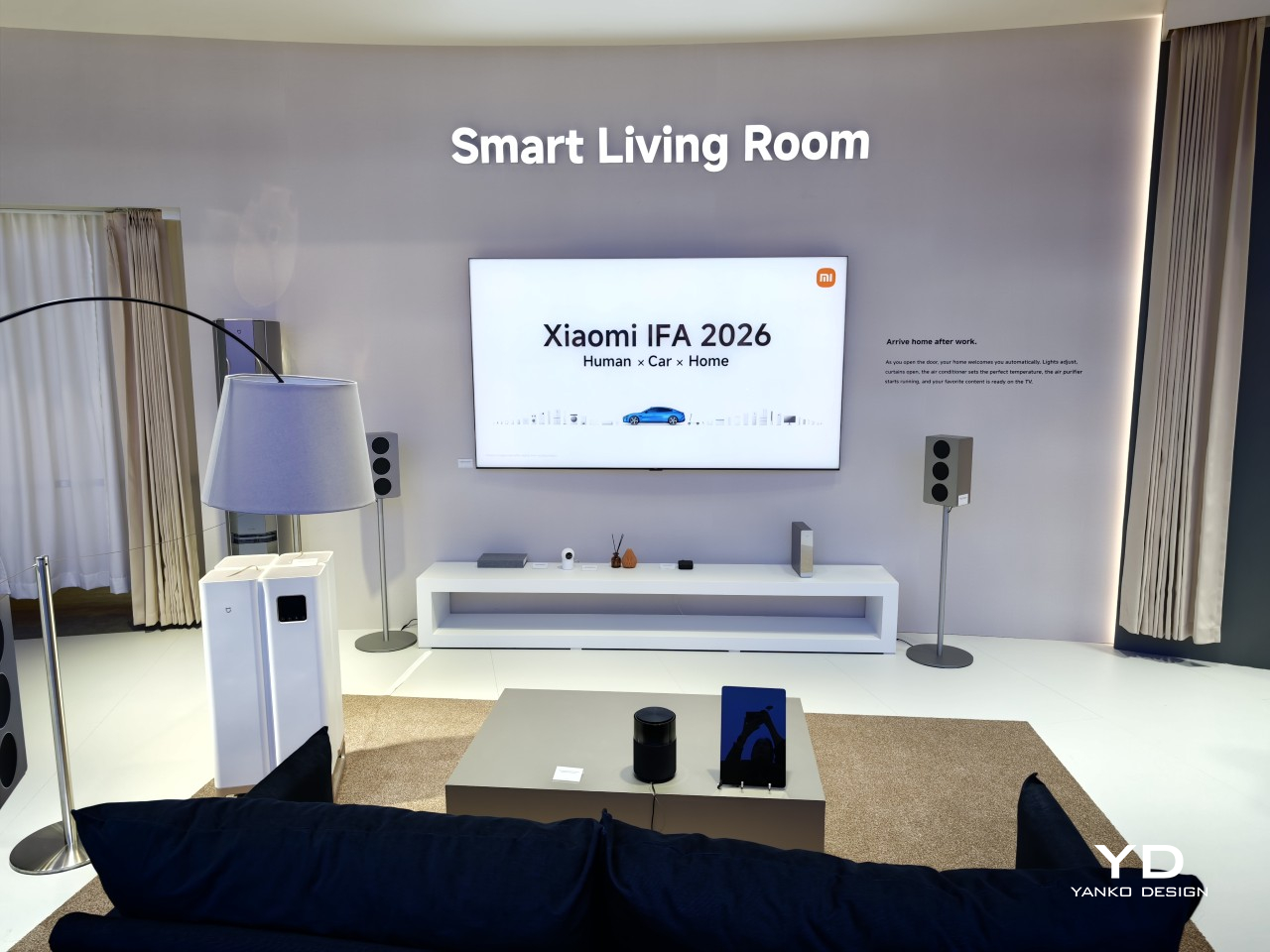
The car is a big part of that shift. Seeing Xiaomi Auto presented alongside phones and home appliances made it clear that the company does not want its automotive business to sit apart as a separate identity. It wants the car to become another part of the same connected experience, linking what happens on the road with what happens at home. At IFA Berlin 2026, Xiaomi Auto also announced that it will enter Germany and other European markets in 2027.
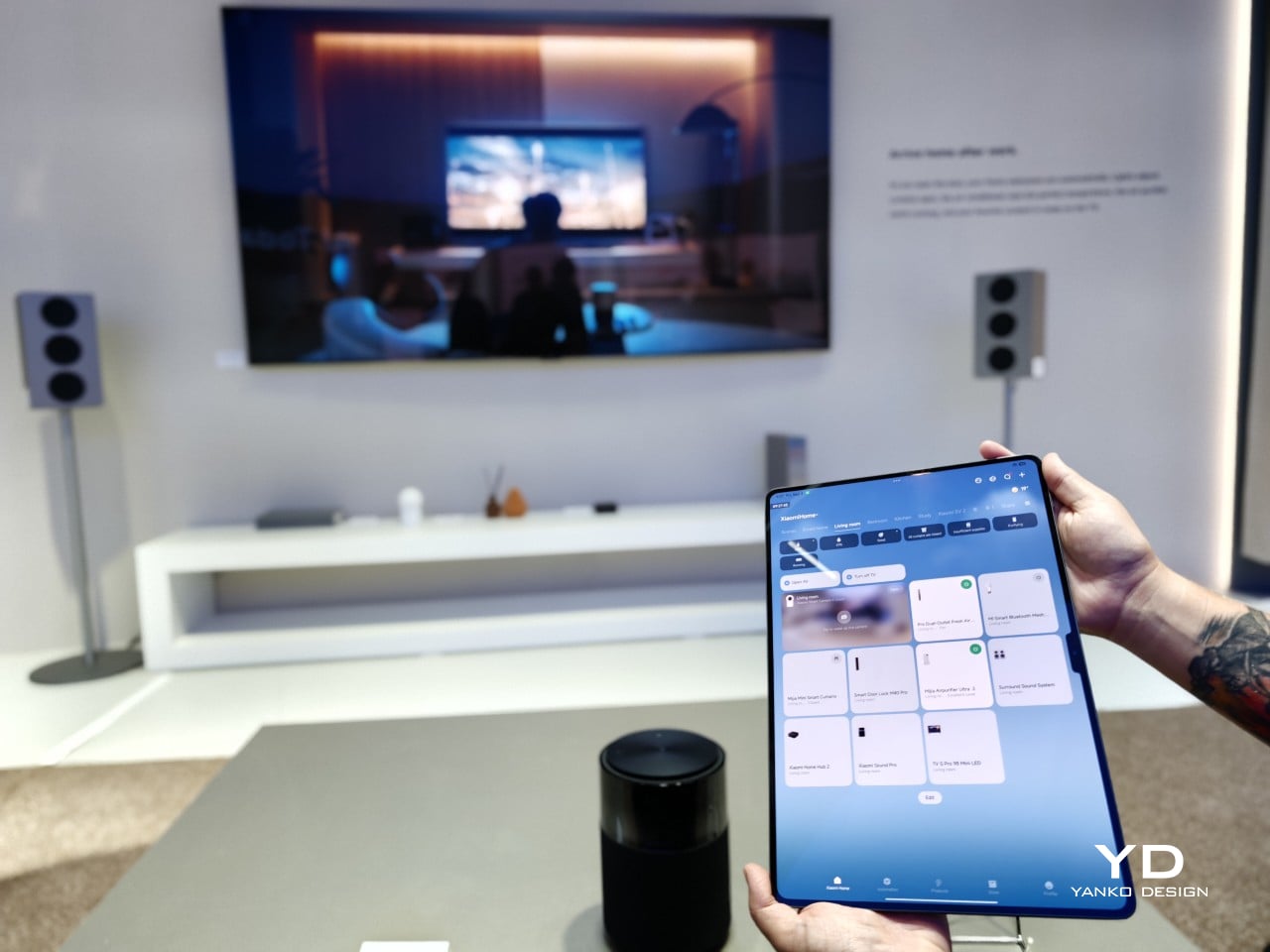
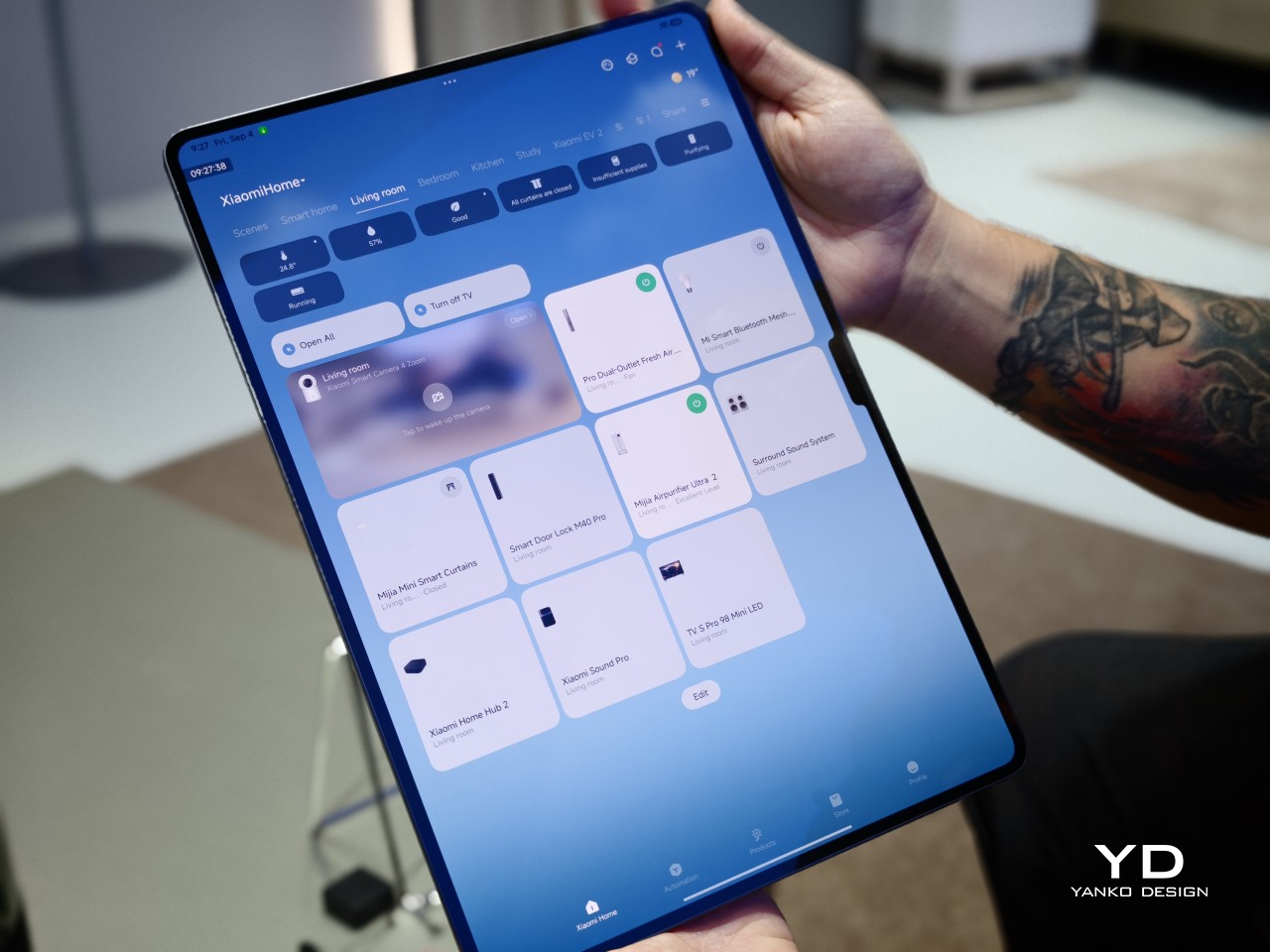
Part of what Xiaomi seemed to be doing in Berlin was introducing European audiences to a version of the company that is already more familiar in China, one that extends well beyond smartphones into home living and mobility. That broader identity came through clearly on the floor. The scale of the booth showed how much ground Xiaomi now covers, while the smaller demos did the more important work of showing how those categories might start to connect in practice.
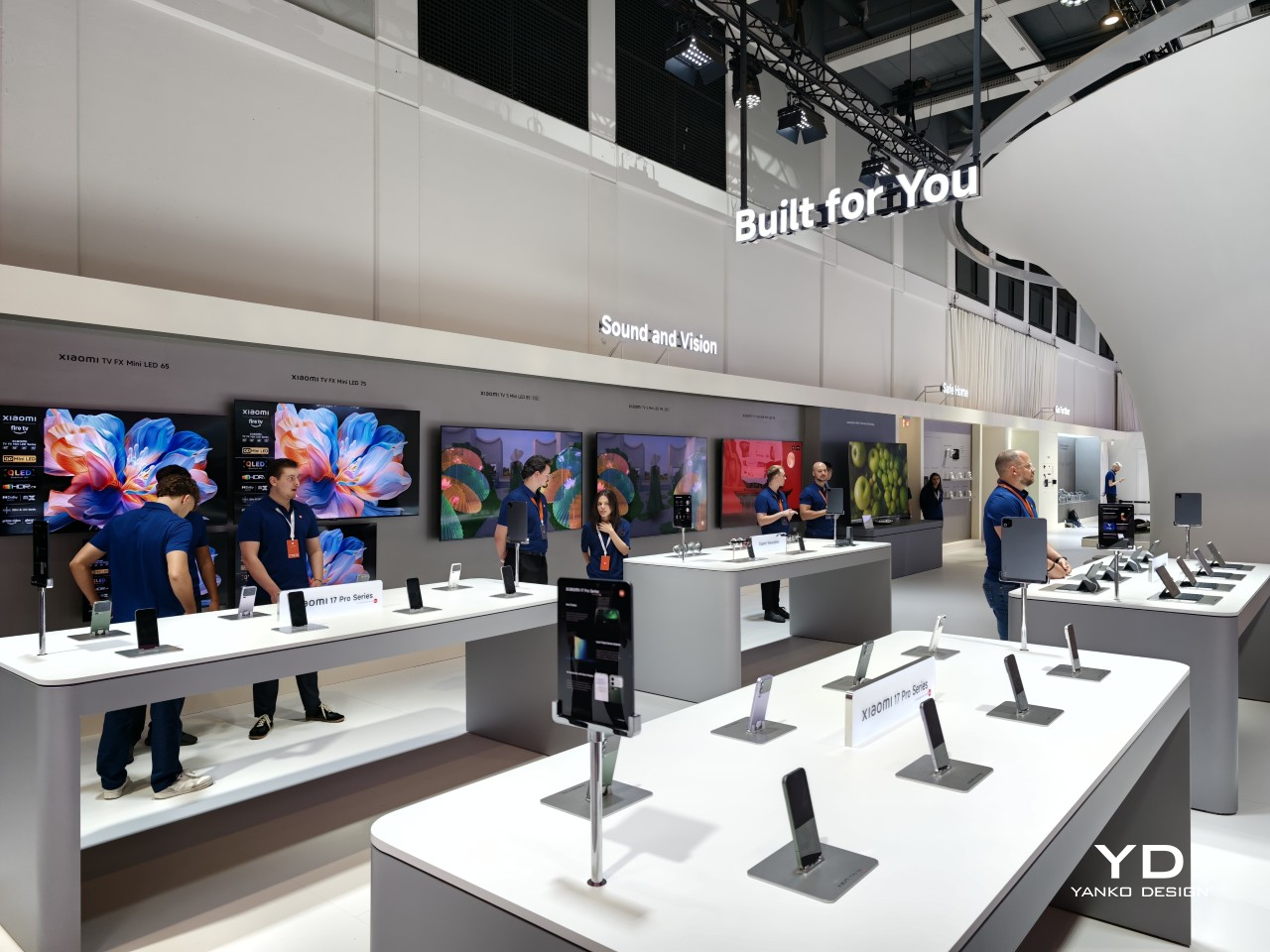
Trade shows often reward size, novelty, and noise. Xiaomi had scale, certainly, but the parts that lingered were quieter. They were the products that looked easy to live with, and the scenarios that translated a large ecosystem idea into something domestic, ordinary, and believable. If Xiaomi’s Human x Car x Home smart ecosystem is meant to describe where the company wants to go next, IFA Berlin 2026 offered a useful glimpse of what that future might look like when it is at its most convincing.