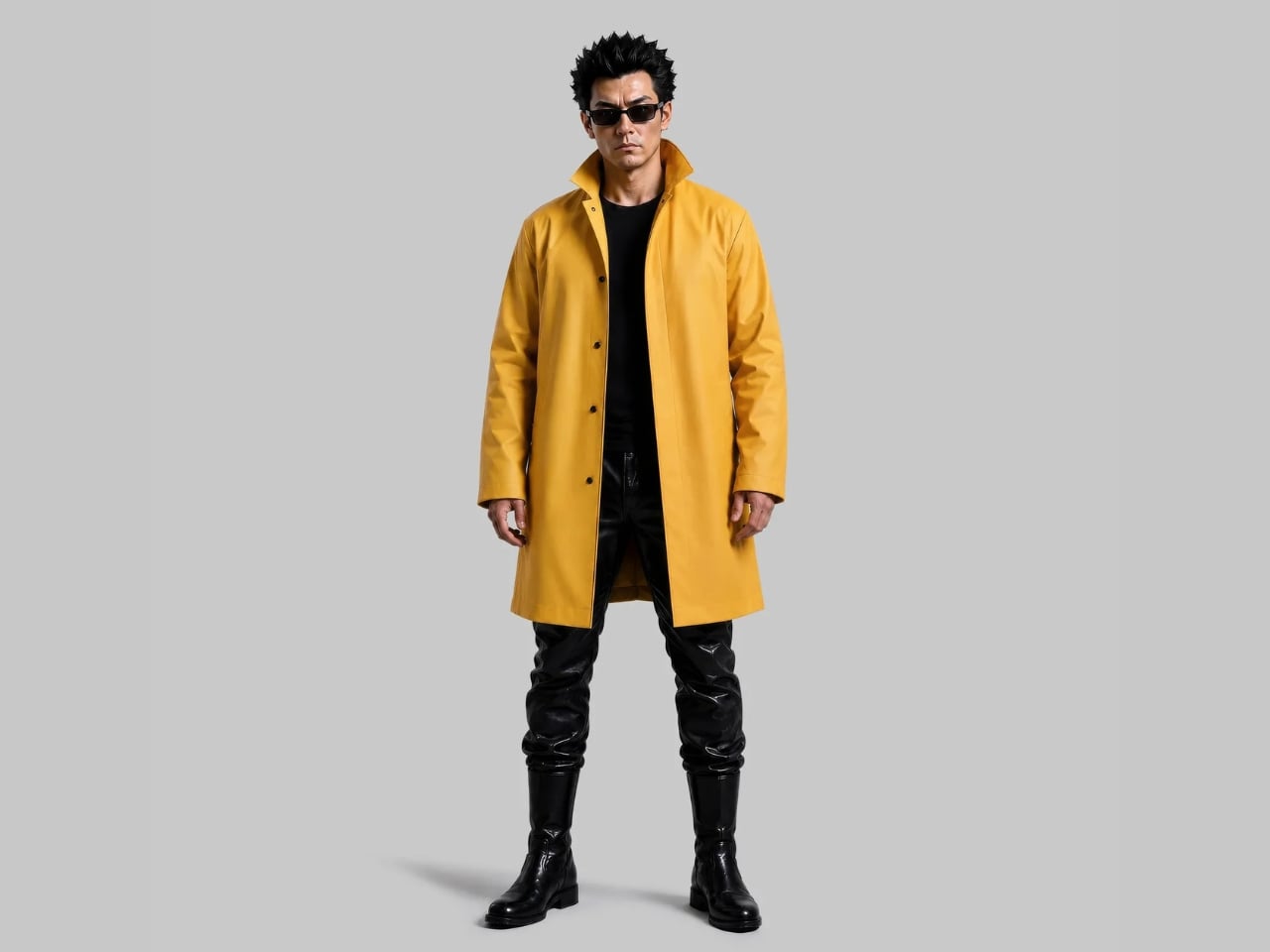
Vollebak has never been the kind of brand that plays it safe. Since launching in 2016, the British label has built a reputation for making gear that reads more like science fiction than seasonal fashion. Their products come with essays instead of product descriptions, and their material choices lean toward graphene, solar-charged fibres, and military-grade composites. So when their latest release landed with an acronym for a name and a price tag that could cover a month’s rent in most cities, most of us weren’t entirely surprised. Just a little stunned.
FWAHBL stands for “For When All Hell Breaks Loose.” That’s the actual name. Not a placeholder, not a working title, not a wink-and-nod provocation. The brand looked at the current state of the world and decided the most honest thing they could do was name a jacket after it.
Designer: Vollebak
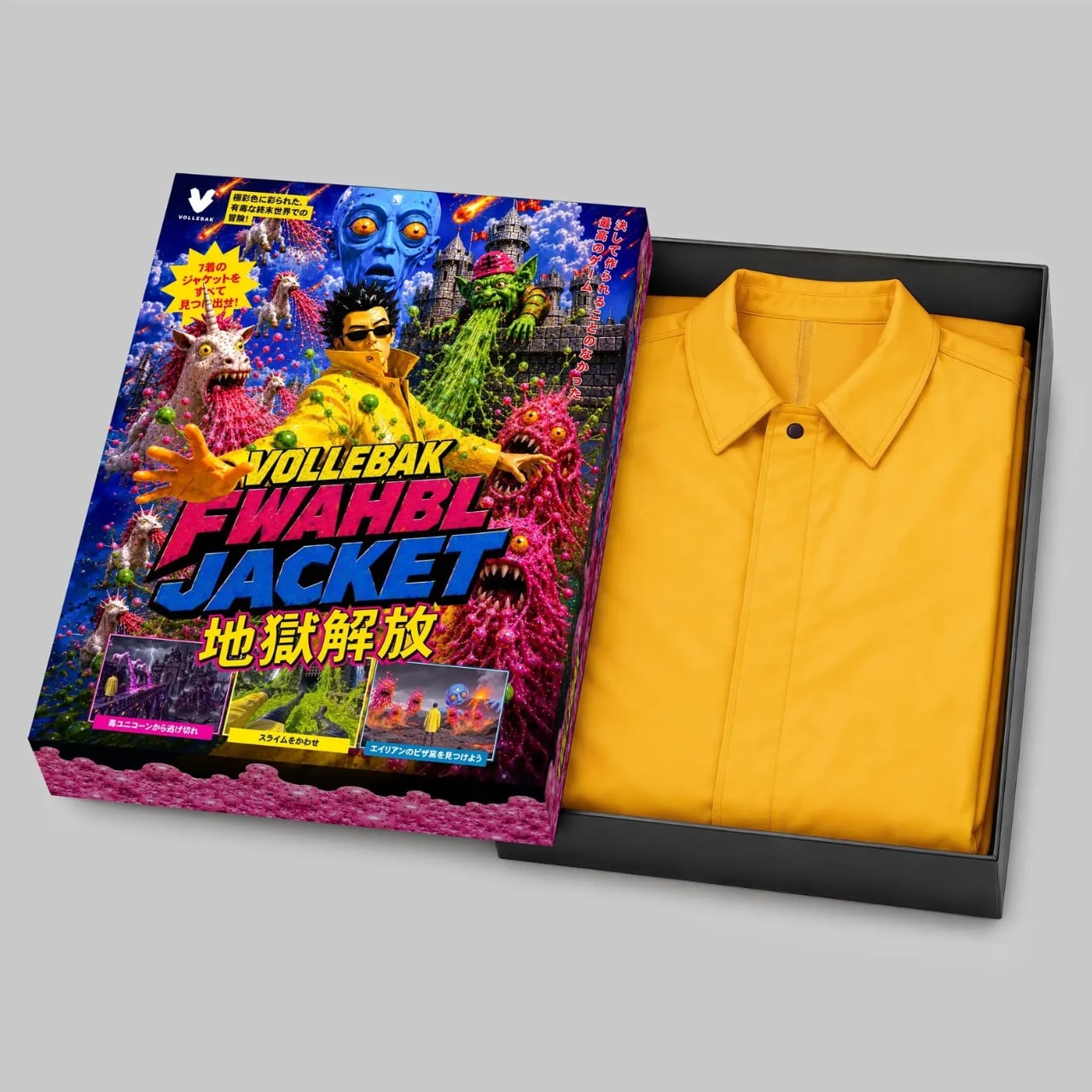
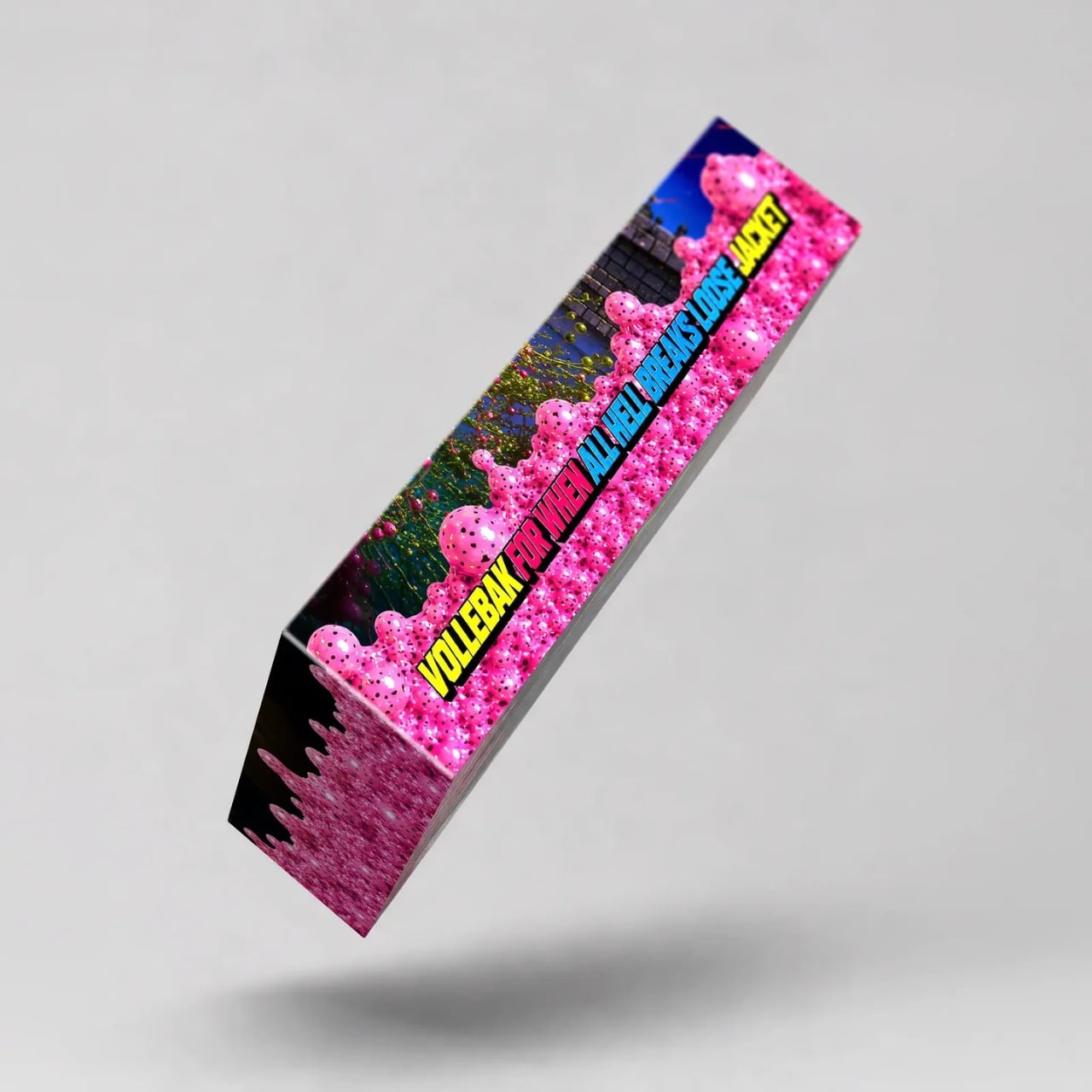
Only 10 of these exist. They’re priced at $3,995. They arrive in retro video game packaging alongside a comic book and a trailer for an upcoming game. The whole thing reads like a fever dream, and yet, once you look at what’s actually inside it, the jacket starts making a strange kind of sense.
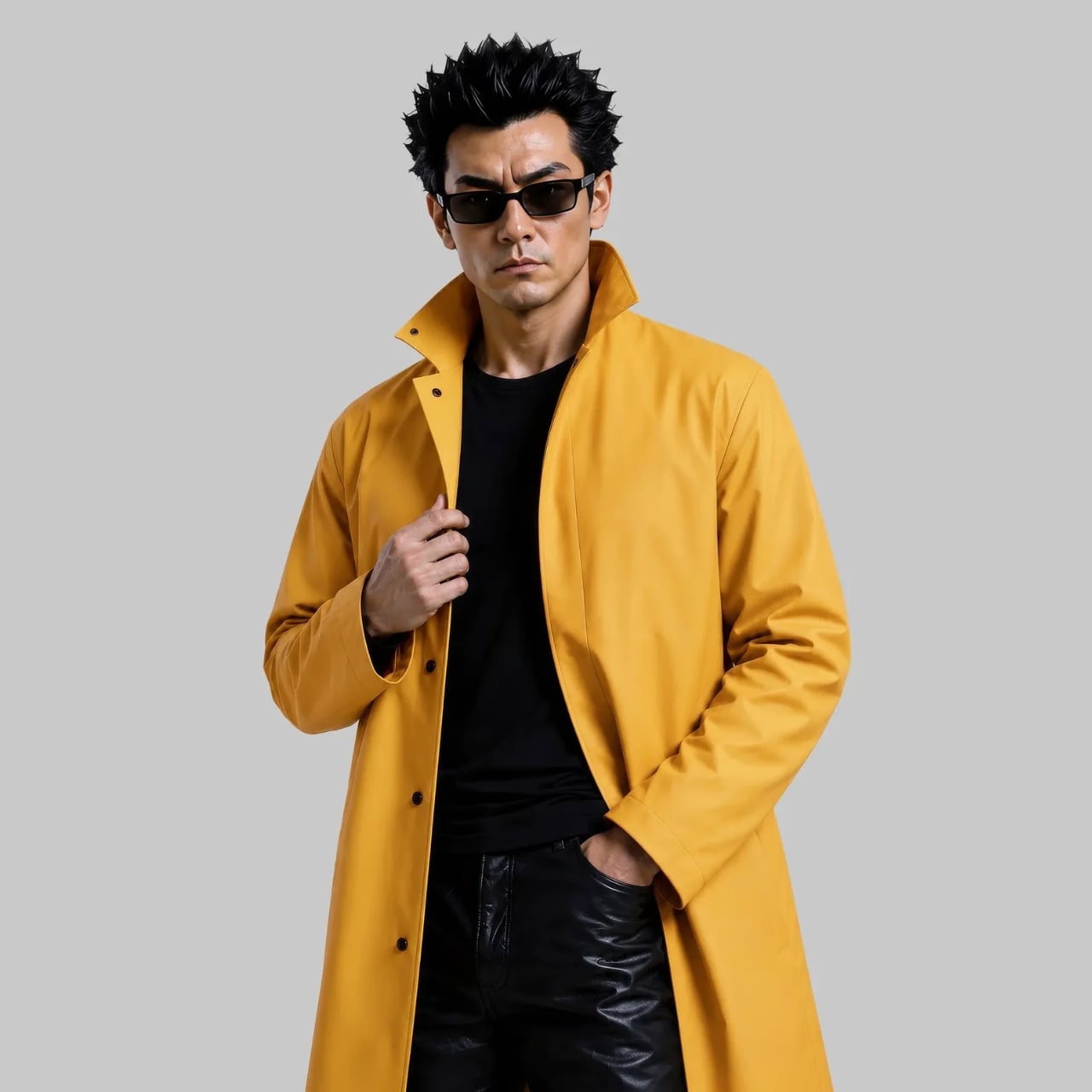
The material comes from Fothergill, a British manufacturer that has been producing protective gear for the military since 1847. The fabric is double-faced polychloroprene rubber coated over a woven polyester core, built to resist oils, chemicals, flame, and extreme weather. This isn’t performance wear with a dramatic name slapped on it. The engineering is real, even if Vollebak is quick to clarify that it isn’t certified safety equipment. What it is, they say, is clothing designed for extreme weather and existential dread. I appreciate the specificity.
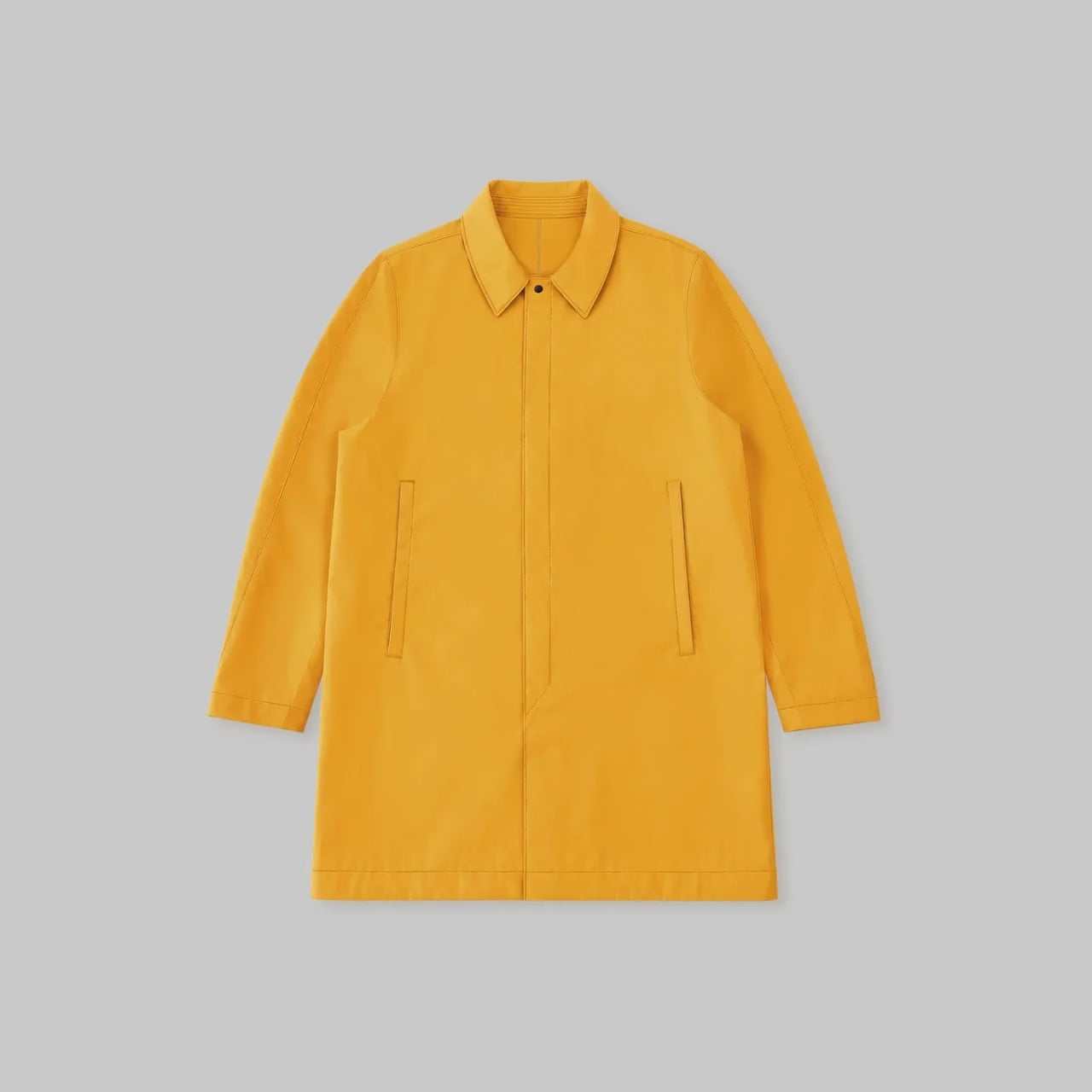
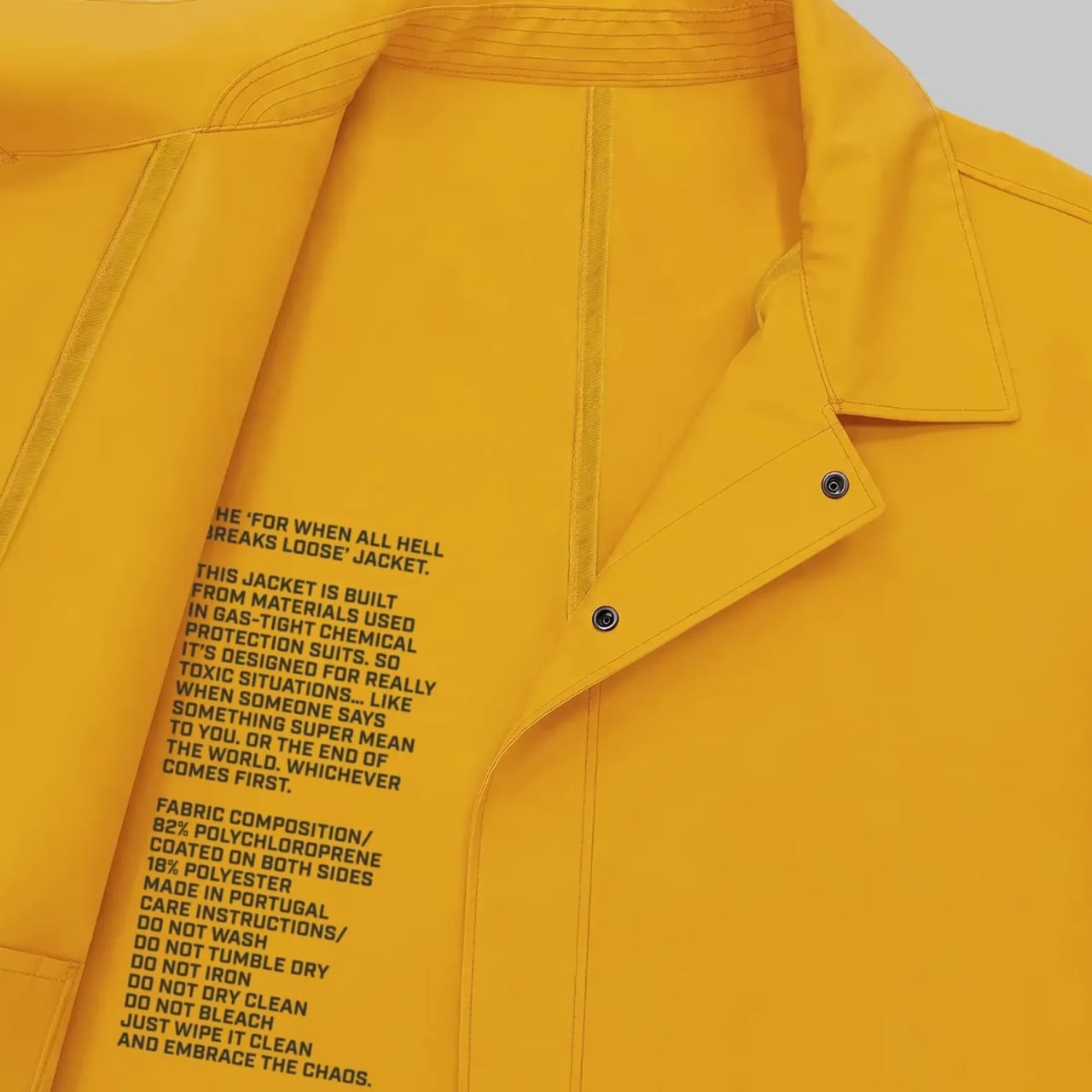
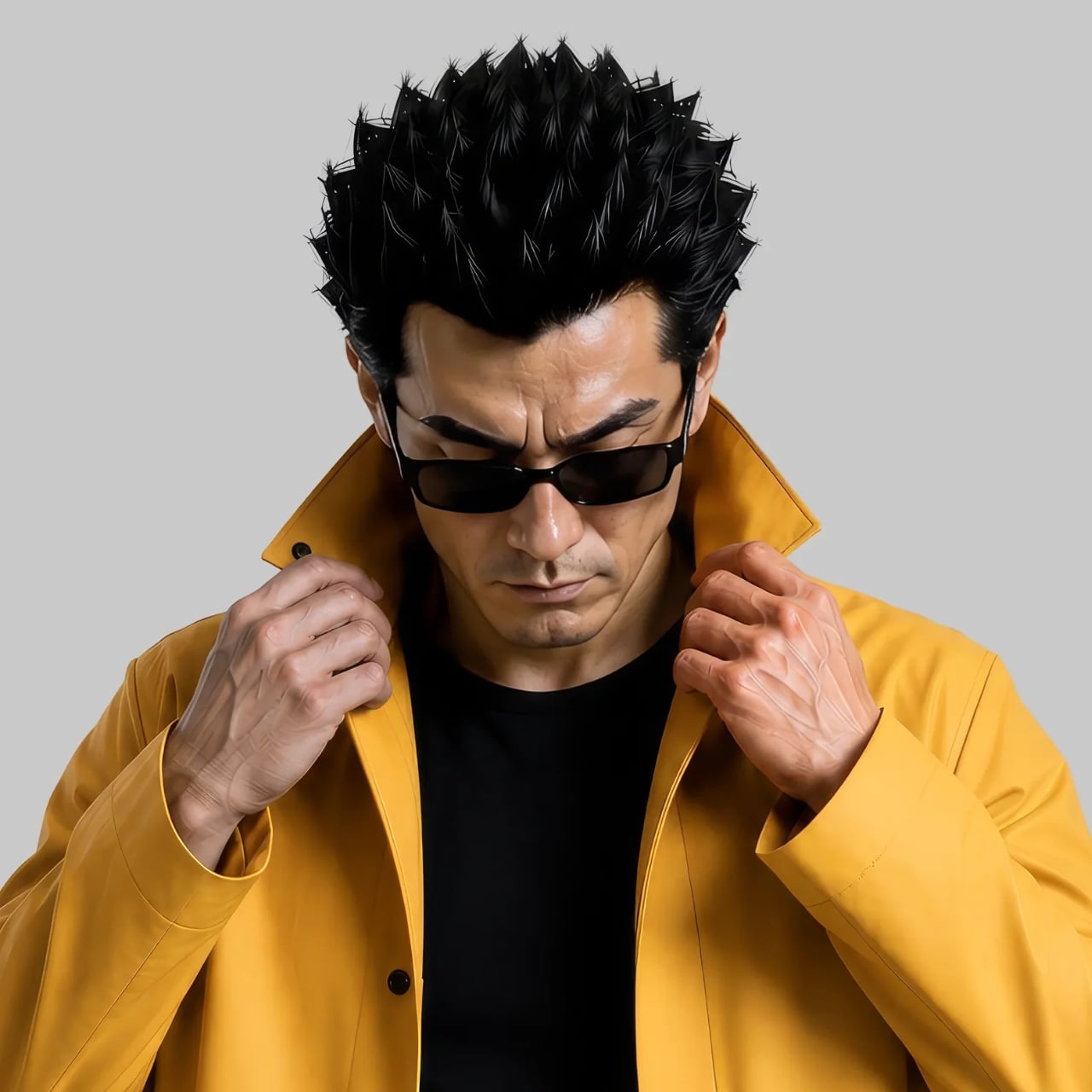
A jacket that could theoretically withstand a chemical spill but comes dressed for a gallery opening is a very particular kind of product. The hazard yellow finish makes it look like something you’d find on a nuclear site inspector who also happens to have excellent taste. It’s alarming and considered at the same time, which feels very intentional. Vollebak’s whole design language leans into that tension, the idea that what we wear should be able to meet us at our worst, not just our most polished.
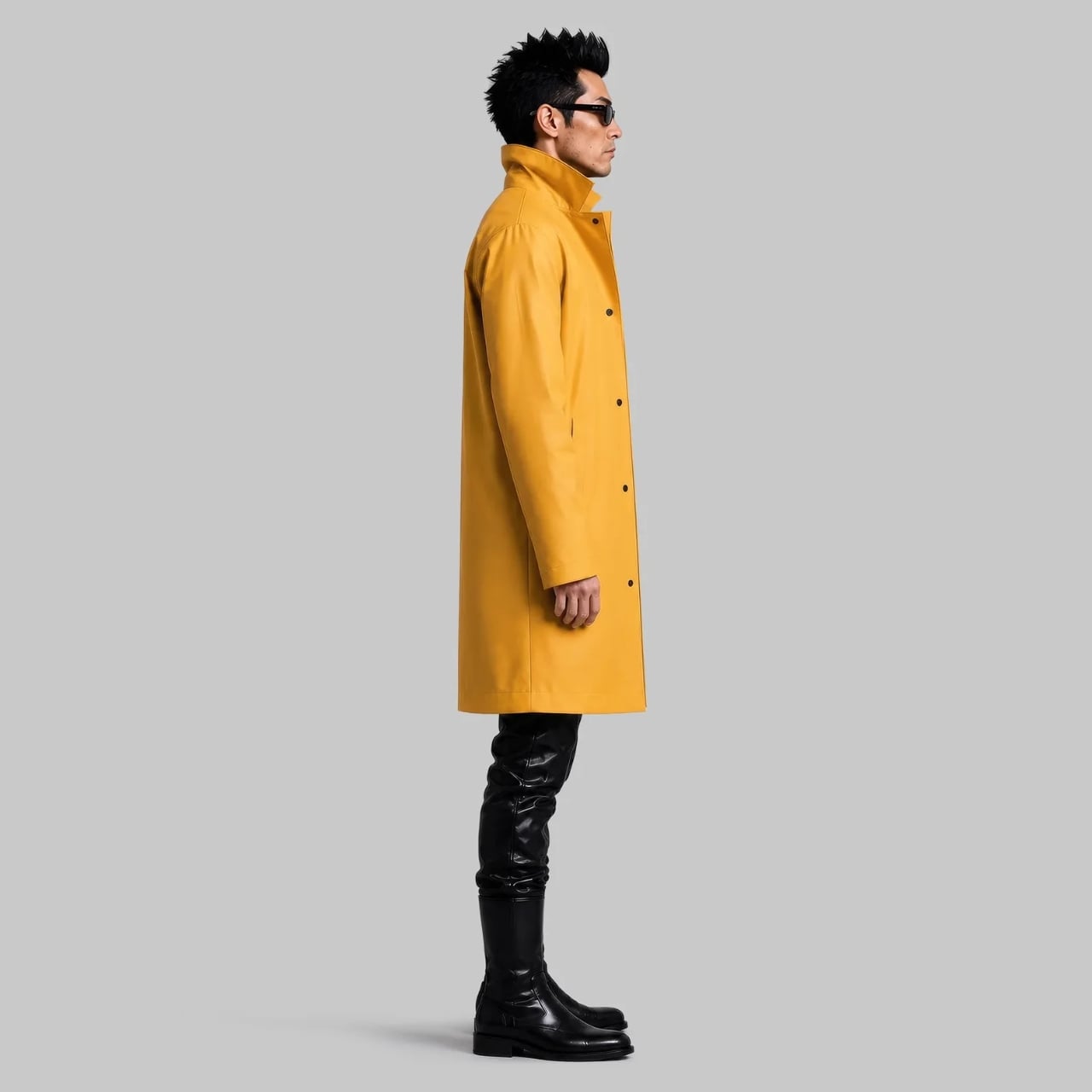
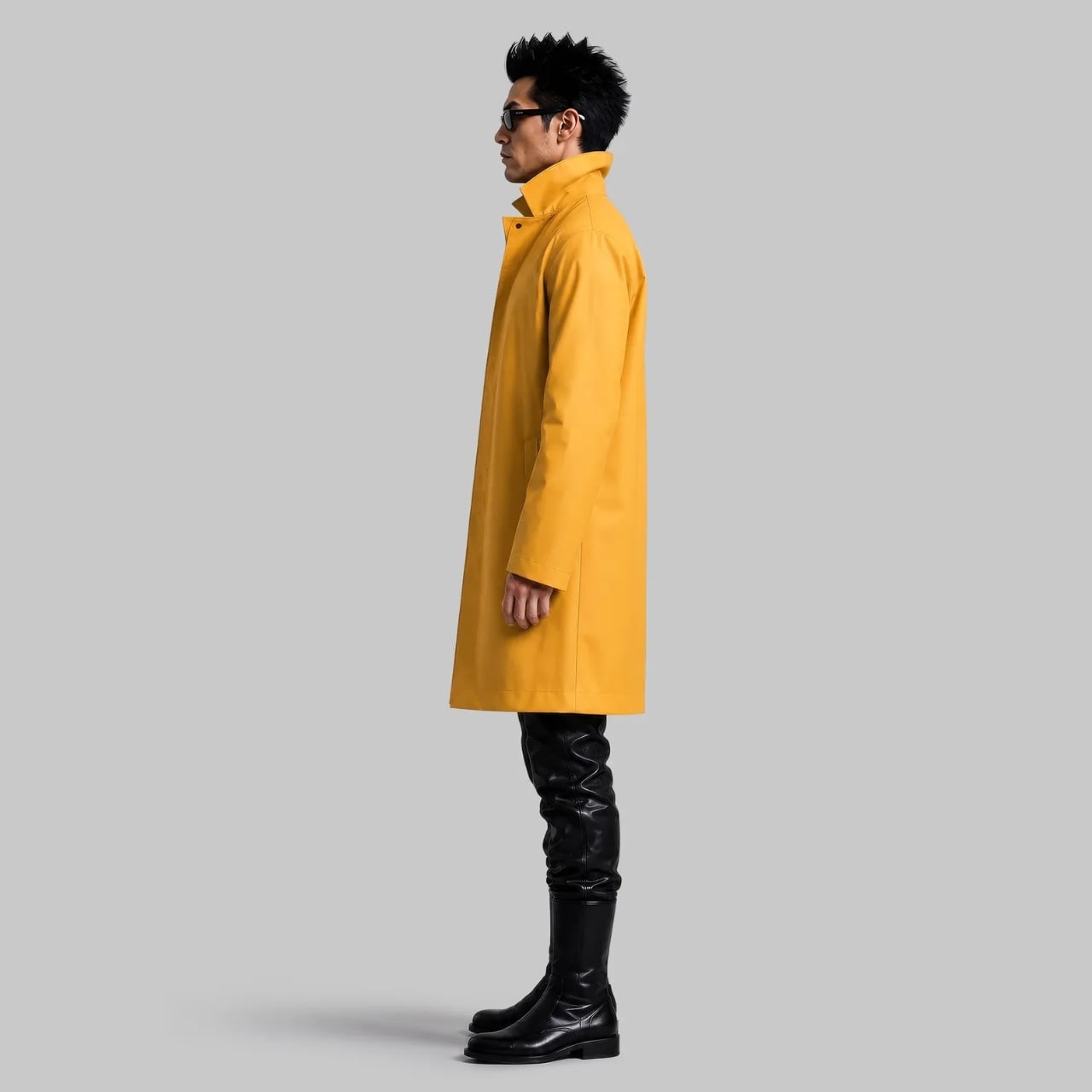
The narrative wrapped around the jacket is what separates it from a typical limited-edition fashion drop. Vollebak didn’t just make a jacket and photograph it on a rooftop. They built a universe: the comic book, the video game, the worldbuilding. The jacket becomes almost secondary to the story it’s trying to tell, which is either a genius move or a complete overreach, depending on how you feel about brands constructing mythology around outerwear. Personally, I find it more compelling than a seasonal lookbook ever manages to be. At least it commits to a point of view.
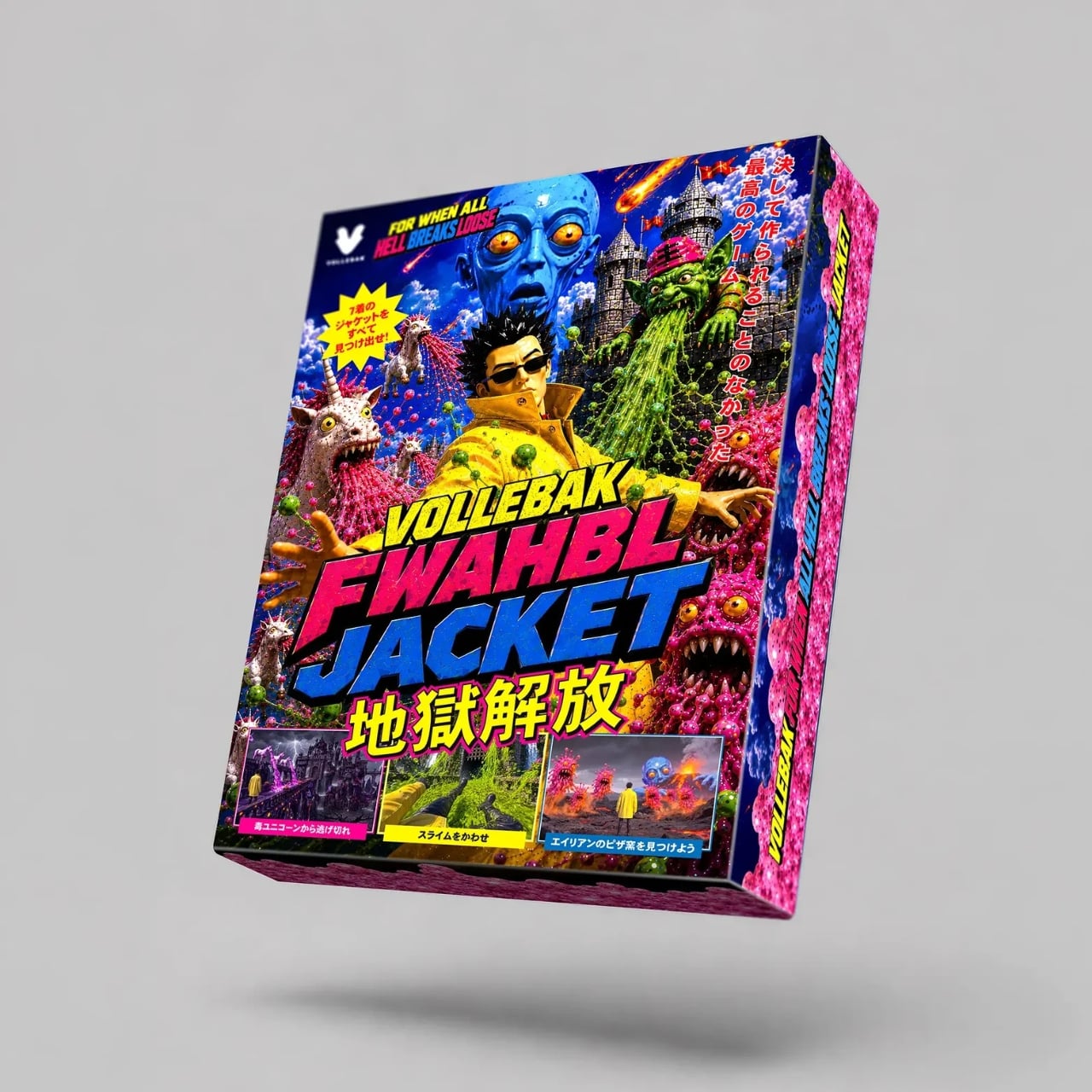
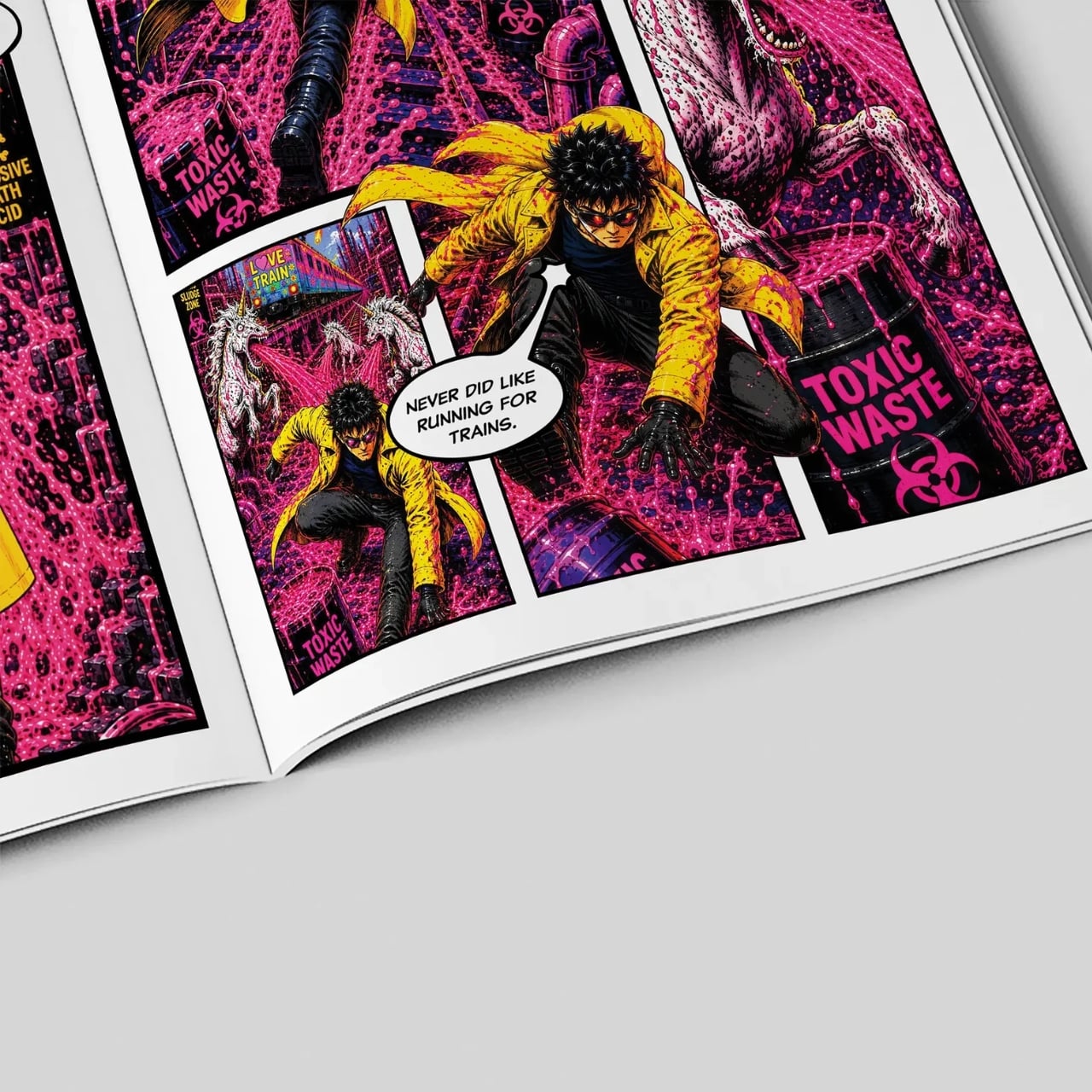
The collectible angle is also hard to ignore. Ten pieces worldwide isn’t a production run. It’s closer to an art edition, which raises the question of who actually buys this. Probably not someone planning to commute in it. Most likely it’s the kind of person who understands that certain objects carry cultural weight beyond their function, the same kind of person who collects a Helmut Lang archive piece or a first-edition sneaker that never touches the ground. Whether we call that fashion, collecting, or very expensive storytelling, the outcome is the same.
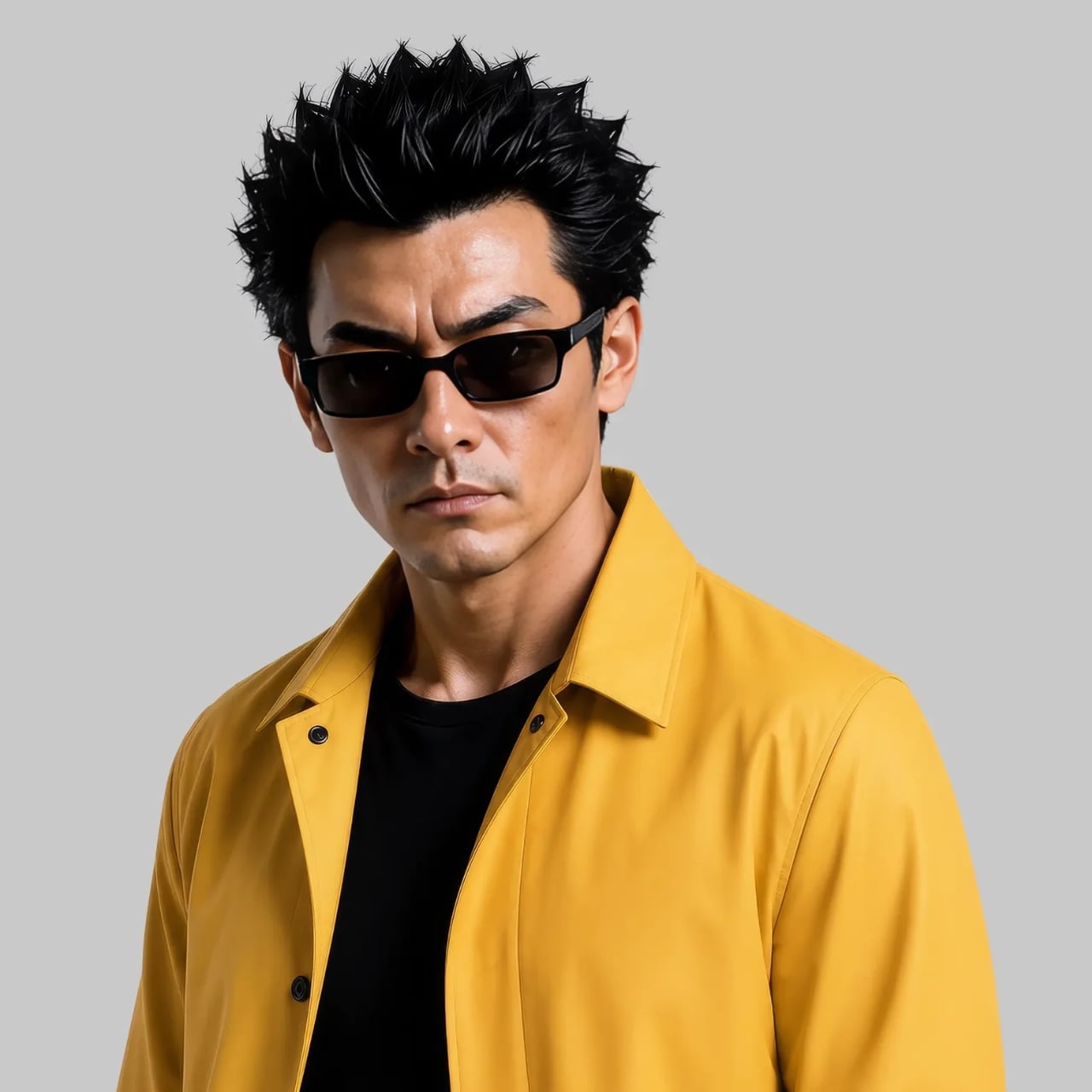
Objects that sit at the intersection of design, utility, and narrative have always existed, from limited-run furniture to bespoke motorcycles to museum-acquired concept cars. The FWAHBL Jacket fits that lineage more comfortably than it fits any fashion calendar.
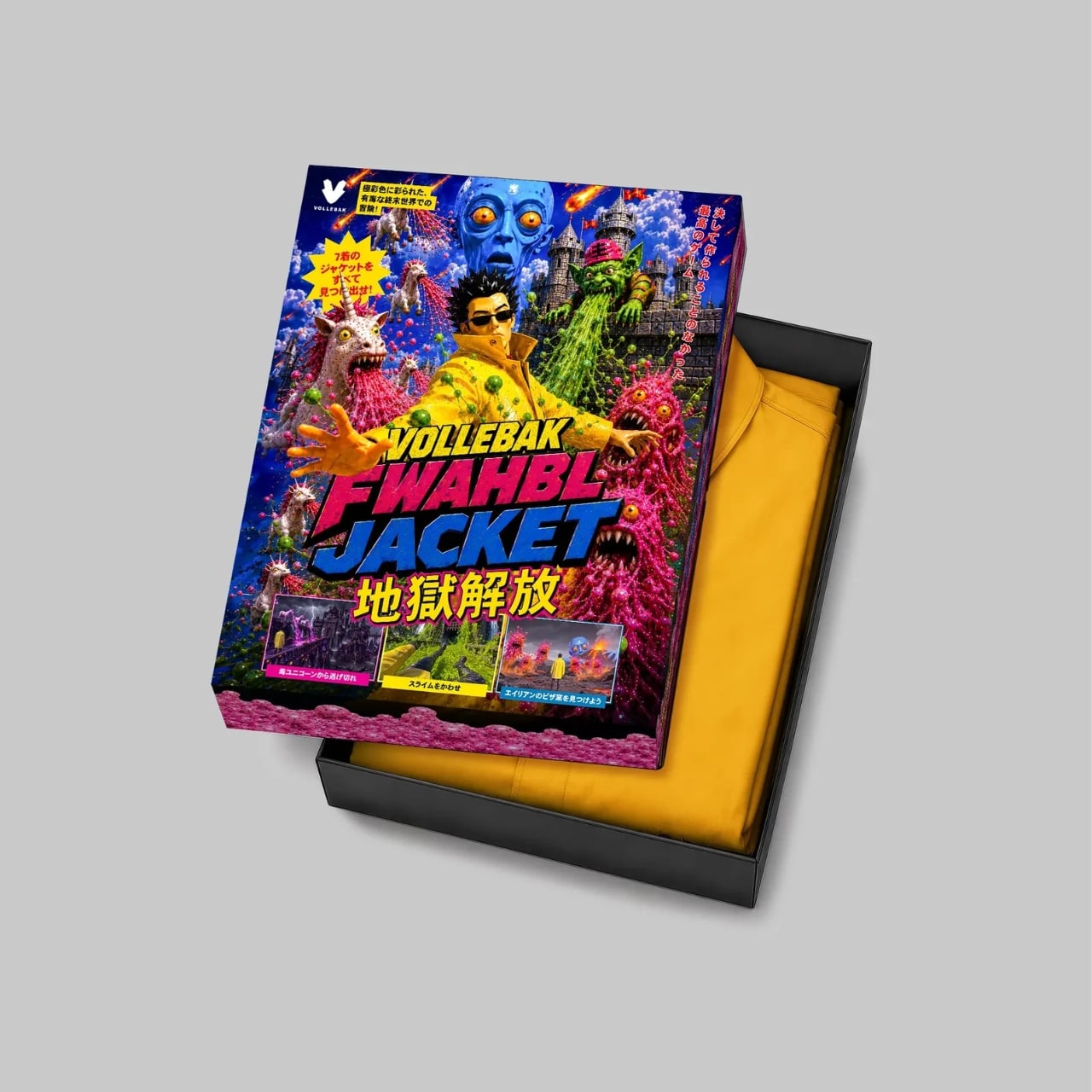
Whether or not you’d wear it, or could, the jacket asks a useful question. How much are we expecting from the things we put on our bodies? Vollebak’s answer has always been: more. More protection, more engineering, more intention. The FWAHBL Jacket takes that philosophy to its logical, slightly unhinged conclusion. A trench coat for the end of things, made by people who clearly hope you never actually need it.
SHARE